
The 3-3-3 rule for kids clothing
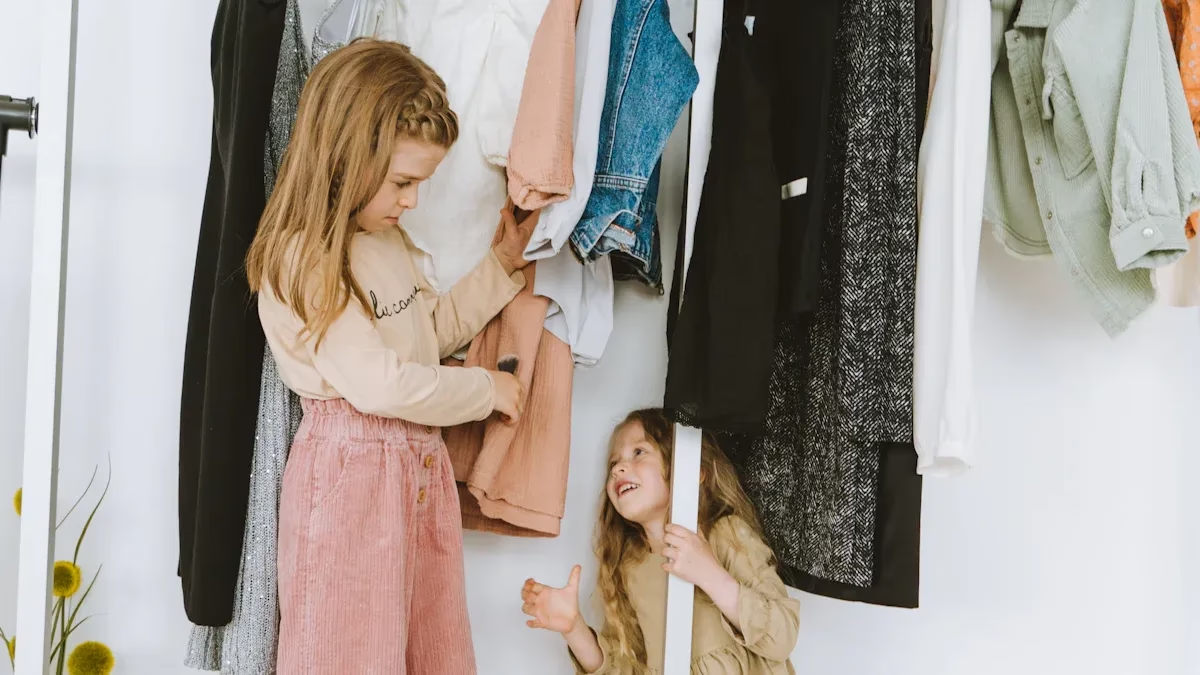
You use the 3-3-3 rule to organise kids clothing into three tops, three bottoms, and three pairs of shoes. This method helps you simplify the wardrobe. You create 27 outfit combinations. You reduce daily stress and make shopping more mindful.
Tip: You help your child choose outfits easily with fewer options.
Principais conclusões
Conteúdo
Use the 3-3-3 rule to sort kids’ clothes. Pick three tops, three bottoms, and three pairs of shoes. This way, you can make 27 different outfits. Getting dressed becomes easier and more fun.
Give fewer choices to stop decision fatigue. Less choice helps your child feel safe and sure when choosing clothes. This makes mornings go better.
Buy clothes carefully by picking good, useful items. This saves money and keeps your space tidy. It also teaches your child to think before buying things.
What is the 3-3-3 rule?
The basics of the rule
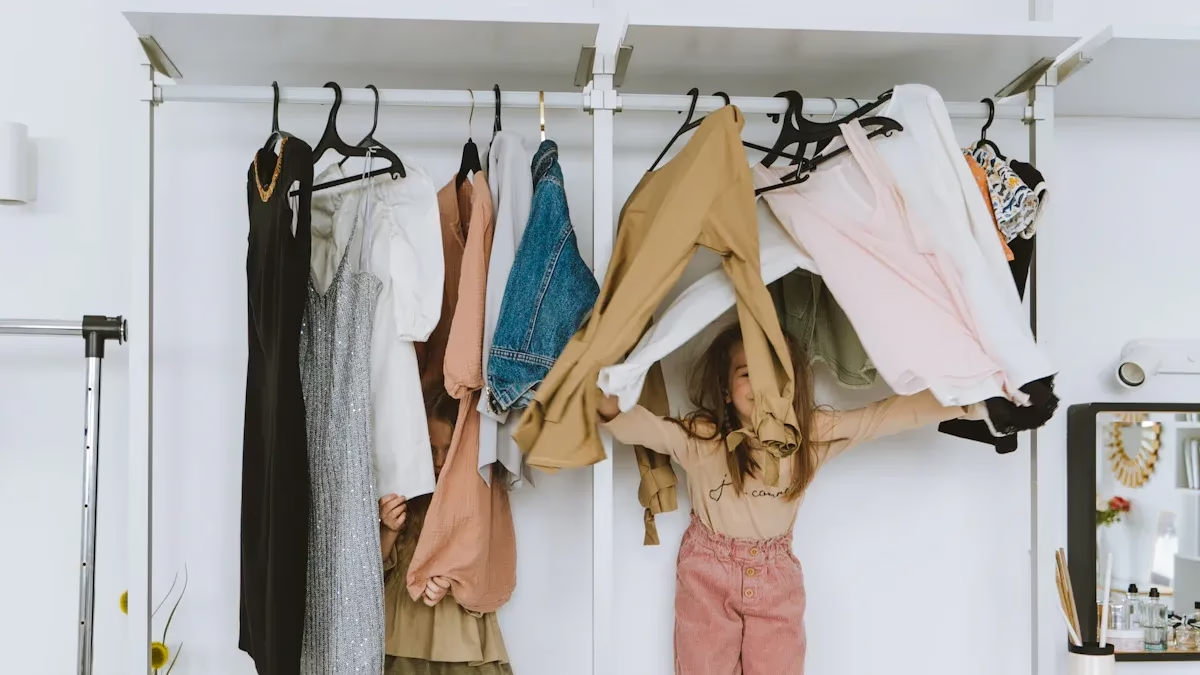
You use the 3-3-3 rule to organise kids clothing into three main categories. You select three tops, three bottoms, and three pairs of shoes. This method gives you a clear structure for your child’s wardrobe. You avoid overcrowding the closet and keep choices simple.
Tops: T-shirts, jumpers, or blouses
Bottoms: Trousers, shorts, or skirts
Shoes: Trainers, sandals, or boots
You focus on quality and versatility. You choose items that mix well together. You help your child dress with ease and confidence.
Note: You do not need to buy extra items for every occasion. You build a wardrobe that covers most daily needs.
Why it works for families
Você reduce stress when you limit choices. Psychological studies show that decision fatigue happens when you face too many options. You make getting dressed automatic and less mentally taxing. You lower stress levels for both you and your child.
You create a routine that feels comfortable. Research shows that familiar clothing can improve mood and emotional regulation. You help your child feel secure and ready for the day. You also encourage independence. Your child learns to pick outfits without feeling overwhelmed.
You shop mindfully. You avoid impulse purchases. You save money and space. You teach your child about thoughtful choices and sustainability.
Tip: You can use the 3-3-3 rule for travel. You pack light and still have enough outfits for any trip.
Outfit combinations explained
You create 27 unique outfit combinations with the 3-3-3 rule. You multiply the number of choices in each category:
Tops | Calcinhas | Shoes | Total Combinations |
|---|---|---|---|
3 | 3 | 3 | 27 |
You select one top, one bottom, and one pair of shoes each day. You get a new outfit every time. You keep mornings simple and avoid last-minute stress.
You use this system for kids clothing to make daily routines smoother. You also find it useful for holidays and busy weeks. You always have enough options without clutter.
Callout: You help your child build confidence by letting them choose from a manageable selection.
Building a 3-3-3 kids clothing wardrobe
Choosing versatile pieces
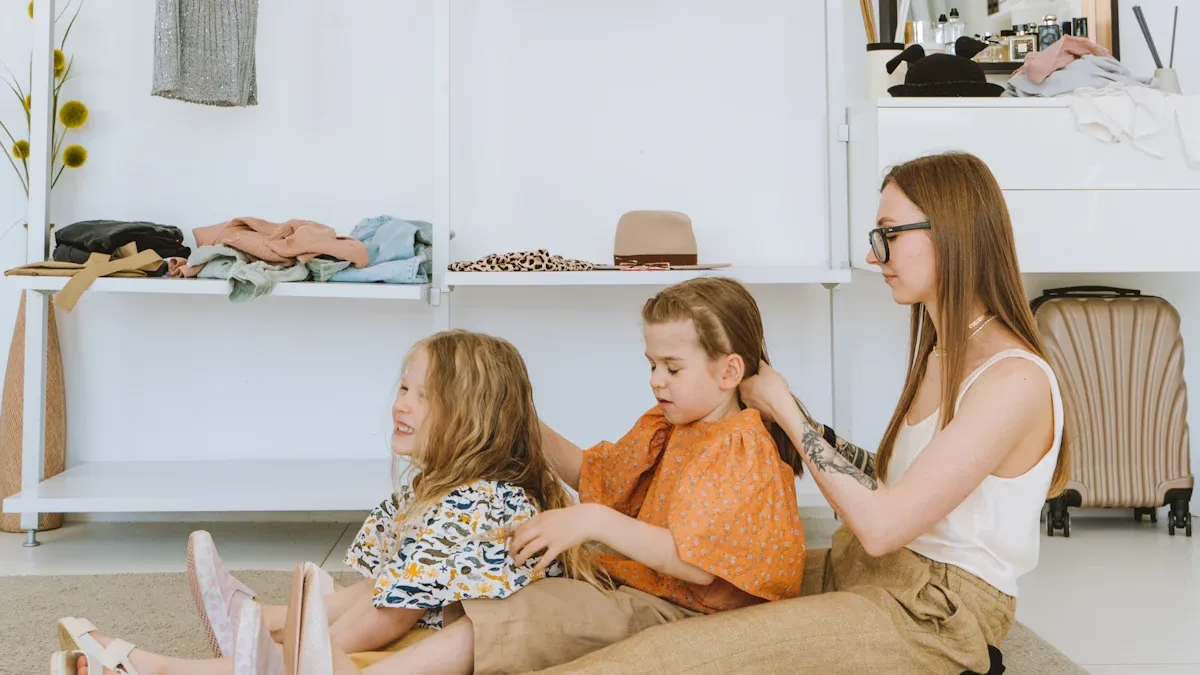
You start by selecting items that work well together. To build a flexible wardrobe, you can:
Stick to a colour palette. Choose three or four core colours that match easily.
Escolher quality fabrics. Look for organic cotton, bamboo, or breathable muslin for comfort and durability.
Use a one-in, one-out rule. When you buy a new size, donate or sell the old one to keep the wardrobe tidy.
These steps help you create a wardrobe that lasts and stays organised.
Mixing and matching outfits
You can make many outfits from a small number of clothes. Try these strategies:
Begin with neutral colours for tops and bottoms.
Let your child help choose their clothes. This builds confidence and self-expression.
Choose essentials like sturdy trainers and well-made T-shirts.
Use layers. Add jumpers or jackets to create new looks.
You give your child more choices without adding clutter.
Laundry and seasonal tips
You keep the wardrobe fresh by planning laundry days. Wash clothes regularly to ensure clean options. For different seasons, swap out items. Store summer clothes in winter and bring them back when it gets warm. This keeps the wardrobe simple and ready for any weather.
Overcoming common challenges
You may face special events or strong preferences. For parties, keep one dressy outfit aside. If your child loves a certain item, include it in the main selection. You adapt the 3-3-3 rule to fit your family’s needs. This approach works for most kids clothing situations.
Benefits of the 3-3-3 rule
Saving time and reducing clutter
You save time each morning when you use the 3-3-3 rule. You do not need to search through piles of clothes. You find what you need quickly. You keep your child’s wardrobe tidy. You reduce clutter in drawers and wardrobes. You make it easier to clean and organise the space. You spend less time folding and sorting. You create a calm environment for your child.
Mindful shopping habits
You shop with intention. You choose items that last longer and serve more purposes. You avoid buying unnecessary pieces. You help your family reduce clothing waste. You extend the life of each garment by nine months, which lowers its carbon, water, and waste footprint by up to 30%. You support brands that use single-fibre materials and design for recycling. You reflect on your impact and make small changes each season.
Ação | Impacto |
|---|---|
Buy less, buy better | Invest in durable, timeless pieces that last longer and can be repaired rather than discarded. |
Choose easier-to-recycle materials | Favour single-fibre garments with minimal blends and support brands that design for end-of-life clarity. |
Reflect on your impact | Make small changes each season to reduce your wardrobe’s carbon footprint. |
Making mornings easier
You make mornings smoother for your child. You give them a manageable selection. You encourage independence. You let your child choose their own outfit. You build confidence and self-reliance. You use the 3-3-3 rule for kids clothing when you travel. You pack light and still have enough options for every occasion.
Tip: You help your child feel ready for the day with less stress and more freedom.
Você simplify your child’s wardrobe with the 3-3-3 rule. You save time, reduce clutter, and encourage independence. You start with these steps:
Choose mix-and-match tops and bottoms.
Store off-season clothing.
Donate outgrown clothes.
Organise clothing in bins.
You build a calm, practical routine for your family.
FAQ
What if your child needs more than three pairs of shoes?
You can add a fourth pair for special occasions. You keep the main selection simple. You avoid clutter and maintain easy choices.
What should you do if your child dislikes one item?
You swap the disliked item for another. You involve your child in choosing. You ensure the wardrobe stays versatile and comfortable.
What happens when your child outgrows clothes quickly?
You check sizes often. You donate or recycle outgrown items. You update the wardrobe with new pieces that fit and match.