
Are baby products profitable?
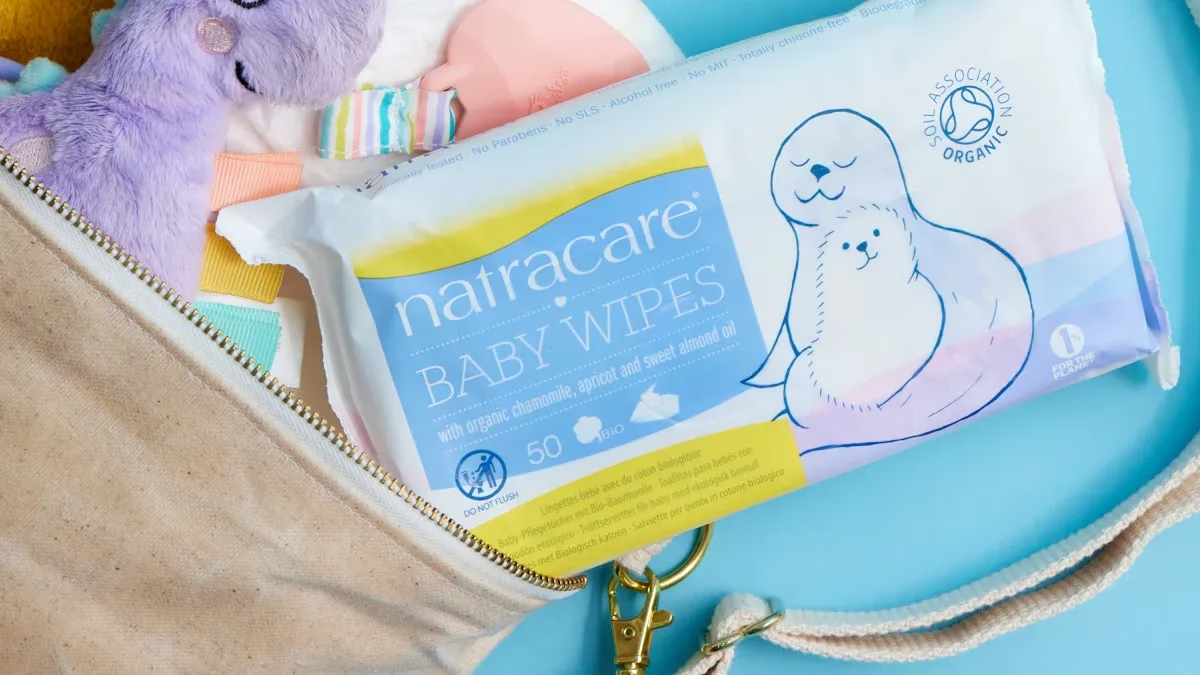
You think baby products generate profit because parents purchase them frequently. The market expands rapidly. The global baby care market was $64.46 billion in 2024 and is anticipated to grow by 10.1% each year. This growth is also evident in Australia, where parents typically spend over $5552 during pregnancy and the first year.
Ano | Market Size (USD Billion) | Projected Growth Rate (CAGR) |
|---|---|---|
2024 | 64.46 | 10.1% |
2032 | 137.26 |
Maternity clothes: $700
Pram/Strollers: $868 to $1748
Baby care products: $791 to $1059
Clothes: $800
You can start your own baby clothing brand in Australia. You can leverage this demand to support your business.
Principais conclusões
Conteúdo
- 1 Principais conclusões
- 2 Profitable baby products
- 3 Why demand stays strong
- 4 Market trends and strategies
- 5 Start your own baby clothing brand in Australia
- 6 Challenges and risks
- 7 Inside Petelulu’s Baby Clothing Factory
- 8 FAQ
The global baby care market is growing fast. It may reach $137.26 billion by 2032. This gives new businesses a big chance.
Sell smaller accessories and premium products. These often make more money than big items like prams and cots.
Parents buy baby products again and again. This gives a steady flow of money. Make customers loyal to boost sales.
Escolher eco-friendly and organic trends. Many parents want sustainable choices. This can make your brand stand out in a busy market.
Use digital marketing and subscription models to find more customers. These ways help keep sales steady. They also make things easier for customers and help them stay loyal.
Profitable baby products
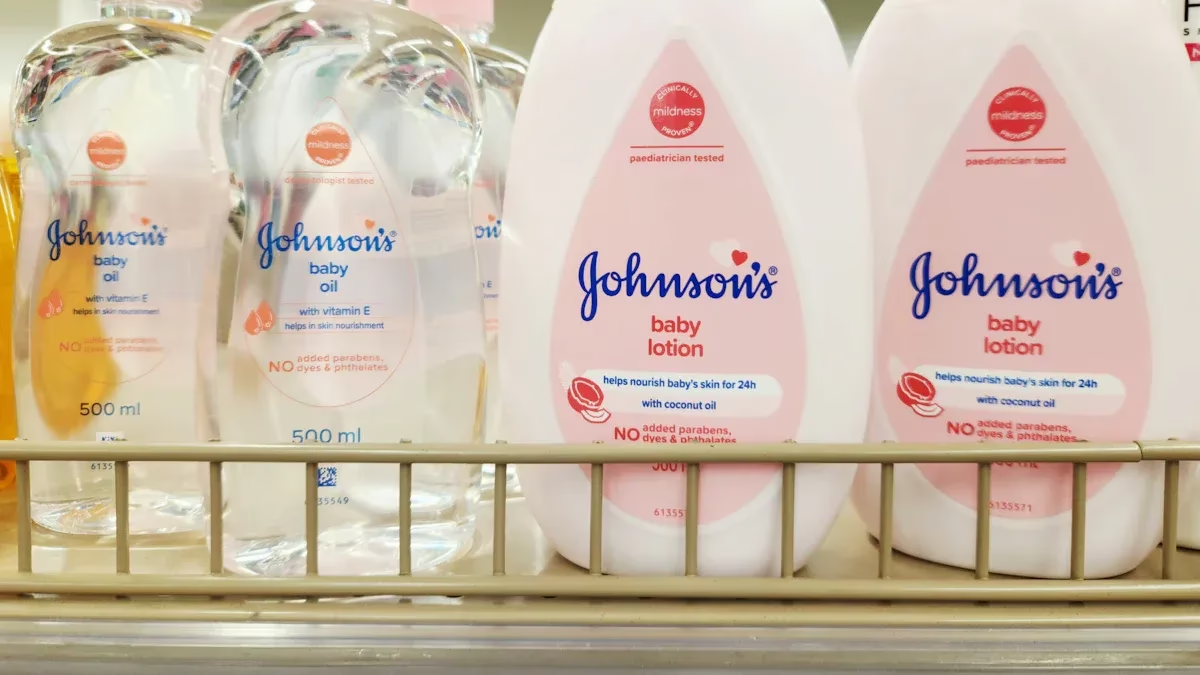
There are lots of baby products you can buy. Some types make more money than others. It is important to know which ones give the best profit before you spend money.
Essential gear
Essential gear means things like prams, car seats, and cots. These are big things that new parents need to buy. You might think these cost a lot so shops make lots of money. But shops say they do not get much profit from these.
Big things like cots and prams can cost $1000 to $2000, but shops say they do not make much money from them.
Shops make more money from smaller things like linen and toys.
If you want to make more money, you should sell accessories and extras. These small things sell again and again and give better profits.
Baby clothing and accessories
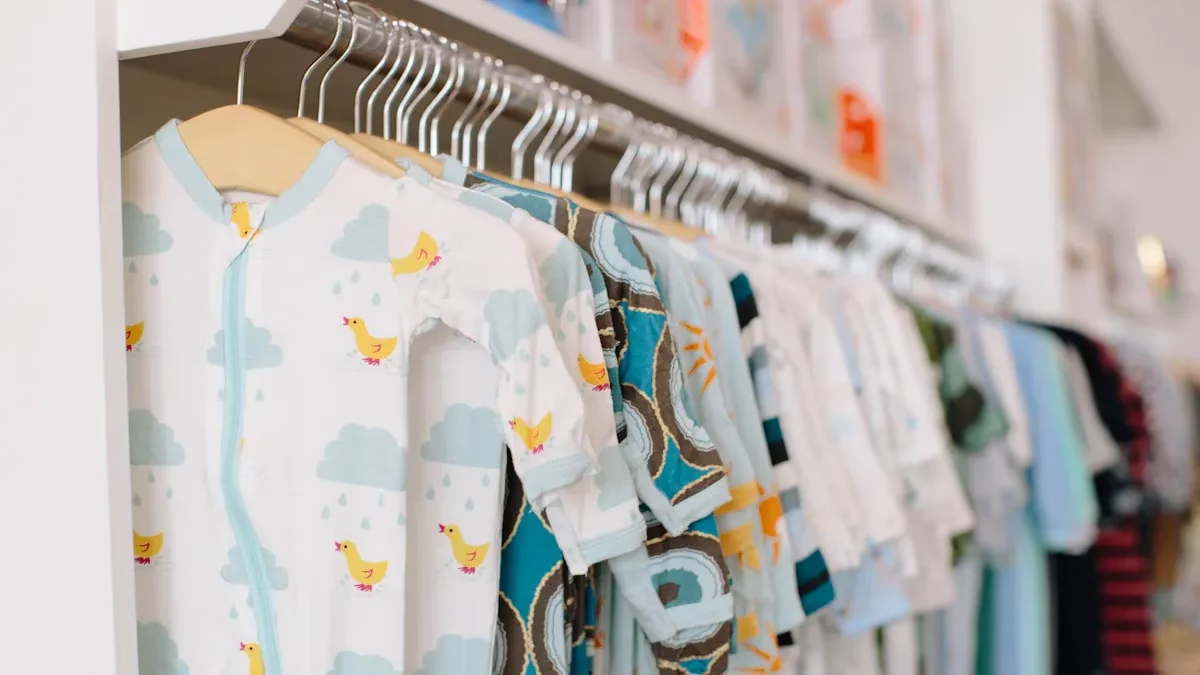
Baby clothing and accessories are a big part of the market. There are many choices, from simple bodysuits to fancy sets. The table below shows some of the best types:
Categoria | Exemplos |
|---|---|
Roupa de bebé | Bodysuits, Rompers, Tees, Bottoms, Baby Sets |
Acessórios | Knotted Baby Hat, Slouch Beanie, Bandana Bib |
Many brands have done well in this area. Cinnamon Baby, for example, sold more and got noticed by famous people. This means good baby clothes can make a lot of money. You can start your own baby clothing brand in Australia and use this growing demand.
Feeding and care items
Feeding and care items are always needed. Parents buy baby formula, bottles, sterilisers, and skincare. These often give good profits, especially baby formula.
Baby formula is a product that gives high profits. This is because a few big brands control the market and set prices. In the UK, baby formula prices went up by 25% in two years. Big companies raised prices more than their costs.
Feeding products can give steady sales and good profits. Parents buy these things often, so you get repeat customers.
Niche and premium products are for parents who want the best. These are things like organic baby clothes, eco-friendly nappies, and designer extras. You can make more money from these because parents pay more for quality and safety.
If you want to be different, pick a special niche. Products like organic or eco-friendly items can help you build a strong brand. You can also help parents who care about health and the planet.
Tip: Sell special or high-quality products to make more money and have less competition.
The most profitable baby products are not always the most costly. You need to pick your niche carefully and look for products with good profits and lots of buyers.
Why demand stays strong
Parental spending habits
You see parents spend money on baby products because they want the best for their children. Safety, comfort, and health matter most. Parents look for items that protect babies and help them grow. You notice that many parents choose products made from materiais ecológicos. They want furniture and clothing that use renewable resources and avoid harmful chemicals. You also find parents prefer products designed for sensitive skin. Babies often have delicate skin, so parents buy gentle creams, wipes, and clothing.
Parents want safe products that meet strict standards.
Many choose items made from sustainable materials.
You see a rise in products for sensitive skin.
Gifting and baby showers
You notice baby showers and gifts play a big role in the market. Friends and family buy presents for new parents. These gifts include clothing, toys, and care items. You see that gifting trends help keep demand high. People want to give useful and thoughtful presents. Baby showers often lead to bulk purchases, as guests buy sets or bundles.
Baby showers encourage group buying. You get more sales when people buy gifts together.
You find that gifting is not just for newborns. Birthdays and holidays also drive sales. You see parents and relatives buy new products as babies grow.
Repeat purchases
You discover that repeat purchases are common in the baby product market. Babies grow quickly, so parents need to buy new clothes and gear often. You see that many parents return to buy more after their first purchase. Shops report that 40% of revenue comes from repeat customers. Over half of buyers come back for a third purchase, and nearly two-thirds make a fourth purchase. You notice that customers spend more each time they return.
Parents buy new clothes as babies grow.
You see repeat purchases for feeding and care items.
Customers spend more on later orders.
You find that growth and development create ongoing demand. Parents need to replace items as babies reach new stages. This cycle keeps the market active and profitable.
Market trends and strategies
Subscription models
Muitos baby product companies use subscription models now. These let you get things like nappies, wipes, or formula every month. Subscriptions save you time and make sure you never run out. They also help companies earn money regularly and spend less.
Tinybeans grew its subscription money by 12% in one year. It made USD $3.32 million from subscriptions, which is 69% of all its money.
The company had a gross margin of 87%. This means subscriptions can cost little but make a lot.
Tinybeans also spent 33% less on running the business. This made its finances better, even when total money went down.
Subscriptions work well because parents need baby products all the time. You do not have to remember to buy again, and companies can plan better.
Eco-friendly and organic trends
More parents want eco-friendly and organic baby products now. Many think these are safer for babies and good for the planet. More shops sell things made from organic cotton, bamboo, or recycled stuff.
In the last ten years, demand for certified organic baby products got four times bigger.
40% of parents believe natural products are safer for babies than normal ones.
You can find organic clothes, biodegradable nappies, and natural skincare in many shops. These cost more, but parents pay extra for safety and to help the planet.
Cross-selling and upselling
Shops use cross-selling and upselling to get you to buy more. These ways help you spend more each time you shop.
Amazon uses cross-selling to make more money. It shows you extra things that go with what you buy.
Shops send emails to suggest things that match your order.
You get reminders for things you need again, like baby food or nappies.
Upselling means offering a better or pricier version, like a premium pram.
Cross-selling means showing related things, like baby hats or safety locks, when you buy clothes or gear.
These ways help you find useful things and make shopping simple. Shops get more sales and keep customers coming back.
Start your own baby clothing brand in Australia
Market opportunities
You see many chances if you want to start your own baby clothing brand in Australia. The baby clothing market forms part of a much larger kids’ apparel sector. In 2025, this market will reach AUD 13.29 billion. Experts expect it to grow at a rate of 5% each year until 2035, reaching about AUD 21.65 billion. This steady growth means you can find space for new brands.
You notice a rising demand for sustainable and eco-friendly baby clothing.
Many parents prefer products made from organic materials, such as cotton.
Some brands now work with local suppliers. For example, Cotton Australia and Cotton On Kids show a shift towards using locally sourced materials.
Digital marketing and subscription models help new brands reach more customers.
You can stand out by choosing a clear niche. You might focus on organic fabrics, unique designs, or local production. These choices help you attract parents who want something special for their children.
Tip: You can use digital tools to connect with parents and build a loyal customer base.
Sustainable and organic focus
You see that many parents care about how baby clothes are made. Almost half of all shoppers say they are more likely to buy fashion items made in a sustainable way. Younger parents, like Gen Z and Millennials, show even more interest in eco-friendly options.
Many parents look for organic cotton and natural fibres.
Some buyers want proof that products are truly sustainable.
Price still matters most for many families, but a growing group will pay more for eco-friendly choices.
You may face challenges when you try to prove your products are sustainable. Some shoppers find it hard to check if claims are true. If you want to start your own baby clothing brand in Australia, you should focus on clear labels and honest information. This helps you build trust and meet the needs of modern parents.
Challenges and risks
Competition
You face strong competition in the baby products market. Over 160 online retailers sell baby items in Australia. Large companies like Baby Bunting lead the market. They offer many brands, such as McLaren and Bugaboo, and focus on customer service and low prices. You need to find ways to stand out. You can do this by choosing a unique product or offering better service. The market changes quickly, so you must keep up with trends and new products.
Product safety and regulations
You must follow strict safety rules when you sell baby products. Some rules are old and do not cover all risks. New voluntary standards exist, but they are not always enforced. The Australian government plans to make these rules stronger and match them with international standards. You should know about these changes to keep your products safe.
Current rules for cots and strollers may miss important safety points.
New standards, like AS 5407.1 and AS 5407.2, focus on safer sleep surfaces.
AS 5407.3 will test how well products let air through, which helps prevent breathing problems.
New rules will make safety information clearer for parents.
Australia leads with new safety standards to lower the risk of SUDI and SIDS. These updates help protect babies and give parents clear advice. You must check your products often and follow all safety laws.
You also see problems with misleading marketing. Some baby foods use fruit pictures but contain mostly sugar. Many parents do not know these products may not help their child’s health. You should use honest labels and avoid claims that could confuse parents.
Changing consumer preferences
You notice that parents change what they want often. Some look for eco-friendly or organic products. Others want the best price. You must watch these trends and adjust your products. If you do not, you may lose customers.
Tip: You should research the market and listen to parents. This helps you keep up with new trends and stay ahead of your competitors.
You need to stay flexible and ready to change your products or marketing. This helps you succeed in a busy and changing market.
Inside Petelulu’s Baby Clothing Factory
Factory Overview
Location and scale of operations
Petelulu’s baby clothing factory sits in a new industrial area. The building is big and can handle many orders. There are advanced machines and skilled workers inside. This helps the factory make lots of baby clothes.
Key production capabilities
The factory makes bodysuits, rompers, hats, and bibs. Workers use digital patterns and cutting machines. They can make simple or fancy designs. The team can change fabrics and styles fast.
Production Process
Material sourcing and selection
The factory picks materials from trusted suppliers. The team checks each batch for safety and quality. They often use organic cotton and bamboo. The factory keeps records of where materials come from.
Cutting, sewing, and finishing steps
Workers cut fabric with special machines. Sewing teams put the pieces together carefully. Each item gets snaps or labels added at the end. Finished products are packed in clean, safe rooms.
Quality Control Measures
Inspection protocols
The factory checks every product at each step. Inspectors look for loose threads and weak seams. They also check for colour problems. The team uses lists to make sure nothing is missed.
Certifications and compliance
The factory follows strict regras de segurança. It has certificates for organic textiles and child safety. The team updates its work to match new rules.
Sustainability Initiatives
Eco-friendly materials
The factory uses organic cotton and recycled packaging. The team stays away from harmful dyes and chemicals.
Waste reduction and energy efficiency
The factory recycles leftover fabric. Machines use less water and energy. The team tracks waste and tries to do better.
If you want to start a baby clothing brand in Australia, you can learn from these ideas. This is what a modern and responsible factory looks like.
You can find strong profit potential in the baby products market. Success depends on smart choices, such as picking high-demand items, focusing on sustainability, and following safety rules. If you want to start your own marca de roupa para bebé in Australia, you should:
Talk to your target customers to shape your business story.
Get advice from trusted experts.
Trust your ideas and aim to build a well-known brand.
You will do well if you watch trends and keep learning about your market.
FAQ
What are the most profitable baby products?
You find that feeding items, organic clothing, and premium accessories often give the best profits. Shops make more from these than from large gear like prams or cots.
What makes parents choose one baby brand over another?
You look for safety, quality, and trust. Many parents also want eco-friendly materials. Clear labels and honest claims help you pick a brand.
What challenges do new baby product brands face?
You face strong competition and strict safety rules. You must also keep up with changing trends. Research helps you stay ahead.
What trends shape the baby products market today?
You see a rise in demand for organic, sustainable, and subscription-based products. Digital marketing also helps brands reach more parents.
What steps help you start a baby clothing brand in Australia?
You should research your market, choose a niche, and focus on quality. You also need to follow safety standards and use clear labels.