
El auge de la ropa infantil de género neutro en 2026: cómo diseñar una colección sin etiquetas ni normas
El auge de la ropa infantil de género neutro en 2026: cómo diseñar una colección sin etiquetas ni normas
Contenido
- 1 El auge de la ropa infantil de género neutro en 2026: cómo diseñar una colección sin etiquetas ni normas

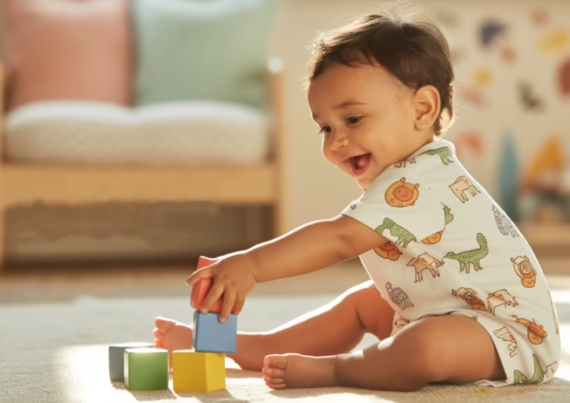
Como fabricante con 17 años de experiencia en fabricación de ropa de bebéHe sido testigo de la transición del mercado de un rígido "rosa para las niñas, azul para los niños"hacia una estética más inclusiva y liberadora. Para ustedes, fundadores de marcas, directores generales, jefes de producto y diseñadores, el mayor problema es el siguiente: ¿Cómo pueden no limitarse a seguir la tendencia, sino comprender en profundidad este movimiento de inclusión y trasladar esa responsabilidad social a sus productos? marca de ropa de bebé ¿principal ventaja competitiva?
Quiero decirle que el auge de la ropa infantil de género neutro es más que una tendencia: representa un profundo cambio en los valores del consumidor. Al diseñar colecciones "sin etiquetas ni reglas", podemos ayudar a su marca de ropa para bebés resolver el problema de la mercantilización del producto e inyectar una poderosa fuerza moral y emocional a su comercialización de ropa de bebé.
¿No sabes cómo hacer ropa para niños? Este es el definitivo, guía todo en uno la industria de la ropa infantil no quieren que tengas.
El punto débil: Restricciones tradicionales frente a exigencias parentales modernas
El mercado tradicional de ropa infantil está saturado de estereotipos: colores restrictivos, estampados fijos (princesas y dinosaurios). Esta limitación frustra a los padres modernos, que quieren ofrecer a sus hijos opciones más diversas y fomentar el libre desarrollo de la personalidad.
Si su marca de ropa para bebés sigue basándose en las divisiones de género tradicionales, perderá las siguientes oportunidades de mercado:
-
Tipos de recompra reducidos: La ropa no puede transmitirse entre hermanos, lo que reduce su valor y sostenibilidad.
-
Público objetivo limitado: Excluyes al creciente segmento de padres jóvenes que priorizan la inclusividad y la estética neutra en cuanto al género.
-
Falta de profundidad de marketing: Su comercialización de ropa de bebé no logra contar una historia socialmente responsable sobre la libertad y la elección.
Con 17 años de experiencia, petelulu ofrece una gama completa de
servicios de fabricación desde el diseño hasta la entrega.
Empiece de cero, cree su propia marca.
17+
al servicio de las 10 principales marcas estadounidenses
15+
al servicio de las 10 mejores marcas australianas
12+
al servicio de las 10 principales marcas europeas
Contacta con nosotros para obtener el presupuesto.👇
La solución: Cuatro estrategias básicas para un diseño no sexista
El diseño de género neutro no consiste en abandonar el color, sino en redefinir el uso del color, la silueta y el estampado.
1. Silueta inclusiva: Prioridad a la practicidad y la comodidad
El núcleo del diseño de género neutro reside en la universalidad de la silueta. Nos centramos en diseñar estilos relajados y sencillos que priorizan la comodidad, como: sobredimensionado camisetas, joggersy sudaderas con capucha.
-
Evite ceñir la cintura: Utilice cortes rectos o en línea H para eliminar las connotaciones de género.
-
Centrarse en los detalles prácticos: Todas las prendas deben ser fáciles de poner y quitar, duraderas y resistentes a las manchas, adecuadas para la naturaleza activa de todos los niños.
2. Innovación del color: Más allá del azul y el rosa
Le animamos a que marca de ropa para bebés ir más allá de las tradicionales paletas de género.
-
Base neutra: Utiliza tonos tierra (como el caramelo, el verde oliva o el beige), colores minerales (como el gris pizarra o el azul empolvado) y pasteles suaves (como el amarillo claro o el verde salvia).
-
Colores de acento: Utiliza colores vivos como el amarillo brillante, el naranja o el verde esmeralda como acentos para mantener la alegría sin prejuicios sexistas.
3. Universalidad de patrones: Los temas por encima del género
En el diseño de patrones, favorecemos los temas universales y educativos.
-
Naturaleza y Ciencia: Motivos geométricos abstractos, planetas, flora y fauna dibujados a mano y arte lineal sencillo.
-
Elimine los estereotipos: Evita los estampados tradicionalmente asociados a etiquetas de género muy marcadas, centrándose en cambio en temas de imaginación y exploración.
4. Mejora de la fabricación: la experiencia verdaderamente "sin etiquetas
Para hacer realidad el concepto "sin etiquetas, sin normas", debemos actualizar el fabricación de ropa de bebé proceso.
-
Las etiquetas impresas sustituyen a las cosidas: Elimina la irritación de las marcas del cuello en la piel para aumentar la comodidad (un punto de dolor habitual de los padres).
-
Costuras ocultas y tejidos suaves: Asegúrese de que todas las prendas, especialmente las destinadas a los recién nacidos, utilicen costuras planas y los tejidos más suaves. algodón ecológico o fibra de bambú para evitar rozaduras.
Con 17 años de experiencia, petelulu ofrece una gama completa de
servicios de fabricación desde el diseño hasta la entrega.
Empiece de cero, cree su propia marca.
17+
al servicio de las 10 principales marcas estadounidenses
15+
al servicio de las 10 mejores marcas australianas
12+
al servicio de las 10 principales marcas europeas
Contacta con nosotros para obtener el presupuesto.👇
Implantación de la fabricación: Del concepto al producto
Nuestra fabricación de ropa de bebé proceso está totalmente equipada para soportar un diseño no sexista, lo que garantiza una traducción eficaz.
| Principio de diseño | Fabricación | Ventajas del marketing de ropa de bebé |
|---|---|---|
| Neutralización del color | Control Pantone preciso para garantizar la sofisticación y coherencia de los colores. | Atrae a padres jóvenes, que gastan mucho y tienen conciencia estética. |
| Simplificación de siluetas | Dibujo preciso del patrón para garantizar un ajuste holgado pero no descuidado. | Destaca por su gran practicidad y su valor (capacidad de devolución). |
| Diseño sin etiquetas | Utilización de tintas ecológicas de base acuosa para las etiquetas impresas a fin de eliminar la fricción física. | Mejora la comodidad del producto, lo que se traduce en una sólida reputación de la marca. |
Preguntas más frecuentes (FAQ)
P: ¿La ropa de género neutro puede parecer visualmente aburrida?
A: En absoluto. El diseño neutro enfatiza la textura y el detalle. El uso de tejidos complejos, costuras de alta calidad y estampados sutiles nos permite crear colecciones más sofisticadas que la ropa infantil tradicional.
P: ¿Cómo puedo promover el concepto de género neutro en ¿comercialización de ropa de bebé?
A: Céntrate en la "libertad de elección", la "sostenibilidad (capacidad de devolución)" y la "comodidad". Utilice imágenes que muestren a niños y niñas vistiendo los mismos estilos, resaltando la idea de inclusividad y de compartir.
P: ¿El diseño neutro en cuanto al género impone requisitos específicos a ¿fabricación de ropa de bebé?
A: Requiere una mayor atención a la seguridad de los tejidos (todos los materiales deben tener el certificado Oeko-Tex) y normas más estrictas en las técnicas de producción (por ejemplo, tecnología de costura plana) para garantizar la máxima comodidad y durabilidad.
Conclusión
En 2026, la ropa infantil de género neutro ya no será una opción, sino una necesidad del mercado. No solo resuelve los puntos conflictivos restrictivos de la ropa tradicional, sino que posiciona a su marca de ropa para bebés a la vanguardia de la responsabilidad social y los valores familiares del futuro. Le invito a asociarse con nosotros, aprovechando nuestra experta fabricación de ropa de bebé para co-diseñar una colección de género neutro verdaderamente libre de etiquetas, reglas y vibrante en el mercado.
Sobre el autor

Xhiney, fundadora de Petelulu, aporta más de 20 años de experiencia en diseño, producción y comercio internacional de ropa infantil. Colabora con Ropa infantil y Junior revistas, Xhiney lleva 17 años trabajando con marcas de ropa infantil de gama alta en Europa y Estados Unidos, ofreciendo su experiencia y apoyo.