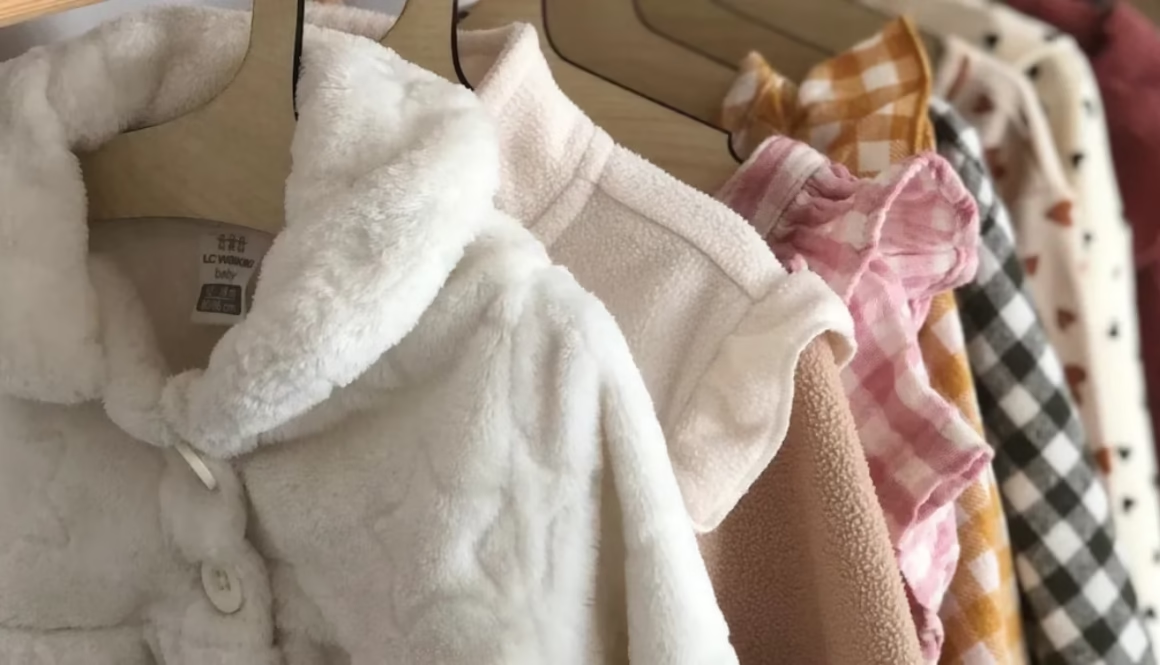
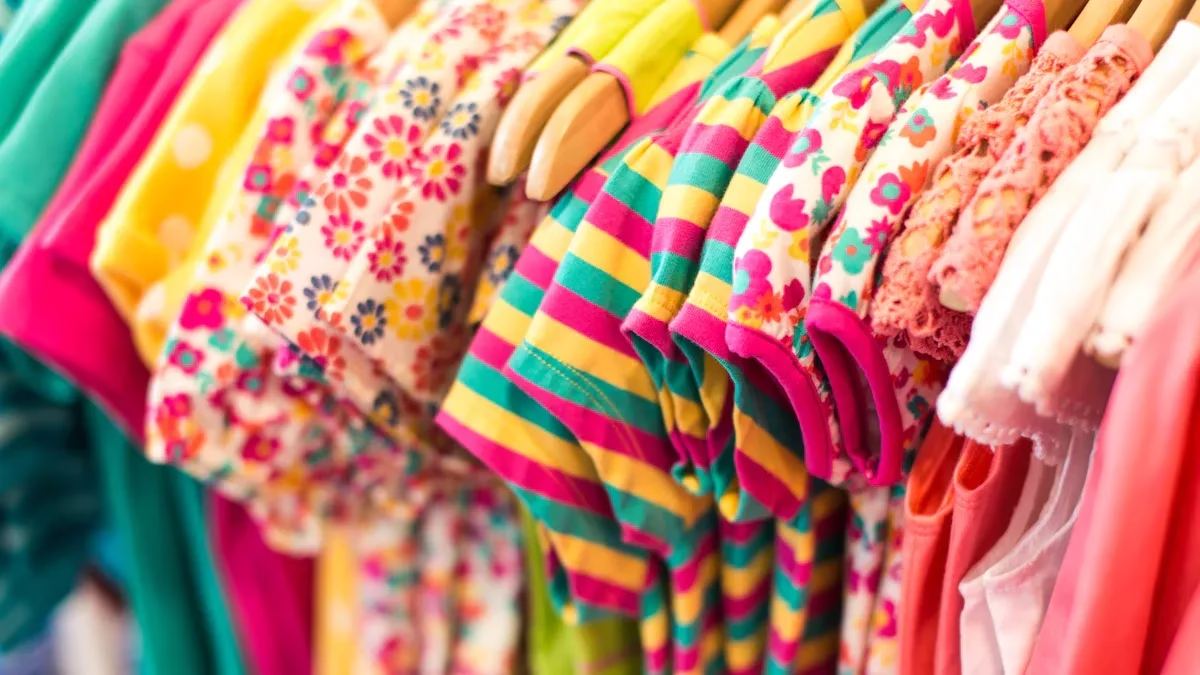
You can make money selling baby clothes because many people want them. The average profit is good. In the US, this industry is worth about $31.6 billion. This shows there is a lot of room to grow. There are different ways to sell, like direct sales, social retail, and selling handmade or second-hand clothes. These ways can change how much you earn. Many sellers use social media to find parents and keep them coming back. This often helps them make more money and get regular customers.
Key Takeaways
Selling baby clothes can make money because many people want them. The market is growing and is worth $31.6 billion. Profit margins can be between 8% and 60%. Handmade or special items often make more profit. Sustainable and second-hand baby clothes are getting more popular. These clothes attract parents who care about saving money and the environment. Good marketing, like using social media and working with others, helps get and keep customers. Knowing what is popular and what customers like is very important for doing well in baby clothes.
There is a big need for baby clothes in the UK and around the world. Parents want good quality and special clothes for their kids. The kidswear market grows by 2.9% every year. This is a strong increase, while women’s fashion shops have lost 1.3%. Special collections sell out very fast. For example, Cinnamon Baby’s first Christmas range sold out in two minutes. In September 2023, Cinnamon Baby made $775,224.11. This was a 422% increase. More children aged 8 to 14 now means more kidswear sales. This is because birth rates went up from 2004 to 2010.
Tip: If you want to start selling, find places where lots of people want baby clothes but not many shops sell them. Special designs or small collections can get buyers fast.
Competition and Trends
You will compete with big companies and small brands. The table below shows what makes a top company different:
Supplies major retailers in Australia, the UK, New Zealand, and the Pacific Islands.
Competitive Edge
Strong partnerships and efficient operations help them stay ahead.
Global Sales
20 million units sold worldwide.
Experience
Over 25 years in sourcing and risk management.
Manufacturing Facilities
Approved sites in Europe, Thailand, and China.
Services Offered
Private label design, contract manufacturing, warehousing, and logistics.
New trends change what parents buy. Many parents pick eco-friendly and fair brands. Gender-neutral baby wear is getting more popular. These clothes use simple designs and neutral colours. Brands also make clothes with useful features. These include adjustable closures and fabrics that let air through. Customised clothes, like ones with embroidered initials, let parents make clothes special.
Profit margins for baby clothes can be between 8% and 60%. The average profit margin is 8.4%. This is better than most clothing shops. In those shops, profits are usually lower because there is more competition. If you sell special designs or handmade items, you might earn more money. If you sell mass-produced clothes or compete with big shops, you might earn less.
Note: Shops often change prices when big brands do. If you match their prices, your profit can get smaller.
If people want new styles, you can charge more for special clothes.
The cost of goods sold (COGS) decides how much money you keep after selling.
When families have more money, they buy more baby clothes. If people feel good about the economy, sales can go up. But if there are many shops selling baby clothes, it can be hard to keep high profits.
Main Expenses
You will have some main costs when you sell baby clothes. These costs can change depending on how you run your business.
Expense Type
What It Covers
Materials
Fabric, buttons, zips, and trims. Sustainable materials cost more than standard ones.
Manufacturing
Labour, equipment, and factory fees. Handmade items need more time and skill.
Shipping & Logistics
Delivery to customers, storage, and packaging. Sustainable and ethical shipping costs more.
Marketing
Social media ads, website fees, and photoshoots.
Selling Platforms
Fees for using sites like Etsy, eBay, or your own online shop.
If you sell sustainable baby clothes, you will pay more for materials and delivery. Brands like Patagonia spend about 30% more to make eco-friendly clothes. This is because they use better materials and fair labour. If you sell second-hand clothes, you will spend less on materials and making the clothes. But you might spend more money on cleaning and sorting them.
Tip: Write down all your costs before you start. This helps you see where you can save money and where you need to spend more.
Challenges in Selling Baby Clothes
Inventory and Seasonality
It can be hard to manage baby clothes stock. People change what they want quickly. You need to check your stock often. Make decisions fast so you do not run out. If you do not check, you might miss popular items. You could also keep too many slow sellers. Always know your stock before you run sales. Sometimes, your delivery system is not good enough. Bad weather can slow down transport. If people live far apart, delivery costs more and is harder.
Tip: Keeping good stock records helps you avoid mistakes. It also keeps your customers happy.
The time of year changes what you sell. You must plan what to sell for each season. Shops set short-term goals for holidays and weather. They also think about the economy. Planning for the next season starts early. Shops begin at least six months before. The table below explains how seasons affect your business:
Aspect
Description
Role of Seasonality
Changes what products you sell and when you sell them.
Importance of Assortment
Helps you pick the right mix for your shop and customers.
Seasonal Financial Goals
Shops set short-term goals for holidays, weather, and the economy.
Timing for Planning
Shops plan their product mix at least six months ahead.
Trends change quickly. You need to watch what parents like. Change your products often to keep up.
Regulations and Safety
You must follow strict rules when selling baby clothes in the UK and EU. These rules keep children safe. Many standards apply to baby clothing. You need to check for toy safety, flammability, and UV protection. The table below lists important rules:
Regulation/Standard
Description
EN71
Checks toy safety and tests for small parts and metals.
BS5722
Makes sure nightwear does not catch fire easily.
BS EN 71-1:2014+A1:2018
Tests toys for safe shapes and strength.
BS EN 71-2:2011+A1:2014
Checks toys for fire safety.
EN71-3:2013+A3:2018
Tests for harmful elements in toys.
CEN/TR 13387
Gives safety advice.
BS EN 13758 PART 1 (2002)
Checks how much UV light goes through clothes.
BS EN ISO 14184-1:2011
Tests for formaldehyde in clothes.
REACH 1907/2006 Annex XVII
Checks for cadmium in products.
REACH 1907/2006 entry 43
Tests for banned Azo dyes.
Your products must have the right marks, like the CE mark for EN71. Nightdresses must meet BS5722 rules. All children’s costumes need to pass EN71 and nightwear safety tests. If you do not follow these rules, you could get fined. Your reputation could also be hurt.
Maximising Profitability
Niche and Branding
How can your business be different in the baby clothes market? You should pick a niche that parents want. Use numbers to find out which items sell well. Check your sales and stock records often. Learn what your customers like before you buy new things. Watch trends to keep your shop fun and new. Here are three steps to help you choose a good niche:
Look at your sales to find popular items.
Find out what your customers want and like.
Keep up with new baby clothes trends.
Branding helps people trust you. Choose a name and logo that parents remember. Share your story and what matters to you. Make your shop easy for people to spot.
Sustainable and Second-Hand Baby Clothes
Why are sustainable and second-hand baby clothes growing fast? The resale market is growing much quicker than normal clothes shops. By 2026, experts think resale will grow 16 times faster than regular retail. The world’s secondhand clothes market could go up by 127% by 2026. Many parents buy second-hand or eco-friendly clothes for two big reasons:
Most families want to save money.
Many people, especially Gen Z, care about the planet.
Talk on podcasts to share your knowledge and get new customers.
Social Media
Grow your followers and chat with parents online.
Content Marketing
Make helpful posts to grow your email list and build trust.
To keep customers loyal, split them into groups and reward those who support you. Give special gifts and let them see new things first. Ask for referrals and get people talking on social media. Keep your best fans involved with product shows and community events.
Tip: Focus on what your customers care about most. This helps your business grow and keeps buyers coming back.
Instagram and other sites help you meet many people.
It is important to be patient and keep trying. Many new sellers think they will get rich fast, but it usually takes time. If you learn from your mistakes and start with a small shop, you can grow your business. The future is good for people who follow trends and listen to what parents want.
FAQ
What profit can you expect when selling baby clothes?
Profit margins can be from 8% to 60%. Handmade or special items make more profit. Mass-produced clothes usually give you less money.
What costs do you need to consider before starting?
You must plan for materials, making the clothes, shipping, marketing, and platform fees. Sustainable choices cost more, but second-hand clothes are cheaper to make.
What rules must you follow when selling baby clothes in the UK?
You have to follow safety standards like EN71 and BS5722. Your products must have the right labels and marks. These rules keep children safe and stop you getting fined.
What trends shape the baby clothes market today?
Eco-friendly fabrics, gender-neutral designs, and customisation are popular now. Parents want good quality, comfort, and special styles for their children.
What helps you build customer loyalty in baby clothes retail?
You can build loyalty by giving rewards and letting people see new items first. Great service and talking to parents on social media also help you keep customers.
If you want to build a profitable clothing brand, you should look at the baby clothing business. This sector leads because you see rapid market growth, with the market expected to grow as much as 13.9% each year through 2032. You benefit from high profit margins—some reach up to 75%, much higher than most clothing sectors. Parents now spend more on premium, safe, and comfortable clothes for their babies. Online shopping makes it even easier for you to reach new customers and grow your business.
Key Takeaways
The baby clothing market is growing fast. It is expected to grow by 13.9% each year until 2032. This gives new businesses a good chance to succeed.
Baby clothing can have high profit margins. These margins can go up to 75%. Parents pay more for clothes that are safe, good quality, and look nice.
Online shopping and dropshipping help reach more customers. You do not need a lot of money to start. You can try new products without risking much money.
Making baby clothes costs less. There are fewer returns in this market. Parents usually keep what they buy. This means businesses make more profit.
If you build a strong brand, parents will trust you. Focus on making clothes that are safe and good quality. This helps parents buy from you again and again. It can help your business do well for a long time.
Many things help this growth. Parents spend more on premium clothes for babies. Social media and celebrities make luxury baby clothes popular. E-commerce lets you sell to people everywhere. Luxury baby clothing is also a status symbol for many parents.
Tip: To do well, sell premium and special products. Parents pay more for quality and style.
Parenting habits are changing too. Even with fewer babies, parents buy better clothes. They want eco-friendly, organic, and sustainable choices. Some companies, like OR Collective, work with eco-certified brands. They offer rental subscriptions so parents get premium clothes and waste less.
Personalization is also getting bigger. Parents want clothes that feel unique. More people buy personalized baby clothing with custom designs, names, or photos. AI helps brands make special products and connect with buyers. This trend is strong in North America, Europe, and Asia-Pacific. Personalization is not just a local thing.
Repeat purchases
Parents buy baby clothes again and again because babies grow fast. This means your business gets steady sales. Here’s how repeat buying helps profits:
Each repeat order means you spend less to find new buyers.
Even a small increase in orders saves a lot of money.
Parents come back to buy more as babies outgrow clothes. This makes your business stable and profitable. You do not need to spend as much on ads. You build trust and loyalty with your customers.
Premium pricing
You can charge more for baby clothes because parents care about quality and safety. They want the best fabrics, like organic cotton and hypoallergenic materials. Certifications like OEKO-TEX® and GOTS make parents trust your products. These let you add a price premium of 15%–40%.
Giftable and nice packaging makes items feel more valuable.
Good presentation helps you set higher prices and earn more.
Creative packaging and special designs make your products feel exclusive. This attracts parents who want something special for their kids or as gifts. Focusing on quality, safety, and style lets you set higher prices and get better profits.
Profit drivers in baby clothing business
Lower production costs
You can achieve higher profits in the baby clothing business because you spend less on making each item. Baby clothes use less fabric than adult clothes. For example, a baby onesie only needs about 0.5 to 0.75 yards of fabric. If you choose organic cotton, you pay between $1.50 and $4.50 per piece. Regular cotton costs even less, from $0.50 to $2.25. Labor costs also stay low. Simple items like onesies cost just $2 to $3 in labor. When you add custom touches, like embroidery or screen printing, you still keep costs manageable—usually $2 to $10 extra per item.
You pay less for materials and labor.
You can offer competitive prices and still make a profit.
Lower costs mean you can try new designs without big risks.
Shipping costs stay reasonable, too. Most online baby clothing retailers spend only 2% to 5% of their sales on shipping. Because you spend less to make and ship each item, you keep more of your earnings. This is why the baby clothing business often has higher profit margins than adult clothing.
Note: Lower production costs let you test new products and grow your business faster.
Online shopping and dropshipping
You can grow your baby clothing business quickly by selling online. More parents shop on their phones and computers every year. E-commerce grows fast because it is easy and convenient. You reach more customers without opening a store. Brands now offer doorstep delivery, easy returns, and many payment options. These services make parents trust your shop and come back for more.
Dropshipping makes it even easier to start. You do not need to buy a lot of stock up front. You only pay for items after you sell them. This lowers your risk and lets you try new products without losing money. You can focus on marketing and customer service instead of worrying about inventory.
Online shopping helps you reach parents everywhere.
You can test new styles and trends with little risk.
Tip: Use dropshipping to launch your brand with less money and less stress.
Low return rates
You keep more profit in the baby clothing business because parents return baby clothes less often than other types of clothing. In the US, the average return rate for apparel is 20.8%. Many people return shoes, bags, and accessories even more. But baby clothes have fewer returns. Parents care most about comfort and safety, not just style or fit. Babies grow fast, so parents often keep what they buy, even if it is a little big.
Fewer returns mean you lose less money on shipping and restocking.
You spend less time handling returns and refunds.
You keep your profit margins high.
When you combine low return rates with low production costs and easy online sales, you see why the baby clothing business stands out. You get steady sales, fewer headaches, and more money in your pocket.
Callout: Lower returns and costs mean you can focus on growing your brand, not fixing problems.
You face tough obstacles if you enter the adult clothing market. High return rates can eat away your profits. In some cases, more than half of all adult clothing purchases get returned. You must pay for shipping, restocking, and handling, which increases your costs. Rising customer acquisition costs make it even harder. Big Tech platforms now charge almost 30% more per click than just a few years ago. You spend more to reach each customer, but you do not always see higher sales.
Many adult clothing brands rely on investor money to cover these losses. This creates risk if funding dries up.
You also deal with higher selling, general, and administrative costs. These expenses add up quickly. Consumers now want more value for their money. Many shoppers choose off-price retailers or look for deals in the resale market. You must work harder to show why your brand is worth the price.
Teen fashion volatility
Teen fashion changes fast. Trends come and go in a flash. You must keep up with what is popular on social media. If you miss a trend, you lose sales. Teens often switch brands quickly. This makes it hard to build loyalty. You spend more on marketing to stay relevant.
You risk holding unsold inventory when trends shift.
You must invest in constant research and design.
You face pressure to lower prices as teens seek bargains.
Teen fashion can bring big rewards, but the risks are high. You need to move fast and adapt every season.
Sportswear competition
Sportswear looks attractive, but you face fierce competition. Big brands like Nike and Adidas dominate the market. They have huge budgets for marketing and innovation. You must find a unique angle to stand out.
Sportswear shoppers expect high performance and style. They want comfort, durability, and the latest technology.
You must invest in research and development to meet these demands. This raises your costs. You also compete with many new brands entering the market each year. Price wars can lower your profit margins.
When you compare these sectors, you see why baby clothing offers a smoother path to profit. You avoid high returns, fast-changing trends, and intense competition. You can focus on quality, trust, and steady demand from parents who value your products.
Succeeding in baby clothing business
Product quality and safety
You earn parents’ trust by focusing on quality and safety. Parents want clothes that last and feel soft. They also want clothes that keep babies safe. You need to follow strict rules to stand out.
OEKO-TEX Certification means your fabrics do not have toxic chemicals.
BSCI Certification shows your products come from good factories.
When you make reliable and comfy clothes, parents buy again. You help families celebrate special moments with your brand. Good quality helps your business grow.
Tip: Always show your safety certifications. Parents look for these before buying.
Branding and trust
You need a strong brand to do well in baby clothing. Parents pick brands they trust. Try these ways to build trust:
Use eco-friendly materials and smart designs. Parents like green and useful choices.
Brand Building
Share your story. Connect with parents using your brand’s mission and values.
Marketing Promotion
Work with influencers and use content marketing to reach more families.
A special brand identity helps you stand out. Emotional bonds make parents loyal to your products.
Marketing to parents
You reach more parents by using the right channels. Make a website that works well on phones. Post on Instagram and TikTok to show your new styles. Share helpful blog posts and videos. Team up with popular parents and bloggers. Send emails to keep families interested and informed.
Parents want honesty and clear messages. Real messaging builds trust and keeps them coming back. You grow your business by connecting with families online.
Callout: Use social media and email to build relationships. Parents remember brands that care.
You can see why baby clothing is the most profitable clothing business in 2026. There are many reasons why this industry is a good choice:
More babies are born in places like India and Nigeria. This means more parents buy baby clothes.
Growing Awareness of Sustainable Materials
Parents care about the planet. They want brands to use eco-friendly fabrics.
Technological Innovations in Fabric and Design
New types of fabric and smart designs make parents interested. They want the best for their babies.
Expanding E-commerce and Omnichannel Retailing
Online shopping lets you sell to more families. You do not need a store in every city.
Influence of Social Media and Celebrity Endorsements
Social media and famous people make luxury baby clothes popular.
Regulatory Shifts and Safety Standards
New rules make brands work harder to keep babies safe.
You can do well if you sell premium and organic fabrics. Use digital marketing to reach parents online. Smart fabrics and easy shopping help your brand stand out. Now is a great time to use these ideas and build a strong brand.
FAQ
Why does the baby clothing business have higher profit margins?
Making baby clothes costs less for materials and labor. Parents pay more because they want safe and good quality clothes. This means you keep more money from each sale. You make more profit than in other clothing businesses.
Why do parents prefer premium baby clothing?
Parents always want the best for their babies. They pick clothes made from better fabrics and safe materials. You can give them what they want by selling certified, organic, and stylish clothes. This helps parents trust your brand and buy again.
Why is online selling so effective for baby clothing?
You can reach more parents with online stores. Shopping online is easy and quick for families. You can try out new products fast and save money on store rent. This helps your brand grow faster.
Why do baby clothing brands face fewer returns?
Parents care most about comfort and safety, not just style. Babies grow fast, so parents keep most of the clothes they buy. This means you get fewer returns, which helps you keep more profit and have less trouble.
You can get baby clothes straight from a baby clothes manufacturer. This way, you can pay wholesale prices. You might also get samples and dropshipping services. Some manufacturers have eco-friendly and organic options. Before you begin, think about what you need. Also, consider what you want from buying this way.
Tip: Write down your main needs to help pick the best supplier.
Key Takeaways
Buying baby clothes from manufacturers can help you save money. You usually pay wholesale prices, not retail prices. Always ask for samples before you buy a lot. This lets you check the quality and fit of the clothes. Try to find eco-friendly choices. Pick manufacturers that use organic materials and have good certifications. Talk clearly with manufacturers. Tell them what you need and ask questions to stop confusion. Check the return policy before you buy. Know the rules for returns and exchanges so you do not get surprised.
You can look for a baby clothes manufacturer online. Many suppliers show their products on dropshipping and wholesale websites. These sites let you see catalogues, compare prices, and read reviews. Some popular choices are:
You can ask for samples before you buy a lot. This helps you check if the baby clothes fit well and feel nice. Many sites also sell eco-friendly and organic baby clothes. Look for words like organic cotton or sustainable materials in the product details.
Tip: Always get a sample before you buy in bulk. This helps you know what you are getting and stops any surprises.
Trade Shows and Events
Trade shows and events let you meet a baby clothes manufacturer face to face. You can see new designs, touch the fabrics, and ask questions. Many manufacturers show their products at big events. Here are some main trade shows:
Event Name
Location
Date
PBC Baby Expo
Sydney
31st Jan – 1st Feb, 2026
PBC Baby Expo
Gold Coast
17th – 18th Jan, 2026
PBC Baby Expo
Melbourne
21st – 22nd Feb, 2026
Hong Kong Baby Products Fair
Hong Kong
TBD
You can go to these events to find new suppliers and see trends. Many exhibitors give samples and special offers to people who come. If you want eco-friendly or organic clothes, ask about the materials and certificates at the event.
Contacting Manufacturers Directly
You can talk to a baby clothes manufacturer by using their website or email. Most manufacturers have forms or contact details online. When you message them, say who you are and what you need. Ask if they give samples and what their minimum order is.
If you own a shop or online store, you can ask about dropshipping. Dropshipping means you sell baby clothes without keeping them in stock. When someone buys from you, you order from the manufacturer. The manufacturer sends the clothes straight to your customer. This way, you spend less money at the start and do not need to keep inventory.
Some manufacturers focus on eco-friendly and organic baby clothes. You can ask about their materials, like organic cotton or recycled fabrics. Many will tell you about how they make their clothes and show their certificates.
Note: Talking clearly with the manufacturer helps you get what you want and stops problems.
If you buy from a baby clothes manufacturer, you usually pay less. Shops charge more than manufacturers. You can get wholesale prices and save money. Buying in bulk means you get special deals. This is good if you have a shop or buy for a group. Many manufacturers give discounts for big orders. You can ask for samples before buying a lot. This lets you check the quality first. You do not spend much money at the start.
Unique Designs and Quality Assurance
Buying direct gives you new and special designs. You can talk to designers and share your ideas. Sometimes, you help choose what comes next.
“The girls are making something new. I can tell people we might do nighties for girls this winter. What do you think? Then I can hear from thirty or forty mums…”
“It is like showing a new design before it is ready. You can see if people want it before you make it. You can ask and find out if mums like it.”
You also get better checks for quality. Manufacturers use strict rules to keep products safe. They may:
Responsible Wool/Alpaca Standard checks animal welfare and fair wool and alpaca sourcing.
Bluesign
Makes sure textiles are safe and made in a green way by checking the whole process.
OekoTex
Checks that textiles have no harmful substances, so baby products are safe.
Picking certified products helps you support safe, fair, and green ways of making clothes.
Drawbacks and Considerations
Minimum Orders and Wholesale Terms
When you buy straight from a manufacturer, you must follow their rules. They set minimum orders to make sure it is worth their time. You might have to spend a certain amount or buy a set number of items. Here are some common rules you may see:
First orders often need you to spend at least $2,000, not counting GST.
Top-up orders in the same season usually need at least $500, not counting GST.
For baby clothes, you may need to buy 10 to 100 of each item, depending on what you pick.
If you only want a few things, these rules might not work for you. Always check the minimum order before you buy.
Tip: Ask if you can get a sample pack or a small trial order. This lets you try the products without spending a lot.
Customer Service and Support
You might see a difference in customer service with manufacturers. Shops often help you quickly and let you return things easily. Manufacturers mostly help people who buy in bulk. They may not give as much support. You could wait longer for answers or fix problems yourself. Some manufacturers do not have many staff for questions. If you have a problem, you may need to use email or online forms to sort it out.
Note: Talking clearly helps you avoid mistakes. Write your questions down before you contact the manufacturer.
Shipping and Returns
Shipping times are not always the same. Most manufacturers get your order ready in 1-2 business days. Delivery can take 5 to 15 business days, depending on where you live. You will get tracking details by email within 48 hours after your order is sent. Return rules are different for each supplier. Some only take back faulty items. Others do not let you return things if you change your mind. Always read the return rules before you buy.
Shipping Step
Timeframe
Order Processing
1-2 business days
Delivery
5-15 business days
Tracking Info Sent
Within 48 hours of ship
Callout: If you need your order fast, ask about express shipping before you pay.
Buying Steps
Finding a Baby Clothes Manufacturer
Begin by looking on the internet for suppliers. You can use sites like Alibaba or LinkedIn. These sites help you find companies that make baby clothes. Check what products they sell and if they have certificates. Read reviews from other buyers to see if they are good. You can also ask other parents or shop owners for advice. Make a list of the best manufacturers for your needs.
Tip: Make a spreadsheet to compare each supplier. Write down where they are, their minimum order, and what styles they offer.
Checking Legitimacy and Quality
You need to make sure the manufacturer is real and honest. Ask them for business licences and certificates. Request samples so you can check the quality. Look at photos and read about the products on their website. Read what other buyers say about their service and delivery. If you can, set up a video call to see their factory and ask questions.
Look for certificates like GOTS or OekoTex.
Check samples for stitching, soft fabric, and safety labels.
Make sure the company has a real address and working contact details.
Placing Orders and Payment
When you feel ready, place your order with the manufacturer. Try to start with a small order first. Read the order form carefully before you agree. Make sure you know the minimum order and how to pay. Most manufacturers take bank transfers, PayPal, or credit cards. Always use safe ways to pay. Keep proof of your order and payment.
Note: Ask for an invoice and a written agreement before you send any money.
Delivery and Aftercare
Manufacturers send orders based on where you live. In Australia, you get express shipping if you order by 1:00 pm. Your order arrives in two business days. If you live in the US, Canada, Europe, or New Zealand, it takes three to five days. Other places may take up to ten days. Aftercare often means you can return or exchange items for a full refund.
100% money-back guarantee for returns and exchanges
International
3-5 business days for US, Canada, Europe, NZ; up to 10 days for other places
100% money-back guarantee for returns and exchanges
Callout: Always read the return policy before you buy. This helps you if you need to send something back or swap it.
Tips for a Smooth Purchase
Communication with Manufacturers
Good communication helps you build trust and avoid mistakes. You should keep your messages clear and honest. Share your expectations and ask questions about the process. Treat the manufacturer as a partner. Work together and listen to their advice. Quick replies show respect and help you get updates faster.
Collaborate with the manufacturer as part of your team.
Respond promptly to messages and feedback.
Tip: Save all your emails and notes. This helps you track agreements and solve problems if they arise.
Safe Payment Methods
You must protect your money when you buy online. Choose payment methods that offer security. Bank transfers, PayPal, and credit cards are common options. Always check if the payment page is secure. Look for a padlock symbol in your browser. Ask for an invoice before you pay. Keep proof of payment in case you need it later.
Payment Method
Security Level
Refund Option
Bank Transfer
Medium
Sometimes
PayPal
High
Yes
Credit Card
High
Yes
Note: Never send cash or use unknown payment apps. Trusted methods protect you if something goes wrong.
Tracking and Handling Issues
After you place your order, you want to know where your parcel is. Most manufacturers send tracking details by email. Use the tracking number on the courier’s website or app. If your parcel does not arrive on time, contact the business. Explain the problem and say what you want them to do. If you do not get a reply, write a complaint letter. You can ask for a repair, replacement, or refund if the product does not meet your expectations.
Check your email for tracking information.
Use the tracking number to follow your parcel.
Contact the business if the delivery date passes.
Explain your issue and the solution you want.
Write a complaint letter if needed.
Explore further steps if the problem continues.
Callout: You have the right to expect quality products. If you face any issues, act quickly to get help.
You can get baby clothes right from the manufacturer. This way, you pay less for the clothes. You also find special designs and green choices. Here is what you should do:
Look at each supplier’s background and rules.
Think about the good and bad points before picking one.
Ask for samples and check the return policy.
Tip: Buying direct is good if you want to save money or pick eco-friendly items. Take your time and make sure you feel sure before you buy.
FAQ
Can you buy just one item from a manufacturer?
Most manufacturers want you to buy many items at once. Some will let you get a sample or a small trial pack. Always ask about the minimum order before you choose.
How do you check if a manufacturer is trustworthy?
You should look for business licences and certificates. Read what other buyers say in their reviews. Ask for samples to check the quality. You can also ask for a video call to see their factory.
What payment method is safest for you?
PayPal and credit cards keep your money safe. Always ask for an invoice before you pay. Never send cash or use payment apps you do not know.
Can you return baby clothes if you change your mind?
Many manufacturers only take back faulty items. Some do not let you return things if you just change your mind. Always read the return policy before you order.
How do you find eco-friendly baby clothes?
Look for certificates like GOTS or OekoTex. Ask the manufacturer about the materials they use. Check the product details for words like “organic cotton” or “sustainable”.
Boutique children’s clothing uses good, safe materials. Parents trust brands that pick organic fabrics and skip bad chemicals.
Personalization and eco-friendly choices are popular now. Parents find special styles that show their child’s personality. They also help the planet by picking these clothes.
When picking a brand, check for good quality and happy reviews. Brands with GOTS certification meet high safety and eco standards.
You want your child to look nice and feel good. In 2026, boutique children’s wear brings new trends. These trends focus on health, style, and helping the planet.
Rise of Organic and Sustainable Fabrics
Parents care more about what touches their child’s skin now. More brands use organic fabrics because they do not have bad chemicals or pesticides. Parents learn about the dangers of regular fabrics. They want safe and soft clothes for their kids. Boutique children’s wear gives them that. Many brands use certified organic materials. This means you can trust what your child wears. The market for organic kids clothes keeps getting bigger. Families care more about the earth and have more money to spend.
Popularity of Personalized Kids Cotton T-Shirt
Personalization is a big thing in boutique children’s wear. You can get a kids cotton t-shirt with your child’s name or favorite color. You can even pick a fun design. Social media helps this trend grow. Parents like to share pictures of their kids in matching or custom outfits. This trend makes your child feel special. It lets you show off their style. Gender-neutral choices are also more popular. You can pick what fits your child’s personality.
Demand for Eco-Friendly Playwear
You want playwear that lasts and is good for the planet. Boutique children’s wear brands now make more eco-friendly clothes. They use good fabrics, bright colors, and safe materials. Parents choose these clothes for comfort, safety, and style. More brands offer recyclable and organic fabrics. This means less waste and more trust in what your child wears. When you shop, you see that quality and how clothes are made matter more now.
Parents and stores like organic fabrics for safety and trust.
Selection Criteria for Top Brands
When you want the best boutique children’s clothing, you look for what makes brands special. Here is how you can find the top choices for 2026.
Quality and Craftsmanship
You want clothes that last a long time. Quality is very important for active kids. You check the seams and feel the fabric. You see if the clothes stay nice after many washes. The best brands use strong and soft materials. They care about every detail, like buttons and seams. Top brands often have GOTS certification. This means their clothes meet high standards. You also notice that review scores and safety tests matter a lot.
Criteria
Weight (%)
GOTS Certification Status
20
Price Range
18
Size Range Available
15
Average Review Score
12
Founder Background in Sustainable Fashion
15
Color Story Coordination System
10
Beyond-GOTS Safety Testing
10
Unique Design and Style
You want your child to look different from others. Unique designs make each outfit special. Top brands use bright prints and fairy-tale themes. They also use fun colors. Some brands have classic looks. Others focus on simple luxury or special pieces. These brands mix fun and style. Your child always looks good.
Moncler Enfant: Jackets that look nice and work well
Ralph Lauren Kids: Classic American style
Petit Bateau: Simple and fancy basics
Bebe Organic: Fancy clothes with organic fabrics
Feltman Brothers: Old-fashioned style for special days
Sustainability and Ethics
You want to help the planet and your child. Sustainability is very important. You look for brands that use organic cotton, bamboo, or linen. These fabrics are safe and good for the earth. You also want brands that get materials the right way. You want workers to be treated fairly. Clothes with classic styles help stop waste. You buy less and use clothes longer.
You listen to other parents. You read reviews and talk to friends. Brands with high scores for quality and comfort are your favorites. Kids like clothes that feel nice and look cool. Brands get more popular when both parents and kids are happy.
Tip: When you shop, look for GOTS certification, read reviews, and pick brands that care about quality, unique style, and the planet. This helps you choose the best for your family.
Cat & Jack
Brand Overview
You might know Cat & Jack from Target. This brand is popular with parents. They want stylish clothes for their kids. The prices are not high. Cat & Jack started with a simple goal. They wanted clothes that fit every kid. You see their clothes at school and on playgrounds. Many parents trust Cat & Jack. The brand has something for every child. Cat & Jack is special in boutique children’s clothing brands. It mixes fun, comfort, and value.
Standout Features
Cat & Jack offers more than cute clothes. Here is what makes this brand different:
Uses recycled and eco-friendly materials to help the planet.
You can find raincoats, pajamas, and more for your kids. Cat & Jack cares about the earth. The brand uses recycled fabrics and eco-friendly materials. This helps you make good choices for your family and the planet.
Pros and Cons
Here are the good and bad things:
Pros:
Many sizes for all kids
Prices are lower than other brands
Trendy styles kids like to wear
Sustainable choices for families who care about the earth
Cons:
Some clothes sell out fast before school starts
Quality is not always the same for every item
Not as many fancy or luxury choices as other boutique brands
Tip: If you want trendy, budget-friendly clothes for all kids, Cat & Jack is a great choice.
Wonder Nation
Brand Overview
You probably see Wonder Nation at Walmart. This brand gives you a huge selection of clothes for kids. You get bright colors, fun prints, and lots of choices. Wonder Nation wants every child to feel comfortable and confident. The brand makes clothes for everyday life. You can find outfits for school, play, or special events. Wonder Nation keeps prices low, so you can dress your kids without spending too much.
Standout Features
Wonder Nation stands out for a few reasons:
Wide Size Range: You find clothes for babies, toddlers, and older kids.
Durable Fabrics: The clothes last through many washes and rough play.
Trendy Styles: Your kids can wear the latest looks without feeling left out.
Easy Care: Most items go right in the washer and dryer.
Affordable Prices: You get value for your money.
Tip: If your kids love to play outside, Wonder Nation has sturdy jeans and soft t-shirts that work for every season.
Pros and Cons
Here’s a quick look at what you get with Wonder Nation:
Pros
Cons
Great value for families
Some styles sell out quickly
Lots of choices for kids
Not as many organic options
Easy to mix and match pieces
Basic designs, less unique
Clothes for every activity
Sizing can run small sometimes
You can count on Wonder Nation for everyday kids’ clothes that look good and feel good.
Primary
Brand Overview
You want clothes that make life easier. Primary gives you just that. This brand believes kids should wear what they love, every day. You see bright colors, simple styles, and no logos. Primary started because two moms wanted better basics for their own kids. Now, you can find their clothes online and in many homes. Parents trust Primary for soft fabrics and easy shopping. You get clothes that mix and match without stress.
Standout Features
Primary stands out for its focus on basics. You find solid colors and classic shapes. No sparkles, no slogans, just pure comfort. Here’s what you get:
Rainbow of colors for every mood
Super-soft cotton that feels gentle on kids’ skin
Tagless labels so nothing itches or scratches
Easy-to-wash fabrics that hold up to play
Gender-neutral options for all kids
Tip: You can let your kids pick their favorite colors and build their own outfits. Shopping feels fun and simple.
Pros and Cons
Pros
Cons
Wide color choices for all kids
No fancy prints or characters
Soft, comfy basics for daily wear
Limited seasonal or trendy items
Easy to mix and match pieces
Sells out fast in popular sizes
Gender-neutral styles
Only available online
You want clothes that last and feel good. Primary gives you that for your kids, every season.
Mothercare India
Brand Overview
You want a brand that knows what parents need. Mothercare India is known for helping families. Their stores have many things for babies and kids. The brand cares about comfort, safety, and style. You see classic clothes with new details. Mothercare India helps you dress your kids at every age. You get help and advice when you shop. This makes shopping simple.
Tip: If you want a brand you can trust, Mothercare India is a good choice. You get quality, safety, and style for your kids. You can feel calm when you shop here.
AEL Apparel
Brand Overview
You want your kids to look nice and feel safe. AEL Apparel gives you both things. This boutique brand pays attention to every detail. You find clothes for play, parties, and more. AEL Apparel listens to parents and what they need. You see bright colors and soft fabrics in every size. The brand always makes sure the quality is high. You can trust your kids will feel good all day.
Focus on Sustainable Boutique Children’s Wear
You care about the planet and your kids’ health. AEL Apparel helps you with that. The brand is a leader in sustainable boutique children’s wear. You get clothes made with care for the earth. AEL Apparel uses only non-toxic dyes. You do not have to worry about bad chemicals on your kids’ skin. The company also uses a process that helps the planet. That means less waste and more care for the future.
Here is what makes AEL Apparel special:
The brand works hard to make clothes in a green way.
All fabrics use only non-toxic dyes.
Every piece uses eco-friendly materials.
Evidence Type
Description
Manufacturing Process
AEL Apparel uses green ways to make children’s clothes.
Materials Used
The company uses only non-toxic dyes in its fabrics for safety.
Tip: If you want stylish, safe, and green boutique clothes for your kids, AEL Apparel is a brand to watch.
Bonpoint
Brand Overview
You want your kids to stand out in every crowd. Bonpoint gives you that chance. This brand has led the luxury boutique children’s clothing market for years. You see creativity in every piece. Bonpoint mixes modern style with classic French charm. You notice the attention to detail right away. The brand uses high-quality materials and expert craftsmanship. When you shop Bonpoint, you get clothes that feel soft and look elegant. Many parents choose Bonpoint for special occasions or when they want their kids to look their best.
Luxury and French Style
Bonpoint brings Parisian flair to your kids’ wardrobe. You find delicate embroidery, soft cotton, and timeless silhouettes. The brand loves playful prints and gentle colors. You see dresses, shirts, and coats that make your kids feel like stars. Bonpoint’s designers create collections that celebrate childhood. You get pieces that last and never go out of style. If you want your kids to wear luxury, Bonpoint is the name you remember. You can spot Bonpoint outfits at family gatherings, birthday parties, and holiday photos.
Tip: If you want your kids to enjoy comfort and elegance, Bonpoint’s French style makes every day feel special.
Compact when folded away, yet retains all the features you’d need from a main pram
Seat is fairly reclined so doesn’t offer the best view
Easy to assemble out of the box
Could be improved by adding a foot rest for toddlers when napping
Easily manoeuvrable, even with one hand
Good storage
Built in shoulder strap for easy carrying
You see that Bonpoint offers style and convenience for parents and kids. Some features could improve, but the brand’s luxury and comfort stand out.
SweetHoney Clothing
Brand Overview
You want your kids to feel happy and comfortable in their clothes. SweetHoney Clothing brings a playful spirit to every outfit. This boutique brand started with a mom’s dream to make clothes that spark joy. You see bright colors, sweet patterns, and soft fabrics in every piece. SweetHoney Clothing focuses on making kids smile. You find dresses, pajamas, and matching sets that stand out in photos and at parties. The brand has a loyal following because parents trust the quality and love the fun designs.
Weekly New Arrivals and Variety
You never get bored shopping at SweetHoney Clothing. The brand releases new arrivals every week. You can always find something fresh for your kids. If you like variety, you will enjoy browsing their collections. You see seasonal themes, holiday outfits, and limited-edition prints. SweetHoney Clothing makes it easy to dress your kids for any occasion. You can mix and match pieces to create unique looks. The brand also offers sibling sets, so your kids can match for family photos or special events.
Tip: Check the website often. New styles sell out quickly, especially in popular sizes for kids.
Pros and Cons
Here’s a quick look at what you get with SweetHoney Clothing:
You want your kids to stand out and feel good. SweetHoney Clothing gives you options that make every day special.
Rylee + Cru
Brand Overview
You want your kids to wear clothes that feel cool and look fresh. Rylee + Cru brings you a boutique brand that mixes art with comfort. This label started with a mom who loved to draw and wanted her kids to wear her art. Now, you see Rylee + Cru in many closets. The brand focuses on soft fabrics and easy fits. You can dress your kids in pieces that move with them. Rylee + Cru offers trendy styles that work for playdates, parties, and family photos.
Hipster and Trendy Designs
You notice right away that Rylee + Cru loves trendy looks. The brand uses soft colors and simple prints. You see hipster vibes in every collection. Many parents pick Rylee + Cru for their kids because the trendy styles stand out. You get matching sets that make outfit planning easy. The brand always brings new trendy ideas each season. You find trendy styles that mix classic shapes with modern art. If you want your kids to look unique, you will love these trendy designs.
Tip: Try mixing Rylee + Cru’s trendy pieces with basics for a fresh look every day.
Pros and Cons
You want to know if Rylee + Cru fits your family. Here’s a quick look at what fashion critics say:
Pros
Cons
Excellent range of styles, from classics to modern trends.
The neutral prints may not be to everyone’s taste.
Eco-friendly printing and dying methods.
Offers matching sets for a complete outfit solution.
The size range caters from newborn to 5 years old.
You get trendy styles for kids of all ages. The brand cares about the planet with eco-friendly methods. Some parents want brighter colors, but many love the soft, trendy look. If you want your kids to wear trendy clothes that feel good and look cool, Rylee + Cru is a top pick.
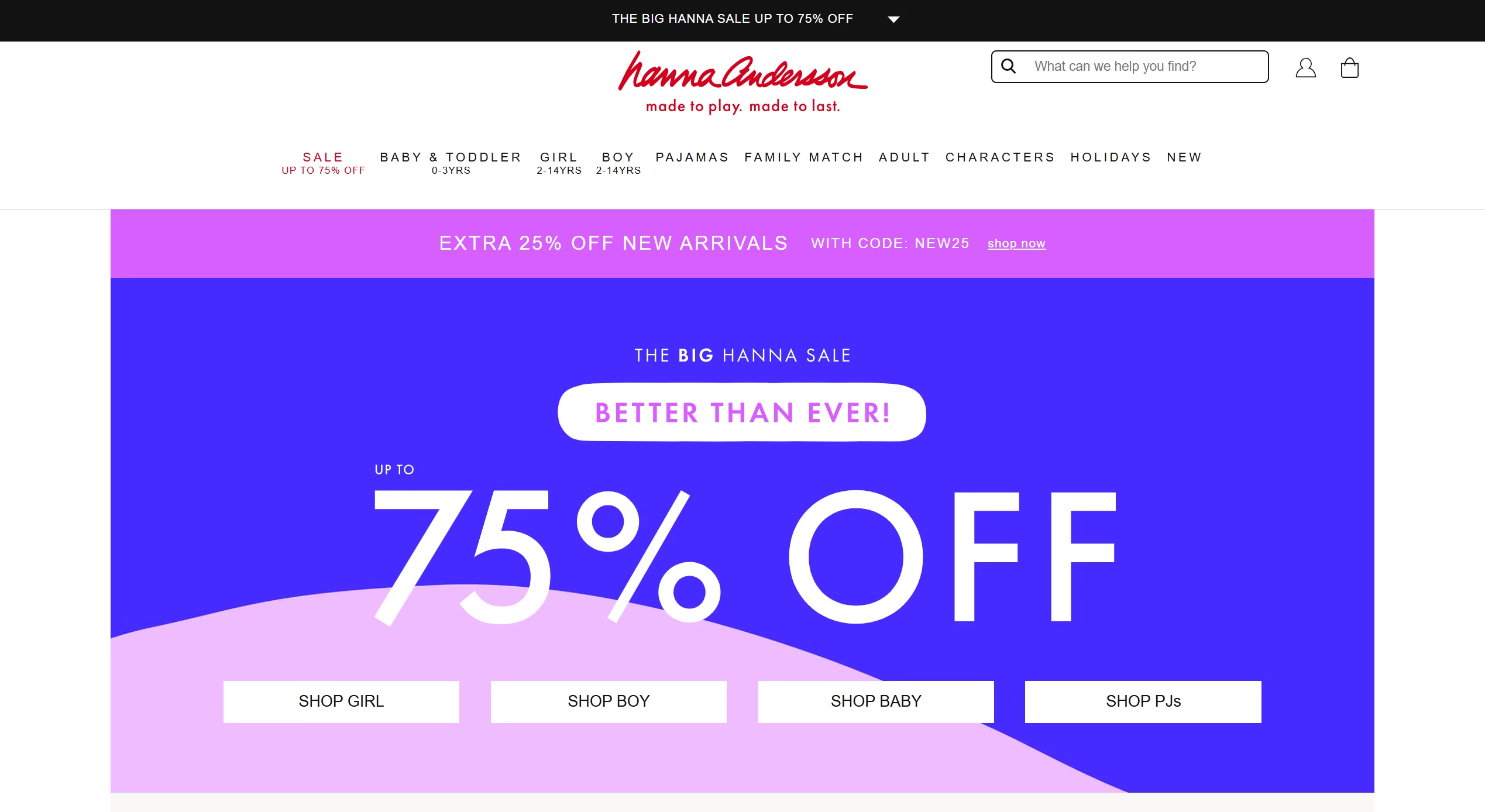
Hanna Andersson
Brand Overview
You want your kids to feel good and look nice every day. Hanna Andersson is a top pick for families who want quality and style. This brand is popular in North America and Europe. You see their clothes at parks and parties. Hanna Andersson has many outfits for all kinds of events. Parents like this brand because the clothes last a long time. The colors stay bright, even after many washes.
Tip: Pick Hanna Andersson if you want fun designs and comfy clothes that last.
Organic Kids Cotton T-Shirt and Pajamas
You care about what your kids wear on their skin. Hanna Andersson uses organic cotton for t-shirts and pajamas. The clothes are soft and have no itchy tags. The brand cares about the planet and makes clothes the right way. You can feel good about buying these clothes. Kids love the bright and cool patterns. You find styles for all kids and not much branding, so mixing outfits is easy.
Works hard to be green and fair when making clothes.
Clothes are strong and look good
Many choices for daily wear and special days
Big in North America and Europe
Pros and Cons
You want to know what other parents say before you shop. Here is a quick list of good and bad things:
Advantages
Disadvantages
Feels soft on skin
May shrink after first wash
Fits true to size
Seams can break in cheaper lines
Lasts for more than one child
Trendy shapes can make arms tight
No itchy tags
Fabrics are pre-shrunk
Colors for all kids
Not much branding
The clothes are soft and fit well. Some parents see shrinking after washing, mostly in cheaper items. Most families say these clothes last for many kids, so they are worth it.
Janie and Jack
Brand Overview
You want your kids to look polished and feel special. Janie and Jack brings you classic style with a modern twist. This brand has a strong reputation for quality and attention to detail. You see their stores in malls and online. Many parents trust Janie and Jack for important moments. You find outfits for birthdays, family photos, and holidays. The brand makes shopping easy with helpful staff and a user-friendly website.
High-End Boutique Children’s Wear
Janie and Jack stands out in the world of boutique children’s clothing. You notice the difference right away. The fabrics feel soft and luxurious. The designs look timeless but fresh. You can dress your kids in tailored blazers, twirly dresses, and smart shoes. The brand loves to add special touches like embroidery or unique buttons. You get matching sets for siblings, which makes family pictures pop. If you want your kids to shine at any event, this brand delivers.
Tip: Check out their seasonal collections. You often find limited-edition pieces that make your kids stand out.
Pros and Cons
Here’s a quick look at what you get with Janie and Jack:
Pros
Cons
High-quality fabrics and details
Higher price point
Classic and stylish designs
Some items sell out quickly
Great for special occasions
Less variety for casual wear
Wide range of sizes for kids
Not as many sales or discounts
You want your kids to feel confident and look their best. Janie and Jack helps you do that with style and grace.
Quick Comparison Table
At a Glance: Top 10 Brands Compared
You want to know what makes each brand different. This table helps you see the top 10 boutique children’s clothing brands for 2026. You can check the price, main features, and what is special about each brand. Use this guide to help you choose what is best for your family.
Tip: If you want clothes that cost less, look at Cat & Jack or Wonder Nation. For fancy events, Bonpoint and Janie and Jack are great. If you want to help the earth, AEL Apparel and Hanna Andersson are good picks.
This table lets you compare the brands. Pick the one that matches your child’s needs and your family’s style.
You want your child to feel comfortable and confident. Start by checking the fabric. Soft cotton works well for sensitive skin. Look for high-quality essentials that last through play and washing. You can spot good stitching and strong seams. These details help clothes stay in shape. If you want affordable options, compare prices and read reviews. Some brands offer affordable bundles with essentials for every season.
Here’s a quick checklist to help you shop:
Check the label for organic or safe materials.
Feel the fabric before you buy.
Look for easy-to-wash items.
Pick brands with clear sizing guides.
Ask other parents about their favorite affordable brands.
Tip: If you find a brand with affordable prices and high-quality essentials, you can build a wardrobe that lasts.
Matching Your Child’s Needs
Every child has a unique style. You know what makes your kid smile. Some love bright colors. Others want simple essentials. Think about your child’s daily routine. Do they need outfits for school, play, or special events? You can mix and match essentials to create new looks. If your child likes to move, choose stretchy fabrics. For special days, pick outfits with fun prints or extra details.
Need
Best Choice
Why It Works
Everyday wear
Essentials
Easy to mix and match
Playtime
Affordable options
Durable and comfortable
Special events
Unique outfits
Stand out in photos
Note: You don’t have to spend a lot. Many affordable brands offer essentials and outfits that fit every need.
You want your kids to wear clothes that are different. These brands give special styles and comfort for every child. You can find good basics and outfits for big events. Special clothes help your child look different from others. Try these outfits and see how fun it is to choose something special each day.
Tip: Let your kids choose the special clothes they like!
FAQ
What makes boutique children’s clothing different from regular brands?
Boutique clothes look special and feel nice. They use better fabrics and pay close attention to small things. These brands pick safer materials for kids. You see styles that are not in other stores.
How do you know if a brand is eco-friendly?
Check for words like “organic cotton” or “GOTS certified.” Go to the brand’s website to learn about their fabrics and how they make clothes.
Are boutique clothes worth the higher price?
You spend more money for better quality and style. These clothes last longer and feel softer on your child. Your kid wears outfits that look cool and stay nice.
You want your kids to have good clothes, and that includes eco-friendly children’s wear. You look for clothes that are safe and comfy, while also wanting options that help the planet. In 2026, most parents are choosing sustainable brands, including eco-friendly children’s wear. Many parents are willing to pay more for better clothes that are environmentally conscious. Look at this table to see how many parents care about green choices:
New kids’ fashion lines incorporating green alternatives
30%
Eco-friendly children’s wear does not use harsh chemicals, which lowers the chance of allergies. These clothes last longer, allowing you to help your child and the earth at the same time.
Key Takeaways
Pick eco-friendly kids’ clothes to keep your child’s skin safe from bad chemicals and lower allergy risks. – Support brands that use organic and recycled materials to help the planet and encourage better farming. – Check for certifications like GOTS and Fair Trade to make sure the clothes are safe and made fairly. – Choose strong clothes that last longer, so you save money and make less waste. – Save money by shopping second-hand, joining clothing swaps, or using rental programs to dress your child in a green way.
Why Eco-Friendly Children’s Wear Matters
Health and Safety for Kids
You want your child to be safe and comfy in their clothes. Eco-friendly children’s wear keeps your child away from bad chemicals. Regular clothes use strong dyes and treatments. These can hurt your child’s skin. Kids have soft skin, so chemicals get in easier. Choosing organic and eco-friendly clothes lowers the chance of allergies and skin problems. Check out this table to see how they compare:
Aspect
Conventional Clothing Risks
Sustainable Alternatives Benefits
Chemicals in Processing
Lots of harmful chemicals can cause skin problems, allergies, and even health issues for kids.
Organic materials mean less contact with bad chemicals.
Skin Absorption
Kids’ thin skin lets chemicals in faster, which can be risky.
Natural fibers like organic cotton have fewer bad leftovers.
Allergic Reactions
Skin issues like eczema and rashes can come from fake dyes and chemicals.
Organic cotton and other natural fibers are less likely to cause allergies.
Environmental Impact
Regular cotton uses pesticides that are not good for health.
Eco-friendly children’s wear helps your child and the earth. Picking these clothes supports better farming and cleaner factories. Here are some ways eco-friendly children’s wear helps:
Eco-friendly children’s wear uses natural materials that break down quickly and do not harm the earth.
Eco-friendly dyes keep water clean for people and animals.
Factories making these clothes use less water and recycle more, saving resources.
Comfort and Style
You want your child to feel good and look cool. Eco-friendly children’s wear is often softer because it uses organic cotton and gentle fibers. These clothes let your child’s skin breathe and move easily. Many brands have bright colors and fun styles. Your child can show off their style while you help the planet.
How We Picked These Sustainable Brands
When you shop for sustainable clothes for kids, you want to know what makes these brands special. Here is how we chose the best children’s clothing brands for a greener future.
Organic and Recycled Materials
You want your child to wear clothes made from natural materials. These fabrics feel soft and comfy on your child’s skin. Many brands use organic cotton, bamboo, or recycled fibers. These clothes are gentle, safe, and let skin breathe. Natural materials break down fast, so they help the earth. Brands that use recycled fibers cut down on waste and save resources. You can trust these clothes to be strong and comfortable.
Soft and airy fabrics keep your child comfy all day.
Organic kids clothes use gentle natural materials.
Recycled fibers help lower waste and support green production.
Strong seams and stretchy fabric make clothes last for active kids.
Certifications and Standards
You want proof that brands follow strict rules. Certifications like GOTS and Fair Trade show brands use organic materials and treat workers well. These labels mean you get safe and eco-friendly clothes. Brands with these certifications do not use child labor and pay fair wages. You can look for these labels to buy from good brands.
Certification
Impact on Credibility
GOTS
Makes sure fibers are real and eco-friendly
Fair Trade
Promises fair pay and ethical work
Ethical Production
You care about how your child’s clothes are made. Ethical brands use green ways to make clothes and treat workers kindly. They pay fair wages and give safe places to work. You can trust brands that share how they make their clothes. When you pick ethical brands, you support fair treatment and stop child labor. Brands that talk about their green methods earn your trust.
Ethical fashion means fair pay and safe places to work.
Brands that share their ways earn your trust.
Stopping child labor is important for ethical brands.
Durability and Value
You want clothes that last long. Strong organic kids clothes save you money and cut down on waste. Brands focus on tough seams, stretchy fabric, and safe buttons. You get comfy clothes that can handle play and washing. Durable clothes mean you buy less and help the planet. When you pick sustainable brands, you get good quality and value.
Tip: Pick brands that fix clothes or recycle them. These choices help your child’s clothes last longer and support green living.
Colored Organics is a good pick for soft, safe clothes. They use only organic cotton, which feels gentle on skin. Their dyes are water-based and natural, so no harsh chemicals touch your child. Even the buttons are made from earth-friendly materials. Orders come in packaging that you can recycle or compost. This helps keep waste out of landfills. You can join their Upchoose program to trade old clothes for credits. Their cotton t-shirts last through play and many washes. Colored Organics is known for using natural materials and eco-friendly choices.
Hanna Andersson
Hanna Andersson makes stylish clothes that last and feel nice. Their clothes use organic cotton, which is safe and comfy. The designs look good for any event. Hanna Andersson cares about families and builds trust with quality and comfort. You can find many sizes and styles for every child. Their clothes stay strong after lots of play and washing. Hanna Andersson uses fair labor and safe working conditions. You get organic cotton t-shirts and other great clothes online. Their prices fit different budgets.
Clothes are tough and comfy for active kids
Fair labor and safe workplaces
Designs work for any occasion
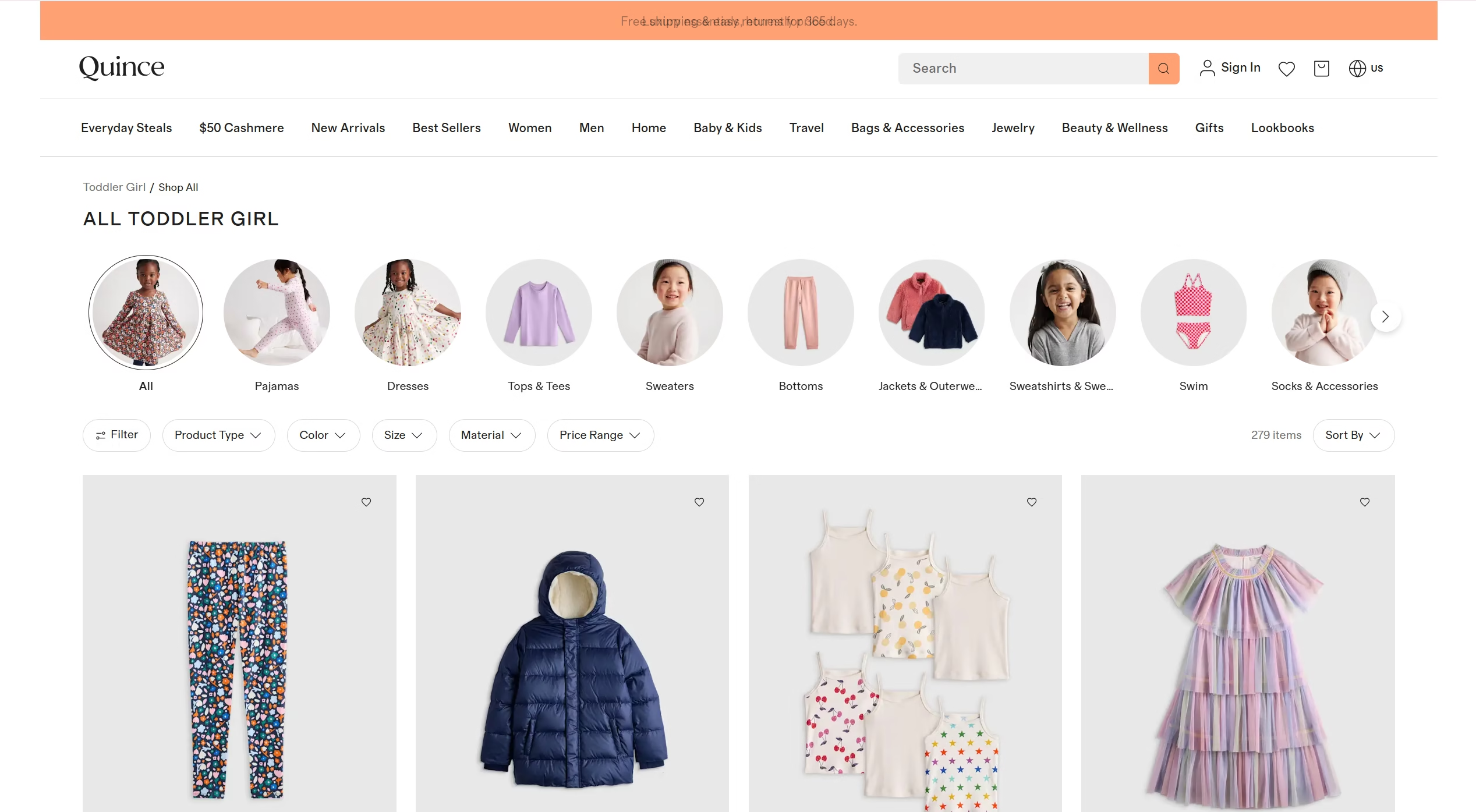
Quince
Quince offers affordable, sustainable fashion for kids. They sell luxury basics at lower prices. Quince uses organic linen and cotton for natural comfort. They work with ethical factories and ship straight to you. This saves money and helps you buy green brands easily. You can get cotton t-shirts and other essentials for your family. Quince uses earth-friendly fabrics and is a top sustainable brand.
Feature
Benefit
Affordable luxury basics
High quality at lower prices
Direct shipping
Saves money and supports ethical factories
Organic and natural fabrics
Safe and comfortable for children
Burt’s Bees Baby
Burt’s Bees Baby makes gentle, safe clothes for kids. Most items use organic cotton and have GOTS certification. Their cotton clothes are soft and good for sensitive skin. They also offer non-organic cotton with OEKO-TEX, TENCEL™ blend pajamas, and recycled fleece. Burt’s Bees Baby is known for a big selection and low prices. Every piece gives natural comfort and safety.
Product Type
Certification Type
Organic Cotton
GOTS
Non-organic Cotton
OEKO-TEX Standard 100
TENCEL™ lyocell blend pjs
honeysoft™
Recycled polyester fleece
polarbee™ (Repreve® 100% recycled)
Q for Quinn
Q for Quinn cares about every child and the planet. They use GOTS certified cotton, wool from safe farms, and plant dyes from things like pomegranate. Their clothes are gentle and good for kids with sensitive skin. Q for Quinn makes sure all kids feel comfy. You can get soft, strong t-shirts and other essentials. This brand puts natural comfort first.
Material Type
Description
GOTS certified organic cotton
Lower environmental impact, gentle on skin
Responsible wool
Animal welfare and sustainability
Plant-based dyes
Natural ingredients, no harsh chemicals
Mon Coeur
Mon Coeur makes cool, green clothes for kids. They use recycled and organic materials for every item. Buttons are made from recycled paper, and zippers use plastic bottles. Their swimwear comes from old fishing nets. All fabrics have Global Recycled Standard certification. Mon Coeur uses only upcycled and recycled fabrics. You get accessories and t-shirts that last. Mon Coeur leads with natural ideas.
Recycled and organic materials make clothes strong
Buttons and zippers use upcycled stuff
Swimwear comes from fishing nets
Circular economy stops waste
Little Green Radicals
Little Green Radicals gives you ethical, natural choices. They use Fairtrade cotton, which helps farmers and their towns. They work with Chetna Organics in India, helping many farmers. Their cotton clothes lower harm from pesticides. Packaging is compostable and materials use less chemicals. Production is closer to home, so climate impact is less. They have Fairtrade and BSCI certifications, which protect workers. This brand cares about people and the planet.
Fairtrade cotton helps farmers and communities
Compostable packaging cuts down on waste
Fair labor and good wages for workers
MINI RODINI
MINI RODINI ships clothes worldwide and has unisex options. Their designs let kids show their style. MINI RODINI uses organic cotton and recycled fabrics. The brand started with a goal for gender-neutral fashion. MINI RODINI mixes natural style with responsible making.
Aspect
Details
Global Delivery
Ships worldwide, offers many clothing types
Gender-Neutral Options
Unisex designs for freedom of expression
Sustainability Focus
Uses organic and recycled fabrics
SeedTot
SeedTot makes natural, organic cotton clothes for babies. Their essentials are soft and safe. You can get t-shirts and basics that last. SeedTot uses natural dyes and green packaging. This helps you make better choices. You can find great clothes online from this brand. SeedTot stands out for organic cotton and comfort.
Organic cotton basics for babies and toddlers
Natural dyes and green packaging
Strong basics for everyday wear
Organic Zoo
Organic Zoo is open and honest about their process. They get organic materials from farmers who follow strict rules. Their machines are eco-friendly and check for quality. Designs use software to cut waste. Factories save water and energy. Every piece is tested for chemicals and certified. Clothes come in green packaging and teach you about organic benefits. You get safe, comfy clothes and ways to recycle or dispose of them. Organic Zoo is a top brand for trust and reputation.
Step
Description
Sourcing Organic Raw Materials
Farmers use no synthetic chemicals or pesticides.
Processing & Spinning
Fibers are cleaned and spun with eco-friendly machinery.
Design & Manufacturing
Patterns reduce waste, facilities save water and energy.
Certification & Quality Assurance
Garments tested for chemical residues and certified.
Distribution & Retail
Eco-friendly packaging and consumer education.
Consumer Use & End-of-Life
Safe use and options for recycling or disposal.
You have lots of choices for green baby brands and eco-friendly picks. These top brands give natural comfort, organic cotton, and cool styles for kids. You can shop online for the best clothes and help your child and the earth.
What Makes These Eco-Friendly Brands Special
Cool Features and New Ideas
You may ask why these brands are different. They do more than use organic cotton. They have smart ideas that help the planet. Some brands plant trees when you buy clothes. Others use recycled materials or pay workers fairly. Some brands clean up oceans or let you fix old clothes. Many brands use new materials and care about nature. Look at this table to see what each brand does:
Brand
Unique Features and Innovations
Tentree
Plants trees for every item you buy, uses eco-friendly materials, pays fair wages.
KNOWN SUPPLY
Uses GOTS-certified cotton, fair trade, each garment signed by the maker, promotes openness.
Ecoalf
Works on ocean cleanup, uses recycled materials, donates to green causes.
Nudie Jeans
Offers free repairs, uses organic cotton, makes clothes that grow with your child.
Pangaia
Focuses on new materials, supports circular fashion, uses nature-based solutions.
Patagonia
Has a long history of green efforts, uses sustainable fabrics, works to cut greenhouse gases.
These brands prove you can look good and help the earth.
Certifications and Awards
You want to know your child’s clothes are safe. Many top brands have special certifications like GOTS and Fair Trade. These labels show the brand uses safe materials and treats workers well. Some brands win awards for helping people or the planet. When you see these labels, you know the brand cares.
Tip: Always look for trusted labels on tags or websites. They help you choose the best clothes for your family.
Helping Families and the Community
You care about more than just buying clothes. Brands like MANYMOONS let you rent or recycle kids’ clothes. This helps when your child grows fast. You get organic cotton and a return program that saves money and cuts waste. Parents like these choices because they are easy and good for the earth.
More people now choose brands that use green ways.
When you buy from a green brand, you help your child and the planet. You also join other parents who want the best for their families.
Tips for Choosing and Caring for Eco-Friendly Children’s Wear
How to Identify Genuine Sustainable Brands
You want to make sure you pick real sustainable brands for your kids. Here’s how you can spot them:
Brand Transparency: Check the brand’s website and social media. Look for clear details about where they get their materials and how they make their clothes.
Certifications: Trusted labels like GOTS show the brand meets safety and ethical standards.
Remember: Simple care routines help your child’s clothes last longer and stay comfy.
Choosing eco-friendly clothes for your kids keeps them safe and helps the planet. When you pick green brands, you show companies that you care about the earth. Even small changes in your shopping habits can make a big difference. Check out how your choices matter:
You help reduce waste and support a global movement.
Your choices inspire others to care about the planet.
Every purchase is a step toward a greener future.
You have the power to create change—one outfit at a time.
FAQ
What makes kids clothing “sustainable”?
Sustainable kids clothing uses organic or recycled materials. Brands avoid harmful chemicals. Factories treat workers fairly. You help the planet when you choose these clothes.
How do I know if a brand is truly eco-friendly?
Look for certifications like GOTS or Fair Trade. Check the brand’s website for details about materials and production. Read reviews from other parents.
Tip: Trusted labels and honest brand stories mean you can shop with confidence.
Are sustainable kids clothes more expensive?
You might pay a little more upfront. These clothes last longer and stay comfy. You save money over time because you buy less often.
Can I find stylish options in eco-friendly kids clothing?
Absolutely! Many brands offer bright colors, fun prints, and cool designs. Your child can look great and help the planet at the same time.
Brand
Style Highlights
MINI RODINI
Bold prints, unisex
Hanna Andersson
Classic, playful
Organic Zoo
Soft, modern basics
How do I care for sustainable kids clothes?
Wash in cold water. Air-dry when possible. Treat stains quickly. Fold knits to keep their shape. These steps help clothes last longer.
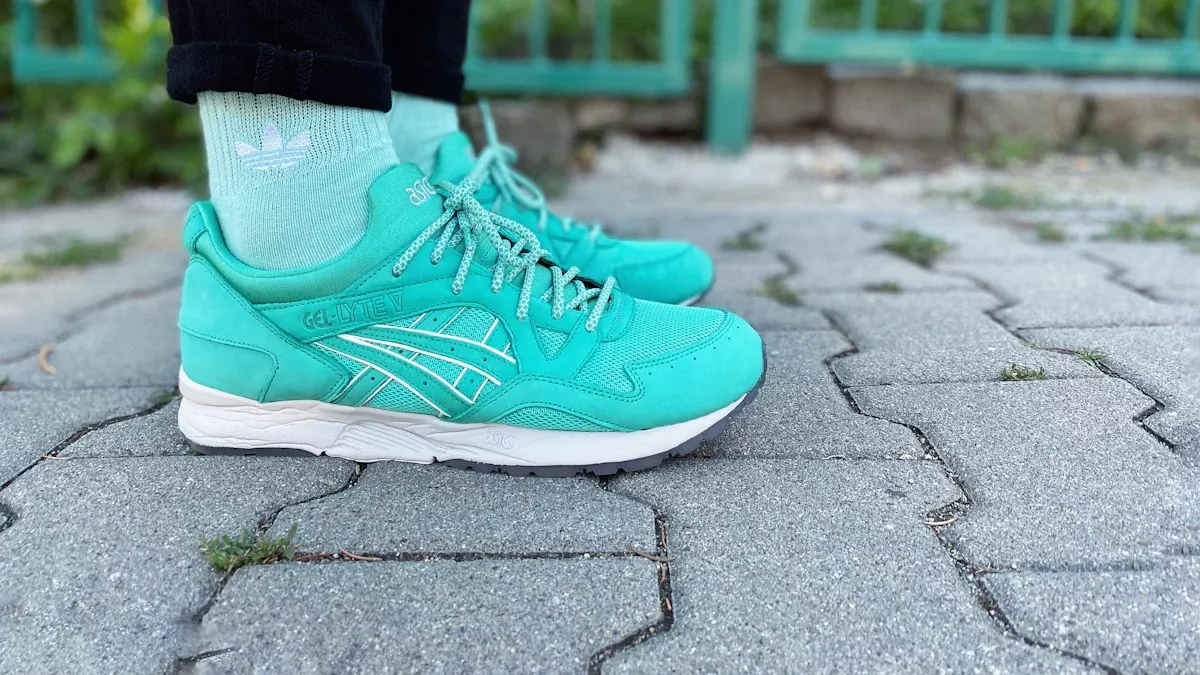
Color trend 2026 starts a neon change in kids’ fashion. Bright colors like jelly mint and Electric Fuchsia are important for spring and summer. Imagine a group of colors that make people happy. These colors help make fun and calm outfits. They give off a playful and dreamy feeling. They also make people feel strong emotions. These colors bring back old memories and add new energy to kids’ clothes. Experts say new colors like these will change kids’ fashion. They help make every day seem happier.
Key Takeaways
Jelly Mint and Electric Fuchsia are popular colors for kids’ clothes in 2026. These colors make outfits look happy and full of energy.
Kids can show who they are with these colors. They help kids feel sure of themselves. These colors are great for fun and new styles.
You can mix Jelly Mint with bright colors like Electric Fuchsia. This makes outfits look bold and trendy.
Watch color trends to make new and cool clothes for kids. This helps families like the clothes and gets people to notice them.
Try mixing colors you do not expect together. This helps kids’ clothes look creative, special, and fun.
2026 Key Color Trends for Kidswear
Hottest Fashion Colors for Spring/Summer
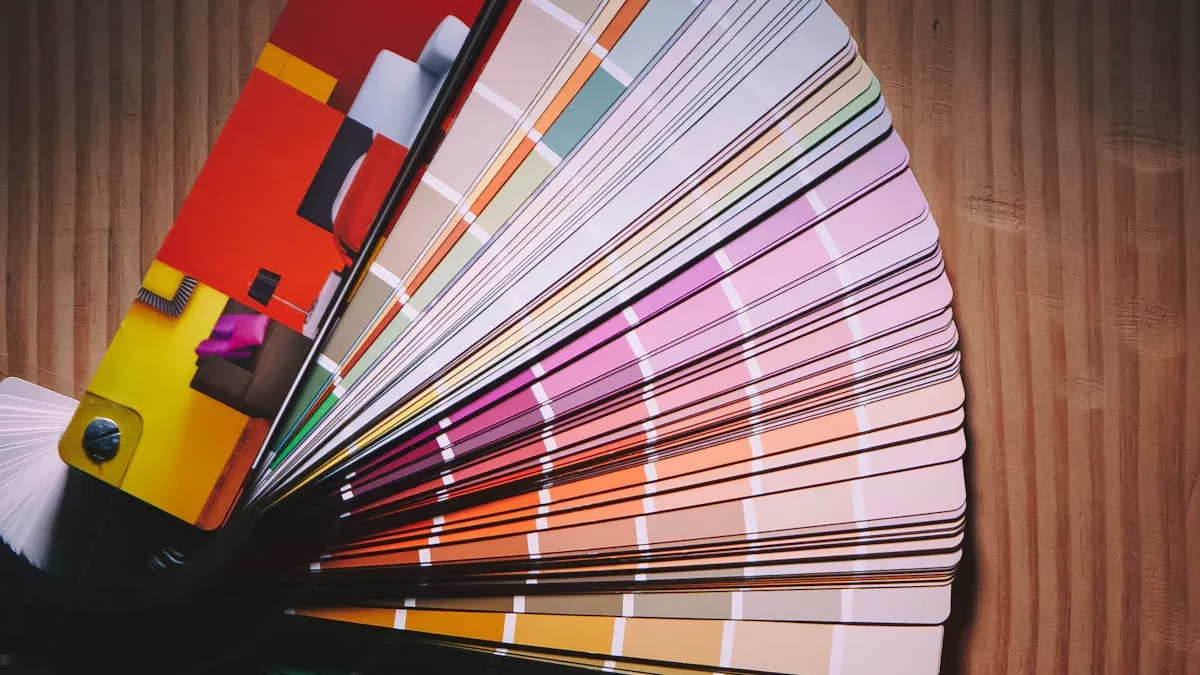
Spring and summer always bring fresh energy to kids’ fashion. The hottest fashion colors for s/s 26 are bold, playful, and full of life. Designers are looking for shades that spark joy and comfort. The color palette for this season mixes urgent brights, earthy naturals, and calming tinted tones. You’ll see soft pastels and effortless neutrals everywhere. These colors reflect what families want right now. They show how style can match feelings and culture.
Here are the five hottest fashion colors for s/s 26:
Jelly Mint
Electric Fuchsia
Sunbeam Yellow
Cloud Blue
Clay Peach
Jelly Mint and electric fuchsia stand out as the 2026 key color choices. They bring a unique aesthetic to kidswear. The other shades add balance and warmth. Together, these key colours create a look that feels modern and fun.
Why Jelly Mint and Electric Fuchsia Lead
Jelly Mint is all about happiness. It gives comfort during uncertain times. This shade helps kids feel calm and safe. Electric fuchsia is bold and exciting. It encourages self-expression and lets kids show their playful side. Both colors are leading the way as the color of the year 2026 for children’s fashion.
These hottest fashion colors are not just about looks. They connect with deeper feelings. Jelly Mint and electric fuchsia reflect a cultural focus on joy and boldness. They help kids feel confident and creative. The aesthetic of these shades makes every outfit pop.
Color forecasting plays a big role in picking the color of the year and 2026 key color. Experts study trends and emotions. They look at what families want. The Trend Bible Baby & Kids for s/s 26 gives designers tools and ideas. It helps brands stay ahead with color trends. Understanding these key colours gives a competitive edge. It makes collections stand out and feel fresh.
Tip: Watch how color trends change each season. Staying updated helps you create kidswear that feels new and exciting.
Jelly mint is a refreshing and buoyant shade that stands out in children’s fashion for 2026. Color experts say this minty pastel brings lightness, clarity, and optimism to any outfit. It feels modern and playful, which makes it perfect for kids who love fun and bright styles. Jelly mint appeals to the “Kidult” spirit—a mix of kid and adult—because it feels both calming and energetic. This color shows calmness and resilience, so it works well for kids who want to feel safe but also want to stand out. Many designers choose jelly mint because it fits so many moods and styles.
Emotional Impact on Kids
Jelly mint does more than just look good. It helps kids feel calm and happy. When children wear this color, they often feel more relaxed and confident. The gentle tone of jelly mint can make a busy day feel less stressful. Kids love how this color feels fresh and new. It gives them a sense of hope and excitement. Parents also like jelly mint because it brings a peaceful vibe to their child’s wardrobe. This shade can help kids express their personalities in a positive way.
Using Jelly Mint in Kidswear
Designers use jelly mint in many ways for kidswear. This color works for all ages and genders. You can find it in sportswear, shoes, and accessories. The fresh and gentle tone of jelly mint makes it a favorite for both boys and girls. Here are some popular uses:
Sportswear like hoodies, shorts, and tracksuits
Sneakers and sandals with jelly mint accents
Backpacks, hats, and hairbands
T-shirts and dresses for everyday wear
Jelly mint can make designs look bold, especially when paired with other bright shades. Its high color saturation helps create strong contrasts. This makes outfits pop and keeps them looking modern. Many brands use jelly mint to add a playful touch to their collections. It is easy to mix with other colors, so it fits into many different styles.
Color Pairings for Jelly Mint
Jelly mint shines when you use the right color combinations. The best color combinations for 2026 include both bold and soft shades. Designers love to mix jelly mint with colors that make it stand out even more. Here are some top color combinations for kidswear:
Color Pairing
Electric Fuchsia
Blue Aura
Amber Haze
Jelly Mint
These color combinations help create outfits that feel fresh and exciting. Electric fuchsia adds energy, while blue aura brings a cool touch. Amber haze gives warmth, and using jelly mint with itself can create a layered look. Try these combinations in t-shirts, shorts, or even shoes. You can also use color combinations in accessories like hats and bags. Mixing jelly mint with other trendy shades lets kids show off their unique style. The right color combinations can turn a simple outfit into something special.
Tip: Try using jelly mint with unexpected color combinations for a bold look. Kids love to experiment, and these combinations can make their outfits stand out at school or on the playground.
Electric fuchsia is a color that grabs attention right away. It looks like a bright mix of magenta and hot pink. This shade feels bold and full of energy. Many trend reports say electric fuchsia is a key color for kidswear in 2026. It brings a vibrant and playful look to children’s clothes. You can spot this color from far away. It stands out in a crowd and makes any outfit pop.
Designers love electric fuchsia because it matches the spirit of kids. It feels fun and a little bit rebellious. This color is not shy. It wants to be seen. When you add electric fuchsia to a collection, you get instant levity. The color lifts the mood and adds excitement to any piece.
Electric fuchsia is a key color for kidswear in 2026.
Electric fuchsia does more than just look cool. It can change how kids feel and act. Fashion psychologists say bright pinks like electric fuchsia can feel electric and even a bit rebellious. Kids who wear this color often feel more energetic and expressive. The shade gives them a sense of freedom. It lets them show off their personality.
Bold pinks like electric fuchsia are linked to energy and expressiveness.
This color can feel almost daring or provocative.
Pink shapes mood and comfort, which is important for kids.
When kids wear electric fuchsia, they often feel a burst of levity. The color can make a regular day feel special. It helps kids feel brave and ready to try new things. Parents notice that children in electric fuchsia seem happier and more outgoing. The color brings a sense of fun to any setting.
Tip: If you want to boost a child’s mood, try adding electric fuchsia to their wardrobe. The color can turn a simple outfit into something exciting.
Applying Electric Fuchsia in Children’s Clothing
Designers use electric fuchsia in many ways. You can find it in t-shirts, dresses, sneakers, and even backpacks. The color works well for both boys and girls. It looks great on its own or as an accent. Many brands use electric fuchsia for statement pieces. These are the items that everyone notices first.
Here are some popular ways to use electric fuchsia in kidswear:
Graphic tees with electric fuchsia prints
Sneakers with electric fuchsia laces or soles
Dresses and skirts in solid electric fuchsia
Accessories like hats, socks, and bags
Electric fuchsia brings levity to every piece. It makes clothes feel fresh and modern. The color also pairs well with other trendy shades like jelly mint or sunbeam yellow. When you mix electric fuchsia with softer colors, you get a nice balance. The result is a look that feels both bold and friendly.
Styling Electric Fuchsia
Styling electric fuchsia is all about having fun. You can go all out with a head-to-toe look, or just add a pop of color. Try pairing electric fuchsia with denim for a casual style. For a sporty vibe, mix it with white or gray. If you want something playful, combine electric fuchsia with jelly mint or cloud blue.
Here are some easy styling ideas:
Style Idea
How to Wear It
Pop of Color
Electric fuchsia shoes or hairbands
Statement Piece
Electric fuchsia jacket or dress
Color Blocking
Mix with jelly mint or sunbeam yellow
Everyday Fun
Electric fuchsia socks or backpack
Electric fuchsia adds levity to any outfit. Kids can wear it to school, parties, or just for playtime. The color helps them stand out and feel confident. Parents love it because it brings joy and energy to their child’s look.
Note: Don’t be afraid to experiment. Electric fuchsia is a color that invites creativity and fun.
Recreating Trend Colors in Production
Sourcing and Dyeing Jelly Mint
Getting the perfect jelly mint shade starts with the right fabric and dye. Manufacturers look for high-quality cotton or soft blends. These materials hold color well and feel good on kids’ skin. Jelly mint needs a clean base. White or light fabrics work best. Dye experts use special formulas to mix green and blue pigments. They test small batches to match the jelly mint color chip. Sometimes, they add a touch of white to keep the shade soft. Jelly mint looks best when the dye is even. Factories use gentle washing to keep the color bright. Want to keep jelly mint fresh? Store dyed fabrics away from sunlight.
Tip: Always check the jelly mint sample in natural light. This helps you see the true color.
Achieving Electric Fuchsia in Fabric
Electric fuchsia is bold and needs strong dye. Makers choose fabrics that soak up color fast. Polyester and cotton blends work well. The dye team mixes pink and purple pigments. They use heat to lock in the electric fuchsia shade. Jelly mint and electric fuchsia need different dye methods. Electric fuchsia often needs a double dye process. This keeps the color from fading after many washes. Factories test the fabric for colorfastness. Kids play hard, so clothes must keep their color.
Fabric Type
Dye Method
Color Result
Cotton
Cold dye bath
Soft electric fuchsia
Polyester blend
Heat set dye
Bright electric fuchsia
Integrating 2026 Key Colors in Kidswear
Designers use jelly mint and electric fuchsia in many ways. They add jelly mint to t-shirts, shorts, and hats. Electric fuchsia pops on shoes and backpacks. Mixing jelly mint with other trend colors creates fun outfits. Brands use jelly mint for trims and details. Electric fuchsia works as a statement piece. Some collections use jelly mint for matching sets. Others pair jelly mint with sunbeam yellow or clay peach. Jelly mint fits sporty styles and casual looks. Electric fuchsia brings energy to party wear. Want your kidswear line to stand out? Try combining jelly mint with bold prints.
Note: Test jelly mint and electric fuchsia on different fabrics. This helps you find the best match for your collection.
Future of Color Trend 2026 in Kids’ Fashion
Evolving Preferences in Children’s Apparel
Kids’ fashion is always changing. Children like clothes that are bright and fun. Parents want their kids to feel happy and sure of themselves. In 2026, jelly mint and electric fuchsia will be important colors. These shades make everyday outfits more cheerful. Kids enjoy wearing colors that get noticed at school or outside. Designers see that kids like mixing bold colors with softer ones. This trend helps kids show who they are in new ways.
Fashion brands listen to what families want. They know comfort and playfulness are important. Many brands use colors that make kids smile and feel good. These choices help kids enjoy what they wear. The future of kids’ clothes will have bright colors and styles that are easy to wear.
Staying Ahead with Color Forecasts
Brands need to guess which colors will be popular next. They use special tools to help them. Today, technology is a big help. Artificial intelligence checks social media, search results, and sales numbers. This lets brands see patterns and pick the right colors. Machine learning can tell if a trend will last or not.
Here’s how brands use forecasting tools:
Evidence Description
Key Insights
AI transforms trend forecasting
Looks at lots of data from social media, searches, and sales to find patterns.
Machine learning improves forecasting
Learns from old trends to tell fads from real trends.
Brands spend a lot to get the best trend information.
Forecasting is now a big part of the fashion world.
Using color forecasts helps brands make new and fun collections. When brands use the newest data, they can make styles that kids and parents want. This keeps their clothes popular and helps them stand out.
Jelly Mint and Electric Fuchsia are more than just colors—they set the mood for kids’ fashion in 2026. Want to make your collection pop? Try these tips:
Mix these shades into basics and accessories.
Test bold combos for standout looks.
Watch how kids react and adjust your designs.
Thoughtful color choices help your brand stand out. Don’t be afraid to try something new. Kids love fresh, fun styles!
FAQ
What makes Jelly Mint a top pick for kids’ clothes?
Jelly Mint feels fresh and happy. Kids love how it looks bright but not too loud. This color works for all seasons. It matches many other shades. Designers use it because it stands out and feels modern.
How can I style Electric Fuchsia for my child?
Try these ideas:
Add Electric Fuchsia shoes or a hat.
Mix with denim for a cool look.
Pair with Jelly Mint for extra fun.
Tip: Start with small accessories if you want a softer look.
Are these colors safe for sensitive skin?
Most brands use safe, kid-friendly dyes. Always check the label for “OEKO-TEX” or “GOTS” certification. These marks mean the fabric is tested for safety.
Will these colors stay trendy after 2026?
Trends change, but Jelly Mint and Electric Fuchsia have lasting appeal. They work well with basics. You can keep using them in new ways, even when trends shift.
You see colors all around you. In 2026, colors will help brands lead the market. Studies show 85% of buyers pick products because of colors. More than 90% of quick buys happen because of color. Manufacturers like petelulu help your brand win in 2026. They make colors your best tool for change and growth. Their way uses real-time data and ai-ready operating models. These models build systems that change with new trends. You can grow your value by using colors, Supply Chain Agility, and skilled teams. Picking the right colors and talent helps you stand out from others.
Key Takeaways
Colors are very important for brands. They affect how people feel and can help people choose what to buy.
Use a flexible supply chain to try new colors fast. This lets you follow trends without big risks.
Color is important in branding. It helps your brand stand out. When you pick colors, you send a message. Colors can make things look fun, calm, or trustworthy. Logos use color to show what a brand is about. Facebook uses blue to show trust. Tiffany’s blue box makes people think of luxury. McDonald’s uses red and yellow to show energy.
Colors change how people feel about brands. Warm colors like red and yellow make people excited. Cool colors like blue and green help people feel safe. Banks and health brands use these colors to look calm. Color shows feelings and meaning right away. You can use color to match what people expect from your brand.
Cool colors help people trust brands for a long time.
Facebook’s blue logo means trust.
Tiffany’s blue box means luxury.
McDonald’s red and yellow means energy.
Emotional Impact on Consumer Choices
Pictures and colors affect how people feel about brands. Color helps people remember your brand. It can make people loyal. Most quick buys happen because of how a brand looks. Color makes people feel strong emotions. Good feelings about colors help your brand grow. Bad feelings can make people leave.
Color
Emotional Response
Usage in Branding
Red
Urgency, excitement, passion
Used in sales
Blue
Trust, dependability
Used by banks
Green
Tranquility, health, nature
Used by eco-friendly brands
Yellow
Happiness, optimism
Used for young people
A red “Buy Now” button gets more clicks. Green colors on health sites make people feel safe. You need to think about what colors mean in different places. Colors mean different things in different cultures. You want your brand to connect with everyone. Studies show color changes how people feel about brands. Unique colors help your brand stand out. Coca-Cola’s red makes people excited. Nike’s black and white look strong and fancy. You can use color to help people trust your brand.
You want your brand to stand out with fresh colors. Petelulu helps you do this by making the process simple and fast. Their supply chain agility lets you choose colors, test samples, and launch products quickly. You do not need to order huge amounts. Petelulu offers low minimum order quantities (MOQs), so you can try new colors without big risks. This helps you test what works best for your customers.
You can order small batches in different colors.
You get samples fast, so you see and feel the product before making a big decision.
You can scale up production when you find a color that sells well.
You avoid wasting money on colors that do not sell.
Supply chain agility means you get what you need when you need it. Petelulu’s team responds to your requests and adapts to your needs. You can change colors or styles quickly. This flexibility helps you keep up with trends and customer demands. Brands like Ralph Lauren use similar methods to let shoppers pick their favorite colors. You can do the same with Petelulu’s help.
Supply chain agility also means smart sourcing and inventory management. Petelulu finds the right fabrics and keeps enough stock to fill your orders fast. If there is a problem with a supplier, they adjust quickly so you do not face delays. You get reliable service and fast results.
Fast Turnaround and Market Responsiveness
You need to move fast when new color trends appear. Petelulu’s supply chain agility gives you an edge. Social media changes what people want almost every day. You must respond quickly to stay ahead. Petelulu’s system lets you approve designs and get products ready in as little as two weeks for simple styles. For more complex designs, you may wait up to six weeks, but you always know what to expect.
You launch new colors faster and beat your competitors.
Reduced production bottlenecks
You avoid delays and keep your business running smoothly.
Meeting seasonal deadlines
You release products on time for holidays and events.
You can set different MOQs for each style or color. This helps you work with small shops and big retailers. You build trust because you offer choices without forcing anyone to buy too much. You can introduce new colors, test them, and adjust your orders based on what sells.
Supply chain agility also means you can change your plans quickly. If a color becomes popular, you increase production. If a trend fades, you switch to something new. Brands like Zara use supply chain agility to keep up with fast-changing trends. You can do the same with Petelulu’s support.
You customize products to match market demand.
You reduce inventory risk by making only what you need.
You adjust your color offerings in real time.
You introduce more color variations without slowing down production.
Tip: Use supply chain agility to test new colors, respond to trends, and grow your brand with confidence.
Color Innovation for Branding Trends
Sustainable and Eco-Friendly Color Choices
More brands now pick colors that show they care about the earth. Many companies use soft color palettes and natural textures. These choices help brands look eco-friendly. They also help you connect with shoppers who want to help the planet. People want clothes that fit their values. They look for brands that use eco-friendly fabrics and make less waste. You can use natural dyes instead of fake ones. This helps your brand stand out and supports green design.
Customers like brands that care about the environment.
Natural dyes bring in shoppers who care about nature.
Technology-Driven Color Development
You can use technology to make new color ideas for your brand. Tools like 3D rendering and AR show colors in cool ways. You can let shoppers pick colors that fit their style. This makes shopping fun and special. Brands mix old colors with new looks, like neon and metallic. These choices help you follow trends and reach more people.
Make sure colors stay the same on all products and from all suppliers.
Petelulu’s Approach to Custom Color Solutions
You get more choices with Petelulu’s custom color solutions. Petelulu uses digital printing for detailed designs and many colors. This works well for custom orders and helps you follow trends. Petelulu also checks quality closely. They use special tools and strict rules to keep colors the same. You get eco-friendly materials and good production. Petelulu has certifications like BSCI, OEKO, and GOTS. These show they care about quality and the planet.
Tip: Pick partners who use strong quality checks and eco-friendly ways. This helps your brand grow and keeps your colors looking good.
2026 Color Trends and Market Leadership
Retro-Futurist and Deep Color Palettes
Retro-futurist and deep color palettes will be popular in 2026. These colors mix bright shades with old-fashioned tones. Many brands use these colors to make people excited. They also help people remember the past. Social media posts with bright colors get more likes in streetwear. People like bold styles. Neon colors from the 90s and soft pastels from cartoons help brands connect with customers. You can use these color trends to make your brand look new and different.
Hues of Brown and Plum Resurgence
Brown and plum colors are coming back in style. Designers are moving away from Y2K looks. They now use Art Deco and folk styles for ideas. You will see more colors that look like things from nature. Brown will be a big color trend for 2025 and after. Experts think earthy and complex plum shades will be used more. These colors feel safe and important. They attract shoppers who want comfort and things that last. You can use these colors to show your brand cares about style that stays.
Designers get ideas from past decades.
Muddied colors look like nature and deep thoughts.
Brown and plum give more feeling and detail.
Personalization in Children’s Apparel
Personalization is a big trend in kids’ clothes. You can let people pick colors or add names to clothes. This makes each item special. Green shades from nature, like Transformative Teal, will be liked. Neutral colors like Universal Khaki and Warm Mahogany will also be popular. These colors help balance and calm.
You want your brand to be noticed. Petelulu helps you with organic baby rompers. Adsmter is a top brand in North America. They picked Petelulu for soft and colorful rompers. Customers liked the gentle feel and special colors. Color choices help people remember your brand. A study from Loyola University says color can boost brand recognition by 80%. Using good colors makes people remember your products. Parents remember the soft green and pastel blue rompers. Working with Petelulu’s design team is easy. You test samples, change colors, and launch products fast.
Case Study: Custom Bamboo Pajamas
You want to give kids something unique. Petelulu lets you make custom bamboo pajamas. Nariman is a store in the United Arab Emirates. They worked with Petelulu to design pajamas in popular colors. Flexible production helps you meet seasonal needs. You pick colors like plum and teal to match trends. Customers notice the comfort and bright colors. Petelulu’s quick work helps you launch new colors before others. You build trust with shoppers who like eco-friendly fabrics and cool styles.
Case Study: Global Brand Partnerships
You want your brand to grow worldwide. Petelulu helps you with global partnerships. Lupe Vuata is an Australian online store. They teamed up with Petelulu for matching family sets. You pick colors that different markets like. Color-coded collections help you sell more and look better. Whole Foods used color signs to get more shoppers and set sales records. Petelulu’s flexible production helps you expand fast. People are 81% more likely to remember a brand’s color than its name. You use this to make collections that shoppers remember.
Case Study
Impact on Brand Success
Whole Foods
More shoppers and better brand image with color signs, leading to record sales.
You learn from a team that cares about quality and new ideas.
Customers give good feedback about the colors and comfort.
You use what you learn to launch new products and grow your brand.
Note: Working with Petelulu shows how using color helps your brand succeed in the market.
Build skills to keep up with new rules. This keeps your brand safe and trusted.
Integrate compliance in packaging design
Make sure your packaging follows all rules from the start. This saves time and money.
Focus on material science
Use new materials to stand out in the market. This gives you an edge over others.
A clear roadmap helps you avoid mistakes. You can plan for changes and use colors that fit your brand values.
Integrating Consumer Data into Color Strategy
You can use data to make smart color choices. Data shows how people feel about colors. It helps you pick colors that match your brand’s message. Here are ways to use data in your color strategy:
Data helps you see which colors make people feel happy, safe, or excited.
You can use data to find out which colors people remember most.
Data lets you track what colors your customers like over time.
You can use data to test new colors and see what works best.
When you study data, you learn what your customers want. You can change your color choices to match their needs. This keeps your brand fresh and popular.
Collaboration for Lasting Brand Equity
You build strong brands by working with the right partners. Team up with manufacturers who understand your vision. Share your goals and listen to their advice. When you work together, you get better results.
Tip: Meet often with your partners. Share feedback and ideas. This helps you solve problems fast and keep your brand strong.
You can use your color roadmap and data to guide these talks. When everyone works together, your brand grows and stays trusted for years.
You can be a leader in 2026 by using colors well and working with flexible manufacturers like petelulu. Brands that spend money on color calibration and have good vendor relationships do better. A fancy hotel in Boca Raton got noticed more because their colors always looked the same everywhere. You should check your tools, talk about what colors you want, and pick partners who help you reach your goals.
Make color planning important and work with skilled manufacturers. This will help your brand get noticed and become stronger.
Buy tools that help you match colors.
Make good connections with your vendors.
Check your monitors and printers often.
FAQ
What makes color important for your brand in 2026?
Color helps you stand out. It shapes how people see your brand. You can use color to show your values and attract new customers. Color trends change fast, so you need to stay updated.
How does Petelulu support custom color requests?
You can choose any color for your designs. Petelulu offers quick sampling and low MOQs. Their team helps you test and adjust colors before you order in bulk.
Are Petelulu’s color processes eco-friendly?
Yes. Petelulu uses natural dyes and sustainable fabrics. You get products that are safe for kids and better for the planet.
How fast can you launch new color collections with Petelulu?
You can launch new colors in as little as two weeks for simple items. Petelulu’s agile supply chain helps you respond quickly to trends.
You want your baby to have the best, right? Cloud Dancing White is a color that helps babies feel calm. In 2026, it is a top choice for comfort. Parents want more than nice looks. They care about how colors affect their babies. They also like soft organic cotton. Parents think about what each brand stands for. Here is what matters most:
Aspect
Parent Feedback
Color
Parents like “on-trend colors” and “beautiful prints.”
Material
Parents want high-quality materials, especially organic cotton.
Brand Values
Brand reputation matters. Parents mention “higher prices” and “limited options.”
Key Takeaways
Cloud Dancing White helps babies feel calm and cozy. It helps them relax and sleep well.
You see Cloud Dancing White and might think it’s just another shade of white. It’s not. This color stands out because it feels light and pure. When you look at it, you notice how soft it appears. It’s not a harsh, bright white. Instead, it’s gentle and easy on your eyes. Color experts like Pantone describe it as a “lofty white.” That means it lifts your mood and brings a sense of peace.
Here’s a quick look at the official details for Cloud Dancing White:
Color Name
Color Code
Description
Cloud Dancer
PANTONE 11-4201
A lofty white that serves as a symbol of calming influence in a society rediscovering the value of quiet reflection.
HEX #F0EEE9
RGB (240, 238, 233)
You can see why brands choose this color for babywear. It’s soft, clean, and modern. You want your baby to feel safe and cozy. Cloud Dancing White helps create that feeling.
Cloud Dancer is described as “a lofty white.”
It symbolizes a calming influence in society.
Healing & Soothing Qualities
You want your baby to feel calm and happy. Cloud Dancing White does more than look nice. It brings a sense of healing and comfort. When you dress your baby in this color, you help them relax. The gentle shade doesn’t overstimulate your baby’s senses. It creates a peaceful space, which is important for sleep and play.
Many parents say their babies seem more settled in soft, neutral colors. You might notice your baby sleeps better or feels less fussy. That’s because Cloud Dancing White supports a soothing environment. It’s not just about style. It’s about helping your baby feel good every day.
If you care about wellness and mindfulness, this color fits your values. You choose babywear that supports your child’s well-being. Cloud Dancing White makes that choice easy. It’s a color that feels healing, gentle, and timeless.
Healing Colors in Babywear
Color Psychology for Babies
Have you ever noticed how your baby reacts to different colors? Babies see the world in a unique way. Experts say that color can shape how your child feels and acts. In fact, children often notice colors before they notice shapes. This means the colors you choose for your baby’s clothes and room matter a lot.
Create a balanced and serene environment, positively influencing mood.
When you dress your baby in Cloud Dancing White, you help create a calm space. This color does not overwhelm your baby’s senses. Instead, it brings clarity and a sense of peace. Here’s another way to see it:
Color
Psychological Effect
White
Evokes clarity, simplicity, and a sense of mental space, contributing to a calming atmosphere.
You want your baby to feel safe and happy. Choosing the right color can make a big difference.
Calmness & Well-Being
You might wonder why calm colors matter so much. Child psychologists say that color can spark quick reactions in babies. A peaceful color can help your baby relax and feel secure. When you use gentle shades, you support your child’s well-being every day.
Experts also point out that the right colors can help your baby focus and learn. A soothing color like Cloud Dancing White can make your baby’s world feel less busy. This helps your child pay attention and feel comfortable. You create a space where your baby can grow, play, and rest with ease.
If you want your baby to feel calm and cared for, start with color. The right shade can turn everyday moments into peaceful memories.
You want your baby to feel safe every day. Petelulu knows this is important. They use organic cotton and bamboo in their baby clothes. These fabrics are soft and gentle on skin. Air can move through them, so your baby stays cool. Your baby will not get too hot. You do not need to worry about harsh chemicals. Petelulu’s clothes do not have formaldehyde, phthalates, or flame retardants. These chemicals can cause rashes or health problems. Using organic materials lowers the chance of skin irritation and allergies.
Here is why petelulu’s fabrics are special:
They are soft and let skin breathe all day.
They do not have chemicals that hurt sensitive skin.
They help keep your baby’s temperature just right.
Choosing Cloud Dancing White in petelulu’s organic fabrics gives your baby a safe and calm start.
Sustainability & Certifications
You care about the earth your child will live on. Petelulu cares about it too. They use organic cotton and bamboo that are good for nature. These crops grow without toxic chemicals. This keeps water and soil clean. Bamboo grows quickly and does not need much water. It is a smart choice for eco-friendly baby clothes.
Petelulu meets high safety and sustainability standards. You can trust their certifications:
Certification
What It Means for You and Your Baby
GOTS (Global Organic Textile Standard)
Makes sure fibers are organic and made in eco-friendly ways
Checks for harmful substances and keeps clothes safe
BSCI (Business Social Compliance Initiative)
Supports fair work and good treatment
Fair Trade Certified
Helps workers get fair pay and safe jobs
You can feel good knowing your baby’s clothes are safe and kind to the planet. Petelulu’s promise to quality and caring for the earth makes them a trusted brand for families.
Trends in 2026: Minimalism & Mindfulness
Market Demand for Cloud Dancing White
You might notice that babywear in 2026 looks different from just a few years ago. Parents like you want more than cute prints. You want clothes that feel safe, look clean, and match your values. Minimalism is everywhere. Simple designs and soft colors, like Cloud Dancing White, are now the top picks for nurseries and baby closets.
Why is this happening? Let’s look at what’s changing:
Here’s a quick look at what’s driving these choices:
Trend Description
Details
Demand for Eco-Friendly Baby Clothing
Organic cotton products now sell for up to 40% more than regular ones.
Sustainability Shift
Parents choose organic cotton and bamboo for their eco benefits.
Consumer Awareness
You want safe, chemical-free options for your baby’s skin and the earth.
You also shop online more than ever. E-commerce makes it easy to find premium, sustainable babywear. Some brands even add smart features to baby clothes, but most parents still want soft, simple, and safe options.
petelulu’s Role in Leading Trends
You may wonder which brands lead these changes. Petelulu stands out. The brand listens to what you want—minimalist style, gentle colors, and real sustainability. Petelulu’s shift to neutral earth tones and soft shades, like Cloud Dancing White, shows they understand your values. Their clothes feel simple and pure, but they also tell a story about caring for your child and the planet.
Petelulu does more than follow trends. They set them. The brand uses organic fabrics and keeps designs clean and timeless. Petelulu connects with parents through stories and community. You see their focus on emotional wellness and simplicity in every collection. When you choose petelulu, you join a group of parents who want the best for their babies and the world.
Tip: If you want babywear that matches your mindful lifestyle, look for brands like petelulu. They make it easy to choose quality, comfort, and care—all in one.
Benefits for Babies & Parents
Practical Advantages
When you pick babywear in Cloud Dancing White, you get more than a pretty color. You make life easier for yourself and your baby. This shade hides small stains better than you might think. You can wash it often, and it still looks fresh. The soft, neutral tone matches almost anything in your baby’s closet. You do not have to worry about clashing colors.
Here are some practical perks you will notice:
Easy to Mix and Match: You can pair Cloud Dancing White with any other color or pattern. Dressing your baby becomes simple and quick.
Gentle on Sensitive Skin: Organic fabrics from petelulu feel soft and smooth. Your baby stays comfortable all day.
Safe for Everyday Use: You do not need to stress about harsh chemicals. Petelulu’s clothes meet strict safety standards.
Long-Lasting Quality: The color stays bright and the fabric stays strong, even after many washes.
Tip: If you want babywear that looks good and lasts, this color is a smart choice.
Emotional Impact
You want your baby to feel safe and loved. Cloud Dancing White helps create a peaceful mood. When you dress your baby in this color, you set a calm tone for the day. You may notice your baby feels more relaxed and happy. This gentle shade can help with better sleep and less fussiness.
Parents often say they feel more at ease when their baby’s space looks clean and simple. You might find that your own stress goes down, too. A calm baby often means a calm parent. Choosing this color shows you care about your child’s comfort and well-being.
Benefit for Baby
Benefit for Parent
Feels calm and secure
Feels confident and relaxed
Sleeps better
Enjoys peaceful routines
Less skin irritation
Worries less about safety
You give your baby a gentle start and bring peace to your daily routine.
You want your baby to have the best. Cloud Dancing White looks peaceful and fresh. This color feels calm and special. When you pick organic babywear, you help your baby’s skin. You also help the earth stay healthy. Petelulu uses safe fabrics and cares about nature. Their clothes are soft and last a long time. Your baby stays comfy all day.
Pick wisely for your child’s health and a better future.
FAQ
What makes Cloud Dancing White special for babywear?
Cloud Dancing White feels soft and calming. You help your baby relax when you choose this color. It looks clean and matches everything. Many parents say it creates a peaceful space for their child.
Are petelulu’s organic fabrics safe for sensitive skin?
Yes! Petelulu uses organic cotton and bamboo. These fabrics feel gentle and do not have harsh chemicals. You can trust them for babies with sensitive skin or allergies.
How do I wash Cloud Dancing White baby clothes?
You can wash these clothes in cold water with mild detergent. Avoid bleach. Dry on low heat or hang outside. The color stays bright and the fabric stays soft.
Does petelulu offer custom babywear designs?
Absolutely! Petelulu lets you create your own styles. You can pick fabrics, colors, and details. Their team helps you turn ideas into real products for your brand.
You can see color trends and sustainability changing kidswear a lot. Transformative Teal is the main color now. It shows what eco-conscious families want. It also matches the 2026 Color Trend. This color looks new and important. It shows that parents want safer and greener choices for kids.
Here’s a quick look at the top color themes for kidswear in 2026:
Color Theme
Description
Earth Home
Caring for the environment
Trophic Beauty
Natural beauty and ecological awareness
Future Industry
Sustainable and innovative practices
Summer Pastel
Soothing feelings and lightness
More people want sustainable kidswear now. Over 61% of parents like eco-friendly fabrics. More brands use organic cotton and bamboo. Sustainability is not just for a few people anymore. If you want to keep up, you need to know about these changes.
Key Takeaways
Transformative Teal is a popular color for kidswear in 2026. It stands for caring about the earth and loving nature.
More parents want sustainable kidswear now. Over 61% of parents like eco-friendly fabrics such as organic cotton and bamboo.
When you buy kids’ clothes, check for certifications like GOTS and OEKO-TEX. These show the clothes are safe and good for the planet.
You can mix Transformative Teal with soft pastels or earth tones. This makes outfits look cool and also feel calm and nice.
Picking eco-friendly brands helps make the world cleaner and safer for kids. It also supports companies that make things the right way.
What Is Transformative Teal?
Defining the Shade
Transformative Teal stands out as a color that feels both fresh and familiar. When you look at it, you see a mix of deep ocean blue and dense forest green. This shade feels cool, bold, and grounding. If you want a precise match, you can use the Color code 092-37-14. Many designers love this color because it brings a sense of calm and stability to any collection.
Deep ocean blue meets dense forest green
Cooling and bold, yet grounding
Coloro code: 092-37-14
You might notice that Transformative Teal looks different in various lights. Sometimes it feels more blue, other times more green. This makes it easy to pair with other colors in the 2026 Color Trend palette. Kidswear brands use this flexibility to create playful, modern looks that still feel safe and comforting.
Tip: When you choose Transformative Teal for your child’s wardrobe, you bring a sense of nature and adventure into their everyday life.
Why It Matters for 2026
You probably wonder why this color is everywhere right now. Transformative Teal is more than just a pretty shade. It symbolizes calmness, adaptability, and sustainability. These qualities reflect what families want in 2026. You live in a world that changes fast. This color helps you feel steady and connected.
It represents a journey toward eco-conscious living.
It stands for trust, growth, and vitality.
It fits with hybrid living, where digital and real life blend.
It matches the rise of emotional tech and well-being apps.
It shows that sustainability is now a creative default.
When you see Transformative Teal in kidswear, you see a sign of hope and progress. It fits perfectly with the 2026 Color Trend, showing that you care about both style and the planet.
You see kidswear changing fast. The 2026 Color Trend brings a fresh palette that feels lively and thoughtful. Designers want colors that spark joy and show care for the planet. You notice bold shades mixing with gentle tones. This mix helps brands create collections that stand out but still feel safe for children.
Here’s a look at some of the top colors you’ll spot in kidswear for 2026:
A warm, energetic hue inspired by the richness of hot reds.
FW 26/27
Girl’s
Golden Child
A color radiating optimism, warmth, and bold energy.
You see more than just red and gold. Pastel shades like olive green, honey gold, and sky blue are everywhere in Western markets. Earth and natural tones, such as beige and clay, are growing in popularity around the world. Brands use these colors to create minimalist looks that feel close to nature.
Color Trend
Description
Popularity in Markets
Pastel Shades
Soft colors like olive green, honey gold, and sky blue.
Minimalist colors inspired by nature, such as beige and clay.
Growing globally
Sustainable Fashion
Demand for organic materials and eco-friendly collections.
Rising in eco-conscious areas
Unisex Fashion
Gender-neutral clothing for boys and girls.
Common in many regions
Cheerful Prints
Colorful patterns for active personalities.
Popular everywhere
You see cheerful prints and unisex fashion taking off. These trends let you pick clothes that work for any child, no matter their style. Sustainable fashion is also rising. You find more brands using organic cotton and recycled fabrics. This shift matches what families want—safe, eco-friendly choices for kids.
Tip: When you shop for kidswear, look for collections that blend bold colors with soft, natural shades. This mix helps your child feel confident and comfortable.
Teal’s Role Among Trending Colors
Transformative Teal stands out in the 2026 Color Trend. You see it everywhere, from jackets to pajamas. This shade bridges the gap between bold and calm. It pairs well with spicy red and golden child, making outfits pop without feeling too loud.
You notice that teal works for both boys and girls. Brands use it in unisex designs, so you can choose it for any child. Teal also fits with earth and natural tones. When you mix teal with beige or clay, you get a look that feels modern and grounded.
Here’s why teal matters so much in the 2026 Color Trend:
It works in prints, solids, and accents, giving you lots of options.
It feels fresh but also timeless, so your child’s clothes stay stylish longer.
You see designers using teal to highlight eco-friendly fabrics. When you pick teal pieces, you support brands that care about sustainability. Teal’s flexibility means you can dress your child for any occasion, from playdates to family outings.
Note: Transformative Teal isn’t just a color. It’s a symbol of hope, growth, and eco-conscious living. When you choose teal, you help shape the future of kidswear.
You see the 2026 Color Trend making kidswear more exciting and responsible. Teal leads the way, showing you how style and sustainability can go hand in hand.
Emotional Impact of Transformative Teal
Effects on Children
Transformative Teal does more than look good. This color can shape how your child feels every day. When your child wears teal, you might notice a sense of calm. The cool mix of blue and green helps kids relax, even during busy days. Teal also sparks curiosity. It reminds kids of the ocean or a walk in the woods. This sense of adventure can make playtime more exciting.
You want your child to feel safe and confident. Teal supports that. It is bold but not too bright. Kids can stand out without feeling overwhelmed. Many teachers say that teal helps children focus in class. The color does not distract. Instead, it creates a peaceful space for learning.
Here’s how Transformative Teal can help your child:
Boosts calmness and focus
Inspires creativity and adventure
Supports confidence without being loud
Tip: Try adding teal to your child’s room or wardrobe. You may see a positive change in their mood and energy.
Influence on Parents
You care about what your child wears. You want clothes that are safe, stylish, and good for the planet. Transformative Teal checks all these boxes. When you see this color, you know brands are thinking about both style and sustainability.
Parents like you now look for eco-friendly and ethically made clothing. You want to make choices that help the environment. This shift in thinking pushes brands to use colors like Transformative Teal. The market shows that more parents choose clothes made with sustainable materials. When you pick teal, you support brands that care about the earth.
You also want your child to look good and feel good. Teal is trendy and timeless. It fits with many outfits and works for any season. You can trust that your choice is both fashionable and responsible.
Note: Your choices matter. When you choose Transformative Teal, you help set new trends and support a greener future for all kids.
Transformative Teal in Kidswear Design
Brand Applications
You can find Transformative Teal in many kidswear collections. Brands like this color because it feels new and cool. Designers use teal for sweatshirts and pajamas. Sometimes, teal is the main color on a jacket. Other times, it is just a small detail on leggings. This shade looks good with bold prints or simple styles.
Many brands pick teal because it stands out but is still safe for kids. It looks cool and calm at the same time. Some brands mix teal with spicy red or golden yellow. This makes outfits look fun and balanced. You can dress your child in teal for school or playdates. It always looks good.
Tip: Try mixing teal with earth tones or soft pastels. This will make your child’s outfit look trendy and classic.
Petelulu’s Trend Integration
Petelulu is a leader in using Transformative Teal in kidswear. You see this color in many of their collections. Their designers mix teal with other colors in creative ways. Petelulu uses teal for baby rompers and family sets. The clothes look stylish and feel nice to wear.
Petelulu is trusted because they have lots of experience. They have made kids’ clothes for over 17 years. You can trust their products because they are safe and eco-friendly. Here are some certifications Petelulu has:
Certification
Description
Global Organic Textile Standard
Uses organic fibers and eco-friendly production, supporting fair labor practices.
OEKO-TEX Standard 100
Tests for harmful substances, keeping clothing safe for babies and kids.
Fair Trade Certification
Ensures fair wages and safe working conditions for workers.
B Corporation Certification
Shows commitment to social and environmental responsibility.
You can find Petelulu’s teal clothes in North America, Europe, and Oceania. Their clothes are trendy and good for the planet. When you pick Petelulu, you choose style, safety, and care for the earth.
You may wonder what makes a kidswear brand truly green. It is not just about the fabric they use. How clothes get their color and finish is important, too. Eco-finishing uses methods that are gentle on the earth and safe for your child’s skin.
Here’s how eco-finishing is different:
Brands use natural dyes from plants, algae, and bacteria. These dyes have been used for hundreds of years. Indigo blue jeans and soft pinks from madder roots are examples.
Some dyeing does not use harsh chemicals. These new ways break down safely in water and soil. You do not have to worry about pollution.
Many brands skip strong chemicals. They pick options that break down and do not harm nature.
You see more brands using these ideas because they want to protect kids and the planet. When you choose clothes finished this way, you help stop pollution and keep bad stuff out of your home.
Tip: Look for tags that say “natural dyes” or “chemical-free finishing.” These words show the clothes are made in an eco-friendly way.
Eco-finishing is good for the earth and brings real benefits you can notice. Here is what happens when brands use these methods:
Biodegradable chemicals break down in water and soil.
Water Conservation
Closed-loop systems reuse up to 90% of water, saving resources.
Energy Efficiency
Low-heat processes and green energy cut down on carbon emissions.
Long-Term Savings
Using fewer resources and less waste saves money over time.
You help save water and energy when you pick eco-finished kidswear. That is good for your family and the planet.
Petelulu’s Sustainable Solutions
You want kidswear that is safe, stylish, and truly green. Petelulu makes this simple for you. They lead with sustainable manufacturing and eco-finishing, so you can trust every item you buy.
Here is what makes Petelulu special:
They use organic cotton, bamboo, and recycled fabrics. These materials are soft, safe, and gentle on the earth.
Petelulu’s clothes have non-toxic dyes and flame-resistant fabrics. You can feel calm knowing your child’s clothes meet strict safety rules.
The brand has top certifications like GOTS, OEKO-TEX, BSCI, and CPSIA. These show Petelulu cares about quality, safety, and doing the right thing.
You may see that finding organic materials is not easy. Only a small amount of the world’s cotton is organic. Petelulu works hard to find the best, even when there is not much. They also use new materials like TENCEL™ Lyocell, recycled polyester, and vegan leather from plants. These choices help cut down on waste and support a cleaner world.
Petelulu also helps brands go green:
You can start with only 150 pieces per style. This low number lets new brands try ideas without big risks.
Their OEM and ODM services cover everything from design to delivery. You get help with fabric, custom labels, and eco-friendly packaging.
Petelulu’s team checks quality at every step. They make sure each piece meets world safety rules.
Note: When you pick Petelulu, you support fair pay, safe factories, and a supply chain that puts people and the planet first.
You see more brands having trouble with green production. Getting organic materials costs more. Keeping supply chains fair takes work. Petelulu helps brands with certified fabrics, recycling programs, and expert help.
Non-toxic, natural dyes and chemical-free finishing
Certifications: GOTS, OEKO-TEX, BSCI, CPSIA
Low MOQs for easy market entry
Custom design and packaging services
Help with recycling and upcycling programs
You can feel good about every Petelulu buy. Their promise to be green means your child’s clothes are safe, stylish, and better for the world.
Choosing eco-friendly kidswear is not just a trend—it is a way to build a brighter, cleaner future for your family.
Practical Tips for Brands and Parents
Choosing Sustainable Kidswear
You want your child’s clothes to be safe and comfy. You also want them to be good for the planet. First, check the fabric before you buy. Natural materials like organic cotton and TENCEL™ feel soft. They help protect your child’s skin. These fabrics break down easily, so they are better for the earth.
Made with at least 70% organic fibers and strict social rules
Safe, eco-friendly, and responsible
OEKO-TEX® Standard 100
Tested for over 100 harmful chemicals
Keeps kids safe from toxins
Fair Trade Certified
Ensures fair wages and safe working conditions
Supports worker dignity and the environment
BCI
Promotes better cotton farming practices
Helps farmers and the planet
Check if the brand follows child safety rules. Look for testing for flammability and choking hazards. Ethical manufacturing is important, too. Brands that pay fair wages and keep workers safe show real care.
Tip: Always read the care label and certification tags. These small details matter for your child and the world.
Supporting Eco-Friendly Brands
You can help change kidswear for the better. When you pick eco-friendly brands, you help more companies use safe materials. Many brands now use organic fabrics and toxin-free dyes. They also use recycled materials and support recycling programs. Some brands offer take-back options for old clothes.
Here are ways you can help these brands:
Pick brands with sustainable materials and ethical sourcing.
Look for companies that share supply chain and production details.
Choose clothes with toxin-free dyeing and eco-friendly packaging.
Support brands that give back to the environment or teach families about sustainability.
When more families choose green options, eco-friendly products become normal. Brands notice this and work harder to reduce waste. They use better materials and stay open about their process.
Note: Every time you buy, you send a message. When you support eco-friendly brands, you help make the world cleaner and safer for all children.
You notice Transformative Teal and the 2026 Color Trend working together. They help make kidswear better for the future. When you pick eco-friendly clothes, you help the earth. You also support brands that care about people and nature. Petelulu leads in baby and kids’ clothing. They show how safe production and new colors can set new rules. The market keeps getting bigger. You are important in this change. Get ready for a world where style, safety, and caring for the planet all matter.
FAQ
What makes Transformative Teal special for kidswear?
Transformative Teal is a color that feels new and calm. You see it in lots of kids’ clothes. This color helps your child feel sure and peaceful. It also fits with eco-friendly ideas.
How do you know if kidswear is truly sustainable?
Look for certifications like GOTS or OEKO-TEX® on the tag. You can check if the clothes use organic cotton, bamboo, or recycled fabrics. Brands often tell you about their materials and how they make the clothes.
Why should you choose Petelulu for eco-friendly kidswear?
Petelulu uses organic and recycled fabrics. You get clothes that are safe and look good. Their certifications show they care about quality and the planet. You can trust them because they have lots of experience and sell around the world.
What is eco-finishing in kidswear?
Eco-finishing uses natural dyes and gentle ways to color clothes. You get clothes that are safe for your child’s skin. These ways help keep water and soil clean. Look for tags that say chemical-free or natural dyeing.
When you choose clothes for your child, you want them to be safe. You also want them to feel soft and be good for the planet. Combed Organic Cotton does all these things. Recent studies say premium organic cotton keeps harsh chemicals away from your child’s skin. It also helps protect the earth by using sustainable farming. Petelulu is a trusted children’s wear maker. They always give you high-quality, certified organic clothes you can trust.
Key Takeaways
Pick Combed Organic Cotton for your child’s clothes. It feels soft and is safe to wear. It does not have bad chemicals.
Buy from brands like Mini Rodini . This brand care about the planet and treat workers fairly.
Check for certifications like GOTS and OEKO-TEX®. These show the clothes are made safely for kids and Earth.
Buy strong clothes that last a long time. Combed Organic Cotton stays nice longer, so you save money and make less trash.
Try fun styles in children’s fashion. Cool designs make getting dressed fun for kids and help the environment.
The Mini Rodini Standard
Core Values in Kids’ Clothing
When you buy clothes for your child, you want more than cool looks. You want clothes that fit what you believe in. Mini Rodini sets a high standard for kids’ clothes. They make clothes that are good for kids and the earth. Here are the things that matter to them:
Core Value
Description
Sustainability
They use GOTS-certified organic cotton, TENCEL™ Lyocell, and recycled stuff.
Ethical Production
They work with Fair Wear–checked factories to make sure workers are treated right.
Creativity
Their designs have fun, hand-drawn prints and lots of imagination.
Circular Design
They reuse leftover fabric and have a resale site to help the planet.
You can see these ideas in every item they make. When you pick Combed Organic Cotton, you help a brand that cares about tomorrow. Petelulu is a top maker of kids’ clothes. They also use earth-friendly materials and make things the right way.
Expectations for Quality and Safety
You want your child’s clothes to be soft, last long, and keep them safe. Mini Rodini uses great materials like GOTS-certified organic cotton and TENCEL™ Lyocell. These fabrics keep bad chemicals away from your child’s skin. They make sure every piece meets tough safety rules. Mini Rodini works with Fair Wear–checked factories. This means workers are treated well and products are safe.
If you choose Combed Organic Cotton, your child gets comfort and you feel good. You also help the earth. Petelulu follows these strong rules too. They use certified organic fabrics and check quality carefully. You can trust your child’s clothes are safe, soft, and made with care.
When you buy clothes for your child, you want them to feel nice. You want them to look good and last a long time. Combed Organic Cotton is special because it uses strong fibers. These fibers make the clothes soft and smooth. Your child’s skin will feel comfortable. You can wash these clothes many times. They still look new after many washes.
You also want your child’s clothes to be safe. OEKO-TEX® certification helps you feel sure. This label means the fabric has no harmful stuff. Your child can play and sleep without worry.
Here’s what makes this cotton great:
Benefit
Description
OEKO-TEX® Certification
Makes sure products have no harmful stuff, so they are safe for kids and grown-ups.
Combed Cotton
Uses strong fibers, so the fabric lasts long and feels nice.
This is why many parents pick this fabric for their kids.
petelulu’s Commitment to Organic Cotton
You want a brand that cares about your child and the earth. Petelulu is a trusted maker of children’s clothes. They use Combed Organic Cotton because it is gentle and good for nature.
Petelulu does not use chemicals or fertilizers. They save water and keep soil healthy. Here is how their way is different from regular cotton:
Aspect
Combed Organic Cotton
Conventional Cotton
Chemical Usage
No chemicals or fertilizers
Chemicals and fertilizers used
Resource Conservation
Saves natural resources
Uses more resources
Soil Fertility
Keeps soil healthy for a long time
Soil may get worse over time
Nutrient Recycling
Recycles nutrients well
Does not recycle nutrients much
Water Usage
Dyeing saves water
Dyeing may waste water
You help the planet when you choose petelulu. They have GOTS and OEKO-TEX® certifications. You know your child’s clothes are safe and good for the earth. Petelulu gives you comfort, quality, and peace of mind every time.
Meeting Standards with Combed Organic Cotton
Comfort and Softness for Kids
You want your child to feel good all day. Combed Organic Cotton helps with this. The cotton is combed to remove short fibers. Only the softest and strongest fibers stay. Clothes made from this cotton feel gentle on skin. There are no scratchy seams or rough spots. Every shirt, romper, or pajama feels smooth and cozy. They stay soft even after many washes. Petelulu uses good machines and skilled workers. They make sure every piece is soft and safe.
Safety and Non-Toxic Materials
You care about what touches your child’s skin. Petelulu cares too. They use Combed Organic Cotton that follows strict safety rules. Their clothes have important certifications. These show every item is free from harmful chemicals and safe for kids.
Here’s a quick look at the certifications you get with petelulu:
Certification
Description
STANDARD 100 by OEKO-TEX®
Safe for children and adults—no harmful substances.
GOTS (Global Organic Textile Standard)
Organic cotton, made with care for people and the planet.
CPSIA
Meets U.S. safety rules for children’s products.
BSCI
Fair working conditions in every factory.
ISO9001
High quality and strict checks at every step.
You can feel sure when your child wears petelulu clothes. They meet the highest safety standards in the world.
Durability and Longevity
Kids play a lot. Their clothes need to last. Combed Organic Cotton uses long, strong fibers. This means fewer loose threads and less pilling. You can wash these clothes many times. They stay bright, soft, and strong. Petelulu’s team uses great machines and careful checks. Every piece is made to last. You get good value, and your child gets clothes that look nice for a long time.
Eco-Friendly Production with petelulu
You want to help the planet and dress your child well. Petelulu makes this easy. They use eco-friendly ways from start to finish. Their factories use less water and safer dyes. They recycle and reuse materials when they can. Petelulu has top certifications for green production, like GOTS and OEKO-TEX®. These show they care about the earth and the people who make their clothes.
Certification
Description
Oeko-Tex® Standard 100
Clothes are free from harmful substances.
GOTS
Cotton is organic and made under fair, green conditions.
You help the planet when you choose petelulu. You also teach your child that caring for the earth is important.
Style and Creative Design
You want your child to look nice and feel proud. Combed Organic Cotton lets designers make fun and stylish clothes. Petelulu uses this fabric for playful rompers and classic pajamas. Their team uses modern machines and eco-friendly dyes. Every idea comes to life in many styles, colors, and prints. Each piece is soft, safe, and full of personality.
Design Aspect
Description
Material
Certified organic cotton, safe and premium quality.
Manufacturing
Modern machines and eco-friendly dyeing.
Craftsmanship
Skilled workers make every piece soft and strong.
Design Variety
Many styles—rompers, bodysuits, pajamas, and more.
Certifications
OEKO-TEX®, GOTS—ethical and green practices.
Petelulu brings comfort, safety, durability, and style together. You get the best for your child and the planet.
You want to see how premium fabrics make a difference. Mini Rodini gives you great examples. Their collections use Combed Organic Cotton to create clothes that feel soft and gentle. You notice the difference right away. Your child gets comfort, and you get peace of mind.

Natural breathability that keeps your child cool and happy all day.
Lower water use during production, which helps the planet.
No harmful chemicals or synthetic dyes.
Lower carbon emissions, so you support a cleaner world.
You see these benefits in every shirt, romper, and pajama. Mini Rodini’s playful prints and bright colors stay vibrant wash after wash. You can pass these clothes down or resell them because they last.
Why Parents Trust These Brands
You want to trust the clothes your child wears. Parents choose brands like Mini Rodini and petelulu for good reasons. Petelulu stands out as a leading childrenswear manufacturer. They focus on safety, comfort, and the environment.
Here’s why you can trust these brands:
They use organic and sustainable materials. Your child gets soft, safe clothes with no harmful chemicals.
They hold certifications like Oeko-Tex® and GOTS. These show that the clothes are safe and made the right way.
Their clothes last longer. You save money because you can hand them down or sell them again.
Petelulu works with top brands around the world. They have strong certifications and a long history of making high-quality children’s wear. You know you’re choosing the best for your family and the planet.
You want your child to have the best. Combed Organic Cotton gives comfort, safety, and style. It meets the Mini Rodini standard. Every choice helps the planet too. Petelulu is a trusted maker of kids’ clothes. They use safe materials and eco-friendly ways. Certified organic options give your family good value. You also get peace of mind.
FAQ
What makes combed organic cotton better for kids?
Combed organic cotton makes clothes softer and stronger. It feels nice on your child’s skin. These clothes last longer than regular ones. You do not have to worry about harsh chemicals. Your child stays safe and comfortable.
Are petelulu clothes really safe for sensitive skin?
Yes! Petelulu uses certified organic cotton for their clothes. They follow strict safety rules every time. You can trust their clothes for babies and kids. Sensitive skin will not have problems.
How does petelulu help the environment?
Petelulu uses eco-friendly fabrics in their clothes. Their factories use less water and safer dyes. They recycle materials to help the planet. Choosing petelulu means you support green ways.
Can I order custom designs from petelulu?
Yes! Petelulu lets you order custom children’s clothes. You can pick your own styles and prints. You can also choose labels for your designs. Their team helps you make what you want.
Why do parents trust petelulu as a manufacturer?
Parents trust petelulu for high-quality kids’ clothes. Their clothes are safe and look good. Petelulu has important certifications and lots of experience. Families and brands pick them for these reasons.