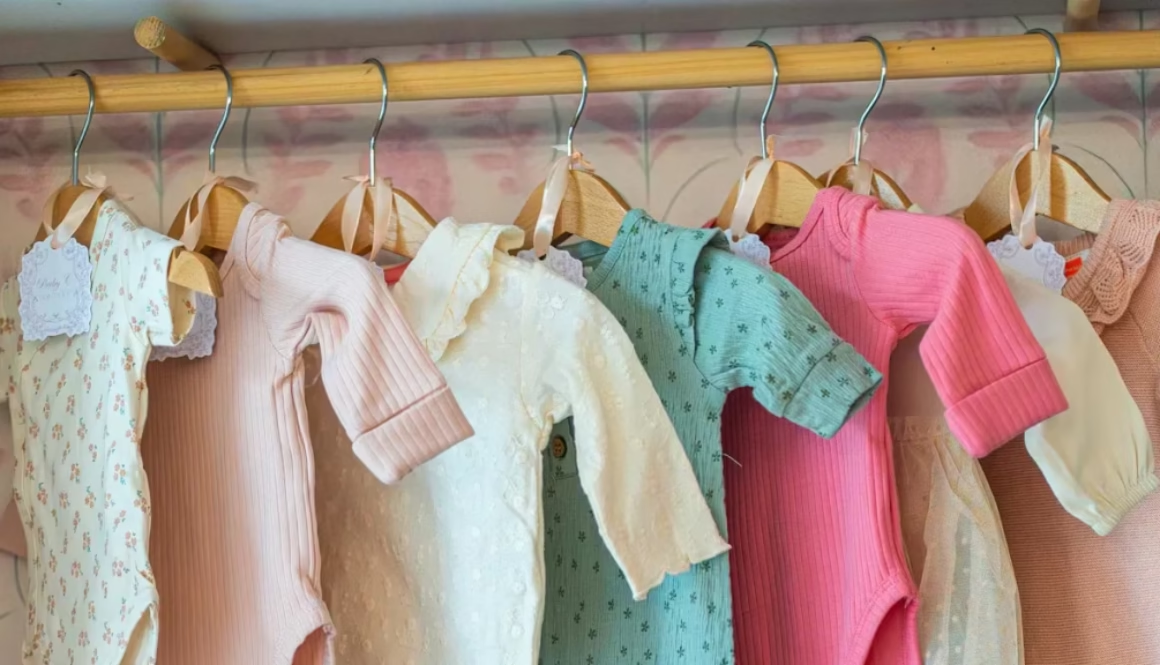
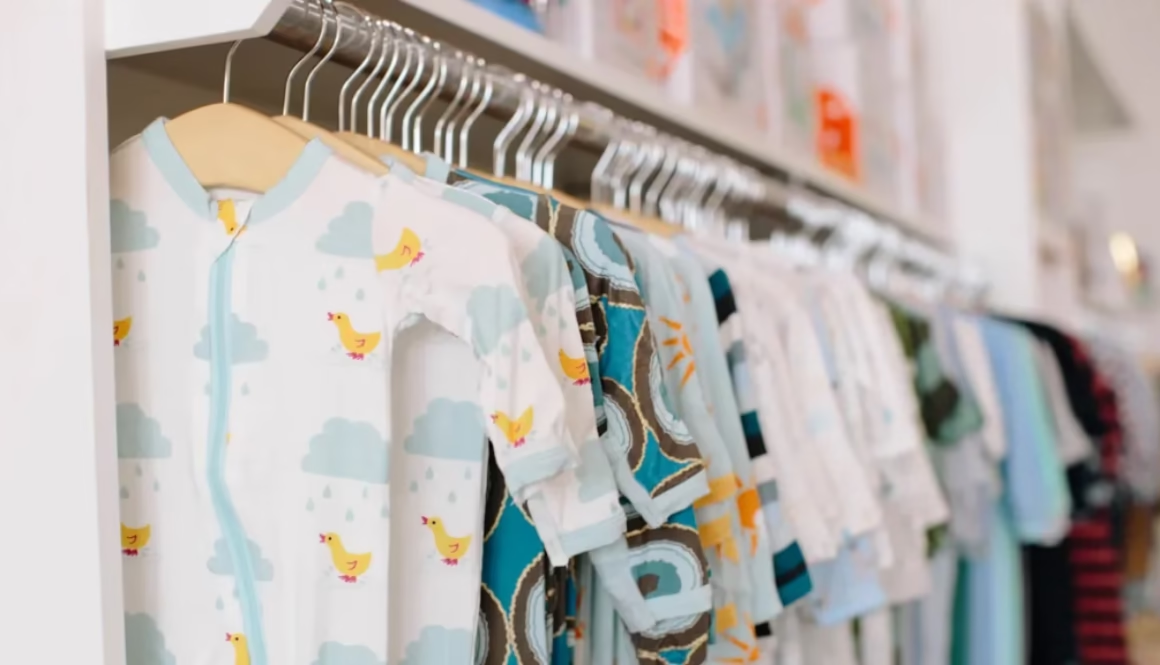
If you want to build a profitable clothing brand, you should look at the baby clothing business. This sector leads because you see rapid market growth, with the market expected to grow as much as 13.9% each year through 2032. You benefit from high profit margins—some reach up to 75%, much higher than most clothing sectors. Parents now spend more on premium, safe, and comfortable clothes for their babies. Online shopping makes it even easier for you to reach new customers and grow your business.
Основные выводы
The baby clothing market is growing fast. It is expected to grow by 13.9% each year until 2032. This gives new businesses a good chance to succeed.
Baby clothing can have high profit margins. These margins can go up to 75%. Parents pay more for clothes that are safe, хорошее качество, and look nice.
Online shopping and dropshipping help reach more customers. You do not need a lot of money to start. You can try new products without risking much money.
Making baby clothes costs less. There are fewer returns in this market. Parents usually keep what they buy. This means businesses make more profit.
If you build a strong brand, parents will trust you. Focus on making clothes that are safe and good quality. This helps parents buy from you again and again. It can help your business do well for a long time.
Many things help this growth. Parents spend more on premium clothes for babies. Social media and celebrities make luxury baby clothes popular. E-commerce lets you sell to people everywhere. Luxury baby clothing is also a status symbol for many parents.
Совет: To do well, sell premium and special products. Parents pay more for quality and style.
Parenting habits are changing too. Even with fewer babies, parents buy better clothes. They want eco-friendly, organic, and sustainable choices. Some companies, like OR Collective, work with eco-certified brands. They offer rental subscriptions so parents get premium clothes and waste less.
Personalization is also getting bigger. Parents want clothes that feel unique. More people buy personalized baby clothing with custom designs, names, or photos. AI helps brands make special products and connect with buyers. This trend is strong in North America, Europe, and Asia-Pacific. Personalization is not just a local thing.
Repeat purchases
Parents buy baby clothes again and again because babies grow fast. This means your business gets steady sales. Here’s how repeat buying helps profits:
Each repeat order means you spend less to find new buyers.
Even a small increase in orders saves a lot of money.
Parents come back to buy more as babies outgrow clothes. This makes your business stable and profitable. You do not need to spend as much on ads. You build trust and loyalty with your customers.
Premium pricing
You can charge more for baby clothes because parents care about quality and safety. They want the best fabrics, like organic cotton and hypoallergenic materials. Certifications like OEKO-TEX® and GOTS make parents trust your products. These let you add a price premium of 15%–40%.
Giftable and nice packaging makes items feel more valuable.
Good presentation helps you set higher prices and earn more.
Creative packaging and special designs make your products feel exclusive. This attracts parents who want something special for their kids or as gifts. Focusing on quality, safety, and style lets you set higher prices and get better profits.
Profit drivers in baby clothing business
Снижение производственных затрат
You can achieve higher profits in the baby clothing business because you spend less on making each item. Baby clothes use less fabric than adult clothes. For example, a baby onesie only needs about 0.5 to 0.75 yards of fabric. If you choose organic cotton, you pay between $1.50 and $4.50 per piece. Regular cotton costs even less, from $0.50 to $2.25. Labor costs also stay low. Simple items like onesies cost just $2 to $3 in labor. When you add custom touches, like embroidery or screen printing, you still keep costs manageable—usually $2 to $10 extra per item.
You pay less for materials and labor.
You can offer competitive prices and still make a profit.
Lower costs mean you can try new designs without big risks.
Shipping costs stay reasonable, too. Most online baby clothing retailers spend only 2% to 5% of their sales on shipping. Because you spend less to make and ship each item, you keep more of your earnings. This is why the baby clothing business often has higher profit margins than adult clothing.
Примечание: Lower production costs let you test new products and grow your business faster.
Online shopping and dropshipping
You can grow your baby clothing business quickly by selling online. More parents shop on their phones and computers every year. E-commerce grows fast because it is easy and convenient. You reach more customers without opening a store. Brands now offer doorstep delivery, easy returns, and many payment options. These services make parents trust your shop and come back for more.
Dropshipping makes it even easier to start. You do not need to buy a lot of stock up front. You only pay for items after you sell them. This lowers your risk and lets you try new products without losing money. You can focus on marketing and customer service instead of worrying about inventory.
Online shopping helps you reach parents everywhere.
You can test new styles and trends with little risk.
Совет: Use dropshipping to launch your brand with less money and less stress.
Low return rates
You keep more profit in the baby clothing business because parents return baby clothes less often than other types of clothing. In the US, the average return rate for apparel is 20.8%. Many people return shoes, bags, and accessories even more. But baby clothes have fewer returns. Parents care most about comfort and safety, not just style or fit. Babies grow fast, so parents often keep what they buy, even if it is a little big.
Fewer returns mean you lose less money on shipping and restocking.
You spend less time handling returns and refunds.
You keep your profit margins high.
When you combine low return rates with low production costs and easy online sales, you see why the baby clothing business stands out. You get steady sales, fewer headaches, and more money in your pocket.
Вызов: Lower returns and costs mean you can focus on growing your brand, not fixing problems.
You face tough obstacles if you enter the adult clothing market. High return rates can eat away your profits. In some cases, more than half of all adult clothing purchases get returned. You must pay for shipping, restocking, and handling, which increases your costs. Rising customer acquisition costs make it even harder. Big Tech platforms now charge almost 30% more per click than just a few years ago. You spend more to reach each customer, but you do not always see higher sales.
Many adult clothing brands rely on investor money to cover these losses. This creates risk if funding dries up.
You also deal with higher selling, general, and administrative costs. These expenses add up quickly. Consumers now want more value for their money. Many shoppers choose off-price retailers or look for deals in the resale market. You must work harder to show why your brand is worth the price.
Teen fashion volatility
Teen fashion changes fast. Trends come and go in a flash. You must keep up with what is popular on social media. If you miss a trend, you lose sales. Teens often switch brands quickly. This makes it hard to build loyalty. You spend more on marketing to stay relevant.
You risk holding unsold inventory when trends shift.
You must invest in constant research and design.
You face pressure to lower prices as teens seek bargains.
Teen fashion can bring big rewards, but the risks are high. You need to move fast and adapt every season.
Sportswear competition
Sportswear looks attractive, but you face fierce competition. Big brands like Nike and Adidas dominate the market. They have huge budgets for marketing and innovation. You must find a unique angle to stand out.
Sportswear shoppers expect high performance and style. They want comfort, durability, and the latest technology.
You must invest in research and development to meet these demands. This raises your costs. You also compete with many new brands entering the market each year. Price wars can lower your profit margins.
When you compare these sectors, you see why baby clothing offers a smoother path to profit. You avoid high returns, fast-changing trends, and intense competition. You can focus on quality, trust, and steady demand from parents who value your products.
Succeeding in baby clothing business
Product quality and safety
You earn parents’ trust by focusing on quality and safety. Parents want clothes that last and feel soft. They also want clothes that keep babies safe. You need to follow strict rules to stand out.
OEKO-TEX Certification means your fabrics do not have toxic chemicals.
BSCI Certification shows your products come from good factories.
When you make reliable and comfy clothes, parents buy again. You help families celebrate special moments with your brand. Good quality helps your business grow.
Совет: Always show your safety certifications. Parents look for these before buying.
Branding and trust
You need a strong brand to do well in baby clothing. Parents pick brands they trust. Try these ways to build trust:
Use eco-friendly materials and smart designs. Parents like green and useful choices.
Brand Building
Share your story. Connect with parents using your brand’s mission and values.
Marketing Promotion
Work with influencers and use content marketing to reach more families.
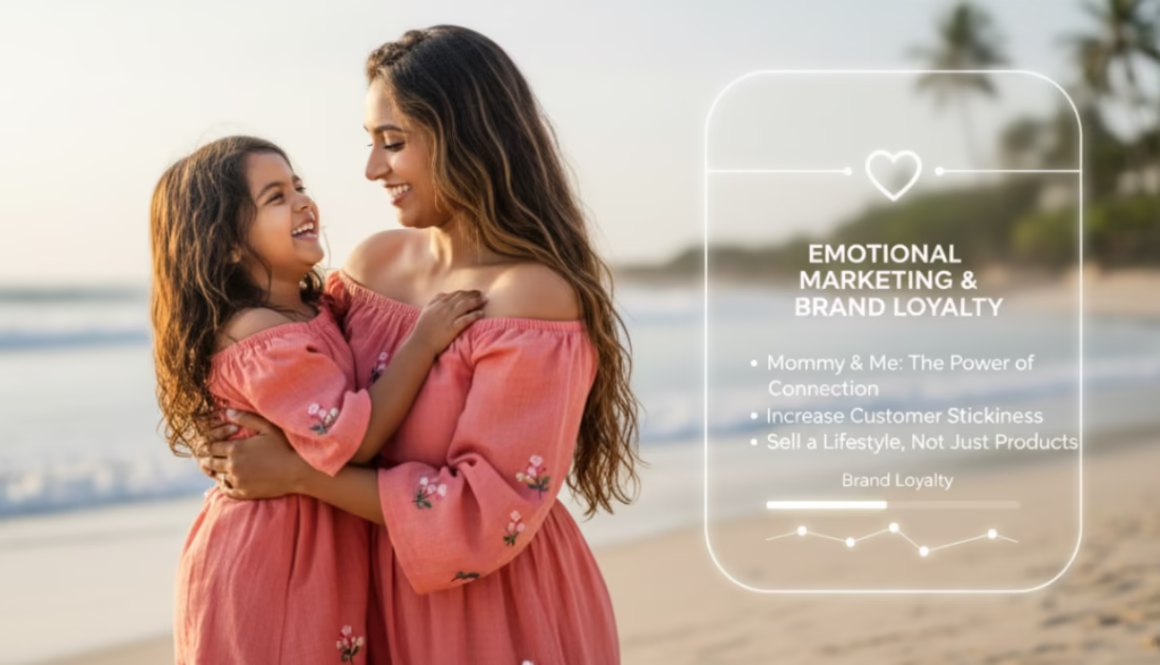
A special brand identity helps you stand out. Emotional bonds make parents loyal to your products.
Marketing to parents
You reach more parents by using the right channels. Make a website that works well on phones. Post on Instagram and TikTok to show your new styles. Share helpful blog posts and videos. Team up with popular parents and bloggers. Send emails to keep families interested and informed.
Родители хотят honesty and clear messages. Real messaging builds trust and keeps them coming back. You grow your business by connecting with families online.
Вызов: Use social media and email to build relationships. Parents remember brands that care.
You can see why baby clothing is the most profitable clothing business in 2026. There are many reasons why this industry is a good choice:
More babies are born in places like India and Nigeria. This means more parents buy baby clothes.
Growing Awareness of Sustainable Materials
Parents care about the planet. They want brands to use eco-friendly fabrics.
Technological Innovations in Fabric and Design
New types of fabric and smart designs make parents interested. They want the best for their babies.
Expanding E-commerce and Omnichannel Retailing
Online shopping lets you sell to more families. You do not need a store in every city.
Influence of Social Media and Celebrity Endorsements
Social media and famous people make luxury baby clothes popular.
Regulatory Shifts and Safety Standards
New rules make brands work harder to keep babies safe.
You can do well if you sell premium and organic fabrics. Use digital marketing to reach parents online. Smart fabrics and easy shopping help your brand stand out. Now is a great time to use these ideas and build a strong brand.
ЧАСТО ЗАДАВАЕМЫЕ ВОПРОСЫ
Why does the baby clothing business have higher profit margins?
Making baby clothes costs less for materials and labor. Parents pay more because they want safe and good quality clothes. This means you keep more money from each sale. You make more profit than in other clothing businesses.
Why do parents prefer premium baby clothing?
Parents always want the best for their babies. They pick clothes made from better fabrics and safe materials. You can give them what they want by selling certified, organic, and stylish clothes. This helps parents trust your brand and buy again.
Why is online selling so effective for baby clothing?
You can reach more parents with online stores. Shopping online is easy and quick for families. You can try out new products fast and save money on store rent. This helps your brand grow faster.
Why do baby clothing brands face fewer returns?
Parents care most about comfort and safety, not just style. Babies grow fast, so parents keep most of the clothes they buy. This means you get fewer returns, which helps you keep more profit and have less trouble.
Вы хотите, чтобы у ваших детей было все самое лучшее. Детская одежда из бутиков - это стиль, комфорт и безопасность. Узнайте, почему родителям нравятся эти бренды:
Рынок быстро растет. Люди остаются верными брендам. Существует большая потребность в новых идеях.
Больше денег и социальные сети помогают создавать новые тренды.
Наибольшая доля приходится на Азиатско-Тихоокеанский регион. 41%.
Что важнее всего
Почему вам это понравится
Высокое качество
Прочные, мягкие ткани для активных детей
Модные дизайны
Всегда круто, никогда не скучно
Безопасные материалы
Никаких вредных химикатов в одежде
Основные выводы
Бутик детской одежды использует хорошие, безопасные материалы. Родители доверяют брендам, которые выбирают органические ткани и не используют вредные химикаты.
Сейчас популярны персонализация и экологичность. Родители находят особые фасоны, которые демонстрируют индивидуальность их ребенка. Выбирая такую одежду, они также помогают планете.
Выбирая бренд, проверьте наличие хорошее качество и приятные отзывы. Бренды с сертификатом GOTS соответствуют высоким стандартам безопасности и экологичности.
Тенденции развития бутиков детской одежды в 2026 году
Вы хотите, чтобы ваш ребенок выглядел красиво и чувствовал себя хорошо. В 2026 году бутики детской одежды предлагают новые тенденции. Эти тенденции направлены на здоровье, стиль и помощь планете.
Рост популярности органических и экологичных тканей
Родители теперь больше заботятся о том, что соприкасается с кожей их ребенка. Все больше брендов используют органические ткани потому что в них нет вредных химикатов и пестицидов. Родители узнают о вреде обычных тканей. Они хотят иметь безопасную и мягкую одежду для своих детей. Бутиковая детская одежда дает им такую возможность. Многие бренды используют сертифицированные органические материалы. Это значит, что вы можете доверять тому, что носит ваш ребенок. Рынок органической детской одежды продолжает расти. Семьи все больше заботятся о Земле и тратят больше денег.
Популярность персонализированной детской хлопковой футболки
Персонализация - большая вещь в бутиках детской одежды. Вы можете купить детскую хлопковую футболку с именем или любимым цветом вашего ребенка. Можно даже выбрать забавный дизайн. Социальные сети помогают этой тенденции развиваться. Родители любят делиться фотографиями своих детей в подходящих или индивидуальные наряды. Эта тенденция позволяет вашему ребенку чувствовать себя особенным. Это позволит вам продемонстрировать его стиль. Гендерно-нейтральные варианты также более популярны. Вы можете выбрать то, что соответствует характеру вашего ребенка.
Спрос на экологичную игровую одежду
Вы хотите, чтобы детская одежда служила долго и приносила пользу планете. Бутиковые бренды детской одежды теперь производят более экологичную одежду. Они используют хорошие ткани, яркие цвета и безопасные материалы. Родители выбирают такую одежду за комфорт, безопасность и стиль. Все больше брендов предлагают перерабатываемые и органические ткани. Это означает меньше отходов и больше доверия к тому, что носит ваш ребенок. Совершая покупки, вы убедитесь, что качество и способ изготовления одежды теперь имеют большее значение.
Родители и магазины предпочитают органические ткани за безопасность и доверие.
Критерии выбора лучших брендов
Когда вам нужен лучший бутик детской одежды, вы ищете то, что делает бренды особенными. Вот как вы можете найти лучшие варианты на 2026 год.
Качество и мастерство
Вам нужна одежда, которая прослужит долго. Качество очень важно для активных детей. Вы проверяете швы и щупаете ткань. Проверяете, хорошо ли сохраняется одежда после многих стирок. Лучшие бренды используют прочные и мягкие материалы. Они заботятся о каждой детали, например, о пуговицах и швах. Лучшие бренды часто имеют сертификат GOTS. Это означает, что их одежда соответствует высоким стандартам. Вы также заметите, что оценки в обзорах и тесты на безопасность имеют большое значение.
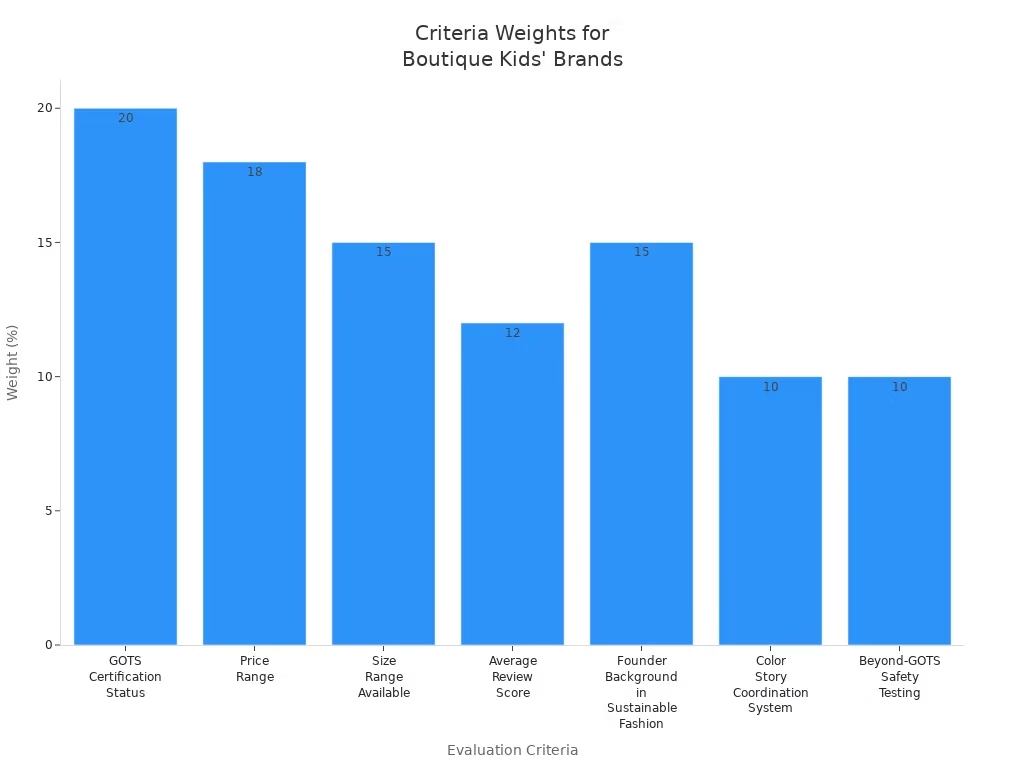
Критерии
Вес (%)
Статус сертификации GOTS
20
Диапазон цен
18
Размерный ряд в наличии
15
Средний балл по отзывам
12
Основатель, специализирующийся на экологичной моде
15
Система координации Color Story
10
Испытание на безопасность Beyond-GOTS
10
Уникальный дизайн и стиль
Вы хотите, чтобы ваш ребенок выглядел не так, как другие. Уникальный дизайн делает каждый наряд особенным. Лучшие бренды используют яркие принты и сказочные сюжеты. Они также используют веселые цвета. Некоторые бренды придерживаются классического стиля. Другие делают акцент на простых роскошных или особенных вещах. Эти бренды сочетают в себе веселье и стиль. Ваш ребенок всегда будет выглядеть хорошо.
Moncler Enfant: Куртки, которые хорошо выглядят и хорошо работают
Ralph Lauren Kids: Классический американский стиль
Petit Bateau: Простые и модные основы
Bebe Organic: Модная одежда из органических тканей
Feltman Brothers: Старомодный стиль для особых дней
Устойчивость и этика
Вы хотите помочь планете и своему ребенку. Экологичность очень важна. Вы ищете марки, использующие органический хлопок, бамбук или лен. Эти ткани безопасны и полезны для Земли. Вы также хотите, чтобы бренды получали материалы правильным способом. Вы хотите, чтобы с рабочими обращались справедливо. Одежда классического стиля помогает избежать лишних трат. Вы покупаете меньше и используете одежду дольше.
Использование бамбука и льна, которые легко разлагаются
Классические фасоны, которые служат долго
Популярность родителей и детей
Вы слушаете других родителей. Вы читаете отзывы и разговариваете с друзьями. Бренды с высокими оценками качества и комфорта - ваши фавориты. Детям нравится одежда, которая приятна на ощупь и выглядит круто. Бренды становятся более популярными, когда довольны и родители, и дети.
Совет: делая покупки, обращайте внимание на сертификацию GOTS, читайте отзывы и выбирайте бренды, которые заботятся о качестве, уникальном стиле и сохранении планеты. Это поможет вам выбрать лучшее для вашей семьи.
Кэт и Джек
Обзор бренда
Возможно, вы знаете Cat & Jack по магазину Target. Этот бренд популярен среди родителей. Они хотят стильную одежду для своих детей. Цены невысокие. Компания Cat & Jack начала свою деятельность с простой цели. Они хотели, чтобы одежда подходила каждому ребенку. Их одежду можно увидеть в школе и на детских площадках. Многие родители доверяют Cat & Jack. У бренда есть что-то для каждого ребенка. Cat & Jack занимает особое место среди бутиковых брендов детской одежды. В ней сочетаются веселье, комфорт и стоимость.
Выделяющиеся особенности
Cat & Jack предлагает больше, чем просто милую одежду. Вот что отличает этот бренд:
Характеристика
Описание
Инклюзивность
Здесь есть размеры и адаптивная одежда для всех детей.
Модные и функциональные дизайны
Выглядит круто и хорошо подходит для ежедневного ношения.
В ассортименте игровая одежда, модные наряды и аксессуары.
Приверженность принципам устойчивого развития
Используются переработанные и экологически чистые материалы, чтобы помочь планете.
Вы можете найти дождевики, пижамы и многое другое для своих детей. Cat & Jack заботится о Земле. Бренд использует переработанные ткани и экологически чистые материалы. Это поможет вам сделать правильный выбор для своей семьи и планеты.
Плюсы и минусы
Вот хорошие и плохие моменты:
Плюсы:
Много размеров для всех детей
Цены ниже, чем у других брендов
Модные стили, которые любят носить дети
Экологически чистый выбор для семей, заботящихся о Земле
Конс:
Некоторые виды одежды раскупаются еще до начала занятий
Качество не всегда одинаково для всех товаров
Не так много модных и роскошных вариантов, как у других бутиковых брендов.
Совет: Если вам нужна модная и недорогая одежда для всех детей, Cat & Jack - отличный выбор.
Нация чудес
Обзор бренда
Вы наверняка видели Wonder Nation в Walmart. Этот бренд предлагает вам огромный выбор одежды для детей. Вы получаете яркие цвета, веселые принты и большой выбор. Wonder Nation хочет, чтобы каждый ребенок чувствовал себя комфортно и уверенно. Бренд выпускает одежду для повседневной жизни. Вы можете найти наряды для школы, игр или особых событий. Wonder Nation поддерживает низкие цены, поэтому вы можете одевать своих детей, не тратя много денег.
Выделяющиеся особенности
Wonder Nation выделяется по нескольким причинам:
Широкий диапазон размеров: Вы найдете одежду для младенцев, малышей и детей постарше.
Прочные ткани: Одежда выдерживает множество стирок и грубые игры.
Модные стили: Ваши дети смогут носить самые модные вещи, не чувствуя себя обделенными.
Легкий уход: Большинство вещей можно стирать в стиральной и сушильной машинах.
Доступные цены: Вы получаете ценность за свои деньги.
Совет: Если ваши дети любят играть на улице, Wonder Nation предлагает прочные джинсы и мягкие футболки, которые подойдут для любого сезона.
Плюсы и минусы
Вот краткий обзор того, что вы получите с Wonder Nation:
Плюсы
Cons
Отличное место для семейного отдыха
Некоторые фасоны быстро раскупаются
Множество вариантов для детей
Не так много органических вариантов
Легко сочетать и комбинировать детали
Базовые дизайны, менее уникальные
Одежда для любого вида деятельности
Иногда размеры могут быть малы
Вы можете рассчитывать на Wonder Nation, предлагающую повседневную детскую одежду, которая хорошо выглядит и хорошо себя чувствует.
Главная
Обзор бренда
Вам нужна одежда, которая облегчает жизнь. Primary дает вам именно это. Этот бренд считает, что дети должны носить то, что им нравится, каждый день. Вы увидите яркие цвета, простые фасоны и отсутствие логотипов. Компания Primary появилась благодаря тому, что две мамы захотели иметь лучшие базовые вещи для своих детей. Теперь их одежду можно найти онлайн и во многих домах. Родители доверяют Primary за Мягкие ткани и легкие покупки. Вы получаете одежду, которая сочетается и комбинируется без напряжения.
Выделяющиеся особенности
Primary выделяется своей ориентацией на основы. Вы найдете однотонные цвета и классические формы. Никаких блесток, никаких лозунгов, только чистый комфорт. Вот что вы получите:
Радуга цветов для любого настроения
Супермягкий хлопок, нежный для детской кожи
Этикетки без бирок, поэтому ничего не чешется и не царапается
Легкие в стирке ткани, которые выдерживают игры
Гендерно-нейтральные варианты для всех детей
Совет: Вы можете позволить своим детям выбирать любимые цвета и создавать собственные наряды. Шопинг становится веселым и простым.
Плюсы и минусы
Плюсы
Cons
Широкий выбор цветов для всех детей
Никаких причудливых принтов или символов
Мягкие, удобные основы для повседневной носки
Ограниченное количество сезонных или модных товаров
Легко сочетать и комбинировать детали
Популярные размеры быстро раскупаются
Гендерно-нейтральные стили
Доступно только онлайн
Вам нужна одежда, которая прослужит долго и будет приятна на ощупь. Primary дает вам такую возможность для ваших детей в каждом сезоне.
Mothercare India
Обзор бренда
Вам нужен бренд, который знает, что нужно родителям. Mothercare India известна тем, что помогает семьям. В их магазинах есть много вещей для младенцев и детей. Бренд заботится о комфорте, безопасности и стиле. Вы увидите классическую одежду с новыми деталями. Mothercare India поможет вам одеть ваших детей в любом возрасте. Во время покупок вы получаете помощь и советы. Это делает покупки простыми.
Выделяющиеся особенности
Mothercare India является особенной в Бутик детской одежды. Вы сразу замечаете эти вещи:
Большой выбор для младенцев, малышей и детей младшего возраста
Вам нужна одежда, которая прослужит долго и будет приятной на ощупь. Mothercare India предлагает выбор для игр, вечеринок и повседневной жизни. Ваши дети будут чувствовать себя комфортно и хорошо выглядеть.
Плюсы и минусы
Вы хотите узнать мнение родителей перед покупкой. Вот плюсы и минусы из отзывов покупателей:
Совет: Если вам нужен бренд, которому можно доверять, Mothercare India - хороший выбор. Вы получите качество, безопасность и стиль для своих детей. Делая здесь покупки, вы можете быть спокойны.
AEL Apparel
Обзор бренда
Вы хотите, чтобы ваши дети хорошо выглядели и чувствовали себя в безопасности. AEL Apparel дает вам и то, и другое. Этот бутиковый бренд уделяет внимание каждой детали. Здесь вы найдете одежду для игр, вечеринок и многого другого. AEL Apparel прислушивается к мнению родителей и их потребностям. Вы увидите яркие цвета и мягкие ткани в любом размере. Бренд всегда следит за высоким качеством. Вы можете быть уверены, что ваши дети будут чувствовать себя хорошо весь день.
Фокус на экологичной детской одежде из бутиков
Вы заботитесь о планете и здоровье своих детей. AEL Apparel поможет вам в этом. Бренд является лидером в области экологичной детской одежды в бутиках. Вы получаете одежду, созданную с заботой о Земле. AEL Apparel использует только нетоксичные красители. Вам не придется беспокоиться о вредных химических веществах на коже ваших детей. Компания также использует процесс, который помогает планете. Это означает меньше отходов и больше заботы о будущем.
Вот что делает AEL Apparel особенной:
Бренд прилагает все усилия, чтобы производить одежду экологичным способом.
Во всех тканях используются только нетоксичные красители.
В каждом изделии используются экологически чистые материалы.
Тип доказательства
Описание
Производственный процесс
Компания AEL Apparel использует экологичные способы производства детской одежды.
Используемые материалы
Компания использует только нетоксичные красители в своих тканях для обеспечения безопасности.
Множество способов индивидуальной настройки одежды
Доставка может занять больше времени, чем в местных магазинах
Экологически чистый производственный процесс
Используются экологически чистые материалы
Быстрые сроки изготовления
Всегда высокие стандарты
Совет: Если вам нужна стильная, безопасная и экологичная одежда для ваших детей, обратите внимание на бренд AEL Apparel.
Bonpoint
Обзор бренда
Вы хотите, чтобы ваши дети выделялись в любой толпе. Bonpoint дает вам такую возможность. Этот бренд уже много лет лидирует на рынке детской одежды в бутиках класса люкс. В каждой вещи вы видите творческий подход. Bonpoint сочетает современный стиль с классическим французским шармом. Вы сразу же замечаете внимание к деталям. Бренд использует высококачественные материалы и мастерство исполнения. Покупая одежду Bonpoint, вы получаете мягкую на ощупь и элегантную на вид одежду. Многие родители выбирают Bonpoint для особых случаев или когда хотят, чтобы их дети выглядели наилучшим образом.
Роскошь и французский стиль
Bonpoint привнесет парижский стиль в гардероб ваших детей. Здесь вы найдете нежную вышивку, мягкий хлопок и нестареющие силуэты. Бренд любит игривые принты и нежные цвета. Платья, рубашки и пальто позволят вашим детям почувствовать себя звездами. Дизайнеры Bonpoint создают коллекции, воспевающие детство. Вы получаете вещи, которые служат долго и никогда не выходят из моды. Если вы хотите, чтобы ваши дети носили роскошь, Bonpoint - это имя, которое вы запомните. Наряды Bonpoint можно увидеть на семейных встречах, днях рождения и праздничных фотографиях.
Совет: Если вы хотите, чтобы ваши дети наслаждались комфортом и элегантностью, французский стиль Bonpoint поможет вам почувствовать каждый день особенным.
Компактная в сложенном виде, но сохраняет все функции, необходимые для основной коляски.
Сиденье довольно сильно откинуто, поэтому обзор не самый лучший.
Легко собирается из коробки
Можно было бы улучшить, добавив подставку для ног малышей, когда они дремлют
Легко маневрирует, даже одной рукой
Хорошее хранение
Встроенный плечевой ремень для удобства переноски
Вы видите, что Bonpoint предлагает стиль и удобство для родителей и детей. Некоторые характеристики можно было бы улучшить, но роскошь и комфорт бренда выделяются.
Одежда SweetHoney
Обзор бренда
Вы хотите, чтобы ваши дети чувствовали себя счастливыми и комфортно в своей одежде. Одежда SweetHoney привносит игривый дух в каждый наряд. Этот бутик-бренд начался с мечты мамы создавать одежду, которая дарит радость. В каждой вещи вы увидите яркие цвета, милые узоры и мягкие ткани. SweetHoney Clothing фокусируется на том, чтобы дети улыбались. Вы найдете платья, пижамы и комплекты, которые будут выделяться на фотографиях и вечеринках. У бренда есть преданные поклонники, потому что родители доверяют качеству и любят веселые дизайны.
Еженедельные новые поступления и разнообразие
Покупки в SweetHoney Clothing никогда не надоедают. Бренд выпускает новые поступления каждую неделю. Вы всегда сможете найти что-то свежее для своих детей. Если вы любите разнообразие, вам понравится просматривать их коллекции. Вы увидите сезонные темы, праздничные наряды и лимитированные принты. SweetHoney Clothing позволяет легко одевать детей для любого случая. Вы можете смешивать и сочетать вещи, создавая уникальные образы. Бренд также предлагает наборы для братьев и сестер, чтобы ваши дети могли сочетать их для семейных фотографий или особых событий.
Совет: Часто заглядывайте на сайт. Новые модели быстро раскупаются, особенно в популярных детских размерах.
Плюсы и минусы
Вот краткий обзор того, что вы получаете с одеждой SweetHoney:
Вы хотите, чтобы ваши дети выделялись и чувствовали себя хорошо. SweetHoney Clothing предлагает вам варианты, которые сделают каждый день особенным.
Райли + Кру
Обзор бренда
Вы хотите, чтобы ваши дети носили одежду, в которой они чувствуют себя круто и выглядят свежо. Rylee + Cru представляет вам бутик-бренд, в котором искусство сочетается с комфортом. Этот бренд начался с мамы, которая любила рисовать и хотела, чтобы ее дети носили ее работы. Теперь Rylee + Cru можно увидеть во многих шкафах. Бренд делает ставку на мягкие ткани и легкий крой. Вы можете одевать своих детей в вещи, которые двигаются вместе с ними. Rylee + Cru предлагает модные фасоны, которые подойдут для свиданий, вечеринок и семейных фотографий.
Хипстерские и модные дизайны
Сразу видно, что Rylee + Cru любит модные вещи. Бренд использует мягкие цвета и простые принты. В каждой коллекции прослеживаются хипстерские вибрации. Многие родители выбирают Rylee + Cru для своих детей, потому что модные фасоны выделяются. Вы получаете подходящие комплекты, которые облегчают планирование нарядов. Бренд всегда предлагает новые модные идеи в каждом сезоне. Вы найдете модные фасоны, в которых классические формы сочетаются с современным искусством. Если вы хотите, чтобы ваши дети выглядели уникально, вам понравятся эти модные модели.
Совет: попробуйте сочетать модные вещи Rylee + Cru с базовыми вещами, чтобы каждый день выглядеть свежо.
Плюсы и минусы
Вы хотите знать, подходит ли Rylee + Cru вашей семье. Вот краткий обзор того, что говорят модные критики:
Плюсы
Cons
Отличный выбор стилей, от классики до современных тенденций.
Нейтральные принты могут прийтись по вкусу не всем.
Экологически чистые методы печати и окрашивания.
Предлагает сочетающиеся комплекты для комплексного решения проблемы с одеждой.
Размерный ряд рассчитан на детей от новорожденных до 5 лет.
Вы получаете модные фасоны для детей всех возрастов. Бренд заботится о планете, используя экологически чистые методы. Некоторые родители хотят более ярких цветов, но многим нравится мягкий, модный вид. Если вы хотите, чтобы ваши дети носили модную одежду, которая хорошо себя чувствует и выглядит круто, Rylee + Cru - это лучший выбор.
Ханна Андерссон
Обзор бренда
Вы хотите, чтобы ваши дети чувствовали себя хорошо и хорошо выглядели каждый день. Hanna Andersson - лучший выбор для семей, которым важны качество и стиль. Этот бренд популярен в Северной Америке и Европе. Их одежду можно увидеть в парках и на вечеринках. У Hanna Andersson есть множество нарядов для самых разных мероприятий. Родителям нравится эта марка, потому что одежда служит долго. Цвета остаются яркими даже после многочисленных стирок.
Совет: Выберите Hanna Andersson, если хотите интересные дизайны и удобная одежда, которая прослужит долго.
Детские футболки и пижамы из органического хлопка
Вам небезразлично, что носят ваши дети на своей коже. Hanna Andersson использует органический хлопок для изготовления футболок и пижам. Одежда мягкая и не чешется. Бренд заботится о планете и производит одежду правильным способом. Вы можете быть спокойны, покупая эту одежду. Детям нравятся яркие и классные рисунки. Вы найдете стили для всех детей и не слишком маркие, так что смешивать наряды легко.
При производстве одежды старается быть экологичным и справедливым.
Одежда прочная и хорошо выглядит
Множество вариантов для повседневной носки и особых дней
Большой в Северной Америке и Европе
Плюсы и минусы
Прежде чем совершать покупки, вы хотите узнать, что говорят другие родители. Вот краткий список хороших и плохих отзывов:
Преимущества
Недостатки
Ощущение мягкости на коже
Может дать усадку после первой стирки
Подходит по размеру
Швы могут разойтись в более дешевых линиях
Хватит более чем на одного ребенка
Модные фасоны могут сделать руки узкими
Никаких зудящих меток
Ткани проходят предварительную стирку
Цвета для всех детей
Мало брендинга
Одежда мягкая и хорошо сидит. Некоторые родители отмечают усадку после стирки, в основном в более дешевых вещах. Большинство семей говорят, что эта одежда служит многим детям, так что она того стоит.
Джени и Джек
Обзор бренда
Вы хотите, чтобы ваши дети выглядели изысканно и чувствовали себя особенными. Janie and Jack предлагает вам классический стиль с современным уклоном. Эта марка имеет прочную репутацию благодаря качеству и вниманию к деталям. Вы можете увидеть их магазины в торговых центрах и онлайн. Многие родители доверяют Janie and Jack важные моменты. Здесь вы найдете наряды для дней рождения, семейных фотографий и праздников. Бренд облегчает процесс покупки благодаря услужливому персоналу и удобному сайту.
Высококлассный бутик детской одежды
Janie and Jack выделяется в мире бутиков детской одежды. Вы сразу же замечаете разницу. Ткани на ощупь мягкие и роскошные. Дизайн выглядит нестареющим, но свежим. Вы можете одеть своих детей в приталенные пиджаки, крученые платья и нарядные туфли. Бренд любит добавлять особые штрихи, такие как вышивка или уникальные пуговицы. Для братьев и сестер предлагаются одинаковые комплекты, что делает семейные фотографии более яркими. Если вы хотите, чтобы ваши дети блистали на любом мероприятии, этот бренд вам в этом поможет.
Совет: Ознакомьтесь с их сезонными коллекциями. В них часто можно найти лимитированные вещи, которые позволят вашим детям выделиться.
Плюсы и минусы
Вот краткий обзор того, что вы получите с Джени и Джеком:
Плюсы
Cons
Высококачественные ткани и детали
Более высокая цена
Классический и стильный дизайн
Некоторые товары быстро раскупаются
Отлично подходит для особых случаев
Меньше разнообразия для повседневной носки
Широкий выбор размеров для детей
Не так много распродаж и скидок
Вы хотите, чтобы ваши дети чувствовали себя уверенно и выглядели наилучшим образом. Janie and Jack поможет вам сделать это со стилем и изяществом.
Краткая сравнительная таблица
На первый взгляд: Сравнение 10 лучших брендов
Вы хотите знать чем отличается каждый бренд. Эта таблица поможет вам увидеть 10 лучших брендов бутиков детской одежды на 2026 год. Вы можете узнать цену, основные характеристики и особенности каждого бренда. Используйте это руководство, чтобы помочь вам выбрать то, что лучше всего подходит для вашей семьи.
Совет: если вам нужна одежда подешевле, обратите внимание на Cat & Jack или Wonder Nation. Для модных мероприятий отлично подойдут Bonpoint и Janie and Jack. Если вы хотите помочь Земле, то AEL Apparel и Hanna Andersson - отличные варианты.
Эта таблица позволяет вам сравните бренды. Выберите тот, который соответствует потребностям вашего ребенка и стилю вашей семьи.
Вы хотите, чтобы ваш ребенок чувствовал себя комфортно и уверенно. Начните с проверки ткани. Мягкий хлопок хорошо подходит для чувствительной кожи. Ищите высококачественные вещи, которые выдержат игры и стирки. Вы можете заметить хорошую строчку и крепкие швы. Эти детали помогают одежде сохранять форму. Если вы хотите доступные вариантыСравните цены и прочитайте отзывы. Некоторые бренды предлагают доступные комплекты с предметами первой необходимости на каждый сезон.
Вот краткий список, который поможет вам сделать покупки:
Проверьте на этикетке наличие органических или безопасных материалов.
Потрогайте ткань перед покупкой.
Ищите легко стирающиеся вещи.
Выбирайте бренды с четкими указателями размеров.
Узнайте у других родителей об их любимых доступных брендах.
Совет: Если вы найдете бренд с доступными ценами и качественными вещами, вы сможете создать гардероб надолго.
Соответствие потребностям вашего ребенка
У каждого ребенка свой неповторимый стиль. Вы знаете, что заставляет вашего ребенка улыбаться. Некоторые любят яркие цвета. Другим нужны простые вещи. Подумайте о распорядке дня вашего ребенка. Нужны ли им наряды для школы, игр или особых событий? Вы можете смешивать и сочетать предметы первой необходимости, чтобы создавать новые образы. Если ваш ребенок любит двигаться, выбирайте эластичные ткани. Для особых дней выбирайте наряды с веселыми принтами или дополнительными деталями.
Нужно
Лучший выбор
Почему это работает
Повседневная одежда
Essentials
Легко сочетать и подбирать
Время игры
Доступные варианты
Прочный и удобный
Специальные мероприятия
Уникальные наряды
Выделяйтесь на фотографиях
Примечание: Вам не обязательно тратить много денег. Многие доступные бренды предлагают вещи первой необходимости и наряды на любой вкус.
Вы хотите, чтобы ваши дети носили одежду, которая отличается от других. Эти бренды предлагают особый стиль и комфорт для каждого ребенка. Вы можете найти хорошие базовые вещи и наряды для больших событий. Специальная одежда поможет вашему ребенку выглядеть не так, как другие. Попробуйте эти наряды и увидите, как весело каждый день выбирать что-то особенное.
Совет: Позвольте своим детям выбрать специальную одежду, которая им нравится!
ЧАСТО ЗАДАВАЕМЫЕ ВОПРОСЫ
Что отличает бутики детской одежды от обычных брендов?
Одежда из бутиков выглядит по-особенному и приятные на ощупь. Они используют лучшие ткани и уделяют пристальное внимание мелочам. Эти бренды выбирают более безопасные материалы для детей. Вы увидите фасоны, которых нет в других магазинах.
Как узнать, является ли бренд экологически чистым?
Проверьте наличие таких слов, как "органический хлопок" или "сертифицировано GOTS". Зайдите на сайт бренда, чтобы узнать о тканях и способах производства одежды.
Стоит ли одежда из бутиков более высокой цены?
Вы тратите больше денег за лучшее качество и стиль. Такая одежда служит дольше и мягче на ощупь. Ваш ребенок носит наряды, которые выглядят круто и хорошо сохраняются.
You can get baby clothes straight from a baby clothes manufacturer. This way, you can pay wholesale prices. You might also get samples and dropshipping services. Some manufacturers have eco-friendly and organic options. Before you begin, think about what you need. Also, consider what you want from buying this way.
Tip: Write down your main needs to help pick the best supplier.
Основные выводы
Buying baby clothes from manufacturers can help you save money. You usually pay wholesale prices, not retail prices. Always ask for samples before you buy a lot. This lets you check the quality and fit of the clothes. Try to find экологически чистые варианты. Pick manufacturers that use organic materials and have good certifications. Talk clearly with manufacturers. Tell them what you need and ask questions to stop confusion. Check the return policy before you buy. Know the rules for returns and exchanges so you do not get surprised.
You can look for a baby clothes manufacturer online. Many suppliers show their products on dropshipping and wholesale websites. These sites let you see catalogues, compare prices, and read reviews. Some popular choices are:
You can ask for samples before you buy a lot. This helps you check if the baby clothes fit well and feel nice. Many sites also sell eco-friendly and organic baby clothes. Look for words like organic cotton or sustainable materials in the product details.
Tip: Always get a sample before you buy in bulk. This helps you know what you are getting and stops any surprises.
Trade Shows and Events
Trade shows and events let you meet a baby clothes manufacturer face to face. You can see new designs, touch the fabrics, and ask questions. Many manufacturers show their products at big events. Here are some main trade shows:
Event Name
Location
Дата
PBC Baby Expo
Сидней
31st Jan – 1st Feb, 2026
PBC Baby Expo
Gold Coast
17th – 18th Jan, 2026
PBC Baby Expo
Мельбурн
21st – 22nd Feb, 2026
Hong Kong Baby Products Fair
Hong Kong
TBD
You can go to these events to find new suppliers and see trends. Many exhibitors give samples and special offers to people who come. If you want eco-friendly or organic clothes, ask about the materials and certificates at the event.
Contacting Manufacturers Directly
You can talk to a baby clothes manufacturer by using their website or email. Most manufacturers have forms or contact details online. When you message them, say who you are and what you need. Ask if they give samples and what their minimum order is.
If you own a shop or online store, you can ask about dropshipping. Dropshipping means you sell baby clothes without keeping them in stock. When someone buys from you, you order from the manufacturer. The manufacturer sends the clothes straight to your customer. This way, you spend less money at the start and do not need to keep inventory.
Some manufacturers focus on eco-friendly and organic baby clothes. You can ask about their materials, like organic cotton or recycled fabrics. Many will tell you about how they make their clothes and show their certificates.
Note: Talking clearly with the manufacturer helps you get what you want and stops problems.
If you buy from a baby clothes manufacturer, you usually pay less. Shops charge more than manufacturers. You can get wholesale prices and save money. Buying in bulk means you get special deals. This is good if you have a shop or buy for a group. Many manufacturers give discounts for big orders. You can ask for samples before buying a lot. This lets you check the quality first. You do not spend much money at the start.
Unique Designs and Quality Assurance
Buying direct gives you new and special designs. You can talk to designers and share your ideas. Sometimes, you help choose what comes next.
“The girls are making something new. I can tell people we might do nighties for girls this winter. What do you think? Then I can hear from thirty or forty mums…”
“It is like showing a new design before it is ready. You can see if people want it before you make it. You can ask and find out if mums like it.”
You also get better checks for quality. Manufacturers use strict rules to keep products safe. They may:
Responsible Wool/Alpaca Standard checks animal welfare and fair wool and alpaca sourcing.
Bluesign
Makes sure textiles are safe and made in a green way by checking the whole process.
OekoTex
Checks that textiles have no harmful substances, so baby products are safe.
Picking certified products helps you support safe, fair, and green ways of making clothes.
Недостатки и соображения
Minimum Orders and Wholesale Terms
Когда вы buy straight from a manufacturer, you must follow their rules. They set minimum orders to make sure it is worth their time. You might have to spend a certain amount or buy a set number of items. Here are some common rules you may see:
First orders often need you to spend at least $2,000, not counting GST.
Top-up orders in the same season usually need at least $500, not counting GST.
For baby clothes, you may need to buy 10 to 100 of each item, depending on what you pick.
If you only want a few things, these rules might not work for you. Always check the minimum order before you buy.
Tip: Ask if you can get a sample pack or a small trial order. This lets you try the products without spending a lot.
Customer Service and Support
You might see a difference in customer service with manufacturers. Shops often help you quickly and let you return things easily. Manufacturers mostly help people who buy in bulk. They may not give as much support. You could wait longer for answers or fix problems yourself. Some manufacturers do not have many staff for questions. If you have a problem, you may need to use email or online forms to sort it out.
Note: Talking clearly helps you avoid mistakes. Write your questions down before you contact the manufacturer.
Shipping and Returns
Shipping times are not always the same. Most manufacturers get your order ready in 1-2 business days. Delivery can take 5 to 15 business days, depending on where you live. You will get tracking details by email within 48 hours after your order is sent. Return rules are different for each supplier. Some only take back faulty items. Others do not let you return things if you change your mind. Always read the return rules before you buy.
Shipping Step
Timeframe
Order Processing
1-2 business days
Delivery
5-15 business days
Tracking Info Sent
Within 48 hours of ship
Callout: If you need your order fast, ask about express shipping before you pay.
Buying Steps
Finding a Baby Clothes Manufacturer
Begin by looking on the internet for suppliers. You can use sites like Alibaba or LinkedIn. These sites help you find companies that make baby clothes. Check what products they sell and if they have certificates. Read reviews from other buyers to see if they are good. You can also ask other parents or shop owners for advice. Make a list of the best manufacturers for your needs.
Tip: Make a spreadsheet to compare each supplier. Write down where they are, their minimum order, and what styles they offer.
Checking Legitimacy and Quality
You need to make sure the manufacturer is real and honest. Ask them for business licences and certificates. Request samples so you can check the quality. Look at photos and read about the products on their website. Read what other buyers say about their service and delivery. If you can, set up a video call to see their factory and ask questions.
Look for certificates like GOTS or OekoTex.
Check samples for stitching, soft fabric, and safety labels.
Make sure the company has a real address and working contact details.
Placing Orders and Payment
When you feel ready, place your order with the manufacturer. Try to start with a small order first. Read the order form carefully before you agree. Make sure you know the minimum order and how to pay. Most manufacturers take bank transfers, PayPal, or credit cards. Always use safe ways to pay. Keep proof of your order and payment.
Note: Ask for an invoice and a written agreement before you send any money.
Delivery and Aftercare
Manufacturers send orders based on where you live. In Australia, you get express shipping if you order by 1:00 pm. Your order arrives in two business days. If you live in the US, Canada, Europe, or New Zealand, it takes three to five days. Other places may take up to ten days. Aftercare often means you can return or exchange items for a full refund.
100% money-back guarantee for returns and exchanges
International
3-5 business days for US, Canada, Europe, NZ; up to 10 days for other places
100% money-back guarantee for returns and exchanges
Callout: Always read the return policy before you buy. This helps you if you need to send something back or swap it.
Tips for a Smooth Purchase
Communication with Manufacturers
Good communication helps you build trust and avoid mistakes. You should keep your messages clear and honest. Share your expectations and ask questions about the process. Treat the manufacturer as a partner. Work together and listen to their advice. Quick replies show respect and help you get updates faster.
Collaborate with the manufacturer as part of your team.
Respond promptly to messages and feedback.
Tip: Save all your emails and notes. This helps you track agreements and solve problems if they arise.
Safe Payment Methods
You must protect your money when you buy online. Choose payment methods that offer security. Bank transfers, PayPal, and credit cards are common options. Always check if the payment page is secure. Look for a padlock symbol in your browser. Ask for an invoice before you pay. Keep proof of payment in case you need it later.
Payment Method
Security Level
Refund Option
Bank Transfer
Средний
Sometimes
PayPal
Высокий
Да
Credit Card
Высокий
Да
Note: Never send cash or use unknown payment apps. Trusted methods protect you if something goes wrong.
Tracking and Handling Issues
After you place your order, you want to know where your parcel is. Most manufacturers send tracking details by email. Use the tracking number on the courier’s website or app. If your parcel does not arrive on time, contact the business. Explain the problem and say what you want them to do. If you do not get a reply, write a complaint letter. You can ask for a repair, replacement, or refund if the product does not meet your expectations.
Check your email for tracking information.
Use the tracking number to follow your parcel.
Contact the business if the delivery date passes.
Explain your issue and the solution you want.
Write a complaint letter if needed.
Explore further steps if the problem continues.
Callout: You have the right to expect quality products. If you face any issues, act quickly to get help.
You can get baby clothes right from the manufacturer. This way, you pay less for the clothes. You also find special designs and green choices. Here is what you should do:
Look at each supplier’s background and rules.
Think about the good and bad points before picking one.
Ask for samples and check the return policy.
Tip: Buying direct is good if you want to save money or pick eco-friendly items. Take your time and make sure you feel sure before you buy.
ЧАСТО ЗАДАВАЕМЫЕ ВОПРОСЫ
Can you buy just one item from a manufacturer?
Most manufacturers want you to buy many items at once. Some will let you get a sample or a small trial pack. Always ask about the minimum order before you choose.
How do you check if a manufacturer is trustworthy?
You should look for business licences and certificates. Read what other buyers say in their reviews. Ask for samples to check the quality. You can also ask for a video call to see their factory.
What payment method is safest for you?
PayPal and credit cards keep your money safe. Always ask for an invoice before you pay. Never send cash or use payment apps you do not know.
Can you return baby clothes if you change your mind?
Many manufacturers only take back faulty items. Some do not let you return things if you just change your mind. Always read the return policy before you order.
How do you find eco-friendly baby clothes?
Look for certificates like GOTS or OekoTex. Ask the manufacturer about the materials they use. Check the product details for words like “organic cotton” or “sustainable”.
You use the 3-3-3 rule to organise kids clothing into three tops, three bottoms, and three pairs of shoes. This method helps you simplify the wardrobe. You create 27 outfit combinations. You reduce daily stress and make shopping more mindful.
Tip: You help your child choose outfits easily with fewer options.
Основные выводы
Use the 3-3-3 rule to sort kids’ clothes. Pick three tops, three bottoms, and three pairs of shoes. This way, you can make 27 different outfits. Getting dressed becomes easier and more fun.
Give fewer choices to stop decision fatigue. Less choice helps your child feel safe and sure when choosing clothes. This makes mornings go better.
Buy clothes carefully by picking good, useful items. This saves money and keeps your space tidy. It also teaches your child to think before buying things.
You use the 3-3-3 rule to organise kids clothing into three main categories. You select three tops, three bottoms, and three pairs of shoes. This method gives you a clear structure for your child’s wardrobe. You avoid overcrowding the closet and keep choices simple.
Tops: T-shirts, jumpers, or blouses
Bottoms: Trousers, shorts, or skirts
Shoes: Trainers, sandals, or boots
You focus on quality and versatility. You choose items that mix well together. You help your child dress with ease and confidence.
Note: You do not need to buy extra items for every occasion. You build a wardrobe that covers most daily needs.
Why it works for families
Вы reduce stress when you limit choices. Psychological studies show that decision fatigue happens when you face too many options. You make getting dressed automatic and less mentally taxing. You lower stress levels for both you and your child.
You create a routine that feels comfortable. Research shows that familiar clothing can improve mood and emotional regulation. You help your child feel secure and ready for the day. You also encourage independence. Your child learns to pick outfits without feeling overwhelmed.
You shop mindfully. You avoid impulse purchases. You save money and space. You teach your child about thoughtful choices and sustainability.
Tip: You can use the 3-3-3 rule for travel. You pack light and still have enough outfits for any trip.
You select one top, one bottom, and one pair of shoes each day. You get a new outfit every time. You keep mornings simple and avoid last-minute stress.
You use this system for kids clothing to make daily routines smoother. You also find it useful for holidays and busy weeks. You always have enough options without clutter.
Callout: You help your child build confidence by letting them choose from a manageable selection.
Let your child help choose their clothes. This builds confidence and self-expression.
Choose essentials like sturdy trainers and well-made T-shirts.
Use layers. Add jumpers or jackets to create new looks.
You give your child more choices without adding clutter.
Laundry and seasonal tips
You keep the wardrobe fresh by planning laundry days. Wash clothes regularly to ensure clean options. For different seasons, swap out items. Store summer clothes in winter and bring them back when it gets warm. This keeps the wardrobe simple and ready for any weather.
Overcoming common challenges
You may face special events or strong preferences. For parties, keep one dressy outfit aside. If your child loves a certain item, include it in the main selection. You adapt the 3-3-3 rule to fit your family’s needs. This approach works for most kids clothing situations.
Benefits of the 3-3-3 rule
Saving time and reducing clutter
You save time each morning when you use the 3-3-3 rule. You do not need to search through piles of clothes. You find what you need quickly. You keep your child’s wardrobe tidy. You reduce clutter in drawers and wardrobes. You make it easier to clean and organise the space. You spend less time folding and sorting. You create a calm environment for your child.
Mindful shopping habits
You shop with intention. You choose items that last longer and serve more purposes. You avoid buying unnecessary pieces. You help your family reduce clothing waste. You extend the life of each garment by nine months, which lowers its carbon, water, and waste footprint by up to 30%. You support brands that use single-fibre materials and design for recycling. You reflect on your impact and make small changes each season.
Invest in durable, timeless pieces that last longer and can be repaired rather than discarded.
Choose easier-to-recycle materials
Favour single-fibre garments with minimal blends and support brands that design for end-of-life clarity.
Reflect on your impact
Make small changes each season to reduce your wardrobe’s carbon footprint.
Making mornings easier
You make mornings smoother for your child. You give them a manageable selection. You encourage independence. You let your child choose their own outfit. You build confidence and self-reliance. You use the 3-3-3 rule for kids clothing when you travel. You pack light and still have enough options for every occasion.
Tip: You help your child feel ready for the day with less stress and more freedom.
Вы simplify your child’s wardrobe with the 3-3-3 rule. You save time, reduce clutter, and encourage independence. You start with these steps:
Finding a baby clothes manufacturer is easy. Finding one that can translate your brand idea into a commercially viable collection for Saudi Arabia or the UAE is much harder.
A suitable supplier must understand infant fit and safety, offer the right fabrics for a warm climate, control quality across repeat orders and prepare products for your target market. The lowest quotation can become the most expensive option if samples require repeated corrections, fabric quality changes during production or cartons arrive after your selling season.
Before placing a custom or private label order, use the following 12 checks to compare manufacturers on the same basis.
1. Confirm That You Are Working With the Right Type of Supplier
Start by identifying what the company actually does.
A trading company may offer a wide range of products but outsource them to several factories. A specialized babywear manufacturer is more likely to control pattern development, fabric sourcing, sewing, inspection and production scheduling directly.
Ask the supplier:
Which processes are completed in-house?
Which processes are subcontracted?
What baby and childrenswear categories are produced regularly?
Can the supplier show recent production-floor images or arrange a video audit?
Who is responsible when a subcontracted process fails?
Direct communication with the production team is especially valuable when your collection includes custom prints, delicate fabrics, unusual trims or a wide size range.
2. Check Babywear-Specific Experience
Baby clothing is not simply adult clothing in a smaller size.
Patterns must allow movement and diaper room. Neck openings, cuffs and seams must be comfortable. Snaps, buttons, zippers and decorative parts require careful construction. Sleepwear, swimwear and products for newborns may also require different risk assessments.
Request examples from categories similar to your project, such as:
Baby rompers and onesies
Pajamas and sleeping bags
Clothing sets and dresses
Swaddles, blankets and bibs
Newborn gift sets
Family matching collections
A supplier with relevant category experience can often identify production risks before sampling begins.
3. Evaluate OEM, ODM and Private Label Capabilities
The right production model depends on how developed your idea is.
OEM is suitable when you already have sketches, measurements, fabric specifications and construction details. The manufacturer produces according to your technical requirements.
ODM is useful when you need greater design and development support. You may begin with a concept, reference image or market brief and develop the product together with the supplier.
Частная марка can include existing or adapted products finished with your labels, packaging and brand identity.
Петелулу custom baby apparel manufacturing service covers design support, sampling, fabric sourcing, production, quality control, labels and packaging. When comparing suppliers, confirm exactly which services are included in the quoted price.
4. Ask How the MOQ Is Calculated
Do not accept a single MOQ number without understanding its structure.
MOQ may be calculated by:
Стиль
Цвет
Fabric or print
Size assortment
Custom trim
Packaging type
For example, 300 pieces divided across three colors is operationally different from 300 pieces in each color. A custom-dyed fabric, molded zipper pull or printed box may also have a separate supplier MOQ.
Petelulu states that some custom programs can begin at approximately 200-300 units per style, depending on fabric and design complexity. Treat this as a starting point rather than a universal rule. Send the complete product specification to receive an order-specific answer.
5. Select Fabrics for Product Use, Not Climate Alone
Saudi Arabia and the UAE have hot conditions, but that does not mean every garment should use the lightest available fabric.
The correct choice depends on whether the garment will be used outdoors, in air-conditioned interiors, for sleep or as part of a layered outfit. Fabric composition is only one factor. Buyers should also compare:
GSM and knit or weave structure
Air permeability
Moisture management
Shrinkage after washing
Pilling and abrasion performance
Цветостойкость
Hand feel after repeated laundering
Organic cotton, bamboo-derived viscose, muslin and TENCEL-branded lyocell may suit different babywear concepts, but each requires a clear specification. Petelulu’s premium babywear fabric sourcing page provides an overview of available material directions and quality controls.
6. Review Sampling as a Development Process
A professional sample is not only a visual prototype. It is a test of fit, construction, fabric behavior and communication between your team and the factory.
Before approving a sample, check:
Measurements against the approved size chart
Neck opening and dressing convenience
Diaper room and movement
Seam comfort and reinforcement
Snap, zipper and button function
Print scale and placement
Embroidery backing and skin contact
Label softness and placement
Appearance after washing
Petelulu currently states that sample production can take around 7-10 days after requirements are confirmed. Complex fabrics, custom prints, special trims and revision rounds can extend the schedule, so request a written sampling calendar.
7. Verify Safety and Certification Claims
Logos on a website are not enough. Ask for the relevant certificate or test report and verify:
The certified company name
Certificate number
Validity period
Product or process scope
Whether the document covers the fabric, factory or finished product
Whether transaction certificates or additional testing are needed
OEKO-TEX STANDARD 100 tests textile articles for harmful substances. Its requirements become stricter with more intensive skin contact, and Product Class 1 applies to products for babies and young children. Review the official OEKO-TEX STANDARD 100 information rather than relying on a supplier logo alone.
For Saudi Arabia, the importer should check the current product registration and conformity route through SABER and the applicable SASO technical regulations. Requirements depend on the product and classification, so obtain professional confirmation before shipment.
8. Inspect the Quality-Control System
Ask what happens before, during and after sewing.
A useful quality plan may include:
Incoming inspection of fabrics and trims
Fabric relaxation and shrinkage control
Approved color and print references
In-line checks during cutting and sewing
Measurement checks by size
Final appearance and function inspection
Carton quantity and assortment checks
Needle-control procedures where applicable
Petelulu describes a multi-stage process covering incoming, in-process and final quality control. Buyers should still agree on their own acceptance criteria, inspection level and defect classification before production.
9. Confirm Labels and Packaging Early
Labels and packaging often delay an otherwise finished order.
Define the following during product development:
Main brand and size labels
Fiber-content and care labels
Country-of-origin wording
Languages required by the destination market
Barcode or SKU labels
Individual bags or gift boxes
Carton marks and size assortments
Ask the importer or local compliance adviser to approve mandatory label content. The factory can manufacture the label, but the brand or importer remains responsible for providing correct market information.
10. Build the Delivery Plan Backward From Your Launch Date
Do not ask only, “How long does production take?”
Build a schedule that includes:
Design clarification
Fabric and trim sourcing
Sample production
Sample shipping and review
Revisions and approval
Material booking
Bulk production
Final inspection
Freight and customs clearance
Warehouse receiving and launch preparation
Ramadan, Eid, gifting seasons and promotional campaigns create fixed commercial deadlines. Allow contingency time for sample revisions, material delays and destination clearance.
11. Compare Quotations on the Same Basis
A lower unit price may exclude services included elsewhere.
Every quotation should clearly state:
Product specification and fabric
Order quantity and size breakdown
Included labels and packaging
Sampling charges
Unit price and currency
Trade term
Payment terms
Production estimate
Quotation validity
Testing or inspection costs
Petelulu explains how volume, materials and production planning affect factory-direct baby clothing costs. Use a standardized RFQ when comparing factories so that each supplier prices the same product.
12. Test Communication Before You Test Production
Supplier communication is part of product quality.
Pay attention to whether the team:
Answers the actual question
Identifies missing specifications
Documents agreed changes
Explains risks instead of promising everything
Provides a responsible contact person
Responds consistently across sampling and costing
Clear, technically informed communication before the order is a strong indicator of how production issues will be handled later.
Baby Clothing Manufacturer Evaluation Checklist
Before selecting a supplier, confirm that you have:
Verified the company and production location
Reviewed similar babywear products
Chosen the correct OEM, ODM or private label model
Received a detailed MOQ breakdown
Approved the fabric specification
Tested and approved a physical sample
Checked relevant certificates and reports
Agreed on quality standards
Approved labels and packaging
Built a realistic launch calendar
Compared complete quotations
Evaluated communication quality
Why GCC Brands Work With Petelulu
Petelulu supports baby and childrenswear brands from concept development through sampling, fabric sourcing, custom labels, bulk production, inspection and delivery preparation. Its product capabilities include rompers, pajamas, dresses, sets, blankets, gift products and family matching collections.
For suitable custom projects, published MOQ guidance begins around 200-300 units per style, subject to material and design requirements. Brands can also request organic cotton, bamboo-based fabrics, custom prints, embroidery and branded packaging.
Request a Manufacturing Proposal
To receive a useful quotation, send Petelulu:
Product sketches or reference images
Target fabric and GSM, if known
Quantity by style and color
Size range
Printing or embroidery requirements
Label and packaging requirements
Destination country
Target delivery date
Contact Petelulu to discuss your babywear project for Saudi Arabia, the UAE or the wider GCC.
Frequently Asked Questions
What is the MOQ for custom baby clothes?
Petelulu states that some custom orders can start at approximately 200-300 units per style. The actual MOQ depends on fabric availability, color, print, trims and design complexity.
Can a manufacturer create products from a reference image?
An ODM-capable manufacturer may develop a concept from sketches, reference images or a design brief. Measurements, construction details, intellectual-property ownership and final specifications should be documented before production.
Does the factory handle Saudi product registration?
The Saudi importer is generally central to destination-market registration and conformity procedures. Coordinate with the manufacturer for supporting documents, then confirm the current route through SABER, SASO or a qualified conformity-assessment provider.
Should I request a pre-production sample?
Yes. Approve fit, fabric, colors, trims, labels, packaging and construction before bulk cutting. Keep an approved reference sample for final inspection.
Launching private label baby clothes in the UAE can be an attractive opportunity for boutiques, online stores, gifting businesses and established fashion brands. The commercial challenge is turning a product idea into an order that meets your price, quality and launch date without creating too much inventory.
The first factory quotation is rarely determined by the garment alone. Fabric, colors, order structure, custom trims, packaging and testing can all change the final cost and minimum order quantity.
This guide explains what UAE buyers should prepare before requesting a quote from a private label baby clothing manufacturer.
What Does Private Label Baby Clothing Include?
Private label can describe several levels of customization.
At the simplest level, a buyer selects an existing product and adds a brand label. At the most developed level, the manufacturer creates custom patterns, prints, fabrics, trims and packaging exclusively for the brand.
A full private label service may include:
Product and collection development
Technical drawings and patterns
Fabric and trim sourcing
Sample production and revisions
Custom printing or embroidery
Main labels, care labels and hangtags
Individual packaging and gift boxes
Bulk production and quality control
Carton preparation and shipping support
Before comparing prices, define the level of originality your brand needs. Adapting a proven base style is usually simpler than developing every component from the beginning.
Private Label vs OEM vs ODM
These terms often overlap, but they help clarify responsibility.
MOQ protects the efficiency of fabric purchasing, cutting, sewing, printing and packaging. It is not always one fixed number.
A manufacturer may set minimums by:
Стиль
Ткань
Custom color
Printed design
Size or color ratio
Label type
Packaging component
Petelulu publishes a starting range of about 200-300 units per style for some custom orders. The final MOQ depends on design complexity and fabric.
Suppose you want 300 rompers in three colors and five sizes. Ask whether the factory permits the total quantity to be divided across all colors or requires a minimum for each color. Also ask whether the selected fabric is available from stock. Custom dyeing can create a separate fabric minimum that is higher than the garment MOQ.
How Can a UAE Startup Reduce Inventory Risk?
Reducing risk does not always mean forcing the lowest possible MOQ. A very small order can produce a high unit cost and leave too little stock for meaningful sales testing.
Consider these strategies:
Start With Fewer Styles
Develop two or three strong products instead of spreading the budget across a large collection. Concentrated volume usually gives the factory more flexibility and simplifies photography, merchandising and advertising.
Reuse Fabrics Across Products
One approved fabric can support a romper, pajama and blanket collection. This can improve purchasing efficiency and create a consistent brand story.
Limit Custom Colors
Use available colors or one custom color across several products. Every new dye lot adds development work and may introduce another minimum.
Customize High-Visibility Details
Brand labels, an exclusive print, embroidery or premium packaging can create differentiation without redesigning every construction detail.
Plan Reorders Before Launch
Ask the supplier which fabrics and trims can be reordered reliably. A low-risk first order loses its advantage if the winning product cannot be reproduced.
What Determines the Cost of Private Label Baby Clothes?
An accurate quotation should separate the main cost drivers.
1. Fabric
Fabric composition, weight, construction, finishing and certification can significantly affect the price.
For warm-market babywear, avoid choosing fabric based only on softness at first touch. Test shrinkage, pilling, colorfastness and appearance after washing. Compare the approved fabric specification, not only names such as “bamboo” or “organic cotton.”
2. Product Construction
Cost increases with additional pattern pieces, lining, binding, pockets, ruffles, complex seams or difficult matching requirements. A simple romper and a fully lined occasion dress should not be evaluated with the same cost expectations.
3. Printing and Embroidery
Price depends on the process, number of colors, print coverage, artwork repeat, embroidery stitch count and placement. A supplier should review production-ready artwork before confirming the price.
4. Trims
Custom snaps, zippers, buttons, elastic, lace and decorative accessories may have their own tooling charges or MOQs. For infant products, trim security and skin contact should be assessed alongside appearance.
5. Labels and Packaging
Woven labels, printed care labels, hangtags, barcode stickers, tissue paper, ribbons and rigid gift boxes each add cost and development time.
Premium packaging can be commercially useful in the UAE gifting market, but it also increases carton volume and freight cost. Compare packaging value against the full landed cost.
6. Quantity and Size Assortment
Larger orders can distribute setup and development costs across more units. However, an unbalanced size ratio may leave inventory concentrated in slow-selling sizes. Use sales evidence where available rather than dividing every size equally.
7. Testing, Inspection and Logistics
Clarify whether laboratory testing, third-party inspection and freight are included. A low ex-factory price is not the same as landed cost at your UAE warehouse.
Sample charges depend on the amount of development required.
A supplier may charge for:
Pattern and technical development
Sample fabric and trims
Custom print screens or digital strike-offs
Embroidery setup
Courier delivery
Additional revision rounds
Ask whether any sample charge is refundable or credited after a bulk order. More importantly, define what the fee includes. A cheap sample that excludes fitting revisions or custom fabric may not be comparable to a complete development sample.
Petelulu states that sampling can take approximately 7-10 days after the requirements are confirmed. Add courier time and your own review period to the development calendar.
What Should Be Approved Before Bulk Production?
Do not approve production based only on a photograph.
Keep a physical approved sample and a written specification covering:
Garment measurements and tolerances
Fabric composition, GSM and color
Print or embroidery artwork
Seam and stitch construction
Trims and hardware
Main label and care label
Hangtag, barcode and packaging
Folding method and carton assortment
If an item changes after approval, record the revision and confirm whether it affects price or delivery.
Lead time should be divided into stages rather than presented as one number.
Сцена
Main Variables
Brief and quotation
Completeness of specifications
Выборка
Pattern complexity, custom materials and revisions
Material booking
Stock availability, dyeing, printing and trims
Bulk production
Quantity, capacity and approval date
Inspection and packing
QC standard and packaging complexity
Доставка
Mode, route, customs and destination delivery
Ask the manufacturer to identify when the production clock begins. In many cases, bulk lead time starts only after sample approval, deposit and material confirmation.
For Ramadan, Eid or a retail promotion, work backward from the warehouse-ready date, not the customer launch date. Keep time for customs clearance, product photography, marketplace setup and local fulfillment.
UAE Private Label RFQ Template
Send the following information to receive a useful quotation:
Company and market
Brand name and website, if available
Destination: UAE
Sales channel: boutique, ecommerce, wholesale or gifting
Product
Product category
Sketch, tech pack or reference image
Size range
Quantity by style and color
Ткань
Preferred composition
Target GSM
Color or print
Certification or testing requirements
Настройка
Printing or embroidery
Labels and hangtags
Buttons, snaps or zippers
Packaging and barcode requirements
Commercial requirements
Target price range
Requested trade term
Target warehouse date
Expected reorder volume
The clearer the RFQ, the less likely the quotation will change after sampling.
Common Quotation Mistakes
Avoid these frequent problems:
Asking for a price without quantity
Comparing different fabric specifications
Ignoring packaging and freight volume
Assuming all colors can share one MOQ
Approving a sample before wash testing
Booking a launch before sample approval
Treating a certification logo as proof for every product
Changing artwork after production materials are booked
Why Work With Petelulu?
Petelulu supports private label baby and childrenswear projects with design assistance, sampling, fabric sourcing, custom prints, labels, packaging, bulk production and multi-stage quality control.
Available product directions include rompers, pajamas, dresses, sets, blankets, bibs, sleeping products, gift sets and family matching garments. Brands can also discuss organic cotton, bamboo-based fabrics and other premium material options through Petelulu’s baby apparel fabric program.
Request a Private Label Quotation
Send your product references, target quantity, fabric direction, size range, branding requirements and UAE delivery date to Petelulu.
Can I launch a private label baby clothing brand without a tech pack?
Yes, if the manufacturer offers ODM development support. Provide clear references, target customers, sizes, materials and price positioning. The final production specification should still be documented before bulk manufacturing.
Can I divide the MOQ across sizes?
Often yes, but the allowed size and color breakdown depends on the factory, fabric and production process. Confirm the assortment in writing before paying a deposit.
Is custom packaging worth the cost?
It can add value for gifting and premium retail, but it also affects unit cost, development time and freight volume. Test the simplest packaging that supports your customer experience.
What is the fastest way to receive an accurate quote?
Provide product drawings or references, quantity by style and color, fabric composition, size range, customization, packaging, destination and required delivery date in the first message.
For GCC babywear brands, “organic” is more than a fabric description. It can influence product positioning, supplier selection, traceability, labeling, packaging and the evidence needed to support marketing claims.
An organic baby clothes manufacturer should be able to do more than source a soft cotton fabric. The supplier must understand chain-of-custody documentation, infant product construction, chemical requirements, repeatable quality and the difference between a certified input and a certified final product.
Use this guide to evaluate suppliers for Saudi Arabia, the UAE and other Gulf markets.
Define What “Organic Baby Clothes” Means for Your Brand
Before requesting a quote, define the claim you plan to make.
Your collection may use:
Certified organic cotton
A blend containing organic cotton
Organic cotton fabric without a final-product certification claim
Certified processing and manufacturing
A finished product eligible to carry an approved certification label
These are not interchangeable.
If your website or packaging will state that a product is GOTS certified, verify that the required certified entities, transaction documentation and labeling permissions cover the product and supply chain. Do not assume that buying organic cotton fabric automatically authorizes a finished-garment certification claim.
Сайт official GOTS standard overview describes GOTS as a processing standard for organic fibers supported by third-party certification across processing stages. It also provides resources for finding certified suppliers and understanding labeling.
Organic Cotton vs Bamboo-Based Fabric vs Lyocell
GCC buyers often compare these materials for premium babywear. Each serves a different product and brand strategy.
Органический хлопок
Organic cotton can work well for rompers, bodysuits, pajamas, dresses, sets, muslin products and blankets. It is familiar to customers and can support a clear natural-material story.
Specify:
Fiber content
Yarn and fabric construction
GSM
Finishing method
Shrinkage tolerance
Colorfastness requirements
Certification scope
The word “organic” does not tell the factory whether you need lightweight jersey, rib, interlock, muslin or sweatshirt fabric.
Bamboo-Derived Viscose
Babywear brands often select bamboo-derived viscose for softness, drape and smooth hand feel. However, buyers should use accurate fiber naming and avoid unsupported environmental claims.
Ask about:
Exact fiber composition and blend ratio
Fabric weight and stretch recovery
Pilling performance
Dimensional stability
Цветостойкость
Chemical and product testing
Commercial descriptions such as “bamboo fabric” may refer to regenerated cellulose made from bamboo feedstock. Confirm the legal fiber-content wording required for your destination market.
Lyocell
Lyocell can provide softness and fluid drape in selected babywear products. If using a branded fiber name, confirm authorization and sourcing documentation. As with other regenerated fibers, performance depends on the blend, yarn, knit or weave and finish.
Муслин
Cotton muslin is popular for swaddles, blankets, bibs and warm-weather layering. Buyers should inspect weave consistency, shrinkage, snagging, print definition and softness after washing.
Choose Fabric by Product Function
There is no single best fabric for the GCC.
A lightweight outdoor romper, an air-conditioned indoor pajama and a premium newborn gift blanket have different requirements. Build the specification around the use case.
GOTS and OEKO-TEX STANDARD 100 answer different sourcing questions.
What GOTS Addresses
GOTS covers the processing of textiles made with organic fibers and includes environmental and social criteria, traceability and third-party certification across relevant processing stages.
OEKO-TEX STANDARD 100 is a label for textiles tested for harmful substances. Testing considers components of the article, and the requirements vary by intended use and skin contact.
Product Class 1 covers products for babies and young children and has the strictest requirements among its product classes. See the official OEKO-TEX STANDARD 100 page for current details.
OEKO-TEX STANDARD 100 does not by itself mean that a fiber is organic. Likewise, an organic fiber claim does not automatically prove that a finished product meets a harmful-substance standard.
Verify the Claim at Product Level
Ask four separate questions:
Is the raw fiber certified?
Is the fabric certified?
Is the garment manufacturing stage within scope?
Can the finished product use the intended label or marketing claim?
This prevents a common sourcing error: treating a fabric supplier’s document as proof that every finished garment and brand claim is covered.
Evaluate the Manufacturer’s Babywear Capabilities
Organic sourcing does not replace manufacturing expertise.
The factory should demonstrate control over:
Infant and toddler pattern development
Soft seam and label construction
Snap and trim attachment
Print and embroidery quality
Fabric shrinkage
Color consistency between batches
In-line and final inspection
Packaging identification and traceability
Review similar products and request a sample using the intended bulk fabric whenever possible.
Петелулу OEM and ODM baby clothing service includes design development, material sourcing, sampling, production, labels, packaging and quality-control stages.
Ask About Printing, Dyeing and Decorations
The base fabric is only one part of a finished garment.
Print paste, dye, thread, elastic, labels, snaps, zippers and packaging can all affect safety, certification scope and product performance.
For a printed organic babywear collection, confirm:
Print process and artwork limitations
Color matching method
Wash and rub colorfastness
Print hand feel
Approved chemical inputs where certification requires them
Minimum print quantity
Whether strike-offs are included
For embroidery, check the backing material and skin-contact area. For snaps and buttons, agree on attachment and pull-testing requirements suitable for the product.
Plan MOQ Around Certified Materials
The garment MOQ and fabric MOQ may be different.
An in-stock certified fabric can make a smaller first order more practical. A custom fiber blend, Pantone dye or exclusive knit construction may require a larger material commitment.
Ask the manufacturer to separate:
Garment MOQ
Fabric MOQ
Custom-color MOQ
Print MOQ
Trim MOQ
Packaging MOQ
Petelulu states that some custom programs can begin at approximately 200-300 units per style, depending on design and fabric. Certified or custom-developed materials may change this starting point.
Build a Reliable Sampling and Testing Plan
Requesting a soft sample is not enough. The sample should answer commercial and quality questions.
Consider:
Proto sample for construction
Fit sample for measurements and movement
Fabric or color approval
Print strike-off or embroidery sample
Pre-production sample using confirmed materials
Wash test
Required laboratory tests
Shipment sample for final reference
Agree on the responsible party, test method and pass criteria before bulk production. Requirements should reflect the product type and destination market.
Prepare for Saudi and GCC Market Requirements
Certification used for sustainability marketing is not a substitute for destination-market compliance.
For products entering Saudi Arabia, importers should review current registration and conformity procedures through the SABER platform and applicable SASO technical regulations.
For wider regional standards research, buyers can consult the GCC Standardization Organization. Product classification and national implementation can vary, so confirm requirements for the specific product and destination before shipment.
Provide the factory with approved label wording, languages, fiber content, care information and country-of-origin requirements. Do not leave destination labeling decisions until packing begins.
Documents to Request From an Organic Babywear Supplier
Depending on your claim and order, request:
Business and factory details
Current certification documents
Product or process scope
Fabric specification sheet
Fiber composition report
Color and finishing information
Relevant test reports
Transaction documentation where required
Bulk inspection report
Packing list and traceability references
Check that names, dates, product descriptions and certificate numbers are consistent across documents.
Organic Baby Clothing RFQ Checklist
Include the following in your inquiry:
Product details
Product category and design
Size range
Quantity by style and color
Target customer age
Fabric details
Required fiber composition
Knit or weave
GSM
Color or print
Required certification or claim
Производительность
Shrinkage tolerance
Цветостойкость
Pilling requirement
Wash test
Additional destination-market testing
Брендинг
Main and care labels
Certification labeling, if authorized
Hangtags and packaging
Barcode and SKU requirements
Delivery
Destination country
Trade term
Target warehouse date
Expected reorder plan
Common Organic Sourcing Mistakes
Avoid these errors:
Using “organic” without defining the certified scope
Assuming a fabric certificate covers the finished garment
Confusing OEKO-TEX testing with organic certification
Selecting fabric only by hand feel
Ignoring shrinkage and pilling
Making unsupported sustainability claims about bamboo-derived viscose
Forgetting print, trim and packaging minimums
Approving labels before verifying claim permissions
Why GCC Brands Choose Petelulu
Petelulu manufactures custom baby and childrenswear across categories including rompers, pajamas, sets, dresses, blankets, swaddles, bibs, sleeping products and gift sets.
Its service combines product development, premium material sourcing, custom printing and embroidery, labels, packaging, bulk manufacturing and multi-stage quality control. Organic cotton and bamboo-based fabric options can be discussed according to product, certification and order requirements.
Request Fabric Swatches and a Custom Quote
To start an organic babywear project, send:
Product drawings or references
Intended organic or safety claim
Target fabric composition and GSM
Quantity and size range
Colors or prints
Destination market
Label and packaging requirements
Required delivery date
Contact Petelulu to request suitable fabric options, samples and a project-specific quotation for your GCC babywear brand.
Frequently Asked Questions
Is organic cotton automatically GOTS certified?
No. An organic fiber description and a GOTS-certified finished product are not automatically the same. Verify the certified entities, scope, transaction documents and labeling requirements for the complete supply chain.
Does OEKO-TEX STANDARD 100 mean a garment is organic?
No. OEKO-TEX STANDARD 100 concerns testing for harmful substances. It does not certify a fiber as organic.
Is bamboo fabric suitable for GCC babywear?
Bamboo-derived viscose can provide a soft, smooth fabric, but suitability depends on the blend, GSM, construction, finishing and tested performance. Use accurate fiber labeling and avoid unsupported environmental claims.
Can certified materials be ordered at a low MOQ?
Sometimes. Stock-supported certified fabrics may allow more flexibility, while custom colors, blends or fabric development can require higher material minimums. Request separate garment and fabric MOQs.
In the rapidly expanding economies of the Middle East—specifically Saudi Arabia (KSA), the UAE, and Qatar—the children’s apparel sector is undergoing a profound transformation. B2B buyers, ranging from large-scale mall retailers to independent premium labels, are shifting their focus from simple procurement to long-term “Production Partnerships.”
Finding a factory is easy; finding a partner capable of stable mass production while navigating the stringent compliance and cultural nuances of the Gulf region is the true challenge.
As a Senior Business Manager at petelulu, having consulted for over 60 global brands, I have identified five critical pillars that Middle Eastern B2B buyers must audit when selecting a manufacturing partner.
1. High-Volume Precision & Infrastructure
For a major retailer in Riyadh or Dubai, “mass production” is only as good as its consistency. A minor defect rate of 1% can translate into thousands of unsellable units in a large-scale order.
Automation is Key: Audit the factory for advanced infrastructure, such as automated cutting tables and smart hanging systems. These technologies minimize human error and ensure that the 10,000th garment is identical in measurement to the pre-production sample.
Fabric Consistency: Middle Eastern markets prefer high-GSM organic cotton. A capable manufacturer should have a robust, GOTS-certified supply chain to ensure there are no color-lot variations or textural discrepancies across bulk batches.
2. Navigating SASO & Regional Compliance
Entering the Saudi market, in particular, requires more than just high-quality goods; it requires a deep understanding of the SASO (Saudi Standards, Metrology and Quality Organization) requirements and the Certificate of Conformity (CoC) процесс.
Regulatory Expertise: A professional supplier should be familiar with Gulf-specific labeling laws (e.g., bilingual care labels) and restricted substance lists.
Chemical Safety for Hot Climates: Given the extreme heat in the Middle East, the skin’s reaction to textile chemicals is more acute. Factories holding OEKO-TEX Standard 100 и GOTS certifications ensure that the garments are free from formaldehyde and heavy metals—an essential selling point for the premium Gulf segment.
3. Specialized Customization for the Gulf Lifestyle
The Middle Eastern consumer has a distinct preference for “Radical Softness” and “Luxury Detailing.” Does your supplier have the technical hardware to deliver this?
Discharge Printing Mastery: In the sweltering heat of a Gulf summer, traditional Plastisol (plastic-based) prints are uncomfortable and non-breathable. We recommend Discharge Printing, a technique that “un-dyes” the fabric to create a zero-hand-feel print. It maintains the 100% breathability of organic cotton, making it the gold standard for premium sleepwear in the GCC.
Premium Gifting Solutions: Gifting is a cornerstone of Middle Eastern culture. A top-tier supplier should provide one-stop “Gift-Ready” packaging, including luxury rigid boxes, branded tissue wrap, and dust bags to enhance the retail experience.
4. Supply Chain Transparency & Risk Mitigation
Missing the window for Ramadan или Eid sales due to production delays can be catastrophic for a Middle Eastern brand’s annual revenue.
Vertical Integration: The more “in-house” the processes (from knitting and dyeing to printing and sewing), the lower the risk of third-party delays.
Expert Insight: During your audit, ask about the factory’s SOP (Standard Operating Procedure) for needle detection and fabric shrinkage control. A mass-production specialist will have data-driven answers to these technical queries.
5. Scalable MOQ (Minimum Order Quantity) Framework
While Middle Eastern buyers often deal in large volumes, the ability to test new designs with a Scalable MOQ is vital for inventory health.
A truly capable partner supports your growth by offering a “Core & Trend” strategy: allowing high-volume orders for “Core Basics” while supporting smaller, agile runs for “Seasonal Trends” or “Eid Special Editions.”
Заключение
For Middle Eastern B2B buyers, the ideal supplier is not the one with the lowest price, but the one who offers the highest Supply Chain Security. A partner who understands GOTS compliance, masters Discharge Printing, and can seamlessly handle SASO requirements is the ultimate asset for scaling your brand in the Gulf.
In the high-end nurseries of Dubai, Riyadh, and Kuwait City, the criteria for baby sleepwear have evolved. For Middle Eastern B2B buyers and boutique owners, the challenge is unique: how to provide comfort in a region where outdoor temperatures soar above 40°C, while indoor environments are kept consistently cool by powerful air conditioning.
As we move through 2026, Органический хлопок, сертифицированный GOTS has emerged as the non-negotiable gold standard for this market. Based on my experience at petelulu managing high-volume premium orders for the Gulf Cooperation Council (GCC) region, here is a strategic look at why organic sleepwear is the future of Middle Eastern retail.
1. The Paradox of Temperature: Thermal Regulation
In the Middle East, a baby’s skin experiences rapid temperature fluctuations. Traditional synthetic blends fail to breathe, often leading to perspiration followed by a “chill” once the child returns to an air-conditioned room.
Organic cotton, particularly in a 200-220 GSM interlock or 1×1 rib knit, provides superior thermal regulation. Its natural fibers allow for maximum breathability during the day while retaining a gentle layer of warmth at night. At petelulu, we help our Middle Eastern partners calibrate the perfect fabric weight to ensure year-round comfort in desert climates.
2. Radical Softness: The “Second Skin” Requirement
Middle Eastern consumers have a high affinity for luxury textures. When a mother in Qatar touches a pajama set, she expects a “cloud-soft” feel. This is where our advanced enzyme washing и custom baby clothing solutions come into play.
By utilizing long-staple organic cotton and avoiding harsh chemical finishers, we produce sleepwear that feels like a second skin. This tactile quality is the number one driver of repeat purchases in high-end Middle Eastern malls and e-commerce platforms.
3. Compliance and Safety: Navigating SASO and Gulf-Mark
For B2B importers, the “hidden” barrier to the Middle East market is compliance. Regulatory bodies like SASO (Saudi Standards, Metrology and Quality Organization) have strict requirements regarding textile safety, fiber content labeling, and the absence of harmful flame retardants.
Partnering with a factory that understands these nuances is critical. We ensure that every batch of sleepwear intended for the KSA or UAE markets is accompanied by the necessary testing reports. Our GOTS and OEKO-TEX certifications provide the foundational trust required to pass through customs smoothly and sit on the shelves of premium retailers.
4. Design Aesthetics: Elegance Meets Tradition
While Western markets often lean towards bold, graphic prints, the premium Middle Eastern market frequently prefers refined elegance. We see a high demand for:
Sophisticated Palettes: Pearl whites, champagne creams, and dusty rose.
Exquisite Details: Fine embroidery (with soft backing to protect skin) and delicate pointelle knits.
Gift-Ready Packaging: In Middle Eastern culture, gifting is a major social pillar. We consult our clients on creating luxury rigid boxes and branded tissue wrapping that turn a simple pajama set into a prestigious gift.
5. Why MOQs and Lead Times Matter for the GCC
The Middle East retail cycle is fast-paced, with peak seasons around Ramadan and the Eid holidays. Scaling a brand in this region requires a manufacturer that can offer Flexible & Scalable MOQ Frameworks.
By working with April and the petelulu team, brands can test specific “Eid Collections” with agile runs before committing to large-scale bulk production. Our optimized lead times (30-45 days) ensure that your inventory arrives exactly when the seasonal demand spikes.
Conclusion: Capturing the Gulf Market
The Middle Eastern babywear market is one of the most resilient and high-spending sectors in the world. However, capturing this market requires more than just a logo; it requires a deep commitment to material science and regulatory excellence.
As your production partner, we don’t just manufacture clothes; we help you engineer a product that meets the specific climatic and cultural needs of the Middle East.
The journey from a creative sketch to a globally recognized premium kidswear brand is rarely a straight line. In my five years at petelulu, I have sat across the table (and the Zoom screen) from over 60 brand founders. I’ve seen some brands struggle with inventory fatigue while others successfully scale from a living-room startup to a multi-national label stocked in European boutiques.
Scaling in 2026 isn’t just about “selling more.” It’s about building a scalable production ecosystem. Here are the five strategic keys to moving your brand into the premium league.
1. Prioritize Fabric Continuity Over Fast Fashion
The most successful brands I’ve managed in Scandinavia and Italy don’t reinvent their fabric every season. They build a “Signature Feel.” Whether it’s our GOTS-certified 1×1 rib or a specific interlock weight, consistency creates brand loyalty.
When scaling, ensure your manufacturer can guarantee fabric continuity. There is nothing more damaging to a premium brand than a customer receiving a second order that feels “different” or “cheaper” than the first.
2. Standardize Your Technical Documentation (Tech Packs)
Many startups begin with a simple photo or a rough sketch. While we offer custom baby clothing solutions to help bridge this gap, scaling requires professional Tech Packs.
A professional Tech Pack—including precise GSM specs, graded size charts, and stitch details—is your brand’s legal and technical insurance. It allows you to move from “sampling by intuition” to “production by data.”
3. Leverage “Strategic” MOQs
Startups often fear high Minimum Order Quantities (MOQs), but the real danger is under-ordering. If you sell out in two weeks but your production lead time is 45 days, you lose momentum and SEO ranking on your own site.
The key is a Flexible & Scalable MOQ Framework. We often advise our growing clients to commit to a larger volume of “Core Basics” (like white or neutral onesies) to lower costs, while keeping smaller, agile runs for “Trend Colors” or seasonal prints.
4. Build a “Compliance-First” Identity
In 2026, sustainability is no longer a premium add-on; it is the entry price for the global market. Scaling into major retailers in Australia or Germany requires a mountain of paperwork.
Don’t wait until you get a big order to think about GOTS or OEKO-TEX compliance. By choosing a certified production partner early on, you ensure that every Transaction Certificate (TC) is ready when that major boutique buyer finally calls.
5. Transition from “Vendor” to “Partner”
A vendor just takes orders; a partner solves problems. When April works with our 60+ brand partners, she isn’t just checking production status—she’s advising on logistics optimization for Oceania or suggesting more durable snap-buttons for European safety standards.
Scaling requires a manufacturing partner who understands your long-term vision. You need a team that will tell you “No, this fabric won’t hold that specific print well” before you waste thousands of dollars on a failed batch.
Final Thoughts
Scaling a brand is 20% design and 80% supply chain management. By focusing on technical consistency and proactive compliance, you move away from the “startup struggle” and into the “premium boutique” space.