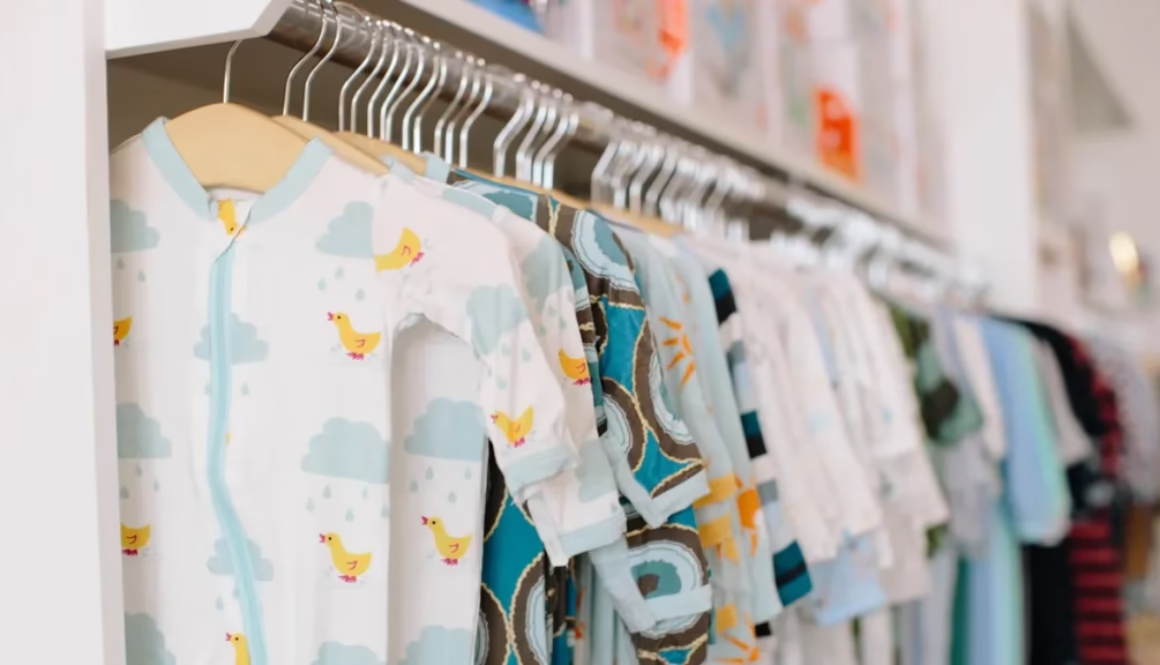
The journey from a creative sketch to a globally recognized premium kidswear brand is rarely a straight line. In my five years at petelulu, I have sat across the table (and the Zoom screen) from over 60 brand founders. I’ve seen some brands struggle with inventory fatigue while others successfully scale from a living-room startup to a multi-national label stocked in European boutiques.
Scaling in 2026 isn’t just about “selling more.” It’s about building a scalable production ecosystem. Here are the five strategic keys to moving your brand into the premium league.
1. Prioritize Fabric Continuity Over Fast Fashion
The most successful brands I’ve managed in Scandinavia and Italy don’t reinvent their fabric every season. They build a “Signature Feel.” Whether it’s our GOTS-certified 1×1 rib or a specific interlock weight, consistency creates brand loyalty.
When scaling, ensure your manufacturer can guarantee fabric continuity. There is nothing more damaging to a premium brand than a customer receiving a second order that feels “different” or “cheaper” than the first.
2. Standardize Your Technical Documentation (Tech Packs)
Many startups begin with a simple photo or a rough sketch. While we offer custom baby clothing solutions to help bridge this gap, scaling requires professional Tech Packs.
A professional Tech Pack—including precise GSM specs, graded size charts, and stitch details—is your brand’s legal and technical insurance. It allows you to move from “sampling by intuition” to “production by data.”
3. Leverage “Strategic” MOQs
Startups often fear high Minimum Order Quantities (MOQs), but the real danger is under-ordering. If you sell out in two weeks but your production lead time is 45 days, you lose momentum and SEO ranking on your own site.
The key is a Flexible & Scalable MOQ Framework. We often advise our growing clients to commit to a larger volume of “Core Basics” (like white or neutral onesies) to lower costs, while keeping smaller, agile runs for “Trend Colors” or seasonal prints.
4. Build a “Compliance-First” Identity
In 2026, sustainability is no longer a premium add-on; it is the entry price for the global market. Scaling into major retailers in Australia or Germany requires a mountain of paperwork.
Don’t wait until you get a big order to think about GOTS or OEKO-TEX compliance. By choosing a certified production partner early on, you ensure that every Transaction Certificate (TC) is ready when that major boutique buyer finally calls.
5. Transition from “Vendor” to “Partner”
A vendor just takes orders; a partner solves problems. When April works with our 60+ brand partners, she isn’t just checking production status—she’s advising on logistics optimization for Oceania or suggesting more durable snap-buttons for European safety standards.
Scaling requires a manufacturing partner who understands your long-term vision. You need a team that will tell you “No, this fabric won’t hold that specific print well” before you waste thousands of dollars on a failed batch.
Final Thoughts
Scaling a brand is 20% design and 80% supply chain management. By focusing on technical consistency and proactive compliance, you move away from the “startup struggle” and into the “premium boutique” space.
You can absolutely make money selling kids’ clothes. Many parents wonder if it’s worth the effort. The truth is, your success depends on your approach.
Selling kids’ clothes can turn unused items into cash. If you stay organised and know what buyers want, you might see a nice return.
Key Takeaways
You can make money selling kids’ clothes if you keep things tidy and know what buyers like.
Pick the best place to sell, like online shops or local stores, so more people see your clothes and you earn more.
Find good prices by looking at other clothes for sale and think about selling clothes together to get more buyers.
Can you really make money?
You might wonder if you can actually make money selling kids’ clothes. The answer is yes, but your results will depend on a few important things. Some people only sell a few items for pocket money. Others turn it into a steady side income. In fact, some sellers have shared their success stories online.
One seller reported earning over $2,300 from selling kids’ clothes through a Facebook Buy Sell Trade group. This shows you can make a significant income if you put in the effort and know what buyers want.
What affects your profit
Your profit does not just depend on what you sell. Many factors can change how much you earn. Here is a table to help you see what matters most:
Factor
Description
Experience and expertise
If you have more experience, you can often charge higher prices. You know what sells and how to present it.
Complexity of the service
If you offer extra services, like sewing or customising, you can charge more.
Material costs
The cost of clothes or materials will affect your profit. Try to source items cheaply.
Location and demand
If you live in a busy area or sell during peak seasons, you may get higher prices.
Rush orders
If buyers need items quickly, you can sometimes charge extra for fast service.
You can see that your skills, where you live, and even the time of year can change how much you make. If you learn what sells best and keep your costs low, you can boost your profit.
Is it worth the effort
You might ask yourself if all this work is worth it. Selling kids’ clothes can take time. You need to sort, clean, and list each item. You also have to answer questions from buyers and post the clothes. If you enjoy finding bargains or have lots of clothes to sell, you may find it rewarding.
Many people start small and grow their sales over time. You do not need to be an expert at first. You can learn as you go. If you want to make money and do not mind putting in some effort, this can be a good way to earn extra cash. Some sellers even turn it into a small business.
If you want to make money, remember that your results will match the time and care you put in. You might not get rich overnight, but you can see real rewards if you stay organised and keep learning.
You have plenty of options when you want to sell kids’ clothes. Picking the right place can help you reach more buyers and make money.
Online marketplaces
You can try popular platforms like eBay, Facebook Marketplace, and Vinted. These sites let you list items quickly and reach buyers across the country. Each platform has its own fees, so you need to check before you start. Here’s a simple table to show the main costs:
Platform
Listing Fee
Transaction Fee
eBay
Varies
Percentage of sale price
Facebook Marketplace
None
5% service fee for shipping items
Vinted
None
No fees for buying/selling
Vinted stands out because you don’t pay any fees. Facebook Marketplace is easy to use and has a low service fee. eBay gives you a huge audience, but you pay a percentage of your sale. You need to manage your own listings and handle questions from buyers.
Local sales and consignment shops
Local shops like Kid to Kid or Jumping Jack offer a different experience. You drop off your clothes, and the shop sells them for you. Consignment stores often get higher prices for designer or boutique items. You don’t have to worry about listing or negotiating. The shop does the hard work, but you might wait longer for your payout.
Online marketplaces give you more buyers but require more effort.
Resale services and clean-out bags
Some services let you send in a bag of clothes. They sort, price, and sell your items. This method saves time, but you may earn less per item. It’s a good choice if you want to clear out space quickly and don’t mind lower returns.
You can choose the method that fits your style and goals. Each option has its own benefits and drawbacks.
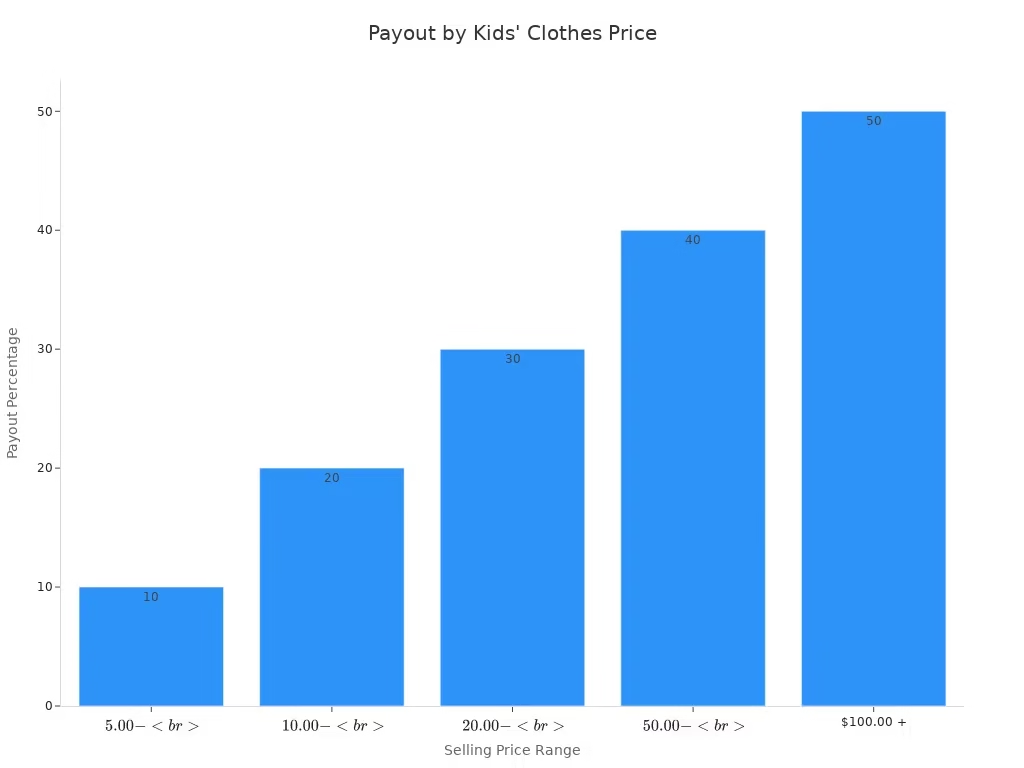
You want to set prices that attract buyers and help you make money. Start by checking what similar items sell for online. Most sellers price second-hand kids’ clothes between 10% and 30% of the original price, depending on condition and brand. If your item looks nearly new or is from a popular brand, you can aim for the higher end. Review your expenses and look at what competitors charge. Decide if you want to compete on price or quality. It’s tough to do both, so pick what suits your style. Use simple tools like spreadsheets to track your costs and profits.
Tip: Set clear price points and adjust them as you see what sells best. If an item doesn’t move, drop the price a little.
Bundle deals
Bundling works well when you have lots of items. You can group clothes by size, season, or brand. Buyers love bundles because they get more for their money. This strategy helps you sell slow-moving stock and boosts your average sale price. You also make the buying process easier for parents who need several items at once. If you add toys or accessories to bundles, you increase the value and appeal.
Timing your sales
Timing matters when you want to sell quickly. Try listing items before school starts or just ahead of holidays. Demand rises during these periods, so you can charge higher prices. Offer discounts as the sale goes on to clear out remaining stock. Watch for local events or online trends to spot the best moments to list your items.
Steps to get started
Sourcing quality clothes
You want to start with clothes that parents actually want to buy. You can find reliable sources by checking platforms like Kidizen, where parents set up shops to sell maternity and children’s clothing. Charity shops and local sales often have hidden gems. If you want to invest in premium items, Baby Blanks offers high-quality kids’ clothing. Their products cost more, but parents appreciate the quality. When you choose better clothes, you increase your chances to make money.
Take clear photos in good lighting with a plain background.
Write detailed descriptions, including brand, size, and condition.
Set prices that match the market, and adjust if items do not sell.
Tip: Buyers love clothes that look new and smell clean. Good photos and honest descriptions help you stand out.
Setting up your listings
You can create listings on platforms like eBay, Vinted, or Facebook Marketplace. Choose the best photos and write descriptions that highlight the quality and features. Add keywords that parents might search for. Make sure your prices are easy to understand. If you bundle items, mention it in your listing. Respond quickly to questions so buyers feel confident.
Tips to maximise your earnings
Finding your niche
You can stand out in the kids’ clothes market by finding your niche. When you focus on a specific style, age group, or quality, you attract buyers who want something special. Many sellers compete with cheap, low-quality items. If you offer unique or high-quality clothes, you reduce competition and build a loyal customer base. Dionne Keen spotted a gap for quality kids’ clothing and started Little Kinfolk. She focused on variety and quality, which helped her generate over $30,000 in revenue in just one weekend. You can see that targeting a niche helps you make money and gives you an edge.
Choose a style or theme that parents love.
Offer quality or rare items that are hard to find.
Build your brand around what makes you different.
Using cashback and sales offers
You can boost your profit by using cashback sites and retailer sales. When you buy kids’ clothes to resell, look for deals and cashback offers. Sites like TopCashback or Quidco give you money back on purchases. Retailers often run sales, so you can stock up when prices drop. This strategy helps you lower your costs and increase your earnings. Keep an eye out for seasonal discounts and special promotions.
Tip: Always check for cashback before you buy. It adds up over time and makes your business more profitable.
Creating standout listings
Your listings need to grab attention. Use clear photos and write honest descriptions. Highlight the best features of each item. Parents want to know about the brand, size, and condition. Add keywords that buyers search for. Respond quickly to questions and keep your listings updated. If your listings look professional, buyers trust you and are more likely to purchase.
Common challenges
Competition and pricing
You’ll notice that competition can get fierce when you sell kids’ clothes. Many sellers list similar items, so you need to think about your pricing strategy. You might use competitive pricing, where you check what others charge and match or beat their prices. Sometimes, you set prices based on what buyers are willing to pay. This is called backward pricing. Psychological pricing works well too. If you price an item at £4.99 instead of £5, buyers feel they’re getting a better deal. Some sellers use keystone pricing, doubling the cost, but this doesn’t always fit the market. Dynamic markups let you start high and drop prices later to attract buyers.
If you want to stand out, keep an eye on what others do and adjust your prices as needed.
Returns and tricky buyers
You might run into buyers who change their minds or ask for returns. Some buyers can be picky about the condition or size. You need to describe your items honestly and take clear photos. If you handle returns politely, you build trust. Sometimes, buyers ask lots of questions or want extra photos. Stay patient and answer quickly.
Good communication helps you avoid misunderstandings and keeps buyers happy.
Avoiding pitfalls
New sellers often make mistakes. Here are some common pitfalls:
You buy separates without thinking about how they fit together.
You buy the same items again and again.
You buy clothes without checking the fit.
You also need to consider time and space. Selling takes time for cleaning, photos, and listings. You need enough storage space for your stock. Always check if the profit justifies your effort.
If you plan ahead and stay organised, you avoid most problems and make selling easier.
You can earn money by selling kids’ clothes, but it depends on how much work you do and the way you sell. There are lots of chances because many people buy second-hand clothes. You should think about a few things first.
You can begin a kids clothing brand without any inventory today. Print-on-demand and dropshipping let you sell cool clothes for children. You do not need to buy stock first. This way, you do not worry about unsold items. It also helps you spend less money. Many new brands start without inventory now. You only pay when someone orders something. You can build a creative business with little money. You do not need a warehouse.
Key Takeaways
You can start a kids clothing brand with no inventory. You can use print-on-demand or dropshipping. This way, you spend less money. You do not worry about clothes that do not sell.
Look at what is popular in children’s clothes now. Find out what parents and kids like. Choose clothes that are comfy and last long. Pick fun designs to get more buyers.
Pick a special theme for your brand. Make your brand different from others. This helps you get customers who want something unique.
Choose a good way to send out orders. Compare print-on-demand and dropshipping. Pick the one that fits your business best. Make sure it meets what your customers want.
Make your brand known online. Use social media and fun marketing ideas. Talk to your customers often. This helps them trust you and buy again.
You need to know what is popular in the kids apparel market before you start your brand. Today, comfort and durability matter most to parents and children. You will see bright colours like vibrant blue, electric green, and sunset orange in many collections. Athleisure is a big trend. Children want clothes they can wear for sports and play. Many families also look for sustainable fabrics, such as organic cotton or recycled materials. These trends show that you can build a kids clothing brand without inventory and still offer what families want.
Tip: Check social media and online shops often. You will spot new trends early and adjust your designs quickly.
Analyse Competitors and Gaps
You should look at other brands in the kids apparel market. Make a list of their best-selling items. Notice what they do well and where they fall short. Some brands may not offer eco-friendly options. Others might lack bold designs or use slow dropshipping methods. You can fill these gaps with your own products. This research helps you stand out, even if you run your business without inventory.
Understand Parent and Kid Preferences
Parents and children both influence buying decisions. You must understand what matters to them. Here are the top factors:
You should keep these points in mind when you create your range. If you meet these needs, you will attract more customers and grow your brand.
Define Your Niche Without Inventory
Choose a Unique Theme or Angle
Pick a theme that makes your kids clothing brand different. Many brands do well by focusing on one style or message. You could make clothes with playful animals, bold colours, or positive slogans. Some brands offer adaptive clothing for children with sensory or mobility needs. Big shops have had success with this idea. Their products help families who find it hard to get the right clothes. If you build your brand without inventory, you can try new themes quickly. Custom designs let you reach special tastes. You can change your collection when you get feedback.
Tip: Look for gaps in the market. If not many brands sell eco-friendly or adaptive clothing, you can offer these products.
Pinpoint Your Ideal Customer
Know who will buy your clothes. Think about the age group you want to reach. Consider how much money your ideal customer has and their life stage. Parents with young children want affordable and strong clothing. Some families like premium materials and pay more. Gender can change your marketing plan. Boys and girls may like different styles. Economic status affects what people buy and what products they want. People with different incomes shop in different ways.
Age
Economic status
Life stage
Gender changes marketing plans
Economic status affects what people buy and want
Different incomes mean different shopping habits
Stand Out from Other Kids Clothing Brands
Make your brand easy to remember. Show your brand as a leader in quality and uniqueness. A strong brand position gets more customers and sales. People like brands known for being different. You can do this with custom designs, sustainable materials, or adaptive clothing. If you run your brand without inventory, you can update your range often. You can react to trends fast. This helps you beat other brands and get loyal customers.
Select a Fulfilment Method for Kids Clothing Brand
Choosing the right fulfilment method is a key step when you start a kids clothing brand without inventory. You need to decide how your products will reach your customers. You can use print on demand or dropshipping. Both options let you run your business without holding stock. You do not need to worry about unsold inventory or storage costs.
Print-on-Demand Explained
Print on demand means you only make a product when someone orders it. You upload your designs to a platform. When a customer buys a t-shirt or hoodie, the print on demand partner prints and ships it for you. This method is popular for a kids clothing brand without inventory. You do not need to buy large amounts of stock. You can test new designs easily.
You must choose a reliable pod business partner. Good partners help you keep quality high and customers happy. Many brands trust these print on demand suppliers for kidswear:
SHISHI (3R) – CHINA: Known for high quality and fast production. They have BSCI certification.
FUZHOU (BUP) – CHINA: Offers premium quality and low minimum orders. They respond quickly and have BSCI & Amfori certificates.
DONGGUAN (DYG) – CHINA: Specialises in kidswear. You can order as few as 60 pieces per style or colour.
Many designers praise print on demand services for their bright colours and fast turnaround. Customers often say the quality is excellent. You can read reviews from people who run their own shops. They say their customers love the results.
Tip: Order samples from your pod business partner before you launch. Check the print quality, fabric, and fit.
Dropshipping Options
Dropshipping is another way to run your kids clothing brand without inventory. You list products from a supplier in your online shop. When someone buys, the supplier ships the item straight to your customer. You do not need to handle the products yourself. This method works well if you want to offer a wide range of items.
You must pick a supplier with a good record. Look for fast production and shipping. Some dropshipping companies offer custom printing, so you can still use your own designs. Always check reviews and ask about their process. You want your customers to get their orders quickly and in good condition.
Compare Costs, Quality, Delivery
You need to compare print on demand and dropshipping before you choose. Each method has strengths and weaknesses. Use this table to see how they match up:
Print on demand gives you more control over your designs. You can change your range often. Dropshipping lets you offer more products, but you may have less control over quality. Always check the production and shipping times. Fast delivery keeps customers happy.
You must think about costs and profit margins. Print on demand can cost more per item, but you do not risk unsold inventory. Dropshipping may offer lower prices, but you must watch for hidden fees. Quality control is important for both methods. Order samples and check every detail.
Note: A reliable pod business partner helps you keep quality high and avoid problems with inventory. Good service means happy customers and better reviews.
You can build a kids clothing brand without inventory if you choose the right fulfilment method. Focus on quality, delivery speed, and clear communication with your partners. This will help you grow your brand and increase your profit.
Prepare Designs and Start an Online Clothing Store
Create or Source Unique Designs
You need to get your designs ready before you open your shop. Good designs make your kids clothing brand stand out. You can draw your own artwork if you know how. Many people use drawing apps or graphic tools. If you do not want to draw, you can pay a freelance designer. Some websites sell ready-made designs for a small price. Always check you have permission to use these designs for your fashion-on-demand shop.
Think about what children and parents enjoy. Bright colours, playful animals, and happy messages are popular. You can also use themes like sports, nature, or space. Try to make your designs fun and easy to spot. Print on demand lets you add or remove designs quickly. This helps your fashion-on-demand shop stay fresh and exciting.
Tip: Get several designs ready before you start. This gives your customers more choices and makes your shop look professional.
Order Samples for Quality
You must order samples before you open your shop. This step helps you check the quality of your products. You want to see how your designs look on real clothes. Samples show you the colours, print quality, and fabric feel. You can find any problems before your customers do.
Ordering samples is important for these reasons:
You can see how your logo or artwork looks on the clothes.
You make sure the printed designs match what you want.
If you use print on demand, ask your supplier for a sample of each design. Wear and wash the samples to test how strong they are. Show the samples to friends or family and ask what they think. This helps you improve your range and avoid returns. Good quality means happy customers and better reviews. You protect your profit by making sure your products are high standard.
Set Up Your Store with Teemill or Similar Platforms
You can start an online clothing shop without inventory by using platforms like Teemill. These platforms connect you with print on demand suppliers. You upload your designs, set your prices, and build your shop. The platform handles printing, packing, and shipping. You do not need to keep stock or worry about delivery.
When you pick a platform, look for these features:
Teemill is a popular choice for a kids clothing brand without inventory. You can build your shop in a few hours. The platform helps you manage orders and track sales. You can focus on making new designs and growing your brand. Print on demand platforms let you change your range and prices to improve your profit margins.
You should compare a few platforms before you choose. Look at the costs, features, and support. Pick one that fits your goals and makes it easy to start an online clothing shop. A good platform helps you build your shop, reach more customers, and run your business smoothly.
Note: You can update your designs and products any time. This keeps your shop fresh and helps you follow trends.
Market Your Kids Clothing Brand Without Inventory
Build a Social Media Presence
Social media can help your business grow. Pick platforms that are good for fashion shops. Make short videos to show your designs. Use fun posts to keep parents and children interested. Work with influencers who share your values. They help you reach more families. Make sure your posts look nice on phones and tablets. Use shoppable videos so people can buy easily. Show your social responsibility projects. Parents like brands that care about the world.
Tip: Post often and reply to comments. This builds trust and keeps your audience interested.
Launch Creative Campaigns
Creative campaigns make your business stand out. Try games or apps where children can play and learn about your designs. Use Augmented Reality so kids can see your clothes in a virtual world. Personalise your posts based on what children like. This makes your brand feel special. Offer limited-time discounts to boost sales and improve profit margins.
Engage with Local Events and Communities
Join local events to get noticed. Give out custom t-shirts at school fairs or sports days. Children wearing your branded clothes help spread the word. Take part in charity walks with matching outfits. This creates a strong visual impact and gets people talking about your brand. Quality clothes last a long time, so your designs will be seen by more families over time.
Go to sports carnivals and charity events.
Give branded clothes for group activities.
Ask children to wear your designs at local gatherings.
Manage Customer Service and Brand Growth
Good customer service helps your business grow. Answer questions quickly and solve problems with care. Happy customers come back and tell others about your shop. Track your progress using key metrics:
Make your shop easy to find online and use fun marketing to reach families.
Choose good quality and special designs to earn more money.
“Looking at trends and making new designs helps you stay ahead. You should listen to what customers say and look for new styles.”
Try new ideas and change your collection often. Your brand will be different and grow as the market changes.
FAQ
How much money do you need to start a kids clothing brand with no inventory?
You can start with less than £100. You only pay for samples, design tools, and your website. Print-on-demand and dropshipping do not need big investments.
Can you use your own designs for print-on-demand?
Yes, you can upload your own artwork. Most platforms accept PNG or JPG files. Make sure your designs are clear and bright for the best results.
How do you handle returns and refunds?
You contact your fulfilment partner if a customer wants a return. Each platform has its own policy. Always read the rules before you start your shop.
Is it possible to sell worldwide?
Yes, you can sell to many countries. Print-on-demand and dropshipping partners ship orders globally. Check shipping costs and delivery times for each location.
What if you do not have design skills?
You can hire a freelance designer or buy ready-made designs. Many websites offer affordable options. You can also use simple online tools to create basic artwork.
You begin looking for a kids clothing manufacturer by making your needs clear. You look at online platforms, ethical directories, and local suppliers. You pay attention to quality, ethics, price, and customisation. You compare choices and look for trusted sources. These steps help you choose wisely.
Key Takeaways
Know what you need before you look for a manufacturer. This makes it easier to find the right partner for your brand.
Always check if the clothes are safe and good quality. Ask manufacturers about certifications like CPSA and Oeko-Tex. These show the clothes are safe for children.
Look at different choices like online platforms, ethical directories, and local suppliers. Compare what each one is good at and not so good at. This helps you pick the best one.
Make a clear agreement with the manufacturer you choose. The contract should say the minimum order, payment rules, and how long production will take.
Define Your Needs
Before you look for a kids clothing manufacturer, you should know what your brand needs. This step helps you pick the right partner for your goals.
Quality and Safety
It is important to think about quality and safety. Children’s clothing must follow strict rules in big markets. The table below lists two key standards you should learn about:
U.S. law that controls children’s clothing. It checks flammability and limits toxic chemicals.
Oeko-Tex certification
Global standard that makes sure inks, dyes, and fabrics are safe. It stops harmful chemicals like pesticides.
You should ask manufacturers if they follow these standards. Good materials and safe methods keep children safe and help parents trust your brand.
Minimum Orders
You need to choose how many items you want to make. Manufacturers often have a minimum order quantity (MOQ). The table below shows common MOQs from different suppliers:
Pick a manufacturer with an MOQ that matches your budget and plan.
Ethics and Sustainability
You might want to work with manufacturers who care about ethics and sustainability. Look for partners who use eco-friendly materials and treat workers well. Ethical production makes your brand special and supports good business.
Tip: Ask for certificates or reports that show ethical sourcing and sustainability.
Customisation
You may want special designs or features for your clothes. Some manufacturers offer customisation, like printing, embroidery, or unique fabrics. Make sure your manufacturer can do what you need.
When you look for a kids clothing manufacturer, you have many choices. Each choice has good and bad points. You need to compare them to find what works for your brand.
Online Platforms
You can use online platforms to find manufacturers fast. Websites like Alibaba, Global Sources, and Made-in-China have many suppliers. You can search by country, product, or minimum order size.
Here is a table that shows the main good and bad points of using online platforms:
Many factories on these sites use lots of resources and make greenhouse gases. If you pick a supplier from these sites, ask about their environmental rules. ‘Even if the materials are good, if factories keep using too many resources and making greenhouse gases, these brands still add to climate change.’
You can also use Google and Yelp to read reviews and ratings. These tools help you see if a kids clothing manufacturer is trusted before you talk to them.
Ethical Directories
You might want to work with manufacturers who follow ethical rules. Ethical directories, like Ethical Clothing Australia or Good On You, list suppliers who care about fair work and the planet. These lists help you find partners who treat workers well and use safe methods.
You should check each directory for certificates and how they make clothes. This helps you stay away from suppliers who do not use good practices.
Local Resources
You can look for local resources if you want to help businesses near you. Local trade shows, fashion expos, and business groups often have kids clothing manufacturers. You can go to these events to see samples and talk to suppliers in person.
Local suppliers may ship faster and are easier to talk to. You can also visit their factories to check how they work and if the quality is good.
Tip: Ask local business groups or councils for lists of trusted manufacturers near you.
Agents and Sourcing
You can hire sourcing agents to help you find a good kids clothing manufacturer. Agents know the market and have contacts with many suppliers. They check factories for quality and safety.
When you have a list of suppliers, you must check each kids clothing manufacturer. This helps you avoid mistakes and pick a partner who fits your brand’s needs.
Request Samples
You should ask for samples before you order a lot. Samples help you see the quality and safety of the clothes. You can check if the colours look right and if the fabric is soft. If you want things like embroidery or printing, ask for samples with those too.
Tip: Put samples from different suppliers next to each other. Look for tidy seams, strong buttons, and soft fabric. If you spot problems, ask the manufacturer how they will fix them.
Check Certifications
Certificates show that a manufacturer follows safety and ethical rules. You should ask for proof of these certificates:
Consumer Product Safety Act (CPSA): This makes sure children’s clothes are safe from fire and chemicals.
Oeko-Tex Certification: This means the fabric does not have harmful chemicals like pesticides or heavy metals.
WRAP Certification: This checks that factories are safe and treat workers well.
These certificates mean better work for staff, less harm to nature, and more honesty in the supply chain. Ask for copies of certificates and check if they are still valid.
Review Reputation
You need to see what other brands say about each manufacturer. Read reviews on Google, Yelp, and forums. Look for comments about quality, delivery, and service. If you see lots of complaints about late orders or bad quality, be careful.
You can also ask the manufacturer for references. Talk to other clients and ask about their experience. Good manufacturers will give you contact details for happy customers.
Note: A good reputation means you can trust the supplier to deliver on time and meet your needs.
You need to make sure the manufacturer can meet your deadlines and order sizes. If you want custom designs, ask how these change the time and price.
Tip: Always read the contract carefully. Make sure you know payment times, delivery promises, and what happens if there are delays.
If you follow these steps, you can pick a kids clothing manufacturer who meets your needs for quality, safety, and trust.
Final Selection
Balance Quality and Cost
You must think about both quality and cost. First, look at how well the manufacturer makes safe clothes. Check if they can deliver on time and make small batches. This helps you save money and not buy too much. Good prices and fast delivery are important. Ask if the manufacturer keeps stock ready, as this can help you spend less.
If the manufacturer has made stylish and useful clothes before, it means they know safety rules.
Confirm Ethics
You need to make sure the manufacturer acts in an ethical way. Choose partners who care about the planet and treat workers fairly. Ask how they get their materials and make their clothes. See if they have a public code for ethical sourcing. This code should talk about fair pay, no forced or child labour, and safe workplaces. Ask if they check their factories, how often, and if checks are done by outside people without warning.
Coverage of International Labour Organization conventions
Factory audits (frequency and independence)
Tip: Always ask for proof of their ethical rules and audit reports. This helps you avoid problems and build a good brand.
Secure Agreement
You must get a clear deal with your chosen manufacturer. The contract should say the minimum order, payment rules, and how long production will take. Make sure it includes customisation and how this changes the price. Check every part before you sign.
Key Element
What to Check
Minimum Order Quantity
Matches your needs
Payment Terms
Clear and fair
Production Timeline
Fits your schedule
Customisation Options
Costs and delivery impact
A good contract keeps your business safe and tells both sides what to expect.
You can find a good kids clothing manufacturer by taking simple steps. First, think about what you need and look at your choices. Then, check each supplier and make a fair deal. Always care about doing the right thing and talking openly. Try these ideas:
Talk about how many items you must order and how to pay.
Pick a manufacturer who cares about trust and wants to work with you for a long time.
FAQ
How do you check if a manufacturer is reliable?
You should look at online reviews. Ask other brands for their opinions. Try to visit the factory if you can. Good manufacturers reply fast and show their certificates.
What questions should you ask a potential manufacturer?
Ask about their minimum order quantity. Find out how long orders take. Ask about prices and customisation choices. Ask for details about safety and ethics. Clear answers mean they communicate well.
How do you make sure the clothes are safe for children?
Check if the manufacturer follows safety standards like Oeko-Tex or CPSA. Ask for certificates and test results. Safe materials and good methods keep children protected.
Rompers are among the most in-demand products in baby clothes in Australia. Many parents opt for organic and sustainable choices, seeking soft materials for their little ones. Shops are increasingly selling more eco-friendly clothes that utilise organic cotton. Additionally, people have a fondness for bodysuits, sleepwear, and gender-neutral styles. Seasonal essentials are also in demand. Parents prioritise comfort, practicality, and style for their children, and you can observe this shift taking place now.
Key Takeaways
Rompers are very popular for newborns. They are easy to use and feel comfortable. Pick soft fabrics and simple fastenings. This makes dressing your baby fast.
Organic and sustainable baby clothes are becoming more popular. These clothes are gentle on your baby’s skin. They are also better for the environment.
Bodysuits are important for quick nappy changes. Choose ones with snaps for easy use and comfort. They are good for any occasion.
Gender-neutral styles are getting more common. These clothes help everyone feel included. They are also flexible for your baby’s wardrobe. Siblings can share these clothes.
Seasonal essentials help keep your baby comfortable. Pick light clothes for summer. Choose layered clothes for winter. This keeps your baby safe and warm.
Rompers are very popular for newborns in Australia. Parents like rompers because they are easy to use. Dressing your newborn is simple with rompers. They have buttons and zips, so nappy changes are quick. The design lets your newborn move and play easily. Soft material is important for comfort all day. Cotton is a top choice as it is gentle and cool. Many parents pick organic if their newborn has sensitive skin. Some rompers have two-way zips and grips for walking. Good design and useful features make rompers a favourite for gifts and daily wear.
Tip: When you buy rompers, look for soft fabric and easy fastenings. These things help you save time and keep your newborn happy.
Organic and Sustainable Clothes
You want to protect the planet and your newborn’s health. That is why organic and sustainable clothes are popular in Australia. Organic fibres are gentle on your newborn’s skin. These clothes do not use harsh chemicals, so there is less irritation. Cotton lets your newborn stay warm in winter and cool in summer. You also help the earth by choosing organic cotton. It uses fewer chemicals and keeps soil and water clean. These clothes last longer, so you get good value. Picking organic and sustainable clothes shows you care about quality and the future.
Bodysuits
Bodysuits are must-haves for your newborn. You want clothes that make nappy changes fast. Bodysuits have snaps, so you can change your newborn easily. You find short and long sleeve options for every season. Some bodysuits have mittens and feet for extra comfort. Soft and good material makes bodysuits great for gifts and daily use. Bodysuits are useful because you can layer them or use them alone. They work for play, sleep, and going out, so you get more value.
Sleepwear
Sleepwear is very important for newborns in Australia. You want your newborn to sleep safely and feel cosy. Popular choices are Love to Dream Swaddle Up, ergoPouch Cocoon Swaddle Bag, and Baby Loves Sleep Sleepy Hugs Sleep Sack. These wraps help your newborn sleep in a natural way. You choose sleepwear made from organic cotton because it is soft and cool. You dress your newborn for the weather, just like you do. In summer, you pick light onesies and sleep sacks. In winter, you add layers of natural fibre baby wear. You always check the fabric for safety and quality before buying. Sleepwear is a great gift for new parents.
Gender-Neutral Styles
Gender-neutral styles are becoming more common in baby clothes. Parents want all babies to feel included. You choose clothes for style and use, not just colour. Gender-neutral baby onesies and wraps are popular because they fit every newborn. You want your newborn to have choices and feel equal. These clothes are good gifts and can be used for other siblings.
Note: Gender-neutral baby clothes help you make a useful wardrobe for your newborn. You get more value and support fairness.
Seasonal Essentials
You need different clothes for each season in Australia. In summer, you pick light and loose baby onesies and wraps to keep your newborn cool. In winter, you use layers of cotton and natural fibre clothes. Start with fitted baby wear and add wraps for warmth. You want your newborn to stay comfy and safe in any weather. Seasonal essentials are popular because they work all year. You save money when you buy clothes for many seasons and events.
Tip: Always check the fabric when you buy seasonal clothes. Good quality keeps your newborn comfy and gives you more value.
You pick the most popular clothes for your newborn because you want comfort, safety, and style. You look for soft, easy-to-use, and high-quality baby clothes. Baby onesies, wraps, and other basics are perfect for gifts and everyday use.
Trends in Baby Clothes
Popular Styles and Colours
In Australia, baby clothes are changing. Parents want clothes that look nice and are useful. Neutral colours and natural fabrics are popular. These match many outfits and last a long time. Animal prints in soft colours make your baby’s clothes fun. Unisex colours like green, beige, and yellow are seen more now. People do not pick just pink or blue anymore. Knit clothes and old-style layers keep babies warm. These styles also look classic. These trends help you make a wardrobe that works for many outfits.
Neutral colours and natural fabrics are easy to use.
Animal prints in soft colours make clothes fun.
Unisex colours like green, beige, and yellow are liked.
Knit clothes and old layers keep babies warm and stylish.
You pick these styles because they mix and match well. Gender-neutral designs let you use the same clothes for brothers and sisters.
Note: If you choose unisex styles, you get more use and help all children feel included.
More parents now pick eco-friendly materials for baby clothes. Organic cotton and bamboo are soft on your baby’s skin. They are also better for the earth. These fabrics use fewer chemicals and last longer. You want your baby to wear clothes that feel safe and gentle. Choosing eco-friendly clothes helps keep the planet clean for your child.
Comfort and Practicality
Comfort is most important when you buy onesies and other baby clothes. Soft fabrics like cotton and bamboo keep your baby happy. You look for onesies with hidden zips and foldable mittens. These make dressing easy and safe. Onesies that work for sleep, play, and going out are useful. You like clothes that fit as your baby grows.
Comfort and safety are more important than looks.
Zips and snaps make dressing quick and easy.
Good fabrics and smart designs matter most.
Tip: Pick onesies that are soft, simple to use, and good for any activity.
Why These Clothes Are Popular
Climate and Lifestyle
Australia has different weather in each season. In summer, you want your baby to stay cool. Soft cotton and bamboo fabrics help with this. Loose playsuits and short-sleeved bodysuits let air move around. When you go outside, a light wrap or muslin cloth blocks the sun. In winter, you use layers like long-sleeved bodysuits, knit cardigans, and jackets with fleece. This keeps your baby warm and lets you change layers if needed. Your daily life means you need clothes for play, sleep, and going out.
Season
Clothing Options
Key Features
Summer
Soft cotton clothing, loose-fitting playsuits
Breathable, lightweight, layering
Winter
Long-sleeved bodysuits, knit cardigans, jackets
Warmth, layering for temperature
Safety and Comfort
You want your baby to be safe and happy. Australia has rules for baby clothes. Nightwear must have fire hazard labels. Close-fitting sleepwear is safer than loose clothes. Some clothes are not allowed if they catch fire easily. You check the size and labels before you buy. Comfort is important every day. Cotton and bamboo fabrics let your baby’s skin breathe. You check your baby’s neck or back to see if they are too hot or cold. If your baby is sweaty, you take off a layer. If your baby feels cool, you add more clothes. You use gentle washing products to stop rashes and allergies.
Tip: Pick clothes that are soft and fit well. This keeps your baby safe and comfortable.
Parental Preferences
You want your baby to have the best. You look for clothes that are soft and easy to wash. Snaps and zips make dressing fast. Natural materials like organic cotton and Merino wool are comfy and last longer. You like strong stitching because these clothes last and can be used again. You care about the planet. Organic cotton and bamboo use fewer chemicals and keep your baby’s skin safe. Low-impact dyes help stop pollution. You buy from local brands to help the earth for your child.
Pick clothes that are easy to wear and clean.
Choose natural fabrics for comfort and safety.
Support eco-friendly fashion for your baby’s future.
When you shop for baby clothes, you want good quality and value. Many parents in Australia pick brands that care about comfort, safety, and the planet. These brands sell a lot because they use soft fabrics and make clothes in fair ways. If you want organic clothes, Dusty Road Apparel makes them in Sydney. u&me has allergy-friendly clothes made from natural cotton in Melbourne. Woolerina sells winter clothes from merino wool that is not mulesed and is certified by Ethical Clothing Australia. Kit & Cradle is a family business using organic cotton and fair factories. Merino Country and Merineo Baby use Australian merino wool for basics and sleepwear. Wilson and Frenchy is known for organic cotton sleepwear made by GOTS-certified fair traders. Revel Knitwear and Bandicute also make handmade and eco-friendly clothes.
You can also look at other popular brands in Australia. Lūmmi in Colour, Boody, KYND Baby, Oobi, Goldie + Ace, Purebaby, Bud the Label, and Cinnamon Baby are trusted by many parents. These brands are safe and stylish for your baby.
Tip: When you buy baby clothes, check if the brand uses organic or natural fabrics. This keeps your baby comfy and safe.
Trusted Retailers
You want shopping for baby clothes to be easy and nice. Many parents trust shops that send good products fast and give great service. Reviews say parcels come quickly and the clothes are soft and well-made. People say, “I couldn’t fault the products or the service” and “I am obsessed” with what they bought.
If you want mid-range brands, there are many choices in Australia. The table below shows some popular ones:
Brand
Offerings
Rating
Shipping Info
RAI & CO
Jumpsuits, ribbed onesies, eco-friendly clothing
4.9
Free shipping over $100
You can also go to big stores like David Jones and Myer. Boutiques such as Cherrie Baby Boutique have brands like GOLDIE & ACE, HUXBABY, ZIGGY LOU, and more.
When you buy baby clothes, you want shops and brands that care about quality, comfort, and your baby’s health. That is why many parents keep buying from these trusted names.
You pick rompers and organic clothes because they are comfy. These clothes make it easy to dress your baby. Parents in Australia like soft and airy fabrics. They also want clothes made in fair ways. You need clothes that fit the weather and keep your baby safe. Experts say to use jumpsuits and singlets first. Choose natural fibres and check for organic labels. Think about style and how useful the clothes are when you shop.
Tip: Buy from brands that care about fair and green ways for your baby’s future.
FAQ
Why do parents in Australia prefer organic baby clothes?
Parents like organic baby clothes because they are soft. These clothes do not have many chemicals. They are gentle on a baby’s skin. Parents want to help the earth. They also want to support good farming.
Why are rompers so popular for babies?
Rompers are easy for parents to use. You can dress your baby quickly. Nappy changes are fast with rompers. Babies can move and play easily. Rompers help save time and keep babies happy.
Why should you consider gender-neutral baby clothes?
Gender-neutral clothes work for any baby. You can use them for boys or girls. These styles help you make a simple wardrobe. You do not limit your baby’s choices. Gender-neutral clothes show fairness.
Why is fabric choice important for baby clothes?
Soft and airy fabrics keep babies comfy. Good fabric stops rashes and keeps babies cool. Cotton and bamboo are safe for babies. These fabrics help babies feel good every day.
Starting a small clothing store for baby clothes in the UK requires a significant amount of capital. You may need to invest around £398,000 to get started, according to recent reports. The expenses can vary depending on the location of your store, its size, and your business strategy. Careful planning is essential to manage both initial costs and ongoing expenses. Understanding when you will break even is crucial for the long-term success of your shop.
Key Takeaways
You will need about £398,000 to open your baby clothing store. Make sure you plan your budget well for all costs at the start and later on.
Pick a place where many people walk by, but the rent is not too high. This helps you get more customers and keep costs low.
Fill your shop with important things like baby rompers and pyjamas. Buy only a few at first to see what sells and not spend too much.
Watch your regular costs like rent, bills, and staff pay. Check these costs often to save money and keep making a profit.
Look at different ways to get money, like loans, crowdfunding, or business credit cards. Pick the best way to help your shop grow.
You need to secure a location for your small clothing store. Leasehold costs can vary a lot. In a busy city centre, you might pay between £15,000 and £40,000 per year for a small retail unit. In a quieter town, the cost could drop to £8,000 to £18,000 per year. You should also budget for a deposit, which usually equals three months’ rent.
Fit-out expenses cover everything you need to make your shop ready for customers. This includes painting, flooring, lighting, and signage. For a small clothing store, you might spend between £5,000 and £20,000 on fit-out. The final amount depends on the size of your space and the quality of finishes you choose.
Tip: Choose a location with good foot traffic but manageable rent. This helps you balance visibility and cost.
Initial Inventory
You must stock your small clothing store with enough products to attract customers. A recommended starting point is to order two main products: baby rompers and children’s pyjamas. You should buy 100 pieces of each. The total investment for this initial inventory is about $2,000, including shipping. This approach helps you test demand without overcommitting your budget.
Baby rompers: 100 pieces
Children’s pyjamas: 100 pieces
Total estimated cost: $2,000 (including shipping)
You can expand your range as your shop grows and you learn what your customers want.
Fixtures & Equipment
You need fixtures and equipment to display your products and run your small clothing store. Essential items include clothing rails, shelving, hangers, mirrors, and a till system. You may also need a computer, a card reader, and security cameras. For a small shop, expect to spend between £2,000 and £7,000 on these items.
A simple table can help you plan your budget:
Item
Estimated Cost (£)
Clothing rails
500
Shelving
800
Hangers & mirrors
300
Till system
1,000
Card reader
200
Security cameras
500
Computer
1,000
Total
4,300
You can find second-hand fixtures to save money, but make sure they are safe and sturdy.
Licences & Legal Fees
You must follow the law when opening a small clothing store. You need a business licence, which usually costs between £100 and £500. You may also need to register for VAT if your turnover will exceed £85,000 per year. Legal fees for setting up your business structure and reviewing your lease can range from £500 to £2,000.
Note: Always consult a solicitor before signing a lease. This protects you from unexpected costs.
You should also budget for insurance, such as public liability and contents cover. These policies usually cost £300 to £1,000 per year.
You can see that opening a small clothing store involves several key expenses. Your total startup costs will depend on your choices and your location. Careful planning helps you avoid surprises and gives your business the best chance to succeed.
You must pay rent and utilities each month. The amount depends on where your shop is and how big it is. Most small clothing shops in the UK spend £700 to £1,500 monthly for rent and utilities. This covers electricity, water, and heating. You also need to pay for internet and phone bills.
Category
Cost Range
Rent and Utilities (electricity, water, heating, etc.)
£700 – £1,500
Tip: Check if your lease covers any utility bills. Some landlords pay for water or heating. This can help you save money.
Staff Wages
If you hire staff, you must pay them at least the National Minimum Wage. Many owners start with one or two part-time workers. You might spend £1,000 to £2,000 each month on staff wages. The amount depends on hours and experience. Remember to add National Insurance and pension costs to your budget.
Inventory Restocking
You need to restock your shop often to keep customers happy. Good relationships with suppliers help you manage these costs. Working well with suppliers lets you plan better and avoid buying too much. This helps you waste less and save money. When you work closely with suppliers, you can:
Keep your shelves full and manage stock better.
Save money by ordering only what you need.
React quickly to new baby clothing trends.
Marketing & Miscellaneous
You should save money for marketing. Simple things like social media ads, flyers, or local events can bring in new customers. Many owners spend £100 to £500 a month on marketing. Do not forget about other costs, like cleaning, repairs, and insurance renewals. These small costs add up, so keep track of them.
Note: Check your ongoing expenses every few months. This helps you find ways to save money and keep your shop making a profit.
Budgeting & Saving
Essential vs Optional Costs
You need to know which costs are essential and which are optional. Essential costs keep your shop running. These include rent, utilities, staff wages, and inventory. You must also pay for licences, insurance, and basic fixtures. Optional costs include premium shop fittings, advanced technology, or extra marketing. You can delay these until your business grows.
Tip: Make a list of all expenses. Mark each as “must-have” or “nice-to-have”. This helps you focus your budget on what matters most.
Cost-Saving Tips
You can save money by planning carefully. Bulk purchasing from suppliers often gives you better prices and lower shipping costs. When you order larger quantities, you can save up to 30% on shipping and 15–30% on each item. Bulk orders also help you keep your stock consistent and ready for busy periods.
Benefit
Description
Cost Savings
Save up to 30% on shipping with bulk orders.
Per-Unit Price Reduction
Get 15–30% off per item when ordering 100+ units.
Consistency in Quality
Bulk buying keeps your branding and quality the same.
Readiness for Sales
More stock means you can respond quickly to new trends or promotions.
Admin Efficiency
Fewer orders mean less paperwork and more time for customers.
Negotiation Leverage
Larger orders give you more power to ask for discounts or custom options.
You can also look for second-hand fixtures and compare utility providers to cut costs.
Funding Options
You have many ways to fund your baby clothing store. Here are some common options:
Loans from friends or family. You need a clear plan to repay them.
Invoice factoring. You get cash based on unpaid invoices, but fees can be high.
Revenue-based financing. You repay a percentage of your sales, which helps with cash flow.
Business credit cards. These are easy to use but can lead to debt if not managed well.
Special lenders like Brex or Amazon Lending. They offer flexible loans for small businesses.
PayPal Working Capital and Moula. These services provide quick access to funds.
Most baby clothing shops take two to three years to break even. Many new businesses do not survive past three years, so choosing the right funding helps you stay open during tough times.
You can expect to invest around £398,000 to open your small baby clothing store, with monthly costs from £2,000 to £4,000. Careful budgeting helps you control spending and avoid surprises. Use this cost breakdown to create a realistic business plan:
Understand your running costs for at least six months.
Add up all expenses to see your total needs.
Seek financial advice and focus on essentials. This approach gives you confidence to launch your store successfully.
FAQ
How can you choose the best location for your baby clothing store?
You should look for areas with high foot traffic, such as near schools or shopping centres. Visit different neighbourhoods and compare rent prices. Speak with other shop owners to learn about local customer habits.
What licences do you need to open a baby clothing shop?
You must register your business with Companies House. You need a business licence from your local council. If you plan to sell online, check if you need extra permissions.
How do you keep your inventory fresh and appealing?
Order small batches of new styles every month. Ask customers what they want. Follow baby fashion trends on social media. Rotate stock often to avoid old items piling up.
What is the best way to market your shop on a budget?
Use free social media platforms like Instagram and Facebook. Create simple flyers for local events. Ask happy customers to leave reviews online. You can join local parenting groups to spread the word.
How long does it take to break even after opening?
Most small baby clothing shops reach break-even in two to three years. Track your sales and expenses every month. Adjust your stock and marketing if you see slow growth.
You think baby products generate profit because parents purchase them frequently. The market expands rapidly. The global baby care market was $64.46 billion in 2024 and is anticipated to grow by 10.1% each year. This growth is also evident in Australia, where parents typically spend over $5552 during pregnancy and the first year.
Year
Market Size (USD Billion)
Projected Growth Rate (CAGR)
2024
64.46
10.1%
2032
137.26
Maternity clothes: $700
Pram/Strollers: $868 to $1748
Baby care products: $791 to $1059
Clothes: $800
You can start your own baby clothing brand in Australia. You can leverage this demand to support your business.
Key Takeaways
The global baby care market is growing fast. It may reach $137.26 billion by 2032. This gives new businesses a big chance.
Sell smaller accessories and premium products. These often make more money than big items like prams and cots.
Parents buy baby products again and again. This gives a steady flow of money. Make customers loyal to boost sales.
Choose eco-friendly and organic trends. Many parents want sustainable choices. This can make your brand stand out in a busy market.
Use digital marketing and subscription models to find more customers. These ways help keep sales steady. They also make things easier for customers and help them stay loyal.
There are lots of baby products you can buy. Some types make more money than others. It is important to know which ones give the best profit before you spend money.
Essential gear
Essential gear means things like prams, car seats, and cots. These are big things that new parents need to buy. You might think these cost a lot so shops make lots of money. But shops say they do not get much profit from these.
Big things like cots and prams can cost $1000 to $2000, but shops say they do not make much money from them.
Shops make more money from smaller things like linen and toys.
If you want to make more money, you should sell accessories and extras. These small things sell again and again and give better profits.
Baby clothing and accessories
Baby clothing and accessories are a big part of the market. There are many choices, from simple bodysuits to fancy sets. The table below shows some of the best types:
Feeding and care items are always needed. Parents buy baby formula, bottles, sterilisers, and skincare. These often give good profits, especially baby formula.
Baby formula is a product that gives high profits. This is because a few big brands control the market and set prices. In the UK, baby formula prices went up by 25% in two years. Big companies raised prices more than their costs.
Feeding products can give steady sales and good profits. Parents buy these things often, so you get repeat customers.
Niche and premium products
Niche and premium products are for parents who want the best. These are things like organic baby clothes, eco-friendly nappies, and designer extras. You can make more money from these because parents pay more for quality and safety.
If you want to be different, pick a special niche. Products like organic or eco-friendly items can help you build a strong brand. You can also help parents who care about health and the planet.
Tip: Sell special or high-quality products to make more money and have less competition.
The most profitable baby products are not always the most costly. You need to pick your niche carefully and look for products with good profits and lots of buyers.
Why demand stays strong
Parental spending habits
You see parents spend money on baby products because they want the best for their children. Safety, comfort, and health matter most. Parents look for items that protect babies and help them grow. You notice that many parents choose products made from eco-friendly materials. They want furniture and clothing that use renewable resources and avoid harmful chemicals. You also find parents prefer products designed for sensitive skin. Babies often have delicate skin, so parents buy gentle creams, wipes, and clothing.
Parents want safe products that meet strict standards.
Many choose items made from sustainable materials.
You see a rise in products for sensitive skin.
Gifting and baby showers
You notice baby showers and gifts play a big role in the market. Friends and family buy presents for new parents. These gifts include clothing, toys, and care items. You see that gifting trends help keep demand high. People want to give useful and thoughtful presents. Baby showers often lead to bulk purchases, as guests buy sets or bundles.
Baby showers encourage group buying. You get more sales when people buy gifts together.
You find that gifting is not just for newborns. Birthdays and holidays also drive sales. You see parents and relatives buy new products as babies grow.
Repeat purchases
You discover that repeat purchases are common in the baby product market. Babies grow quickly, so parents need to buy new clothes and gear often. You see that many parents return to buy more after their first purchase. Shops report that 40% of revenue comes from repeat customers. Over half of buyers come back for a third purchase, and nearly two-thirds make a fourth purchase. You notice that customers spend more each time they return.
Parents buy new clothes as babies grow.
You see repeat purchases for feeding and care items.
Customers spend more on later orders.
You find that growth and development create ongoing demand. Parents need to replace items as babies reach new stages. This cycle keeps the market active and profitable.
Market trends and strategies
Subscription models
Many baby product companies use subscription models now. These let you get things like nappies, wipes, or formula every month. Subscriptions save you time and make sure you never run out. They also help companies earn money regularly and spend less.
Tinybeans grew its subscription money by 12% in one year. It made USD $3.32 million from subscriptions, which is 69% of all its money.
The company had a gross margin of 87%. This means subscriptions can cost little but make a lot.
Tinybeans also spent 33% less on running the business. This made its finances better, even when total money went down.
Subscriptions work well because parents need baby products all the time. You do not have to remember to buy again, and companies can plan better.
Eco-friendly and organic trends
More parents want eco-friendly and organic baby products now. Many think these are safer for babies and good for the planet. More shops sell things made from organic cotton, bamboo, or recycled stuff.
In the last ten years, demand for certified organic baby products got four times bigger.
40% of parents believe natural products are safer for babies than normal ones.
You can find organic clothes, biodegradable nappies, and natural skincare in many shops. These cost more, but parents pay extra for safety and to help the planet.
Cross-selling and upselling
Shops use cross-selling and upselling to get you to buy more. These ways help you spend more each time you shop.
You get reminders for things you need again, like baby food or nappies.
Upselling means offering a better or pricier version, like a premium pram.
Cross-selling means showing related things, like baby hats or safety locks, when you buy clothes or gear.
These ways help you find useful things and make shopping simple. Shops get more sales and keep customers coming back.
Start your own baby clothing brand in Australia
Market opportunities
You see many chances if you want to start your own baby clothing brand in Australia. The baby clothing market forms part of a much larger kids’ apparel sector. In 2025, this market will reach AUD 13.29 billion. Experts expect it to grow at a rate of 5% each year until 2035, reaching about AUD 21.65 billion. This steady growth means you can find space for new brands.
Many parents prefer products made from organic materials, such as cotton.
Some brands now work with local suppliers. For example, Cotton Australia and Cotton On Kids show a shift towards using locally sourced materials.
Digital marketing and subscription models help new brands reach more customers.
You can stand out by choosing a clear niche. You might focus on organic fabrics, unique designs, or local production. These choices help you attract parents who want something special for their children.
Tip: You can use digital tools to connect with parents and build a loyal customer base.
Sustainable and organic focus
You see that many parents care about how baby clothes are made. Almost half of all shoppers say they are more likely to buy fashion items made in a sustainable way. Younger parents, like Gen Z and Millennials, show even more interest in eco-friendly options.
Many parents look for organic cotton and natural fibres.
Some buyers want proof that products are truly sustainable.
Price still matters most for many families, but a growing group will pay more for eco-friendly choices.
You may face challenges when you try to prove your products are sustainable. Some shoppers find it hard to check if claims are true. If you want to start your own baby clothing brand in Australia, you should focus on clear labels and honest information. This helps you build trust and meet the needs of modern parents.
Challenges and risks
Competition
You face strong competition in the baby products market. Over 160 online retailers sell baby items in Australia. Large companies like Baby Bunting lead the market. They offer many brands, such as McLaren and Bugaboo, and focus on customer service and low prices. You need to find ways to stand out. You can do this by choosing a unique product or offering better service. The market changes quickly, so you must keep up with trends and new products.
Product safety and regulations
You must follow strict safety rules when you sell baby products. Some rules are old and do not cover all risks. New voluntary standards exist, but they are not always enforced. The Australian government plans to make these rules stronger and match them with international standards. You should know about these changes to keep your products safe.
Current rules for cots and strollers may miss important safety points.
New standards, like AS 5407.1 and AS 5407.2, focus on safer sleep surfaces.
AS 5407.3 will test how well products let air through, which helps prevent breathing problems.
New rules will make safety information clearer for parents.
You also see problems with misleading marketing. Some baby foods use fruit pictures but contain mostly sugar. Many parents do not know these products may not help their child’s health. You should use honest labels and avoid claims that could confuse parents.
Changing consumer preferences
You notice that parents change what they want often. Some look for eco-friendly or organic products. Others want the best price. You must watch these trends and adjust your products. If you do not, you may lose customers.
Tip: You should research the market and listen to parents. This helps you keep up with new trends and stay ahead of your competitors.
You need to stay flexible and ready to change your products or marketing. This helps you succeed in a busy and changing market.
Petelulu’s baby clothing factory sits in a new industrial area. The building is big and can handle many orders. There are advanced machines and skilled workers inside. This helps the factory make lots of baby clothes.
Key production capabilities
The factory makes bodysuits, rompers, hats, and bibs. Workers use digital patterns and cutting machines. They can make simple or fancy designs. The team can change fabrics and styles fast.
Production Process
Material sourcing and selection
The factory picks materials from trusted suppliers. The team checks each batch for safety and quality. They often use organic cotton and bamboo. The factory keeps records of where materials come from.
Cutting, sewing, and finishing steps
Workers cut fabric with special machines. Sewing teams put the pieces together carefully. Each item gets snaps or labels added at the end. Finished products are packed in clean, safe rooms.
Quality Control Measures
Inspection protocols
The factory checks every product at each step. Inspectors look for loose threads and weak seams. They also check for colour problems. The team uses lists to make sure nothing is missed.
Certifications and compliance
The factory follows strict safety rules. It has certificates for organic textiles and child safety. The team updates its work to match new rules.
Sustainability Initiatives
Eco-friendly materials
The factory uses organic cotton and recycled packaging. The team stays away from harmful dyes and chemicals.
Waste reduction and energy efficiency
The factory recycles leftover fabric. Machines use less water and energy. The team tracks waste and tries to do better.
If you want to start a baby clothing brand in Australia, you can learn from these ideas. This is what a modern and responsible factory looks like.
You can find strong profit potential in the baby products market. Success depends on smart choices, such as picking high-demand items, focusing on sustainability, and following safety rules. If you want to start your own baby clothing brand in Australia, you should:
Trust your ideas and aim to build a well-known brand.
You will do well if you watch trends and keep learning about your market.
FAQ
What are the most profitable baby products?
You find that feeding items, organic clothing, and premium accessories often give the best profits. Shops make more from these than from large gear like prams or cots.
What makes parents choose one baby brand over another?
You look for safety, quality, and trust. Many parents also want eco-friendly materials. Clear labels and honest claims help you pick a brand.
What challenges do new baby product brands face?
You face strong competition and strict safety rules. You must also keep up with changing trends. Research helps you stay ahead.
What trends shape the baby products market today?
You see a rise in demand for organic, sustainable, and subscription-based products. Digital marketing also helps brands reach more parents.
What steps help you start a baby clothing brand in Australia?
You should research your market, choose a niche, and focus on quality. You also need to follow safety standards and use clear labels.
You can make money selling baby clothes because many people want them. The average profit is good. In the US, this industry is worth about $31.6 billion. This shows there is a lot of room to grow. There are different ways to sell, like direct sales, social retail, and selling handmade or second-hand clothes. These ways can change how much you earn. Many sellers use social media to find parents and keep them coming back. This often helps them make more money and get regular customers.
Key Takeaways
Selling baby clothes can make money because many people want them. The market is growing and is worth $31.6 billion. Profit margins can be between 8% and 60%. Handmade or special items often make more profit. Sustainable and second-hand baby clothes are getting more popular. These clothes attract parents who care about saving money and the environment. Good marketing, like using social media and working with others, helps get and keep customers. Knowing what is popular and what customers like is very important for doing well in baby clothes.
There is a big need for baby clothes in the UK and around the world. Parents want good quality and special clothes for their kids. The kidswear market grows by 2.9% every year. This is a strong increase, while women’s fashion shops have lost 1.3%. Special collections sell out very fast. For example, Cinnamon Baby’s first Christmas range sold out in two minutes. In September 2023, Cinnamon Baby made $775,224.11. This was a 422% increase. More children aged 8 to 14 now means more kidswear sales. This is because birth rates went up from 2004 to 2010.
Tip: If you want to start selling, find places where lots of people want baby clothes but not many shops sell them. Special designs or small collections can get buyers fast.
Competition and Trends
You will compete with big companies and small brands. The table below shows what makes a top company different:
Supplies major retailers in Australia, the UK, New Zealand, and the Pacific Islands.
Competitive Edge
Strong partnerships and efficient operations help them stay ahead.
Global Sales
20 million units sold worldwide.
Experience
Over 25 years in sourcing and risk management.
Manufacturing Facilities
Approved sites in Europe, Thailand, and China.
Services Offered
Private label design, contract manufacturing, warehousing, and logistics.
New trends change what parents buy. Many parents pick eco-friendly and fair brands. Gender-neutral baby wear is getting more popular. These clothes use simple designs and neutral colours. Brands also make clothes with useful features. These include adjustable closures and fabrics that let air through. Customised clothes, like ones with embroidered initials, let parents make clothes special.
Profit margins for baby clothes can be between 8% and 60%. The average profit margin is 8.4%. This is better than most clothing shops. In those shops, profits are usually lower because there is more competition. If you sell special designs or handmade items, you might earn more money. If you sell mass-produced clothes or compete with big shops, you might earn less.
Note: Shops often change prices when big brands do. If you match their prices, your profit can get smaller.
If people want new styles, you can charge more for special clothes.
The cost of goods sold (COGS) decides how much money you keep after selling.
When families have more money, they buy more baby clothes. If people feel good about the economy, sales can go up. But if there are many shops selling baby clothes, it can be hard to keep high profits.
Main Expenses
You will have some main costs when you sell baby clothes. These costs can change depending on how you run your business.
Expense Type
What It Covers
Materials
Fabric, buttons, zips, and trims. Sustainable materials cost more than standard ones.
Manufacturing
Labour, equipment, and factory fees. Handmade items need more time and skill.
Shipping & Logistics
Delivery to customers, storage, and packaging. Sustainable and ethical shipping costs more.
Marketing
Social media ads, website fees, and photoshoots.
Selling Platforms
Fees for using sites like Etsy, eBay, or your own online shop.
If you sell sustainable baby clothes, you will pay more for materials and delivery. Brands like Patagonia spend about 30% more to make eco-friendly clothes. This is because they use better materials and fair labour. If you sell second-hand clothes, you will spend less on materials and making the clothes. But you might spend more money on cleaning and sorting them.
Tip: Write down all your costs before you start. This helps you see where you can save money and where you need to spend more.
Challenges in Selling Baby Clothes
Inventory and Seasonality
It can be hard to manage baby clothes stock. People change what they want quickly. You need to check your stock often. Make decisions fast so you do not run out. If you do not check, you might miss popular items. You could also keep too many slow sellers. Always know your stock before you run sales. Sometimes, your delivery system is not good enough. Bad weather can slow down transport. If people live far apart, delivery costs more and is harder.
Tip: Keeping good stock records helps you avoid mistakes. It also keeps your customers happy.
The time of year changes what you sell. You must plan what to sell for each season. Shops set short-term goals for holidays and weather. They also think about the economy. Planning for the next season starts early. Shops begin at least six months before. The table below explains how seasons affect your business:
Aspect
Description
Role of Seasonality
Changes what products you sell and when you sell them.
Importance of Assortment
Helps you pick the right mix for your shop and customers.
Seasonal Financial Goals
Shops set short-term goals for holidays, weather, and the economy.
Timing for Planning
Shops plan their product mix at least six months ahead.
Trends change quickly. You need to watch what parents like. Change your products often to keep up.
Regulations and Safety
You must follow strict rules when selling baby clothes in the UK and EU. These rules keep children safe. Many standards apply to baby clothing. You need to check for toy safety, flammability, and UV protection. The table below lists important rules:
Regulation/Standard
Description
EN71
Checks toy safety and tests for small parts and metals.
BS5722
Makes sure nightwear does not catch fire easily.
BS EN 71-1:2014+A1:2018
Tests toys for safe shapes and strength.
BS EN 71-2:2011+A1:2014
Checks toys for fire safety.
EN71-3:2013+A3:2018
Tests for harmful elements in toys.
CEN/TR 13387
Gives safety advice.
BS EN 13758 PART 1 (2002)
Checks how much UV light goes through clothes.
BS EN ISO 14184-1:2011
Tests for formaldehyde in clothes.
REACH 1907/2006 Annex XVII
Checks for cadmium in products.
REACH 1907/2006 entry 43
Tests for banned Azo dyes.
Your products must have the right marks, like the CE mark for EN71. Nightdresses must meet BS5722 rules. All children’s costumes need to pass EN71 and nightwear safety tests. If you do not follow these rules, you could get fined. Your reputation could also be hurt.
Maximising Profitability
Niche and Branding
How can your business be different in the baby clothes market? You should pick a niche that parents want. Use numbers to find out which items sell well. Check your sales and stock records often. Learn what your customers like before you buy new things. Watch trends to keep your shop fun and new. Here are three steps to help you choose a good niche:
Look at your sales to find popular items.
Find out what your customers want and like.
Keep up with new baby clothes trends.
Branding helps people trust you. Choose a name and logo that parents remember. Share your story and what matters to you. Make your shop easy for people to spot.
Sustainable and Second-Hand Baby Clothes
Why are sustainable and second-hand baby clothes growing fast? The resale market is growing much quicker than normal clothes shops. By 2026, experts think resale will grow 16 times faster than regular retail. The world’s secondhand clothes market could go up by 127% by 2026. Many parents buy second-hand or eco-friendly clothes for two big reasons:
Most families want to save money.
Many people, especially Gen Z, care about the planet.
Talk on podcasts to share your knowledge and get new customers.
Social Media
Grow your followers and chat with parents online.
Content Marketing
Make helpful posts to grow your email list and build trust.
To keep customers loyal, split them into groups and reward those who support you. Give special gifts and let them see new things first. Ask for referrals and get people talking on social media. Keep your best fans involved with product shows and community events.
Tip: Focus on what your customers care about most. This helps your business grow and keeps buyers coming back.
Instagram and other sites help you meet many people.
It is important to be patient and keep trying. Many new sellers think they will get rich fast, but it usually takes time. If you learn from your mistakes and start with a small shop, you can grow your business. The future is good for people who follow trends and listen to what parents want.
FAQ
What profit can you expect when selling baby clothes?
Profit margins can be from 8% to 60%. Handmade or special items make more profit. Mass-produced clothes usually give you less money.
What costs do you need to consider before starting?
You must plan for materials, making the clothes, shipping, marketing, and platform fees. Sustainable choices cost more, but second-hand clothes are cheaper to make.
What rules must you follow when selling baby clothes in the UK?
You have to follow safety standards like EN71 and BS5722. Your products must have the right labels and marks. These rules keep children safe and stop you getting fined.
What trends shape the baby clothes market today?
Eco-friendly fabrics, gender-neutral designs, and customisation are popular now. Parents want good quality, comfort, and special styles for their children.
What helps you build customer loyalty in baby clothes retail?
You can build loyalty by giving rewards and letting people see new items first. Great service and talking to parents on social media also help you keep customers.
You want your kids to have good clothes, and that includes eco-friendly children’s wear. You look for clothes that are safe and comfy, while also wanting options that help the planet. In 2026, most parents are choosing sustainable brands, including eco-friendly children’s wear. Many parents are willing to pay more for better clothes that are environmentally conscious. Look at this table to see how many parents care about green choices:
New kids’ fashion lines incorporating green alternatives
30%
Eco-friendly children’s wear does not use harsh chemicals, which lowers the chance of allergies. These clothes last longer, allowing you to help your child and the earth at the same time.
Key Takeaways
Pick eco-friendly kids’ clothes to keep your child’s skin safe from bad chemicals and lower allergy risks. – Support brands that use organic and recycled materials to help the planet and encourage better farming. – Check for certifications like GOTS and Fair Trade to make sure the clothes are safe and made fairly. – Choose strong clothes that last longer, so you save money and make less waste. – Save money by shopping second-hand, joining clothing swaps, or using rental programs to dress your child in a green way.
Why Eco-Friendly Children’s Wear Matters
Health and Safety for Kids
You want your child to be safe and comfy in their clothes. Eco-friendly children’s wear keeps your child away from bad chemicals. Regular clothes use strong dyes and treatments. These can hurt your child’s skin. Kids have soft skin, so chemicals get in easier. Choosing organic and eco-friendly clothes lowers the chance of allergies and skin problems. Check out this table to see how they compare:
Aspect
Conventional Clothing Risks
Sustainable Alternatives Benefits
Chemicals in Processing
Lots of harmful chemicals can cause skin problems, allergies, and even health issues for kids.
Organic materials mean less contact with bad chemicals.
Skin Absorption
Kids’ thin skin lets chemicals in faster, which can be risky.
Natural fibers like organic cotton have fewer bad leftovers.
Allergic Reactions
Skin issues like eczema and rashes can come from fake dyes and chemicals.
Organic cotton and other natural fibers are less likely to cause allergies.
Environmental Impact
Regular cotton uses pesticides that are not good for health.
Eco-friendly children’s wear helps your child and the earth. Picking these clothes supports better farming and cleaner factories. Here are some ways eco-friendly children’s wear helps:
Eco-friendly children’s wear uses natural materials that break down quickly and do not harm the earth.
Eco-friendly dyes keep water clean for people and animals.
Factories making these clothes use less water and recycle more, saving resources.
Comfort and Style
You want your child to feel good and look cool. Eco-friendly children’s wear is often softer because it uses organic cotton and gentle fibers. These clothes let your child’s skin breathe and move easily. Many brands have bright colors and fun styles. Your child can show off their style while you help the planet.
How We Picked These Sustainable Brands
When you shop for sustainable clothes for kids, you want to know what makes these brands special. Here is how we chose the best children’s clothing brands for a greener future.
Organic and Recycled Materials
You want your child to wear clothes made from natural materials. These fabrics feel soft and comfy on your child’s skin. Many brands use organic cotton, bamboo, or recycled fibers. These clothes are gentle, safe, and let skin breathe. Natural materials break down fast, so they help the earth. Brands that use recycled fibers cut down on waste and save resources. You can trust these clothes to be strong and comfortable.
Soft and airy fabrics keep your child comfy all day.
Organic kids clothes use gentle natural materials.
Recycled fibers help lower waste and support green production.
Strong seams and stretchy fabric make clothes last for active kids.
Certifications and Standards
You want proof that brands follow strict rules. Certifications like GOTS and Fair Trade show brands use organic materials and treat workers well. These labels mean you get safe and eco-friendly clothes. Brands with these certifications do not use child labor and pay fair wages. You can look for these labels to buy from good brands.
Certification
Impact on Credibility
GOTS
Makes sure fibers are real and eco-friendly
Fair Trade
Promises fair pay and ethical work
Ethical Production
You care about how your child’s clothes are made. Ethical brands use green ways to make clothes and treat workers kindly. They pay fair wages and give safe places to work. You can trust brands that share how they make their clothes. When you pick ethical brands, you support fair treatment and stop child labor. Brands that talk about their green methods earn your trust.
Ethical fashion means fair pay and safe places to work.
Brands that share their ways earn your trust.
Stopping child labor is important for ethical brands.
Durability and Value
You want clothes that last long. Strong organic kids clothes save you money and cut down on waste. Brands focus on tough seams, stretchy fabric, and safe buttons. You get comfy clothes that can handle play and washing. Durable clothes mean you buy less and help the planet. When you pick sustainable brands, you get good quality and value.
Tip: Pick brands that fix clothes or recycle them. These choices help your child’s clothes last longer and support green living.
Colored Organics is a good pick for soft, safe clothes. They use only organic cotton, which feels gentle on skin. Their dyes are water-based and natural, so no harsh chemicals touch your child. Even the buttons are made from earth-friendly materials. Orders come in packaging that you can recycle or compost. This helps keep waste out of landfills. You can join their Upchoose program to trade old clothes for credits. Their cotton t-shirts last through play and many washes. Colored Organics is known for using natural materials and eco-friendly choices.
Hanna Andersson
Hanna Andersson makes stylish clothes that last and feel nice. Their clothes use organic cotton, which is safe and comfy. The designs look good for any event. Hanna Andersson cares about families and builds trust with quality and comfort. You can find many sizes and styles for every child. Their clothes stay strong after lots of play and washing. Hanna Andersson uses fair labor and safe working conditions. You get organic cotton t-shirts and other great clothes online. Their prices fit different budgets.
Clothes are tough and comfy for active kids
Fair labor and safe workplaces
Designs work for any occasion
Quince
Quince offers affordable, sustainable fashion for kids. They sell luxury basics at lower prices. Quince uses organic linen and cotton for natural comfort. They work with ethical factories and ship straight to you. This saves money and helps you buy green brands easily. You can get cotton t-shirts and other essentials for your family. Quince uses earth-friendly fabrics and is a top sustainable brand.
Feature
Benefit
Affordable luxury basics
High quality at lower prices
Direct shipping
Saves money and supports ethical factories
Organic and natural fabrics
Safe and comfortable for children
Burt’s Bees Baby
Burt’s Bees Baby makes gentle, safe clothes for kids. Most items use organic cotton and have GOTS certification. Their cotton clothes are soft and good for sensitive skin. They also offer non-organic cotton with OEKO-TEX, TENCEL™ blend pajamas, and recycled fleece. Burt’s Bees Baby is known for a big selection and low prices. Every piece gives natural comfort and safety.
Product Type
Certification Type
Organic Cotton
GOTS
Non-organic Cotton
OEKO-TEX Standard 100
TENCEL™ lyocell blend pjs
honeysoft™
Recycled polyester fleece
polarbee™ (Repreve® 100% recycled)
Q for Quinn
Q for Quinn cares about every child and the planet. They use GOTS certified cotton, wool from safe farms, and plant dyes from things like pomegranate. Their clothes are gentle and good for kids with sensitive skin. Q for Quinn makes sure all kids feel comfy. You can get soft, strong t-shirts and other essentials. This brand puts natural comfort first.
Material Type
Description
GOTS certified organic cotton
Lower environmental impact, gentle on skin
Responsible wool
Animal welfare and sustainability
Plant-based dyes
Natural ingredients, no harsh chemicals
Mon Coeur
Mon Coeur makes cool, green clothes for kids. They use recycled and organic materials for every item. Buttons are made from recycled paper, and zippers use plastic bottles. Their swimwear comes from old fishing nets. All fabrics have Global Recycled Standard certification. Mon Coeur uses only upcycled and recycled fabrics. You get accessories and t-shirts that last. Mon Coeur leads with natural ideas.
Recycled and organic materials make clothes strong
Buttons and zippers use upcycled stuff
Swimwear comes from fishing nets
Circular economy stops waste
Little Green Radicals
Little Green Radicals gives you ethical, natural choices. They use Fairtrade cotton, which helps farmers and their towns. They work with Chetna Organics in India, helping many farmers. Their cotton clothes lower harm from pesticides. Packaging is compostable and materials use less chemicals. Production is closer to home, so climate impact is less. They have Fairtrade and BSCI certifications, which protect workers. This brand cares about people and the planet.
Fairtrade cotton helps farmers and communities
Compostable packaging cuts down on waste
Fair labor and good wages for workers
MINI RODINI
MINI RODINI ships clothes worldwide and has unisex options. Their designs let kids show their style. MINI RODINI uses organic cotton and recycled fabrics. The brand started with a goal for gender-neutral fashion. MINI RODINI mixes natural style with responsible making.
Aspect
Details
Global Delivery
Ships worldwide, offers many clothing types
Gender-Neutral Options
Unisex designs for freedom of expression
Sustainability Focus
Uses organic and recycled fabrics
SeedTot
SeedTot makes natural, organic cotton clothes for babies. Their essentials are soft and safe. You can get t-shirts and basics that last. SeedTot uses natural dyes and green packaging. This helps you make better choices. You can find great clothes online from this brand. SeedTot stands out for organic cotton and comfort.
Organic cotton basics for babies and toddlers
Natural dyes and green packaging
Strong basics for everyday wear
Organic Zoo
Organic Zoo is open and honest about their process. They get organic materials from farmers who follow strict rules. Their machines are eco-friendly and check for quality. Designs use software to cut waste. Factories save water and energy. Every piece is tested for chemicals and certified. Clothes come in green packaging and teach you about organic benefits. You get safe, comfy clothes and ways to recycle or dispose of them. Organic Zoo is a top brand for trust and reputation.
Step
Description
Sourcing Organic Raw Materials
Farmers use no synthetic chemicals or pesticides.
Processing & Spinning
Fibers are cleaned and spun with eco-friendly machinery.
Design & Manufacturing
Patterns reduce waste, facilities save water and energy.
Certification & Quality Assurance
Garments tested for chemical residues and certified.
Distribution & Retail
Eco-friendly packaging and consumer education.
Consumer Use & End-of-Life
Safe use and options for recycling or disposal.
You have lots of choices for green baby brands and eco-friendly picks. These top brands give natural comfort, organic cotton, and cool styles for kids. You can shop online for the best clothes and help your child and the earth.
What Makes These Eco-Friendly Brands Special
Cool Features and New Ideas
You may ask why these brands are different. They do more than use organic cotton. They have smart ideas that help the planet. Some brands plant trees when you buy clothes. Others use recycled materials or pay workers fairly. Some brands clean up oceans or let you fix old clothes. Many brands use new materials and care about nature. Look at this table to see what each brand does:
Brand
Unique Features and Innovations
Tentree
Plants trees for every item you buy, uses eco-friendly materials, pays fair wages.
KNOWN SUPPLY
Uses GOTS-certified cotton, fair trade, each garment signed by the maker, promotes openness.
Ecoalf
Works on ocean cleanup, uses recycled materials, donates to green causes.
Nudie Jeans
Offers free repairs, uses organic cotton, makes clothes that grow with your child.
Pangaia
Focuses on new materials, supports circular fashion, uses nature-based solutions.
Patagonia
Has a long history of green efforts, uses sustainable fabrics, works to cut greenhouse gases.
These brands prove you can look good and help the earth.
Certifications and Awards
You want to know your child’s clothes are safe. Many top brands have special certifications like GOTS and Fair Trade. These labels show the brand uses safe materials and treats workers well. Some brands win awards for helping people or the planet. When you see these labels, you know the brand cares.
Tip: Always look for trusted labels on tags or websites. They help you choose the best clothes for your family.
Helping Families and the Community
You care about more than just buying clothes. Brands like MANYMOONS let you rent or recycle kids’ clothes. This helps when your child grows fast. You get organic cotton and a return program that saves money and cuts waste. Parents like these choices because they are easy and good for the earth.
More people now choose brands that use green ways.
When you buy from a green brand, you help your child and the planet. You also join other parents who want the best for their families.
Tips for Choosing and Caring for Eco-Friendly Children’s Wear
How to Identify Genuine Sustainable Brands
You want to make sure you pick real sustainable brands for your kids. Here’s how you can spot them:
Brand Transparency: Check the brand’s website and social media. Look for clear details about where they get their materials and how they make their clothes.
Certifications: Trusted labels like GOTS show the brand meets safety and ethical standards.
Remember: Simple care routines help your child’s clothes last longer and stay comfy.
Choosing eco-friendly clothes for your kids keeps them safe and helps the planet. When you pick green brands, you show companies that you care about the earth. Even small changes in your shopping habits can make a big difference. Check out how your choices matter:
You help reduce waste and support a global movement.
Your choices inspire others to care about the planet.
Every purchase is a step toward a greener future.
You have the power to create change—one outfit at a time.
FAQ
What makes kids clothing “sustainable”?
Sustainable kids clothing uses organic or recycled materials. Brands avoid harmful chemicals. Factories treat workers fairly. You help the planet when you choose these clothes.
How do I know if a brand is truly eco-friendly?
Look for certifications like GOTS or Fair Trade. Check the brand’s website for details about materials and production. Read reviews from other parents.
Tip: Trusted labels and honest brand stories mean you can shop with confidence.
Are sustainable kids clothes more expensive?
You might pay a little more upfront. These clothes last longer and stay comfy. You save money over time because you buy less often.
Can I find stylish options in eco-friendly kids clothing?
Absolutely! Many brands offer bright colors, fun prints, and cool designs. Your child can look great and help the planet at the same time.
Brand
Style Highlights
MINI RODINI
Bold prints, unisex
Hanna Andersson
Classic, playful
Organic Zoo
Soft, modern basics
How do I care for sustainable kids clothes?
Wash in cold water. Air-dry when possible. Treat stains quickly. Fold knits to keep their shape. These steps help clothes last longer.
Color trend 2026 starts a neon change in kids’ fashion. Bright colors like jelly mint and Electric Fuchsia are important for spring and summer. Imagine a group of colors that make people happy. These colors help make fun and calm outfits. They give off a playful and dreamy feeling. They also make people feel strong emotions. These colors bring back old memories and add new energy to kids’ clothes. Experts say new colors like these will change kids’ fashion. They help make every day seem happier.
Key Takeaways
Jelly Mint and Electric Fuchsia are popular colors for kids’ clothes in 2026. These colors make outfits look happy and full of energy.
Kids can show who they are with these colors. They help kids feel sure of themselves. These colors are great for fun and new styles.
You can mix Jelly Mint with bright colors like Electric Fuchsia. This makes outfits look bold and trendy.
Watch color trends to make new and cool clothes for kids. This helps families like the clothes and gets people to notice them.
Try mixing colors you do not expect together. This helps kids’ clothes look creative, special, and fun.
2026 Key Color Trends for Kidswear
Hottest Fashion Colors for Spring/Summer
Spring and summer always bring fresh energy to kids’ fashion. The hottest fashion colors for s/s 26 are bold, playful, and full of life. Designers are looking for shades that spark joy and comfort. The color palette for this season mixes urgent brights, earthy naturals, and calming tinted tones. You’ll see soft pastels and effortless neutrals everywhere. These colors reflect what families want right now. They show how style can match feelings and culture.
Here are the five hottest fashion colors for s/s 26:
Jelly Mint
Electric Fuchsia
Sunbeam Yellow
Cloud Blue
Clay Peach
Jelly Mint and electric fuchsia stand out as the 2026 key color choices. They bring a unique aesthetic to kidswear. The other shades add balance and warmth. Together, these key colours create a look that feels modern and fun.
Why Jelly Mint and Electric Fuchsia Lead
Jelly Mint is all about happiness. It gives comfort during uncertain times. This shade helps kids feel calm and safe. Electric fuchsia is bold and exciting. It encourages self-expression and lets kids show their playful side. Both colors are leading the way as the color of the year 2026 for children’s fashion.
These hottest fashion colors are not just about looks. They connect with deeper feelings. Jelly Mint and electric fuchsia reflect a cultural focus on joy and boldness. They help kids feel confident and creative. The aesthetic of these shades makes every outfit pop.
Color forecasting plays a big role in picking the color of the year and 2026 key color. Experts study trends and emotions. They look at what families want. The Trend Bible Baby & Kids for s/s 26 gives designers tools and ideas. It helps brands stay ahead with color trends. Understanding these key colours gives a competitive edge. It makes collections stand out and feel fresh.
Tip: Watch how color trends change each season. Staying updated helps you create kidswear that feels new and exciting.
Jelly mint is a refreshing and buoyant shade that stands out in children’s fashion for 2026. Color experts say this minty pastel brings lightness, clarity, and optimism to any outfit. It feels modern and playful, which makes it perfect for kids who love fun and bright styles. Jelly mint appeals to the “Kidult” spirit—a mix of kid and adult—because it feels both calming and energetic. This color shows calmness and resilience, so it works well for kids who want to feel safe but also want to stand out. Many designers choose jelly mint because it fits so many moods and styles.
Emotional Impact on Kids
Jelly mint does more than just look good. It helps kids feel calm and happy. When children wear this color, they often feel more relaxed and confident. The gentle tone of jelly mint can make a busy day feel less stressful. Kids love how this color feels fresh and new. It gives them a sense of hope and excitement. Parents also like jelly mint because it brings a peaceful vibe to their child’s wardrobe. This shade can help kids express their personalities in a positive way.
Using Jelly Mint in Kidswear
Designers use jelly mint in many ways for kidswear. This color works for all ages and genders. You can find it in sportswear, shoes, and accessories. The fresh and gentle tone of jelly mint makes it a favorite for both boys and girls. Here are some popular uses:
Sportswear like hoodies, shorts, and tracksuits
Sneakers and sandals with jelly mint accents
Backpacks, hats, and hairbands
T-shirts and dresses for everyday wear
Jelly mint can make designs look bold, especially when paired with other bright shades. Its high color saturation helps create strong contrasts. This makes outfits pop and keeps them looking modern. Many brands use jelly mint to add a playful touch to their collections. It is easy to mix with other colors, so it fits into many different styles.
Color Pairings for Jelly Mint
Jelly mint shines when you use the right color combinations. The best color combinations for 2026 include both bold and soft shades. Designers love to mix jelly mint with colors that make it stand out even more. Here are some top color combinations for kidswear:
Color Pairing
Electric Fuchsia
Blue Aura
Amber Haze
Jelly Mint
These color combinations help create outfits that feel fresh and exciting. Electric fuchsia adds energy, while blue aura brings a cool touch. Amber haze gives warmth, and using jelly mint with itself can create a layered look. Try these combinations in t-shirts, shorts, or even shoes. You can also use color combinations in accessories like hats and bags. Mixing jelly mint with other trendy shades lets kids show off their unique style. The right color combinations can turn a simple outfit into something special.
Tip: Try using jelly mint with unexpected color combinations for a bold look. Kids love to experiment, and these combinations can make their outfits stand out at school or on the playground.
Electric fuchsia is a color that grabs attention right away. It looks like a bright mix of magenta and hot pink. This shade feels bold and full of energy. Many trend reports say electric fuchsia is a key color for kidswear in 2026. It brings a vibrant and playful look to children’s clothes. You can spot this color from far away. It stands out in a crowd and makes any outfit pop.
Designers love electric fuchsia because it matches the spirit of kids. It feels fun and a little bit rebellious. This color is not shy. It wants to be seen. When you add electric fuchsia to a collection, you get instant levity. The color lifts the mood and adds excitement to any piece.
Electric fuchsia is a key color for kidswear in 2026.
Electric fuchsia does more than just look cool. It can change how kids feel and act. Fashion psychologists say bright pinks like electric fuchsia can feel electric and even a bit rebellious. Kids who wear this color often feel more energetic and expressive. The shade gives them a sense of freedom. It lets them show off their personality.
Bold pinks like electric fuchsia are linked to energy and expressiveness.
This color can feel almost daring or provocative.
Pink shapes mood and comfort, which is important for kids.
When kids wear electric fuchsia, they often feel a burst of levity. The color can make a regular day feel special. It helps kids feel brave and ready to try new things. Parents notice that children in electric fuchsia seem happier and more outgoing. The color brings a sense of fun to any setting.
Tip: If you want to boost a child’s mood, try adding electric fuchsia to their wardrobe. The color can turn a simple outfit into something exciting.
Applying Electric Fuchsia in Children’s Clothing
Designers use electric fuchsia in many ways. You can find it in t-shirts, dresses, sneakers, and even backpacks. The color works well for both boys and girls. It looks great on its own or as an accent. Many brands use electric fuchsia for statement pieces. These are the items that everyone notices first.
Here are some popular ways to use electric fuchsia in kidswear:
Graphic tees with electric fuchsia prints
Sneakers with electric fuchsia laces or soles
Dresses and skirts in solid electric fuchsia
Accessories like hats, socks, and bags
Electric fuchsia brings levity to every piece. It makes clothes feel fresh and modern. The color also pairs well with other trendy shades like jelly mint or sunbeam yellow. When you mix electric fuchsia with softer colors, you get a nice balance. The result is a look that feels both bold and friendly.
Styling Electric Fuchsia
Styling electric fuchsia is all about having fun. You can go all out with a head-to-toe look, or just add a pop of color. Try pairing electric fuchsia with denim for a casual style. For a sporty vibe, mix it with white or gray. If you want something playful, combine electric fuchsia with jelly mint or cloud blue.
Here are some easy styling ideas:
Style Idea
How to Wear It
Pop of Color
Electric fuchsia shoes or hairbands
Statement Piece
Electric fuchsia jacket or dress
Color Blocking
Mix with jelly mint or sunbeam yellow
Everyday Fun
Electric fuchsia socks or backpack
Electric fuchsia adds levity to any outfit. Kids can wear it to school, parties, or just for playtime. The color helps them stand out and feel confident. Parents love it because it brings joy and energy to their child’s look.
Note: Don’t be afraid to experiment. Electric fuchsia is a color that invites creativity and fun.
Recreating Trend Colors in Production
Sourcing and Dyeing Jelly Mint
Getting the perfect jelly mint shade starts with the right fabric and dye. Manufacturers look for high-quality cotton or soft blends. These materials hold color well and feel good on kids’ skin. Jelly mint needs a clean base. White or light fabrics work best. Dye experts use special formulas to mix green and blue pigments. They test small batches to match the jelly mint color chip. Sometimes, they add a touch of white to keep the shade soft. Jelly mint looks best when the dye is even. Factories use gentle washing to keep the color bright. Want to keep jelly mint fresh? Store dyed fabrics away from sunlight.
Tip: Always check the jelly mint sample in natural light. This helps you see the true color.
Achieving Electric Fuchsia in Fabric
Electric fuchsia is bold and needs strong dye. Makers choose fabrics that soak up color fast. Polyester and cotton blends work well. The dye team mixes pink and purple pigments. They use heat to lock in the electric fuchsia shade. Jelly mint and electric fuchsia need different dye methods. Electric fuchsia often needs a double dye process. This keeps the color from fading after many washes. Factories test the fabric for colorfastness. Kids play hard, so clothes must keep their color.
Fabric Type
Dye Method
Color Result
Cotton
Cold dye bath
Soft electric fuchsia
Polyester blend
Heat set dye
Bright electric fuchsia
Integrating 2026 Key Colors in Kidswear
Designers use jelly mint and electric fuchsia in many ways. They add jelly mint to t-shirts, shorts, and hats. Electric fuchsia pops on shoes and backpacks. Mixing jelly mint with other trend colors creates fun outfits. Brands use jelly mint for trims and details. Electric fuchsia works as a statement piece. Some collections use jelly mint for matching sets. Others pair jelly mint with sunbeam yellow or clay peach. Jelly mint fits sporty styles and casual looks. Electric fuchsia brings energy to party wear. Want your kidswear line to stand out? Try combining jelly mint with bold prints.
Note: Test jelly mint and electric fuchsia on different fabrics. This helps you find the best match for your collection.
Future of Color Trend 2026 in Kids’ Fashion
Evolving Preferences in Children’s Apparel
Kids’ fashion is always changing. Children like clothes that are bright and fun. Parents want their kids to feel happy and sure of themselves. In 2026, jelly mint and electric fuchsia will be important colors. These shades make everyday outfits more cheerful. Kids enjoy wearing colors that get noticed at school or outside. Designers see that kids like mixing bold colors with softer ones. This trend helps kids show who they are in new ways.
Fashion brands listen to what families want. They know comfort and playfulness are important. Many brands use colors that make kids smile and feel good. These choices help kids enjoy what they wear. The future of kids’ clothes will have bright colors and styles that are easy to wear.
Staying Ahead with Color Forecasts
Brands need to guess which colors will be popular next. They use special tools to help them. Today, technology is a big help. Artificial intelligence checks social media, search results, and sales numbers. This lets brands see patterns and pick the right colors. Machine learning can tell if a trend will last or not.
Here’s how brands use forecasting tools:
Evidence Description
Key Insights
AI transforms trend forecasting
Looks at lots of data from social media, searches, and sales to find patterns.
Machine learning improves forecasting
Learns from old trends to tell fads from real trends.
Brands spend a lot to get the best trend information.
Forecasting is now a big part of the fashion world.
Using color forecasts helps brands make new and fun collections. When brands use the newest data, they can make styles that kids and parents want. This keeps their clothes popular and helps them stand out.
Jelly Mint and Electric Fuchsia are more than just colors—they set the mood for kids’ fashion in 2026. Want to make your collection pop? Try these tips:
Mix these shades into basics and accessories.
Test bold combos for standout looks.
Watch how kids react and adjust your designs.
Thoughtful color choices help your brand stand out. Don’t be afraid to try something new. Kids love fresh, fun styles!
FAQ
What makes Jelly Mint a top pick for kids’ clothes?
Jelly Mint feels fresh and happy. Kids love how it looks bright but not too loud. This color works for all seasons. It matches many other shades. Designers use it because it stands out and feels modern.
How can I style Electric Fuchsia for my child?
Try these ideas:
Add Electric Fuchsia shoes or a hat.
Mix with denim for a cool look.
Pair with Jelly Mint for extra fun.
Tip: Start with small accessories if you want a softer look.
Are these colors safe for sensitive skin?
Most brands use safe, kid-friendly dyes. Always check the label for “OEKO-TEX” or “GOTS” certification. These marks mean the fabric is tested for safety.
Will these colors stay trendy after 2026?
Trends change, but Jelly Mint and Electric Fuchsia have lasting appeal. They work well with basics. You can keep using them in new ways, even when trends shift.