
Trouver le bon fabricant de vêtements pour bébés : 10 signaux d'alarme
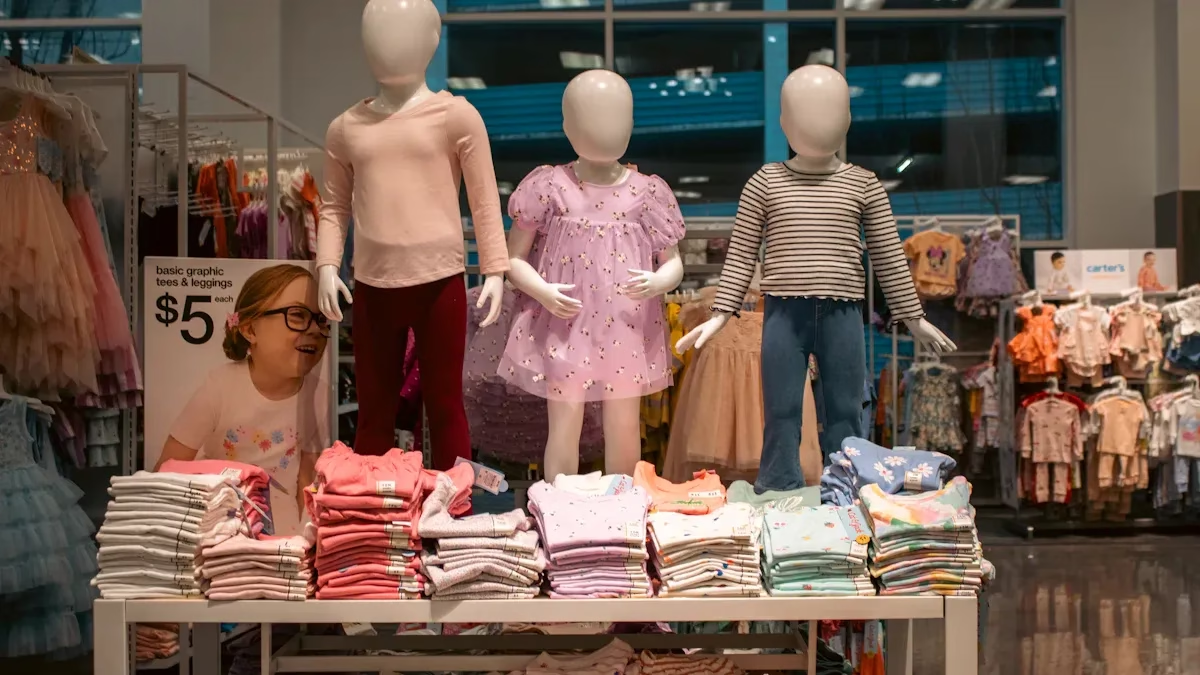
Choisir le mauvais fabricant de vêtements pour bébés peut nuire à votre marque. Il peut également vous faire perdre du temps et de l'argent. Vous devez être attentif aux signes avant-coureurs avant d'accepter quoi que ce soit. De nombreux parents souhaitent désormais que chaque fabricant de vêtements fasse preuve d'honnêteté, adopte des pratiques respectueuses de l'environnement et respecte des règles. Un mauvais choix peut amener les gens à avoir une mauvaise opinion de votre entreprise. Il peut également ralentir la croissance de votre entreprise. Utilisez cette liste de contrôle pour vous aider à bien choisir et à trouver le bon fabricant de vêtements. Vérifiez chaque fabricant de près, comme vous le feriez avec des partenaires de confiance tels que petelulu.
Principaux enseignements
Contenu
- 1 Principaux enseignements
- 2 Manque de transparence des fabricants de vêtements pour bébés
- 3 Certifications et conformité manquantes
- 4 Mauvaise communication de la part du fabricant de vêtements
- 5 Des prix peu clairs et des coûts cachés
- 6 Échantillons de faible qualité ou pas d'échantillons proposés
- 7 Inexpérience ou antécédents
- 8 Prix irréalistes de la part du fabricant
- 9 Pas de traçabilité ni d'approvisionnement éthique
- 10 Manque de solutions de fabrication flexibles
- 11 Pas d'étapes claires de contrôle de la qualité
- 12 FAQ
- 12.1 Quelle est la chose la plus importante à vérifier avant de choisir un fabricant de vêtements pour bébés ?
- 12.2 Comment savoir si un fabricant utilise des pratiques éthiques ?
- 12.3 Pourquoi les échantillons sont-ils importants lorsque l'on travaille avec un nouveau fabricant ?
- 12.4 Que signifie MOQ et pourquoi est-il important ?
- 12.5 Comment éviter les coûts cachés avec un fabricant de vêtements pour bébés ?
Assurez-vous toujours de l'honnêteté de votre fabricant. Demandez d'où viennent les matériaux. Demandez comment les vêtements sont fabriqués. Vous saurez ainsi qu'ils sont sûrs et équitables.
Rechercher certifications importantes comme GOTS et OEKO-TEX. Ces normes montrent que le fabricant respecte les règles de sécurité et de qualité.
Une bonne communication est très importante. Choisissez un fabricant qui répond rapidement et clairement à vos questions. Vous éviterez ainsi les erreurs.
Demander des échantillons avant d'acheter un lot. Cela vous permet de vérifier la qualité et la coupe des vêtements. Vous pouvez voir si les vêtements répondent à vos critères.
Méfiez-vous des prix très bas. Si une offre semble trop bonne, elle peut être synonyme de mauvaise qualité ou de pratiques déloyales.
Manque de transparence des fabricants de vêtements pour bébés
L'importance de la transparence
Il est important de connaître chaque étape de la fabrication des vêtements pour bébés. La transparence permet de voir d'où viennent les vêtements et comment ils sont fabriqués. Elle permet également de savoir qui les fabrique. De nombreuses marques ont des problèmes parce qu'elles ne savent pas tout cela. À propos de 61% des entreprises de l'habillement ne sait pas où leurs vêtements sont fabriqués. De plus, 76% ne peuvent pas dire où leurs tissus sont tissés, tricotés ou teints. Un grand nombre de 93% ne savent pas d'où provient leur coton. L'ignorance de ces faits peut cacher un travail dangereux, un salaire injuste ou le travail des enfants.
Si vous choisissez un fabricant soucieux de transparence, vous protégez votre marque et vos clients. Vous vous assurez que les travailleurs reçoivent un salaire équitable et que leur lieu de travail est sûr. Vous contribuez également à la protection de l'environnement en vérifiant l'origine des matériaux. Les grandes marques restent proches de leurs fournisseurs. Elles visitent souvent les usines et s'entretiennent avec elles chaque semaine. Cela les aide à fabriquer de meilleurs produits et à maintenir des normes élevées.
La transparence signifie que vous pouvez suivre chaque étape de votre chaîne d'approvisionnement. Vous pouvez vérifier les produits chimiques nocifs, tels que les colorants AZOet s'assurer que tous les matériaux sont sans danger pour les bébés. Les tests et le partage des résultats permettent souvent d'instaurer un climat de confiance avec vos clients.
Comment évaluer la transparence
Pour savoir si un fabricant n'est pas transparent, il suffit de lui poser des questions. Demandez-lui où il fabrique vos vêtements et où il se procure ses tissus. Cherchez à obtenir des réponses claires sur le lieu de fabrication, l'âge des travailleurs et la durée de leur travail. Demandez-lui s'il effectue des tests pour détecter les produits chimiques nocifs et s'il communique les résultats de ces tests.
Un bon fabricant vous montrera ses certificats et vous fera visiter ses usines. Il vous expliquera comment il contrôle la qualité et assure la sécurité des travailleurs. Petelulu, par exemple, donne des détails sur l'origine des matériaux, la fabrication des vêtements et le respect des règles. L'entreprise donne souvent des nouvelles et vous invite à venir voir comment elle travaille. La transparence permet d'éviter les erreurs et de construire une marque forte et honnête.
Conseil : Choisissez toujours un partenaire qui répond à vos questions et vous explique clairement comment il fabrique vos produits.
Certifications et conformité manquantes
Lorsque vous choisissez un fabricant de vêtements pour bébés, vous devez vérifier qu'il possède les bonnes certifications. Ces certificats prouvent que le fabricant respecte des règles strictes en matière de sécurité, de qualité et de travail équitable. Si vous sautez cette étape, votre marque risque d'enfreindre des règles importantes. Cela peut nuire à votre entreprise et mettre les bébés en danger.
Certifications clés à vérifier
Avant de faire confiance à un fabricant, vous devez rechercher les principaux certificats. Les plus connus sont
GOTS (Global Organic Textile Standard): Cela permet de s'assurer que les tissus sont vraiment biologiques et sans danger pour les enfants.
OEKO-TEX Standard 100: Il s'agit de vérifier que chaque partie du vêtement, du fil au bouton, ne contient pas de substances nocives.
BSCI (Business Social Compliance Initiative): Il s'agit de conditions de travail équitables et d'une production de qualité.
Ces certificats protègent votre marque contre les infractions aux règles. Ils vous aident également à répondre à la demande de produits pour bébés sûrs et naturels. Au cours des dix dernières années, Les parents sont de plus en plus nombreux à vouloir des produits certifiés biologiques pour bébés. Environ 40% des parents pensent que les produits naturels sont plus sûrs pour les bébés que les produits ordinaires.
Petelulu en est un bon exemple. L'entreprise possède les certificats GOTS, OEKO-TEX et BSCI. Cela prouve qu'elle se soucie d'une production sûre, équitable et de haute qualité.
Vérification du respect des normes
Vous devez vous assurer que le fabricant possède réellement ces certificats. Demandez des preuves et vérifiez que chaque certificat est réel. Dans certains pays, comme l'Australie, l'absence de certificats peut conduire à l'écoblanchiment. Cela signifie que les entreprises peuvent mentir et affirmer que leurs produits sont biologiques ou sûrs. Sans vérification, vous pourriez vendre des produits qui ne sont pas sûrs.
Demandez au fabricant de vous montrer ses certificats. Vérifiez s'il respecte toutes les règles de sécurité et de qualité lors de la fabrication des vêtements. Les bons partenaires, comme petelulu, présenteront toujours une preuve claire de conformité. Cela vous permet d'éviter les grosses erreurs et de garantir la sécurité des bébés.
Conseil : Vérifiez toujours les certificats et la conformité avant de commencer à fabriquer des produits. Cela garantit la sécurité de votre marque et aide les clients à vous faire confiance.
Mauvaise communication de la part du fabricant de vêtements

Signes de problèmes de communication
Il est important de noter mauvaise communication à un stade précoce. Si vous attendez trop longtemps les réponses, vos commandes risquent d'être en retard. Parfois, il n'y a pas de réponse aux courriels. D'autres fois, les réponses ne correspondent pas à vos questions. Vous pouvez recevoir des mises à jour difficiles à comprendre. Parfois, vous ne recevez aucune mise à jour. Ce sont là des signes d'alerte.
Vous devez également remarquer si les réunions sont refusées. Si vous ne pouvez pas parler à quelqu'un, il est difficile de résoudre les problèmes. Cela peut entraîner des erreurs dans vos commandes. Vous risquez de recevoir les mauvaises tailles ou les mauvaises couleurs. Votre marque peut avoir mauvaise presse si vous ne pouvez pas résoudre les problèmes rapidement.
Conseil : si vous vous sentez ignoré ou confus, changez de fabricant.
Des solutions pour une meilleure communication
Vous pouvez éviter de nombreux problèmes en choisissant un fabricant qui parle bien. Demandez-lui comment il vous tiendra au courant pendant la production. Les bons fabricants utilisent des moyens de communication clairs. Ils répondent rapidement aux questions et donnent des informations régulières.
Demandez une personne de contact principale. Vous obtiendrez ainsi des réponses rapides. Vous pouvez également demander des appels vidéo ou des visites à l'usine. Ces démarches vous permettent de leur faire confiance et de vérifier vos produits. Petelulu, par exemple, fournit une aide rapide et des réponses claires. Il vous tient informé du début à la fin.
Si vous voulez bonne qualité et commandes facilesChoisissez un partenaire qui se soucie de discuter avec vous. Cela vous permettra d'éviter les erreurs et de préserver la solidité de votre entreprise.
Des prix peu clairs et des coûts cachés
Les risques d'une tarification imprécise
Vous devez veiller à ce que les prix ne soient pas clairs lorsque vous choisissez un fabricant de vêtements. Si vous n'obtenez pas une liste de prix claire, vous risquez d'être confronté à des coûts cachés par la suite. Certains fabricants vous proposent un prix de départ bas, mais ajoutent des frais supplémentaires pour les étiquettes, l'emballage ou les commandes urgentes. Vous pouvez également voir des conditions de paiement ou des méthodes de paiement suspectes. Ces éléments peuvent mettre votre argent en péril et compliquer le suivi de vos dépenses.
Si vous rencontrez des fournisseurs qui ne vous proposent pas de devis, soyez prudent. Il se peut qu'ils essaient de modifier le prix après que vous avez accepté de travailler avec eux. Cela peut nuire à votre budget et rendre votre planification difficile. Vous risquez également d'obtenir des produits de moindre qualité si vous ne savez pas pour quoi vous payez. Demandez toujours une ventilation complète des coûts avant de signer un contrat.
Garantir la transparence des coûts
Vous pouvez protéger votre entreprise en vous assurant que le fabricant vous donne une tarification claire. Demandez un devis détaillé qui énumère tous les coûts, tels que les matériaux, la main-d'œuvre, les frais d'expédition et les services supplémentaires. Les bons fabricants vous indiqueront d'emblée tous les frais. Il ne cachera rien et ne modifiera pas le prix par la suite.
Certaines marques, comme Visionise, vous permettent de parler directement à l'usine ou se rendre sur place. Cela vous permet de voir comment ils fixent leurs prix et d'instaurer un climat de confiance. AS Colour demande aux usines de respecter un code de conduite qui favorise la transparence de la chaîne d'approvisionnement. Cela signifie que vous savez où va votre argent et comment il affecte la qualité. L'établissement des coûts selon la méthode du livre ouvert est également de plus en plus courant. Cela vous permet de connaître les coûts réels de la main-d'œuvre et des matériaux, afin de négocier des prix équitables.
Si vous constatez des conditions ou des méthodes de paiement douteuses, posez des questions. Un bon fabricant de vêtements expliquera toujours ses prix et ses règles de paiement. Cela vous permet d'éviter les coûts cachés et de préserver la sécurité de votre entreprise.
Conseil : Obtenez toujours un devis clair et écrit avant de commencer. Cela protège votre budget et vous permet d'obtenir la qualité que vous souhaitez.
Échantillons de faible qualité ou pas d'échantillons proposés
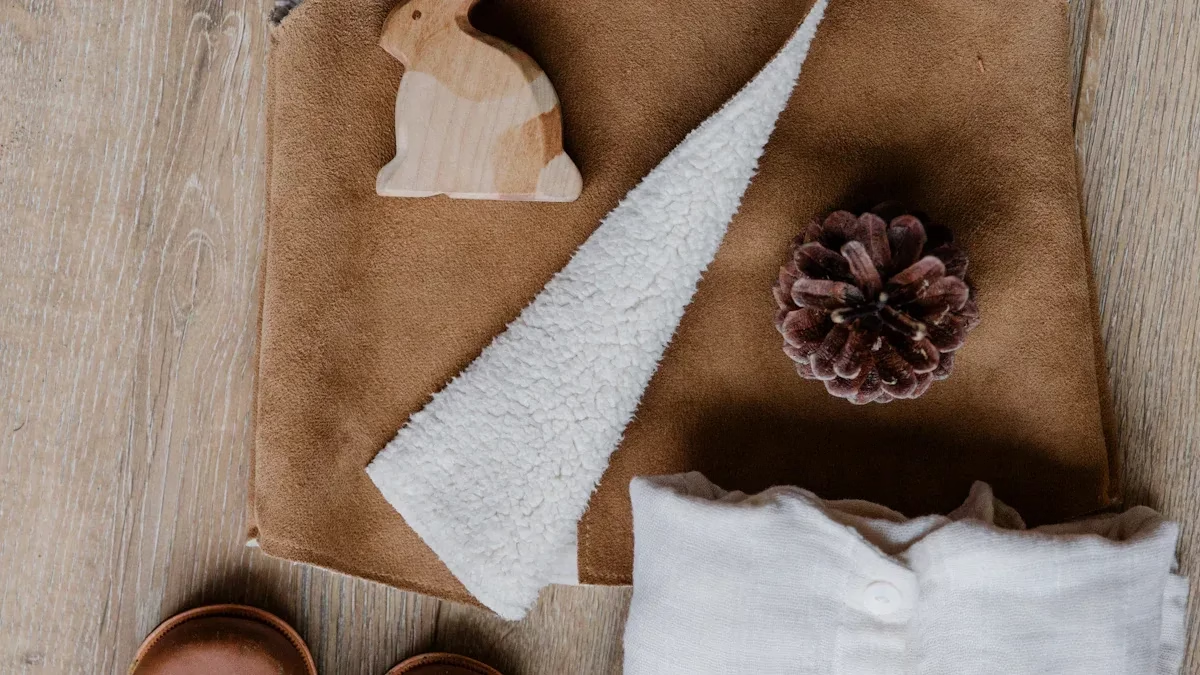
Pourquoi les échantillons sont essentiels
Vous devez voir et toucher un échantillon avant de faire confiance à un fabricant de vêtements pour bébés. Les échantillons permettent de voir le tissu, les coutures et la coupe réels. Ils vous permettent de vérifier si les vêtements sont sûrs et confortables pour les bébés. Lorsque vous demandez un échantillon, vous pouvez tester la douceur et la résistance de la matière. Vous pouvez également vérifier si les couleurs correspondent à votre marque.
Les échantillons initiaux jouent un rôle essentiel dans la qualité globale de la production de vêtements pour bébés. Lorsque vous utilisez des paquets techniques et des échantillons de haute qualité, vous facilitez les échanges avec le fabricant. Cela réduit les erreurs et vous permet d'obtenir les produits que vous souhaitez. Le contrôle de la qualité au cours de la phase d'échantillonnage vous permet de tester et d'apporter des modifications à un stade précoce. Cette étape a un impact important sur la qualité finale de vos produits.
Si vous sautez l'étape de l'échantillonnage, vous risquez d'obtenir des vêtements qui ne répondent pas à vos besoins. Certains fabricants qui n'offrent pas d'échantillons peuvent cacher des problèmes ou utiliser des matériaux de qualité inférieure. Vous risquez d'être confronté à des retards ou à des coûts supplémentaires si vous découvrez des problèmes après le début de la production.
Conseil : Toujours demander un échantillon avant de passer une commande importante. Vous protégez ainsi votre marque et vos clients.
Évaluation de la qualité de l'échantillon
Vous devez examiner attentivement chaque échantillon que vous recevez. Vérifier les coutures à la recherche de fils lâches ou de lignes irrégulières. Touchez le tissu pour voir s'il est souple et solide. Testez les fermetures, telles que les boutons ou les fermetures à glissière, pour vous assurer qu'elles fonctionnent bien. Lavez l'échantillon pour voir s'il conserve sa forme et sa couleur.
Investir dans des vêtements de qualité vous permet d'éviter des échecs coûteux. Il facilite le processus d'échantillonnage et permet d'obtenir de meilleurs produits. Si un fabricant refuse d'envoyer un échantillon ou envoie un échantillon de mauvaise qualité, vous devez y voir un signal d'alarme.
Un bon échantillon montre que le fabricant est soucieux de la qualité et qu'il souhaite établir une relation de confiance avec vous. Vous pouvez utiliser une liste de contrôle pour comparer les échantillons de différents fournisseurs. Cela vous aidera à choisir le meilleur partenaire pour votre marque.
Note : Ne passez jamais à côté de l'examen de l'échantillon. C'est votre meilleur outil pour vérifier la qualité avant la production en série.
Inexpérience ou antécédents
L'importance de l'expérience
Vous voulez que votre marque de vêtements pour bébés réussisse. Le choix d'un fabricant de vêtements doté d'une solide expérience vous aidera à atteindre cet objectif. L'expérience signifie que l'équipe sait comment gérer les problèmes. Elle connaît les meilleurs moyens de fabriquer des vêtements sûrs et de grande qualité pour les bébés. Lorsque vous travaillez avec un partenaire expérimenté, vous commettez moins d'erreurs et vous obtenez des solutions plus rapides.
Un fabricant présent depuis de nombreuses années dans le secteur a relevé de nombreux défis. Il sait comment respecter des règles de sécurité strictes. Il peut vous aider à éviter les problèmes courants, tels que les pénuries de tissu ou les retards. Vous bénéficiez également de conseils sur la conception, les matériaux et la production. Ce soutien contribue au développement de votre marque.
Petelulu est un bon exemple. Avec plus de 17 ans d'expérience, ils ont su gagner la confiance de nombreuses marques. Leur longue expérience montre qu'ils sont capables de fournir des produits de qualité et de respecter les délais. Vous pouvez vous sentir en confiance lorsque vous choisissez un tel partenaire.
Conseil : Demandez toujours depuis combien de temps un fabricant est en activité. Plus d'années signifie souvent plus de connaissances et de meilleurs résultats.
Comment vérifier l'historique du fabricant
Vous devez vérifier les antécédents de tout fabricant avant de commencer à travailler ensemble. Commencez par consulter leur site web. Les entreprises les plus expérimentées partagent leur histoire et présentent leurs réalisations. Vous pouvez également consulter les avis d'autres marques. Ces avis vous indiquent si l'entreprise tient ses promesses.
Demandez une liste d'anciens clients ou des études de cas. Un bon fabricant donnera des exemples de son travail. Vous pouvez également vérifier s'il a remporté des prix ou s'il détient des certificats importants. Ces signes montrent qu'il a un passé solide.
Si vous voulez une preuve supplémentaire, demandez à visiter l'usine. Vous pourrez voir comment ils travaillent et rencontrer l'équipe. Cette visite vous aidera à déterminer si l'entreprise convient à votre marque.
Remarque : une courte expérience ou peu d'informations sur les travaux antérieurs constituent un signal d'alarme. Choisissez un partenaire dont l'expérience est avérée pour protéger votre entreprise.
Prix irréalistes de la part du fabricant
Repérer les offres trop belles pour être vraies
Vous pouvez être enthousiaste lorsque vous voyez les prix très bas d'un fabricant de vêtements. Ces offres peuvent sembler être un bon moyen d'économiser de l'argent. Cependant, vous devez réfléchir avant d'accepter. Les prix qui semblent trop beaux pour être vrais cachent souvent de gros problèmes.
Des prix extrêmement bas conduisent souvent à des vêtements de mauvaise qualité.
Les pratiques d'exploitation de la main-d'œuvre sont courantes dans la production de vêtements bon marché.
Vous remarquerez peut-être que certains fabricants promettent une livraison rapide et des coûts peu élevés. C'est un signe de mode rapide. La mode rapide consiste à fabriquer des vêtements rapidement et à les vendre à bas prix. Pour ce faire, les entreprises ont souvent recours à des usines situées à l'étranger. les pays dont la législation du travail est peu contraignante. Les travailleurs de ces lieux peuvent être confrontés à de longues heures de travail, à des conditions dangereuses et à des salaires très bas. Parfois, des enfants travaillent dans ces usines. Ces problèmes surviennent parce que l'objectif est de maintenir les prix à un niveau bas.
Remarque : si un prix semble beaucoup plus bas que les autres, posez des questions. Les prix bas peuvent signifier que quelqu'un d'autre paie le coût réel.
Équilibrer le coût et la qualité
Vous souhaitez maintenir vos coûts à un niveau bas, mais vous voulez aussi des vêtements pour bébés sûrs et de qualité. Le mieux est de trouver un équilibre. Ne choisissez pas l'offre la moins chère sans vérifier comment le fabricant travaille. Renseignez-vous sur les matériaux utilisés, les contrôles de sécurité et la manière dont les travailleurs sont traités.
A bon fabricant vous expliquera ses prix. Ils vous montreront comment ils maintiennent un niveau de qualité élevé et traitent les travailleurs de manière équitable. Vous pouvez demander la preuve que les conditions de travail sont sûres et que les salaires sont équitables. Vous éviterez ainsi de soutenir de mauvaises pratiques et protégerez votre marque.
Vous pouvez utiliser un tableau pour comparer les offres :
Prix fabricant | Contrôles de qualité | Conditions de travail |
|---|---|---|
Très faible | Rare | Inconnu |
Juste | Régulière | Sûr |
Choisissez un partenaire qui vous donne des réponses claires et des prix justes. Cela vous aidera à construire une marque forte et honnête.
Pas de traçabilité ni d'approvisionnement éthique
Importance de la traçabilité
Il est important de savoir d'où viennent vos produits. La traçabilité permet de suivre chaque étape de la fabrication des vêtements pour bébés. Vous voyez comment les matières premières deviennent des vêtements finis. Si un fabricant n'assure pas la traçabilité, vous risquez d'obtenir des produits fabriqués dans des endroits peu sûrs. Il peut également y avoir des problèmes de qualité et de sécurité.
La traçabilité présente de nombreux avantages :
Vous pouvez vérifier si le fabricant de vêtements utilise des usines sûres.
Vous pouvez vous assurer que tous les matériaux ne contiennent pas de produits chimiques nocifs.
Vous pouvez prouver que vos produits sont des options vestimentaires réellement durables.
De nombreux parents veulent des marques qui se soucient des gens et de la planète. Ils veulent des informations claires sur la façon dont les vêtements sont fabriqués. En optant pour la traçabilité, vous instaurez un climat de confiance avec vos clients. Vous protégez également votre marque contre les scandales et les rappels.
L'approvisionnement éthique permet à votre marque de se démarquer. Vous montrez que vous vous souciez des travailleurs et de l'environnement. Cela peut inciter un plus grand nombre de personnes à choisir vos produits. Vous répondez également au besoin croissant de vêtements pour bébés sûrs et éthiques.
L'approvisionnement éthique rend votre chaîne d'approvisionnement plus ouverte.
Il vous aide à respecter des règles importantes et à instaurer un climat de confiance avec les acheteurs.
Vous pouvez montrer que vous vous souciez de la durabilité, ce qui renforce votre marque.
Petelulu en est un bon exemple. L'entreprise utilise tissus biologiques et recyclés. Ils donnent des détails sur leur approvisionnement et leur production. Vous pouvez consulter leurs certificats et en savoir plus sur leurs usines. Cette ouverture vous permet d'être sûr de votre choix.
Évaluer les pratiques éthiques
Vous devez vérifier si un fabricant suit des pratiques éthiques. Commencez par lui poser des questions sur ses normes d'approvisionnement et de travail. Les bons fabricants vous feront part de leur code de conduite et vous permettront de visiter leurs usines. Ils vous apporteront également la preuve que les conditions de travail sont sûres.
Voici quelques moyens de vérifier les pratiques éthiques :
Demandez des audits réguliers pour vérifier l'équité du traitement et la sécurité du lieu de travail.
Établissez des relations à long terme avec vos usines. Cela vous permet de collaborer à l'amélioration des pratiques.
Rechercher l'amélioration. Les bons fabricants cherchent toujours à s'améliorer.
La visibilité de la chaîne d'approvisionnement vous donne des informations réelles sur l'approvisionnement et la production. Cela vous aide à faire des choix judicieux et à éviter les risques. Lorsque vous choisissez un fabricant comme petelulu, vous obtenez des réponses claires et des normes éthiques strictes. Vous pouvez être sûr que vos produits sont sûrs pour les bébés et bons pour la planète.
Conseil : Demandez toujours une preuve d'approvisionnement éthique et de traçabilité avant de commencer à travailler avec un nouveau fabricant.
Manque de solutions de fabrication flexibles
L'importance de la flexibilité
Vous avez besoin d'un fabricant capable de s'adapter à vos besoins. Une fabrication flexible vous permet de suivre l'évolution du marché. Si vous souhaitez essayer de nouveaux modèles ou lancer une petite collection, vous ne devriez pas avoir à acheter des milliers d'articles. De nombreuses nouvelles marques se heurtent à l'impossibilité de respecter des quantités minimales de commande élevées. Cela signifie qu'elles gaspillent de l'argent et qu'elles ont des stocks supplémentaires qu'elles ne peuvent pas vendre.
La souplesse de fabrication vous permet de commencer par de petites commandes. Vous pouvez tester différents styles et voir ce que vos clients aiment. Si un produit ne se vend pas bien, vous ne perdez pas beaucoup d'argent. Lorsque vous trouvez un modèle que les gens apprécient, vous pouvez commander davantage. De cette manière, vous développez votre marque lentement et en toute sécurité.
Les fabricants qui proposent des services OEM et ODM vous offrent davantage de choix. Vous pouvez créer vos propres modèles ou choisir parmi ceux qui sont prêts à l'emploi. Petelulu, par exemple, prend en charge les deux options et propose des QMV peu élevés. Il vous est ainsi plus facile de commencer à vendre et de développer votre marque.
S'adapter aux besoins de la marque
Chaque marque est unique. Vous pouvez souhaiter des tissus spéciaux, des imprimés sympas ou étiquettes personnalisées. Un bon fabricant écoute vos idées et vous aide à les concrétiser. Il ne vous oblige pas à suivre des étapes strictes. Au contraire, il travaille avec vous pour trouver la meilleure solution.
Voici comment la fabrication flexible aide les petites et nouvelles marques :
Bénéfice | Explication |
|---|---|
Il vous permet de produire de petites quantités, ce qui vous fait courir moins de risques et vous permet d'essayer de nouveaux modèles. | |
Des processus rationalisés | Il vous aide à obtenir des produits plus rapidement, ce qui vous permet de réagir rapidement aux tendances et aux demandes des clients. |
Pratiques de production éthiques | Il soutient votre souhait d'utiliser des matériaux respectueux de l'environnement et une main-d'œuvre équitable, ce qui tient à cœur à de nombreux parents. |
Lorsque vous choisissez un fabricant comme petelulu, vous bénéficiez d'une aide pour les petites et les grandes commandes. Vous pouvez modifier vos modèles au fur et à mesure que votre marque se développe. Cette flexibilité vous permet de tester des idées et de tirer votre épingle du jeu sur le marché très actif de la mode enfantine.
Conseil : Avant de choisir un fabricant, posez toujours des questions sur les quantités minimales et la personnalisation. Des solutions flexibles permettent à votre marque de se démarquer.
Pas d'étapes claires de contrôle de la qualité
Risques liés à un contrôle de qualité insuffisant
Vous devez savoir comment votre fabricant de vêtements contrôle chaque produit. Si vous ne voyez pas clairement les étapes du contrôle de la qualité, vous risquez de nombreux problèmes. Les vêtements peuvent présenter des fils lâches, des coutures défectueuses ou des boutons mal fixés. Ces défauts peuvent entraîner des retours, des plaintes, voire des rappels. Vous risquez de perdre de l'argent et de la confiance si les parents découvrent des articles dangereux dans votre gamme.
L'absence de contrôle de la qualité peut également se traduire par des tailles qui ne correspondent pas, des couleurs qui s'estompent ou des impressions qui se décollent. Les résultats peuvent varier d'un lot à l'autre. Il est donc difficile de créer une marque forte. Vous voulez que chaque article ait la même apparence et la même sensation. Si vous ne tenez pas compte de ces risques, vous risquez d'avoir des clients mécontents et de nuire à votre réputation.
Conseil : Demandez toujours à votre fabricant de vous montrer ses processus de contrôle de la qualité avant de commencer à travailler ensemble.
Garantir des normes cohérentes
Vous pouvez protéger votre marque en vous assurant que votre fabricant effectue un contrôle qualité rigoureux à chaque étape. Commencez par demander une description détaillée des contrôles effectués. Les bons fabricants testent les tissus avant de les couper. Ils vérifient les coutures pendant la couture. Ils inspectent les vêtements finis avant de les emballer.
Voici quelques étapes à suivre :
Inspection du tissu pour détecter les défauts ou les taches
Contrôle des mesures pour chaque taille
Tests de résistance des coutures
Contrôles de sécurité des fixations et des garnitures
Examen final avant expédition
Vous pouvez également demander des rapports ou des photos de chaque étape. Certaines marques, comme petelulu, utilisent un contrôle de qualité à plusieurs niveaux pour maintenir des normes élevées. Cela signifie que vous obtenez des produits sûrs et fiables à chaque fois.
Si vous voulez instaurer la confiance, vous devez choisir un fabricant de vêtements qui se soucie du contrôle de la qualité. Cela vous aidera à fournir à vos clients des vêtements sûrs et beaux.
Vous protégez votre marque lorsque vous détectez les problèmes à temps. Une bonne communication permet d'éviter les grosses erreurs. Certificats clairs montrent que le fabricant respecte des règles importantes. L'approvisionnement éthique signifie qu'il se soucie des travailleurs et de la planète. Utilisez une liste de contrôle pour vous aider à choisir le bon fabricant. Soyez attentif à ces signes d'alerte :
Des prix qui semblent trop bas ou des règles de paiement étranges
Mauvaise communication ou manque d'expérience
Ne pas être ouvert ou avoir des problèmes avec les contrôles de qualité
Rencontrez chaque fabricant de vêtements en personne. Demandez des échantillons pour vous rendre compte de la qualité. Vérifiez s'ils respectent toutes les règles. Des partenaires de confiance comme petelulu facilitent le choix et le rendent plus sûr.
FAQ
Quelle est la chose la plus importante à vérifier avant de choisir un fabricant de vêtements pour bébés ?
Vous devez rechercher des certificats et des contrôles de qualité clairs. Ils montrent que le fabricant se soucie de la sécurité et des normes élevées.
Comment savoir si un fabricant utilise des pratiques éthiques ?
Demandez la preuve d'un approvisionnement éthique et de contrôles réguliers. Les bons fabricants partagent leur code de conduite. Ils vous permettent de visiter leurs usines pour voir comment les travailleurs sont traités.
Pourquoi les échantillons sont-ils importants lorsque l'on travaille avec un nouveau fabricant ?
Les échantillons vous permettent de vérifier le tissu, les coutures et la coupe. Vous pouvez tester la qualité avant de commander un grand nombre d'articles. Cette étape garantit la sécurité de votre marque et de vos clients.
Que signifie MOQ et pourquoi est-il important ?
MOQ signifie Minimum Order Quantity (quantité minimale de commande). Elle indique le plus petit nombre de produits que vous devez acheter. Les quantités minimales de commande permettent aux nouvelles marques d'essayer des produits sans trop dépenser.
Demandez un devis complet avant d'accepter quoi que ce soit. Assurez-vous que le prix couvre tous les coûts, tels que les matériaux, la main-d'œuvre et les frais d'expédition. Cela vous aidera à planifier votre budget.