
Top 5 Hypoallergenic Fabrics for Newborn Clothing
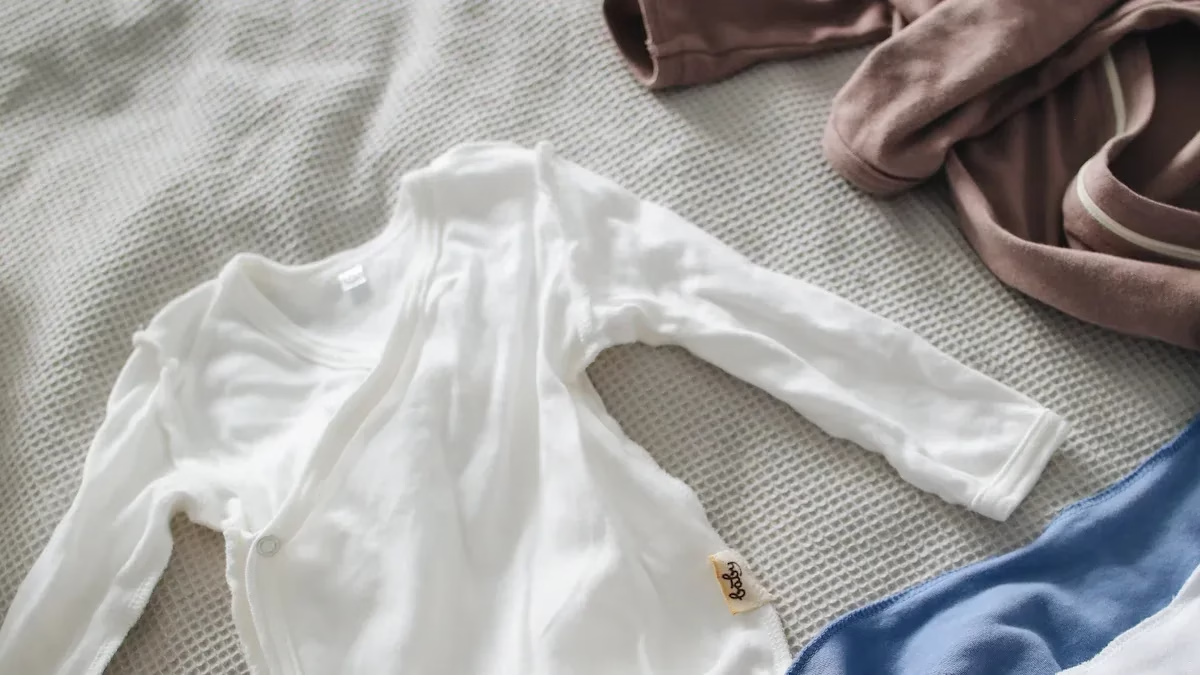
I always suggest Hypoallergenic Fabrics for newborns. The best ones are organic cotton, bamboo, organic merino wool, Tencel™ Lyocell, and microfiber. These fabrics help keep delicate skin safe from irritation and allergies. I trust Petelulu for eco-friendly baby clothes because they care about safety and comfort in every item.
Key Takeaways
Contents
- 1 Key Takeaways
- 2 Why Hypoallergenic Fabrics Matter
- 3 Organic Cotton in Baby Clothing
- 4 Bamboo Viscose for Sensitive Skin
- 5 TENCEL™ Lyocell in Hypoallergenic Clothing
- 6 Merino Wool for Newborns
- 7 Modal Fabric in Baby Clothing
- 8 Comparing Top Hypoallergenic Fabrics
- 9 Caring for Hypoallergenic Baby Clothing
- 10 FAQ
Pick hypoallergenic fabrics such as organic cotton and bamboo for newborn clothes. These fabrics help protect sensitive skin. They lower the chance of rashes and allergies.
Always look for safety labels like GOTS and OEKO-TEX when you buy baby clothes. These labels show the fabrics do not have harmful chemicals.
Wash hypoallergenic baby clothes with gentle soap. Do not use fabric softeners. This keeps the fabric soft and safe for your baby’s skin.
Why Hypoallergenic Fabrics Matter
Newborn Skin and Allergies
Newborn skin is much thinner than adult skin. It is about five times thinner. This means it absorbs things more easily. It also reacts fast to things that bother it. Even a little bit of harsh chemicals or rough fabric can hurt. Babies can get red skin, rashes, or peeling. Hypoallergenic fabrics are natural and let skin breathe. They help keep skin dry and comfy. These fabrics lower the chance of allergies. Allergies can look like red spots, chafing, or eczema.
Common Fabric Irritants
Not all cotton is safe for babies. Some cotton has polyester or other fake fibers mixed in. These can trap heat and sweat. Babies may sweat and get rashes. Chemical dyes and finishes can smell bad. They can also bother the skin. Polyester blends and rough wool can feel scratchy. They are not good for newborns. Picking hypoallergenic fabrics helps you avoid these problems.
Tip: Always read labels for certified organic or OEKO-TEX fabrics. This helps you get real hypoallergenic protection.
Benefits of Hypoallergenic Clothing
I pick hypoallergenic clothes for newborns for many reasons:
They do not have pesticides, heavy metals, or strong dyes.
They use natural fibers like cotton and bamboo.
These fibers are soft and let skin breathe.
They stop skin from getting too warm or wet.
This helps prevent rashes.
They give extra protection for soft skin.
When I choose certified, eco-friendly hypoallergenic fabrics, I protect my baby. I also help the planet. Petelulu cares about safety and the earth. This makes it easy for parents to pick what is best for their kids.
Organic Cotton in Baby Clothing
Hypoallergenic Benefits
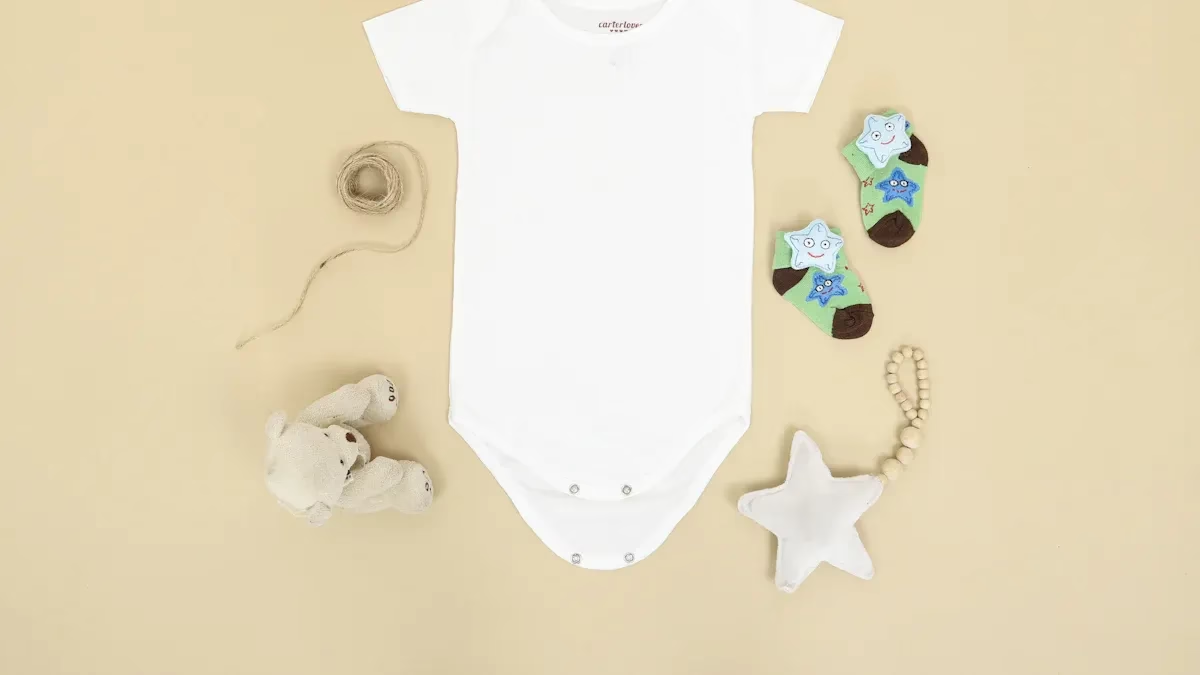
I always suggest organic cotton for newborns. This fabric is soft and gentle. Babies get fewer rashes when they wear it. A study in Pediatrics in 2021 found that babies wearing organic cotton had 40% less contact dermatitis than those in regular cotton. This shows organic cotton protects sensitive skin. Organic cotton does not have fake chemicals. It lowers the chance of allergies and skin problems. I trust organic cotton because it keeps babies safe and comfy.
Note: Organic cotton lets air move through the fabric. This stops babies from getting too hot and keeps their skin dry.
Petelulu’s Organic Cotton Standards
I pick Petelulu for organic cotton baby clothes. They follow strict safety rules. Their organic cotton has important certifications. These show the fabric is safe for newborns and made the right way.
Certification | Guarantees |
|---|---|
GOTS | Makes sure the process is good for the earth and people, with no bad chemicals or unfair work. |
OEKO-TEX | Proves the fabric is safe for babies and has no harmful stuff. |
BSCI | Shows the company treats workers fairly and keeps them safe. |
Petelulu’s organic cotton grows without pesticides or strong chemicals. This is a smart choice for babies with sensitive skin.
Best Uses for Newborns
I use organic cotton for many baby clothes. Bodysuits, onesies, and sleep sacks made from organic cotton are soft and let skin breathe. I also choose organic cotton for swaddles and blankets. These touch the skin all day. Organic cotton keeps babies warm and helps stop skin problems. I suggest organic cotton for daily clothes and special outfits. Parents can wash organic cotton easily and keep it clean. I trust organic cotton to help newborns have a great start.
Bamboo Viscose for Sensitive Skin
Natural Hypoallergenic Properties
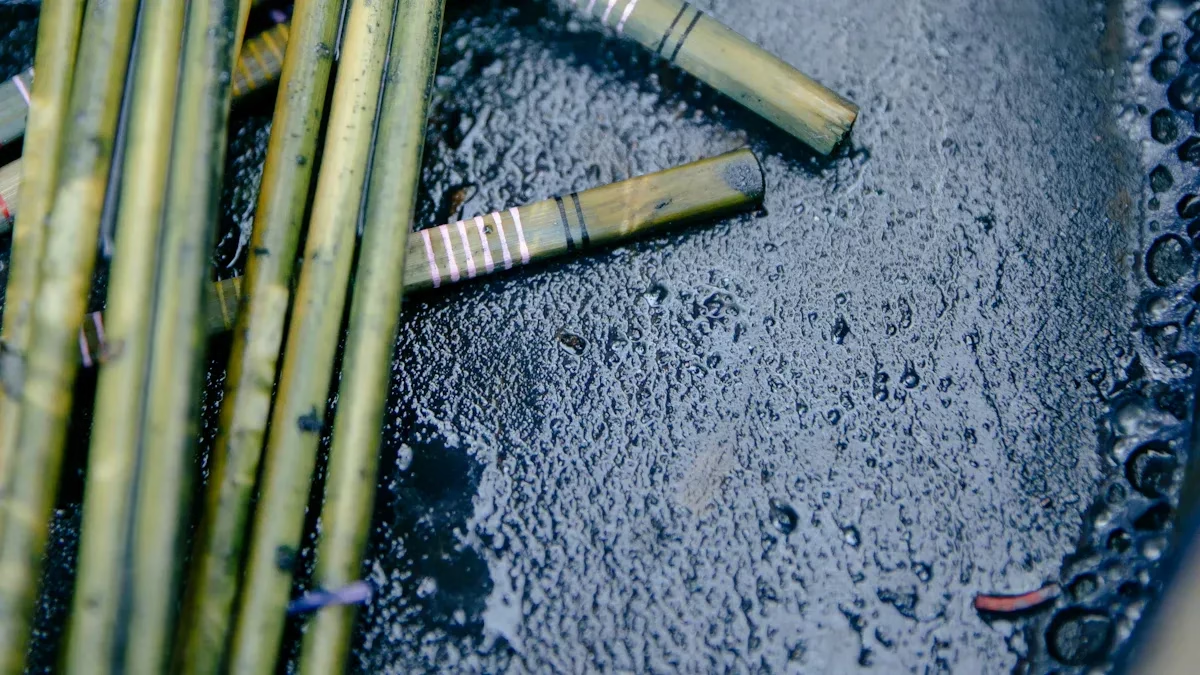
I think bamboo viscose is great for babies with sensitive skin. Bamboo viscose has special hypoallergenic features. In 2011, a study found bamboo has lignin. Lignin gives bamboo antibacterial strength. This helps stop skin irritation in newborns. Bamboo fibers keep most of their antibacterial power after many washes. This means the fabric stays fresh and does not smell bad. Bamboo viscose also has a smooth surface. In 2022, research showed this helps lower rubbing. Babies with eczema or psoriasis feel better in it.
Tip: Bamboo viscose is soft and gentle. It is a good pick for babies who need extra care.
Comfort and Breathability
Bamboo viscose feels softer than most other fabrics I have tried. Its smooth feel helps stop chafing. Bamboo viscose lets air pass through, so babies stay cool. Cotton can hold water, but bamboo viscose dries fast. It keeps skin dry. I use bamboo viscose for sleepwear and swaddles. It helps babies sleep well. The fabric lets air in and moves sweat away. This keeps babies cool and comfy all night.
Petelulu’s Bamboo Baby Clothing
I trust Petelulu for bamboo baby clothes. They use top-quality bamboo viscose with hypoallergenic features. Petelulu follows strong safety rules:
Petelulu picks soft bamboo viscose for allergy safety.
Their bamboo baby clothes meet OEKO-TEX Standard 100. This means they do not have harmful stuff.
I pick Petelulu’s bamboo viscose for newborns who need safe, gentle, and airy clothes.
TENCEL™ Lyocell in Hypoallergenic Clothing
Skin-Friendly Features
I suggest TENCEL™ Lyocell for babies with sensitive skin. This fabric feels very soft and smooth. Babies feel good wearing it all day. Studies show TENCEL™ Lyocell is softer than cotton. It helps stop skin irritation. The fibers soak up moisture and keep skin dry. Babies get fewer rashes when they wear this fabric. TENCEL™ Lyocell also fights bacteria naturally. This helps lower skin problems. Safety is important to me. TENCEL™ Lyocell has OEKO-TEX® Standard 100 Class I certification. This means it is safe for baby products.
Feature | Benefit |
|---|---|
Moisture Absorption | 50% better than cotton, holds 14% water but stays dry. |
Temperature Regulation | Special fibers soak up and release moisture, good for humid places. |
Gentleness on Sensitive Skin | Studies show TENCEL™ is softer than cotton, helps stop irritation. |
Antimicrobial Properties | Fights bad bacteria, lowers skin irritation risk. |
Safety Certifications | OEKO-TEX® Standard 100 Class I means it is safe for babies. |
Sustainability and Safety
I pick TENCEL™ Lyocell because it helps the earth. Making it uses less water and energy. The fibers come from trees that grow back. TENCEL™ Lyocell has the EU Ecolabel for being good for the environment. This label shows the fabric meets high standards.
EU Ecolabel for being good for the environment
OEKO-TEX® Standard 100 Class I certification
Ideal Baby Clothing Applications
I use TENCEL™ Lyocell for many baby clothes. The fabric is great for soft sleepers. Babies sleep better in this material. Long-sleeved bodysuits made from TENCEL™ Lyocell feel airy and gentle. Knit swaddles are smooth and keep babies warm.
Application Type | Benefits |
|---|---|
Comfy sleeper | Very soft, made for comfort with fold-over cuffs. |
Long-sleeved bodysuit | Airy and soaks up moisture, feels natural. |
Knit swaddle | Smooth and soft, helps babies feel cozy. |
I trust TENCEL™ Lyocell to keep babies safe, comfy, and happy.
Merino Wool for Newborns
Hypoallergenic Qualities
I suggest Merino wool for babies with sensitive skin. This fiber is gentle and does not often cause problems. Many babies with eczema wear Merino wool and feel fine. Synthetic fabrics can bother skin, but Merino wool is safe. Superfine Merino wool does not make skin itchy. Coarser fibers might, but superfine is better. Reviews say wool is not an allergen. Parents trust it for newborns.
Evidence Type | Description |
|---|---|
Non-Irritant Properties | Merino wool is known as gentle and low risk for sensitive skin. |
Research Findings | Studies show superfine Merino wool does not make skin itchy. |
Allergy Studies | Reviews found no proof that wool causes allergies. |
Merino wool is soft and lets skin breathe.
It is less likely to bother skin than synthetic fabrics.
Temperature Regulation
Merino wool helps babies feel good in any weather. This fiber keeps body temperature steady. Babies stay warm in cold months and cool in hot months. The fabric lets heat out and moves sweat away. Babies stay dry and cozy. This is important for sensitive skin.
Property | Description |
|---|---|
Breathability | Lets extra heat out, stops overheating. |
Moisture-Wicking | Moves sweat away, keeps babies dry and comfy. |
Temperature Regulation | Keeps body temperature steady, stops getting too hot or cold. |
Tip: Merino wool is a great pick for natural fabrics. It works well for sensitive skin all year.
Petelulu’s Merino Wool Options
I trust Petelulu for baby clothes made from Merino wool. They use certified natural fibers only. Petelulu’s Merino wool meets high safety and eco standards. I always look for these certifications:
Certification Type | Description |
|---|---|
BSCI | Business Social Compliance Initiative |
OEKO | OEKO-TEX Standard 100 |
GOTS | Global Organic Textile Standard |
Petelulu cares about safe, gentle fabrics for babies. Their Merino wool clothes are soft and perfect for newborns who need extra care.
Modal Fabric in Baby Clothing
Softness and Breathability
I pick fabrics that are soft and let air in. Modal feels smooth and silky. It is made from beech tree pulp. This makes it soft and gentle for babies. Modal stretches and feels light. Babies feel good in modal, even when it is hot. Air moves through modal, so skin stays cool and dry. Modal soaks up more water than cotton. That is why I like it for baby clothes. Tencel Modal also fights bacteria. This helps stop skin problems for babies with sensitive skin.
Hypoallergenic Advantages
I think modal is great for babies with sensitive skin. It almost never causes itching or red spots. Many parents say their babies feel good in modal. Modal soaks up sweat and keeps skin dry. This helps stop rashes. The smooth surface of modal does not rub or scratch. TENCEL Micro Modal keeps skin dry better than cotton. It helps stop rashes. Modal does not have rough fibers or bad chemicals. That is why it is a top pick for baby clothes. Modal also helps stop bacteria from growing. This lowers the chance of allergies.
Note: Modal is made without strong chemicals. It is safe for babies who need extra care.
Best Modal Clothing for Babies
I suggest different modal clothes for babies. Each type is good for sensitive skin. Here is a simple guide:
Type of Modal Clothing | Pros | Cons |
|---|---|---|
Pure Modal (90–100%) | Very soft, soaks up water, does not pill much. | Costs more; may not hold shape in thick clothes. |
Modal-Cotton Blend (50–80% modal) | Lets skin breathe, strong, feels like cotton, costs less. | Not as soft as pure modal; wrinkles more if it has more cotton. |
Modal-Spandex Blend (5–10% spandex) | Stretches well, fits snug, good for bodysuits. | Not as eco-friendly; may bother very sensitive skin. |
Organic Modal with GOTS Certification | Safe for the earth and people, no bad dyes. | Hard to find; costs more. |
I use pure modal for sleepwear and bodysuits. Modal-cotton blends are good for daily clothes. Organic modal is best for parents who want the safest fabric. Modal clothes keep babies comfy and protect their skin all day.
Comparing Top Hypoallergenic Fabrics
Quick Reference Table
I like to find simple facts when I pick baby clothes. I made a table to show what each fabric does best. It lists features, safety labels, and how to use each one. This makes it easy to see the choices fast. I pick organic fabrics because they are safest for babies.
Fabric Type | Key Features | Certifications | Best Uses for Newborns |
|---|---|---|---|
Organic Cotton | Soft, breathable, hypoallergenic | GOTS, OEKO-TEX, CPSIA | Bodysuits, sleep sacks, swaddles |
Ultra-soft, moisture-wicking | OEKO-TEX, CPSIA | Pajamas, blankets, sleepwear | |
TENCEL™ Lyocell | Smooth, absorbs moisture, eco-friendly | OEKO-TEX, EU Ecolabel | Sleepers, bodysuits, swaddles |
Merino Wool | Gentle, regulates temperature | OEKO-TEX, GOTS, BSCI | Winter wear, hats, blankets |
Modal Fabric | Silky, breathable, absorbs sweat | OEKO-TEX, GOTS | Bodysuits, pajamas, sleepwear |
I always look for GOTS and OEKO-TEX labels. These show the fabric is safe for babies. They mean the fabric meets tough rules.
Choosing the Right Fabric
I pick organic fabrics that fit my baby’s needs. I use organic cotton for daily clothes. It feels soft and keeps skin safe. Bamboo viscose is good for babies who sweat more. It helps control moisture. TENCEL™ Lyocell is smooth and eco-friendly. I use it for soft clothes. Merino wool keeps my baby warm in cold weather. Modal fabric feels silky and is great for sleepwear.
I do not use synthetic fabrics. They hold heat and sweat. I always pick organic fabrics with safety labels. These help me trust the clothes. I choose fabrics that fit the season and my baby’s skin. I use organic fabrics for swaddles, bodysuits, and sleep sacks. I also use them for blankets and hats. I wash organic fabrics with gentle soap. This keeps them soft. I check labels to make sure they are real organic fabrics. I use organic fabrics for every layer my baby wears. I trust them to protect sensitive skin. I rely on them for comfort and safety. I tell other parents to use organic fabrics. I pick organic fabrics for my baby’s first clothes. I use them for gifts. I think organic fabrics are best for newborns.
Caring for Hypoallergenic Baby Clothing
Identifying Certified Fabrics
I always look for trusted labels before I buy baby clothes. These labels help me pick clothes that are safe and do not have plastic. I check tags for GOTS and Oeko-Tex Standard 100. These show the fabric does not have bad chemicals. Here is a simple guide:
Certification | Description |
|---|---|
Oeko-Tex Standard 100 | Checks for more than 100 bad things, making sure every part of the fabric is safe for people. |
Global Organic Textile Standard (GOTS) | Follows the organic status from start to finish, making sure tough rules for the earth and workers are met. |
I trust these labels when I pick clothes for eczema or dermatitis.
Washing and Maintenance Tips
I keep hypoallergenic clothes clean by doing easy things:
I use gentle detergents made for babies with no dyes or smells.
I wash new clothes before my baby wears them to get rid of any sprays.
I use gentle wash cycles and mesh bags for soft items.
I rinse clothes well to wash away leftover soap.
I do not use fabric softeners unless they are gentle and have no smell.
I wash clothes without plastic by themselves to keep them safe.
I use special detergents for clothes for eczema.
Tip: Always read care labels for the best way to wash. This keeps clothes soft and safe.
Signs of Fabric Sensitivity
I watch for signs that a fabric bothers my baby’s skin. I look for red spots, rashes, or peeling. I stay away from rough seams and thick stitching. I pick soft fabrics like muslin, bamboo, or clothes without plastic. I choose clothes that do not have formaldehyde and use plant-based dyes. I pick clothes without plastic and with nickel-free snaps to stop allergies. I always check for GOTS or Oeko-Tex labels to make sure the clothes are safe.
If I see any skin problems, I switch to safe clothes right away.
I pick hypoallergenic fabrics for newborns because they feel very soft. These fabrics let air move through and last a long time. Petelulu is special because it follows world rules and gets good materials. When I look for fabric, I use these tips from experts:
Choose plant-based fabrics that let skin breathe.
Stay away from strong dyes and rough seams.
Make sure the fabric feels good on sensitive skin.
FAQ
What makes hypoallergenic baby clothing different from regular clothing?
I pick hypoallergenic baby clothes because they use natural fibers. These fibers help keep baby skin safe. Regular clothes have chemicals that can bother baby skin.
How often should I wash baby clothing to keep it safe for sensitive skin?
I wash baby clothes after my baby wears them. Clean clothes help stop skin problems. I use gentle soap for every wash to protect baby skin.
Can I use the same clothing for my baby in every season?
I choose baby clothes that fit the weather. Light clothes are best for summer. Warm clothes help my baby stay cozy in winter. I always pick safe clothes for my baby.