
Understanding Flammability Standards for AU Children’s Sleepwear
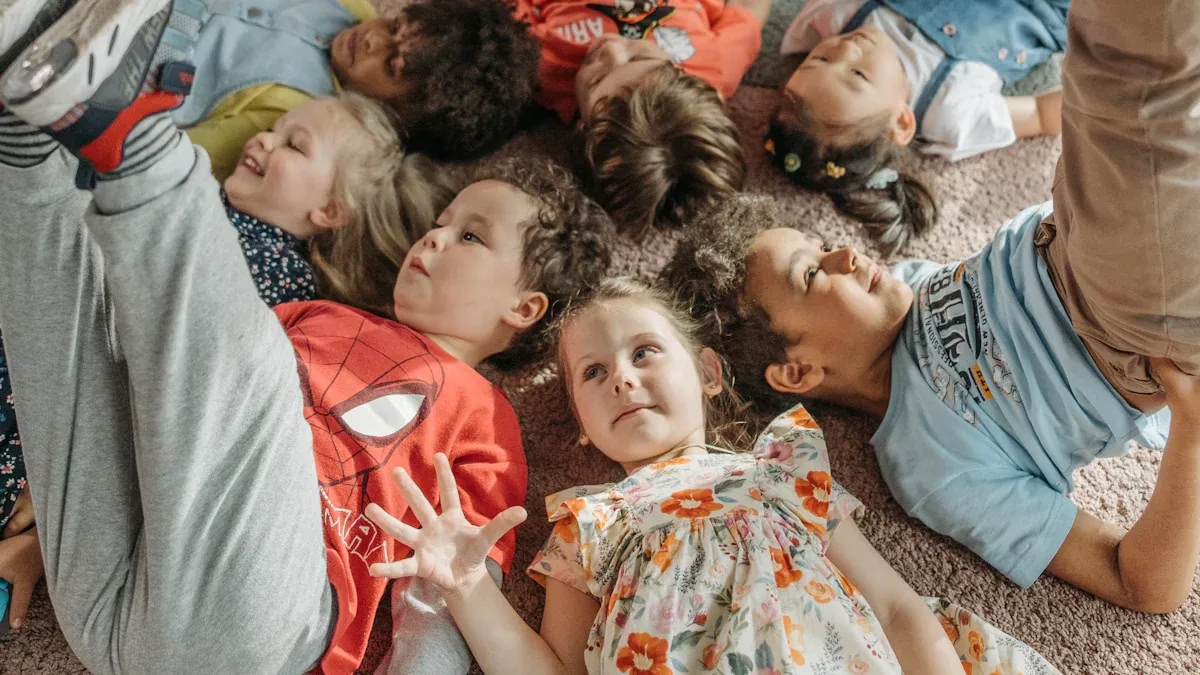
Australia has strong children’s sleepwear regulations in place. These regulations help keep kids safe from fire hazards. It is essential to select nightwear that passes flammability tests. The nightwear must also feature the appropriate fire label. These regulations are crucial because unsafe clothing has previously harmed children. For instance, a flammable jumper caused injuries to an 8-year-old girl.
Some garments lack any fire hazard rating and therefore cannot be sold.
Trusted brands like petelulu provide peace of mind. They exclusively offer safe and approved options for your family.
Key Takeaways
Contents
Always look at the fire hazard label on children’s sleepwear. A white label means there is low fire danger. A red label means there is high fire danger.
Pick sleepwear that follows the AS/NZS 1249:2014 standard. This means the nightwear has passed important fire safety tests.
Choose sleepwear made from eco-friendly materials like organic cotton or bamboo viscose. These fabrics are safer for your child and better for the planet.
Know about banned flame retardants in children’s sleepwear. Pick natural fibres that do not need harmful chemicals to be safe.
Trust well-known brands like Petelulu that follow safety standards. They give you peace of mind with safe and approved sleepwear choices.
Children’s Sleepwear Regulations in Australia
Australia has strict rules for children’s sleepwear. These rules help keep children safe at night. You need to know these rules to protect your child. The government made these standards to lower fire injury risks. These rules guide you to pick safe nightwear and avoid unsafe ones.
AS/NZS 1249:2014 Overview
The main standard for children’s sleepwear is AS/NZS 1249:2014. This standard tells makers how to make nightwear safe. It explains how to test fabrics and label clothes. It also says how to warn about fire risks. The table below lists the main rules:
Requirement Type | Description |
|---|---|
Classification | Nightwear for children is sorted into 4 groups by garment or fabric type. |
Fire Hazard Label | Each group needs a fire hazard label. |
Testing Requirements | Children’s nightwear must be tested for fire hazard by fabric type and trim. |
Warning for Patterns | Sewing patterns must warn about flammability of some fabrics and styles. |
Always check if sleepwear meets this standard before buying. This helps you follow the rules and keeps your child safe.
Fire Hazard Categories
Children’s sleepwear rules split nightwear into four fire hazard groups. These groups show the risk level for each item. The group depends on the fabric and design.
Groups 1, 2, and 3 are ‘Low Fire Danger’. These have a white label.
Group 4 is ‘High Fire Danger’. This has a red label.
Here is a simple table to show the differences:
Category | Description | |
|---|---|---|
1 | White | Low fire danger fabric, like sleeping bags that pass the burning test. |
2 | White | Pyjamas and onesies with low fire risk because of their shape. |
3 | White | Clothes with nap and pile, which need extra checks. |
4 | Red | High fire danger from fabric or design, like loose pyjamas. |
Always look for the label before you buy sleepwear. The label shows if the item is safe or needs extra care.
Mandatory Warning Labels
Children’s sleepwear rules say all nightwear must have clear warning labels. These labels tell you about the fire risk. You will see a white or red label, based on the fire hazard group.
Category | Label Colour | Requirements |
|---|---|---|
Category 1 | White | Must pass flame spread and melt drip tests. |
Category 4 | Red | High Fire Danger; must have less than 50% cellulosic content. |
Read these labels every time you buy new sleepwear. The label helps you choose safe clothes for your child. If you see a red label, the item has a higher fire risk. You can then decide if it is safe for your family.
Tip: Always look for the fire hazard label when you shop for children’s nightwear. This small step helps keep your child safe.
By following these rules, you help keep your child safe from harm. Trusted brands like petelulu always follow the rules and use the right labels. You can feel sure when you buy products that meet these standards.
Why Flammability Standards Matter
Risks of Flammable Sleepwear
You may not know how fast some fabrics burn. Picking sleepwear that is not safe can put your child in danger. Some nighties and pyjamas have hurt children because they burned too quickly. For example:
The Monster High Ghoul nightie was very dangerous. It could cause serious injury or even death, especially in winter near heaters.
ACCC tests showed this nightie caught fire very fast. This led to many recalls.
Cotton On Kids got a $1 million fine for selling about 2,500 unsafe nightdresses and pyjamas. These clothes were called ‘low fire danger’ but were actually very flammable.
The Federal Court said not following the rules can be very serious, especially for children. Justice Tracey said suppliers must make sure their products are safe to stop burns.
You can see that not following sleepwear rules can be very bad. Unsafe sleepwear can turn a small accident into a big emergency.
Protecting Children from Fire Hazards
You want your child to be safe, even when they sleep. Burns are the most common injury from flammable sleepwear. These burns can be very bad and sometimes deadly. The table below shows the main injury from unsafe nightwear:
Type of Injury | Description |
|---|---|
Burns | Burns from clothes that catch fire can be very serious and even deadly. Severe burns and deaths have happened when children’s nightwear caught fire. |
Since strict sleepwear rules started, fewer children go to hospital for burns. This proves that following the rules really helps. When you pick sleepwear with the right labels and materials, you help keep your child safe. Always check for the right label and trust brands that care about safety.
Safe Materials and Chemical Restrictions
Banned Flame Retardants
You want your child to be safe from bad chemicals. In Australia, some flame retardant chemicals are not allowed in children’s nightwear. The law does not say you must use flame retardants. You can pick fabrics that do not burn easily or choose tight-fitting clothes that are safer.
Some flame retardants can hurt your child’s health. Children can get these chemicals in different ways:
Breathing in fumes from treated clothes, especially in hot rooms.
Swallowing dust or fibres with harmful substances.
Getting chemicals on their skin while sleeping.
These chemicals can cause big health problems. They might upset hormones, slow growth, or affect the brain. Some flame retardants stay in the body and the environment for a long time. This can make health risks last longer, especially for young children.
Eco-Friendly Fabrics
You can pick sleepwear made from eco-friendly fabrics. Organic cotton and bamboo viscose are good choices. These materials are soft, let skin breathe, and are gentle for sensitive skin. They do not need strong chemicals to be safe. Eco-friendly fabrics also help the planet by making less pollution and waste.
When you choose sleepwear made from natural fibres, your home is safer and healthier. You also help stop dangerous chemicals from getting into the environment.
Petelulu’s Commitment to Safety
Petelulu follows all children’s sleepwear rules. The brand uses only safe, checked materials. You can trust every product meets high safety and quality standards. Petelulu does not use banned flame retardants and picks natural, earth-friendly fabrics. The company has certifications like OEKO and GOTS, which prove they care about your child’s safety and the environment.
Note: When you buy Petelulu, you get peace of mind. You know your child’s sleepwear is safe, comfy, and good for the planet.
Choosing Compliant Sleepwear with Petelulu
How to Check for Compliance
You want your child’s sleepwear to be safe. It should meet Australian standards. There are easy steps you can follow before buying. The table below shows what to check:
Step | Description |
|---|---|
1 | Look for the label showing AS/NZS 1249:2014 standard. |
2 | Make sure the sleepwear passes flammability tests. |
3 | Check national consumer rules for extra safety tips. |
Always find the fire hazard label on the sleepwear. This label tells you if the item is low or high fire danger. You can also see if the product lists AS/NZS 1249:2014. This means the sleepwear passed tough safety checks.
Labels may show other details, like how to wash the sleepwear. They also tell you about the fabric. These details help you keep the sleepwear safe. If you have questions, call the Office of Fair Trading at 13 13 04. You can also visit their website for more safety advice.
Some common problems are with design, fabric, and labels. The table below explains what to look out for:
Compliance Issue | Description |
|---|---|
Design Specifications | Sleepwear must follow safe design rules and not be too loose. |
Fabric Specifications | The fabric must be safe and not burn easily. |
Labelling Requirements | The label must be clear and show all safety details. |
Tip: Always check the label and design before buying. This helps you avoid unsafe sleepwear and keeps your child safe.
Benefits of Sustainable Choices
You can pick sleepwear made from sustainable materials. This protects your child and the planet. Organic cotton and bamboo viscose are good choices. These fabrics are gentle and do not have bad chemicals.
Organic cotton does not use pesticides or toxic dyes. It is safer for children with allergies or sensitive skin.
Bamboo viscose is soft and hypoallergenic. It is less likely to cause skin problems.
Both fabrics are breathable and comfy for sleeping.
Organic farming uses less water and avoids harmful chemicals. This helps nature.
Bamboo grows fast and does not need pesticides or fertilisers. It breaks down naturally and does not harm the earth.
GOTS certification means strict rules are followed for the whole supply chain. This protects local plants and animals and cuts pollution.
You help your child avoid dangerous chemicals. Organic sleepwear does not use heavy metals or banned flame retardants. Your child can sleep safely for up to 12 hours without touching bad substances.
Note: Sustainable sleepwear is good for your child and the planet. It also supports better ways of farming.
The table below compares merino wool with regular sleepwear:
Feature | Merino Wool | Conventional Options |
|---|---|---|
Softness | Gentle for sensitive skin | May cause irritation |
Durability | Lasts long for daily use | Often wears out faster |
Moisture Management | Keeps skin dry | May not work as well |
Sustainability | Natural and renewable | Often synthetic, not eco-friendly |
Cost | Good value for quality | Price varies, often cheaper |
Sustainable sleepwear may cost more, but it lasts longer and feels better.
Petelulu’s Custom Solutions
You can trust Petelulu for safe and green sleepwear. Petelulu uses certified fabrics like organic cotton and bamboo viscose. Every item meets strict safety rules, including AS/NZS 1249:2014, OEKO, and GOTS.
If you have a brand or want to start one, Petelulu offers custom options. You can pick from many eco-friendly fabrics and styles. Petelulu helps you with every step, from design to delivery. You get help with finding fabrics, making samples, and checking quality.
Petelulu lets you order small or big amounts. This helps new brands try out ideas without big risks. You can also get custom labels and packaging for your brand.
Tip: Petelulu’s custom options make it easy to launch safe and stylish sleepwear. You can grow your brand while Petelulu takes care of the rest.
Find out more about Petelulu’s services by visiting their official website. Choose Petelulu for peace of mind. Your products will be safe, follow the rules, and be good for the planet.
You help keep your child safe at night. Australian flammability standards stop children from getting hurt. Picking sleepwear made from organic cotton or eco-friendly fibres is a good idea. These choices make you feel better about your child’s safety. The table below explains why these choices are important:
Aspect | Description |
|---|---|
Material Choices | Eco-friendly fibres keep kids safe and help the planet. |
Safety | Organic cotton is soft on skin and helps the environment. |
Sustainable Practices | Making clothes the right way means they last longer and are safer. |
Always look for safety labels and ask how the clothes are made. Trusted brands like petelulu help you pick safe and green options for your family.
FAQ
What does the fire hazard label mean on children’s sleepwear?
The fire hazard label shows how easily the sleepwear can catch fire. A white label means low fire danger. A red label means high fire danger. Always check this label before you buy.
How do you know if sleepwear meets Australian standards?
You should:
Look for the AS/NZS 1249:2014 label.
Check for clear fire hazard warnings.
Ask the shop or brand if you are unsure.
Which fabrics are safest for children’s sleepwear?
Fabric Type | Safety Level |
|---|---|
Organic cotton | Very safe |
Very safe | |
Polyester blends | Safe if labelled |
You should choose natural fibres for comfort and safety.
Does Petelulu offer custom sleepwear for brands?
Yes, you can work with Petelulu to create custom sleepwear. You choose fabrics, designs, and labels. Petelulu helps you meet all safety rules and offers low minimum orders.