
Bambú frente a algodón: ¿Qué tejido es mejor para la ropa del bebé?
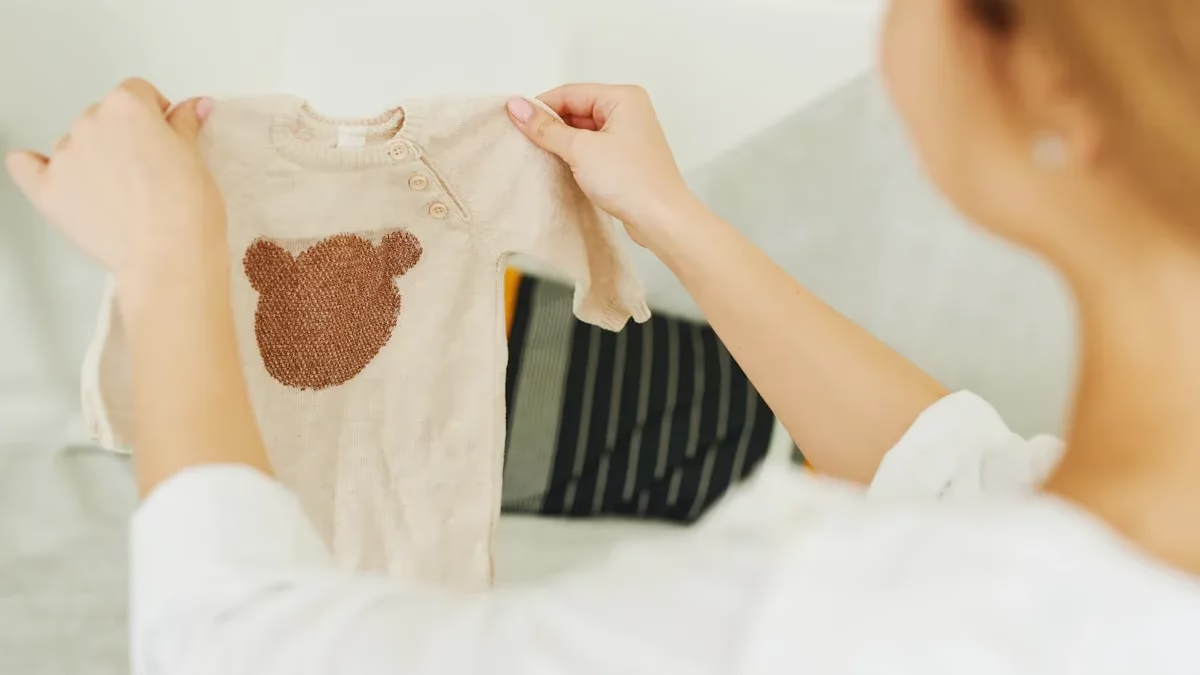
Choosing the right fabric for your baby’s clothes is important. You need to think about safety, comfort, and the environment. Bamboo vs cotton baby clothes are both excellent choices for sensitive skin. Many parents opt for bamboo or cotton baby clothes, appreciating these materials for their gentleness and hypoallergenic properties. Studies show both fabrics prevent irritation, even for babies with eczema. Parents also seek natural fibres that are durable and environmentally friendly. Petelulu is a trusted and certified manufacturer, focusing on sustainable baby clothing, allowing you to feel at ease.
Principales conclusiones
Contenido
- 1 Principales conclusiones
- 2 Bamboo vs Cotton Baby Clothes: Material Overview
- 3 Softness and Comfort for Babies
- 4 Safety and Certifications
- 5 Breathability and Moisture Management
- 6 Regulación de la temperatura
- 7 Durability and Practical Use
- 8 Sustainability in Baby Clothing
- 9 Cost and Value
- 10 Final Recommendation
- 11 PREGUNTAS FRECUENTES
Bamboo fabric feels softer and lets more air through than cotton. This makes it good for babies with sensitive skin. Organic cotton is a safe option because it does not use bad chemicals. It is also strong for daily wear. Both bamboo and organic cotton keep babies dry and comfy. They do this by handling moisture well. Check for labels like GOTS and OEKO-TEX to make sure the fabric is safe and good for the planet. Pick bamboo for hot days and if your baby has sensitive skin. Organic cotton is best if you want clothes that last a long time.
Bamboo vs Cotton Baby Clothes: Material Overview
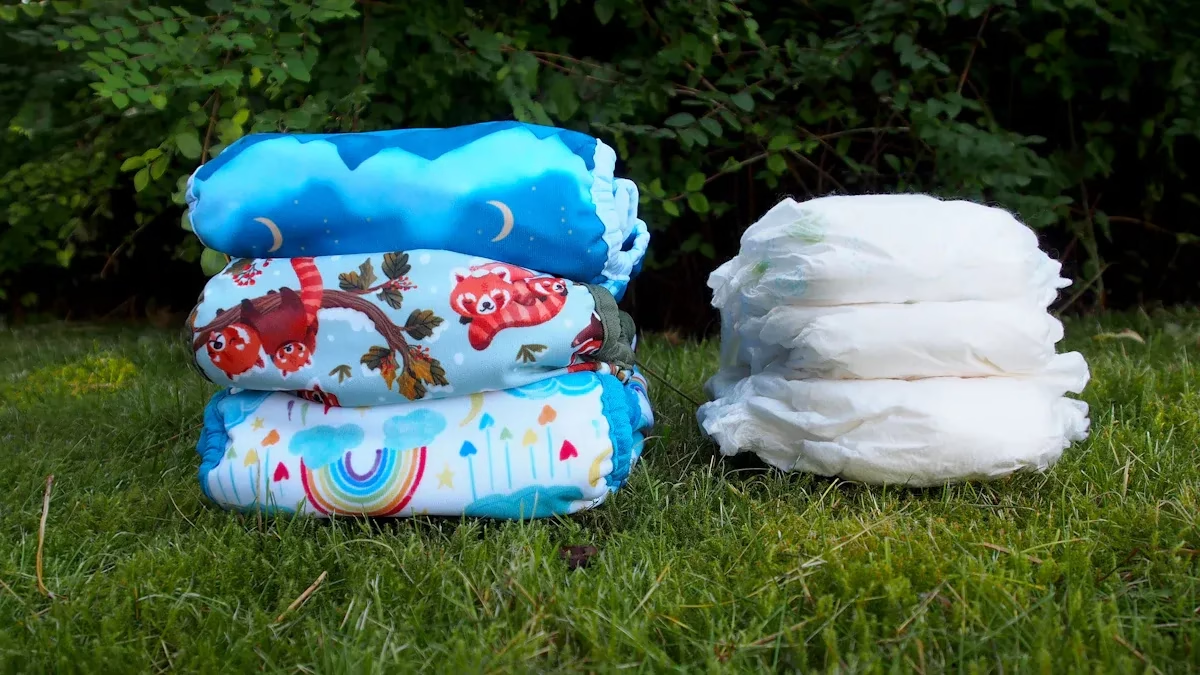
Bamboo Fabric Properties
Bamboo baby clothes feel very soft. The fabric is smooth and gentle. Many parents pick bamboo because it lets air move easily. It helps keep babies cool in summer and warm in winter. Bamboo is hypoallergenic, so it suits sensitive skin. It soaks up moisture fast, keeping babies dry. Bamboo also fights off odours and bacteria. This adds safety for your baby. Bamboo blankets and clothes have a smooth finish. This helps stop skin irritation. When you look at bamboo vs cotton baby clothes, bamboo is softer and more breathable.
Cotton Fabric and Organic Cotton
Cotton is a popular choice for baby clothes. You see cotton in many newborn items. Cotton lasts long and handles lots of washing. This is good for daily use. Not all cotton is the same. Organic cotton is safer and better for the planet. Choosing 100% organic cotton avoids bad chemicals and pesticides. Organic cotton feels soft and gentle. It is good for babies with allergies. It is grown in ways that help the environment. Many parents like organic cotton for comfort and trust. Cotton-bamboo blends mix the best parts of both fibres. This gives you more choices for your baby’s clothes. When you compare bamboo vs cotton baby clothes, organic cotton is pure and strong.
Propiedad | Tejido de algodón | |
|---|---|---|
Sostenibilidad | More sustainable; needs less water and pesticides. | Needs lots of water and pesticides. |
Suavidad | Very soft and smooth. | Soft, but not as smooth as bamboo. |
Transpirabilidad | More breathable; keeps temperature steady. | Breathable, but not as good as bamboo. |
Durabilidad | Less strong; can pill and shrink. | Very strong; handles lots of washing. |
Hipoalergénico | Naturally hypoallergenic; good for sensitive skin. | Less hypoallergenic; may bother sensitive skin. |
Impacto medioambiental | Chemical processing can harm if not managed. | Uses lots of water and pesticides, less processing. |
How Petelulu Sources Fabrics
You want safe clothes for your child. Petelulu knows this is important. Petelulu gets bamboo and organic cotton from trusted suppliers. These suppliers care about quality and the planet. Petelulu picks only top bamboo and organic cotton. Every item meets strict safety rules. Petelulu works with certified partners. All bamboo vs cotton baby clothes are free from harmful stuff. You can trust Petelulu to use gentle materials. The brand is open about where fabrics come from. You know what touches your child’s skin. Petelulu cares about quality. You get baby clothes that are safe, comfy, and good for the environment.
Softness and Comfort for Babies
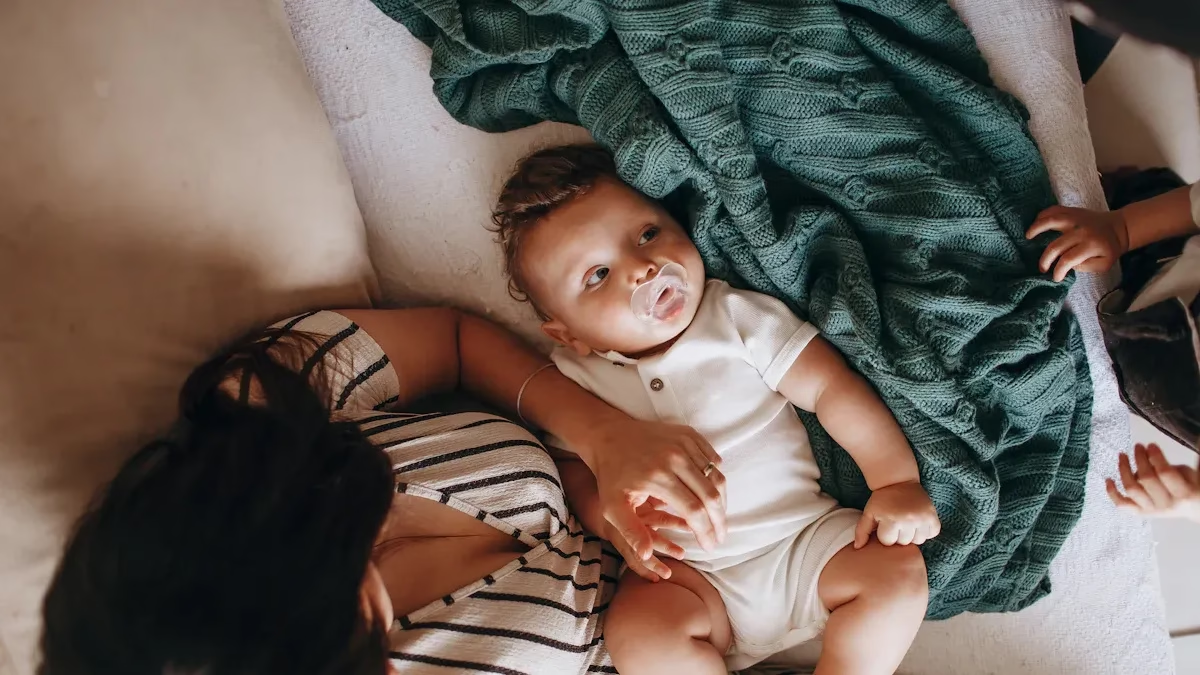
Bamboo’s Soft Touch
You want your baby to feel good all day. Bamboo fabric is very soft. When you touch bamboo clothes, they feel smooth like silk. This gentle feel helps stop skin irritation. Newborns need soft clothes. Many parents pick bamboo because it feels cool in summer. It also feels warm in winter. Bamboo pulls moisture away fast. This keeps your baby dry. It helps lower the chance of rashes. Babies with sensitive skin like bamboo. Bamboo gives a smooth and calm feeling.
Here is a table comparing bamboo and cotton fabrics for baby clothing:
Tipo de tejido | Suavidad | Water Absorbency | Transpirabilidad | Other Characteristics |
|---|---|---|---|---|
Bambú | Softer | More absorbent | Transpirable | Cool in summer, warm in winter |
Algodón | Suave | Less absorbent | Transpirable | Prone to pilling, creases easily |
Cotton Fabric Comfort
Cotton is a classic pick for baby clothes. You see cotton in many newborn items. Cotton feels soft and natural. It lets air move through the fabric. This helps keep your baby’s temperature steady. You can wash cotton clothes often. They do not get ruined easily. This makes cotton good for daily use. Organic cotton feels even softer. It does not use harsh chemicals. Newborns like cotton because it is gentle. Cotton creases more, but it is still soft for everyday wear.
Tip: Pick organic cotton for extra safety and comfort for your baby.
Which Is Gentler for Sensitive Skin?
You want to keep babies with sensitive skin safe. Bamboo fibres are smooth and cause less rubbing. This means less redness or discomfort. Cotton, especially organic cotton, is also good for delicate skin. But bamboo feels smoother than cotton. Both fabrics let your baby’s skin breathe. This stops sweat and heat from building up. Bamboo often feels softer for sensitive babies. You can trust both, but bamboo may be best for the most delicate skin.
Safety and Certifications
Cualidades hipoalergénicas
You want your baby to feel comfortable. Babies should not have skin problems. Bamboo and cotton are both good for sensitive skin. Bamboo is a natural hypoallergenic fabric. It feels soft and gentle. This makes it great for babies with sensitive skin. Many parents see that bamboo sheets and clothes do not cause allergies. Bamboo helps stop redness and discomfort. Even babies with eczema can wear bamboo.
Cotton, especially interlock cotton, is also good for allergies. Experts say this fabric does not cause skin problems. Organic cotton is even safer. It does not use harsh chemicals. This lowers the chance of reactions. If you pick bamboo or organic cotton, your baby gets a soft and safe place. This helps stop skin irritation.
Note: Always look for certified organic labels. These labels show the fabric is free from harmful substances.
Petelulu’s Safety Standards
You want to feel calm when dressing your child. Petelulu cares about safety in every product. The brand uses strict quality checks. Petelulu works with trusted suppliers only. Their process meets global safety rules. Every piece is gentle on your baby’s skin.
Petelulu has many important certifications. These include BSCI, OEKO, and GOTS. Each one shows Petelulu uses safe materials. They also care about how things are made. Petelulu checks every batch for bad chemicals. You can trust your baby’s clothes are safe and soft.
Here is a table that explains each certification:
Certificación | Descripción |
|---|---|
GOTS | Certifies organic fibres and checks for good production. |
OEKO-TEX | Tests for harmful substances and keeps high safety standards. |
BSCI | Makes sure workers are treated well and work safely. |
Organic Cotton and Bamboo Certifications
You may worry about chemicals in baby clothes. Many parents feel the same way. Some worry about chemicals left after making the clothes. Others want to avoid fake additives, especially in bamboo. Picking certified organic cotton or bamboo helps you stay safe.
Look for these things when buying baby clothes:
Certified organic labels mean no harmful chemicals.
Certificación GOTS means at least 70% organic fibres and strict rules.
OEKO-TEX certification means the fabric passed tests for bad substances.
BSCI certification means workers are safe and treated fairly.
You keep your baby healthy by choosing certified bamboo and cotton. You also help workers and the planet. Petelulu’s promise to these standards lets you buy with confidence.
Breathability and Moisture Management
Bamboo’s Breathable Nature
You want your baby to feel cool and dry all day. Bamboo fabric is great because it lets air pass through easily. Tests show bamboo lets more air in than cotton. Bamboo fabrics can reach air flow levels of 80 cm³/s/cm² or more. This means your baby’s skin gets lots of fresh air. It helps stop your baby from getting too hot. Bamboo also moves sweat away fast. Its moisture rate is between 3,000 and 4,000 g/m²/24h. This high rate helps keep your baby’s skin dry. Bamboo baby clothes feel light and fresh, even when it is warm.
Bamboo fabric lets air pass, so babies stay cool.
The fabric’s breathability stops heat from building up.
High moisture movement keeps your baby dry.
Cotton’s Absorption Abilities
Cotton is still loved by many parents. You like how soft and natural it feels. Cotton soaks up sweat well, but not as fast as bamboo. Most cotton jerseys have air flow between 50 and 70 cm³/s/cm². This means cotton lets in some air, but bamboo does better. Cotton’s moisture rate is between 2,000 and 3,000 g/m²/24h. Cotton works well for daily use, even in hot weather. The fabric is hypoallergenic, so it is gentle on skin.
Cotton soaks up sweat and keeps your baby comfy.
The fabric is soft and kind to sensitive skin.
Cotton’s breathability helps keep skin healthy.
Keeping Babies Dry and Comfortable
You want your baby’s clothes to handle sweat well. Bamboo absorbs more than normal cotton. This is important for healthy skin. Babies with sensitive skin like bamboo’s soft and antibacterial touch. Bamboo’s breathability helps stop rashes and irritation. Cotton also keeps babies dry because it is light and lets air in. Both fabrics are comfy, but bamboo gives extra help against sweat and heat.
Tip: Pick bamboo or organic cotton for babies with sensitive skin. Both fabrics help keep your child dry and comfy.
Regulación de la temperatura
Bamboo for All Seasons
You want your baby to feel good in any weather. Bamboo fabric helps control temperature well. The fibres let air move easily. This helps your baby’s skin breathe. Bamboo keeps your child cool when it is hot. It also keeps your child warm when it is cold. Bamboo’s natural airflow makes the fabric dry. This lowers the chance of irritation and bacteria. You do not get too much moisture, so your baby stays comfy. Many parents pick bamboo clothes because they work all year.
Bamboo fabric lets air move, keeping skin fresh.
Natural airflow keeps skin cool and dry.
No moisture build-up, so less irritation and bacteria.
Bamboo baby clothes change with the weather. Your baby feels cool and dry on hot days. On cold days, bamboo gives gentle warmth. The Bubi baby clothes use bamboo for comfort in every season. You can trust bamboo to protect your baby all year.
Tip: Pick bamboo baby clothes if you want fabric that suits every season.
Cotton’s Insulating Qualities
Cotton is a favourite for parents who want comfort. Cotton fabric keeps warmth in when it is cold. Organic cotton feels soft on your baby’s skin. It helps keep your baby’s body temperature steady. Cotton baby clothes keep your child cosy in winter. They also keep your child cool in summer. Cotton fibres soak up moisture, stopping your baby from getting too hot.
Parents say cotton baby clothes work in all seasons. You can dress your baby in cotton for warm or cold days. The Bubi baby clothes use organic cotton for year-round wear. You feel calm knowing your baby is always comfortable.
Tipo de tejido | Regulación de la temperatura | Seasonal Suitability | Comentarios de los padres |
|---|---|---|---|
Bambú | Excelente | All seasons | Highly rated |
Algodón | Very good | All seasons | Trusted choice |
Note: Bamboo and cotton both help control temperature. They are great for your baby’s clothes.
Durability and Practical Use
Washing and Care Tips
You want your baby’s clothes to last long and stay soft. Taking care of bamboo and cotton helps keep them nice. Wash clothes in cold or lukewarm water. Pick a gentle detergent that is good for sensitive skin. Do not use fabric softeners, as they harm the soft fibres. Wash baby bodysuits and sleeping bags before using them. This makes them safer for your baby.
Wash organic cotton at 30°C or 40°C. Turn clothes inside out to protect colours and prints. Never use bleach because it ruins the fabric. Air dry clothes to stop shrinking and keep them looking new. For bamboo, use cold water and wash at 40°C. Choose a mild, eco-friendly detergent. Stay away from harsh chemicals, bleach, and softeners. Wash bamboo items alone or in a wash bag. This stops damage. Turn bamboo clothes inside out to protect the fibres.
Tip: Wash gently and air dry to help bamboo and cotton baby clothes last longer.
Longevity of Bamboo vs Cotton Baby Clothes
You want to know which fabric lasts longer with lots of washing. Cotton baby clothes are strong, even when wet. They do not wear out fast and keep their shape. Bamboo viscose feels softer but can get weaker after many washes. Cotton shrinks up to 6%. Bamboo can shrink up to 15%.
Here is a table comparing durability and longevity:
Tipo de tejido | Durability After Washing | Shrinkage Rate | Longevity Assessment |
|---|---|---|---|
Algodón | Stronger when wet | Up to 6% | Better longevity compared to bamboo |
Viscosa de bambú | Loses tensile strength | Up to 15% | May have lower longevity than cotton |
Cotton lasts longer, but careful washing helps both fabrics stay nice.
Everyday Wear with Petelulu
You want baby clothes that work well every day. Petelulu makes clothes that are strong and comfy. The brand uses top organic cotton and bamboo for softness and strength. Every piece gets checked for quality. Petelulu baby clothes can handle lots of washing and play. The fabrics stay gentle on your baby’s skin after many wears. Petelulu’s focus on quality means you get clothes that last, look nice, and feel good every day.
Note: Petelulu’s certified materials and skilled work make sure your baby’s clothes stay safe, soft, and reliable for daily use.
Sustainability in Baby Clothing
Bamboo’s Eco-Friendly Benefits
You want to help the planet when buying baby clothes. Bamboo is a good eco-friendly choice. The plant grows very fast and does not need chemicals. This helps keep soil and water clean. Bamboo uses less water than most other fabrics. CleanBamboo lyocell needs much less water than viscose. It also makes less carbon dioxide. Picking bamboo helps make the world cleaner for your baby.
Bamboo grows quickly and renews itself.
No harmful chemicals are needed to grow bamboo.
CleanBamboo lyocell makes 36% less CO2 than viscose.
Bamboo uses much less water than other fibres.
If you choose bamboo baby clothes, you help protect the planet for future children.
Organic Cotton and Sustainable Practices
You might like organic cotton because it is soft and safe. Organic cotton helps the planet because farmers do not use bad chemicals. This keeps the soil healthy and water clean. Picking organic cotton helps lower pollution. Many brands use crop rotation and natural ways to grow cotton. This keeps the land healthy and helps eco-friendly farming.
Organic cotton needs less water than normal cotton.
No toxic chemicals touch your baby’s skin.
Crop rotation keeps soil rich and healthy.
If you pick organic cotton, you get safe and eco-friendly baby clothes.
Petelulu’s Commitment to Sustainability
You want a brand that cares about the planet. Petelulu is a leader in eco-friendly baby clothes. The company works with trusted suppliers who follow strict green rules. Petelulu picks bamboo and organic cotton because they are better for the earth. Every step, from getting materials to making clothes, helps the planet. Petelulu has GOTS and OEKO-TEX certifications. These show Petelulu cares about safety and the environment. You can trust Petelulu to give you baby clothes that are good for your child and the world.
Petelulu’s focus on being eco-friendly means you get high-quality baby clothes that help the planet.
Cost and Value
Comparación de precios
You want to know how much baby clothes cost. Bamboo baby clothes usually cost more than cotton. This is because making bamboo fabric is harder. Bamboo farming is also better for the planet. Organic cotton costs more than normal cotton. Organic farming uses safer ways and no bad chemicals. You pay extra for better quality and safety.
Here is a simple table to help you compare:
Tipo de tejido | Average Price (per item) | Main Reason for Cost |
|---|---|---|
Bambú | Más alto | Processing, sustainability |
Algodón orgánico | Moderado a alto | Organic farming, durability |
Algodón normal | Baja | Conventional farming |
Note: Prices change with brand, certification, and design.
Is Bamboo Worth the Extra Cost?
You might ask if bamboo is worth the price. Bamboo fabric has special benefits. It feels softer and keeps cool in hot weather. Bamboo fights bacteria and helps your baby’s skin. These things make bamboo good for sensitive skin. Bamboo is great for summer months. You pay more at first, but you get extra comfort and protection.
Organic cotton is also valuable. It lasts longer and can be washed often. You can use organic cotton clothes for a long time. This makes organic cotton a smart buy for daily wear.
Value for Parents
You want the best for your child and to save money. Bamboo and organic cotton both give good value. Bamboo is best for babies with allergies or in hot places. Organic cotton is strong and comfy. You can give organic cotton clothes to siblings or friends. They last a long time.
Bamboo: Best for sensitive skin and hot weather.
Organic cotton: Best for long use and daily wear.
Tip: Pick what suits your baby and your budget. Both fabrics give safety, comfort, and peace of mind.
Final Recommendation
Summary of Key Points
You want your baby to have the best. Bamboo and organic cotton are both great choices. Here is a simple summary to help you pick:
Característica | Bambú | Algodón orgánico |
|---|---|---|
Suavidad | Silky and smooth | Soft and gentle |
Transpirabilidad | Highly breathable | Very breathable |
Gestión de la humedad | Absorbs and dries quickly | Absorbs well |
Hipoalergénico | Excellent for sensitive skin | Safe for allergies |
Durabilidad | Needs gentle care | Withstands frequent washing |
Sostenibilidad | Grows fast, low water use | No harmful chemicals |
Certificaciones | GOTS, OEKO-TEX, BSCI | GOTS, OEKO-TEX, BSCI |
Tip: Always look for certifications like GOTS and OEKO-TEX. These show the fabric is safe and good for the planet.
Which Fabric Should Parents Choose?
Pick the fabric that fits your baby’s needs. Think about what matters most to you. If your baby has very sensitive skin, bamboo might be best. Bamboo feels cool and keeps your baby dry. It works well in hot weather. If you want clothes that last longer, choose algodón ecológico. You can wash it many times. You can also give it to younger siblings.
Petelulu offers both bamboo and organic cotton. The brand uses safe and eco-friendly materials. You can feel calm with every purchase. You help the planet and keep your baby comfortable.
For safe, soft, and eco-friendly baby clothes, pick certified bamboo or organic cotton from Petelulu. Your baby deserves the very best.
You want your baby’s skin to stay healthy. Bamboo gives protection against bacteria. It keeps this benefit after many washes.
Bamboo fabric has something called ‘Bamboo Kun’. This helps the fabric stay clean and safe. Research shows bamboo kills almost all harmful bacteria in one day. This makes it great for sensitive skin.
You care about the planet too. Certified fabrics like GOTS y OEKO-TEX mean safety and eco-friendliness. Petelulu sells high-quality baby clothes with these certifications. This helps your child feel comfortable and helps the earth.
Babies need soft fabrics without chemicals.
Eco-friendly choices help keep babies healthy.
Pick Petelulu for comfort and peace of mind. You get quality that lasts.
PREGUNTAS FRECUENTES
What makes bamboo fabric suitable for babies?
Bamboo fabric feels very soft and smooth. It stops bacteria from growing. It soaks up moisture fast. This keeps your baby dry and comfy. Bamboo is also good for the planet because it is sustainable.
Is organic cotton better than regular cotton for baby clothes?
Organic cotton does not have bad chemicals. It feels gentle on your baby’s skin. Choosing it helps the environment. Regular cotton might have leftover pesticides.
How do I wash bamboo and organic cotton baby clothes?
Use cold or warm water to wash them. Choose a gentle detergent. Turn the clothes inside out before washing. Let them air dry to keep them soft. Do not use bleach or fabric softeners.
Tip: Washing gently helps your baby’s clothes last longer.
Are Petelulu baby clothes safe for sensitive skin?
You can trust Petelulu for your baby. The brand uses GOTS and OEKO-TEX certified fabrics. These labels mean the clothes do not have harmful substances. Your baby’s skin stays safe and comfy.
Why do bamboo baby clothes cost more?
Bamboo fabric costs more because it needs special steps to make. It is extra soft, lets air through, and fights bacteria. You pay more for comfort and safety for your baby.