
Comment les fabricants de vêtements pour nouveau-nés abordables garantissent le confort des bébés
Comment les fabricants de vêtements pour nouveau-nés abordables garantissent le confort des bébés
Contenu
- 1 Comment les fabricants de vêtements pour nouveau-nés abordables garantissent le confort des bébés
- 1.1 Introduction
- 1.2 The Importance of Comfort in Newborn Clothing
- 1.3 How Affordable Manufacturers Balance Comfort and Cost
- 1.4 Design Innovations for Enhanced Comfort
- 1.5 Popular Materials Used by Affordable Newborn Clothing Manufacturers
- 1.6 Testing and Safety Standards for Baby Clothing
- 1.7 Conclusion
- 1.8 FAQ
- 1.9 Petelulu est votre meilleur partenaire pour lancer votre ligne de vêtements pour enfants
Introduction
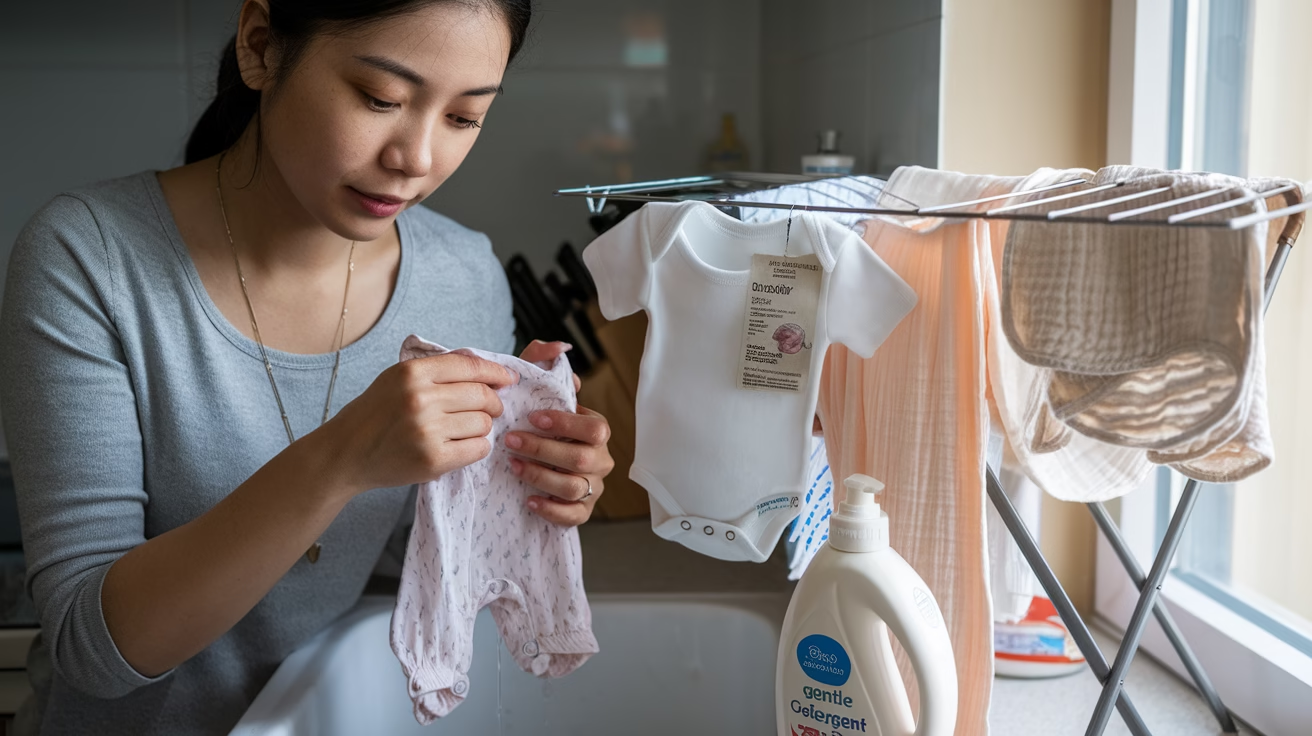
When it comes to dressing our little ones, comfort is everything. In fact, did you know that newborns spend about 16-18 hours a day sleeping? This makes the clothing they wear crucial for their well-being! Affordable newborn clothing manufacturers understand this need and have developed innovative ways to ensure that every fabric, stitch, and design element serves to keep babies comfortable. Let’s dive into how these manufacturers balance cost with comfort, creating the perfect clothes for your baby’s delicate skin.
The Importance of Comfort in Newborn Clothing
Voir plus :Les 10 premiers fabricants de vêtements pour enfants à surveiller en 2025
Why Comfort Matters
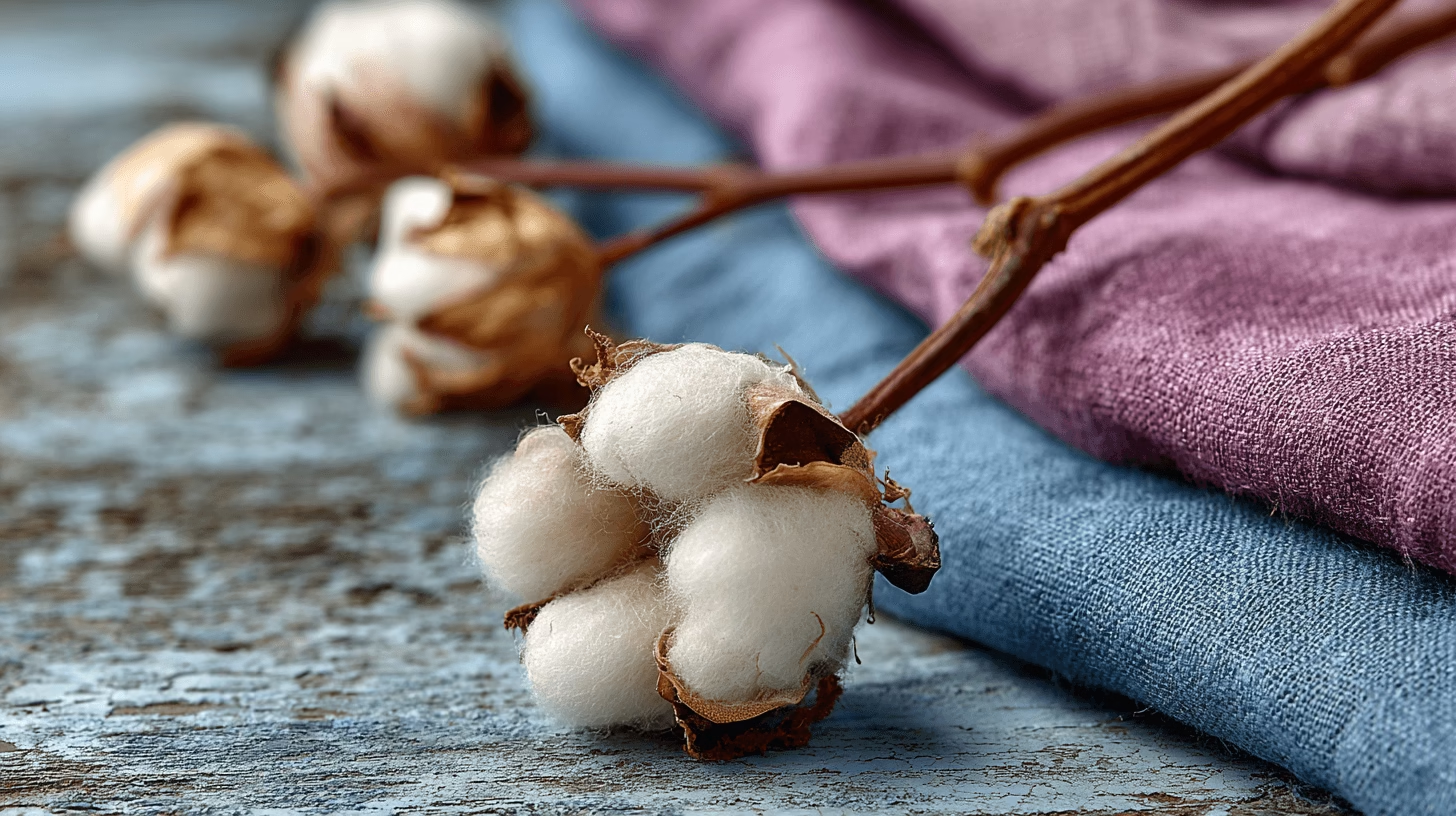
When it comes to newborns, their delicate skin and sensitivity make comfort a top priority. Newborns are growing at an astounding rate, and their skin is far more fragile and sensitive than that of older children or adults. If you think about how much time babies spend in clothes, it becomes clear that comfort is not a luxury, but a necessity. Babies need clothing that doesn’t irritate their skin, restrict their movements, or cause discomfort during sleep, play, or diaper changes. Without soft, breathable fabrics, babies can experience rashes, discomfort, and disturbed sleep, which can affect their overall well-being.
The need for comfort goes beyond just the fabric choice. It’s also about how the clothes fit, move, and adjust to their growing bodies. Tight or restrictive clothing can lead to skin chafing or hinder their movements. That’s why newborn clothing manufacturers prioritize these details to ensure that each piece provides the utmost comfort.
Key Features of Comfortable Clothing
Comfortable newborn clothing should have several key features. First and foremost, the fabric must be soft and gentle to touch, ensuring that it won’t cause skin irritation. Fabrics like cotton are typically used because of their natural softness. Tagless labels are another important feature—those tiny labels in the neck or back area can cause itching or irritation. That’s why many manufacturers opt for tagless designs to keep baby’s skin irritation-free.
Another aspect to consider is the design of the clothing. Clothes should not be too tight or too loose. A stretchy, non-restrictive design that accommodates a baby’s movements is ideal, allowing them to move freely without feeling cramped. These design elements ensure that babies are not only comfortable but also safe as they wear their clothing day in and day out.
Benefits for Baby Health
The right clothing can make a huge difference in the health of your baby’s skin and overall well-being. By choosing clothing made of soft, breathable fabrics, parents can help prevent skin rashes and discomfort caused by sweating or friction. Breathable fabrics, like cotton, ensure that your baby’s body stays cool in the summer and warm in the winter, while also allowing moisture to evaporate, reducing the risk of heat rashes.
Additionally, non-restrictive, adjustable designs contribute to the baby’s physical comfort and promote healthy development. Clothes that fit well without being too tight or too loose ensure that babies are comfortable while sleeping, moving, and playing.
How Affordable Manufacturers Balance Comfort and Cost
Material Sourcing
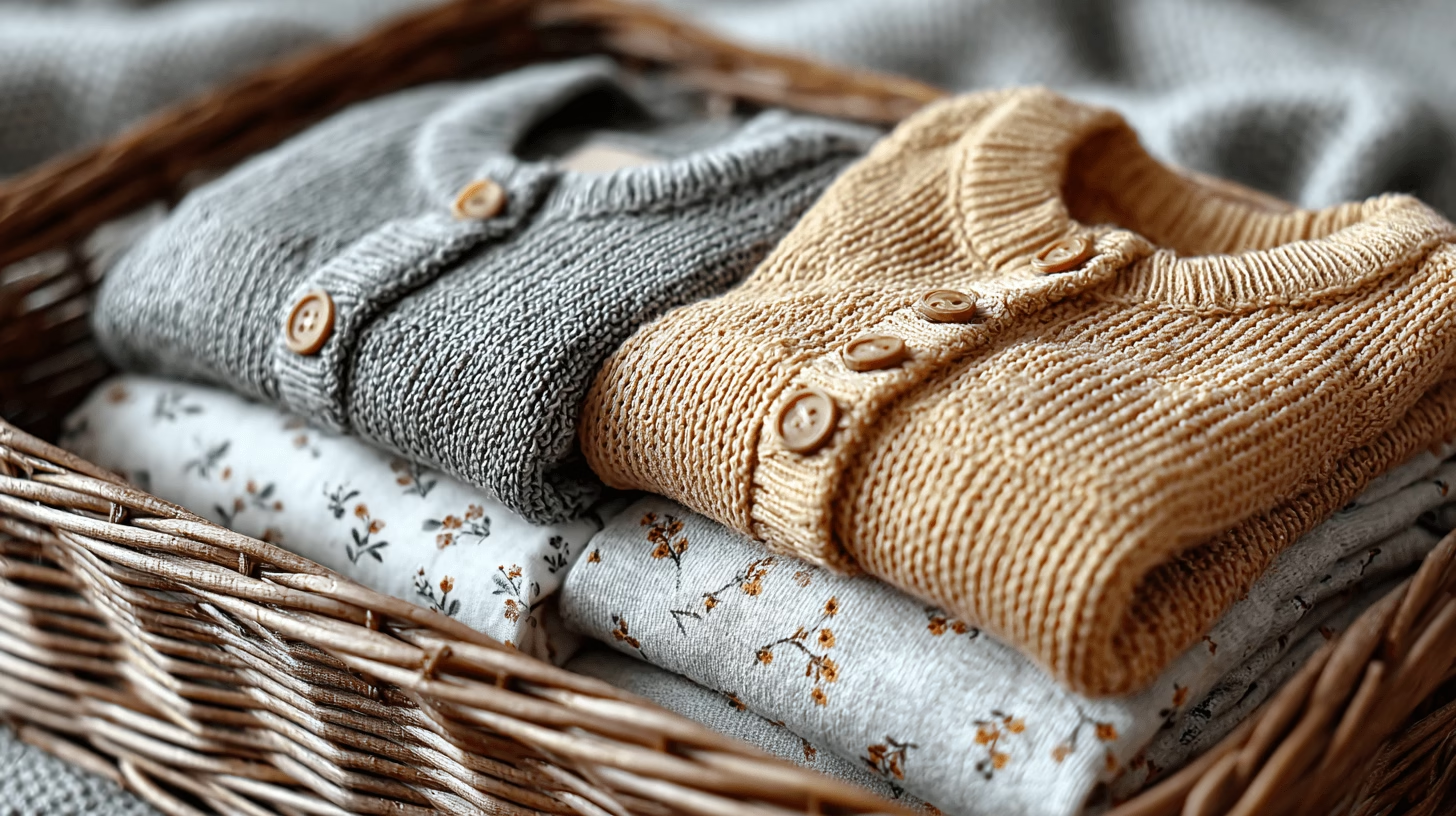
Affordable newborn clothing manufacturers know that parents want the best for their babies without breaking the bank. One of the ways they balance cost and comfort is by sourcing high-quality, cost-effective materials that provide the best of both worlds. Organic cotton is one of the most popular fabrics used in affordable baby clothes. Not only is it incredibly soft and breathable, but it is also a sustainable option that is free from harmful chemicals, making it perfect for a baby’s sensitive skin.
Another great option is bamboo fabric. Bamboo is not only naturally soft and hypoallergenic but also moisture-wicking, meaning it helps keep babies dry and comfortable. Bamboo also has natural antibacterial properties, which is a bonus for babies with sensitive skin.
By sourcing these affordable yet high-quality materials, manufacturers can ensure that the clothes are both cost-effective for parents and gentle on babies’ skin.
Cost-Effective Production Techniques
Manufacturers use modern technology and efficient production processes to keep costs low while still providing comfort. Mass production techniques allow manufacturers to produce clothing in bulk, which reduces the per-unit cost of production. Automated machinery and streamlined production methods help maintain consistent quality, ensuring that each item is made to the same high standards.
Additionally, some manufacturers leverage partnerships with fabric suppliers, ensuring that they receive high-quality fabrics at a reduced cost due to bulk purchasing. These partnerships allow them to pass on savings to the consumers while still maintaining product quality.
Assurance qualité
Quality assurance is a critical part of the manufacturing process. Even when producing affordable clothing, manufacturers are committed to ensuring that the garments meet safety, comfort, and durability standards. Rigorous testing is conducted on each batch of clothing to ensure that they are free from harmful chemicals, safe for babies, and able to withstand repeated washing.
Affordable newborn clothing manufacturers understand that comfort shouldn’t be compromised, even on a budget. They prioritize quality and safety testing, making sure the clothes are durable enough to withstand the wear and tear that comes with daily use while also remaining soft and breathable for the baby.
Design Innovations for Enhanced Comfort
Adaptive Designs for Growing Babies
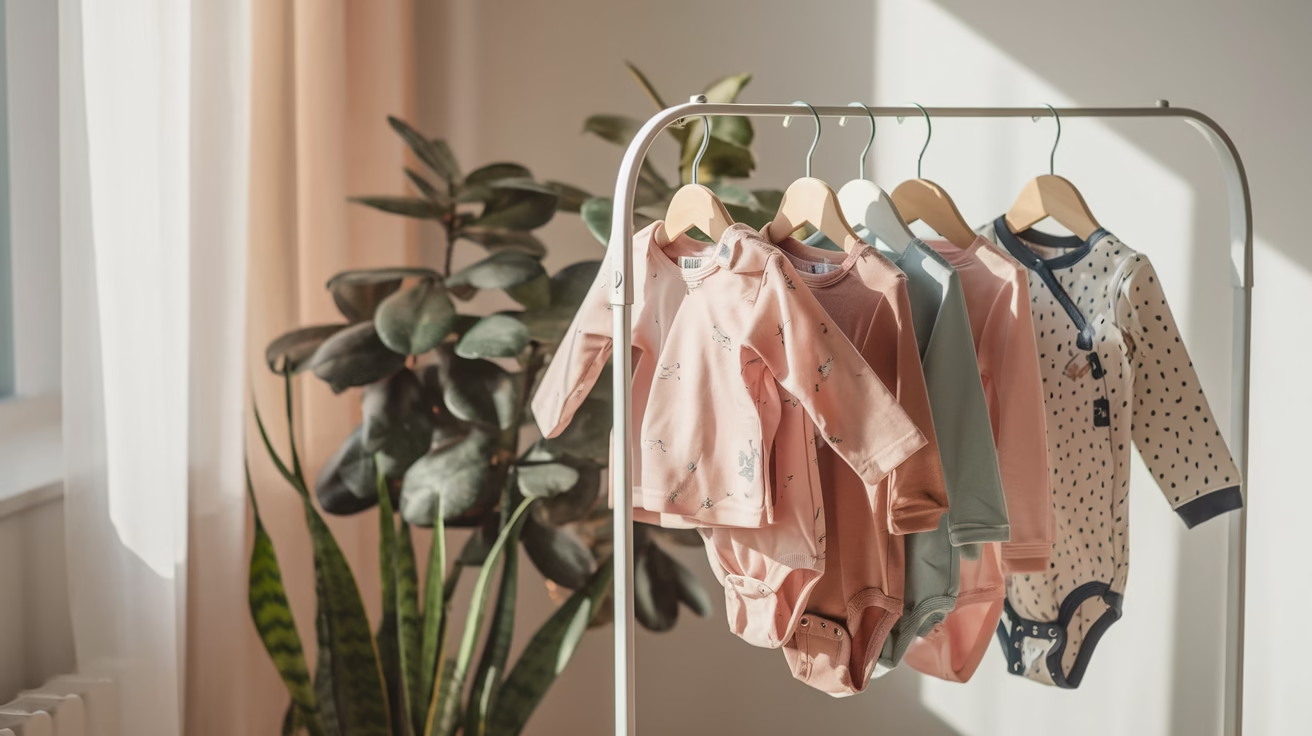
One of the biggest challenges for newborn clothing manufacturers is designing clothes that fit well as babies grow quickly. Affordable manufacturers often incorporate adaptive features into their clothing designs, such as adjustable waistbands, stretchy fabric, and snaps that can be adjusted to accommodate a baby’s growth. These features ensure that clothes are comfortable throughout the baby’s early months and can be worn for longer periods of time without needing to buy new clothes.
This type of adaptive design is especially beneficial for parents looking to maximize the longevity of their baby’s wardrobe without having to constantly replace clothing as their baby grows.
Soft Seams and Labels
Another key aspect of newborn clothing design is the treatment of seams and labels. Standard clothing seams can be harsh and abrasive, causing irritation to a baby’s delicate skin. To combat this, affordable manufacturers often use flat seams or soft, encased seams to reduce the risk of discomfort.
Additionally, tagless clothing designs have gained popularity. Tags in the back of shirts or pants can cause itching, irritation, or even skin rashes. Many manufacturers now opt for tagless designs, which ensures a smooth and comfortable fit without any annoying labels.
Breathability and Temperature Regulation
Breathable fabrics are a must for newborns, as babies’ body temperature can fluctuate easily. Clothing that helps regulate body temperature ensures that babies remain comfortable no matter the weather. Manufacturers often choose fabrics like cotton and bamboo, which are both breathable and moisture-wicking.
These materials help keep babies cool in hot weather and warm in cooler temperatures. Temperature regulation is vital for babies, as they are more vulnerable to environmental factors than adults, and well-designed clothing can prevent overheating or getting too cold.
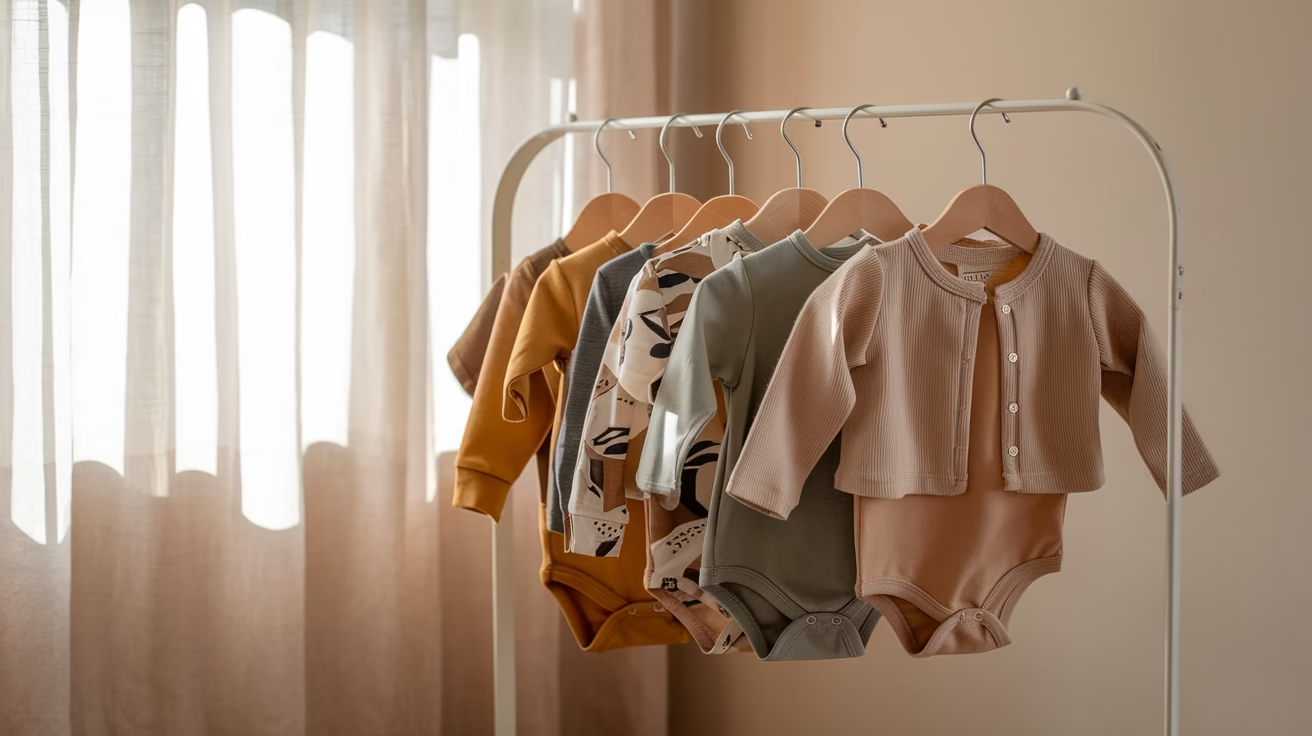
Popular Materials Used by Affordable Newborn Clothing Manufacturers
Cotton: The Go-To Fabric for Its Softness, Breathability, and Affordability
When it comes to newborn clothing, cotton remains one of the most widely used materials. It’s not only budget-friendly but also incredibly soft and breathable, making it the perfect fabric for baby garments. Cotton has long been favored for its ability to regulate body temperature, keeping babies comfortable in both warm and cool environments. Its natural fibers allow air to circulate around the skin, preventing overheating and allowing sweat to evaporate, which is especially important for babies who can easily become too warm or too cold.
Another major advantage of cotton is its hypoallergenic properties. Unlike synthetic fabrics that can cause irritation or allergic reactions, cotton is gentle on sensitive skin, making it ideal for newborns. In addition, cotton is easy to care for—it’s machine washable and durable, which makes it a great choice for parents looking for both comfort and practicality.
Cotton-based fabrics also come in various forms, such as jersey knit or organic cotton. Organic cotton, in particular, is grown without harmful pesticides and chemicals, providing an added layer of protection for babies with extra-sensitive skin.
Bamboo Fabric: A Sustainable Choice Known for Its Natural Softness and Moisture-Wicking Properties
Another fabric gaining popularity among affordable newborn clothing manufacturers is bamboo fabric. Bamboo is a highly sustainable material, requiring little water and no pesticides to grow, which makes it an environmentally friendly option. It’s also incredibly soft, often compared to silk, making it gentle and soothing against a baby’s delicate skin.
Bamboo fabric has remarkable moisture-wicking properties, which help to keep babies dry and comfortable, especially during sleep or active play. It naturally draws moisture away from the skin and promotes airflow, reducing the risk of rashes or discomfort caused by sweating. Bamboo is also naturally antibacterial, which means it can help to reduce the growth of odor-causing bacteria, keeping the clothing fresher for longer.
Bamboo’s eco-friendly nature combined with its skin-friendly qualities makes it an excellent choice for parents looking for affordable yet high-quality baby clothing. Bamboo clothing is often blended with cotton or spandex to enhance durability and stretch, giving babies more comfort and flexibility.
Organic Fabrics: Benefits of Using Organic Cotton and Other Materials for Sensitive Skin
Organic fabrics are an increasingly popular option among affordable newborn clothing manufacturers. Unlike conventional fabrics, organic materials are grown without the use of synthetic fertilizers, pesticides, or genetically modified seeds. This results in a cleaner, more natural fabric that is better for the environment and gentler on sensitive skin.
Organic cotton, for example, is grown with a focus on sustainability and environmental responsibility. It is free from harsh chemicals, which makes it an excellent option for babies with extra-sensitive skin prone to rashes or allergic reactions. The soft texture of organic cotton provides the ultimate comfort for babies, and it is breathable enough to regulate their body temperature effectively.
Other organic materials, such as hemp or organic bamboo, can also be used in baby clothing. These fabrics retain many of the same benefits as organic cotton, including softness, breathability, and hypoallergenic properties. Organic fabrics are an ideal choice for parents who want to invest in eco-friendly and safe clothing for their newborns.
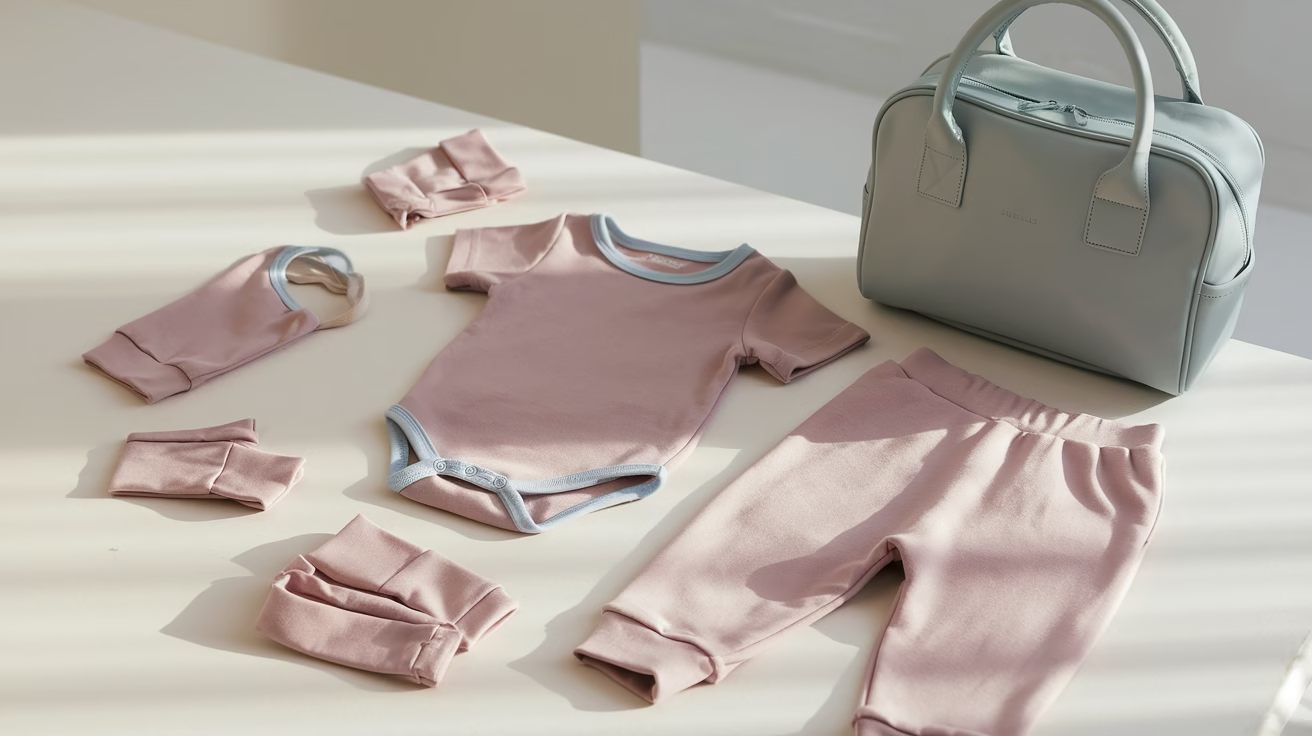
Testing and Safety Standards for Baby Clothing
Safety Regulations: How Newborn Clothing Manufacturers Adhere to Global Safety Standards
When it comes to baby clothing, safety is of utmost importance. Affordable newborn clothing manufacturers are required to adhere to strict safety standards to ensure their products meet both local and international guidelines. Many manufacturers follow safety regulations set by organizations such as the Consumer Product Safety Commission (CPSC) in the United States or the European Union’s safety standards.
One of the most important standards is the use of non-toxic dyes and materials. Baby clothing manufacturers are prohibited from using harmful chemicals or substances that could potentially harm the baby’s skin or health. The OEKO-TEX® Standard 100 certification is often used by reputable manufacturers to ensure that their clothing is free from harmful chemicals. This certification verifies that each garment has been tested for toxic substances, ensuring they are safe for babies to wear.
Outre la sécurité chimique, les vêtements pour bébés sont également testés pour détecter les objets pointus, tels que les boutons ou les fermetures à glissière, qui peuvent présenter un risque d'étouffement. Ces mesures de sécurité permettent aux parents d'avoir l'esprit tranquille, sachant que les vêtements qu'ils achètent répondent à des normes de sécurité rigoureuses.
Allergen-Free Materials: The Importance of Hypoallergenic and Non-Toxic Fabrics in Baby Clothes
Les bébés sont particulièrement vulnérables aux allergènes et leur peau sensible peut facilement réagir aux produits chimiques agressifs, aux teintures ou aux tissus synthétiques. C'est pourquoi il est essentiel que les vêtements pour nouveau-nés soient fabriqués dans des matières exemptes d'allergènes. Les fabricants abordables comprennent ce besoin et utilisent souvent des tissus naturels tels que le coton biologique, le bambou et le chanvre, qui sont moins susceptibles de provoquer des réactions allergiques.
Les tissus hypoallergéniques sont conçus pour minimiser le risque d'irritation et de réactions allergiques, ce qui en fait un choix sûr pour les bébés à la peau sensible ou souffrant d'affections cutanées telles que l'eczéma. De nombreux tissus hypoallergéniques sont exempts de produits chimiques nocifs et de matières synthétiques que l'on trouve couramment dans les tissus conventionnels, ce qui contribue à réduire le risque d'irritation de la peau, d'éruptions cutanées ou d'autres réactions indésirables.
Les teintures non toxiques sont également une priorité pour les fabricants de vêtements pour nouveau-nés. Comme les bébés portent souvent leurs mains à la bouche ou frottent leur visage contre les vêtements, il est important d'utiliser des teintures sûres et exemptes de métaux lourds ou d'autres substances nocives.
Durability and Comfort Testing: How Clothing is Tested for Comfort and Wearability Over Time
Même si le prix est un élément clé, le confort et la durabilité ne doivent jamais être sacrifiés. C'est pourquoi les fabricants de vêtements pour nouveau-nés à prix abordable procèdent à des tests approfondis pour s'assurer que leurs produits tiennent bien dans le temps. Ces fabricants effectuent des tests d'usure sur leurs vêtements pour s'assurer que le tissu conserve sa douceur, sa couleur et son élasticité après plusieurs lavages.
Les tests de durabilité portent généralement sur les coutures, la résistance du tissu et l'élasticité des matériaux. Par exemple, un vêtement dont les coutures sont peu solides peut facilement s'effilocher, ce qui est source d'inconfort pour le bébé et peut entraîner des problèmes de sécurité. Les fabricants veillent à ce que leurs vêtements soient conçus avec des coutures solides et durables qui ne se déchirent pas facilement. De même, les tissus sont testés pour s'assurer qu'ils conservent leur forme et leur douceur même après des lavages fréquents, car les bébés ont tendance à changer de vêtements plusieurs fois par jour.
Les tests de confort comprennent également l'évaluation de la sensation des vêtements sur la peau. Il s'agit de vérifier l'absence de coutures rugueuses, de points serrés et la douceur générale du tissu afin de s'assurer que les bébés ne sont pas irrités ou mal à l'aise lorsqu'ils portent les vêtements.
Conclusion
Les fabricants de vêtements pour nouveau-nés à prix abordable jouent un rôle essentiel en assurant le confort des parents tout en respectant leur budget. En utilisant des matières douces et respirantes et en se concentrant sur des caractéristiques de conception intelligentes, ces fabricants veillent à ce que les bébés se sentent bien tout au long de la journée. Les parents n'ont pas à choisir entre le prix et la qualité : il existe de nombreuses options abordables qui ne lésinent pas sur le confort. Lorsque vous ferez vos achats pour votre petit, n'oubliez pas de rechercher des marques qui privilégient à la fois le confort et la sécurité !
Les vêtements pour bébés abordables ne doivent pas nécessairement être inconfortables. En connaissant les matériaux, les innovations en matière de conception et les normes de sécurité qui sous-tendent ces vêtements, vous pouvez choisir en toute confiance des vêtements qui offrent le meilleur confort à votre nouveau-né sans faire de compromis sur le prix.
FAQ
1. Quelles sont les meilleures matières pour les vêtements pour nouveau-nés ?
Le coton, le bambou et les tissus organiques sont parmi les meilleurs matériaux pour les vêtements pour nouveau-nés en raison de leur douceur, de leur respirabilité et de leurs propriétés hypoallergéniques.
2. Les vêtements pour nouveau-nés à prix abordable sont-ils sûrs ?
Oui, de nombreux fabricants de vêtements pour nouveau-nés abordables respectent des règles de sécurité strictes et utilisent des teintures non toxiques et des matières hypoallergéniques sans danger pour la peau sensible des bébés.
3. Les vêtements pour nouveau-nés peuvent-ils être lavés en machine ?
La plupart des vêtements pour nouveau-nés en coton ou en bambou sont lavables en machine, ce qui permet aux parents de les entretenir facilement tout en s'assurant qu'ils restent doux et résistants.
4. Comment assurer le confort des vêtements de mon bébé ?
Recherchez des vêtements sans étiquette, avec des coutures douces et des modèles extensibles et non restrictifs. Choisissez également des tissus comme le coton biologique ou le bambou, qui sont doux pour la peau.
5. Est-il nécessaire d'acheter des vêtements bio pour bébé ?
Si les vêtements pour bébés biologiques sont un excellent choix pour les peaux sensibles, le coton non biologique et d'autres tissus peuvent encore être sûrs et confortables, à condition qu'ils soient exempts de produits chimiques nocifs et d'allergènes.
Petelulu est votre meilleur partenaire pour lancer votre ligne de vêtements pour enfants
Si vous êtes à la recherche d'un fabricant de vêtements fiable pour votre ligne de vêtements pour enfants, Appareify sera votre premier choix. Voici pourquoi nous pouvons soulager le stress de votre entreprise de vêtements pour enfants :
Fabricant de vêtements sur mesure pour enfants
Appareify est un fabricant de vêtements de premier plan qui a aidé de nombreuses entreprises à créer leur propre gamme de vêtements sur mesure. Nous pouvons créer des vêtements pour enfants adaptés à votre style et à vos besoins en matière de matériaux.
Production et équipe expérimentées
Associez-vous à Appareify et profitez de nos années d'expérience en matière de fabrication de vêtements. Nos experts en conception et en production peuvent facilement transformer vos idées commerciales en réalité.
Engagement durable
Nous utilisons des matériaux et des tissus biodégradables pour concrétiser vos idées de manière durable. Vous obtiendrez des vêtements pour enfants respectueux de l'environnement.
A propos de l'auteur

Xhiney, fondatrice de Petelulu, possède plus de 20 ans d'expérience dans la conception, la production et le commerce international de vêtements pour enfants. Elle a contribué à Vêtements pour enfants et Junior Xhiney a passé 17 ans à travailler avec des marques de vêtements pour enfants haut de gamme en Europe et aux États-Unis, apportant son expertise et son soutien.