
Cómo conseguir tejidos sostenibles para su línea de ropa infantil
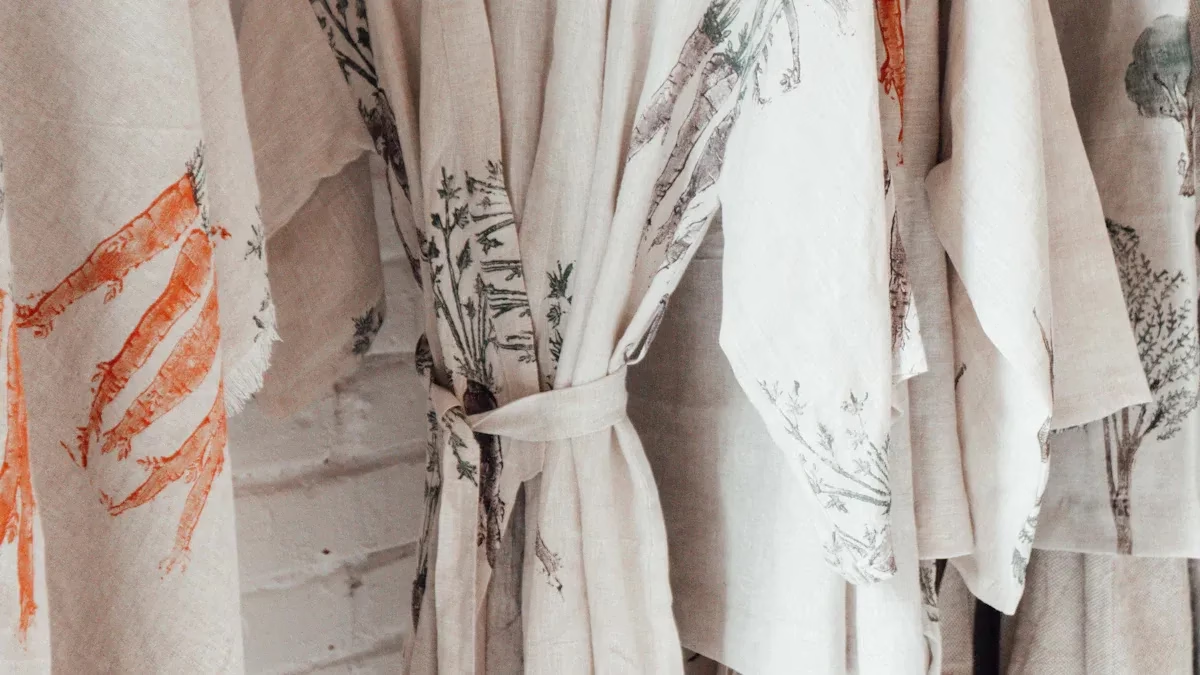
If you want to use sustainable fabrics for your kids’ clothing line, you should think about safety and the environment. Kids’ clothes need to keep children safe and comfortable.
General Clothing Flammability (16 CFR 1610) gives rules for how fast clothes can burn. This ensures fabrics do not catch fire and burn too quickly. The CPSC has strong rules about drawstrings on kids’ jackets to stop strangulation. Zippers are checked to make sure they work well and do not break. This helps prevent choking. These safety checks are important to ensure kids’ clothes perform well, follow the rules, and are safe.
Source sustainable fabrics to help the Earth, too. You create less pollution, save resources, and avoid strong chemicals. Petelulu helps brands like yours reach these goals. Even small brands can stand out by telling their story and being honest with buyers.
Principales conclusiones
Contenido
Pick fabrics with certificaciones de confianza like GOTS and OEKO-TEX. These help make sure clothes are safe and good for the planet.
Utilice materiales ecológicos like organic cotton, bamboo, and hemp. These help protect kids and the earth.
Work with suppliers who treat workers fairly. Make sure they follow good rules to support a responsible clothing line.
Always check for safety standards and certifications. This helps make sure kids’ clothes are safe and feel good.
Use resources like petelulu to find certified manufacturers. This makes it easier to get the right fabrics.
What Makes Fabrics Sustainable
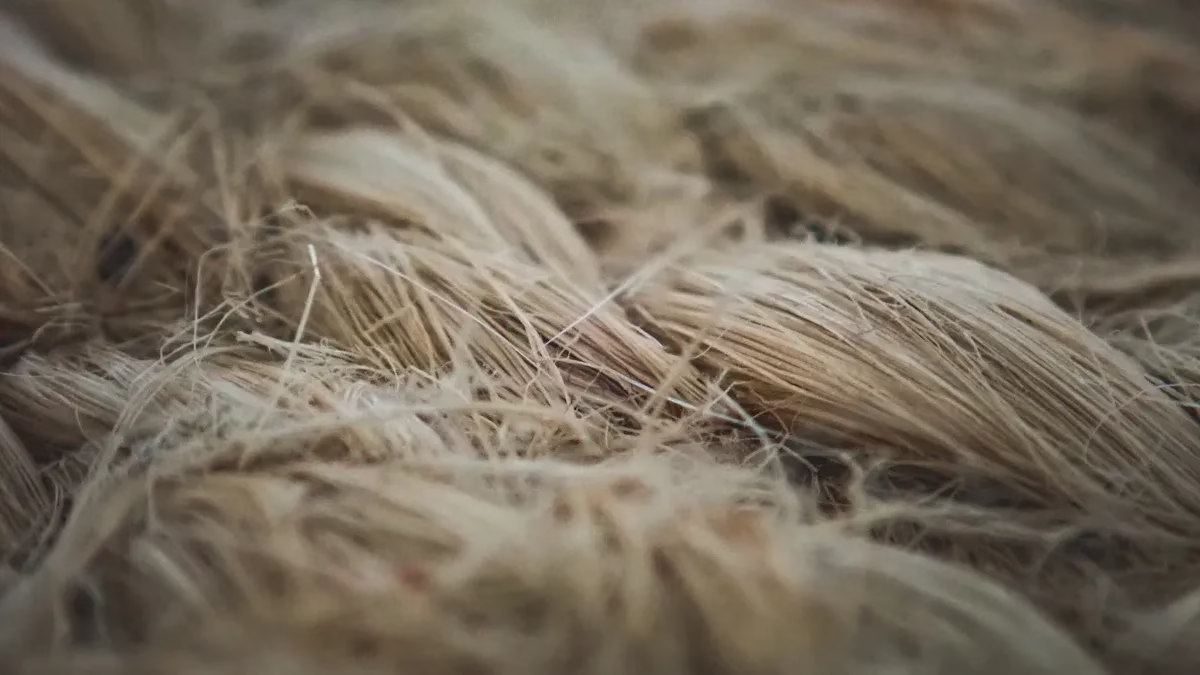
Key Certifications (GOTS, OEKO-TEX)
When you want to source sustainable fabrics, you should look for certificaciones de confianza. These labels show that the fabric meets strict rules for safety and the environment. Two of the most important certifications are GOTS and OEKO-TEX Standard 100.
Here’s a quick look at what they mean:
Nombre de la certificación | Descripción | Key Requirements |
|---|---|---|
GOTS | Global Organic Textile Standard. One of the strictest standards for organic textiles. | Needs at least 70% organic fiber for “made with organic materials” and 95% for “organic.” Checks the whole process for environmental and social rules. |
Norma OEKO-TEX 100 | Tests textiles for harmful substances. Makes sure they are safe for people. | Tests every part of the garment for dangerous chemicals. Only allows zero or very low amounts. |
GOTS and OEKO-TEX do more than check the fabric. They also look at how workers get treated and how factories handle waste. GOTS, for example, bans GMOs and harsh chemicals. It checks water use and waste. Both certifications push for better working conditions and fair pay. You can trust these labels when you want to source sustainable fabrics for kids.
Safety and Quality for Kids
Kids have sensitive skin. They need clothes that feel soft and safe. You should always check for safety standards when picking fabrics. Here are some key standards to know:
Certification/Standard | Descripción |
|---|---|
Norma OEKO-TEX 100 | Makes sure no harmful substances touch your child’s skin. |
Sets safety rules for all children’s products sold in the USA. | |
GOTS | Proves the fabric is organic and follows strict rules for safety and the planet. |
You might hear some myths about sustainable fabrics. Some people think you must throw away old clothes to go green. That’s not true. You can keep using what you have and still make better choices for new items. When you source sustainable fabrics, you help protect kids and the planet at the same time.
Set Sourcing Priorities for Kids’ Clothing
Environmental Impact and Ethics
When you start a kids’ clothing line, your choices matter. You can help the planet and your business by picking the right fabrics. Many brands try to use less water and make less pollution. They also want to create less waste. They choose eco-friendly materials like organic cotton, bamboo, and recycled fibers. These fabrics use fewer chemicals and help keep the earth clean.
Deberías work with suppliers who care about people and nature. Ethical sourcing means you check if workers are treated fairly. You want them to have safe places to work. You look for suppliers who do not allow modern slavery. You also want them to support worker wellbeing. Think about climate change, water problems, and saving nature too.
Here’s a simple table to help you set your priorities when you pick sustainable fabrics:
Criterios | Descripción |
|---|---|
Cost per yard or unit | Make sure you can pay for the fabric and still get good quality. |
Required safety certifications | Look for CPSIA and OEKO-TEX to keep kids safe. |
Sustainability certifications | GOTS and Bluesign show the fabric is good for the planet. |
Lead times | Ask how long it takes to get your fabric. |
Supplier reliability metrics | Pick suppliers who deliver on time and keep quality high. |
Tip: Brands that use sustainable practices often get more loyal customers. You can even charge a little more because buyers trust your values.
Child Safety Standards
Safety is the most important thing for kids’ clothes. You must follow strict rules in the United States and Europe. These rules cover flammability, chemicals, and small parts. For example, the General Product Safety Directive (GPSD) in the EU makes sure all products are safe for children. You need to check every button, snap, and zipper to stop choking or injury.
Here are some important standards you should know:
Estándar | Descripción |
|---|---|
EN 17394-2:2020 | Tests how well buttons stay attached. |
CEN/TS 17394-3:2021 | Checks the safety of metal press fasteners. |
CEN/TS 17394-4:2021 | Looks at other small parts and how secure they are. |
CEN/TS 17394-1:2021 | Focuses on small parts in baby clothes. |
You also need to check for risks and keep records to show your clothes are safe. When you pick sustainable fabrics, you make sure your products are safe and good for the planet. Parents will see your care and trust your brand.
How to Source Sustainable Fabrics with petelulu
Research and Supplier Selection
You want to use the best materials for your kids’ clothes. First, you need to find suppliers who care about safety and the planet. Petelulu helps you do this. They have a network that connects you to certified factories. These factories focus on quality and eco-friendly ways.
Here are some ways to find good suppliers:
Check for certifications like GOTS and OEKO-TEX. These show the supplier follows strict rules for safety and the environment.
Pick eco-friendly fabrics like organic cotton, bamboo, and hemp. These are gentle on kids’ skin and better for the earth.
Make sure the supplier treats workers fairly and uses safe methods.
Petelulu is special because they offer different ways to make clothes. You can choose what works for your brand. You can order a small amount or a big one. Their low minimum order amounts help new brands try out ideas without spending too much.
Tip: Brands that use certified suppliers earn trust from parents and stand out.
Here’s how petelulu’s sourcing network helps you:
Beneficio | Descripción |
|---|---|
Petelulu links you with factories that care about safety and quality. | |
Flexible production models | You can pick CMT or FPP models to fit your needs and budget. |
Commitment to eco-friendly practices | Certifications like OEKO-TEX, GOTS, and BSCI keep your brand focused on sustainability. |
Verifying Sustainability Claims
You want to be sure your supplier’s claims are true. Petelulu helps you check everything. They have certifications like Fairtrade, GOTS, and OEKO-TEX. These prove they care about safe and green sourcing.
Here’s what you should do to check sustainability claims:
Ask for proof that the fabric has recycled content.
Make sure the supplier keeps your brand’s promises.
Ask for clear data about where and how they make things.
You can also look for public factory lists and audit reports. These show how workers are treated and if safety rules are followed. If a supplier says “ethically made” but gives no proof, be careful.
To be extra safe, ask for a Certificado de Transacción (TC). A Scope Certificate (SC) shows the factory can make organic goods. A Transaction Certificate (TC) proves your roll of organic cotton is certified.
Here’s a table of important certifications to check:
Certificación | Descripción |
|---|---|
Certificado Fairtrade | Makes sure people are treated fairly when making clothes. |
GOTS | Máxima calidad en textiles ecológicos y abastecimiento justo. |
OEKO-TEX | Shows that textiles do not have harmful chemicals. |
SA8000 | Focuses on fair treatment in the workplace. |
Sampling and Collaboration
Before you order a lot, always ask for fabric samples. Petelulu makes this step easy and quick. Sampling lets you touch and test the fabric. You can see if it feels soft, looks nice, and meets safety rules.
Why are samples important?
Puede check the quality yourself.
You can see how the fabric holds up after washing and wearing.
You can see if the supplier can give you what you want.
Here’s a table showing what to look for in samples:
Fabric Quality Aspect | Importance for Kids’ Clothing |
|---|---|
Texture | Feels nice on the skin |
Durabilidad | Lasts through play and washing |
Seguridad | Follows all safety rules for kids |
Petelulu’s team helps you during sampling. You can give feedback and ask for changes. Their designers help turn your ideas into real clothes. You get help from the first sketch to the last shipment.
Petelulu also offers OEM and ODM services. If you have your own designs, use OEM. If you want ready-made styles with your own twist, ODM is best. Both use eco-friendly materials, safe dyes, and water-saving systems.
Working closely with your supplier helps your brand grow. Petelulu supports you at every step. This makes it easy to get sustainable fabrics and make safe, stylish clothes for kids.
Best Sustainable Fabrics for Kids’ Clothing
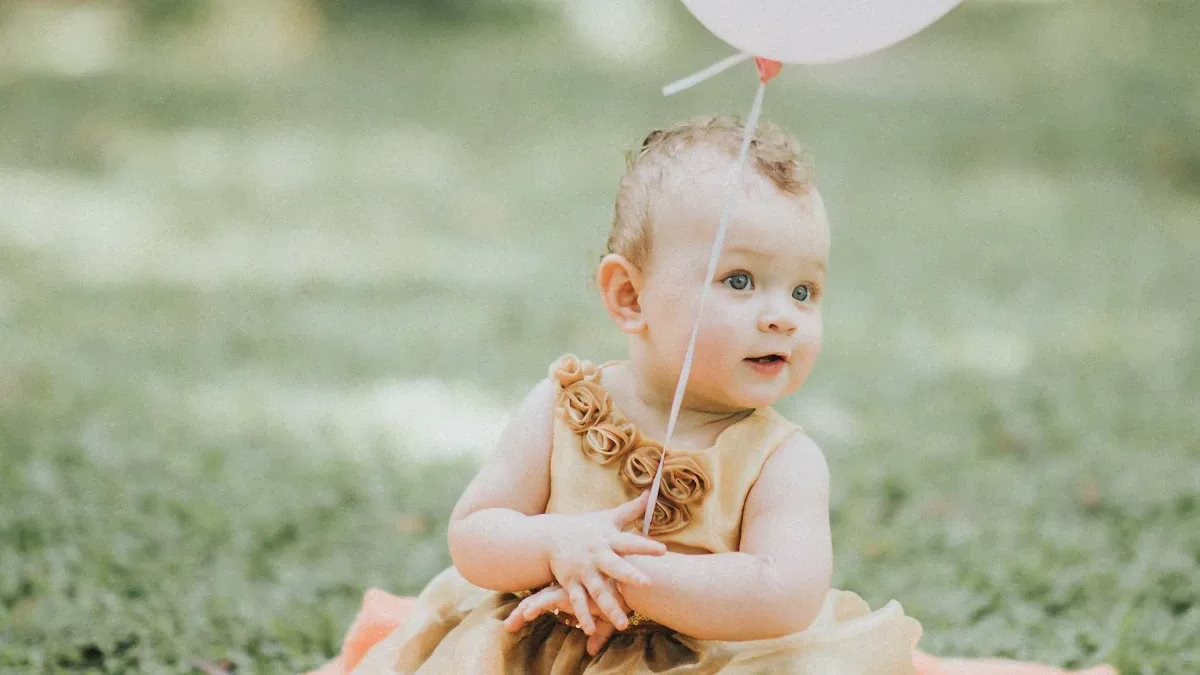
Organic Cotton, Bamboo, Hemp
You want your kids’ clothes to be soft and safe. These clothes should also last a long time. Many brands pick organic cotton, bamboo, and hemp. These fabrics are gentle on skin and good for the earth.
Algodón orgánico grows without bad chemicals or pesticides. This keeps your child’s skin safe. It also helps farmers and the planet. The fabric feels soft and is strong.
Bambú has natural antibacterial powers. It grows quickly and does not need much water. Clothes made from bamboo stay fresh and comfy. But making bamboo fabric can use strong chemicals. Always check for trusted certifications.
Cáñamo is a super plant that utiliza menos agua. It almost never needs pesticides. Hemp fabric lasts a long time and is good for the planet.
Tip: Many brands use these fabrics because they care about safety and the environment. Check out this table to see what some popular brands use:
Marca | Sustainable Fabrics Used |
|---|---|
Yeah Life | Hemp, organic, and recycled materials |
Little Lentil | 100% certified organic cotton |
PACT | Algodón orgánico |
Mini MATE | Non-toxic, natural, and organic materials |
Tentree | Various sustainable materials |
Local and Recycled Options
You can also try local and recycled fabrics. Local fabrics help your community and cut down on shipping pollution. Recycled fabrics give old clothes and bottles a new life. This helps reduce waste and keeps the earth cleaner.
Here are some reasons to try local and recycled options:
More parents want eco-friendly products for their kids.
Using recycled materials can help your brand stand out.
You help lower pollution and support better farming and working conditions.
Stores like Gap and H&M use a lot of recycled materials in kids’ clothes. Take a look:
Marca | Percentage of Recycled Materials | Goal Year |
|---|---|---|
Gap | 40% polyester recycled | 2025 |
H&M | 94% polyester recycled | 2025 |
H&M | 89% recycled or sustainably sourced materials | 2030 |
When you use tejidos sostenibles, you show parents you care. You care about their kids and the planet. You also join a trend of brands making better choices for the future.
You can make a kids’ clothing line that is safe and comfortable. It can also be good for the planet. Start by choosing natural fabrics like organic cotton or bamboo. Always check for trusted certifications before you buy. Work with partners who care about people and nature. Here are some choices you have:
Tipo de tejido | Beneficios | Consideraciones |
|---|---|---|
Algodón orgánico | Soft, chemical-free | Higher cost |
Bambú | Hypoallergenic, eco-friendly | Price can be higher |
If you work with experts like petelulu, things get easier. You will get help, good materials, and a team that cares about safety. They also care about doing the right thing. Take the next step and learn about sustainable sourcing. Find partners who can help your brand grow.
PREGUNTAS FRECUENTES
What is the best fabric for sensitive skin?
Organic cotton works great for sensitive skin. It feels soft and does not have harsh chemicals. Bamboo is also gentle and keeps kids cool. Always check for OEKO-TEX or GOTS labels for extra safety.
How can I check if a fabric is really sustainable?
Busque certificaciones de confianza como GOTS or OEKO-TEX. Ask your supplier for proof. You can also request a Transaction Certificate (TC) for organic fabrics. If you see these, you know the fabric meets strict rules.
Can small brands order sustainable fabrics with low minimums?
Yes! Many suppliers, like petelulu, offer low minimum order quantities (MOQs). You can start small and grow your line over time. This helps you test ideas without spending too much money.
Why do certifications matter for kids’ clothing?
Certifications show that the fabric is safe and eco-friendly. They protect kids from harmful chemicals and help you build trust with parents. When you use certified fabrics, you show you care about safety and the planet.