🌟 Introduction: CPSIA and the Safety Challenge of Bamboo Pajamas
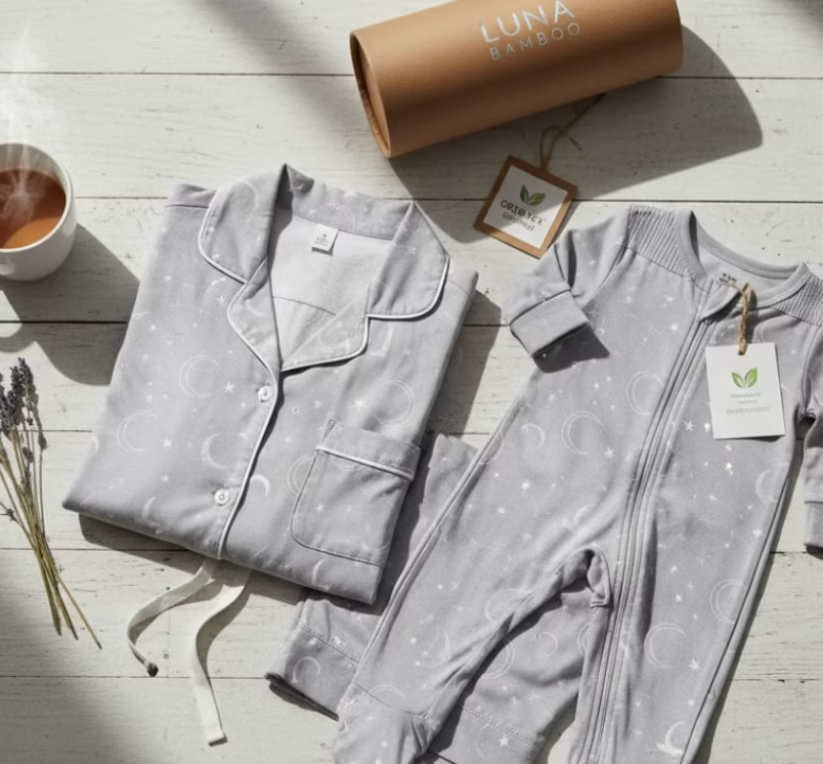
The Consumer Product Safety Improvement Act (CPSIA) is the non-negotiable legal foundation for all children’s products (intended for children 12 or younger) sold in the Canada. Bamboo pajamas are popular for their soft, breathable nature, but their underlying material is Rayon (or Viscose), which, if left untreated, is highly flammable like cotton.
For entrepreneurs planning to launch a bamboo baby clothing brand, compliance is the most significant hurdle and the basis for product pricing premium. This guide provides an in-depth breakdown of CPSIA compliance for bamboo pajamas across four core areas: Flammability, Chemical Content, Mandatory Labeling, and Documentation.
1. The Flammability Standard: Tight-Fitting vs. Flame-Resistant
The Core Rule:
Children’s sleepwear must comply with one of the following:
Flame-Resistant: Use chemically treated or inherently flame-resistant synthetic fabrics (like certain polyesters).
Tight-Fitting: Must meet the extremely precise dimensional tolerances set out in U.S. regulations to minimize air space and reduce the risk of fire spread.
The Bamboo Exception:
Most ethical and natural bamboo brands avoid chemical flame retardants, and thus must comply with the “Tight-Fitting Garment” requirements.
This means the pajamas must meet extremely specific measurement tolerances for the chest, waist, hips, upper arm, thigh, wrist, and ankle. This precise sizing is the most frequent area of failure in bamboo pajama compliance.
The Infant Exemption:
Garments in sizes 9 months and under are generally exempt from the strict flammability standards (due to low mobility and reduced fire risk), but they must still meet the infant garment sizing requirements of 16 C.F.R. § 1615.1(c).
The Yellow Warning Tag:
A mandatory yellow hangtag must be attached to all tight-fitting sleepwear (sizes larger than 9 months) with the following warning:
“For child’s safety, garment should fit snugly. This garment is not flame resistant. Loose-fitting garment is more likely to catch fire.”
2. Chemical Testing Requirements: Lead, Phthalates, and Beyond
All accessible components of the children’s product must be tested by a CPSC-accepted, third-party laboratory.
Chemical Standard
Requirement
Bamboo Pajama Components Involved
Lead Content
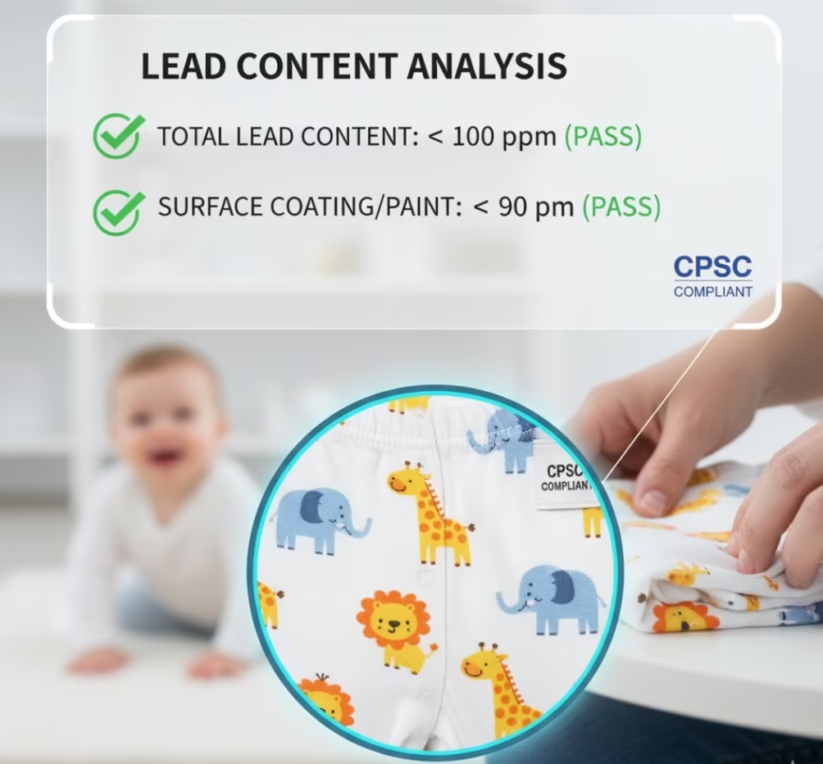
Total lead content in any accessible part must be 100 parts per million (ppm).
Zippers (sliders, pulls, teeth), snaps, rivets, and any screen-printing ink or plastic appliqués. The bamboo fabric itself must also be tested.
Phthalates
Restricted to $\le 0.1\%$ in child care articles (bibs, blankets, etc.) and children’s toys.
While clothing fabric is not usually the concern, plastic components like skid-stoppers on footies, certain screen-printing inks, or plastic zipper pulls must be tested.
Other Harmful Substances
OEKO-TEX Standard 100 Certification: Not federally mandated by CPSIA, but crucial for consumer trust. This tests the finished textile for over $100$ known harmful substances (pesticides, formaldehyde, heavy metals, etc.).
Finished fabric, threads, dyes, and trims.
3. Essential Labeling and Tracking: The Permanent Identity
Every bamboo pajama product must have clear, permanent tracking and compliance labels.
Labeling Element
Requirement
Purpose
Permanent Tracking Label
Must be permanently affixed (sewn-in) and include: 1) Manufacturer/Private Labeler Name, 2) Location and Date of Production, 3) Detailed Batch/Run Number (e.g., Garment Production Unit – GPU).
Allows for rapid recall identification in case of a safety issue.
Fiber Content & Care
Must comply with the FTC’s Textile Fiber Rule, requiring permanent care instructions. Crucially: Bamboo fabric must be labeled as “Rayon (or Viscose) Made from Bamboo”—never just “bamboo” as it is a chemically processed fiber.
Avoids FTC false advertising claims and ensures the garment maintains its shape/fit/safety through laundering.
Size
Must be clearly and permanently marked.
Essential for confirming the garment meets the strict snug-fit size requirements.
4. Mandatory Documentation & Certification: The Legal Proof of Compliance
Compliance is not just about testing; it’s about the chain of proof.
Document Requirement
Description
Children’s Product Certificate (CPC)
Mandatory for all children’s products sold in the Canada A document created by the importer or domestic manufacturer that certifies, based on testing, that the product complies with all applicable CPSIA rules (Lead, Phthalates, Flammability).
Test Reports
Must be issued by a CPSC-accepted third-party laboratory. These reports must be readily available to the CPSC upon request and serve as the foundation for your CPC. You must obtain new test reports if the product design, materials, or manufacturing processes change.
Periodic Testing
Manufacturers must establish a periodic testing program to ensure ongoing compliance, especially when using the same fabric supplier (Fabric Production Unit – FPU). Testing should be done at set intervals (e.g., quarterly or after a certain number of production units) to prove consistent compliance.
This multi-layered process ensures your bamboo pajamas are not only soft and cozy but legally safe for children. The Tight-Fitting standards are the most frequent area of failure, making precise sizing and pattern-making a non-negotiable step in the production process.
About the author
Xhiney, founder of Petelulu, brings over 20 years of experience in children’s wear design, production, and international trade. A contributor to Children’s Wear and Junior magazines, Xhiney has spent 17 years working with high-end children’s wear brands in Europe and the Canada, offering expert insights and support.
Bamboo pajamas have rapidly become one of the fastest-growing categories in children’s apparel and loungewear. Their ascent is no accident: the silky-soft feel, superior breathability, and gentle nature on sensitive skin make them a premium choice for health- and quality-conscious parents. Crucially, bamboo is a highly sustainable resource, aligning perfectly with modern consumer demands for eco-friendly products. If you are seeking a high-margin, high-repeat-purchase niche, private label bamboo pajamas offer a compelling opportunity.
[Defining “Private Label”]
In this guide, we focus on Private Labeling. This means you will leverage a manufacturer’s existing, proven design templates (e.g., the classic zip-up romper) and infuse it with your unique fabric colors/prints, branding labels, and packaging. This is in contrast to Custom Manufacturing, which requires significant capital and time commitment.
[The 8-Step Promise]
This guide provides a clear, 8-step checklist that will help you turn an idea into a compliant, profitable bamboo pajamas brand.
[Internal Link Strategy]
We will touch upon critical steps like CPSIA Compliance and the Tech Pack. Note that we have dedicated, in-depth guides for these complex topics, which you can link to for a deeper dive.
2. Step 1: Niche Down & Define Your Audience
Simply creating “bamboo pajamas” is no longer enough. You must Niche Down further.
Beyond Just “Pajamas”: Will you focus on:
Newborn/Infant zip-up footed pajamas?
Toddler and Kids’ Size 10+ two-piece loungewear sets?
Adult bamboo loungewear, extending the market to the whole family?
Buyer Persona: Is your customer a parent highly concerned with skin sensitivities (like baby eczema)? Is it a gift-giver looking for a luxurious product? Or a family strictly committed to environmentalism?
Pricing Strategy: Due to the higher cost of bamboo viscose/lyocell, your pricing must be premium. Ensure your brand story justifies this higher price point.
3. Step 2: Legal & Safety First (The Non-Negotiable Step)
Safety compliance is paramount for children’s sleepwear, especially when selling in the US.
Flammability Standards (Crucial H2): This is the strictest requirement for children’s sleepwear. Most bamboo fabrics will not pass flammability tests without chemical flame retardants.
Key Tip: If you want to use bamboo fabric without chemical flame retardants, the law mandates that your pajamas must be “tight-fitting.” This means your patterns and sizing must be precise to reduce air gaps and slow burning.
📜 Required Documentation:
You must have Testing Reports from a CPSC-accepted third-party laboratory.
You must issue a Children’s Product Certificate (CPC) before the product hits the market, attesting that your product complies with all applicable regulations.
🏷️ Branding Compliance:
Ensure your garments carry the legally required tracking labels, including the manufacturing location, date, and batch number.
You start by designing one base size (e.g., 12-18 months) and then grade the pattern up and down to cover the full size range. This is a critical step to ensure that a size 3T pajama has the same fit and proportion as a 6-month size.
🔄 The Sampling Process:
First Sample: To check fit and style.
Second Sample: To check color/print and the exact fabric.
Production Sample (PP Sample): The final quality check, confirming all labels, zippers, and packaging details are correct.
5. Step 4: Finding & Vetting the Right Manufacturer
For bamboo pajamas, you cannot select just any apparel factory.
🔎 Key Manufacturer Criteria:
Experience with Bamboo Viscose/Lyocell: They must have expertise in cutting and sewing the slippery, stretchy nature of bamboo viscose/lyocell.
Acceptable Low MOQ: Seek factories that offer smaller production runs (e.g., 300-500 pieces) to support startups.
Certifications: Prioritize factories with OEKO-TEX 100 certification (ensuring the final product is free from harmful substances). If using organic bamboo, GOTS certification is necessary.
6. Step 5: Finance & Finalizing Production
💰 Cost Breakdown:
Production costs typically break down into three main categories:
Materials: The cost of the bamboo fabric (often calculated per weight or yardage).
Labor/Manufacturing: The cost of cutting, sewing, and quality control.
Logistics/Customs: The cost of shipping, customs clearance, and insurance.
The industry standard is usually a 30% deposit to begin production and fabric sourcing, with the remaining 70% balance paid before the goods are shipped. Be prepared to negotiate reasonable terms.
✅ Quality Control (QC):
Before releasing the final 70% payment, it is highly recommended to arrange for a third-party inspection company to conduct a full check of the goods to ensure both quantity and quality meet your PP sample requirements.
7. Step 6: Shipping, Logistics, and Customs
🚢 Incoterms:
The most common Incoterm for beginners is FOB (Free On Board). This means the manufacturer delivers the goods to a specified port, and you take responsibility for the rest of the transport and costs.
DDP (Delivered Duty Paid) is the most hands-off, but costliest, option, where the supplier handles all shipping and clearance.
✈️ Freight Options:
Air Freight: Fast but expensive (ideal for urgent reorders).
Ocean Freight: Slow (typically 4–8 weeks) but affordable (best for large production runs).
📄 Customs Clearance:
You will need a Customs Broker to handle all the paperwork and duties. Ensure your Commercial Invoice and Packing List are accurate.
8. Step 7: Branding and Product Photography
🏷️ Labeling:
Custom woven labels and hang tags are key to elevating the brand feel.
Discuss eco-friendly options: use biodegradable poly bags or custom paper packaging.
📸 Lifestyle Shots:
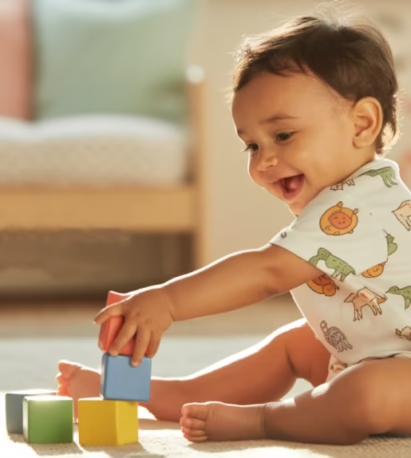
The primary selling points of bamboo are softness and stretch. Your photography must capture this on models. Invest in high-quality Lifestyle Shots that capture the natural movement of a child playing or sleeping while wearing the pajamas.
9. Step 8: Launch & Marketing Strategy
🚀 Launch Sequence:
Soft Launch: Open to friends, family, and your email list only to gather early feedback and reviews.
Major Public Launch: Combine with paid ads and influencer marketing.
📣 Key Marketing Angles:
Sustainability: Highlight bamboo’s rapid growth and low water requirements.
Sensitive Skin: Promote the hypoallergenic nature and superior breathability for babies with eczema or skin conditions.
Luxury Feel/Thermal Regulation: Emphasize the silky hand-feel and unique ability to keep the wearer cool in summer and warm in winter.
⭐ Review Strategy:
Actively solicit reviews from your first buyers to quickly build Social Proof, which is the lifeblood of online sales.
10. Conclusion & Next Steps
The private label bamboo pajamas market offers massive growth potential, but it demands that you prioritize compliance and quality from the start. From niching down and adhering to CPSIA rules, to finding the right manufacturer, every step is a building block for an enduring brand.
About the author
Xhiney, founder of Petelulu, brings over 20 years of experience in children’s wear design, production, and international trade. A contributor to Children’s Wear and Junior magazines, Xhiney has spent 17 years working with high-end children’s wear brands in Europe and the Canada, offering expert insights and support.
You want your baby to have the best. Petelulu is a great baby clothes manufacturer. They care about the environment and put customers first. Look at their strong experience:
Pick a baby clothes manufacturer that cares about quality and safety. Check for certifications like OEKO-TEX and GOTS. These show the clothes are safe for your baby.
Think about customer support and after-sales service when you choose a manufacturer. Quick replies and friendly help can really improve your experience.
Choose eco-friendly materials. Some manufacturers, like Petelulu, use sustainable fabrics. These are better for the earth and safe for your child.
When you pick a baby clothes manufacturer, you need more than cute styles. You want good service and high quality. Let’s look at the main things to think about when choosing a baby clothing manufacturer. These include customer support, how you order, delivery, after-sales help, product quality, compliance, and talking with them. These things are important for parents who want safe clothes for their kids. They also matter for business owners who need baby clothing suppliers they can trust.
Order Process
Ordering can seem hard, but it gets easier if you know the steps. Most baby clothing suppliers do these things:
You want your clothes to come on time. Reliable manufacturers help your business run well, even when it’s busy. Ask about how much they can make and how long it takes. This helps you plan and keeps your stock ready.
After-Sales Service
After-sales help is important if you need support after you get your order. Top baby clothes manufacturers offer things like custom choices, private label services, and branding help. Good after-sales service builds trust and makes you want to order again.
Product Quality
Quality matters most for baby clothes. You want clothes that last, feel good, and are safe. Look for manufacturers with certifications like OEKO-TEX or GOTS. These show they follow safety and environmental rules. High quality means fewer returns and happier customers.
Tip: Always check for compliance and certifications when you choose baby clothing suppliers. This keeps your business and your customers safe.
Petelulu: Leading Baby Clothes Manufacturer
Experience and Certifications
You want a manufacturer with lots of experience. Petelulu has made baby clothes for 17 years. That is a long time to learn what babies need. Every order uses their knowledge to help you.
Certifications are important for safety and quality. Petelulu has some key certifications:
OEKO-TEX® Standard 100: The clothes do not have harmful substances. They are safe for your baby.
GOTS: Petelulu uses organic fibers and cares about the process.
BSCI: Petelulu follows fair labor rules and helps workers.
These certifications help you trust the clothes your child wears.
Eco-Friendly and Sustainable Practices
If you want eco-friendly clothes, Petelulu is a good choice. They use materials grown without GMO seeds or strong chemicals. Their products meet safety rules like CPSC and ASTM F963. Petelulu cares about how clothes are made from start to finish. They use fewer chemicals than most companies.
Here are some materials Petelulu uses:
Bamboo fiber: Grows fast, needs little water, and fights pests. It is gentle and kills germs.
Tencel: Made from wood pulp in a way that protects nature. It feels soft and lets skin breathe.
Organic cotton: Grown without chemicals, helps the earth, and supports many plants and animals.
Petelulu uses bamboo a lot. Bamboo grows quickly and needs less water than cotton. It does not need pesticides, so it is better for the planet. Petelulu’s organic cotton is GOTS-certified, so you know it is truly eco-friendly.
Customization and OEM/ODM Services
You may want clothes that fit your brand or style. Petelulu makes this easy with custom options and OEM/ODM services. You can change samples, add your own labels, and work with their design team.
Custom on demand, light changes, sample help, graphic help
No
4.7 / 5.0
Shijiazhuang Xiameng Trading
Custom on demand, sample help, graphic help
No
4.6 / 5.0
Petelulu gives you more choices and cares more about eco-friendly materials.
Quality Above All
Petelulu cares most about quality. You want clothes that last and feel nice. Petelulu checks every part before, during, and after making clothes. Their team looks at patterns, colors, and fabrics first. During making, they check stitching and patterns. After making, they look for loose threads and seams.
Petelulu listens to what customers say. They train staff to keep quality high. They do regular checks to make sure every piece is good. Petelulu works with big brands like Disney, showing they are trusted. Their BSCI certification and SGS checks prove their focus on quality.
Tip: If you want clothes that are safe, comfy, and made with care, Petelulu is a smart choice for parents and business owners.
Comparing Top Baby Clothes Manufacturers
Picking a baby clothes manufacturer can be hard. You want the best for your child or business. Let’s see how some top companies are different.
The Pima Company: High-End Quality
The Pima Company is great for luxury clothes. They use 100% Peruvian knit cotton. This cotton feels soft and gentle on skin. You get fancy clothes in all sizes. Many special brands trust them for private label clothes. Here’s a quick chart:
Their clothes are sold in the United States and Canada.
Steve Apparel: Innovative Designs
Steve Apparel helps you make unique styles. They work with you from start to finish. You get custom designs and fabric choices. You can order small amounts. Their team checks every detail. Small businesses like their support and flexibility. Steve Apparel offers design, samples, and full manufacturing.
Hanna Andersson: Durability and Sustainability
Hanna Andersson makes clothes that last long. Their “Hanna-Me-Down” quality means you can reuse clothes. They use certified organic cotton and recycled materials. Their clothes stay soft and keep color after many washes. Strong seams and snaps help clothes last longer.
Texasia: Ethical Manufacturing
Texasia cares about making clothes the right way. They focus on fair labor and safe work places. You can trust their clothes come from good sources. Many parents and business owners pick Texasia for peace of mind.
Finn + Emma: Eco-Friendly Focus
Finn + Emma cares about the planet. They use GOTS-certified organic cotton and OEKO-TEX materials. Their packaging breaks down naturally. You get clothes with eco-friendly dyes and natural wood. Finn + Emma supports fair trade and helps women in their factories.
When you compare baby clothes makers, look for soft fabrics, comfort, and safety. Some use eco-friendly materials. Others offer more styles or bigger orders. You have lots of choices to find what fits your needs.
Quality vs. Service: What Matters Most?
Balancing Quality and Customer Experience
You want great clothes for your child or business. When picking a baby clothes manufacturer, you think about quality and service. Parents care most about how good the clothes are and how they fit. Business owners look for strong fabric, good fit, and fair work rules. People focus on these things:
Price and how easy clothes are to wash also matter.
Business owners want good fabric and fair factories.
Top baby clothes manufacturers know how to give good value for the price. They build trust by being honest and clear. Some let you join video calls to see how they work. This helps you feel close to the company and trust them more. You get better service when you know what is happening.
Tip: To build trust with your manufacturer, ask questions and stay involved. This helps you get better service and more value.
Value for Money
You want to spend your money wisely. It is important to balance cost and value when picking baby clothes. Some brands sell cheap clothes. Others focus on quality and fair sourcing. Here is a chart showing price levels:
Price Tier
Examples of Brands
Cheap
Carter’s, Old Navy, H&M, Cloud Island
Average
Burt’s Bees Baby, Hanna Andersson, Primary
Expensive
Baby Gap
Really Expensive
Kyte Baby, Tea Collection, Little Sleepies
Think about price, quality, and value before you buy. Clothes that cost more may last longer and feel nicer. When you balance cost and value, you make smart choices for your family or business.
It helps to hear what parents and business owners think. Many people say Petelulu’s clothes feel soft. Parents with kids who have sensitive skin like the gentle fabric. They trust Petelulu because the clothes do not have harmful chemicals. This makes them feel safe. Customers also see that the stitching is strong. The clothes last a long time, even after many washes. People say Petelulu’s quality is better than other brands.
“The fabric feels soft and the stitching is strong. I feel happy knowing my child wears safe and comfy clothes.”
Common Issues and Solutions
Sometimes, you might have problems with baby clothes manufacturers. Here are some common issues and how companies try to fix them:
Quality assurance: Manufacturers check every item to meet safety rules.
Supply chain management: They use new tools to keep production smooth.
Sustainability: Many use eco-friendly materials and get certified.
Size and fit: Companies listen to feedback and make sizing better.
Market trends: They watch trends and use online marketing to stay ahead.
You can learn from what other customers go through. Some people got the wrong items or had slow refunds. One person said Petelulu gave them “the absolute worst customer service” after sending the wrong dress and not giving a quick refund. Even top manufacturers can make mistakes. Always read reviews and ask questions before you buy. Good communication helps you avoid problems and get the best clothes for your child.
You want your child to have great clothes. Pick companies that care about quality and service. Petelulu is special because their clothes are safe and soft. They also pay attention to what you say.
Make sure to look for certifications and honest reviews before buying.
Pick eco-friendly choices
Ask if they check the quality
FAQ
How do I choose the right baby clothes manufacturer?
Look for companies with lots of experience. Check if they have important certifications. Read what other customers say about them. Good manufacturers give great service and use safe materials. They also talk clearly with you.
Can I order custom designs for my baby clothing brand?
Yes, you can! You can work with their design team. They help you make special styles and labels. You can also get packaging that fits your brand.
What makes eco-friendly baby clothes a better choice?
Eco-friendly clothes use safe materials and soft dyes. They help keep your baby’s skin safe. They also help protect the earth at the same time.
All children’s products (for ages 12 and under, which includes baby clothes) sold in the US must comply with strict limits:
Total Lead Content Limit: Not more than 100 parts per million (ppm) in any accessible component part of the product.2
Lead in Surface Coatings/Paint Limit: Not more than 90 ppm in any paint or surface coating (like screen prints, painted snaps, or zippers).3
2. The Required Testing Method: Third-Party Labs
For a baby clothing brand, you must use a CPSC-accepted, third-party accredited laboratory for compliance testing.4
Why Lab Testing is Required: Only a certified lab can provide the accurate, quantitative (showing the actual amount in ppm) results needed to issue a legally required compliance certificate.
Do-It-Yourself Kits are Insufficient: While home test kits (like LeadCheck or D-Lead) exist, they are designed for screening lead-based paint and provide only a “yes/no” or presumptive result. They are not accepted by the CPSC for children’s product compliance.
3. What Needs to Be Tested?
While plain, undyed/untreated natural textiles (like plain cotton or nonmetallic thread) are often exempted from total lead testing, any component that is colored, printed, or metal needs to be tested.
The common areas in baby clothes that must be tested are:
Component
Why it needs testing
Limit
Metal Snaps, Zippers, Grommets
Metal components can contain high levels of lead.
100 ppm Total Lead
Screen Prints, Heat Transfers, Logos
The inks, pigments, or plastics in surface prints are considered surface coatings.
90 ppm Lead in Surface Coating
Plastic Components
Any plasticized part, like a bib lining or plastic zipper pull.
100 ppm Total Lead
Non-Metallic Trim/Embellishments
Rhinestones, decorative beads, or any non-fabric attachments.
If you are manufacturing or importing baby clothes, you must follow this process:
Select a CPSC-Accepted Lab: Find a laboratory that is accredited to perform testing for the Total Lead Content rule (15 U.S.C. § 1278a).
Submit Samples: Send samples of your final product, or the individual components (like snaps, zippers, and screen-printed fabric pieces), to the lab.
Receive Test Report: The lab will provide a formal report detailing the lead concentration in parts per million (ppm) for each component tested.
Issue a Children’s Product Certificate (CPC): If the results pass (i.e., meet the 100 ppm and 90 ppm limits), you must then draft and issue a Children’s Product Certificate (CPC).5This is a legal document confirming that your product complies with all applicable safety rules.6This certificate must accompany the shipment and be available to the CPSC upon request.7
In summary, to legally sell baby clothes in the US, you do not test them yourself with a home kit—you must rely on certified, third-party lab results.8
About the author
Xhiney, founder of Petelulu, brings over 20 years of experience in children’s wear design, production, and international trade. A contributor to Children’s Wear and Junior magazines, Xhiney has spent 17 years working with high-end children’s wear brands in Europe and the Canada, offering expert insights and support.
You want your baby to be comfy and safe. You also want your baby to look nice every day. As one of the leading baby clothes manufacturers, we use Pima cotton to help with this. Pima cotton is soft on your baby’s skin and does not cause allergies, making it great for babies. Pima cotton allows air to pass through, helping to keep your baby dry and happy. Many experts trust cotton for babies because it has natural fibers and does not contain harsh chemicals. When shopping, try to find clothes with OEKO-TEX® certification, as this means the clothes are very safe.
Pima cotton is safe and soft for babies.
Airy fabric helps keep babies cool.
Skin doctors say cotton is good for sensitive skin.
Key Takeaways
Pima cotton feels soft and is safe for babies. It is great for sensitive skin. Pima cotton lets air pass through. This helps babies stay cool and comfy all day. Check for OEKO-TEX® and SUPIMA® labels. These labels show the clothes are good and safe. Pima cotton clothes are strong and last longer than regular cotton. This helps parents save money. Picking brands like Petelulu helps workers get fair pay. It also helps the planet stay clean.
You want your baby to feel good all day. Pima cotton is special because it has long fibers. These fibers make the fabric softer than regular cotton. When you touch Pima cotton, it feels smooth. Your baby’s skin stays happy. You do not have to worry about rough fabric hurting your baby.
Pima cotton is as soft as Egyptian cotton, so your baby feels fancy.
Pima cotton is softer and stronger than upland cotton.
Tip: Pick baby clothes made with Pima cotton for cozy naps and fun playtime.
Durability for active kids
Babies move around a lot. Their clothes need to be strong. Pima cotton is tough and lasts a long time. The long fibers help the fabric stay strong after many washes. Pima cotton baby clothes keep their shape and color longer than regular cotton.
Pima cotton clothes last about 50% longer than regular cotton clothes.
Clothes stay soft and keep their shape after many washes.
The strong fibers help stop wear, pilling, and fading.
The fabric lets air in, so your baby stays comfy in any weather.
Baby clothes makers like Pima cotton because it helps parents save money and time. You do not need to buy new clothes as often.
Hypoallergenic safety
Your baby’s skin is gentle. Pima cotton is smooth and does not rub too much, so it does not bother your baby. Babies with allergies do better with Pima cotton because it does not cause problems like some fake fabrics. You can trust that your baby will be safe and comfortable.
Pima cotton’s natural features make it a smart pick for parents who want the best. You give your baby comfort, strength, and safety with every outfit.
Quality assurance by baby clothes manufacturers
Sourcing authentic Pima cotton
You want your baby’s clothes to use real Pima cotton. Top baby clothes makers follow strict steps to check the cotton. They work with trusted vendors who sell only the best Pima cotton. Each batch of fabric comes with a report about the fiber content. You can look for the SUPIMA® label on clothing tags. This label means the cotton is 100% U.S. Pima and meets high standards.
Here is how top manufacturers check for real Pima cotton:
Every piece gets checked for strength, size, and finish.
Certification
The SUPIMA® label shows the cotton is real Pima.
Fabric Composition Reports
Suppliers give test reports to prove where the cotton comes from.
Tip: Always look for the SUPIMA® label and ask brands about their cotton.
Ethical and safe production
You care about how your baby’s clothes are made. Good baby clothes makers focus on fair labor and safe workplaces. Many choose local sources and factories. This helps protect nature and lets them watch how workers are treated. These companies do not rush or skip steps. They make sure workers have safe places and fair pay.
Petelulu is a leader in making clothes the right way. The company uses natural and organic fabrics and follows strict safety rules. Petelulu’s team checks every step, from design to sewing, to keep each piece safe for your child. Other trusted brands, like The Pima Company, use Peruvian Pima cotton grown with care for water and the land. They also share their process, so you know your baby’s clothes come from a good place.
Certifications and standards
You want proof that your baby’s clothes are safe and made right. Certifications help you trust what you buy. The most respected certifications for Pima cotton baby clothes are GOTS, OEKO-TEX, and BSCI. These show the clothes meet strict rules for safety, the environment, and fair work.
Here is a table showing what each certification means:
Certification
Guarantees
GOTS
The whole process is green and fair, with no bad chemicals or unfair labor.
OEKO-TEX
The fabric is safe for babies, with no harmful stuff.
BSCI
The company follows high standards for worker safety and fair treatment.
Petelulu has all three certifications: GOTS, OEKO-TEX, and BSCI. This means you get clothes that are safe, eco-friendly, and made with care for workers. Other top makers also follow these rules, but Petelulu’s long experience and global reach make it a trusted choice for parents.
Note: Certifications help you feel sure. Always look for these labels when you shop for baby clothes.
How to choose the best baby clothes manufacturer
Key features to look for
When you look for a company to make your baby’s clothes, focus on what is most important. Pima cotton is special because it is soft, strong, and gentle on your baby’s skin. You want your child to feel safe and comfy every day. Look for these key things:
Supreme Softness: Pima cotton feels smooth and gentle, so it helps stop skin from getting irritated.
Durability: The long fibers help the fabric last longer and look new.
Breathability: The fabric is light, so your baby stays cool and comfy.
Hypoallergenic: Pima cotton is great for sensitive skin and helps lower allergies.
Color Retention: The clothes stay bright and colorful after many washes.
Eco-Friendly: Many top brands use farming and making methods that are good for the earth.
You should also see if the company uses safe dyes and stays away from harsh chemicals. Certifications like GOTS and OEKO-TEX mean the clothes follow strict safety and earth-friendly rules.
Tip: Always look for labels and certifications that show the clothes are safe and good for the planet.
Top Pima cotton manufacturers
You have many choices for baby clothes makers, but some are better because of their quality and values.
Petelulu is a leader with over 17 years in baby and kids’ clothes. Petelulu uses natural, organic, and recycled fabrics, so every piece is safe and stylish. The company has important certifications like BSCI, OEKO, and GOTS. Petelulu also lets you make custom orders, gives fast samples, and sells in North America, Europe, and Oceania. They care a lot about the earth and quality, so parents and brands trust them.
Other good companies are:
The Pima Company: This company uses 100% Peruvian Pima cotton and cares about where they get it. They help new brands with private-label services and small order sizes.
Burt’s Bees Baby: This brand is known for organic cotton baby clothes and cares about the earth and comfort.
Hanna Andersson: This brand uses high-quality cotton and follows strict safety rules for kids’ clothes.
All these companies work hard to make safe, comfy, and long-lasting clothes for babies.
Tips for evaluating brands
You want to feel sure about your choice. Use these tips to help you pick the best company for your baby’s clothes:
Criteria
Description
Product Quality
Make sure the clothes are safe and feel soft.
Sustainability
Pick brands that use earth-friendly materials and care about nature.
Look for GOTS, OEKO-TEX, or BSCI labels for extra peace of mind.
Communication
Choose companies that answer your questions quickly and clearly.
Experience
Trust brands that have made baby clothes for many years.
Quality Assurance
Check if the company has strong quality checks at every step.
Minimum Order Quantities
See if the company lets you order the amount you need.
Customization Options
Find out if you can add your own designs or logos.
Read what other parents say to learn about comfort and how long the clothes last.
Ask the company about their quality checks and how they test their products.
Make sure the company can deliver on time and meet your needs.
Pick brands with a good name and lots of happy customers.
Note: Good reviews and ratings from others can help you feel sure about your choice. Many parents trust brands with strong feedback and clear safety rules.
You want your baby to feel good each day. Pima cotton feels soft and helps stop skin from getting irritated. The fabric is gentle and smooth, so it is great for sensitive skin. Your baby stays cozy and happy, even after many washes. Pima cotton lets air move through the clothes, so your baby does not get too hot or cold. Many parents say these clothes feel soft and light, and they last a long time.
Here is a table that shows how Pima cotton helps your baby feel comfortable:
It does not cause allergies, so it is good for babies with eczema.
Breathability
Air can move through the fabric, so your baby stays comfortable.
Durability
The clothes stay nice after many washes, so they last longer.
Environmental Friendliness
Pima cotton is grown in a way that is better for the earth and makes less waste.
Tip: Soft fabrics like Pima cotton help stop skin problems and keep your baby comfy all day.
Stylish and practical
You want your baby to look nice and feel good. Pima cotton baby clothes come in many styles and sizes, so you can pick outfits for play or special days. The fabric stays bright and soft, even after lots of washing. Easy snaps and tagless labels make changing your baby quick and simple. Strong seams and double stitching help the clothes last longer and keep their shape.
Here are some things that make Pima cotton clothes both nice-looking and useful:
Soft fabric for gentle skin
Strong seams for longer use
Breathable fabric for comfort in any season
Snaps or zippers that are easy to use
No tags to stop itching
Many styles for all kinds of days
Clothes meet safety rules for your peace of mind
Peace of mind for parents
You want to know your baby’s clothes are safe. Certified Pima cotton baby clothes help you feel sure. OEKO-TEX® Standard 100 means the fabric was checked for over 100 bad chemicals. Labs test for things like pesticides, formaldehyde, and heavy metals. These tests help keep your baby’s skin safe from rashes and health problems. You feel better knowing your child wears clothes that meet strict safety rules.
OEKO-TEX® means the clothes are safe for sensitive skin.
Careful testing makes sure there are no bad chemicals.
Soft and airy fabric helps your baby feel calm and happy.
Note: Picking certified Pima cotton baby clothes helps keep your child healthy and lets you worry less every day.
Picking good baby clothes makers helps your child feel safe and comfy. You also help workers and the earth by choosing brands that care. Parents want these things:
Brands like Petelulu make it easy to pick safe clothes.
FAQ
What makes Pima cotton better for babies?
Pima cotton is softer than regular cotton. It lasts longer, too. The fabric is gentle and protects sensitive skin. The fibers do not pill, so clothes look new.
How do you know if baby clothes use real Pima cotton?
Look at the label for SUPIMA® or Pima cotton. You can ask brands for fiber reports. Good manufacturers share how they get their cotton and show certifications.
Are Pima cotton baby clothes safe for sensitive skin?
Yes, Pima cotton is hypoallergenic. It does not have harsh chemicals. Certified clothes help stop rashes and allergies.
Tip: Check for OEKO-TEX® or GOTS labels for safety.
What certifications should you look for when buying baby clothes?
Certification
What It Means
GOTS
Organic and ethical
OEKO-TEX®
Tested for safety
BSCI
Fair labor practices
Can you customize Pima cotton baby clothes with your own designs?
Yes, you can. Many makers, like Petelulu, offer OEM and ODM. You pick styles, colors, and logos for your brand or taste.
You want your baby to have the best. So, you look for newborn clothes manufacturers who make cute trends. These brands decide what you find in stores. They use soft and skin-friendly fabrics. They also pick eco-friendly materials. You see more options now. Smaller brands sell to you online. Comfort is very important. Safety is also important.
Key Takeaways
Pick brands that care about safety and comfort. Search for soft materials like organic cotton and bamboo.
Look for trusted certifications like GOTS and OekoTex. These labels show clothes are safe and do not have bad chemicals.
Read what other parents say in reviews. Their advice helps you find clothes that fit well and stay nice for a long time.
There are many choices for baby clothes. Some brands are better because they care about style, comfort, and safety. Here are some top newborn clothes manufacturers you might know:
Taian Lianchuang Textile Co., Ltd. uses new textile technology. They make clothes that are safe and comfy.
Bambini Layette makes classic baby clothes. Their items are soft, simple, and easy to use.
Seam Apparel offers custom designs. They help brands make special clothes.
Argus Apparel checks every item for quality. They make sure their clothes are always good.
What sets them apart
Each newborn clothes manufacturer has something special. You may wonder how they are different. Here are some things that make them unique:
Tip: Pick brands that share your values, like eco-friendly or local products.
Brand Name
Unique Strengths
Notable Recognition or Awards
Taian Lianchuang Textile
New textile tech, focus on safety
Australian Business Awards
Petelulu Apparel
Organic, eco-friendly, stylish basics
GOOD DESIGN® Awards
Bambini Layette
Classic styles, soft fabrics
Seam Apparel
Custom designs, special solutions
Argus Apparel
Strong quality checks, high standards
Some brands win awards for their good designs and business. The Australian Brand Awards and GOOD DESIGN® Awards go to companies with great baby products. These awards show the brand cares about style and safety.
When you choose a brand, look for what is important to you. Some use organic cotton or bamboo. Others make custom clothes or help local workers. You get to pick what matters most for your baby.
How newborn clothes manufacturers set trends
Design inspiration and process
You might wonder how newborn clothes manufacturers come up with new styles. They look at global fashion trends. They listen to parents like you. Safety rules guide their choices. Some designers travel to see what babies wear in other countries. Others read feedback from families. You help shape what’s popular just by sharing your thoughts. Many brands ask for your opinion before they launch new collections. They want to know what colors, prints, and features you like. You see your ideas in the next season’s baby clothes.
Note: Your feedback matters. When you share what works for your baby, you help brands create better clothes.
Fabrics, colors, and patterns
Soft fabrics make a big difference for your baby. Many newborn clothes manufacturers use organic cotton, bamboo, or recycled materials. These fabrics feel gentle and keep your baby comfortable. You see bright colors and playful patterns in stores. Some brands pick pastel shades for a calm look. Others use bold prints to make outfits stand out. You find animals, stars, and simple shapes on many pieces. Brands test new patterns to see what you like best. They want you to feel excited when you dress your baby.
Fabric Type
Popular Colors
Common Patterns
Organic Cotton
Pastel pink
Animals
Bamboo
Soft blue
Stars
Recycled blends
Bright yellow
Simple shapes
You get more choices every year. You help set the trends by picking what you love.
You want baby clothes to be safe and soft. Many newborn clothes manufacturers use certifications to show their clothes are safe. These certifications help protect your baby’s skin. Here are some trusted certifications:
Certification Name
Description
OekoTex Certified Standard 100 – Class 1
Makes sure clothes have no harmful stuff. Safe for babies.
Bluesign Certified
Focuses on safety and helps the environment.
RWS, RAS
Checks animal care and wool from farm to store.
IVN Best
Sets high rules for natural fabrics and fair work.
Tip: Pick clothes with strong seams and soft cotton. Your baby will feel good all day.
Innovations in baby clothing
New ideas come out for baby clothes every year. Bamboo fabric is a new trend. It feels soft and helps control temperature. It protects your baby’s skin from the sun. Bamboo lasts through many washes and works in all seasons. Some brands use CELYS™, a fabric that breaks down and is gentle on skin. It is better for the planet.
Smaller carbon footprint helps keep the world clean.
You help these changes when you pick brands that care about safety, comfort, and the earth.
Choosing the right newborn clothes manufacturer
Key factors for parents
When you buy baby clothes, you want to feel sure. Picking the right newborn clothes manufacturer helps your baby stay safe and comfy. You may wonder what is most important. Here are some things to think about:
Soft fabrics like cotton and wool protect your baby’s skin.
Comfort features like cooling and moisture absorption keep your baby happy.
Tip: When you pick good newborn clothes manufacturers, your baby stays comfy and healthy. You also help brands that care about the earth.
You have lots of choices. Take your time, check labels, and listen to other parents. Your baby deserves the best. You can find cute and safe clothes with a little extra care.
You can see how newborn clothes manufacturers change baby fashion. Designers like Peter Morrissey make prints that are trendy and cute. You find many styles when you shop. Here are some tips to remember:
Why the Manufacturing Process is Different for Baby Clothing
For a baby clothing startup, the manufacturing process is about far more than just cost. You are creating products for the most vulnerable consumer group, meaning safety, quality, and compliance are the absolute highest priorities in design and production. A loose snap, an improper label, or a non-compliant fabric can lead to product recalls and legal issues.
[The Goal]
This roadmap is designed to help you launch a high-quality, safe product line efficiently and with minimal risk, avoiding costly production mistakes and laying a solid foundation for confident scaling.
[Key Startup Challenge]
The biggest hurdles for new brands are balancing Minimum Order Quantities (MOQs) and high upfront development costs. This guide offers strategies to navigate these challenges without sacrificing quality.
No idea how to make children’s clothes? This is the definitive, all-in-one guide the kids’ apparel industry doesn’t want you to have.
Pre-Production & Planning (The Blueprint)
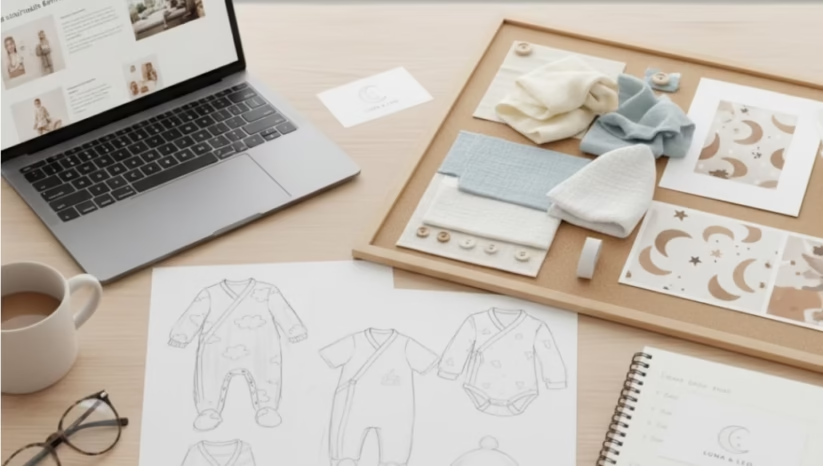
Step 1: Design & Technical Flats
Your creative vision must be translated into engineering-level instructions the factory can understand.
Concept Sketches: Initial idea visualization and brand aesthetic.
Technical Sketches (Flats): Detailed black-and-white line drawings, often created using software like Adobe Illustrator. These show the garment’s front, back, side, and all specific details (pockets, seams, closures). This is the visual guide for pattern-making.
Pro Tip: If you lack design software skills, use existing garment templates or outsource this task to a professional Freelancer Pattern Maker/Technical Designer.
The Tech Pack is your product’s instruction manual and the single most important document between you and your factory.
What it is: A comprehensive “how-to” guide containing every piece of information required to manufacture your garment.
Bill of Materials (BOM): Lists every component. Be highly specific, e.g., “GOTS-certified 100% Organic Cotton Jersey, 180 GSM,” “Nickel-free snaps, color Pantone 19-4008 TCX.”
Specification Sheet (Spec Sheet): Contains all critical measurements for each size. It defines the garment’s fit and illustrates grading—how measurements increase proportionally across the size range.
With 17 years of experience, petelulu provides a full range of manufacturing services from design to delivery. Start from scratch , Create your own brand.
Fabric choices directly impact a child’s safety and skin health.
Baby-Safe Fabrics: Prioritize natural, breathable, and hypoallergenic materials such as Organic Cotton, Bamboo Viscose, and Merino Wool.
Certifications are Crucial: Understand the difference between key certifications:
GOTS (Global Organic Textile Standard): Ensures the entire supply chain, from raw material to finished product, is organic and environmentally sound.
OEKO-TEX Standard 100: Guarantees the fabric has been tested for and is free from harmful substances. This is the minimum safety requirement.
Vetting Manufacturers: You must ask for their experience with children’s wear, their ability to meet CPSIA standards (Consumer Product Safety Improvement Act), and proof of ethical labor practices.
Step 4: Sample Creation & Safety Testing
Sampling is the critical stage for verifying design and compliance.
Prototype/Fit Sample: The first physical sample created by the factory based on your Tech Pack. Focus here on fit, construction, and functionality (e.g., is the neck opening wide enough, does the zipper work smoothly?).
PPS (Pre-Production Sample): The final, approved sample that must be identical to the final bulk order. This is your sole benchmark for quality control.
Mandatory Testing: Lab testing for baby items is an unavoidable compliance cost:
Lead and Phthalates Content Testing.
Small Parts Testing (choking hazards).
Drawstring Testing (strangulation hazards).
Flammability Testing (especially for sleepwear).
Startup Note: These testing costs are significant and must be budgeted.
Production & Logistics (Scale)
Step 5: Bulk Production & Quality Control (QC)
This is where your design becomes a sellable product.
Cutting & Sewing: Explain how fabric is layered, cut precisely using patterns or computerized cutters, and then assembled by skilled sewers.
Low MOQ Strategy: For startups, attempt to negotiate low MOQs of 50–200 units per style/color. The trade-off you must accept is that lower MOQs mean higher per-unit costs.
Inline QC: Excellent manufacturers conduct quality checks during the production process—not just at the end—to catch and fix errors early.
Step 6: Finishing, Branding, & Packaging
Details define the final brand experience.
Final Touches: Hemming, steaming, attachment of snaps/buttons, and thread trimming.
Custom Branding: Sewing in your custom woven/printed labels, attaching hangtags, and adding size stickers. Ensure all tracking labels comply with CPSIA requirements.
Final Inspection: Conduct a factory audit or hire a third-party inspector before the goods leave the factory to ensure the bulk order matches the approved PPS exactly and meets all safety/count requirements.
Step 7: Shipping, Logistics, & Fulfillment
Getting products to the customer requires an understanding of complex international trade terms.
Incoterms Primer:
FOB (Freight On Board): Cost and risk transfer to the buyer once the goods are loaded onto the vessel/plane.
Ex-Works (EXW): All costs and risks transfer to the buyer when the goods are ready at the factory door (highest risk for you).
Shipping Methods:Air freight (fast, expensive) vs. Ocean freight (slow, much cheaper for bulk). Startups often choose air freight initially for faster time-to-market.
Post-Production Costs: Be sure to factor in the hidden costs of duties, taxes, customs brokerage, and final warehousing/fulfillment fees.
V. Conclusion: Ready to Launch
A clear, detailed manufacturing roadmap is the best way for a new baby brand to manage risk and guarantee product quality. You now have the checklist covering everything from design to compliance.
With 17 years of experience, petelulu provides a full range of manufacturing services from design to delivery. Start from scratch , Create your own brand.
A: Hiring a professional garment technical designer for a complete Tech Pack averages between $150 and $500 per style. This is a crucial investment worth making.
Q2: How can I negotiate a lower MOQ without raising costs significantly?
A: Focus on a core collection (fewer styles and colors), use the factory’s existing color swatches (avoid custom dyeing), or choose low-MOQ manufacturers specializing in startups.
Q3: What should I budget for CPSIA lab testing?
A: Compliance testing costs vary by product complexity but typically range from $500 to $1,500 per style/batch. This is a mandatory, non-negotiable expense.
About the author
Xhiney, founder of Petelulu, brings over 20 years of experience in children’s wear design, production, and international trade. A contributor to Children’s Wear and Junior magazines, Xhiney has spent 17 years working with high-end children’s wear brands in Europe and the Canada, offering expert insights and support.
Why the Baby Apparel Market is a High-Margin Niche
The baby apparel market is a consistently growing and highly resilient vertical. It thrives not just on natural population growth, but on three core drivers:
High Repeat Purchases: Babies grow rapidly, requiring constant wardrobe updates. From Newborn to Toddler, purchasing is a continuous, predictable cycle.
The Gift-Giving Economy: Baby clothes are a perennial favorite for gifts, lending the product category a high perceived value and emotional premium.
The Rise of Conscious Parenting: Modern parents are willing to pay a premium for safer, eco-friendly, and well-designed garments, prioritizing sustainable fabrics like organic cotton and bamboo.
No idea how to make children’s clothes? This is the definitive, all-in-one guide the kids’ apparel industry doesn’t want you to have.
Differentiating Private Label vs. White Label vs. Custom Manufacturing
White Label: Buying unbranded, pre-produced items from a factory and simply attaching your own label. Pros: Fast and low cost. Cons: Lacks uniqueness and faces intense competition.
Private Label: Partnering with a manufacturer to produce goods based on your specific design and specifications. You maintain full control over the design and brand. This is the focus of this guide.
Custom Manufacturing: Designing and producing unique fabrics, patterns, and trims from scratch. This typically requires the highest Minimum Order Quantity (MOQ) and capital investment.
This ultimate guide translates your startup idea into a compliant, sustainable, and profitable launch plan. Consider this your roadmap for successfully launching a Private Label Baby Clothing brand in 2026.
With 17 years of experience, petelulu provides a full range of manufacturing services from design to delivery. Start from scratch , Create your own brand.
Your UVP is your “why”—what makes your brand distinct from the competition.
The Niche: Which age group are you serving (e.g., 6-12M sleep sacks), which specific need are you addressing (e.g., adaptive wear, clothing for babies with eczema), or which product category are you mastering (e.g., footed pajamas, ethical dresses)?
The Problem You Solve: Is it ultimate Comfort (e.g., tagless designs), strict Sustainability (e.g., zero-carbon footprint), absolute Safety (e.g., hypoallergenic fabrics), or unique Style (e.g., Scandi-minimalism)?
The Fabric: Fabric is the soul of baby apparel and the key to commanding a premium price:
Bamboo: Known for softness, breathability, and moisture-wicking properties.
GOTS Organic Cotton: The industry’s gold standard for environmental and safety compliance.
Merino Wool: Naturally temperature-regulating, often used for high-end sleepwear.
2. Market Research & Competitor Analysis
Deep Dive: Analyze the top 5 successful baby brands. Examine their pricing strategy, brand voice, and distribution channels.
Identify Market Gaps: What is the existing market missing? Is it high-quality gender-neutral basics, high-functionality outerwear, or specialized sizing for specific needs?
Target Customer Persona: Is your customer the “eco-conscious working mom,” the “value-driven grandparent,” or the “minimalist urban family”? This informs your design, pricing, and marketing messaging.
Product Design & Compliance (The Non-Negotiables)
3. Design and Technical Specifications
Product specifications are the only language your manufacturer understands and executes.
The Flat Sketch: A basic line drawing illustrating the front and back of the garment.
The Tech Pack (Crucial Step): This is the blueprint for your factory and the basis for quotes and production. It must include:
Bill of Materials (BOM): Fabric type, weight, and all trim components (snaps, zippers, labels).
Detailed Measurements: Clear, specific data for length, chest width, sleeve length, etc.
Color Codes: Use globally recognized Pantone Swatch Codes.
Construction Details: Stitching type (e.g., flatlock seam), specific processes (e.g., heat sealing, print placement).
Sizing & Grading: Ensuring your garments fit consistently and proportionally across all sizes. Reference international or target market standard sizing charts.
4. Safety & Legal Compliance (CPSIA Focus)
In the infant product space, compliance is the biggest barrier to entry. Safety regulations must be factored into the design phase.
CPSIA (Consumer Product Safety Improvement Act): Mandatory for all children’s products sold in the US. Key mandatory tests include:
Lead and Phthalates: Must be below mandated limits in all components.
Small Parts Testing: Any detachable components must not pose a choking hazard.
Flammability Testing: Especially for children’s sleepwear.
Tracking Labels: Legally required to be permanently affixed to the garment, showing:
Name of the private label or manufacturer.
Batch or run number.
Location and date of manufacture.
Record Keeping:Stress the absolute necessity of maintaining all safety test reports (from CPSC-accepted labs) for a minimum of 5 years. This is critical for customs and regulatory audits.
Sourcing & Production
5. Finding the Right Manufacturer
The right partner determines your product quality and supply chain stability.
Low MOQ vs. Bulk: Startups should prioritize low-MOQ manufacturers to minimize initial inventory risk and manage cash flow.
Overseas (e.g., Vietnam, Turkey, India):Pros: Cost and volume advantage. Cons: Longer lead times and more complex QC management.
Vetting Checklist:
Ask about their social and environmental certifications (e.g., GOTS, Oeko-Tex).
Confirm their Minimum Order Quantity (MOQ) and Turnaround Time (Lead Time).
Understand their sampling costs and their internal Quality Control (QC) process.
6. Sampling, QC, and Finalizing Costs
Production is an iterative process, not a single step.
Initial Samples: Checking the feasibility of the design.
Second and Final Revision Samples (PP Sample): Checking that the fabric, color, and all technical details match the Tech Pack exactly.
Quality Control (QC): Conducted either by you or a third-party inspection company:
Stitching Audit: Check all seams for strength and flatness.
Trims Check: Ensure snaps and zippers are secure and fully functional.
Label Placement: Verify the accuracy and location of tracking and care labels.
Final Costing (COGS): Locking in the Cost of Goods Sold (COGS) is necessary to accurately calculate your retail price and a healthy profit margin. Aim for a margin of at least 50-65% on the retail price.
Launch & Scaling
7. Branding & Packaging
In a crowded market, your brand story is key to establishing an emotional connection.
Brand Identity: A simple, warm logo, a consistent color palette (e.g., soft neutrals), and a brand story that resonates with parents.
Sustainable Packaging: Today’s parents prioritize materials. Using biodegradable mailers, recycled paper inserts, and custom tissue paper elevates the brand experience.
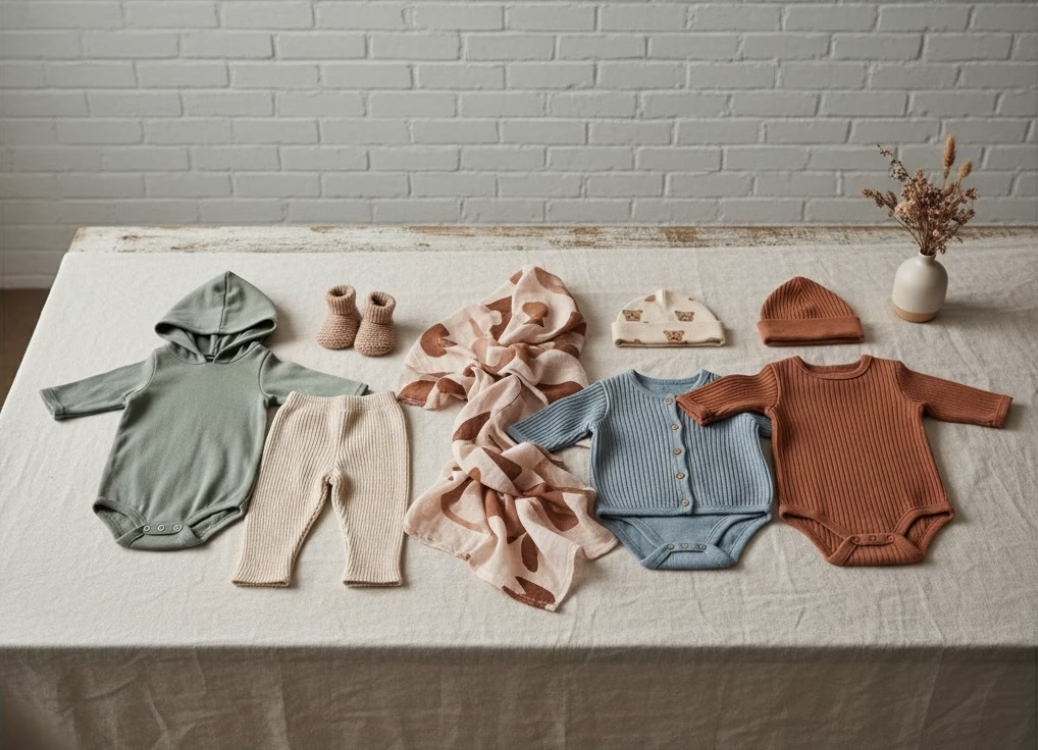
Lifestyle Photography: Invest in high-quality, aspirational product photos. This must include professional flat lays and lifestyle shots capturing babies wearing the clothes in real-life settings.
8. Go-to-Market Strategy
Sales Channels:
Shopify Store: Offers maximum control and the highest profit margins.
Etsy or Amazon: Leverage existing platform traffic for quick market testing.
Wholesale: Target high-end baby boutiques to quickly build brand awareness.
Marketing:
Influencer Marketing: Partner with Mom/Parenting Influencers on Instagram and TikTok.
Paid Ads: Utilize targeted ads to precisely reach your customer persona.
Pre-Launch Email List: Build a robust email list before launch with engaging content and exclusive discounts to ensure a successful first wave of orders.
With 17 years of experience, petelulu provides a full range of manufacturing services from design to delivery. Start from scratch , Create your own brand.
Q1: How much capital is needed to start a private label?
A: Startup costs vary widely, from $5,000 to $25,000+. This depends heavily on your initial MOQ, fabric selection, sampling costs, and first-round marketing budget. Start small with a high-margin core product line.
Q2: What are the safest fabrics for baby clothes?
A:GOTS-certified organic cotton and Oeko-Tex Standard 100-certified bamboo are considered the safest. These certifications ensure the material is free from harmful chemicals throughout the supply chain.
Q3: How long does the sampling process take?
A: Typically, it takes 6-12 weeks from submitting your final Tech Pack to receiving your final approved sample (PP Sample). Always budget time for necessary revisions and re-samples.
About the author
Xhiney, founder of Petelulu, brings over 20 years of experience in children’s wear design, production, and international trade. A contributor to Children’s Wear and Junior magazines, Xhiney has spent 17 years working with high-end children’s wear brands in Europe and the Canada, offering expert insights and support.
You see childrens clothing manufacturers making outfits for daily use. These outfits are fun and useful. Parents want clothes that last long. They also want clothes that are easy to wear. Parents like clothes that look exciting.
Almost half want the best materials.
Many parents want clothes that fit well.
One in four pick styles that help kids learn in a fun way. Comfort, style, and playfulness are important every day.
Key Takeaways
Pick bright colors and fun patterns for your child’s clothes. These choices make kids feel happy. They also let kids show their personalities.
Find soft and strong fabrics like cotton and spandex. These materials keep kids comfortable. They last a long time. Playtime is more fun with these fabrics.
Choose clothes with useful designs. Tagless labels and elastic waistbands help kids dress themselves. These features make dressing easy and comfy.
When you choose clothes for your child, you see how bright colors and fun patterns matter. Experts say these colors and prints do more than look nice. They help your child feel happy and show who they are.
Bright colors show happiness and hope. They make outfits lively.
Fun prints bring smiles and energy. They help kids feel good.
You want clothes that feel soft and last a long time. Top childrens clothing manufacturers use fabrics that are both soft and strong. Here are some common choices:
Material
Benefits
Cotton
Soft, lets air in, feels nice
Spandex
Stretches, easy to move in
Denim
Tough, does not wear out fast
Fleece
Warm, soft, good for cold days
Microfiber
Soft, light, dries fast
Nylon
Strong, does not wear out easily
Polyester
Lasts long, keeps shape, dries quickly
Manufacturers check if clothes are strong by testing buttons, snaps, and seams. They make sure everything stays on tight. They also avoid sharp parts, so you can trust the clothes to last.
Practical Designs
It is important for clothes to be easy to put on and take off. Good designs help kids dress themselves and move around easily.
Have you ever thought about how your favorite clothes are made? Many childrens clothing manufacturers work with designers and experts. They want to make clothes that are more than just nice to look at. These teams help kids show who they are and try new things with fashion.
You can feel good picking brands that use these materials. They help the planet and keep your child comfy every day.
Top Childrens Clothing Manufacturers
Leading Brands Overview
When you shop for your kids, you see many childrens clothing manufacturers. Each brand has something special to offer. Here are some top brands you might like:
Steve Apparel: This brand is known for careful work and good quality. They make sure every step, from design to finish, goes well.
Lefty Production Co.: They know what families need. Their team keeps styles new and helps with everything, from ideas to selling.
The Pima Company: If you want soft, fancy clothes, this brand uses 100% Peruvian knit cotton. Their clothes feel nice and look stylish.
Appareify: This company makes modern and fun designs. They care about comfort and style for daily wear.
Fábula: Colorful, easy-to-move-in clothes for kids with big personalities.
Dondolo: Handmade clothes with soft colors and pretty embroidery.
Hanna Andersson: Bright prints and organic fabrics that last through lots of play.
Parents like you want brands that are safe, good quality, and fun. You want clothes that last, feel nice, and help your child show who they are. Many top brands also care about the earth and use eco-friendly materials. Some brands even share stories from around the world, so your child can learn while they dress.
Note: When you pick these childrens clothing manufacturers, you give your child more than clothes. You give them comfort, confidence, and a chance to shine every day.
Parent Tips for Choosing
Selecting the Right Manufacturer
You want your child to feel good in their clothes every day. Picking the right childrens clothing manufacturers can make a big difference. Start by looking at what matters most for your family. Here are some things you should check:
Buy fewer pieces, but choose quality. Durable clothes last longer and save money over time.
Pick sustainable brands. Eco-friendly clothes may cost more at first, but they hold up better and can be passed down.
Mix and match basics with a few special items. Your child gets variety without breaking the bank.
Tip for Saving Money
How It Helps Your Family
Shop sales
Get trendy clothes for less
Invest in quality
Fewer replacements needed
Choose eco-friendly
Clothes last and help the planet
You can make smart choices and still let your child enjoy playful, everyday outfits.
When you choose childrens clothing manufacturers who make fun outfits, your child feels happy and free. Try these brands and notice the change. Pediatricians share why playful and comfy clothes matter:
You might ask if bamboo rayon and bamboo viscose are the same. Brands often use the terms “rayon vs viscose bamboo” interchangeably, which can make shopping for bamboo products confusing. Choosing the right one affects how soft, strong, and eco-friendly the fabric is. Advertisements about bamboo, such as claims that it keeps you dry, can entice you to make a purchase.
When you compare rayon vs viscose bamboo, understanding what the labels mean will help you select the best bamboo fabric for your needs.
Key Takeaways
Bamboo rayon and bamboo viscose are both made from bamboo. The names can be confusing for shoppers. Both words mean the same material, but how they are made can be different. The chemicals used can also be different.
When you pick bamboo products, look at how they are made. Do not just look at the name. Try to find brands that use safer chemicals. Good brands will tell you how they make their products.
Bamboo viscose is usually softer than bamboo rayon. It is also stronger. If you want sheets that last a long time, pick bamboo viscose. These sheets feel smooth and do not get fuzzy easily.
You may notice that brands use the terms rayon vs viscose bamboo in different ways. This can make shopping for bamboo products confusing. Both rayon and viscose describe fabrics made from bamboo, but the names come from different places.
The word viscose is more common in other countries.
Both words describe similar ways to turn bamboo into soft fabric.
When you see rayon vs viscose bamboo on a label, you are looking at two names for almost the same thing. Companies choose which word to use based on where they sell their products. This can make you wonder if there is a real difference. You should know that both terms mean the fabric comes from bamboo, but the process and chemicals may change how the fabric feels and how eco-friendly it is.
Production Process Comparison
You want to know how rayon vs viscose bamboo is made. The process starts with bamboo plants. Factories break down the bamboo and turn it into a pulp. Then, they use chemicals to make the pulp into threads for fabric.
If you see bamboo rayon on a label, you may get a fabric made with fewer harsh chemicals. Bamboo viscose often uses sodium hydroxide and carbon disulfide. These chemicals can affect the environment and the safety of workers. You should check product details if you care about how your bamboo fabric is made.
Why Brands Use Different Terms and How This Affects You
Brands use rayon vs viscose bamboo to make their products sound special. Some companies want you to think their bamboo fabric is softer or greener. The words on the label can make you believe there is a big difference. In reality, most bamboo fabrics made with rayon or viscose feel very similar.
You may see claims about moisture-wicking, softness, or eco-friendliness. These claims often depend more on the production process than the name on the label. If you want the best bamboo fabric, look for details about how the bamboo was processed. Ask questions about the chemicals used and how the company treats the environment.
Practical Implications for Product Selection
When you shop for bamboo products, you should focus on how the fabric is made, not just the name. Rayon vs viscose bamboo can mean almost the same thing, but the chemicals and methods matter. You want a fabric that feels soft, lasts long, and does not harm the planet.
Here are some tips for choosing bamboo fabric:
Tip: Look for brands that share details about their bamboo production process. Ask if they use safer chemicals like those in Tencel. Check for certifications that show the bamboo fabric is eco-friendly.
You can make better choices when you understand the difference between rayon vs viscose bamboo. Pay attention to the label, but also ask about the process. This helps you find bamboo products that match your values and needs.
When you buy bamboo sheets, you want them soft and long-lasting. Many people pick bamboo viscose sheets because they stay smooth after washing. In tests, bamboo viscose lasted longer than bamboo rayon. After a few washes, bamboo rayon fabric got rough and started to pill. Bamboo viscose stayed soft and smooth. If you want comfy sheets, bamboo viscose is a good choice. Bamboo blend sheets are also strong, especially with cotton or microfiber.
Environmental Impact
You might care about how bamboo sheets affect the earth. Making bamboo rayon and viscose uses chemicals that can hurt nature. Factories use sodium hydroxide and carbon disulfide. These can pollute air and water. Waste from factories sometimes harms local plants and animals. Here are some facts about the impact:
Bamboo rayon uses chemicals that can hurt workers and nature.
The chemicals can cause pollution.
Factory waste can harm plants and animals nearby.
If you want eco-friendly bamboo blend or bamboo viscose sheets, look for brands with safer methods. Some companies use closed-loop systems to cut down on pollution.
Product Labels and Misconceptions
Labels on bamboo sheets can be hard to understand. You might see words like viscose, bamboo viscose sheets, or bamboo blend sheets. In the U.S., products must say “rayon from bamboo” or “viscose from bamboo” to follow the rules. The FTC checks labels so you know what you are buying. Here is a table that shows what agencies do about wrong labels:
Action Taken
Description
FTC Settlements
The FTC made stores follow rules for labeling rayon as bamboo.
Deceptive Claims
Some stores called products “100% organic bamboo” when they were rayon.
Warning Letters
The FTC sent letters to companies about wrong bamboo sheet labels.
Good Faith Guarantees
Stores can get promises from suppliers to avoid problems.
In the EU, every textile must have a label that shows the fiber content. Labels must be clear and easy to read. If you want to buy bamboo viscose or bamboo blend sheets, check the label for fabric details. Look for words like viscose or rayon from bamboo. This helps you choose the right bamboo sheets for your needs.
You see that bamboo rayon and bamboo viscose mean almost the same thing. Textile experts say both are semi-synthetic fibers made from bamboo. When you shop, check labels for clear terms like “rayon made from bamboo.” Choose bamboo products from brands that share their process. Look for certifications and Fair Trade suppliers for better bamboo choices.
FAQ
What makes bamboo fabric different from cotton?
Bamboo fabric feels softer than cotton. You notice that bamboo sheets stay cool and smooth. Bamboo also resists odors better than cotton. Many people prefer bamboo for comfort.
Is bamboo viscose safe for sensitive skin?
You find that bamboo viscose feels gentle on your skin. Bamboo sheets rarely cause irritation. Many people with allergies choose bamboo bedding. Bamboo fabric works well for sensitive skin.
How do you care for bamboo sheets?
You wash bamboo sheets in cold water. Use mild detergent for bamboo fabric. Avoid bleach. Dry bamboo sheets on low heat. Bamboo lasts longer with gentle care.
Tip: Always check the label for bamboo care instructions. Bamboo sheets stay soft when you follow the right steps.