
Finding a Baby Clothing Manufacturer for the Australian Boutique Market
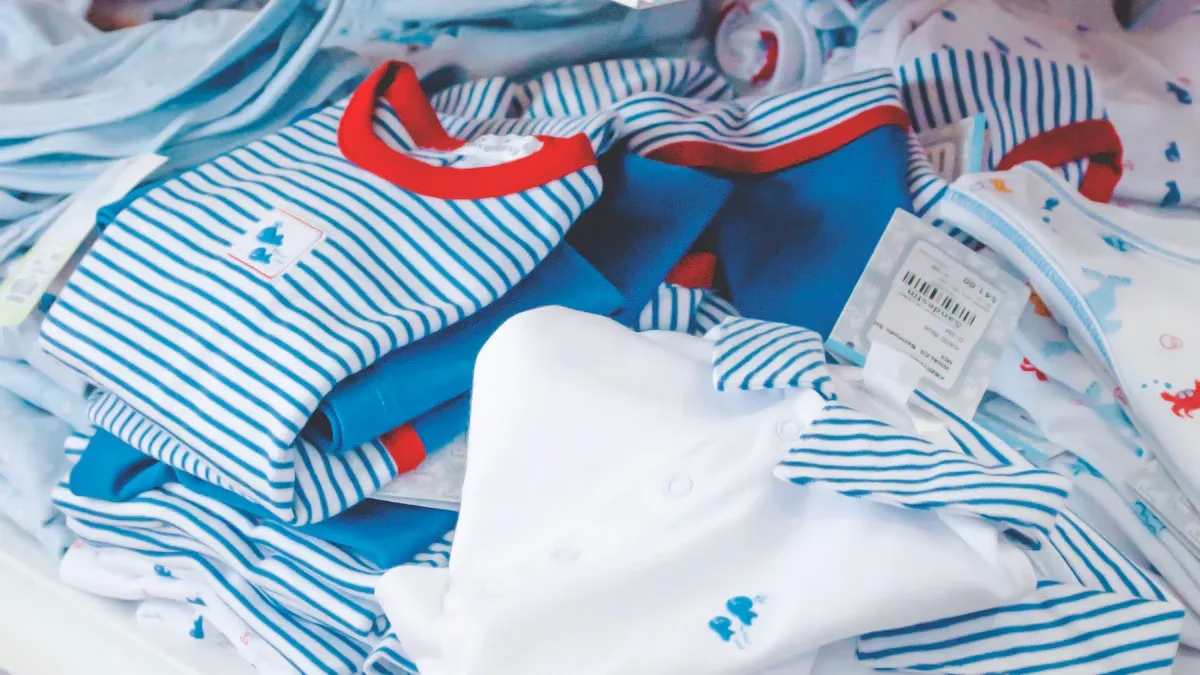
You want your boutique to be special in Australia. Picking a good baby clothing manufacturer helps your brand look good. It also helps customers trust you. First, set clear rules for design, fabric, and safety. Look at your choices and compare them well. If you work with skilled, certified partners like petelulu, you get smooth processes. You also get steady quality. This helps your boutique get bigger.
Key Takeaways
Contents
Make sure you know what your boutique needs. This helps you pick the best manufacturer. It also stops you from making expensive mistakes.
Pay attention to quality and safety. Always look for certifications like OEKO-TEX and GOTS. These show your baby clothes follow Australian rules.
Use online lists and trade shows to find good manufacturers. These tools let you compare choices. They also help you meet trusted partners.
Ask for samples before you order a lot. This lets you check the quality. You can also change your designs if needed.
Try to have a good relationship with your manufacturer. Talking well and helping each other is important. This makes your partnership work and helps your boutique get bigger.
Define Your Needs
Before you look for a baby clothing manufacturer, you need to know what your boutique wants. Clear rules help you pick the right partner. They also stop you from making expensive mistakes.
Design and Brand Identity
Australian boutiques care about three things for their brand:
Practical designs make clothes easy for parents and comfy for kids.
Sustainability means you care about eco-friendly fashion.
Unique branding helps your shop stand out in a busy market.
You can make a mood board or draw your ideas. Think about colours, patterns, and logos that fit your brand. Petelulu’s design team can help you turn your ideas into real samples.
Fabric and Quality Preferences
Pick fabrics that match your brand and what customers want. Organic cotton, bamboo viscose, and recycled materials are popular. Good fabrics feel soft and last longer. Petelulu has many eco-friendly choices and checks quality at every step.
Tip: Ask for fabric samples before you order a lot. This lets you check how the fabric feels and if it is strong.
Order Size and Scalability
Choose how many items you want for your first order. Small minimum order quantities (MOQs) let you try the market with less risk. If your boutique gets bigger, you might need more items fast. Petelulu can work with small or big orders and offers flexible MOQs.
Order Type | MOQ Range | Scalability |
|---|---|---|
Starter Boutique | 50-200 | Easy |
Growing Brand | 200-1000 | Moderate |
Established | 1000+ | High |
Safety and Compliance Standards
Australian rules say baby clothes must be very safe. You need to check for certifications like OEKO-TEX, GOTS, and BSCI. Labels and papers must follow local laws. Petelulu’s certified production makes sure your clothes are safe and follow the rules.
You set your rules first. Then you pick a manufacturer who follows them. Petelulu’s custom options make this easy and trustworthy.
Where to Find a Baby Clothing Manufacturer
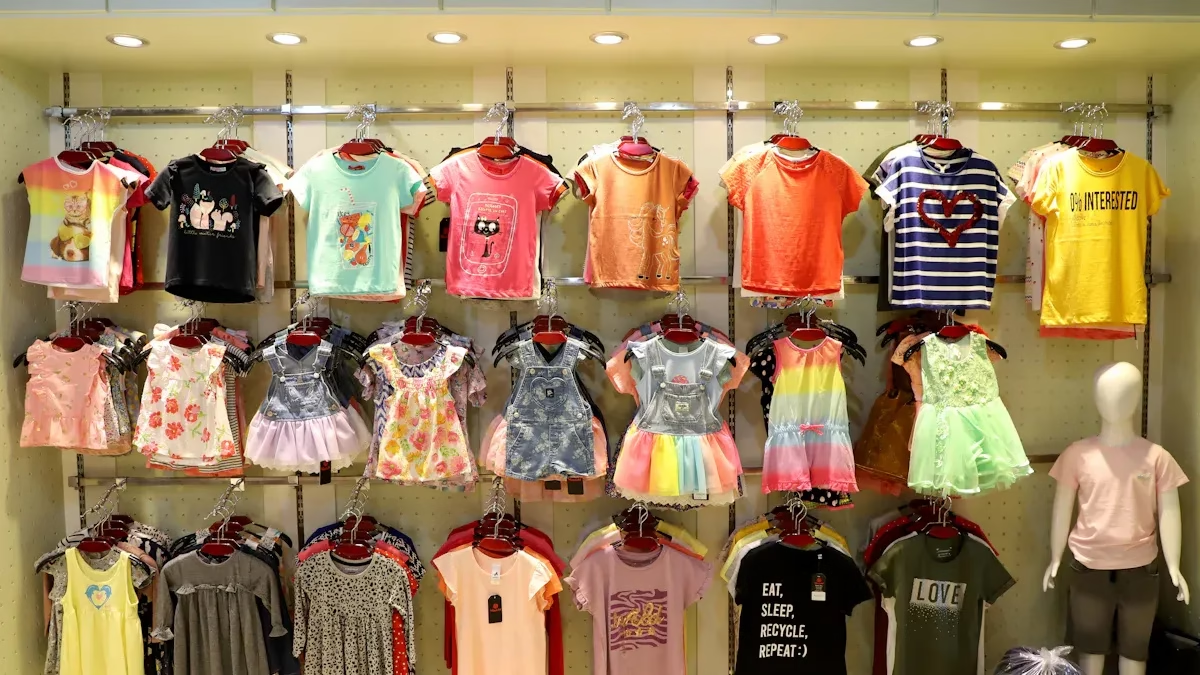
To find a baby clothing manufacturer, you need to know where to look. There are many ways to search, both online and offline. Each way has its own good points for finding reliable partners.
Online Directories and Platforms
Online directories let you find manufacturers fast. You can compare what they offer, read reviews, and check their certifications. Many boutique owners in Australia use these sites to find trusted suppliers.
Australian Fashion Council’s Directory lists makers of baby and children’s clothes. You can choose by location or type of service.
Dusty Road Apparel shares details about Australian-made baby clothing brands. Their website shows products and contact information.
Alibaba and Global Sources link you with suppliers from other countries. These sites have many choices, including certified manufacturers who know the Australian market.
Tip: Always look for certifications and read customer feedback before you contact a manufacturer.
Trade Shows and Industry Events
Trade shows let you meet manufacturers in person. You can see samples, ask questions, and make connections. Going to these events helps you learn about new trends and materials.
China Clothing Textiles & Accessories Expo is the biggest sourcing event in Australia. More than 800 exhibitors show their products, including baby clothes.
Global Sourcing Expo happens at the same time as the China Clothing Textiles & Accessories Expo. You can meet many international suppliers and compare what they offer.
Visiting these expos helps you find new suppliers and learn about new ideas in baby clothing manufacturing.
Referrals and Networks
Referrals from other boutique owners or people in the industry can save you time. Trusted contacts share their stories about manufacturers, so you can avoid mistakes. You can join online forums, social media groups, or local business groups to grow your network.
Note: Talking to other boutique owners gives you helpful advice and tips.
Local vs Overseas Options
You need to choose between local and overseas manufacturers. Local suppliers are easier to talk to and ship faster. Overseas manufacturers, like those in China or Southeast Asia, often cost less and have more fabric choices.
Petelulu works with brands all over the world and helps many Australian boutiques. You get their experience in both local and global markets. Their team knows Australian rules and gives you high-quality products for your shop.
Picking the right baby clothing manufacturer depends on what matters most to you. You might want local help or look overseas for better prices and more options. Petelulu’s flexible way helps you find the best fit for your boutique.
Evaluate Baby Clothing Manufacturers
When you pick a baby clothing manufacturer, you must check their quality and reliability. You want a partner who shares your values. This helps your brand get better.
Quality and Craftsmanship
Quality is very important for baby clothes. Clothes should feel soft and last a long time. They must be safe for children. Good manufacturers use strong checks for every item. Many top brands have a manager for quality. They test fabrics for strength and colour. They also check for shrinking and pilling. Studs and buttons get checked often. Some use military standard AQL 2.5 for checks. Extra tests at special labs add more trust.
You should ask about these checks when you talk to a manufacturer. Look for those who keep records and show you their results. This means they care about your brand and your customers.
Tests inside the factory and by outside labs for each batch
Checks on buttons and trims often
Audits to follow fair industry rules
Tip: Ask for a sample. Check the stitching, fabric feel, and finishing before you order a lot.
Reliability and Experience
Reliability means you get your orders on time. Experienced manufacturers have good systems for making and sending clothes. They tell you updates and fix problems fast. Ask how long they have worked with Australian boutiques. Ask how they deal with delays or changes.
Manufacturers with lots of experience control their supply chain well. They know how to handle big and small orders. You can look at their client list or ask other boutique owners for references.
Ethical and Sustainable Practices
Ethical and sustainable ways make your boutique special. Many manufacturers follow strict rules and get checked by groups like Amfori/BSCI. These checks include surprise visits and staff interviews. Groups like SGS also check for fair work and safe places.
Look for partners who use organic cotton, bamboo viscose, or recycled materials. Ask about their certificates and where they get their fabrics. Ethical ways mean safer clothes for babies and help the planet.
Boutique Experience – Petelulu
Petelulu is a trusted partner for Australian boutiques. The company has certificates like BSCI, OEKO-TEX, and GOTS. These show they care about safety and the environment. Petelulu has helped top Australian brands for over 15 years. They offer small and big orders. Their team helps you from design to delivery. Every item meets your standards.
Petelulu’s work with boutique brands gives you flexible help, quick samples, and steady quality. Their fair ways and strong history make them a good choice for your boutique.
Note: Working with a certified manufacturer like Petelulu helps you earn trust from your customers and grow your brand with confidence.
Request Samples and Prototypes
Getting samples and prototypes is very important. You need to see the clothes before you buy many. Samples help you check quality, fit, and design. This step stops you from making expensive mistakes. It also keeps your boutique’s standards high.
Sample Process
First, you share your design ideas with the manufacturer. Good companies like petelulu make sample development easy. You send your sketches, fabric picks, and branding details. The manufacturer makes a real sample using your choices. Petelulu’s team uses smart design tools and skilled workers. They finish samples fast, usually in 7–10 days.
Tip: Always ask for a sample of each style you want to sell. This helps you find problems early.
Reviewing Quality
When you get the samples, look at them closely. Check the stitching, how soft the fabric is, and the colour. Make sure labels and trims match your brand. Use a simple checklist to help you review:
Fabric softness and strength
Neat stitching
Print and colour match
Safety features (no sharp or loose parts)
Labelling and packaging
Review Area | What to Check |
|---|---|
Fabric | Softness, strength |
Stitching | Even, secure seams |
Print/Colour | Accurate, vibrant |
Safety | No hazards |
Labelling | Correct, clear information |
Feedback and Adjustments
After you check the samples, give clear feedback to the manufacturer. Say what changes you want, like new fabric, better stitching, or new labels. Petelulu’s team replies quickly and makes changes for you. You can ask for another sample if you need. This makes sure your final product looks right and follows Australian rules.
Note: Giving clear feedback helps the manufacturer give you what you want. Petelulu’s quick service makes this step easy and smooth.
Check Compliance and Certifications
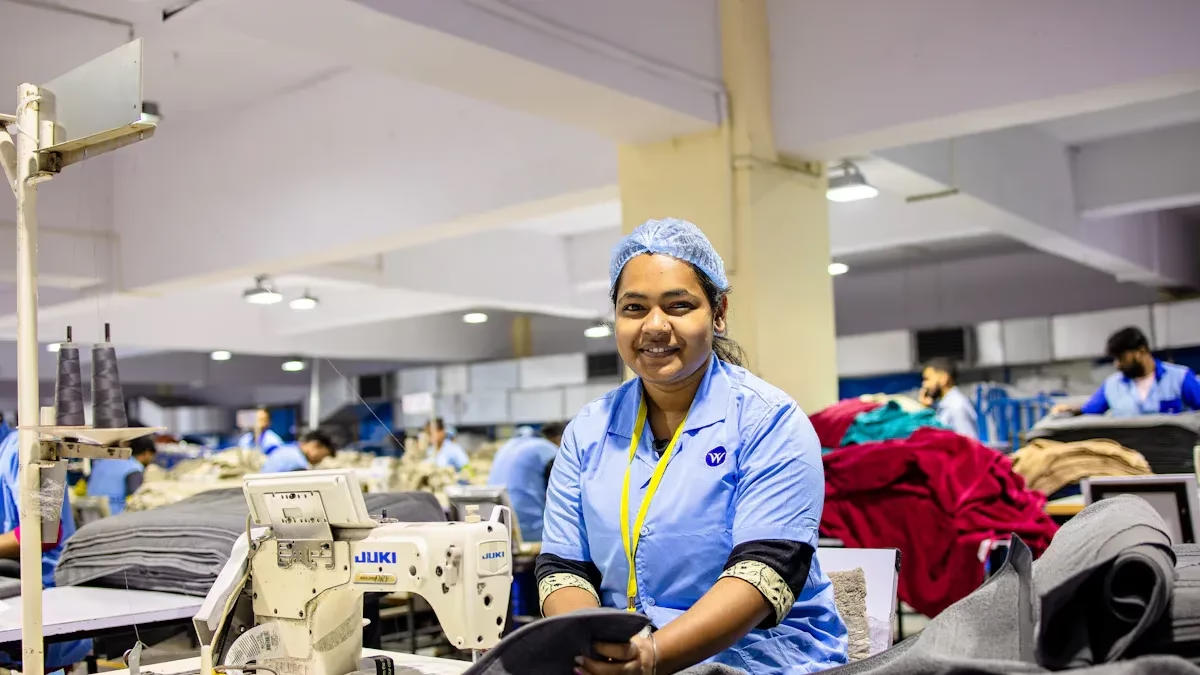
You need to make sure your baby clothes follow all Australian rules. This keeps your customers safe and protects your brand. Parents want safe, good-quality products, so they will trust you more.
Australian Safety Standards
Australia has strict safety rules for baby clothing. These rules talk about fire safety, choking risks, and chemicals. You must check that each piece of clothing does not have dangerous chemicals. The law says you cannot use small parts that might fall off and cause choking. You also need to pick fabrics that do not burn easily.
Tip: Always ask your manufacturer for test reports that prove your clothes follow Australian rules. This helps you avoid expensive recalls and keeps your boutique’s good name.
Labelling and Documentation
You must put clear labels on your products. Labels need to show what the fabric is, how to wash it, and where it was made. Sometimes you also need safety warnings. Good paperwork helps you prove your clothes follow the rules. You should keep all test reports, certificates, and supplier information.
Here is a simple checklist for labelling:
Fibre content (like 100% organic cotton)
Care instructions (like machine wash cold)
Country of origin (like Made in China)
Safety warnings (if needed)
Batch or lot number
Note: Clear and correct labels help you avoid fines and make customers trust you.
Manufacturer Certifications
You should pick a manufacturer with strong certificates. These show the factory follows world safety and quality rules. Petelulu supports ISO, CPSIA, EN-71, GOTS, and OEKO-TEX standards. These cover things like chemical safety and organic materials.
Certification | What It Means |
|---|---|
ISO | International quality management |
CPSIA | Child product safety (USA) |
EN-71 | Toy and children’s product safety |
GOTS | Organic textile certification |
OEKO-TEX | Tested for harmful substances |
Petelulu’s certified production helps you feel calm. You know your clothes follow both Australian and world rules. This support lets you spend more time growing your boutique.
Negotiate Terms and Build Relationships
Having a good relationship with your manufacturer helps your boutique do well. You need to talk about order sizes, prices, delivery times, and support. Clear deals keep your business safe and help it grow.
Prices can be very different between manufacturers. Big shops often pay less because they buy more. Boutiques sometimes pay more for small orders, but you can charge more for special or fancy designs. Some brands like to sell the newest styles and good quality, so they set higher prices. You should look at all offers and pick what is best for your brand.
Tip: Always ask for a full price list. This helps you plan your costs and set your shop prices.
Lead Times and Delivery
You need to know how long it takes to get your products. Delivery times can change depending on your city and how you ship. Petelulu sends orders quickly and delivers on time, so your shop stays full.
City | |
|---|---|
Sydney | 3 to 8 days |
Melbourne | 3 to 15 days |
Brisbane | 2 to 7 days |
Adelaide | 3 to 14 days |
Perth | 6 to 19 days |
Hobart | 6 to 11 days |
Darwin | 13 to 17 days |
Express Delivery | 1 to 2 business days |
You should ask about fast shipping if you need stock soon. Always check delivery times before you order.
Communication and Support
Good communication keeps your partnership strong. You need updates about your orders and quick replies to your questions. Petelulu gives you a team to help you. They support you from design to delivery. You can ask for help with labelling, packaging, and shipping.
Note: Talking often with your manufacturer helps you fix problems early and keeps your business working well.
Final Checklist Before Commitment
Before you choose your manufacturer, check some key things. This checklist helps you avoid problems and build a good partnership with your baby clothing manufacturer.
Review Agreements
Read every agreement slowly and carefully. Look at the contract for clear rules about price, payment, delivery, and returns. Make sure the minimum order quantity (MOQ) fits what you need. Check that the agreement talks about sample approval, quality checks, and timeframes. If anything is confusing, ask questions right away. Always keep a copy of every signed paper.
Tip: Make a simple table to compare offers from different manufacturers. This helps you see which partner gives you the best deal.
Manufacturer | MOQ | Price per Unit | Lead Time | Payment Terms |
|---|---|---|---|---|
Petelulu | 50 | $8 | 14 days | Flexible |
Supplier B | 100 | $7.50 | 21 days | 50% upfront |
Supplier C | 80 | $8.20 | 18 days | 30% upfront |
Confirm Compliance
Check that your manufacturer follows all Australian safety and labelling rules. Ask for certificates like OEKO-TEX, GOTS, and BSCI. Look at test reports for each batch of products. Make sure labels show fibre content, care instructions, and where the item was made. Petelulu gives full compliance help and shares all the papers you need.
Note: Keeping copies of all certificates and reports keeps your boutique safe from legal trouble.
Ongoing Support
You need a manufacturer who helps you after your first order. Good support means fast answers to your questions and help with new designs or repeat orders. Petelulu gives you a special team for ongoing support. They help with shipping, packaging, and any changes you want.
If you pick a partner like Petelulu, you get expert help at every step. This makes your business run well and lets you focus on growing your boutique.
If you follow this checklist, you make a smart choice. You protect your brand and set up your boutique for long-term success.
You can have a great boutique if you follow each step. First, know what you need. Next, look at your choices and check the rules. Working with skilled manufacturers like petelulu gives you expert help. You get help with language, strong quality checks, and easy shipping.
Benefit | Description |
|---|---|
Sourcing agents help you talk clearly with manufacturers. | |
Quality Control | You get products that are checked well before they reach your shop. |
Logistics Management | Agents handle shipping, so you can grow your business. |
Be confident when you look for suppliers and use all the help you can get.
As a professional baby clothing manufacturer, we also provide full-scale custom services and OEM/ODM solutions for global brands. Visit our homepage to explore our manufacturing capabilities.
FAQ
How do you check if a manufacturer meets Australian safety standards?
You need to ask for certificates like OEKO-TEX and GOTS. You should look at test reports for every batch. Make sure labels show what the fabric is and how to wash it. Keep copies of all papers for your records.
What is the usual minimum order quantity (MOQ) for boutique baby clothing?
Most manufacturers let you order between 50 and 200 units per style. Petelulu gives you flexible choices, so you can start with a small order. You can order more as your boutique gets bigger.
Can you request custom designs and branding for your boutique?
You share your ideas, drawings, and branding details with the manufacturer. Petelulu’s design team helps you turn your ideas into real samples. You check and approve each sample before they start making your clothes.
How long does it take to receive your order in Australia?
Delivery times change depending on your city and how you ship. Standard delivery takes between 3 and 19 days. Express shipping can arrive in 1 to 2 business days. Petelulu sends orders quickly and makes sure shipping is reliable.