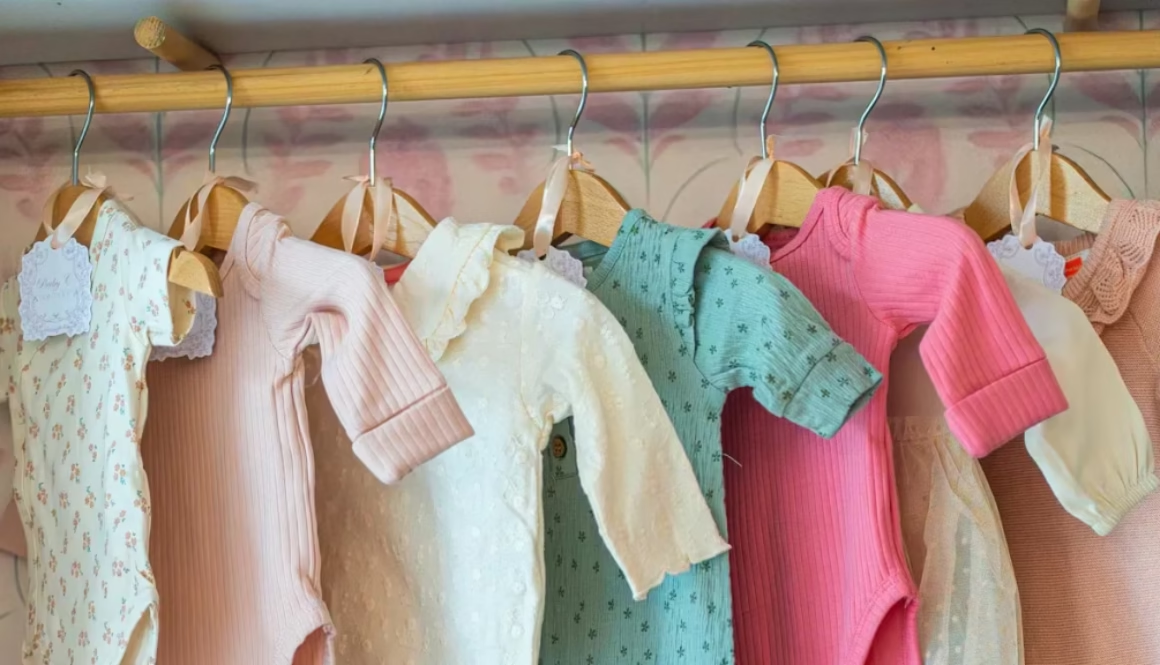
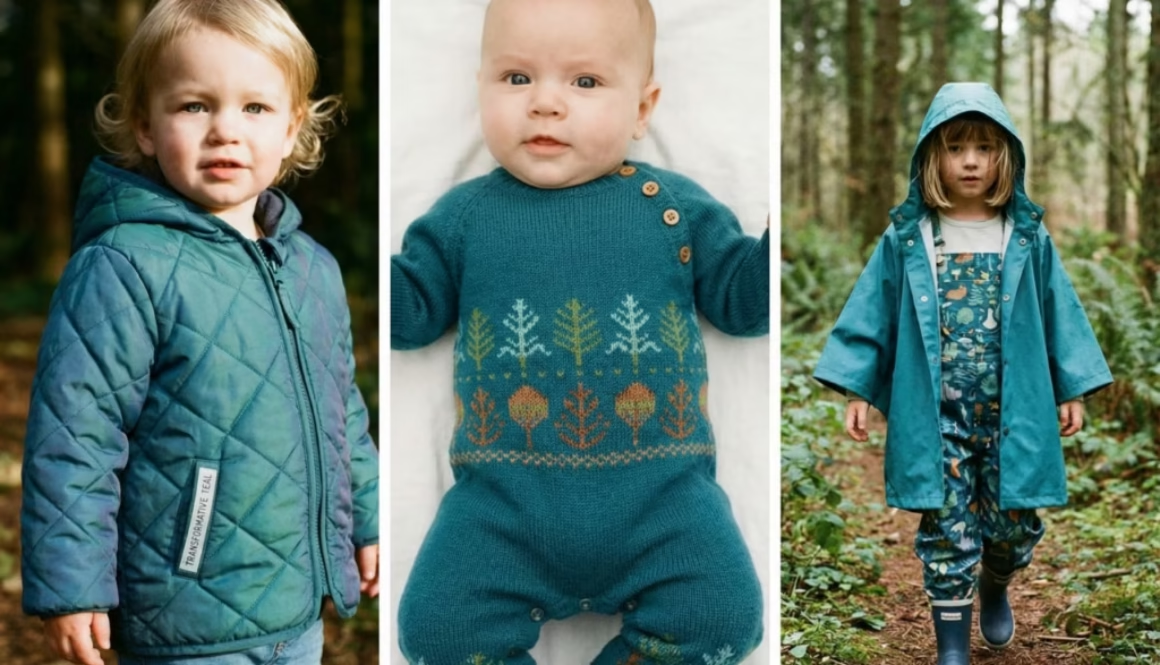
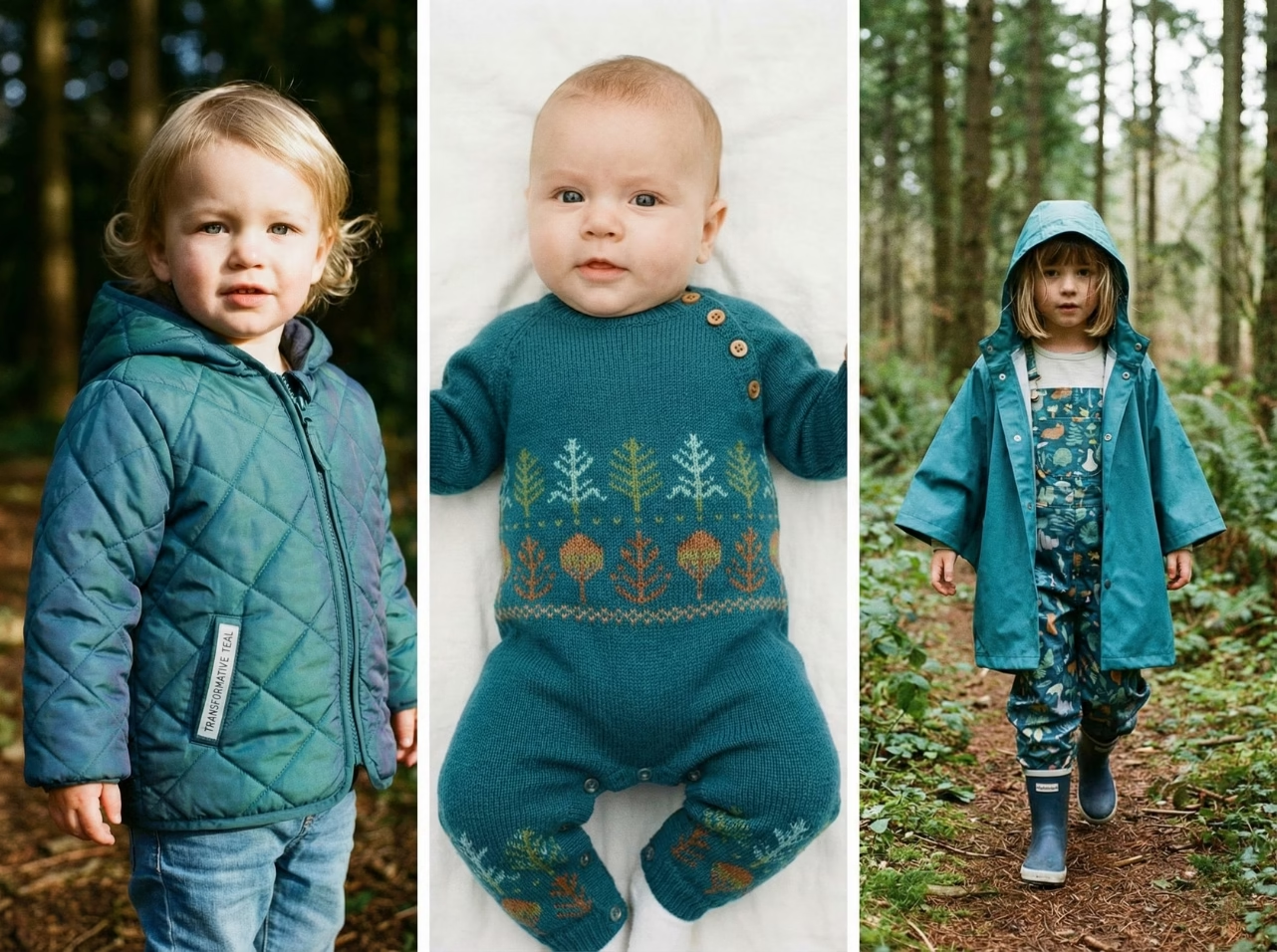
You can get baby clothes straight from a baby clothes manufacturer. This way, you can pay wholesale prices. You might also get samples and dropshipping services. Some manufacturers have eco-friendly and organic options. Before you begin, think about what you need. Also, consider what you want from buying this way.
Tip: Write down your main needs to help pick the best supplier.
Основные выводы
Buying baby clothes from manufacturers can help you save money. You usually pay wholesale prices, not retail prices. Always ask for samples before you buy a lot. This lets you check the quality and fit of the clothes. Try to find экологически чистые варианты. Pick manufacturers that use organic materials and have good certifications. Talk clearly with manufacturers. Tell them what you need and ask questions to stop confusion. Check the return policy before you buy. Know the rules for returns and exchanges so you do not get surprised.
You can look for a baby clothes manufacturer online. Many suppliers show their products on dropshipping and wholesale websites. These sites let you see catalogues, compare prices, and read reviews. Some popular choices are:
You can ask for samples before you buy a lot. This helps you check if the baby clothes fit well and feel nice. Many sites also sell eco-friendly and organic baby clothes. Look for words like organic cotton or sustainable materials in the product details.
Tip: Always get a sample before you buy in bulk. This helps you know what you are getting and stops any surprises.
Trade Shows and Events
Trade shows and events let you meet a baby clothes manufacturer face to face. You can see new designs, touch the fabrics, and ask questions. Many manufacturers show their products at big events. Here are some main trade shows:
Event Name
Location
Дата
PBC Baby Expo
Сидней
31st Jan – 1st Feb, 2026
PBC Baby Expo
Gold Coast
17th – 18th Jan, 2026
PBC Baby Expo
Мельбурн
21st – 22nd Feb, 2026
Hong Kong Baby Products Fair
Hong Kong
TBD
You can go to these events to find new suppliers and see trends. Many exhibitors give samples and special offers to people who come. If you want eco-friendly or organic clothes, ask about the materials and certificates at the event.
Contacting Manufacturers Directly
You can talk to a baby clothes manufacturer by using their website or email. Most manufacturers have forms or contact details online. When you message them, say who you are and what you need. Ask if they give samples and what their minimum order is.
If you own a shop or online store, you can ask about dropshipping. Dropshipping means you sell baby clothes without keeping them in stock. When someone buys from you, you order from the manufacturer. The manufacturer sends the clothes straight to your customer. This way, you spend less money at the start and do not need to keep inventory.
Some manufacturers focus on eco-friendly and organic baby clothes. You can ask about their materials, like organic cotton or recycled fabrics. Many will tell you about how they make their clothes and show their certificates.
Note: Talking clearly with the manufacturer helps you get what you want and stops problems.
If you buy from a baby clothes manufacturer, you usually pay less. Shops charge more than manufacturers. You can get wholesale prices and save money. Buying in bulk means you get special deals. This is good if you have a shop or buy for a group. Many manufacturers give discounts for big orders. You can ask for samples before buying a lot. This lets you check the quality first. You do not spend much money at the start.
Unique Designs and Quality Assurance
Buying direct gives you new and special designs. You can talk to designers and share your ideas. Sometimes, you help choose what comes next.
“The girls are making something new. I can tell people we might do nighties for girls this winter. What do you think? Then I can hear from thirty or forty mums…”
“It is like showing a new design before it is ready. You can see if people want it before you make it. You can ask and find out if mums like it.”
You also get better checks for quality. Manufacturers use strict rules to keep products safe. They may:
Responsible Wool/Alpaca Standard checks animal welfare and fair wool and alpaca sourcing.
Bluesign
Makes sure textiles are safe and made in a green way by checking the whole process.
OekoTex
Checks that textiles have no harmful substances, so baby products are safe.
Picking certified products helps you support safe, fair, and green ways of making clothes.
Недостатки и соображения
Minimum Orders and Wholesale Terms
Когда вы buy straight from a manufacturer, you must follow their rules. They set minimum orders to make sure it is worth their time. You might have to spend a certain amount or buy a set number of items. Here are some common rules you may see:
First orders often need you to spend at least $2,000, not counting GST.
Top-up orders in the same season usually need at least $500, not counting GST.
For baby clothes, you may need to buy 10 to 100 of each item, depending on what you pick.
If you only want a few things, these rules might not work for you. Always check the minimum order before you buy.
Tip: Ask if you can get a sample pack or a small trial order. This lets you try the products without spending a lot.
Customer Service and Support
You might see a difference in customer service with manufacturers. Shops often help you quickly and let you return things easily. Manufacturers mostly help people who buy in bulk. They may not give as much support. You could wait longer for answers or fix problems yourself. Some manufacturers do not have many staff for questions. If you have a problem, you may need to use email or online forms to sort it out.
Note: Talking clearly helps you avoid mistakes. Write your questions down before you contact the manufacturer.
Shipping and Returns
Shipping times are not always the same. Most manufacturers get your order ready in 1-2 business days. Delivery can take 5 to 15 business days, depending on where you live. You will get tracking details by email within 48 hours after your order is sent. Return rules are different for each supplier. Some only take back faulty items. Others do not let you return things if you change your mind. Always read the return rules before you buy.
Shipping Step
Timeframe
Order Processing
1-2 business days
Delivery
5-15 business days
Tracking Info Sent
Within 48 hours of ship
Callout: If you need your order fast, ask about express shipping before you pay.
Buying Steps
Finding a Baby Clothes Manufacturer
Begin by looking on the internet for suppliers. You can use sites like Alibaba or LinkedIn. These sites help you find companies that make baby clothes. Check what products they sell and if they have certificates. Read reviews from other buyers to see if they are good. You can also ask other parents or shop owners for advice. Make a list of the best manufacturers for your needs.
Tip: Make a spreadsheet to compare each supplier. Write down where they are, their minimum order, and what styles they offer.
Checking Legitimacy and Quality
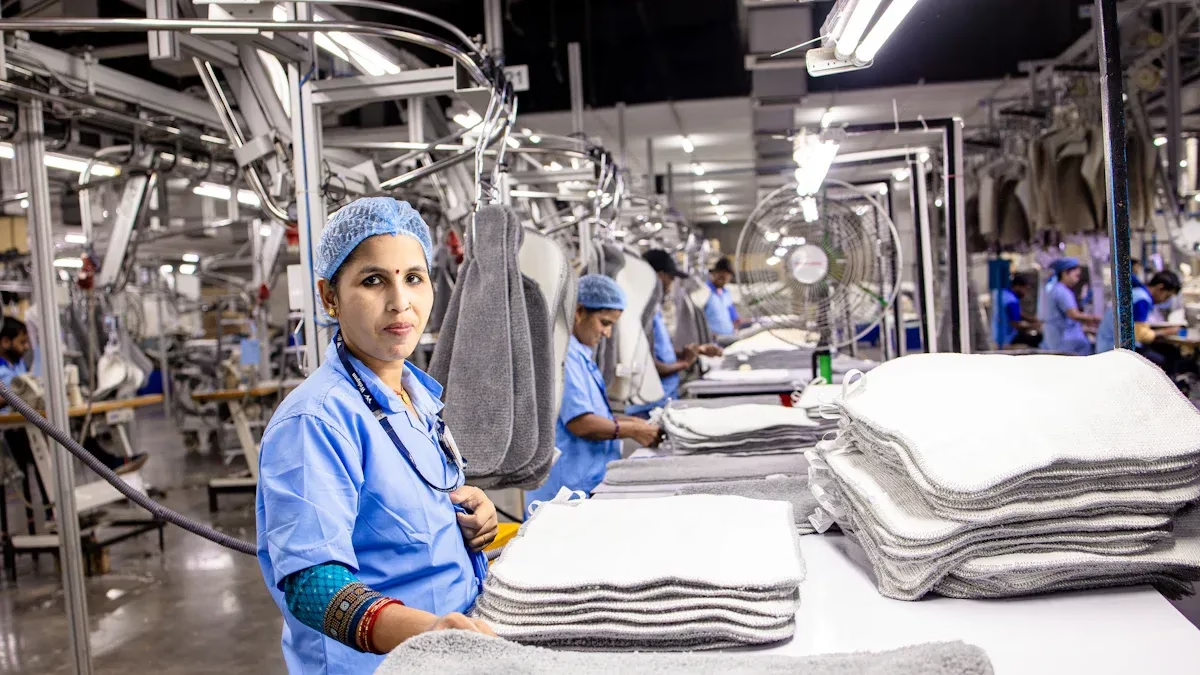
You need to make sure the manufacturer is real and honest. Ask them for business licences and certificates. Request samples so you can check the quality. Look at photos and read about the products on their website. Read what other buyers say about their service and delivery. If you can, set up a video call to see their factory and ask questions.
Look for certificates like GOTS or OekoTex.
Check samples for stitching, soft fabric, and safety labels.
Make sure the company has a real address and working contact details.
Placing Orders and Payment
When you feel ready, place your order with the manufacturer. Try to start with a small order first. Read the order form carefully before you agree. Make sure you know the minimum order and how to pay. Most manufacturers take bank transfers, PayPal, or credit cards. Always use safe ways to pay. Keep proof of your order and payment.
Note: Ask for an invoice and a written agreement before you send any money.
Delivery and Aftercare
Manufacturers send orders based on where you live. In Australia, you get express shipping if you order by 1:00 pm. Your order arrives in two business days. If you live in the US, Canada, Europe, or New Zealand, it takes three to five days. Other places may take up to ten days. Aftercare often means you can return or exchange items for a full refund.
100% money-back guarantee for returns and exchanges
International
3-5 business days for US, Canada, Europe, NZ; up to 10 days for other places
100% money-back guarantee for returns and exchanges
Callout: Always read the return policy before you buy. This helps you if you need to send something back or swap it.
Tips for a Smooth Purchase
Communication with Manufacturers
Good communication helps you build trust and avoid mistakes. You should keep your messages clear and honest. Share your expectations and ask questions about the process. Treat the manufacturer as a partner. Work together and listen to their advice. Quick replies show respect and help you get updates faster.
Collaborate with the manufacturer as part of your team.
Respond promptly to messages and feedback.
Tip: Save all your emails and notes. This helps you track agreements and solve problems if they arise.
Safe Payment Methods
You must protect your money when you buy online. Choose payment methods that offer security. Bank transfers, PayPal, and credit cards are common options. Always check if the payment page is secure. Look for a padlock symbol in your browser. Ask for an invoice before you pay. Keep proof of payment in case you need it later.
Payment Method
Security Level
Refund Option
Bank Transfer
Средний
Sometimes
PayPal
Высокий
Да
Credit Card
Высокий
Да
Note: Never send cash or use unknown payment apps. Trusted methods protect you if something goes wrong.
Tracking and Handling Issues
After you place your order, you want to know where your parcel is. Most manufacturers send tracking details by email. Use the tracking number on the courier’s website or app. If your parcel does not arrive on time, contact the business. Explain the problem and say what you want them to do. If you do not get a reply, write a complaint letter. You can ask for a repair, replacement, or refund if the product does not meet your expectations.
Check your email for tracking information.
Use the tracking number to follow your parcel.
Contact the business if the delivery date passes.
Explain your issue and the solution you want.
Write a complaint letter if needed.
Explore further steps if the problem continues.
Callout: You have the right to expect quality products. If you face any issues, act quickly to get help.
You can get baby clothes right from the manufacturer. This way, you pay less for the clothes. You also find special designs and green choices. Here is what you should do:
Look at each supplier’s background and rules.
Think about the good and bad points before picking one.
Ask for samples and check the return policy.
Tip: Buying direct is good if you want to save money or pick eco-friendly items. Take your time and make sure you feel sure before you buy.
ЧАСТО ЗАДАВАЕМЫЕ ВОПРОСЫ
Can you buy just one item from a manufacturer?
Most manufacturers want you to buy many items at once. Some will let you get a sample or a small trial pack. Always ask about the minimum order before you choose.
How do you check if a manufacturer is trustworthy?
You should look for business licences and certificates. Read what other buyers say in their reviews. Ask for samples to check the quality. You can also ask for a video call to see their factory.
What payment method is safest for you?
PayPal and credit cards keep your money safe. Always ask for an invoice before you pay. Never send cash or use payment apps you do not know.
Can you return baby clothes if you change your mind?
Many manufacturers only take back faulty items. Some do not let you return things if you just change your mind. Always read the return policy before you order.
How do you find eco-friendly baby clothes?
Look for certificates like GOTS or OekoTex. Ask the manufacturer about the materials they use. Check the product details for words like “organic cotton” or “sustainable”.
Найти хорошего производителя детской одежды можно с помощью поиска в Google. Вы также можете воспользоваться такими сайтами, как Alibaba. Вы можете посетить торговые выставки, чтобы встретиться с поставщиками. Понятные переговоры с поставщиками помогает вам получить лучшие цены. Это также поможет вам добиться лучшего качества. Если вы предоставите подробную спецификацию товара, вы сможете избежать ошибок. Это позволяет убедиться, что производитель знает, чего вы хотите. Регулярное обновление помогает контролировать дизайн. Это также поможет вам уложиться в сроки.
Хорошие отношения с производителями часто дают лучшие результаты.
Частые разговоры помогают поддерживать проект в рабочем состоянии.
Если вы хотите узнать, какой бизнес по продаже одежды наиболее прибыльный, то разумной идеей будет начать с детской одежды.
Основные выводы
Начните искать производители детской одежды онлайн. Используйте Google и Alibaba для поиска. Введите специальные ключевые слова, чтобы найти хороших поставщиков.
Убедитесь, что вы знаете, какие товары вам нужны. Определитесь с материалами, стилями и возрастными группами, которые вам нужны. Это поможет вам выбрать правильного производителя.
Составьте список возможных производителей. Запишите их контактную информацию, MOQ и сертификаты. Добавьте заметки, чтобы все было организовано.
Попросите образцы прежде чем заказать партию. Это позволит вам сначала проверить качество. Убедитесь, что продукция соответствует вашим требованиям.
Четко общайтесь с производителями. Регулярно обновляйте информацию и давайте простые инструкции. Это поможет вашему проекту пройти успешно.
Прежде чем искать производителя, определите, что именно вы хотите производить. Этот шаг поможет вам избежать проблем и сэкономит время в дальнейшем. Подумайте о своем стиль бренда. Выберите возрастную группу, которой вы хотите продавать. Выберите типы одежды, которые вы хотите предложить. Например, вам могут понадобиться пеленки из органического хлопка или яркие наряды для малышей. Когда вы знаете свои потребности, вы сможете найти производителя, который будет соответствовать вашим представлениям.
Установите требования к продукту
Запишите свои требования к продукции. Укажите материалы, цвета, размеры и дизайн, которые вам нужны. Подумайте о безопасности и правовых нормах. Во многих странах действуют строгие законы в отношении детской одежды. Вот таблица, в которой показаны общие требования к новым брендам детской одежды:
Требование
Описание
Бизнес-лицензия
Зарегистрируйте свой бизнес в государственных и местных органах власти на законных основаниях
Регистрация товарных знаков
Защитите свое имя, логотип и дизайн
Соблюдение текстильных норм
Соблюдайте правила CPSIA для обеспечения безопасности в США.
Сертификаты безопасности
Соответствие стандартам безопасности в отношении огня и химических веществ
Требования к маркировке
Указывайте состав ткани, рекомендации по уходу и страну происхождения
Защита интеллектуальной собственности
Защитите свои оригинальные проекты
Разрешения на импорт/экспорт
Получение разрешений на международную торговлю
Разрешение на взимание налога с розничных продаж
При необходимости взимайте налог с продаж
Соблюдение трудового законодательства
Соблюдайте трудовое законодательство, если нанимаете работников
Правила электронной торговли
Соблюдайте законы о ведении бизнеса в Интернете и защите данных
Совет: Составьте контрольный список своих требований. Это поможет вам поделиться своими потребностями с производителями.
Определитесь с MOQ и сертификатами
Определите минимальное количество заказа (MOQ). Некоторые производители хотят получать большие заказы. Другие берут небольшие партии. Знание минимального объема заказа поможет вам выбрать правильных поставщиков.
Ограничения на использование химических веществ в ЕС
CPSIA
Безопасность детских товаров в США
Узнайте у производителей, есть ли у них такие сертификаты. Это гарантирует, что ваши продукты безопасны и соответствуют закону. Когда вы знаете свои потребности, вы можете начать поиск с уверенностью.
Поиск подходящего производителя детской одежды начинается с грамотного поиска в Интернете. Вы можете использовать поисковые системы и веб-сайты, чтобы составить список вариантов. Вы также можете посетить отраслевые мероприятия. Это поможет вам избежать ошибок и даст больше возможностей для контроля.
Используйте Google и Alibaba
Начните поиск с Google. Для получения лучших результатов используйте специальные ключевые слова. Попробуйте поискать:
Эти ключевые слова помогут вам найти компании, которые производят детскую одежду для брендов. Вы также можете использовать Alibaba. Этот сайт связывает вас с производителями по всему миру. Вы можете сравнить цены и прочитать отзывы. Вы также можете проверить профили компаний.
Посмотрите на другие также проверенные сайты. Вот несколько самых популярных сайтов для поиска производителей детской одежды:
K-Embroidery: Изготавливает детскую одежду с ручной вышивкой.
Fashion Go: Торговая площадка для многих видов одежды, включая детскую.
1stKidsWholesale: Лучшая компания по оптовой продаже детской одежды в Европе.
Honeydew: Продает множество платьев и аксессуаров для новорожденных.
Spicebaby: Предлагает различную детскую и женскую одежду.
Совет: Попробуйте разные ключевые слова и сайты, чтобы найти больше вариантов. Это поможет вам понять, какой бизнес по продаже одежды наиболее выгоден для ваших целей.
Создайте базу данных производителей
Сохраняйте организованность во время исследований. Создайте простую базу данных в Excel или Google Sheets. Запишите название каждого производителя, веб-сайт, контактное лицо, электронную почту и информацию о его продукции. Добавьте колонки для информации о минимальном количестве заказа (MOQ), сертификатах и стоимости образцов.
Эта база данных поможет вам быстро сравнить поставщиков. Вы можете удалить компании, которые не соответствуют вашим требованиям. Вы также можете отслеживать, кто отвечает на ваши электронные письма. Этот шаг экономит время и помогает избежать ошибок, таких как нехватка бюджета или отсутствие контроля качества.
Примечание: Многие начинающие предприниматели забывают упорядочить свои контакты. В результате трудно вспомнить, какой бизнес по продаже одежды наиболее прибыльный или какой поставщик предлагает лучшие условия.
Изучите торговые выставки и агентов
Поиск в Интернете очень важен, но личные встречи с поставщиками тоже помогают. На выставках можно увидеть образцы и задать вопросы. Вы можете сравнить товары лицом к лицу. Вы можете найти выставки детской одежды в крупных городах или в Интернете. Поищите мероприятия, посвященные детской одежде или текстилю.
Вам также могут помочь агенты по поиску поставщиков. Эти специалисты знают рынок и могут связать вас с хорошими производителями. Они часто говорят на местном языке и знают обычаи делового оборота. Это облегчает поиск наиболее прибыльного бизнеса по производству одежды на вашем рынке.
Совет: Всегда спрашивайте рекомендации и проверяйте отзывы, прежде чем сотрудничать с новым агентом или поставщиком.
Если вы будете следовать этим шагам, вы избежите ошибок. Многие начинающие предприниматели не выбирают целевой рынок и не проводят достаточных исследований. Вы можете выделиться, если будете организованны и будете использовать все свои инструменты. Это поможет вам найти лучшего производителя и узнать, какой бизнес по производству одежды будет для вас наиболее прибыльным.
Начните с написания четких писем-запросов каждому производителю. Расскажите им о своем бренде и о том, какие продукты вы хотите получить. Спросите об их производственных навыках, минимальных объемах заказа, сертификатах и ценах. Хорошие производители отвечают быстро и дают исчерпывающие ответы. Вы можете использовать таблицу, чтобы сравнить важные моменты:
Критерии
Описание
Обеспечение качества и тестирование
Проверьте, как производитель контролирует качество, и попросите образцы.
Общение и обслуживание клиентов
Выбирайте производителей, которые быстро отвечают и делятся подробностями.
Производственные возможности
Убедитесь, что производитель может справиться с размером вашего заказа и сроками его выполнения.
Ценообразование и условия оплаты
Узнайте четкие цены и условия оплаты, которые соответствуют вашему бюджету.
Совет: Сохраняйте все ответы в своей базе данных. Это поможет вам вспомнить, какой бизнес по продаже одежды наиболее выгоден для ваших целей.
Фильтр по времени отклика
Следите за тем, как быстро отвечает каждый производитель. Быстрые и четкие ответы свидетельствуют о хорошем обслуживании клиентов. Большинство хороших поставщиков отвечают в течение 2-7 часов. Например, Zhuhai Yi Zhen Industrial Co., Ltd. часто отвечает менее чем через 2 часа. Yiwu Zedan Garment Co., Ltd. отвечает примерно через 3 часа. Если поставщик медлит или дает неясные ответы, исключите его из списка.
Всегда просите образцы, прежде чем принять решение. Образцы помогут вам проверить ткань, строчку и общее качество. Ищите прочные швы, мягкие материалы и безопасные ярлыки. Хорошие производители следуют строгим стандартам качества. Они следят за производством, проверяют швы и тестируют на прочность. Некоторые используют лаборатории для проверки безопасности и качества. Воспользуйтесь этой таблицей, чтобы вспомнить, что нужно проверить:
Мера контроля качества
Описание
Мониторинг производственных процессов
Каждый шаг проверяется на качество.
Критические контрольные точки
Одежда должна соответствовать стандартам по швам и посадке.
Испытания на долговечность
Испытания на прочность на разрыв и цветостойкость.
Независимое тестирование
Лаборатории проверяют безопасность и качество.
Четкая маркировка
На этикетках указан состав ткани и рекомендации по уходу.
Примечание: Образцы помогут вам избежать ошибок и убедиться в безопасности вашей продукции.
Выполнив эти действия, вы сможете найти хороших поставщиков и узнать, какой бизнес по продаже одежды наиболее выгоден для вашего рынка.
Сравните цены и этические нормы
Когда вы ищете производителей детской одежды, проверьте цену и этические нормы. Это поможет вам сделать правильный выбор для вашего бизнеса и клиентов.
Обзор ценообразования и MOQ
Сначала посмотрите на стоимость каждой позиции и минимальное количество заказа (MOQ). Цены меняются, если вы выбираете разные материалы. Органический хлопок стоит дороже обычного. Многие родители предпочитают органический хлопок для своих малышей. Вот таблица, которая показывает обычный диапазон цен на детскую одежду, изготовленную на заказ:
Тип материала
Стоимость одной фуфайки
Органический хлопок
$1.50 - $4.50
Обычный хлопок
$0.50 - $2.25
Дополнительные материалы
$0.50 - $1.50
Экологически чистые элементы
От 10% до 30% подробнее
Общая стоимость материалов
$3.15
Диапазон розничных цен
$10.50 - $13.00
Вам также следует изучить MOQ и цены в разных местах. Некоторые фабрики хотят получать большие заказы. Другие позволяют начать с небольших заказов. Используйте эту таблицу для сравнения:
Расположение производителя
Диапазон цен за единицу продукции
Минимальное количество заказа (MOQ)
Чжэцзян
$2.00-$3.50
300 шт.
Гуандун
$4.00-$7.00
Н/Д
Шаньдун
$1.50-$2.50
Н/Д
Если вы хотите знать, какой бизнес по продаже одежды приносит больше всего денег, вам нужно соотнести стоимость, качество и размер заказа. Более низкие затраты помогут вам заработать больше. Но качество и безопасность тоже важны.
Проверьте сертификаты и этические нормы
Этика имеет большое значение для детской одежды. Родителям нужны безопасные и честные товары. Ищите производителей с хорошими сертификатами. Они показывают, что фабрика заботится о безопасности, окружающей среде и работниках. Вот несколько лучших сертификатов:
Название сертификации
Описание
OEKO-TEX® STANDARD 100
Убедитесь, что материалы не содержат вредных химических веществ.
Глобальный стандарт органического текстиля (GOTS)
Проверяет весь процесс на соответствие экологическим и этическим нормам.
Сертификация справедливой торговли
Доказывает справедливую оплату и безопасные условия труда.
USDA Organic
Используется для органических фермерских продуктов, работает с GOTS.
Cradle to Cradle Certified™
Рассматривает пять областей, таких как материальное здоровье и справедливость.
Система Bluesign®
Основное внимание уделяется безопасным химическим веществам, уменьшению количества отходов и экономии ресурсов.
Выбор этичного производителя поможет вам в долгосрочной перспективе. Экологически чистая детская одежда служит дольше, ее можно использовать повторно или дарить. Это экономит деньги и помогает Земле. Вы также поддерживайте справедливую оплату труда и безопасные рабочие места. Это укрепляет доверие ваших клиентов.
Какой бизнес на одежде самый прибыльный
Вы можете задаться вопросом какой бизнес по производству одежды больше всего денег. Ответ зависит от вашего выбора. Если вы выберете фабрику с низкими ценами, но плохой этикой, вы можете потерять клиентов, которым важны безопасность и справедливость. Если же вы выберете высококачественные, сертифицированные фабрики, то сможете заплатить больше и получить постоянных клиентов. Прибыльные компании по производству детской одежды часто используют органические материалы, безопасное производство и сильные ценности. Такие бренды выделяются и быстрее развиваются.
Совет: Всегда требуйте подтверждения сертификатов и проверяйте историю фабрики. Это поможет вам избежать проблем и сохранит ваш бизнес.
Установление контактов и завершение партнерства
Обсудите условия
Прежде чем подписать договор, обсудите важные моменты с производителем. Это обезопасит ваш бизнес и поможет избежать неприятностей в дальнейшем. Вот основные моменты, о которых вам следует поговорить:
Нормативы и стандарты соответствия продукции, такие как CPSC для детской одежды.
Правила упаковки и маркировки.
Сколько изменений в образце вы можете сделать, какова стоимость и сколько времени это займет.
Что произойдет, если поставщик опоздает и вам потребуется возврат денег.
Кто владеет пресс-формами и оснасткой.
Правила оплаты.
Соглашение о неразглашении (NDA).
Соглашение о производстве одежды может остановить многие проблемы между брендом и производителем. Оно помогает обеим сторонам лучше работать вместе.
Найдите партнера, который помогает устранять неполадки, соблюдает правила безопасности и стремится к тем же целям, что и вы. Если производитель дает четкие цены и говорит открыто, ему можно доверять.
Разместите тестовый заказ
Закажите небольшую партию, прежде чем покупать много. Это позволит вам проверить качество и сервис. Большинство американских фабрик хотят получить не менее 50-100 единиц товара. Азиатские фабрики часто хотят получить от 1 000 до 3 000 единиц. Попробуйте начать с небольшого заказа. С помощью этого заказа вы сможете убедиться, что фабрика отвечает вашим требованиям к качеству, срокам и общению с вами.
Проверьте ткань и швы.
Убедитесь, что упаковка соответствует вашим пожеланиям.
Узнайте, как поставщик справляется с изменениями или проблемами.
Если тестовый заказ пройдет успешно, вы можете быть уверены в более крупных заказах.
Стройте долгосрочные отношения
Крепкие партнерские отношения с производителем помогут вашему бизнесу развиваться. Выбирайте хорошие материалы, которые прослужат долго. Сотрудничайте с поставщиками тканей, чтобы поддерживать качество на высоком уровне. Устанавливайте проверки во время производства.
Хорошее качество вызывает доверие.
Своевременная доставка свидетельствует об уважении к вашему бизнесу.
Быстрые и четкие переговоры помогают продвигать проекты.
Выберите фабрики с соответствующими сертификатами и заботятся о вашем успехе. Если вы построите хорошие отношения, ваш производитель поможет вашему бизнесу развиваться и сделает ваш бренд особенным.
Вы сможете найти лучшего производителя детской одежды, если будете следовать простым шагам. Во-первых, проведите исследование и узнайте, что люди говорят о каждой компании. Убедитесь, что они позволяют вам менять дизайн, если это необходимо. Будьте осторожны, если они хотят, чтобы вы купили сразу много товара. Всегда проверяйте, качественная ли у них одежда. Вот несколько шагов, которые помогут вам:
Найдите и сравните разных производителей.
Проверьте, что они умеют делать и как проверяют качество.
Разговаривайте с ними часто и четко.
Заключайте сделки, справедливые для обеих сторон.
Составляйте четкие договоры и проверяйте одежду перед покупкой.
Начните прямо сейчас, и вы создадите сильный бренд детской одежды.
ЧАСТО ЗАДАВАЕМЫЕ ВОПРОСЫ
Как проверить надежность производителя?
Вы можете запросить лицензии и сертификаты на ведение бизнеса. Почитайте отзывы о других брендах. Запросите образцы, прежде чем делать большой заказ. Надежные поставщики быстро отвечают на ваши вопросы и предоставляют четкую информацию.
Как лучше всего общаться с производителями?
Используйте электронную почту для четких записей. Задавайте прямые вопросы. Поделитесь контрольным списком продукции. Для важных переговоров можно использовать видеозвонки. Хорошее общение поможет вам избежать ошибок.
Сколько денег вам нужно, чтобы открыть линию детской одежды?
Стоимость большинства брендов начинается от $2 000 до $10 000. Стоимость зависит от материалов, размера заказа и дизайна. Вы можете начать с небольших партий, чтобы снизить риск.
Можете ли вы посетить фабрику перед заказом?
Да, вы можете посетить множество фабрик. Попросите поставщика устроить вам экскурсию. Осмотр фабрики поможет вам проверка качества и условий труда. Вы устанавливаете доверительные отношения с производителем.
Что следует включить в первое письмо с запросом?
Перечислите детали вашей продукции, размер заказа и необходимые сертификаты. Спросите о ценах, стоимости образцов и сроках производства. Понятные электронные письма помогут вам быстро и полезные ответы.
Вы хотите, чтобы у ваших детей было все самое лучшее. Детская одежда из бутиков - это стиль, комфорт и безопасность. Узнайте, почему родителям нравятся эти бренды:
Рынок быстро растет. Люди остаются верными брендам. Существует большая потребность в новых идеях.
Больше денег и социальные сети помогают создавать новые тренды.
Наибольшая доля приходится на Азиатско-Тихоокеанский регион. 41%.
Что важнее всего
Почему вам это понравится
Высокое качество
Прочные, мягкие ткани для активных детей
Модные дизайны
Всегда круто, никогда не скучно
Безопасные материалы
Никаких вредных химикатов в одежде
Основные выводы
Бутик детской одежды использует хорошие, безопасные материалы. Родители доверяют брендам, которые выбирают органические ткани и не используют вредные химикаты.
Сейчас популярны персонализация и экологичность. Родители находят особые фасоны, которые демонстрируют индивидуальность их ребенка. Выбирая такую одежду, они также помогают планете.
Выбирая бренд, проверьте наличие хорошее качество и приятные отзывы. Бренды с сертификатом GOTS соответствуют высоким стандартам безопасности и экологичности.
Тенденции развития бутиков детской одежды в 2026 году
Вы хотите, чтобы ваш ребенок выглядел красиво и чувствовал себя хорошо. В 2026 году бутики детской одежды предлагают новые тенденции. Эти тенденции направлены на здоровье, стиль и помощь планете.
Рост популярности органических и экологичных тканей
Родители теперь больше заботятся о том, что соприкасается с кожей их ребенка. Все больше брендов используют органические ткани потому что в них нет вредных химикатов и пестицидов. Родители узнают о вреде обычных тканей. Они хотят иметь безопасную и мягкую одежду для своих детей. Бутиковая детская одежда дает им такую возможность. Многие бренды используют сертифицированные органические материалы. Это значит, что вы можете доверять тому, что носит ваш ребенок. Рынок органической детской одежды продолжает расти. Семьи все больше заботятся о Земле и тратят больше денег.
Популярность персонализированной детской хлопковой футболки
Персонализация - большая вещь в бутиках детской одежды. Вы можете купить детскую хлопковую футболку с именем или любимым цветом вашего ребенка. Можно даже выбрать забавный дизайн. Социальные сети помогают этой тенденции развиваться. Родители любят делиться фотографиями своих детей в подходящих или индивидуальные наряды. Эта тенденция позволяет вашему ребенку чувствовать себя особенным. Это позволит вам продемонстрировать его стиль. Гендерно-нейтральные варианты также более популярны. Вы можете выбрать то, что соответствует характеру вашего ребенка.
Спрос на экологичную игровую одежду
Вы хотите, чтобы детская одежда служила долго и приносила пользу планете. Бутиковые бренды детской одежды теперь производят более экологичную одежду. Они используют хорошие ткани, яркие цвета и безопасные материалы. Родители выбирают такую одежду за комфорт, безопасность и стиль. Все больше брендов предлагают перерабатываемые и органические ткани. Это означает меньше отходов и больше доверия к тому, что носит ваш ребенок. Совершая покупки, вы убедитесь, что качество и способ изготовления одежды теперь имеют большее значение.
Родители и магазины предпочитают органические ткани за безопасность и доверие.
Критерии выбора лучших брендов
Когда вам нужен лучший бутик детской одежды, вы ищете то, что делает бренды особенными. Вот как вы можете найти лучшие варианты на 2026 год.
Качество и мастерство
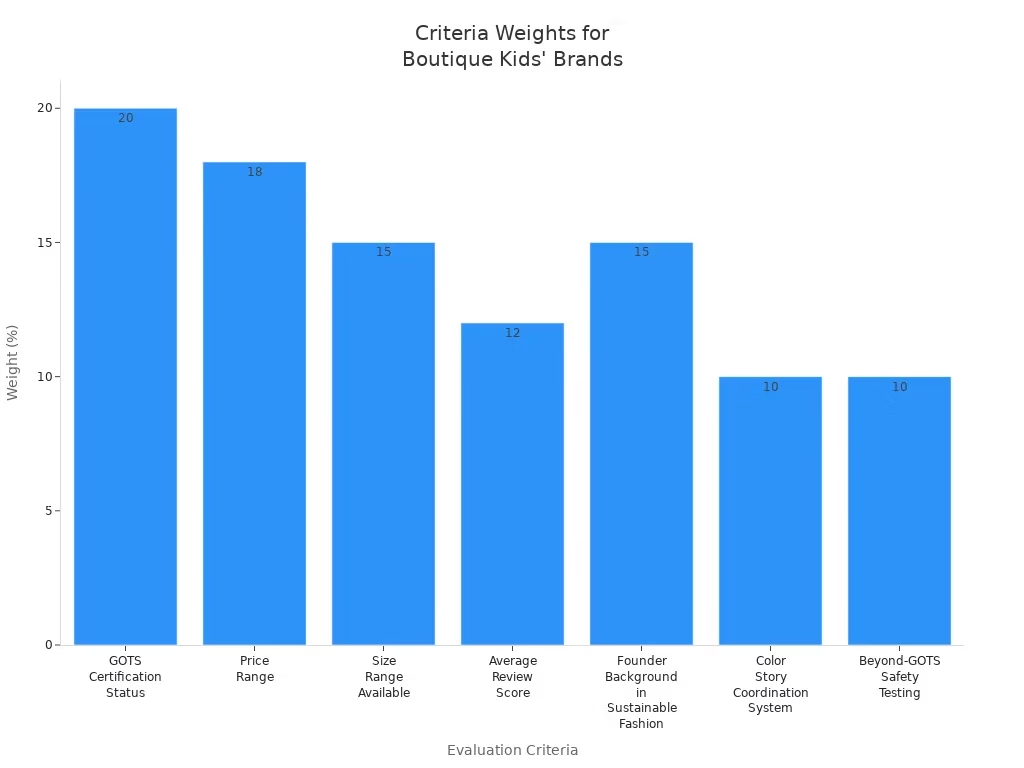
Вам нужна одежда, которая прослужит долго. Качество очень важно для активных детей. Вы проверяете швы и щупаете ткань. Проверяете, хорошо ли сохраняется одежда после многих стирок. Лучшие бренды используют прочные и мягкие материалы. Они заботятся о каждой детали, например, о пуговицах и швах. Лучшие бренды часто имеют сертификат GOTS. Это означает, что их одежда соответствует высоким стандартам. Вы также заметите, что оценки в обзорах и тесты на безопасность имеют большое значение.
Критерии
Вес (%)
Статус сертификации GOTS
20
Диапазон цен
18
Размерный ряд в наличии
15
Средний балл по отзывам
12
Основатель, специализирующийся на экологичной моде
15
Система координации Color Story
10
Испытание на безопасность Beyond-GOTS
10
Уникальный дизайн и стиль
Вы хотите, чтобы ваш ребенок выглядел не так, как другие. Уникальный дизайн делает каждый наряд особенным. Лучшие бренды используют яркие принты и сказочные сюжеты. Они также используют веселые цвета. Некоторые бренды придерживаются классического стиля. Другие делают акцент на простых роскошных или особенных вещах. Эти бренды сочетают в себе веселье и стиль. Ваш ребенок всегда будет выглядеть хорошо.
Moncler Enfant: Куртки, которые хорошо выглядят и хорошо работают
Ralph Lauren Kids: Классический американский стиль
Petit Bateau: Простые и модные основы
Bebe Organic: Модная одежда из органических тканей
Feltman Brothers: Старомодный стиль для особых дней
Устойчивость и этика
Вы хотите помочь планете и своему ребенку. Экологичность очень важна. Вы ищете марки, использующие органический хлопок, бамбук или лен. Эти ткани безопасны и полезны для Земли. Вы также хотите, чтобы бренды получали материалы правильным способом. Вы хотите, чтобы с рабочими обращались справедливо. Одежда классического стиля помогает избежать лишних трат. Вы покупаете меньше и используете одежду дольше.
Использование бамбука и льна, которые легко разлагаются
Классические фасоны, которые служат долго
Популярность родителей и детей
Вы слушаете других родителей. Вы читаете отзывы и разговариваете с друзьями. Бренды с высокими оценками качества и комфорта - ваши фавориты. Детям нравится одежда, которая приятна на ощупь и выглядит круто. Бренды становятся более популярными, когда довольны и родители, и дети.
Совет: делая покупки, обращайте внимание на сертификацию GOTS, читайте отзывы и выбирайте бренды, которые заботятся о качестве, уникальном стиле и сохранении планеты. Это поможет вам выбрать лучшее для вашей семьи.
Кэт и Джек
Обзор бренда
Возможно, вы знаете Cat & Jack по магазину Target. Этот бренд популярен среди родителей. Они хотят стильную одежду для своих детей. Цены невысокие. Компания Cat & Jack начала свою деятельность с простой цели. Они хотели, чтобы одежда подходила каждому ребенку. Их одежду можно увидеть в школе и на детских площадках. Многие родители доверяют Cat & Jack. У бренда есть что-то для каждого ребенка. Cat & Jack занимает особое место среди бутиковых брендов детской одежды. В ней сочетаются веселье, комфорт и стоимость.
Выделяющиеся особенности
Cat & Jack предлагает больше, чем просто милую одежду. Вот что отличает этот бренд:
Характеристика
Описание
Инклюзивность
Здесь есть размеры и адаптивная одежда для всех детей.
Модные и функциональные дизайны
Выглядит круто и хорошо подходит для ежедневного ношения.
В ассортименте игровая одежда, модные наряды и аксессуары.
Приверженность принципам устойчивого развития
Используются переработанные и экологически чистые материалы, чтобы помочь планете.
Вы можете найти дождевики, пижамы и многое другое для своих детей. Cat & Jack заботится о Земле. Бренд использует переработанные ткани и экологически чистые материалы. Это поможет вам сделать правильный выбор для своей семьи и планеты.
Плюсы и минусы
Вот хорошие и плохие моменты:
Плюсы:
Много размеров для всех детей
Цены ниже, чем у других брендов
Модные стили, которые любят носить дети
Экологически чистый выбор для семей, заботящихся о Земле
Конс:
Некоторые виды одежды раскупаются еще до начала занятий
Качество не всегда одинаково для всех товаров
Не так много модных и роскошных вариантов, как у других бутиковых брендов.
Совет: Если вам нужна модная и недорогая одежда для всех детей, Cat & Jack - отличный выбор.
Нация чудес
Обзор бренда
Вы наверняка видели Wonder Nation в Walmart. Этот бренд предлагает вам огромный выбор одежды для детей. Вы получаете яркие цвета, веселые принты и большой выбор. Wonder Nation хочет, чтобы каждый ребенок чувствовал себя комфортно и уверенно. Бренд выпускает одежду для повседневной жизни. Вы можете найти наряды для школы, игр или особых событий. Wonder Nation поддерживает низкие цены, поэтому вы можете одевать своих детей, не тратя много денег.
Выделяющиеся особенности
Wonder Nation выделяется по нескольким причинам:
Широкий диапазон размеров: Вы найдете одежду для младенцев, малышей и детей постарше.
Прочные ткани: Одежда выдерживает множество стирок и грубые игры.
Модные стили: Ваши дети смогут носить самые модные вещи, не чувствуя себя обделенными.
Легкий уход: Большинство вещей можно стирать в стиральной и сушильной машинах.
Доступные цены: Вы получаете ценность за свои деньги.
Совет: Если ваши дети любят играть на улице, Wonder Nation предлагает прочные джинсы и мягкие футболки, которые подойдут для любого сезона.
Плюсы и минусы
Вот краткий обзор того, что вы получите с Wonder Nation:
Плюсы
Cons
Отличное место для семейного отдыха
Некоторые фасоны быстро раскупаются
Множество вариантов для детей
Не так много органических вариантов
Легко сочетать и комбинировать детали
Базовые дизайны, менее уникальные
Одежда для любого вида деятельности
Иногда размеры могут быть малы
Вы можете рассчитывать на Wonder Nation, предлагающую повседневную детскую одежду, которая хорошо выглядит и хорошо себя чувствует.
Главная
Обзор бренда
Вам нужна одежда, которая облегчает жизнь. Primary дает вам именно это. Этот бренд считает, что дети должны носить то, что им нравится, каждый день. Вы увидите яркие цвета, простые фасоны и отсутствие логотипов. Компания Primary появилась благодаря тому, что две мамы захотели иметь лучшие базовые вещи для своих детей. Теперь их одежду можно найти онлайн и во многих домах. Родители доверяют Primary за Мягкие ткани и легкие покупки. Вы получаете одежду, которая сочетается и комбинируется без напряжения.
Выделяющиеся особенности
Primary выделяется своей ориентацией на основы. Вы найдете однотонные цвета и классические формы. Никаких блесток, никаких лозунгов, только чистый комфорт. Вот что вы получите:
Радуга цветов для любого настроения
Супермягкий хлопок, нежный для детской кожи
Этикетки без бирок, поэтому ничего не чешется и не царапается
Легкие в стирке ткани, которые выдерживают игры
Гендерно-нейтральные варианты для всех детей
Совет: Вы можете позволить своим детям выбирать любимые цвета и создавать собственные наряды. Шопинг становится веселым и простым.
Плюсы и минусы
Плюсы
Cons
Широкий выбор цветов для всех детей
Никаких причудливых принтов или символов
Мягкие, удобные основы для повседневной носки
Ограниченное количество сезонных или модных товаров
Легко сочетать и комбинировать детали
Популярные размеры быстро раскупаются
Гендерно-нейтральные стили
Доступно только онлайн
Вам нужна одежда, которая прослужит долго и будет приятна на ощупь. Primary дает вам такую возможность для ваших детей в каждом сезоне.
Mothercare India
Обзор бренда
Вам нужен бренд, который знает, что нужно родителям. Mothercare India известна тем, что помогает семьям. В их магазинах есть много вещей для младенцев и детей. Бренд заботится о комфорте, безопасности и стиле. Вы увидите классическую одежду с новыми деталями. Mothercare India поможет вам одеть ваших детей в любом возрасте. Во время покупок вы получаете помощь и советы. Это делает покупки простыми.
Выделяющиеся особенности
Mothercare India является особенной в Бутик детской одежды. Вы сразу замечаете эти вещи:
Большой выбор для младенцев, малышей и детей младшего возраста
Вам нужна одежда, которая прослужит долго и будет приятной на ощупь. Mothercare India предлагает выбор для игр, вечеринок и повседневной жизни. Ваши дети будут чувствовать себя комфортно и хорошо выглядеть.
Плюсы и минусы
Вы хотите узнать мнение родителей перед покупкой. Вот плюсы и минусы из отзывов покупателей:
Совет: Если вам нужен бренд, которому можно доверять, Mothercare India - хороший выбор. Вы получите качество, безопасность и стиль для своих детей. Делая здесь покупки, вы можете быть спокойны.
AEL Apparel
Обзор бренда
Вы хотите, чтобы ваши дети хорошо выглядели и чувствовали себя в безопасности. AEL Apparel дает вам и то, и другое. Этот бутиковый бренд уделяет внимание каждой детали. Здесь вы найдете одежду для игр, вечеринок и многого другого. AEL Apparel прислушивается к мнению родителей и их потребностям. Вы увидите яркие цвета и мягкие ткани в любом размере. Бренд всегда следит за высоким качеством. Вы можете быть уверены, что ваши дети будут чувствовать себя хорошо весь день.
Фокус на экологичной детской одежде из бутиков
Вы заботитесь о планете и здоровье своих детей. AEL Apparel поможет вам в этом. Бренд является лидером в области экологичной детской одежды в бутиках. Вы получаете одежду, созданную с заботой о Земле. AEL Apparel использует только нетоксичные красители. Вам не придется беспокоиться о вредных химических веществах на коже ваших детей. Компания также использует процесс, который помогает планете. Это означает меньше отходов и больше заботы о будущем.
Вот что делает AEL Apparel особенной:
Бренд прилагает все усилия, чтобы производить одежду экологичным способом.
Во всех тканях используются только нетоксичные красители.
В каждом изделии используются экологически чистые материалы.
Тип доказательства
Описание
Производственный процесс
Компания AEL Apparel использует экологичные способы производства детской одежды.
Используемые материалы
Компания использует только нетоксичные красители в своих тканях для обеспечения безопасности.
Множество способов индивидуальной настройки одежды
Доставка может занять больше времени, чем в местных магазинах
Экологически чистый производственный процесс
Используются экологически чистые материалы
Быстрые сроки изготовления
Всегда высокие стандарты
Совет: Если вам нужна стильная, безопасная и экологичная одежда для ваших детей, обратите внимание на бренд AEL Apparel.
Bonpoint
Обзор бренда
Вы хотите, чтобы ваши дети выделялись в любой толпе. Bonpoint дает вам такую возможность. Этот бренд уже много лет лидирует на рынке детской одежды в бутиках класса люкс. В каждой вещи вы видите творческий подход. Bonpoint сочетает современный стиль с классическим французским шармом. Вы сразу же замечаете внимание к деталям. Бренд использует высококачественные материалы и мастерство исполнения. Покупая одежду Bonpoint, вы получаете мягкую на ощупь и элегантную на вид одежду. Многие родители выбирают Bonpoint для особых случаев или когда хотят, чтобы их дети выглядели наилучшим образом.
Роскошь и французский стиль
Bonpoint привнесет парижский стиль в гардероб ваших детей. Здесь вы найдете нежную вышивку, мягкий хлопок и нестареющие силуэты. Бренд любит игривые принты и нежные цвета. Платья, рубашки и пальто позволят вашим детям почувствовать себя звездами. Дизайнеры Bonpoint создают коллекции, воспевающие детство. Вы получаете вещи, которые служат долго и никогда не выходят из моды. Если вы хотите, чтобы ваши дети носили роскошь, Bonpoint - это имя, которое вы запомните. Наряды Bonpoint можно увидеть на семейных встречах, днях рождения и праздничных фотографиях.
Совет: Если вы хотите, чтобы ваши дети наслаждались комфортом и элегантностью, французский стиль Bonpoint поможет вам почувствовать каждый день особенным.
Компактная в сложенном виде, но сохраняет все функции, необходимые для основной коляски.
Сиденье довольно сильно откинуто, поэтому обзор не самый лучший.
Легко собирается из коробки
Можно было бы улучшить, добавив подставку для ног малышей, когда они дремлют
Легко маневрирует, даже одной рукой
Хорошее хранение
Встроенный плечевой ремень для удобства переноски
Вы видите, что Bonpoint предлагает стиль и удобство для родителей и детей. Некоторые характеристики можно было бы улучшить, но роскошь и комфорт бренда выделяются.
Одежда SweetHoney
Обзор бренда
Вы хотите, чтобы ваши дети чувствовали себя счастливыми и комфортно в своей одежде. Одежда SweetHoney привносит игривый дух в каждый наряд. Этот бутик-бренд начался с мечты мамы создавать одежду, которая дарит радость. В каждой вещи вы увидите яркие цвета, милые узоры и мягкие ткани. SweetHoney Clothing фокусируется на том, чтобы дети улыбались. Вы найдете платья, пижамы и комплекты, которые будут выделяться на фотографиях и вечеринках. У бренда есть преданные поклонники, потому что родители доверяют качеству и любят веселые дизайны.
Еженедельные новые поступления и разнообразие
Покупки в SweetHoney Clothing никогда не надоедают. Бренд выпускает новые поступления каждую неделю. Вы всегда сможете найти что-то свежее для своих детей. Если вы любите разнообразие, вам понравится просматривать их коллекции. Вы увидите сезонные темы, праздничные наряды и лимитированные принты. SweetHoney Clothing позволяет легко одевать детей для любого случая. Вы можете смешивать и сочетать вещи, создавая уникальные образы. Бренд также предлагает наборы для братьев и сестер, чтобы ваши дети могли сочетать их для семейных фотографий или особых событий.
Совет: Часто заглядывайте на сайт. Новые модели быстро раскупаются, особенно в популярных детских размерах.
Плюсы и минусы
Вот краткий обзор того, что вы получаете с одеждой SweetHoney:
Вы хотите, чтобы ваши дети выделялись и чувствовали себя хорошо. SweetHoney Clothing предлагает вам варианты, которые сделают каждый день особенным.
Райли + Кру
Обзор бренда
Вы хотите, чтобы ваши дети носили одежду, в которой они чувствуют себя круто и выглядят свежо. Rylee + Cru представляет вам бутик-бренд, в котором искусство сочетается с комфортом. Этот бренд начался с мамы, которая любила рисовать и хотела, чтобы ее дети носили ее работы. Теперь Rylee + Cru можно увидеть во многих шкафах. Бренд делает ставку на мягкие ткани и легкий крой. Вы можете одевать своих детей в вещи, которые двигаются вместе с ними. Rylee + Cru предлагает модные фасоны, которые подойдут для свиданий, вечеринок и семейных фотографий.
Хипстерские и модные дизайны
Сразу видно, что Rylee + Cru любит модные вещи. Бренд использует мягкие цвета и простые принты. В каждой коллекции прослеживаются хипстерские вибрации. Многие родители выбирают Rylee + Cru для своих детей, потому что модные фасоны выделяются. Вы получаете подходящие комплекты, которые облегчают планирование нарядов. Бренд всегда предлагает новые модные идеи в каждом сезоне. Вы найдете модные фасоны, в которых классические формы сочетаются с современным искусством. Если вы хотите, чтобы ваши дети выглядели уникально, вам понравятся эти модные модели.
Совет: попробуйте сочетать модные вещи Rylee + Cru с базовыми вещами, чтобы каждый день выглядеть свежо.
Плюсы и минусы
Вы хотите знать, подходит ли Rylee + Cru вашей семье. Вот краткий обзор того, что говорят модные критики:
Плюсы
Cons
Отличный выбор стилей, от классики до современных тенденций.
Нейтральные принты могут прийтись по вкусу не всем.
Экологически чистые методы печати и окрашивания.
Предлагает сочетающиеся комплекты для комплексного решения проблемы с одеждой.
Размерный ряд рассчитан на детей от новорожденных до 5 лет.
Вы получаете модные фасоны для детей всех возрастов. Бренд заботится о планете, используя экологически чистые методы. Некоторые родители хотят более ярких цветов, но многим нравится мягкий, модный вид. Если вы хотите, чтобы ваши дети носили модную одежду, которая хорошо себя чувствует и выглядит круто, Rylee + Cru - это лучший выбор.
Ханна Андерссон
Обзор бренда
Вы хотите, чтобы ваши дети чувствовали себя хорошо и хорошо выглядели каждый день. Hanna Andersson - лучший выбор для семей, которым важны качество и стиль. Этот бренд популярен в Северной Америке и Европе. Их одежду можно увидеть в парках и на вечеринках. У Hanna Andersson есть множество нарядов для самых разных мероприятий. Родителям нравится эта марка, потому что одежда служит долго. Цвета остаются яркими даже после многочисленных стирок.
Совет: Выберите Hanna Andersson, если хотите интересные дизайны и удобная одежда, которая прослужит долго.
Детские футболки и пижамы из органического хлопка
Вам небезразлично, что носят ваши дети на своей коже. Hanna Andersson использует органический хлопок для изготовления футболок и пижам. Одежда мягкая и не чешется. Бренд заботится о планете и производит одежду правильным способом. Вы можете быть спокойны, покупая эту одежду. Детям нравятся яркие и классные рисунки. Вы найдете стили для всех детей и не слишком маркие, так что смешивать наряды легко.
При производстве одежды старается быть экологичным и справедливым.
Одежда прочная и хорошо выглядит
Множество вариантов для повседневной носки и особых дней
Большой в Северной Америке и Европе
Плюсы и минусы
Прежде чем совершать покупки, вы хотите узнать, что говорят другие родители. Вот краткий список хороших и плохих отзывов:
Преимущества
Недостатки
Ощущение мягкости на коже
Может дать усадку после первой стирки
Подходит по размеру
Швы могут разойтись в более дешевых линиях
Хватит более чем на одного ребенка
Модные фасоны могут сделать руки узкими
Никаких зудящих меток
Ткани проходят предварительную стирку
Цвета для всех детей
Мало брендинга
Одежда мягкая и хорошо сидит. Некоторые родители отмечают усадку после стирки, в основном в более дешевых вещах. Большинство семей говорят, что эта одежда служит многим детям, так что она того стоит.
Джени и Джек
Обзор бренда
Вы хотите, чтобы ваши дети выглядели изысканно и чувствовали себя особенными. Janie and Jack предлагает вам классический стиль с современным уклоном. Эта марка имеет прочную репутацию благодаря качеству и вниманию к деталям. Вы можете увидеть их магазины в торговых центрах и онлайн. Многие родители доверяют Janie and Jack важные моменты. Здесь вы найдете наряды для дней рождения, семейных фотографий и праздников. Бренд облегчает процесс покупки благодаря услужливому персоналу и удобному сайту.
Высококлассный бутик детской одежды
Janie and Jack выделяется в мире бутиков детской одежды. Вы сразу же замечаете разницу. Ткани на ощупь мягкие и роскошные. Дизайн выглядит нестареющим, но свежим. Вы можете одеть своих детей в приталенные пиджаки, крученые платья и нарядные туфли. Бренд любит добавлять особые штрихи, такие как вышивка или уникальные пуговицы. Для братьев и сестер предлагаются одинаковые комплекты, что делает семейные фотографии более яркими. Если вы хотите, чтобы ваши дети блистали на любом мероприятии, этот бренд вам в этом поможет.
Совет: Ознакомьтесь с их сезонными коллекциями. В них часто можно найти лимитированные вещи, которые позволят вашим детям выделиться.
Плюсы и минусы
Вот краткий обзор того, что вы получите с Джени и Джеком:
Плюсы
Cons
Высококачественные ткани и детали
Более высокая цена
Классический и стильный дизайн
Некоторые товары быстро раскупаются
Отлично подходит для особых случаев
Меньше разнообразия для повседневной носки
Широкий выбор размеров для детей
Не так много распродаж и скидок
Вы хотите, чтобы ваши дети чувствовали себя уверенно и выглядели наилучшим образом. Janie and Jack поможет вам сделать это со стилем и изяществом.
Краткая сравнительная таблица
На первый взгляд: Сравнение 10 лучших брендов
Вы хотите знать чем отличается каждый бренд. Эта таблица поможет вам увидеть 10 лучших брендов бутиков детской одежды на 2026 год. Вы можете узнать цену, основные характеристики и особенности каждого бренда. Используйте это руководство, чтобы помочь вам выбрать то, что лучше всего подходит для вашей семьи.
Совет: если вам нужна одежда подешевле, обратите внимание на Cat & Jack или Wonder Nation. Для модных мероприятий отлично подойдут Bonpoint и Janie and Jack. Если вы хотите помочь Земле, то AEL Apparel и Hanna Andersson - отличные варианты.
Эта таблица позволяет вам сравните бренды. Выберите тот, который соответствует потребностям вашего ребенка и стилю вашей семьи.
Вы хотите, чтобы ваш ребенок чувствовал себя комфортно и уверенно. Начните с проверки ткани. Мягкий хлопок хорошо подходит для чувствительной кожи. Ищите высококачественные вещи, которые выдержат игры и стирки. Вы можете заметить хорошую строчку и крепкие швы. Эти детали помогают одежде сохранять форму. Если вы хотите доступные вариантыСравните цены и прочитайте отзывы. Некоторые бренды предлагают доступные комплекты с предметами первой необходимости на каждый сезон.
Вот краткий список, который поможет вам сделать покупки:
Проверьте на этикетке наличие органических или безопасных материалов.
Потрогайте ткань перед покупкой.
Ищите легко стирающиеся вещи.
Выбирайте бренды с четкими указателями размеров.
Узнайте у других родителей об их любимых доступных брендах.
Совет: Если вы найдете бренд с доступными ценами и качественными вещами, вы сможете создать гардероб надолго.
Соответствие потребностям вашего ребенка
У каждого ребенка свой неповторимый стиль. Вы знаете, что заставляет вашего ребенка улыбаться. Некоторые любят яркие цвета. Другим нужны простые вещи. Подумайте о распорядке дня вашего ребенка. Нужны ли им наряды для школы, игр или особых событий? Вы можете смешивать и сочетать предметы первой необходимости, чтобы создавать новые образы. Если ваш ребенок любит двигаться, выбирайте эластичные ткани. Для особых дней выбирайте наряды с веселыми принтами или дополнительными деталями.
Нужно
Лучший выбор
Почему это работает
Повседневная одежда
Essentials
Легко сочетать и подбирать
Время игры
Доступные варианты
Прочный и удобный
Специальные мероприятия
Уникальные наряды
Выделяйтесь на фотографиях
Примечание: Вам не обязательно тратить много денег. Многие доступные бренды предлагают вещи первой необходимости и наряды на любой вкус.
Вы хотите, чтобы ваши дети носили одежду, которая отличается от других. Эти бренды предлагают особый стиль и комфорт для каждого ребенка. Вы можете найти хорошие базовые вещи и наряды для больших событий. Специальная одежда поможет вашему ребенку выглядеть не так, как другие. Попробуйте эти наряды и увидите, как весело каждый день выбирать что-то особенное.
Совет: Позвольте своим детям выбрать специальную одежду, которая им нравится!
ЧАСТО ЗАДАВАЕМЫЕ ВОПРОСЫ
Что отличает бутики детской одежды от обычных брендов?
Одежда из бутиков выглядит по-особенному и приятные на ощупь. Они используют лучшие ткани и уделяют пристальное внимание мелочам. Эти бренды выбирают более безопасные материалы для детей. Вы увидите фасоны, которых нет в других магазинах.
Как узнать, является ли бренд экологически чистым?
Проверьте наличие таких слов, как "органический хлопок" или "сертифицировано GOTS". Зайдите на сайт бренда, чтобы узнать о тканях и способах производства одежды.
Стоит ли одежда из бутиков более высокой цены?
Вы тратите больше денег за лучшее качество и стиль. Такая одежда служит дольше и мягче на ощупь. Ваш ребенок носит наряды, которые выглядят круто и хорошо сохраняются.
Вы хотите, чтобы у ваших детей была хорошая одежда, в том числе и экологичная детская одежда. Вы ищете безопасную и удобную одежду, но при этом хотите, чтобы она помогала планете. В 2026 году большинство родителей будут выбирать экологичные бренды, включая экологичную детскую одежду. Многие родители готовы платить больше за лучшую одежду, которая заботится об окружающей среде. Посмотрите на эту таблицу, чтобы узнать, сколько родителей заботятся о выборе экологичной одежды:
Новые линии детской моды, включающие экологичные альтернативы
30%
Экологически чистая детская одежда не использует агрессивные химикатычто снижает вероятность возникновения аллергии. Такая одежда служит дольше, позволяя вам одновременно помогать своему ребенку и земле.
Основные выводы
Выбирайте экологичную детскую одежду, чтобы обезопасить кожу ребенка от вредных химикатов и снизить риск аллергии. - Поддерживайте бренды, которые используют органические и переработанные материалы чтобы помочь планете и стимулировать развитие сельского хозяйства. - Проверьте наличие таких сертификатов, как GOTS и Fair Trade, чтобы убедиться, что одежда безопасна и произведена честным путем. - Выбирайте прочную одежду, которая служит дольше - так вы сэкономите деньги и сделаете меньше отходов. - Экономьте деньги, покупая подержанную одежду, участвуя в обмене одеждой или пользуясь программами проката, чтобы одевать ребенка экологично.
Почему экологичная детская одежда имеет значение
Здоровье и безопасность для детей
Вы хотите, чтобы ваш ребенок был в безопасности и чувствовал себя комфортно в своей одежде. Экологически чистая детская одежда убережет вашего ребенка от вредных химикатов. В обычной одежде используются сильные красители и средства для обработки. Они могут повредить кожу вашего ребенка. У детей кожа нежная, поэтому химические вещества легче проникают внутрь. Выбор органическая и экологически чистая одежда снижает вероятность возникновения аллергии и проблем с кожей. Посмотрите эту таблицу, чтобы увидеть, как они сравниваются:
Аспект
Риски, связанные с обычной одеждой
Преимущества устойчивых альтернатив
Химикаты в обработке
Много вредные химикаты может вызвать проблемы с кожей, аллергию и даже проблемы со здоровьем у детей.
Органические материалы - это меньший контакт с вредными химикатами.
Впитывание кожей
Тонкая кожа детей быстрее пропускает химические вещества, что может быть опасно.
Натуральные волокна, такие как органический хлопок, содержат меньше вредных остатков.
Аллергические реакции
Такие проблемы с кожей, как экзема и сыпь, могут возникнуть из-за поддельных красителей и химикатов.
Органический хлопок и другие натуральные волокна реже вызывают аллергию.
Воздействие на окружающую среду
В обычном хлопке используются пестициды, которые вредны для здоровья.
Экологически чистая детская одежда помогает вашему ребенку и Земле. Выбирая такую одежду, вы поддерживаете лучшие фермерские хозяйства и чистые фабрики. Вот некоторые способы, которыми экологичная детская одежда помогает:
Экологически чистая детская одежда натуральные материалы которые быстро разрушаются и не наносят вреда земле.
Экологически чистые красители сохраняют воду чистой для людей и животных.
Фабрики, производящие эту одежду, используют меньше воды и больше перерабатывают, экономя ресурсы.
Комфорт и стиль
Вы хотите, чтобы ваш ребенок чувствовал себя хорошо и выглядел здорово. Экологически чистая детская одежда часто бывает более мягкой, потому что в ней используется органический хлопок и нежные волокна. Такая одежда позволяет коже ребенка дышать и легко двигаться. Многие бренды имеют яркие цвета и веселые фасоны. Ваш ребенок может продемонстрировать свой стиль, а вы в это время помогаете планете.
Как мы выбирали эти экологичные бренды
Когда вы покупаете Экологически чистая одежда для детейВы хотите знать, что делает эти бренды особенными. Вот как мы выбрали лучшие бренды детской одежды для более экологичного будущего.
Органические и переработанные материалы
Вы хотите, чтобы ваш ребенок носил одежду из натуральных материалов. Такие ткани мягко и комфортно ложатся на кожу ребенка. Многие бренды используют органический хлопок, бамбук или переработанные волокна. Такая одежда нежна, безопасна и позволяет коже дышать. Натуральные материалы быстро разлагаются, поэтому они помогают Земле. Бренды, использующие переработанные волокна, сокращают количество отходов и экономят ресурсы. Вы можете быть уверены, что такая одежда будет прочной и удобной.
Мягкие и воздушные ткани позволят вашему ребенку чувствовать себя комфортно весь день.
В органической детской одежде используются нежные натуральные материалы.
Переработанные волокна помогают уменьшить количество отходов и поддерживают экологичное производство.
Прочные швы и эластичная ткань делают одежду долговечной для активных детей.
Сертификация и стандарты
Вам нужны доказательства того, что бренды следуют строгим правилам. Такие сертификаты, как GOTS и Fair Trade, свидетельствуют о том, что бренды используют органические материалы и хорошо относятся к работникам. Эти маркировки означают, что вы получаете безопасную и экологичную одежду. Бренды с такими сертификатами не используют детский труд и платят справедливую зарплату. Чтобы покупать одежду хороших брендов, ищите такие маркировки.
Сертификация
Влияние на авторитет
GOTS
Убедитесь, что волокна натуральные и экологически чистые
Справедливая торговля
Обещает справедливую оплату и этичную работу
Этичное производство
Вы заботитесь о том. как изготавливается одежда вашего ребенка. Этичные бренды используют экологичные способы производства одежды и доброжелательно относятся к работникам. Они платят справедливую зарплату и предоставляют безопасные места для работы. Вы можете доверять брендам, которые рассказать о том, как они шьют свою одежду. Выбирая этичные бренды, вы поддерживаете справедливое обращение и прекращаете использование детского труда. Бренды, которые рассказывают о своих экологичных методах, заслуживают вашего доверия.
Этичная мода означает справедливую оплату труда и безопасные рабочие места.
Бренды, которые делятся своими способами, заслуживают вашего доверия.
Прекращение использования детского труда очень важно для этичных брендов.
Долговечность и ценность
Вам нужна одежда, которая прослужит долго. Прочная органическая детская одежда сэкономит ваши деньги и сократит количество отходов. Бренды уделяют особое внимание прочным швам, эластичным тканям и безопасным пуговицам. Вы получаете удобную одежду, которая выдерживает игры и стирку. Прочная одежда означает, что вы покупаете меньше и помогаете планете. Выбирая экологичные бренды, вы получаете хорошее качество и выгодную цену.
Совет: Выбирайте бренды, которые чинят одежду или перерабатывают ее. Такой выбор поможет одежде вашего ребенка прослужить дольше и будет способствовать экологичному образу жизни.
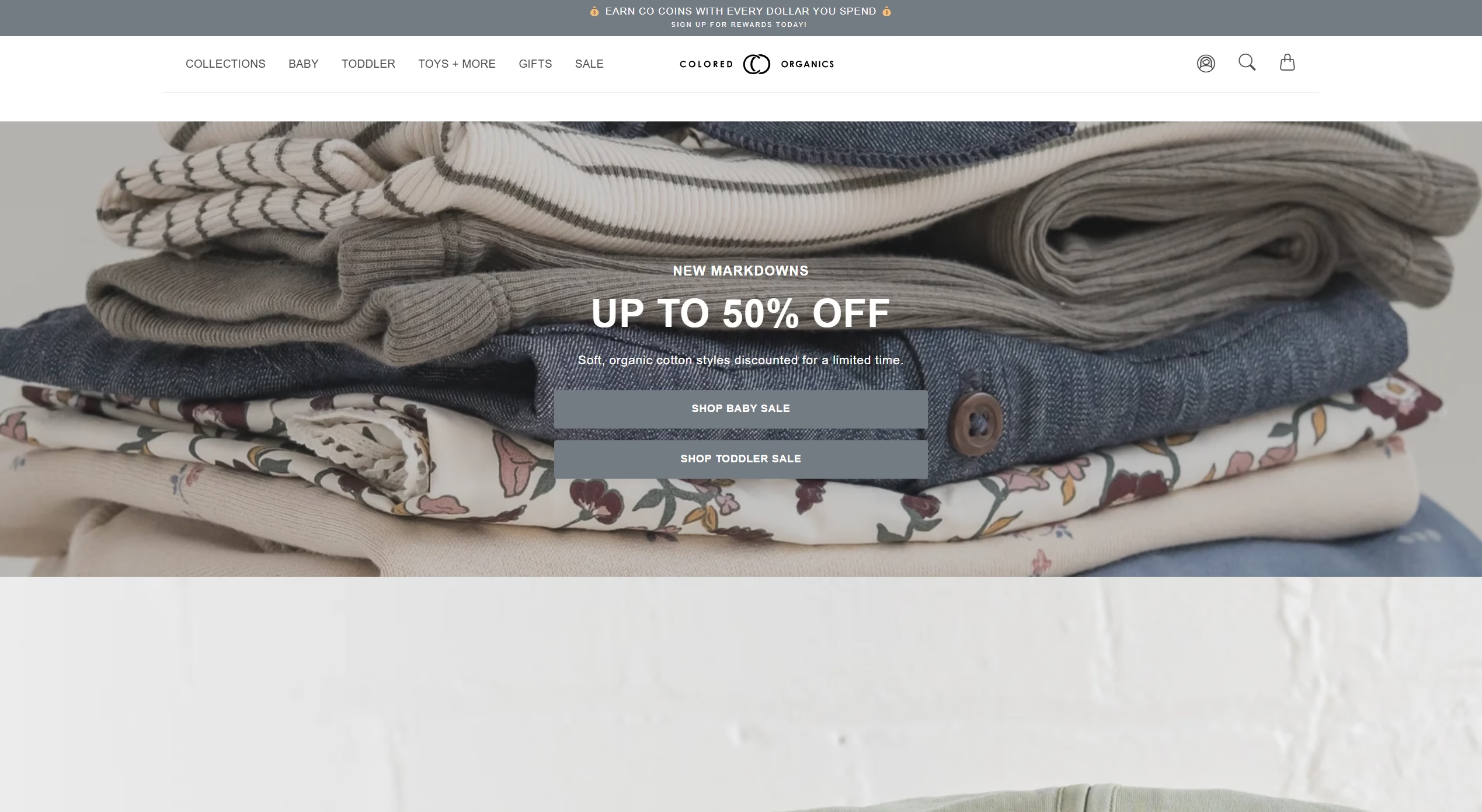
Colored Organics - хороший выбор для мягкой и безопасной одежды. Они используют только органический хлопоки мягко ложится на кожу. Их красители на водной основе и натуральные, так что никакие агрессивные химикаты не коснутся вашего ребенка. Даже пуговицы сделаны из экологически чистых материалов. Заказы приходят в упаковке, которую можно перерабатывать или компостировать. Это помогает не допустить попадания отходов на свалки. Вы можете присоединиться к их программе Upchoose, чтобы обменять старую одежду на кредиты. Хлопковые футболки служат долго, их можно стирать во время игр. Colored Organics известна тем, что использует натуральные материалы и выбирает экологически чистые продукты.
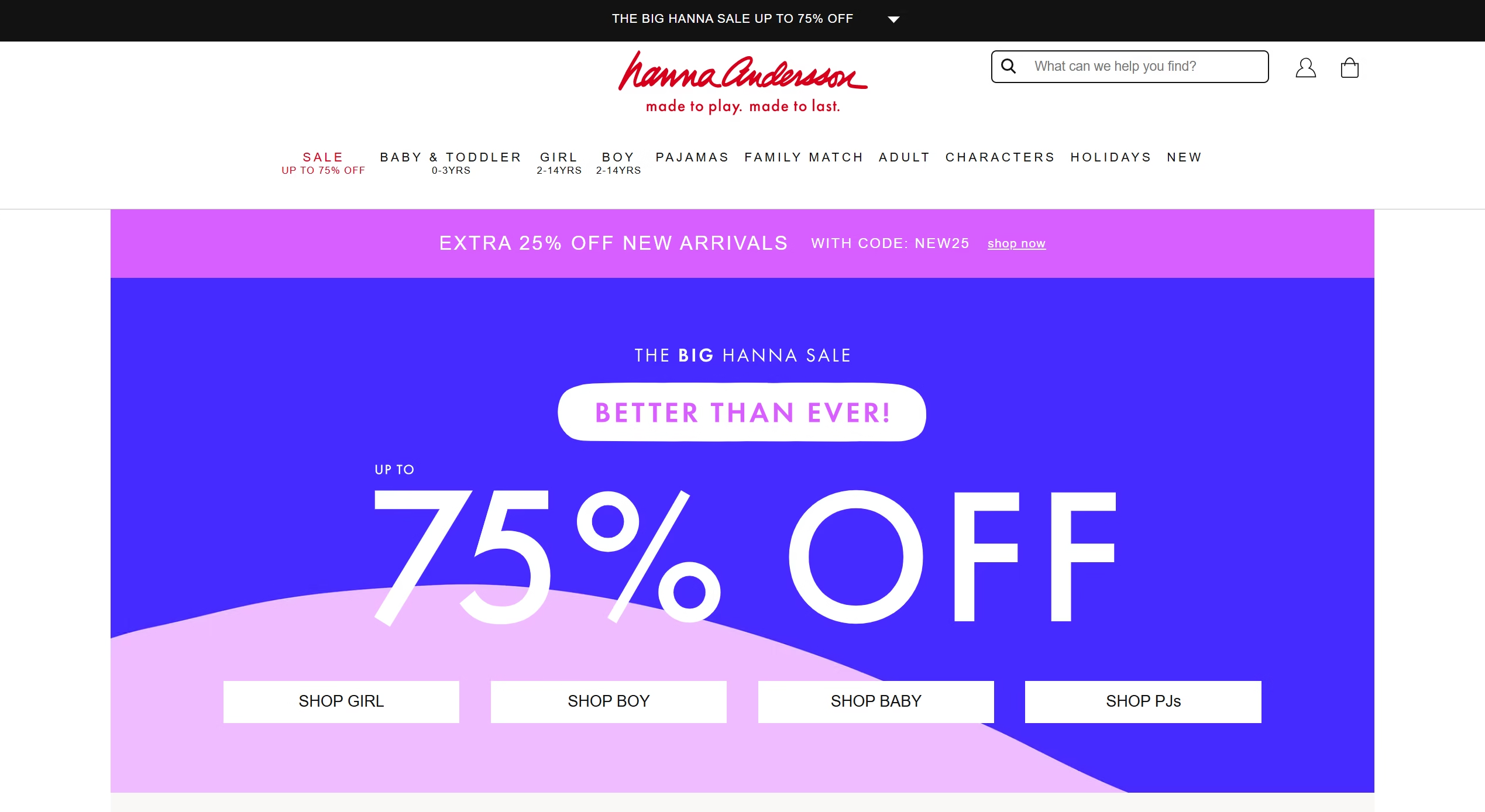
Ханна Андерссон
Hanna Andersson производит стильную одежду, которая долго служит и приятна на ощупь. В их одежде используется органический хлопок, который безопасен и удобен. Дизайны подходят для любого мероприятия. Hanna Andersson заботится о семьях и укрепляет доверие качеством и комфортом. Вы можете найти множество размеров и стилей для каждого ребенка. Их одежда остается прочной после многочисленных игр и стирок. Hanna Andersson использует справедливый труд и безопасные условия работы. Вы можете купить футболки из органического хлопка и другую замечательную одежду онлайн. Их цены соответствуют разным бюджетам.
Прочная и удобная одежда для активных детей
Справедливый труд и безопасные рабочие места
Дизайны подходят для любого случая
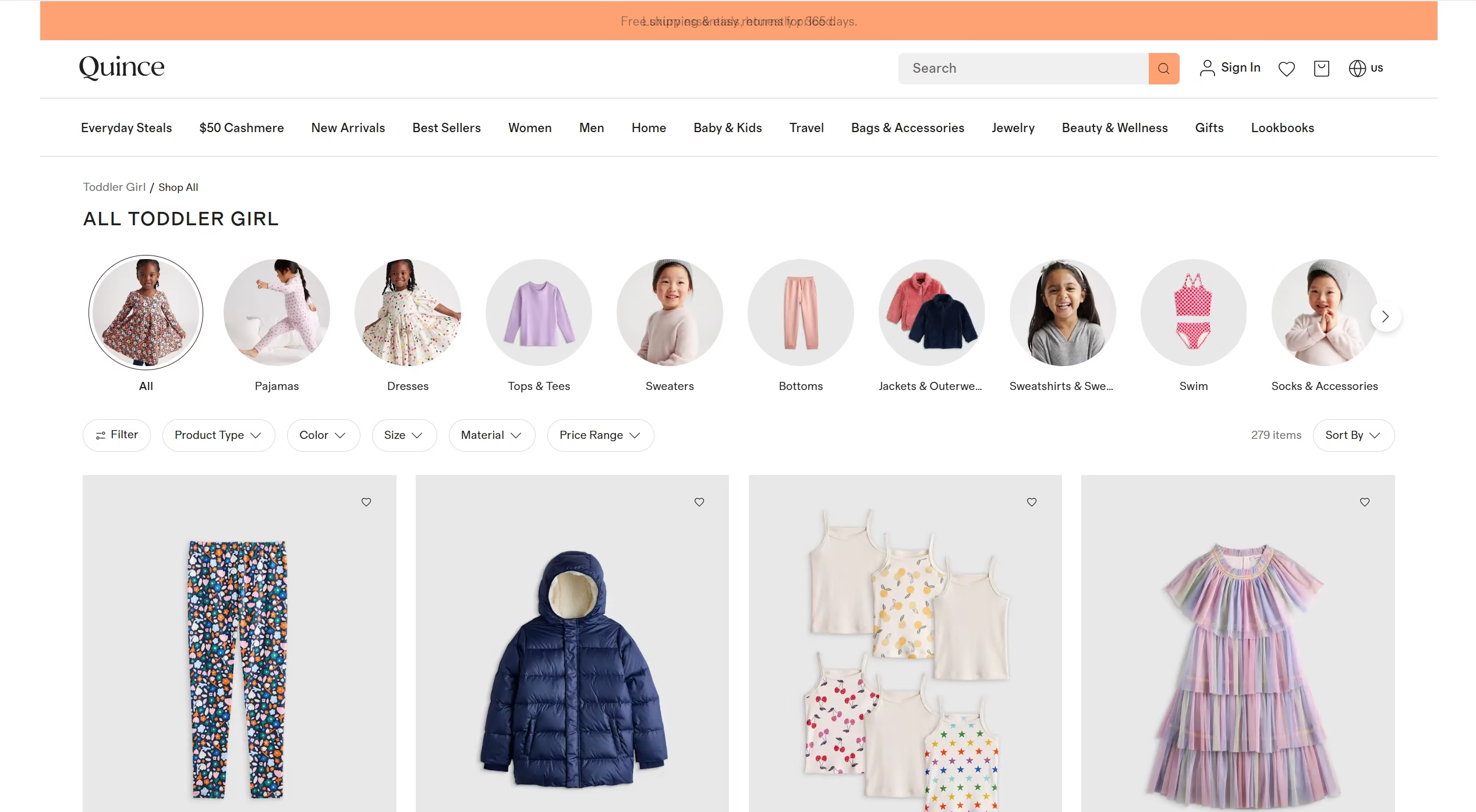
Айва
Quince предлагает доступную и экологичную моду для детей. Они продают роскошные базовые вещи по низким ценам. Quince использует органический лен и хлопок для естественного комфорта. Они работают с этичными фабриками и доставляют товары прямо к вам. Это экономит деньги и помогает вам легко покупать экологичные бренды. Вы можете приобрести хлопковые футболки и другие предметы первой необходимости для своей семьи. Quince использует экологически чистые ткани и является одним из лучших экологичных брендов.
Характеристика
Выгода
Доступные основы роскоши
Высокое качество по низким ценам
Прямая доставка
Экономия денег и поддержка этичных фабрик
Органические и натуральные ткани
Безопасно и удобно для детей
Burt's Bees Baby
Burt's Bees Baby производит нежную и безопасную одежду для детей. В большинстве вещей используется органический хлопок и Сертификация GOTS. Их хлопковая одежда мягкая и подходит для чувствительной кожи. Они также предлагают неорганический хлопок с OEKO-TEX, пижамы из смеси TENCEL™ и переработанный флис. Burt's Bees Baby известен большим выбором и низкими ценами. Каждая вещь дарит естественный комфорт и безопасность.
Тип продукта
Тип сертификации
Органический хлопок
GOTS
Неорганический хлопок
OEKO-TEX Standard 100
Пеньюары из смеси лиоцелла TENCEL™
софт™
Флис из переработанного полиэстера
polarbee™ (Repreve® 100% переработанный)
Q для Куинн
Компания Q for Quinn заботится о каждом ребенке и о планете. Они используют Хлопок, сертифицированный GOTSшерсть с безопасных ферм и растительные красители, например, гранат. Их одежда нежная и подходит для детей с чувствительной кожей. Q for Quinn заботится о том, чтобы все дети чувствовали себя комфортно. Вы можете приобрести мягкие, прочные футболки и другие предметы первой необходимости. Этот бренд ставит естественный комфорт на первое место.
Тип материала
Описание
Органический хлопок, сертифицированный GOTS
Низкое воздействие на окружающую среду, бережное отношение к коже
Ответственная шерсть
Благополучие животных и устойчивое развитие
Красители на растительной основе
Натуральные ингредиенты, без агрессивных химических веществ
Мон Кёр
Mon Coeur производит классную экологичную одежду для детей. Они используют переработанные и органические материалы для каждого изделия. Пуговицы изготавливаются из переработанной бумаги, а для застежек-молний используются пластиковые бутылки. Для изготовления купальников используются старые рыболовные сети. Все ткани имеют сертификат Global Recycled Standard. Mon Coeur использует только переработанные и вторичные ткани. Вы получаете аксессуары и футболки, которые служат долго. Mon Coeur лидирует в области натуральных идей.
Переработанные и органические материалы делают одежду прочной
Для пуговиц и застежек-молний используются использованные вещи
Купальники производятся из рыболовных сетей
Круговая экономика останавливает отходы
Маленькие зеленые радикалы
Little Green Radicals предлагает вам этичные и натуральные продукты. Они используют Справедливый хлопокКомпания помогает фермерам и их городам. Они сотрудничают с компанией Chetna Organics в Индии, помогая многим фермерам. Их хлопковая одежда меньше вредит пестицидам. Упаковка пригодна для компостирования, а в материалах используется меньше химикатов. Производство находится ближе к дому, поэтому воздействие на климат меньше. У них есть сертификаты Fairtrade и BSCI, которые защищают работников. Этот бренд заботится о людях и планете.
Хлопок справедливой торговли помогает фермерам и общинам
Компостируемая упаковка сокращает количество отходов
Справедливый труд и хорошая зарплата для работников
МИНИ РОДИНИ
MINI RODINI поставляет одежду по всему миру и предлагает варианты унисекс. Их дизайн позволяет детям продемонстрировать свой стиль. MINI RODINI использует органический хлопок и переработанные ткани. Бренд был основан с целью создания гендерно-нейтральной моды. MINI RODINI сочетает в себе естественный стиль и ответственное производство.
Аспект
Подробности
Глобальная доставка
Доставка по всему миру, множество видов одежды
Гендерно-нейтральные варианты
Дизайны унисекс для свободы самовыражения
Устойчивое развитие
Используются органические и переработанные ткани
SeedTot
SeedTot производит одежду для малышей из натурального, органического хлопка. Их вещи мягкие и безопасные. Вы можете приобрести футболки и базовые вещи, которые прослужат долго. SeedTot использует натуральные красители и экологичную упаковку. Это поможет вам сделать лучший выбор. Вы можете найти отличную одежду онлайн от этого бренда. SeedTot отличается органическим хлопком и комфортом.
Основы из органического хлопка для младенцев и детей младшего возраста
Натуральные красители и экологичная упаковка
Прочные основы для повседневной носки
Органический зоопарк
Organic Zoo открыто и честно рассказывает о своем процессе. Они получают органические материалы от фермеров, которые следуют строгим правилам. Их машины экологичны и проверяют качество. В дизайне используется программное обеспечение для сокращения отходов. Фабрики экономят воду и энергию. Каждая вещь проверяется на наличие химикатов и сертифицируется. Одежда поставляется в экологичной упаковке и рассказывает о пользе органических продуктов. Вы получаете безопасную, удобную одежду и способы ее переработки или утилизации. Organic Zoo - лучший бренд по доверию и репутации.
Шаг
Описание
Поиск органического сырья
Фермеры не используют синтетические химикаты и пестициды.
Обработка и прядение
Волокна очищаются и прядутся на экологически чистом оборудовании.
Дизайн и производство
Узоры уменьшают количество отходов, объекты экономят воду и энергию.
Сертификация и обеспечение качества
Одежда проверена на наличие остатков химических веществ и сертифицирована.
Дистрибуция и розничная торговля
Экологически чистая упаковка и просвещение потребителей.
Потребительское использование и окончание срока службы
Безопасное использование и варианты переработки или утилизации.
У вас есть большой выбор брендов для зеленых детей и экологичных вещей. Эти лучшие бренды обеспечивают естественный комфорт, органический хлопок и классные фасоны для детей. Вы можете совершать покупки онлайн, чтобы выбрать лучшую одежду и помочь своему ребенку и Земле.
Что делает эти экологичные бренды особенными
Крутые функции и новые идеи
Вы можете спросить, почему эти бренды отличаются друг от друга. Они не просто используют органический хлопок. У них есть умные идеи, которые помогают планете. Некоторые бренды сажают деревья, когда вы покупаете одежду. Другие используют переработанные материалы или справедливо оплачивают труд рабочих. Некоторые бренды очищают океаны или позволяют чинить старую одежду. Многие бренды используют новые материалы и заботятся о природе. Посмотрите на эту таблицу чтобы узнать, чем занимается каждый бренд:
Бренд
Уникальные особенности и инновации
Тентри
Высаживает деревья для каждого купленного вами товара, использует экологически чистые материалы, платит справедливую зарплату.
ИЗВЕСТНОЕ ПРЕДЛОЖЕНИЕ
Используется хлопок с сертификатом GOTS, справедливая торговля, каждая вещь подписана производителем, способствует открытости.
Ecoalf
Работает над очисткой океана, использует переработанные материалы, жертвует на "зеленые" цели.
Джинсы Nudie
Предлагает бесплатный ремонт, использует органический хлопок, шьет одежду, которая растет вместе с вашим ребенком.
Пангея
Фокусируется на новых материалах, поддерживает круговую моду, использует природные решения.
Patagonia
Компания давно занимается экологией, использует экологичные ткани, работает над сокращением выбросов парниковых газов.
Эти бренды доказывают, что можно хорошо выглядеть и помогать Земле.
Сертификаты и награды
Вы хотите быть уверены, что одежда вашего ребенка безопасна. Многие ведущие бренды имеют специальные сертификаты, такие как GOTS и справедливая торговля. Такие этикетки свидетельствуют о том, что бренд использует безопасные материалы и хорошо относится к работникам. Некоторые бренды получают награды за помощь людям или планете. Когда вы видите такие этикетки, вы знаете, что бренд заботится о вас.
Совет: Всегда ищите на бирках и сайтах проверенные ярлыки. Они помогут вам выбрать лучшую одежду для вашей семьи.
Помощь семьям и обществу
Вы заботитесь не только о покупке одежды. Бренды, похожие на MANYMOONS позволяют сдавать или перерабатывать детскую одежду. Это очень удобно, когда ваш ребенок быстро растет. Вы получаете органический хлопок и программу возврата, которая экономит деньги и сокращает количество отходов. Родителям нравится такой выбор, потому что он прост и полезен для Земли.
Органическая одежда снижает аллергические реакции и проблемы с кожей.
При стирке обычной одежды используется много воды и химикатов.
Органическое земледелие лучше для природы.
Сейчас все больше людей выбирают бренды, которые используют экологичные методы.
Покупая продукцию "зеленого" бренда, вы помогаете своему ребенку и планете. Вы также присоединяетесь к другим родителям, которые хотят лучшего для своих семей.
Советы по выбору и уходу за экологичной детской одеждой
Как определить настоящие устойчивые бренды
Вы хотите быть уверены, что выбираете для своих детей настоящие экологичные бренды. Вот как их распознать:
Прозрачность бренда: Проверьте сайт бренда и его социальные сети. Ищите четкие сведения о том, где они берут материалы и как шьют одежду.
Сертификаты: Надежные маркировки, такие как GOTS, свидетельствуют о соответствии бренда стандартам безопасности и этики.
Ткань:Выбирайте одежду из натуральныхорганические или переработанные материалы. Ищите бирки с надписью "100% органический хлопок".
Долговечность и качество: Выбирайте одежду, которая прослужит вам долго во время игр и стирок.
Сушите одежду на воздухе, чтобы предотвратить усадку и выцветание.
Избегайте чрезмерной стирки, чтобы сохранить прочность тканей.
Совет по уходу
Почему это важно
Стирать в холодной воде
Сохраняет яркость цветов и прочность ткани
Сушите одежду на воздухе
Предотвращает усадку и выцветание
Сложите трикотаж и футболки
Остановить растяжку
Помните: Простые правила ухода помогут одежде вашего ребенка прослужить дольше и оставаться удобной.
Выбирая экологичную одежду для своих детей, вы обеспечиваете их безопасность и помогаете планете. Выбирая экологичные бренды, вы показываете компаниям, что заботитесь о Земле. Даже небольшие изменения в ваших покупательских привычках могут иметь большое значение. Узнайте, как важен ваш выбор:
Действие
Воздействие
Покупки у "зеленых" брендов
Призывает магазины использовать экологически чистую упаковку
Поддержка ваших ценностей
Повышает спрос на более качественные и безопасные продукты
Вы помогаете сократить количество отходов и поддерживаете глобальное движение.
Ваш выбор вдохновляет других заботиться о планете.
Каждая покупка - это шаг к более экологичному будущему.
В ваших силах создавать перемены - по одному наряду за раз.
ЧАСТО ЗАДАВАЕМЫЕ ВОПРОСЫ
Что делает детскую одежду "экологичной"?
Экологически чистая детская одежда используют органические или переработанные материалы. Бренды избегают вредных химических веществ. Фабрики справедливо относятся к рабочим. Выбирая эту одежду, вы помогаете планете.
Как узнать, действительно ли бренд является экологически чистым?
Ищите такие сертификаты, как GOTS или Fair Trade. Проверьте сайт бренда, чтобы узнать подробности о материалах и производстве. Почитайте отзывы других родителей.
Совет: Проверенные марки и честные истории брендов - это значит, что вы можете делать покупки с уверенностью.
Дороже ли одежда для детей из экологически чистых материалов?
Вы можете заплатить немного больше. Такая одежда служит дольше и остается удобной. Со временем вы экономите деньги, потому что покупаете реже.
Можно ли найти стильные варианты экологичной детской одежды?
Конечно! Многие бренды предлагают яркие цвета, веселые принты и классные дизайны. Ваш ребенок может выглядеть отлично и одновременно помогать планете.
Бренд
Основные моменты стиля
МИНИ РОДИНИ
Смелые принты, унисекс
Ханна Андерссон
Классика, игривость
Органический зоопарк
Мягкие, современные основы
Как ухаживать за детской одеждой?
Стирайте в холодной воде. По возможности сушите на воздухе. Быстро обрабатывайте пятна. Складывайте трикотаж, чтобы сохранить его форму. Эти меры помогут одежде прослужить дольше.
Цветовая тенденция 2026 года начинает неоновые перемены в детской моде. Яркие цвета, такие как желейная мята и Электрическая фуксия важны для весны и лета. Представьте себе группу цветов, которые делают людей счастливыми. Эти цвета помогают создавать веселые и спокойные наряды. Они создают ощущение игривости и мечтательности. Они также заставляют людей испытывать сильные эмоции. Эти цвета возвращают старые воспоминания и придают новую энергию детской одежде. Эксперты говорят, что такие новые цвета изменят детскую моду. Они помогут сделать каждый день более счастливым.
Основные выводы
Желейная мята и электрическая фуксия - популярные цвета для детской одежды в 2026 году. В этих цветах наряды выглядят счастливыми и полными энергии.
С помощью этих цветов дети могут показать, кто они такие. Они помогают детям почувствовать уверенность в себе. Эти цвета отлично подходят для веселья и новых стилей.
Вы можете сочетать Jelly Mint с яркими цветами, такими как Electric Fuchsia. Так наряды будут выглядеть смело и модно.
Следите за цветовыми тенденциями, чтобы создавать новую и классную одежду для детей. Это помогает семьям любить одежду и привлекает к ней внимание.
Попробуйте смешать цвета, которые вы не ожидаете увидеть вместе. Это поможет детской одежде выглядеть креативно, необычно и весело.
2026 Основные цветовые тенденции в детской одежде
Самые модные цвета весны/лета
Весна и лето всегда привносят свежие силы в детскую моду. На сайте Самые модные цвета для s/s 26 - смелые, игривые и полные жизни. Дизайнеры ищут оттенки, которые дарят радость и комфорт. Сайт цветовая палитра этого сезона сочетает в себе актуальные яркие цвета, натуральные землистые и успокаивающие тона. Вы увидите Мягкие пастельные тона и нейтральные оттенки везде. Эти цвета отражают то, чего хотят семьи в данный момент. Они показывают, как стиль может соответствовать чувствам и культуре.
Вот пять самых модных цветов для s/s 26:
Желейная мята
Электрическая фуксия
Солнечный луч желтый
Голубое облако
Глиняный персик
Желейная мята и электрическая фуксия выделяются как 2026 вариантов цвета. Они привносят уникальную эстетику в детскую одежду. Другие оттенки добавляют баланс и теплоту. Вместе эти ключевые цвета создают образ, который кажется современным и веселым.
Почему "Желейная мята" и "Электрическая фуксия" лидируют
Желейная мята - это счастье. Он дарит комфорт в неопределенные времена. Этот оттенок помогает детям чувствовать себя спокойно и безопасно. Электрическая фуксия - смелый и волнующий. Он поощряет самовыражение и позволяет детям проявить свою игривую сторону. Оба цвета лидируют в качестве цвета 2026 года в детской моде.
Эти самые модные цвета - не просто внешний вид. Они связаны с более глубокими чувствами. Желейный мятный и электрическая фуксия отражают культурный акцент на радости и смелости. Они помогают детям чувствовать себя уверенно и творчески. Эстетика этих оттенков делает любой наряд ярким.
Прогнозирование цвета играет большую роль в выборе цвета года и ключевого цвета 2026 года. Эксперты изучают тенденции и эмоции. Они смотрят, чего хотят семьи. Библия трендов Baby & Kids для s/s 26 дает дизайнерам инструменты и идеи. Она помогает брендам не отставать от цветовых тенденций. Понимание этих ключевых цветов дает конкурентное преимущество. Благодаря этому коллекции выделяются и чувствуют себя свежими.
Совет: следите за тем, как меняются цветовые тенденции в каждом сезоне. Постоянное обновление поможет вам создавать детскую одежду, которая будет казаться новой и интересной.
Желейная мята - это Освежающий и жизнерадостный оттенок который выделяется в детская мода в 2026 году. Эксперты по цвету утверждают, что этот мятный пастельный привносит в любой наряд легкость, ясность и оптимизм. Он кажется современным и игривым, что делает его идеальным для детей, которые любят веселые и яркие стили. Мятный желейный оттенок подходит "кидульту" - смеси ребенка и взрослого - потому что он одновременно успокаивает и заряжает энергией. Этот цвет демонстрирует спокойствие и стойкость, поэтому он хорошо подходит для детей, которые хотят чувствовать себя в безопасности, но при этом выделяться. Многие дизайнеры выбирают желейный мятный цвет, потому что он подходит ко многим настроениям и стилям.
Эмоциональное воздействие на детей
Желейная мята не просто хорошо выглядит. Он помогает детям чувствовать себя спокойными и счастливыми. Когда дети носят этот цвет, они часто чувствуют себя более расслабленными и уверенными. Нежный тон желейной мяты может сделать напряженный день менее стрессовым. Детям нравится, что этот цвет кажется свежим и новым. Он дает им чувство надежды и воодушевления. Родители также любят желейную мяту, потому что она привносит в гардероб ребенка спокойную атмосферу. Этот оттенок может помочь детям выразить свою индивидуальность в позитивном ключе.
Использование желейной мяты в детской одежде
Дизайнеры используют желейный мятный цвет в детской одежде. Этот цвет подходит для всех возрастов и полов. Его можно найти в спортивной одежде, обуви и аксессуарах. Свежий и нежный оттенок желейной мяты делает ее любимой как для мальчиков, так и для девочек. Вот некоторые популярные варианты использования:
Спортивная одежда, например, толстовки, шорты и спортивные костюмы
Кроссовки и сандалии с желейными мятными акцентами
Рюкзаки, шляпы и ободки для волос
Футболки и платья для повседневной носки
Желейная мята может придать дизайну смелый вид, особенно в сочетании с другими яркими оттенками. Его высокая насыщенность цвета помогает создавать сильные контрасты. Благодаря этому наряды становятся более яркими и выглядят современно. Многие бренды используют желейную мяту для придания игривости своим коллекциям. Его легко смешивать с другими цветами, поэтому он вписывается в самые разные стили.
Цветовые пары для Jelly Mint
Желейная мята сияет, когда вы используете правильные цветовые сочетания. Лучшие цветовые сочетания 2026 года включают в себя как смелые, так и мягкие оттенки. Дизайнеры любят сочетать желейный мятный с цветами, которые еще больше выделяют его. Вот несколько лучших цветовых сочетаний для детской одежды:
Сочетание цветов
Электрическая фуксия
Голубая аура
Янтарная дымка
Желейная мята
Эти цветовые сочетания помогут создать наряды, которые будут выглядеть свежо и интересно. Электрическая фуксия придает энергии, а голубая аура - прохлады. Янтарная дымка придает теплоту, а использование желейной мяты в сочетании с самой собой позволяет создать многослойный образ. Попробуйте использовать эти сочетания в футболках, шортах и даже обуви. Вы также можете использовать сочетания цветов в аксессуарах, таких как шляпы и сумки. Смешивая желейный мятный с другими модными оттенками, дети могут продемонстрировать свой уникальный стиль. Правильные сочетания цветов могут превратить простой наряд в нечто особенное.
Совет: попробуйте использовать желейную мяту с неожиданными цветовыми сочетаниями, чтобы создать смелый образ. Дети любят экспериментировать, а такие сочетания помогут им выделиться в школе или на детской площадке.
Электрическая фуксия - цвет, который сразу привлекает внимание. Он похож на яркую смесь пурпурного и горячего розового. Этот оттенок кажется смелым и полным энергии. Многие тренды утверждают, что электрическая фуксия - это ключевой цвет для детской одежды в 2026 году. Он придает детской одежде яркий и игривый вид. Этот цвет можно заметить издалека. Он выделяется в толпе и делает любой наряд ярким.
Дизайнеры любят электрическую фуксию, потому что она соответствует духу детей. Он кажется веселым и немного бунтарским. Этот цвет не стесняется. Он хочет быть замеченным. Когда вы добавляете фуксию в коллекцию, вы сразу же получаете легкость. Этот цвет поднимает настроение и придает оживление любому изделию.
Электрическая фуксия - ключевой цвет детской одежды в 2026 году.
Электрическая фуксия не просто выглядит круто. Он может изменить чувства и поступки детей. Модные психологи утверждают, что яркие розовые цвета, такие как фуксия, могут почувствуйте себя энергичным и даже немного бунтарским. Дети, которые носят этот цвет, часто чувствуют себя более энергичными и выразительными. Этот оттенок дает им ощущение свободы. Он позволяет им проявить свою индивидуальность.
Смелые розовые цвета, такие как электрическая фуксия, связаны с энергией и экспрессией.
Этот цвет может показаться почти смелым или провокационным.
Розовый цвет создает настроение и комфорт, что очень важно для детей.
Когда дети носят фуксию, они часто чувствуют прилив бодрости. Этот цвет может сделать обычный день особенным. Он помогает детям почувствовать себя смелыми и готовыми к новым свершениям. Родители замечают, что дети в цвете фуксии кажутся более счастливыми и общительными. Этот цвет привносит ощущение веселья в любую обстановку.
Совет: Если вы хотите поднять настроение ребенка, попробуйте добавить в его гардероб цвет фуксии. Этот цвет способен превратить простой наряд в нечто захватывающее.
Применение электрической фуксии в детской одежде
Дизайнеры используют фуксию во многих направлениях. Вы можете найти его на футболках, платьях, кроссовках и даже рюкзаках. Этот цвет хорошо подходит как мальчикам, так и девочкам. Он отлично смотрится как сам по себе, так и в качестве акцента. Многие бренды используют электрическую фуксию для создания ярких вещей. Именно на такие вещи все обращают внимание в первую очередь.
Вот несколько популярных способов использования цвета фуксии в детской одежде:
Графические футболки с принтом цвета фуксии
Кроссовки со шнурками или подошвой цвета фуксии
Платья и юбки однотонные цвета фуксии
Аксессуары, такие как шляпы, носки и сумки
Электрическая фуксия придает легкость любой вещи. С ним одежда кажется свежей и современной. Этот цвет также хорошо сочетается с другими модными оттенками, такими как желейная мята или желтый солнечный луч. Когда вы смешиваете электрическую фуксию с более мягкими цветами, получается хороший баланс. В результате вы получите образ, который будет одновременно смелым и дружелюбным.
Стайлинг "Электрическая фуксия
Стиль электрической фуксии - это веселье. Вы можете создать образ с ног до головы или просто добавить немного цвета. Попробуйте сочетать цвет фуксии с джинсами для повседневного стиля. Для спортивного стиля сочетайте его с белым или серым. Если вы хотите чего-то игривого, сочетайте электрическую фуксию с желейным мятным или облачно-голубым.
Вот несколько простых идей для укладки:
Идея стиля
Как носить
Поп цвета
Туфли или повязки для волос цвета фуксии
Заявление
Жакет или платье цвета фуксии
Цветовое блокирование
Смешайте с желейной мятой или желтым солнечным лучом.
Повседневное веселье
Носки или рюкзак цвета фуксии
Электрическая фуксия добавит легкости любому наряду. Дети могут носить его в школу, на вечеринки или просто на игры. Этот цвет помогает им выделиться и почувствовать себя уверенно. Родители любят его за то, что он привносит в образ ребенка радость и энергию.
Примечание: Не бойтесь экспериментировать. Электрическая фуксия - это цвет, который располагает к творчеству и веселью.
Воссоздание трендовых цветов в производстве
Поиск и окрашивание желейной мяты
Получение идеального мятного оттенка желе начинается с выбора ткани и красителя. Производители выбирают высококачественный хлопок или мягкие смеси. Эти материалы хорошо держат цвет и приятно ощущаются на детской коже. Желейная мята требует чистой основы. Лучше всего подходят белые или светлые ткани. Специалисты по краскам используют специальные формулы для смешивания зеленого и синего пигментов. Они тестируют небольшие партии, чтобы добиться соответствия цветовой гамме желейной мяты. Иногда они добавляют немного белого, чтобы придать оттенку мягкость. Желейная мята выглядит лучше всего, когда краситель ложится равномерно. Фабрики используют щадящую стирку, чтобы сохранить яркость цвета. Хотите сохранить свежесть желейной мяты? Храните окрашенные ткани вдали от солнечных лучей.
Совет: Всегда проверяйте образец желейной мяты при естественном освещении. Это поможет вам увидеть истинный цвет.
Получение цвета фуксии в ткани
Электрическая фуксия - смелая и требует сильных красителей. Производители выбирают ткани, которые быстро впитывают цвет. Хорошо подходят смеси полиэстера и хлопка. Команда красильщиков смешивает розовый и фиолетовый пигменты. Для закрепления оттенка фуксии используется тепло. Желейная мята и электрическая фуксия требуют разных методов окрашивания. Для электрической фуксии часто требуется двойной процесс окрашивания. Это позволяет сохранить цвет от выцветания после многочисленных стирок. Фабрики проверяют ткань на стойкость цвета. Дети много играют, поэтому одежда должна сохранять свой цвет.
Тип ткани
Метод окрашивания
Результат окраски
Хлопок
Холодная ванна для окрашивания
Мягкая электрическая фуксия
Смесь полиэстера
Термостойкий краситель
Яркая электрическая фуксия
Интеграция 2026 ключевых цветов в детской одежде
Дизайнеры используют желейную мяту и электрическую фуксию по-разному. Они добавляют желейную мяту на футболки, шорты и шляпы. Электрическая фуксия появляется на обуви и рюкзаках. Смешивая желейную мяту с другими модными цветами, можно создавать забавные наряды. Бренды используют желейную мяту в отделке и деталях. Электрическая фуксия подходит в качестве яркой детали. В некоторых коллекциях желейная мята используется для создания сочетающихся комплектов. Другие сочетают желейную мяту с желтым солнечным лучом или глиняным персиком. Желейная мята подходит к спортивным и повседневным стилям. Электрическая фуксия привносит энергию в вечерние наряды. Хотите, чтобы ваш Линия детской одежды, чтобы выделиться? Попробуйте сочетать желейную мяту со смелыми принтами.
Примечание: Протестируйте желейную мяту и электрическую фуксию на разных тканях. Это поможет вам найти лучший вариант для вашей коллекции.
Тренды будущего цвета 2026 года в детской моде
Эволюция предпочтений в детской одежде
Детская мода постоянно меняется. Детям нравится яркая и веселая одежда. Родители хотят, чтобы их дети чувствовали себя счастливыми и уверенными в себе. В 2026 году, желейная мята и электрическая фуксия будут важными цветами. Эти оттенки делают повседневные наряды более жизнерадостными. Детям нравится носить цвета, которые привлекают внимание в школе или на улице. Дизайнеры видят, что детям нравится смешивать смелые цвета с более мягкими. Эта тенденция помогает детям по-новому показать, кто они такие.
Модные бренды прислушиваются к пожеланиям семей. Они знают, что комфорт и игривость очень важны. Многие бренды используют цвета, которые вызывают у детей улыбку и приятные ощущения. Такой выбор помогает детям получать удовольствие от того, что они носят. Будущее детской одежды - это яркие цвета и фасоны, которые легко носить.
Опережающие цветовые прогнозы
Брендам необходимо угадать, какие цвета будут популярны в следующий раз. В этом им помогают специальные инструменты. Сегодня технологии оказывают большую помощь. Искусственный интеллект проверяет социальные сети, результаты поиска и показатели продаж. Это позволяет брендам увидеть закономерности и выбрать правильные цвета. Машинное обучение позволяет определить, сохранится ли тренд или нет.
Вот как бренды используют инструменты прогнозирования:
Описание доказательств
Основные сведения
ИИ преобразует прогнозирование трендов
Изучает множество данных из социальных сетей, поисковых запросов и продаж, чтобы найти закономерности.
Машинное обучение улучшает прогнозирование
Учится на примере старых тенденций отличать причуды от настоящих трендов.
Анализ из разных источников позволяет получить информацию о рынке
Проверяет картинки и слова, чтобы заметить новые тенденции.
Бренды тратят огромные средства, чтобы получить самую достоверную информацию о трендах.
Прогнозирование стало неотъемлемой частью мира моды.
Использование цветовых прогнозов помогает брендам создавать новые и интересные коллекции. Когда бренды используют самые свежие данные, они могут создавать стили, которые нравятся детям и родителям. Это поддерживает популярность их одежды и помогает им выделиться.
Желейная мята и электрическая фуксия - это не просто цвета, они задают настроение детской моде 2026 года. Хотите сделать свою коллекцию яркой? Попробуйте воспользоваться этими советами:
Смешивайте эти оттенки с базовыми вещами и аксессуарами.
Попробуйте смелые сочетания для создания ярких образов.
Наблюдайте за реакцией детей и корректируйте свои замыслы.
Продуманный выбор цвета поможет вашему бренду выделиться. Не бойтесь пробовать что-то новое. Дети любят свежие, веселые стили!
ЧАСТО ЗАДАВАЕМЫЕ ВОПРОСЫ
Что делает Jelly Mint лучшим выбором для детской одежды?
Jelly Mint кажется свежим и радостным. Детям нравится, что он выглядит ярко, но не слишком кричаще. Этот цвет подходит для любого времени года. Он сочетается со многими другими оттенками. Дизайнеры используют его, потому что он выделяется и кажется современным.
Как придать стиль Electric Fuchsia своему ребенку?
Попробуйте воспользоваться этими идеями:
Добавьте туфли цвета фуксии или шляпу.
Сочетайте с джинсами для создания крутого образа.
Для большего удовольствия сочетайте с желейной мятой.
Совет: Начните с небольших аксессуаров, если вы хотите создать более мягкий образ.
Безопасны ли эти краски для чувствительной кожи?
Большинство брендов используют безопасные, безопасные для детей красители. Всегда проверяйте наличие на этикетке сертификата "OEKO-TEX" или "GOTS". Эти знаки означают, что ткань проверена на безопасность.
Останутся ли эти цвета модными после 2026 года?
Тенденции меняются, но "Желейная мята" и "Электрическая фуксия" - это неизменная привлекательность. Они хорошо сочетаются с базовыми вещами. Вы можете продолжать использовать их по-новому, даже когда тенденции меняются.
Вы видите цвета вокруг себя. В 2026 году цвета будут помогать брендам лидировать на рынке. Исследования показывают. 85% покупателей выбирайте товары из-за цвета. Более 90% быстрых покупок совершаются из-за цвета. Такие производители, как petelulu помогут вашему бренду победить в 2026 году. Они делают цвета вашим лучшим инструментом для изменений и роста. Они используют данные в режиме реального времени и готовые операционные модели. Эти модели создают системы, которые меняются в соответствии с новыми тенденциями. Вы можете увеличить свою стоимость, используя цвета, гибкость цепочки поставок и квалифицированные команды. Правильный выбор цветов и талантов поможет вам выделиться на фоне других.
Основные выводы
Цвета очень важны для брендов. Они влияют на ощущения людей и могут помочь им выбрать, что купить.
Используйте гибкую цепочку поставок, чтобы быстро попробовать новые цвета. Это позволит вам следовать тенденциям без больших рисков.
Цвет очень важен для брендинга. Он помогает вашему бренду выделиться. Выбирая цвета, вы посылаете сообщение. Цвета могут придать вещам веселый, спокойный вид.или заслуживает доверия. Логотипы используют цвет, чтобы показать, что представляет собой бренд. Facebook использует синий цвет для демонстрации доверия. Синяя коробка Tiffany заставляет людей думать о роскоши. McDonald's использует красный и желтый цвета, чтобы показать энергию.
Цвета меняют отношение людей к брендам. Теплые цвета, такие как красный и желтый, приводят людей в восторг. Холодные цвета, такие как синий и зеленый, помогают людям чувствовать себя в безопасности. Банки и медицинские бренды используют эти цвета, чтобы выглядеть спокойными. Цвет сразу показывает чувства и значение. Вы можете использовать цвет, чтобы соответствовать тому, что люди ожидают от вашего бренда.
Выбор цвета должен соответствовать ожиданиям людей.
Теплые цвета вызывают у людей желание поскорее купить вещь.
Холодные цвета помогают людям долго доверять брендам.
Синий логотип Facebook означает доверие.
Голубая коробочка Tiffany означает роскошь.
Красный и желтый цвета McDonald's означают энергию.
Эмоциональное воздействие на потребительский выбор
Изображения и цвета влияют на отношение людей к брендам. Цвет помогает людям запомнить ваш бренд. Он может сделать людей лояльными. Большинство быстрых покупок происходит из-за того, как выглядит бренд. Цвет заставляет людей испытывать сильные эмоции. Хорошее отношение к цветам помогает вашему бренду расти. Плохие чувства могут заставить людей уйти.
Цвет
Эмоциональная реакция
Использование в брендинге
Красный
Срочность, волнение, страсть
Используется в продажах
Голубой
Доверие, надежность
Используется банками
Зеленый
Спокойствие, здоровье, природа
Используется экологически чистыми брендами
Желтый
Счастье, оптимизм
Используется для молодых людей
На красную кнопку "Купить сейчас" нажимают больше. Зеленые цвета на сайтах о здоровье заставляют людей чувствовать себя в безопасности. Вам нужно подумать о том, что означают цвета в разных местах. В разных культурах цвета означают разные вещи. Вы хотите, чтобы ваш бренд объединял всех. Исследования показывают, что цвет меняет отношение людей к брендам. Уникальные цвета помогут вашему бренду выделиться. Красный цвет Coca-Cola вызывает у людей восторг. Черно-белые цвета Nike выглядят сильно и модно. Вы можете использовать цвет, чтобы помочь людям доверять вашему бренду.
Гибкость цепочки поставок при персонализации цвета
Вы хотите, чтобы ваш бренд выделялся свежими красками. Petelulu поможет вам в этом, сделав процесс простым и быстрым. Их сайт гибкость цепочки поставок позволяет выбирать цвета, тестировать образцы и быстро запускать продукцию. Вам не нужно заказывать огромные объемы. Petelulu предлагает низкие минимальные объемы заказов (MOQ), поэтому вы можете попробовать новые цвета без больших рисков. Это поможет вам проверить, что лучше всего подходит вашим клиентам.
Вы можете заказать небольшие партии в разных цветах.
Вы быстро получаете образцы, чтобы увидеть и почувствовать продукт, прежде чем принять решение.
Вы можете увеличить объем производства, когда найдете цвет, который хорошо продается.
Вы избежите траты денег на цвета, которые не продаются.
Гибкость цепочки поставок означает, что вы получаете то, что вам нужно, тогда, когда вам это нужно. Команда Petelulu реагирует на ваши запросы и адаптируется к вашим потребностям. Вы можете быстро менять цвета или фасоны. Такая гибкость помогает вам соответствовать тенденциям и запросам покупателей. Такие бренды, как Ralph Lauren, используют подобные методы, чтобы позволить покупателям выбирать свои любимые цвета. Вы можете сделать то же самое с помощью Petelulu.
Гибкость цепочки поставок также означает разумный подбор поставщиков и управление запасами. Petelulu находит нужные ткани и поддерживает достаточный запас, чтобы быстро выполнять ваши заказы. Если у поставщика возникают проблемы, он быстро их решает, чтобы вы не сталкивались с задержками. Вы получаете надежный сервис и быстрые результаты.
Быстрота выполнения и оперативность на рынке
Вам нужно быстро реагировать на появление новых цветовых тенденций. Гибкость цепочки поставок Petelulu дает вам преимущество. Социальные сети меняют желания людей почти каждый день. Вы должны Быстро реагируйте, чтобы быть впереди. Система Petelulu позволяет утверждать дизайн и готовить продукцию в всего за две недели для простых стилей. Для более сложных дизайнов вы можете подождать до шести недель, но вы всегда будете знать, чего ожидать.
Вот как быстрое выполнение заказа поможет вашему бренду:
Вы быстрее запускаете новые цвета и опережаете своих конкурентов.
Сокращение узких мест в производстве
Вы избежите задержек и обеспечите бесперебойную работу своего бизнеса.
Соблюдение сезонных сроков
Вы вовремя выпускаете продукцию к праздникам и событиям.
Вы можете установить разные MOQ для каждого стиля или цвета. Это поможет вам работать как с небольшими магазинами, так и с крупными розничными сетями. Вы укрепляете доверие, потому что предлагаете выбор, не заставляя никого покупать слишком много. Вы можете вводить новые цвета, тестировать их и корректировать свои заказы в зависимости от того, что продается.
Гибкость цепочки поставок также означает, что вы можете быстро менять свои планы. Если цвет становится популярным, вы увеличиваете производство. Если тренд исчезает, вы переходите на что-то новое. Такие бренды, как Zara, используют гибкость цепочки поставок, чтобы не отставать от быстро меняющихся тенденций. Вы можете сделать то же самое с помощью поддержки Petelulu.
Вы настраиваете продукцию в соответствии с рыночным спросом.
Вы снижаете риск создания запасов, производя только то, что вам нужно.
Вы настраиваете свои цветовые предложения в режиме реального времени.
Вы вводите больше вариантов цветов без замедления производства.
Совет: Используйте гибкость цепочки поставок, чтобы тестировать новые цвета, реагировать на тенденции и уверенно развивать свой бренд.
Цветовые инновации для брендинговых трендов
Экологичные и безопасные цвета
Все больше брендов выбирают цвета, которые показывают, что они заботятся о Земле. Многие компании используют Мягкие цветовые палитры и натуральные текстуры. Такой выбор помогает брендам выглядеть экологичными. Они также помогут вам наладить контакт с покупателями, которые хотят помочь планете. Людям нужна одежда, соответствующая их ценностям. Они ищут бренды, которые используют экологически чистые ткани и производят меньше отходов. Вы можете использовать натуральные красители вместо искусственных. Это поможет вашему бренду выделиться и поддержит "зеленый" дизайн.
Покупателям нравятся бренды, которые заботятся об окружающей среде.
Натуральные красители привлекают покупателей, заботящихся о природе.
Разработка цвета с учетом технологий
Вы можете использовать технологию для создания новых цветовые идеи для вашего бренда. Такие инструменты, как 3D-рендеринг и AR, показывают цвета в крутых ракурсах. Вы можете позволить покупателям выбирать цвета, которые соответствуют их стилю. Это делает покупки веселыми и особенными. Бренды сочетают старые цвета с новыми, такими как неон и металлик. Такой выбор поможет вам следовать тенденциям и охватить больше людей.
Поможет вам заранее спланировать цвета для создания лучшего дизайна.
Управление согласованностью цветов
Следите за тем, чтобы цвета оставались одинаковыми для всех товаров и у всех поставщиков.
Подход Petelulu к индивидуальным цветовым решениям
С помощью индивидуальных цветовых решений Petelulu вы получаете больше возможностей для выбора. Petelulu использует Цифровая печать для детального дизайна и множество цветов. Это хорошо подходит для индивидуальных заказов и помогает следить за тенденциями. Petelulu также тщательно проверяет качество. Они используют специальные инструменты и строгие правила, чтобы сохранить цвета одинаковыми. Вы получаете экологически чистые материалы и качественное производство. Petelulu имеет такие сертификаты, как BSCI, OEKO и GOTS. Это говорит о том, что они заботятся о качестве и о планете.
Совет: Выбирайте партнеров, которые используют надежные средства контроля качества и экологически чистые способы. Это поможет вашему бренду развиваться и сохранит ваши цвета в хорошем состоянии.
2026 Цветовые тенденции и лидерство на рынке
Ретро-футуристические и глубокие цветовые палитры
В 2026 году будут популярны ретрофутуристические и глубокие цветовые палитры. В этих цветах яркие оттенки смешиваются со старомодными тонами. Многие бренды используют эти цвета, чтобы вызвать у людей восторг. Они также помогают людям вспомнить прошлое. Посты в социальных сетях с яркие цвета получать больше лайков в уличной одежде. Людям нравятся смелые стили. Неоновые цвета 90-х годов и мягкие пастельные цвета из мультфильмов помогают брендам установить контакт с клиентами. Вы можете использовать эти цветовые тенденции, чтобы ваш бренд выглядел новым и непохожим на другие.
Оттенки коричневого и сливовое возрождение
Коричневые и сливовые цвета возвращаются в моду. Дизайнеры отходят от стиля Y2K. Теперь они используют для идей стили ар-деко и фолк. Вы увидите больше цветов, похожих на природные. Коричневый будет Главный цветовой тренд 2025 года и после. Эксперты считают, что больше будут использоваться земляные и сложные сливовые оттенки. В этих цветах чувствуется безопасность и значимость. Они привлекают покупателей, которые хотят комфорта и вещей, которые служат долго. Вы можете использовать эти цвета, чтобы показать, что ваш бренд заботится о стиле, который остается.
Дизайнеры черпают идеи из прошлых десятилетий.
Грязноватые цвета напоминают природу и глубокие мысли.
Коричневый и сливовый дают больше ощущений и деталей.
Персонализация в детской одежде
Персонализация - большая тенденция в детской одежде. Вы можете позволить людям выбирать цвета или добавлять имена к одежде. Это делает каждую вещь особенной. Зеленые оттенки от природыТакие цвета, как Transformative Teal, придутся по душе. Нейтральные цвета, такие как Universal Khaki и Warm Mahogany, также будут популярны. Эти цвета помогают уравновесить и успокоить.
Вы хотите, чтобы ваш бренд был замечен. Petelulu поможет вам с органическими детскими ромперами. Adsmter - один из ведущих брендов в Северной Америке. Они выбрали Petelulu за мягкие и красочные ромперы. Клиентам понравились нежные на ощупь и особенные цвета. Выбор цвета помогает людям запомните свой бренд. Исследование, проведенное Университетом Лойолы, утверждает, что цвет может повысить узнаваемость бренда на 80%. Использование хороших цветов заставляет людей запоминать вашу продукцию. Родители помнят нежно-зеленые и пастельно-голубые ромперы. Работать с командой дизайнеров Petelulu очень просто. Вы тестируете образцы, меняете цвета и быстро запускаете продукцию.
Пример из практики: Пижама из бамбука на заказ
Вы хотите подарить детям что-то уникальное. Petelulu позволяет вам сделать пользовательские бамбуковые пижамы. Nariman - это магазин в Объединенных Арабских Эмиратах. Они сотрудничали с Petelulu, чтобы разработать дизайн пижам в популярных цветах. Гибкость производства помогает удовлетворить сезонные потребности. Вы выбираете такие цвета, как сливовый и тиловый, чтобы соответствовать трендам. Покупатели отмечают комфорт и яркие цвета. Оперативность работы Petelulu помогает вам раньше других выводить на рынок новые цвета. Вы завоевываете доверие покупателей, которым нравятся экологически чистые ткани и крутые фасоны.
Кейс: Глобальное партнерство с брендами
Вы хотите, чтобы ваш бренд развивался по всему миру. Petelulu поможет вам наладить глобальное партнерство. Lupe Vuata - австралийский интернет-магазин. Они объединились с Petelulu, чтобы создать подходящие семейные комплекты. Вы выбираете цвета, которые нравятся разным рынкам. Коллекции с цветовой кодировкой помогут вам продавать больше и выглядеть лучше. Компания Whole Foods использовала цветные вывески, чтобы привлечь больше покупателей и установить рекорды продаж. Гибкое производство Petelulu поможет вам быстро расширить производство. Люди на 81% чаще запоминают цвет бренда, чем его название. Используйте это для создания коллекций, которые покупатели запоминают.
Деловое исследование
Влияние на успех бренда
Whole Foods
Больше покупателей и лучший имидж бренда благодаря цветным вывескам, что приводит к рекордным продажам.
Вы учитесь у команды, которая заботится о качестве и новых идеях.
Покупатели оставляют хорошие отзывы о цветах и удобстве.
Вы используете полученные знания для запуска новых продуктов и развития своего бренда.
Примечание: Работа с Petelulu показывает, как использование цвета помогает вашему бренду преуспеть на рынке.
Развивайте навыки, чтобы не отставать от новых правил. Это обеспечит безопасность и доверие к вашему бренду.
Учет требований при разработке упаковки
Убедитесь, что ваша упаковка с самого начала соответствует всем правилам. Это сэкономит время и деньги.
Фокус на материаловедении
Используйте новые материалы, чтобы выделиться на рынке. Это даст вам преимущество перед другими.
Четкая дорожная карта поможет вам избежать ошибок. Вы можете планировать изменения и использовать цвета, соответствующие ценностям вашего бренда.
Интеграция данных о потребителях в цветовую стратегию
Вы можете использовать данные для грамотного выбора цвета. Данные показывают, как люди относятся к цветам. Это поможет вам выбрать цвета, соответствующие посланию вашего бренда. Вот способы использования данных в вашей цветовой стратегии:
Данные помогут вам понять, какие цвета вызывают у людей чувство счастья, безопасности или возбуждения.
Вы можете использовать данные, чтобы выяснить, какие цвета люди запоминают больше всего.
Данные позволяют отслеживать, какие цвета нравятся вашим покупателям с течением времени.
Вы можете использовать данные, чтобы протестировать новые цвета и понять, что работает лучше всего.
Изучая данные, вы узнаете, чего хотят ваши клиенты. Вы можете изменить свои цветовые решения в соответствии с их потребностями. Это позволит сохранить свежесть и популярность вашего бренда.
Сотрудничество для долговременной репутации бренда
Вы создаете сильные бренды благодаря работа с правильными партнерами. Объединитесь с производителями, которые понимают ваше видение. Поделитесь своими целями и прислушайтесь к их советам. Когда вы работаете вместе, вы получаете лучшие результаты.
Совет: часто встречайтесь со своими партнерами. Делитесь отзывами и идеями. Это поможет вам быстро решать проблемы и сохранять силу вашего бренда.
Вы можете использовать дорожную карту цвета и данные, чтобы направлять эти переговоры. Когда все работают вместе, ваш бренд развивается и сохраняет доверие на долгие годы.
Вы можете стать лидером в 2026 году, если будете правильно использовать цвета и работать с такими гибкими производителями, как Petelulu. Бренды, которые тратят деньги на калибровку цвета и имеют хорошие отношения с поставщиками, добиваются лучших результатов. A шикарный отель в Бока-Ратон больше замечали, потому что их цвета всегда и везде выглядели одинаково. Вам следует проверить свои инструменты, обсудить, какие цвета вы хотите, и выбрать партнеров, которые помогут вам достичь своих целей.
Уделяйте большое внимание планированию цвета и работайте с квалифицированными производителями. Это поможет вашему бренду стать заметнее и сильнее.
Купите инструменты, которые помогут вам подобрать цвета.
Наладьте хорошие связи с поставщиками.
Часто проверяйте мониторы и принтеры.
ЧАСТО ЗАДАВАЕМЫЕ ВОПРОСЫ
Что сделает цвет важным для вашего бренда в 2026 году?
Цвет поможет вам выделиться. Он формирует представление людей о вашем бренде. Вы можете использовать цвет, чтобы показать свои ценности и привлечь новых клиентов. Цветовые тенденции быстро меняются, поэтому вам необходимо быть в курсе событий.
Как Petelulu поддерживает запросы на нестандартные цвета?
Вы можете выбрать любой цвет для вашего дизайна. Petelulu предлагает быструю выборку и низкое MOQ. Их команда поможет вам протестировать и скорректировать цвета, прежде чем вы сделаете оптовый заказ.
Экологичны ли цветовые процессы Petelulu?
Да. Petelulu использует натуральные красители и экологичные ткани. Вы получаете продукцию, которая безопасна для детей и полезна для планеты.
Как быстро вы запускаете новые коллекции цветов с Petelulu?
Вы можете запустить новые цвета всего за две недели для простых товаров. Гибкая цепочка поставок Petelulu поможет вам быстро реагировать на тенденции.
Вы же хотите, чтобы у вашего ребенка было все самое лучшее, правда? Cloud Dancing White - цвет, который помогает малышам чувствовать себя спокойно. В 2026 году он станет лучшим выбором для комфорта. Родителям нужен не только красивый внешний вид. Им небезразлично, как цвета влияют на их малышей. Им также нравится мягкий органический хлопок. Родители задумываются о том, что представляет собой каждый бренд. Вот что имеет наибольшее значение:
Аспект
Отзывы родителей
Цвет
Родителям нравятся "модные цвета" и "красивые принты".
Материал
Родителям нужны высококачественные материалы, особенно органический хлопок.
Ценности бренда
Репутация бренда имеет значение. Родители упоминают "высокие цены" и "ограниченный выбор".
Основные выводы
Cloud Dancing White помогает малышам чувствовать себя спокойно и уютно. Это помогает им расслабиться и хорошо спать.
Простой дизайн и нежные цвета, такие как Cloud Dancing White, соответствуют новым идеям воспитания детей. Эти идеи заботятся о здоровье и планете.
При производстве детской одежды Petelulu использует экологически чистые способы. Вы можете быть уверены, что их одежда безопасно для вашего ребенка и полезно для Земли.
Одев ребенка в Cloud Dancing White, вы легко подберете наряды. Вы можете без проблем сочетать его с другими цветами.
Облако танцующее белое: Значение и привлекательность
Увидев Cloud Dancing White, вы можете подумать, что это просто другой оттенок белого. Это не так. Этот цвет выделяется тем, что кажется светлым и чистым. Когда вы смотрите на него, то замечаете, каким мягким он кажется. Это не резкий, яркий белый. Наоборот, он нежный и легкий для глаз. Эксперты по цвету, такие как Pantone, описывают его как "возвышенный белый". Это значит, что он поднимает настроение и дарит ощущение покоя.
Вот краткое описание официальной информации о Cloud Dancing White:
Название цвета
Цветовой код
Описание
Танцор облаков
ПАНТОН 11-4201
Возвышенный белый который служит символом успокаивающего влияния в обществе, заново открывающем для себя ценность спокойных размышлений.
HEX #F0EEE9
RGB (240, 238, 233)
Вы можете понять, почему бренды выбирают этот цвет для детской одежды. Он мягкий, чистый и современный. Вы хотите, чтобы ваш малыш чувствовал себя в безопасности и уюте. Cloud Dancing White поможет создать это ощущение.
Cloud Dancer описывается как "возвышенный белый".
Он символизирует успокаивающее влияние в обществе.
Целебные и успокаивающие свойства
Вы хотите, чтобы ваш малыш чувствовал себя спокойным и счастливым. Cloud Dancing White не просто красиво выглядит. Он дарит ощущение исцеления и комфорта. Одевая ребенка в этот цвет, вы помогаете ему расслабиться. Нежный оттенок не перевозбуждает чувства ребенка. Он создает спокойное пространство, что очень важно для сна и игр.
Многие родители отмечают, что в мягких, нейтральных цветах их дети чувствуют себя спокойнее. Вы можете заметить, что ваш ребенок лучше спит или меньше капризничает. Это потому, что Cloud Dancing White поддерживает успокаивающую обстановку. Это не просто стиль. Речь идет о том, чтобы помочь вашему ребенку чувствовать себя хорошо каждый день.
Если вы заботитесь о хорошем самочувствии и внимательности, этот цвет соответствует вашим ценностям. Вы выбираете детскую одежду, которая поддерживает благополучие вашего ребенка. Cloud Dancing White облегчает этот выбор. Это цвет, который кажется целебным, нежным и неподвластным времени.
Целебные цвета в детской одежде
Психология цвета для малышей
Вы когда-нибудь замечали, как ваш ребенок реагирует на разные цвета? Младенцы видят мир уникальным образом. Эксперты утверждают, что цвет может определять чувства и поступки вашего ребенка. Более того, дети часто замечают цвета раньше, чем формы. Это значит, что цвета, которые вы выбираете для одежды и комнаты вашего ребенка, имеют большое значение.
Создают сбалансированную и спокойную обстановку, положительно влияя на настроение.
Одевая малыша в белую одежду Cloud Dancing White, вы помогаете создать спокойное пространство. Этот цвет не перегружает чувства малыша. Наоборот, он привносит ясность и ощущение покоя. Вот еще один способ увидеть это:
Цвет
Психологический эффект
Белый
Вызывает ясность, простоту и ощущение душевного пространства, способствуя созданию успокаивающей атмосферы.
Вы хотите, чтобы ваш малыш чувствовал себя в безопасности и был счастлив. Выбор правильного цвета может иметь большое значение.
Спокойствие и благополучие
Вы можете удивиться, почему спокойные цвета имеют такое большое значение. Детские психологи утверждают, что цвет может вызывать быстрые реакции у младенцев. Спокойный цвет может помочь малышу расслабиться и почувствовать себя в безопасности. Используя нежные оттенки, вы каждый день поддерживаете благополучие своего ребенка.
Эксперты также отмечают, что правильно подобранные цвета могут помочь малышу сосредоточиться и учиться. Успокаивающие цвета, такие как Cloud Dancing White, помогут сделать мир вашего ребенка менее напряженным. Это поможет ребенку быть внимательным и чувствовать себя комфортно. Вы создаете пространство, в котором ваш ребенок может спокойно расти, играть и отдыхать.
Если вы хотите, чтобы ваш малыш чувствовал спокойствие и заботу, начните с цвета. Правильно подобранный оттенок может превратить повседневные моменты в спокойные воспоминания.
Вы хотите, чтобы ваш малыш чувствовал себя в безопасности каждый день. Petelulu знает, что это очень важно. В своей детской одежде они используют органический хлопок и бамбук. Эти ткани мягкие и нежные для кожи. Через них может проходить воздухЧтобы ваш ребенок оставался прохладным. Вашему ребенку не будет слишком жарко. Вам не нужно беспокоиться о вредных химических веществах. В одежде Petelulu нет формальдегидов, фталатов и антипиренов. Эти химические вещества могут вызвать сыпь или проблемы со здоровьем. Использование органических материалов снижает вероятность раздражения кожи и аллергии.
Вот почему ткани Petelulu особенные:
Они мягкие и позволяют коже дышать в течение всего дня.
В них нет химикатов, которые вредят чувствительной коже.
Они помогают поддерживать нужную температуру вашего ребенка.
Выбрав Cloud Dancing White из органических тканей Petelulu, вы обеспечите своему малышу безопасное и спокойное начало.
Устойчивое развитие и сертификация
Вам небезразлично, на какой земле будет жить ваш ребенок. Petelulu тоже заботится об этом. Они используют органический хлопок и бамбук, которые полезны для природы. Эти культуры выращивать без токсичных химикатов. Благодаря этому вода и почва остаются чистыми. Бамбук быстро растет и не требует много воды. Это разумный выбор для экологичной детской одежды.
Petelulu соответствует высоким стандартам безопасности и экологичности. Вы можете доверять их сертификатам:
Сертификация
Что это значит для вас и вашего ребенка
GOTS (Глобальный стандарт органического текстиля)
Убедитесь, что волокна органические и изготовлены экологически чистыми способами
Проверяет наличие вредных веществ и обеспечивает сохранность одежды
BSCI (Инициатива социального соответствия бизнеса)
Поддерживает честную работу и хорошее обращение
Сертифицированная справедливая торговля
Помогает работникам получать справедливую зарплату и безопасную работу
Вы можете быть спокойны, зная, что одежда вашего ребенка безопасна и заботится о планете. Обещание качества и забота о Земле делают Petelulu надежным брендом для всей семьи.
Тенденции 2026 года: минимализм и осознанность
Рыночный спрос на Облако, танцующее белыми
Вы можете заметить, что детская одежда в 2026 году выглядит иначе, чем всего несколько лет назад. Родителям, как и вам, нужно нечто большее, чем милые принты. Вы хотите, чтобы одежда была безопасной, выглядела чистой и соответствовала вашим ценностям. Минимализм повсюду. Простые дизайны и мягкие цвета, такие как Cloud Dancing White, - вот что сейчас является главным выбором для детских комнат и детских шкафов.
Почему так происходит? Давайте посмотрим, что меняется:
Родители больше заботятся о здоровье и сохранении планеты.
Эта тенденция быстро растет и достигнет своего пика в 2026 году.
Вот краткий обзор причин такого выбора:
Описание тенденции
Подробности
Спрос на экологичную детскую одежду
Изделия из органического хлопка теперь продаются на 40% дороже, чем обычные.
Сдвиг в устойчивости
Родители выбирают органический хлопок и бамбук за их экологические преимущества.
Информированность потребителей
Вам нужны безопасные, не содержащие химикатов средства для кожи вашего ребенка и для окружающей среды.
Вы также совершайте покупки в Интернете чаще, чем когда-либо. Электронная коммерция позволяет легко найти экологичную детскую одежду премиум-класса. Некоторые бренды даже добавляют "умные" функции в детскую одежду, но большинство родителей по-прежнему хотят мягкие, простые и безопасные варианты.
Роль petelulu в ведущих трендах
Вы можете задаться вопросом, какие бренды возглавляют эти изменения. Petelulu выделяется среди них. Бренд прислушивается к вашим пожеланиям.минималистский стильнежные цвета и настоящая экологичность. Переход Petelulu к нейтральным земляным тонам и мягким оттенкам, таким как Cloud Dancing White, показывает, что они понимают ваши ценности. Их одежда кажется простой и чистой, но она также рассказывает историю о заботе о вашем ребенке и о планете.
Petelulu не просто следуют тенденциям. Они их задают. Бренд использует органические ткани и сохраняет чистоту и вневременной дизайн. Petelulu общается с родителями через истории и сообщество. В каждой коллекции вы увидите их внимание к эмоциональному благополучию и простоте. Выбирая Petelulu, вы присоединяетесь к группе родителей, которые хотят лучшего для своих малышей и всего мира.
Совет: Если вы хотите, чтобы детская одежда соответствовала вашему разумному образу жизни, обратите внимание на такие бренды, как Petelulu. Они позволяют легко выбрать качество, комфорт и заботу - все в одном.
Преимущества для малышей и родителей
Практические преимущества
Выбирая детскую одежду в цвете Cloud Dancing White, вы получаете нечто большее, чем просто красивый цвет. Вы облегчаете жизнь себе и своему малышу. Этот оттенок скрывает небольшие пятна лучше, чем вы могли бы подумать. Вы можете стирать его часто, и он по-прежнему будет выглядеть свежим. Мягкий, нейтральный тон сочетается практически со всем, что есть в шкафу вашего ребенка. Вам не придется беспокоиться о несовпадении цветов.
Вот несколько практических преимуществ, которые вы заметите:
Легко смешивать и сочетать: Вы можете сочетать Cloud Dancing White с любым другим цветом или рисунком. Одевать малыша становится просто и быстро.
Бережно относится к чувствительной коже: Органические ткани от petelulu на ощупь мягкие и гладкие. Вашему малышу будет комфортно весь день.
Безопасен для повседневного использования: Вам не нужно бояться агрессивных химических веществ. Одежда Petelulu соответствует строгим стандартам безопасности.
Долговечное качество: Цвет остается ярким, а ткань - прочной даже после многочисленных стирок.
Совет: Если вам нужна детская одежда, которая хорошо выглядит и долго служит, этот цвет - разумный выбор.
Эмоциональное воздействие
Вы хотите, чтобы ваш малыш чувствовал себя в безопасности и был любим. Белый цвет Cloud Dancing White помогает создать умиротворенное настроение. Одевая ребенка в одежду этого цвета, вы задаете спокойный тон всему дню. Вы можете заметить, что ваш ребенок чувствует себя более расслабленным и счастливым. Этот нежный оттенок поможет лучше спать и меньше суетиться.
Родители часто говорят, что чувствуют себя спокойнее, когда пространство их детской выглядит чистым и простым. Вы можете обнаружить, что ваш собственный стресс тоже уменьшился. Спокойный ребенок часто означает спокойного родителя. Выбор этого цвета показывает, что вы заботитесь о комфорте и благополучии своего ребенка.
Польза для ребенка
Выгода для родителей
Чувствует себя спокойно и уверенно
Чувствует себя уверенно и расслабленно
Спит лучше
Любит спокойную рутину
Меньше раздражения кожи
Меньше беспокоится о безопасности
Вы обеспечите малышу мягкий старт и внесете спокойствие в свою повседневную рутину.
Вы хотите, чтобы у вашего ребенка было все самое лучшее. Белый цвет Cloud Dancing White выглядит спокойным и свежим. Этот цвет кажется спокойным и особенным. Когда вы выбираете органическая детская одеждаВы помогаете коже вашего ребенка. Вы также помогаете Земле оставаться здоровой. Petelulu использует безопасные ткани и заботится о природе. Их одежда мягкая и долговечная. Ваш малыш будет чувствовать себя комфортно весь день.
Выбирайте с умом ради здоровья и лучшего будущего вашего ребенка.
ЧАСТО ЗАДАВАЕМЫЕ ВОПРОСЫ
Что делает Cloud Dancing White особенным для детской одежды?
Белый цвет Cloud Dancing White кажется мягким и успокаивающим. Выбирая этот цвет, вы помогаете малышу расслабиться. Он выглядит чистым и сочетается со всем. Многие родители говорят, что он создает спокойное пространство для их ребенка.
Безопасны ли органические ткани Petelulu's для чувствительной кожи?
Да! Petelulu использует органический хлопок и бамбук. Эти ткани нежные на ощупь и не содержат агрессивных химикатов. Вы можете доверить их малышам с чувствительной кожей или аллергией.
Как стирать детскую одежду Cloud Dancing White?
Эту одежду можно стирать в холодной воде с мягким моющим средством. Избегайте отбеливателей. Сушите на слабом огне или вывешивайте на улице. Цвет остается ярким, а ткань - мягкой.
Предлагает ли petelulu индивидуальный дизайн детской одежды?
Конечно! Petelulu позволяет вам создавать свои собственные стили. Вы можете выбирать ткани, цвета и детали. Их команда поможет вам превратить идеи в реальные продукты для вашего бренда.
Вы можете видеть, как цветовые тенденции и устойчивость сильно меняют детскую одежду. Трансформирующийся тиловый - сейчас главный цвет. Он показывает, чего хотят семьи, заботящиеся об экологии. Он также соответствует цветовому тренду 2026 года. Этот цвет выглядит новым и важным. Он показывает, что родители хотят выбирать для детей более безопасные и экологичные вещи.
Вот краткий обзор основных цветовых тем для детской одежды в 2026 году:
Цветная тема
Описание
Дом Земли
Забота об окружающей среде
Трофическая красота
Природная красота и экологическая грамотность
Индустрия будущего
Устойчивые и инновационные методы
Летняя пастель
Успокаивающие ощущения и легкость
Сейчас все больше людей хотят носить экологичную детскую одежду. Более 61% родителей как экологически чистые ткани. Все больше брендов используют органический хлопок и бамбук. Экологичность больше не является уделом немногих людей. Если вы хотите идти в ногу со временем, вам нужно знать об этих изменениях.
Основные выводы
Transformative Teal - популярный цвет для детской одежды в 2026 году. Он символизирует заботу о земле и любовь к природе.
Все больше родителей хотят носить экологичную детскую одежду. Более 61% родителей любят экологически чистые ткани такие как органический хлопок и бамбук.
Покупая детскую одежду, проверьте наличие таких сертификатов, как GOTS и OEKO-TEX. Они свидетельствуют о том, что одежда безопасна и полезна для планеты.
Вы можете сочетать Transformative Teal с мягкими пастельными или земляными тонами. Так наряды будут выглядеть круто и вызывать ощущение спокойствия и приятности.
Выбирая экологичные бренды, вы делаете мир чище и безопаснее для детей. Это также поддерживает компании, которые делают вещи правильным способом.
Что такое трансформационный тиль?
Определение оттенка
Transformative Teal - это цвет, который кажется одновременно свежим и знакомым. Когда вы смотрите на него, вы видите смесь глубокого океанского синего и густого лесного зеленого. Этот оттенок кажется прохладным, смелым и приземленным. Если вам нужно точное совпадение, вы можете использовать код цвета 092-37-14. Многие дизайнеры любят этот цвет, потому что он привносит в любую коллекцию ощущение спокойствия и стабильности.
Глубокий океанский синий сочетается с густой лесной зеленью
Охлаждающий и смелый, но в то же время успокаивающий
Код колоро: 092-37-14
Вы можете заметить, что Transformative Teal выглядит по-разному при разном освещении. Иногда он кажется более синим, иногда - более зеленым. Благодаря этому его легко сочетать с другими цветами палитры 2026 Color Trend. Бренды детской одежды используют эту гибкость для создания игривых, современных образов, которые при этом остаются безопасными и комфортными.
Совет: Выбирая для гардероба своего ребенка трансформирующийся тил, вы привносите в его повседневную жизнь ощущение природы и приключений.
Почему это важно для 2026 года
Вы, наверное, удивляетесь, почему этот цвет сейчас повсюду. Transformative Teal - это не просто красивый оттенок. Он символизирует спокойствие, адаптивность и устойчивость. Эти качества отражают то, чего хотят семьи в 2026 году. Вы живете в мире, который быстро меняется. Этот цвет помогает вам чувствовать стабильность и связь.
Он представляет собой путешествие к экологическому сознанию.
Он означает доверие, рост и жизненную силу.
Он подходит для гибридной жизни, где цифровая и реальная жизнь сливаются воедино.
Это соответствует росту эмоциональных технологий и приложений для улучшения самочувствия.
Это говорит о том, что устойчивость теперь является творческим приоритетом.
Когда вы видите Transformative Teal в детской одежде, вы видите знак надежды и прогресса. Он идеально вписывается в цветовой тренд 2026 года, показывая, что вы заботитесь не только о стиле, но и о планете.
Вы видите, как быстро меняется детская одежда. Сайт Цветовая тенденция 2026 года предлагает свежую палитру, которая кажется живой и продуманной. Дизайнеры хотят, чтобы цвета дарили радость и демонстрировали заботу о планете. Вы заметите смелые оттенки в сочетании с нежными тонами. Такое сочетание помогает брендам создавать коллекции, которые выделяются на фоне других, но при этом безопасны для детей.
Вот некоторые из основных цветов, которые вы увидите в детской одежде в 2026 году:
Цвет, излучающий оптимизм, тепло и смелую энергию.
Вы видите не только красный и золотой цвета. Пастельные оттенки, такие как оливково-зеленый, медово-золотистый и небесно-голубой, повсеместно представлены на западных рынках. Земляные и натуральные тона, такие как бежевый и глиняный, набирают популярность во всем мире. Бренды используют эти цвета для создания минималистичных образов, в которых чувствуется близость к природе.
Цветовая тенденция
Описание
Популярность на рынках
Пастельные оттенки
Мягкие цвета, такие как оливково-зеленый, золотисто-медовый и небесно-голубой.
Минималистичные цвета, вдохновленные природой, такие как бежевый и глиняный.
Глобальный рост
Устойчивая мода
Спрос на органические материалы и экологически чистые коллекции.
Растет в экологически чистых районах
Мода унисекс
Гендерно-нейтральная одежда для мальчиков и девочек.
Распространен во многих регионах
Веселые принты
Красочные узоры для активных личностей.
Популярно везде
Вы видите веселые принты и моду унисекс. Эти тенденции позволяют подобрать одежду, которая подойдет любому ребенку, независимо от его стиля. Растет и экологичная мода. Все больше брендов используют органический хлопок и переработанные ткани. Этот сдвиг соответствует желаниям семей - безопасные, экологичные варианты для детей.
Совет: покупая детскую одежду, обратите внимание на коллекции, в которых смелые цвета сочетаются с мягкими, естественными оттенками. Такое сочетание поможет вашему ребенку чувствовать себя уверенно и комфортно.
Роль тила среди модных цветов
Трансформирующийся тиловый выделяется в цветовом тренде 2026 года. Его можно увидеть повсюду, от пиджаков до пижам. Этот оттенок преодолевает разрыв между смелым и спокойным. Он хорошо сочетается с пряным красным и золотистым детским, делая наряды яркими и не слишком кричащими.
Вы заметили, что тил подходит как мальчикам, так и девочкам. Бренды используют его в дизайне унисекс, поэтому вы можете выбрать его для любого ребенка. Тиль также сочетается с земляными и натуральными тонами. Если смешать тиловый с бежевым или глиняным, получится современный и приземленный образ.
Вот почему чистый цвет имеет такое большое значение в цветовом тренде 2026 года:
Он привносит баланс в яркие и мягкие палитры.
Это соответствует подъему устойчивая модаПроявляя заботу о планете.
Он подходит для принтов, однотонных тканей и акцентов, предоставляя вам множество вариантов.
Он выглядит свежо, но в то же время не теряет актуальности, поэтому одежда вашего ребенка дольше остается стильной.
Вы видите, как дизайнеры используют китель, чтобы подчеркнуть экологичность тканей. Выбирая вещи цвета тиля, вы поддерживаете бренды, которые заботятся об экологичности. Гибкость цвета означает, что вы можете одеть своего ребенка для любого случая, от свидания до семейной прогулки.
Примечание: Transformative Teal - это не просто цвет. Это символ надежды, роста и экологической чистоты. Выбирая тил, вы помогаете формировать будущее детской одежды.
Вы видите, как цветовой тренд 2026 делает детскую одежду более интересной и ответственной. Тиль лидирует, показывая, как стиль и экологичность могут идти рука об руку.
Эмоциональное воздействие трансформирующего тиля
Влияние на детей
Transformative Teal не просто хорошо выглядит. Этот цвет может определять, как ваш ребенок чувствует себя каждый день. Когда ваш ребенок носит тиловый, вы можете заметить ощущение спокойствия. Прохладное сочетание синего и зеленого помогает детям расслабиться даже в напряженные дни. Тиловый также пробуждает любопытство. Он напоминает детям об океане или прогулке по лесу. Это чувство приключения может сделать время игры более увлекательным.
Вы хотите, чтобы ваш ребенок чувствовал себя спокойно и уверенно. Тиль способствует этому. Он смелый, но не слишком яркий. Дети могут выделиться, не чувствуя себя перегруженными. Многие учителя говорят, что тиловый помогает детям сосредоточиться на уроке. Этот цвет не отвлекает. Наоборот, он создает спокойное пространство для обучения.
Вот как Transformative Teal может помочь вашему ребенку:
Повышает спокойствие и концентрацию внимания
Вдохновляет на творчество и приключения
Поддерживает уверенность в себе, не будучи громким
Совет: Попробуйте добавить тиловый цвет в комнату или гардероб вашего ребенка. Возможно, вы заметите положительные изменения в его настроении и энергии.
Влияние на родителей
Вам небезразлично, что носит ваш ребенок. Вам нужна безопасная, стильная и полезная для планеты одежда. Transformative Teal отвечает всем этим требованиям. Когда вы видите этот цвет, вы знаете, что бренды думают как о стиле, так и об экологичности.
Такие родители, как вы, теперь ищут Экологически чистая и этичная одежда. Вы хотите сделать выбор в пользу окружающей среды. Этот сдвиг в мышлении подталкивает бренды к использованию таких цветов, как Transformative Teal. Рынок показывает, что все больше родителей выбирают одежду, изготовленную из экологичных материалов. Выбирая тиловый цвет, вы поддерживаете бренды, которые заботятся о Земле.
Вы также хотите, чтобы ваш ребенок хорошо выглядел и хорошо себя чувствовал. Тиловый цвет - модный и вневременной. Он сочетается со многими нарядами и подходит для любого сезона. Вы можете быть уверены, что ваш выбор будет не только модным, но и ответственным.
Примечание: Ваш выбор имеет значение. Выбирая Transformative Teal, вы помогаете установить новые тенденции и поддержать более экологичное будущее для всех детей.
Трансформирующийся тил в дизайне детской одежды
Применение бренда
Transformative Teal можно найти во многих коллекциях детской одежды. Брендам нравится этот цвет, потому что он кажется новым и крутым. Дизайнеры используют тил для толстовок и пижам. Иногда тил является основным цветом на куртке. В других случаях это лишь небольшая деталь на леггинсах. Этот оттенок хорошо смотрится как со смелыми принтами, так и с простыми фасонами.
Многие бренды выбирают тиловый цвет, потому что он выделяется, но при этом безопасен для детей. Он выглядит прохладным и спокойным одновременно. Некоторые бренды сочетают тиловый с пряным красным или золотисто-желтым. Благодаря этому наряды выглядят весело и сбалансированно. Вы можете одеть своего ребенка в тиловый цвет в школу или на свидание. Он всегда выглядит хорошо.
Совет: попробуйте сочетать тил с земляными тонами или мягкими пастельными. Так наряд вашего ребенка будет выглядеть модно и классически.
Интеграция трендов Петелюлу
Петелулу является лидером в использовании Transformative Teal в детской одежде. Вы увидите этот цвет во многих их коллекциях. Их дизайнеры креативно сочетают тил с другими цветами. Петелулу использует тиловый цвет для детских ромперов и семейных комплектов. Одежда выглядит стильно и приятна на ощупь.
Petelulu доверяют, потому что у них большой опыт. Они производят детскую одежду уже более 17 лет. Вы можете доверять их продукции, потому что она безопасна и экологична. Вот некоторые сертификации Петелюлу имеет:
Сертификация
Описание
Глобальный стандарт органического текстиля
Используются органические волокна и экологически чистое производство, поддерживающее справедливую практику труда.
OEKO-TEX Standard 100
Проверяет на наличие вредных веществ, обеспечивая безопасность одежды для младенцев и детей.
Сертификация справедливой торговли
Обеспечивает справедливую заработную плату и безопасные условия труда для работников.
Сертификация корпорации B
Демонстрирует приверженность принципам социальной и экологической ответственности.
Тиловую одежду Petelulu можно найти в Северной Америке, Европе и Океании. Их одежда модная и полезная для планеты. Выбирая Petelulu, вы выбираете стиль, безопасность и заботу о Земле.
Вы можете задаться вопросом, что делает бренд детской одежды по-настоящему экологичным. Дело не только в ткани, которую они используют. Важно и то, как одежда приобретает свой цвет и отделку. При экоотделке используются методы, которые бережно относятся к земле и безопасны для кожи вашего ребенка.
Вот чем отличается эко-отделка:
Использование брендов натуральные красители из растений, водорослей и бактерий. Эти красители используются уже сотни лет. В качестве примера можно привести джинсы цвета индиго и нежно-розовые вещи из корней марены.
В некоторых видах окрашивания не используются агрессивные химикаты. Эти новые способы безопасно разлагаются в воде и почве. Вам не придется беспокоиться о загрязнении окружающей среды.
Многие бренды не используют сильные химикаты. Они выбирают варианты, которые расщепляются и не вредят природе.
Все больше брендов используют эти идеи, потому что хотят защитить детей и планету. Выбирая одежду с такой отделкой, вы помогаете остановить загрязнение окружающей среды и не допустить попадания вредных веществ в ваш дом.
Совет: Ищите бирки с надписью "натуральные красители" или "отделка без химикатов". Эти слова говорят о том, что одежда изготовлена экологически чистым способом.
Экоотделка полезна для Земли и приносит реальную пользу, которую вы можете заметить. Вот что происходит, когда бренды используют эти методы:
Биоразлагаемые химикаты разлагаются в воде и почве.
Экономия воды
Системы замкнутого цикла повторно используют до 90% воды, экономя ресурсы.
Энергоэффективность
Низкотемпературные процессы и экологически чистая энергия сокращают выбросы углекислого газа.
Долгосрочная экономия
Использование меньшего количества ресурсов и отходов со временем экономит деньги.
Выбирая детскую одежду с экологической отделкой, вы помогаете экономить воду и энергию. Это полезно и для вашей семьи, и для планеты.
Устойчивые решения Petelulu
Вы хотите, чтобы детская одежда была безопасной, стильной и по-настоящему экологичной. Petelulu упрощает эту задачу. Они лидируют в устойчивое производство и эко-отделка, поэтому вы можете доверять каждому купленному изделию.
Вот что делает Petelulu особенным:
Они используют органический хлопок, бамбук и переработанные ткани. Эти материалы мягкие, безопасные и бережно относятся к земле.
В одежде Petelulu используются нетоксичные красители и огнестойкие ткани. Вы можете быть спокойны, зная, что одежда вашего ребенка соответствует строгим правилам безопасности.
Бренд имеет такие высшие сертификаты, как GOTS, OEKO-TEX, BSCI и CPSIA. Это говорит о том, что Petelulu заботится о качестве, безопасности и правильном ведении дел.
Вы можете убедиться, что найти органические материалы не так-то просто. Лишь небольшое количество хлопка в мире является органическим. Petelulu прилагает все усилия, чтобы найти лучшее, даже если его не так много. Они также используют новые материалы, такие как TENCEL™ Lyocell, переработанный полиэстер и веганскую кожу из растений. Такой выбор помогает сократить количество отходов и поддержать чистый мир.
Petelulu также помогает брендам стать экологически чистыми:
Вы можете начать только с 150 штук на один стиль. Такое небольшое количество позволяет новым брендам пробовать идеи без большого риска.
Их OEM- и ODM-услуги охватывают все - от дизайна до доставки. Вы получите помощь в выборе ткани, этикеток и экологичной упаковки.
Команда Petelulu проверяет качество на каждом этапе. Они следят за тем, чтобы каждая деталь соответствовала мировым правилам безопасности.
Примечание: Выбирая Petelulu, вы поддерживаете справедливую оплату труда, безопасные фабрики и цепочку поставок, в которой на первом месте стоят люди и планета.
Все больше брендов испытывают трудности с экологичным производством. Получение органических материалов обходится дороже. Чтобы цепочки поставок были честными, нужно работать. Petelulu помогает брендам, предлагая сертифицированные ткани, программы переработки и помощь экспертов.
Нетоксичные, натуральные красители и отделка без химикатов
Сертификаты: GOTS, OEKO-TEX, BSCI, CPSIA
Низкое минимальное количество товара для легкого выхода на рынок
Индивидуальный дизайн и услуги по упаковке
Помощь в реализации программ по переработке и утилизации отходов
Вы можете быть спокойны за каждую покупку Petelulu. Их обещание быть "зелеными" означает, что одежда вашего ребенка безопасна, стильна и лучше для мира.
Выбор экологичной детской одежды - это не просто модный тренд, это способ построить светлое и чистое будущее для своей семьи.
Практические советы для брендов и родителей
Выбор экологичной детской одежды
Вы хотите, чтобы одежда вашего ребенка была безопасной и удобной. Вы также хотите, чтобы она была полезна для планеты. Прежде всего, проверьте ткань перед покупкой. Натуральные материалы, такие как органический хлопок и TENCEL™ мягкие на ощупь. Они помогают защитить кожу вашего ребенка. Эти ткани легко распадаются, поэтому они лучше для земли.
Когда вы ходите по магазинам, ищите ярлыки с надписями "безопасность" и "этика". Такие ярлыки говорят о том, что одежда соответствует строгим правилам. Вот краткое руководство по проверенным сертификатам:
Сертификация
Описание
Важность
GOTS
Изготовлено с использованием органических волокон не менее 70% и соблюдением строгих социальных правил
Безопасно, экологично и ответственно
OEKO-TEX® Standard 100
Проверено на содержание более 100 вредных химических веществ
Защищает детей от токсинов
Сертифицированная справедливая торговля
Обеспечивает справедливую заработную плату и безопасные условия труда
Поддерживает достоинство работников и охрану окружающей среды
BCI
Продвижение лучших методов выращивания хлопка
Помогает фермерам и планете
Проверьте, следует ли бренд правила детской безопасности. Проверьте, не воспламеняются ли они и не вызывают ли удушья. Этика производства также важна. Бренды, которые платят справедливую зарплату и обеспечивают безопасность работников, демонстрируют настоящую заботу.
Совет: Всегда читайте этикетку по уходу и сертификационные бирки. Эти маленькие детали имеют значение для вашего ребенка и всего мира.
Поддержка экологически чистых брендов
Вы можете помочь изменить детскую одежду к лучшему. Когда вы выбираете экологически чистые брендыВы помогаете большему количеству компаний использовать безопасные материалы. Многие бренды теперь используют органические ткани и красители, не содержащие токсинов. Они также используют переработанные материалы и поддерживать программы по переработке отходов. Некоторые бренды предлагают варианты возврата старой одежды.
Вот способы, которыми вы можете помочь этим брендам:
Выбирайте бренды с экологичными материалами и этичным подбором поставщиков.
Ищите компании, которые делятся информацией о цепочке поставок и производстве.
Выбирайте одежду, окрашенную без токсинов и имеющую экологичную упаковку.
Поддержите бренды, которые заботятся об окружающей среде или рассказывают семьям об устойчивом развитии.
Когда все больше семей выбирают "зеленые" варианты, экологически чистые продукты становятся нормой. Бренды замечают это и прилагают все усилия для сокращения отходов. Они используют более качественные материалы и открыто рассказывают о процессе производства.
Примечание: Каждый раз, когда вы покупаете, вы посылаете сообщение. Поддерживая экологичные бренды, вы помогаете сделать мир чище и безопаснее для всех детей.
Вы заметили, что Transformative Teal и цветовой тренд 2026 работают вместе. Они помогают сделать детскую одежду лучше для будущего. Когда вы выбираете экологически чистая одеждаВы помогаете Земле. Вы также поддерживаете бренды, которые заботятся о людях и природе. Petelulu лидирует в производстве одежды для малышей и детей. Они показывают, как безопасное производство и новые цвета могут установить новые правила. Рынок продолжает расти. Вы играете важную роль в этих переменах. Будьте готовы к миру, в котором важны стиль, безопасность и забота о планете.
ЧАСТО ЗАДАВАЕМЫЕ ВОПРОСЫ
Что делает Transformative Teal особенным для детской одежды?
Transformative Teal - это цвет, который кажется новым и спокойным. Вы видите его во многих детских вещах. Этот цвет поможет вашему ребенку почувствовать уверенность и спокойствие. Он также соответствует идеям экологичности.
Как узнать, является ли детская одежда действительно экологичной?
Ищите на бирке такие сертификаты, как GOTS или OEKO-TEX®. Вы можете проверить, используется ли в одежде органический хлопок, бамбук, или переработанные ткани. Бренды часто рассказывают о своих материалах и о том, как они производят одежду.
Почему вам стоит выбрать экологичную детскую одежду Petelulu?
Petelulu использует органические и переработанные ткани. Вы получаете одежду, которая безопасна и хорошо выглядит. Их сертификаты показывают, что они заботятся о качестве и о планете. Вы можете доверять им, потому что у них большой опыт и они продают свою продукцию по всему миру.
Что такое эко-отделка в детской одежде?
Использование экофиниша натуральные красители и щадящие способы окрашивания одежды. Вы получаете одежду, безопасную для кожи вашего ребенка. Эти способы помогают сохранить воду и почву чистыми. Ищите бирки с надписью "без химикатов" или "натуральное окрашивание".
Выбирая одежду для своего ребенка, вы хотите, чтобы она была безопасной. Вы также хотите, чтобы она была мягкой на ощупь и приносила пользу планете. Комбинированный органический хлопок отвечает всем этим требованиям. Последние исследования показывают. премиальный органический хлопок не допускает попадания агрессивных химических веществ на кожу вашего ребенка. Он также помогает защитить землю, используя устойчивое земледелие. Петелулу является надежным производителем детской одежды. Они всегда предлагают высококачественную, сертифицированную органическую одежду, которой можно доверять.
Основные выводы
Выбирайте для одежды своего ребенка органический хлопок Combed. Он мягкий на ощупь и безопасный в носке. В нем нет вредных химических веществ.
Покупайте у таких брендов, как Мини Родини . Этот бренд заботится о планете и справедливо относится к работникам.
Проверьте наличие таких сертификатов, как GOTS и OEKO-TEX®. Они свидетельствуют о том, что одежда изготовлена безопасно для детей и Земли.
Покупайте прочную одежду, которая прослужит долго. Комбинированный органический хлопок дольше остается красивым, поэтому вы экономите деньги и производите меньше мусора.
Попробуйте забавные стили в детской моде. Классные модели делают одевание детей веселым и помогают окружающей среде.
Мини-стандарт Rodini
Основные ценности в детской одежде
Когда вы покупаете одежду для своего ребенка, вы хотите не просто выглядеть круто. Вам нужна одежда, которая соответствует тому, во что вы верите. Mini Rodini устанавливает высокие стандарты для детской одежды. Они производят одежду, которая полезна для детей и для Земли. Вот вещи, которые имеют для них значение:
Основная ценность
Описание
Устойчивое развитие
Они используют органический хлопок, сертифицированный GOTS, TENCEL™ Lyocell, и переработанные вещи.
Этичное производство
Они сотрудничают с фабриками, прошедшими проверку Fair Wear, чтобы гарантировать правильное обращение с работниками.
Творчество
Их дизайны отличаются веселыми принтами, нарисованными вручную, и богатым воображением.
Круговой дизайн
Они повторно используют остатки ткани и имеют сайт перепродажи, чтобы помочь планете.
Вы можете увидеть эти идеи в каждой вещи, которую они производят. Выбирая органический хлопок Combed Organic Cotton, вы помогаете бренду, который заботится о завтрашнем дне. Petelulu - лучший производитель детской одежды. Они также используют экологически чистые материалы и делают вещи правильным способом.
Ожидания в отношении качества и безопасности
Вы хотите, чтобы одежда вашего ребенка была мягкой, служила долго и была безопасной. Mini Rodini использует такие замечательные материалы, как Сертифицированный GOTS органический хлопок и TENCEL™ Lyocell. Эти ткани не допускают попадания вредных химических веществ на кожу вашего ребенка. Они следят за тем, чтобы каждая вещь соответствовала строгим правилам безопасности. Mini Rodini работает с Фабрики, прошедшие проверку Fair Wear. Это означает, что к работникам относятся хорошо, а продукция безопасна.
Если вы выберете органический хлопок Combed, ваш ребенок будет чувствовать себя комфортно, а вы - хорошо. Кроме того, вы помогаете Земле. Petelulu тоже придерживается этих строгих правил. Они используют сертифицированные органические ткани и тщательно проверяют качество. Вы можете быть уверены, что одежда вашего ребенка безопасна, мягка и сделана с заботой.
Когда вы покупаете одежду для своего ребенка, вы хотите, чтобы она была приятной на ощупь. Вы хотите, чтобы она хорошо выглядела и долго служила. Комбинированный органический хлопок особенный, потому что в нем используются прочные волокна. Эти волокна делают одежду мягкой и гладкой. Кожа вашего ребенка будет чувствовать себя комфортно. Эту одежду можно стирать много раз. После многих стирок они по-прежнему выглядят как новые.
Вы также хотите, чтобы одежда вашего ребенка была в безопасности. Сертификация OEKO-TEX® поможет вам чувствовать себя уверенно. Этот знак означает, что ткань не содержит вредных веществ. Ваш ребенок может играть и спать без опасений.
Вот что делает этот хлопок великолепным:
Выгода
Описание
Сертификация OEKO-TEX®
Убедитесь, что в продуктах нет вредных веществ, поэтому они безопасны для детей и взрослых.
Комбинированный хлопок
Используется прочное волокно, поэтому ткань долго служит и приятна на ощупь.
Именно поэтому многие родители выбирают эту ткань для своих детей.
petelulu's Commitment to Organic Cotton
Вам нужен бренд, который заботится о вашем ребенке и о Земле. Petelulu - надежный производитель детской одежды. Они используют органический хлопок Combed, потому что он нежный и полезный для природы.
Petelulu не использует химикаты и удобрения. Они экономят воду и сохраняют почву здоровой. Вот чем их способ отличается от обычного хлопка:
Аспект
Прочесанный органический хлопок
Традиционный хлопок
Использование химических веществ
Без химикатов и удобрений
Используемые химикаты и удобрения
Сохранение ресурсов
Экономия природных ресурсов
Использует больше ресурсов
Плодородие почвы
Сохраняет здоровье почвы надолго
Со временем состояние почвы может ухудшиться
Переработка питательных веществ
Хорошо перерабатывает питательные вещества
Мало перерабатывает питательные вещества
Использование воды
Крашение экономит воду
При окрашивании может расходоваться вода
Выбирая petelulu, вы помогаете планете. Они имеют сертификаты GOTS и OEKO-TEX®. Вы знаете, что одежда вашего ребенка безопасна и полезна для Земли. Petelulu дарит вам комфорт, качество и душевное спокойствие каждый раз.
Соответствие стандартам с использованием органического хлопка
Комфорт и мягкость для детей
Вы хотите, чтобы ваш ребенок чувствовал себя хорошо весь день. Прочесанный органический хлопок помогает в этом. Хлопок прочесывают, чтобы удалить короткие волокна. Остаются только самые мягкие и прочные волокна. Одежда из такого хлопка нежно ощущается на коже. Нет ни царапающих швов, ни шероховатостей. Каждая рубашка, ромпер или пижама кажется гладкой и уютной. Они остаются мягкими даже после многочисленных стирок. Petelulu использует хорошие машины и квалифицированных работников. Они заботятся о том, чтобы каждая вещь была мягкой и безопасной.
Безопасность и нетоксичные материалы
Вам небезразлично, что соприкасается с кожей вашего ребенка. Petelulu это тоже небезразлично. Они используют органический хлопок Combed, который соответствует строгим правилам безопасности. Их одежда имеет важные сертификаты. Они свидетельствуют о том, что каждая вещь не содержит вредных химикатов и безопасна для детей.
Вот краткий обзор сертификатов, которые вы получаете с помощью petelulu:
Сертификация
Описание
STANDARD 100 от OEKO-TEX®
Безопасен для детей и взрослых - не содержит вредных веществ.
GOTS (Глобальный стандарт органического текстиля)
Органический хлопок, изготовленный с заботой о людях и планете.
CPSIA
Соответствует американским правилам безопасности для детских товаров.
BSCI
Справедливые условия труда на каждой фабрике.
ISO9001
Высокое качество и строгий контроль на каждом этапе.
Вы можете быть уверены, что ваш ребенок носит одежду Petelulu. Она соответствует самым высоким стандартам безопасности в мире.
Прочность и долговечность
Дети много играют. Их одежда должна быть долговечной. В комбинированном органическом хлопке используются длинные, прочные волокна. Это означает, что в нем меньше свободных нитей и меньше пиллингов. Такую одежду можно стирать много раз. Они остаются яркими, мягкими и прочными. Команда Petelulu использует отличные машины и тщательно проверяет вещи. Каждая вещь сделана так, чтобы служить долго. Вы получаете хорошую цену, а ваш ребенок - одежду, которая будет выглядеть хорошо в течение долгого времени.
Экологически чистое производство с petelulu
Вы хотите помочь планете и при этом хорошо одеть своего ребенка. Petelulu делает это легко. Они используют экологически чистые методы от начала и до конца. На их фабриках используется меньше воды и более безопасные красители. Они перерабатывают и повторно используют материалы, когда это возможно. Petelulu имеет высшие сертификаты экологичности производства, такие как GOTS и OEKO-TEX®. Это говорит о том, что они заботятся о Земле и людях, которые шьют их одежду.
Сертификация
Описание
Oeko-Tex® Standard 100
Одежда не содержит вредных веществ.
GOTS
Хлопок является органическим и производится в справедливых, экологически чистых условиях.
Выбирая petelulu, вы помогаете планете. Вы также учите своего ребенка, что забота о Земле очень важна.
Стиль и креативный дизайн
Вы хотите, чтобы ваш ребенок выглядел красиво и чувствовал гордость. Органический хлопок позволяет дизайнерам создавать веселую и стильную одежду. Petelulu использует эту ткань для создания игривых ромперов и классических пижам. Их команда использует современные машины и экологически чистые красители. Каждая идея воплощается в жизнь во множестве стилей, цветов и принтов. Каждая вещь мягкая, безопасная и полная индивидуальности.
Аспекты дизайна
Описание
Материал
Сертифицированный органический хлопок, безопасный и высококачественный.
Производство
Современные машины и экологически чистое крашение.
Мастерство
Квалифицированные рабочие делают каждую деталь мягкой и прочной.
Разнообразие дизайна
Множество фасонов - ромперы, комбинезоны, пижамы и многое другое.
Сертификаты
OEKO-TEX®, GOTS - этичные и экологичные практики.
Petelulu объединяет комфорт, безопасность, долговечность и стиль. Вы получаете лучшее для своего ребенка и планеты.
Вы хотите увидеть, как премиальные ткани меняют жизнь к лучшему. Mini Rodini дает вам отличные примеры. В их коллекциях используется органический хлопок Combed Organic Cotton для создания одежды, которая на ощупь мягкая и нежная. Вы сразу же замечаете разницу. Ваш ребенок получает комфорт, а вы - душевное спокойствие.
Никакого химического воздействия, поэтому ваш ребенок остается в безопасности.
Естественная воздухопроницаемость, благодаря которой вашему ребенку будет прохладно и радостно весь день.
Сниженное потребление воды при производстве, что способствует сохранению планеты.
Без вредных химикатов и синтетических красителей.
Снижение выбросов углекислого газа - ваша поддержка чистого мира.
Вы видите эти преимущества в каждой рубашке, ромпере и пижаме. Игривые принты и яркие цвета Mini Rodini остаются яркими от стирки к стирке. Эту одежду можно передавать по наследству или перепродавать, потому что она долговечна.
Почему родители доверяют этим брендам
Вы хотите доверять одежде, которую носит ваш ребенок. Родители выбирают такие бренды, как Mini Rodini и Petelulu, по веским причинам. Petelulu - ведущий производитель детской одежды. Они уделяют особое внимание безопасности, комфорту и защите окружающей среды.
Вот почему вы можете доверять этим брендам:
Они используют органические и экологичные материалы. Ваш ребенок получает мягкую, безопасную одежду без вредных химикатов.
Они имеют такие сертификаты, как Oeko-Tex® и GOTS. Это свидетельствует о том, что одежда безопасна и изготовлена правильным способом.
Их одежда служит дольше. Вы экономите деньги, потому что можете передать их по наследству или продать снова.
Petelulu сотрудничает с ведущими мировыми брендами. Они имеют надежные сертификаты и многолетнюю историю производства высококачественной детской одежды. Вы знаете, что выбираете лучшее для своей семьи и планеты.
Вы хотите, чтобы у вашего ребенка было все самое лучшее. Комбинированный органический хлопок обеспечивает комфорт, безопасность и стиль. Он соответствует стандарту Mini Rodini. Каждый выбор помогает планете. Petelulu - надежный производитель детской одежды. Они используют безопасные материалы и экологичные способы. Сертифицированные органические варианты - это выгодно для вашей семьи. Вы также получаете душевное спокойствие.
ЧАСТО ЗАДАВАЕМЫЕ ВОПРОСЫ
Почему гребенный органический хлопок лучше для детей?
Органический хлопок делает одежду более мягкой и прочной. Она приятно ощущается на коже ребенка. Такая одежда служит дольше, чем обычная. Вам не нужно беспокоиться о вредных химических веществах. Ваш ребенок остается в безопасности и комфорте.
Действительно ли одежда Petelulu безопасна для чувствительной кожи?
Да! Petelulu использует для производства своей одежды сертифицированный органический хлопок. Они всегда следуют строгим правилам безопасности. Вы можете доверять их одежде для младенцев и детей. Чувствительная кожа не будет испытывать проблем.
Как petelulu помогает окружающей среде?
В своей одежде Petelulu использует экологически чистые ткани. На их фабриках используется меньше воды и более безопасные красители. Они перерабатывают материалы, чтобы помочь планете. Выбирая Petelulu, вы поддерживаете экологичные методы.
Могу ли я заказать у petelulu индивидуальный дизайн?
Да! Petelulu позволяет заказывать детскую одежду на заказ. Вы можете выбрать свой собственный стиль и принт. Вы также можете выбрать этикетки для своих моделей. Их команда поможет вам создать то, что вы хотите.
Почему родители доверяют Petelulu как производителю?
Родители доверяют Petelulu высококачественную детскую одежду. Их одежда безопасны и хорошо выглядят. Petelulu имеет важные сертификаты и большой опыт. Семьи и бренды выбирают их по этим причинам.
Что теперь делает детскую одежду забавной? Я вижу, как Mini Rodini Aesthetics меняет то, как мы одеваем детей. Я замечаю больше игривых, экологичных и гендерно-нейтральных дизайнов.
В Mini Rodini есть стили унисекс, чтобы не выделяться по половому признаку.
Марка использует органический и сертифицированный GOTS хлопок, что делает выбор в пользу экологичности.
Семьи знаменитостей выбирают эти веселые и современные принты.
Основные выводы
Mini Rodini Aesthetics делает детскую моду веселой и креативной. Они используют яркие принты и игривые рисунки. Бренд является лидером в области устойчивого развития. Они используют органические и переработанные материалы. Это помогает семьям сделать экологически чистые варианты. Mini Rodini имеет гендерно-нейтральные стили. Эти фасоны позволяют детям показать, кто они есть. Бренд устанавливает новые стандарты для детской одежды.
История Мини Родини
Видение Кассандры Родин
Кассандра Родин - лидер в области детской моды. Она основала Mini Rodini, потому что хотела, чтобы одежда была веселой и полезной для планеты. Родин считает, что дизайн так же важен, как и экологичность.
Роден, возглавляющий бренд, говорит, что дизайн имеет не меньшее значение, чем экологичность.
За ее коллекциями всегда стоит какая-то история. Например, коллекция SS23 была вдохновлена Шотландским нагорьем. В ней использовались яркие тартановые узоры и игривые лохнесские чудовища. Благодаря этому каждая вещь кажется особенной и неповторимой.
Когда компания Mini Rodini только начинала свою деятельность, магазины в Швеции не знали, куда девать гендерно-нейтральную одежду этой марки.
Эта путаница заставила рынок задуматься о гендерно-нейтральных вариантах.
Идеи Родена бросили вызов старым устоям и помогли изменить детскую моду.
Эволюция бренда
Мини Родини сильно изменился с момента своего появления. Вот несколько важных моментов, которые помогли сформировать бренд:
Год
Описание вехи
2006
Кассандра Родин основала бренд в Стокгольме. Она хотела создать унисекс и простую детскую одежду.
2016
Присоединился к Fair Wear, чтобы сосредоточиться на справедливости и экологичности.
2019
Открыли магазин в лондонском районе Ноттинг-Хилл, чтобы охватить больше людей.
2021-22
За год компания заработала почти $20 миллионов, продемонстрировав значительный рост.
Продолжение
Работал с другими брендами и знаменитостями, чтобы привлечь больше внимания.
Эти моменты показывают, что Mini Rodini становится все лучше и лучше. Бренд начинал с малого, а теперь известен во всем мире. Каждый шаг показывает, что они заботятся о творчестве, справедливости и планете. Это путешествие вдохновляет другие бренды поступать так же.
Эстетика Mini Rodini использует веселые принты, нарисованные вручную, и яркие цвета. Такие дизайны легко заметить в толпе. У каждой коллекции есть своя история. В одном сезоне это могут быть животные в шляпах. В другом сезоне - волшебные леса или глупые морские обитатели. Цвета никогда не бывают скучными. Они всегда полны энергии и счастья.
Другие бренды детской одежды часто используют простые узоры или мягкие цвета. Mini Rodini Aesthetics поступают иначе. Они используют Органический хлопок, сертифицированный GOTS и переработанных материалов. Это делает принты забавными и полезными для планеты. Такой выбор помогает бренду привлечь семьи, которые заботятся о стиле и природе.
Я думаю, что эти особые принты и цвета делают одевание детей увлекательным каждый день.
Унисекс и инклюзивные стили
Mini Rodini Aesthetics производит одежду для всех детей. Бренд не разделяет одежду по половому признаку. Вместо этого у нее есть вещи унисекс, которые может носить каждый. Это помогает детям показать, кто они есть, без всяких правил. Здесь есть футболки, толстовки и брюки как для мальчиков, так и для девочек.
Родителям и детям нравится эта свобода. Им не нужно беспокоиться о том, чтобы выбрать "правильную" секцию в магазине. Многие семьи говорят, что рады найти одежду, которая позволяет их детям быть самими собой. Гендерно-нейтральные дизайны бренда помогают детям чувствовать себя творчески и уверенно.
Бренд заботится о справедливости и экологичности, что очень важно для современных покупателей.
У каждой коллекции есть своя тема, как, например, у игривой коллекции SS23.
Гендерно-нейтральная одежда позволяет детям проявить себя.
Этот стиль сейчас является большим трендом в детской одежде. Многие бренды пытаются копировать его, но Mini Rodini Aesthetics лидирует, предлагая смелые и открытые идеи.
Устойчивые материалы
Для Mini Rodini Aesthetics очень важна экологичность. Почти в каждом изделии бренда используется органический хлопок, переработанный полиэстер и другие экологичные ткани. Эти материалы мягкие и безопасные для детской кожи. Бренд также имеет важные сертификаты, такие как GOTS, что означает, что одежда соответствует высоким стандартам органического текстиля.
Все больше родителей хотят покупать одежду, которая приносит пользу планете. Mini Rodini Aesthetics предлагает им стильный и ответственный выбор. Ориентация на устойчивое развитие служит хорошим примером для других брендов.
Когда я выбираю одежду для своей семьи, я обращаю внимание на бренды, которые заботятся о Земле. Mini Rodini помогает мне чувствовать себя хорошо в том, что носят мои дети.
По мере того как я узнаю все больше о детской одежде, я вижу, что Mini Rodini Aesthetics вдохновлять другие бренды улучшать. Они показывают, что мода может быть веселой, справедливой и экологичной. Это движение также помогает таким компаниям, как petelulu изготавливают на заказ детскую одежду, которая отличается креативностью и приносит пользу планете.
Индустрия детской одежды сильно меняется. Многие бренды теперь используют экологически чистые материалы и заботятся о работниках. Mini Rodini Aesthetics помогли начать эти перемены. Они показали, что детская мода может быть веселой и полезной для планеты. Теперь все больше брендов используют органический хлопок, переработанные ткани и безопасные красители. Такой выбор помогает сохранить детей и природу.
Вот таблица, которая показывает, как действия Мини Родини изменили индустрию:
Практика
Описание
Органический хлопок
Mini Rodini использует органический и сертифицированный GOTS хлопок без вредных химикатов.
Переработанные материалы
Бренд добавляет сертифицированный переработанный полиэстер, чтобы помочь планете.
Этический контроль
Основатель проверяет каждый шаг, чтобы сохранить честность бренда.
Эти шаги устанавливают новые правила для других компаний. Многие бренды теперь копируют эти идеи. Они хотят продавать семьям безопасные, экологичные и честные товары. Родители задают все больше вопросов о том, как производится одежда. Они хотят, чтобы бренды заботились о людях и Земле.
Mini Rodini также проверяет, насколько эффективны их усилия. Мне полезно видеть, что они делают:
Инициатива
Описание
Использование органических материалов
Весь хлопок органический и сертифицирован GOTS, чтобы обезопасить детей.
Этичные методы работы
Бренд честно платит работникам и сотрудничает с поставщиками на протяжении длительного времени.
Использование переработанных материалов
В куртках и комбинезонах используется сертифицированный переработанный полиэстер, чтобы сократить количество отходов.
Водоотталкивающая технология
Bionic Finish Eco делает одежду водостойкой без вредных химикатов.
Эти действия показывают, что Mini Rodini Aesthetics - это больше, чем просто внешний вид. Они обещают сделать лучше для детей и планеты.
Устойчивые решения Petelulu
Petelulu прилагает все усилия, чтобы создавать одежду с учетом экологических требований. В каждой коллекции Petelulu использует органические, натуральные и переработанные ткани. Компания имеет такие сертификаты, как GOTS, OEKO и BSCI. Они подтверждают соответствие Petelulu высоким стандартам безопасности, качества и справедливости.
Petelulu начинает с дизайна. Я могу прислать свои идеи, а их команда создает реальные изделия из экологически чистых материалов. Они проверяют каждый шаг, от ткани до финального контроля. Это гарантирует, что каждая вещь безопасна для детей и бережно относится к земле.
Вот некоторые отличия Petelulu:
Petelulu позволяет брендам заказывать небольшие партии. Это помогает новым брендам опробовать идеи, не тратя ткань впустую.
Компания использует модель прямых поставок с завода. Это позволяет экономить деньги и упрощает процесс.
Petelulu помогает брендам с индивидуальными этикетками, упаковкой и доставкой. Я могу сосредоточиться на своем бизнесе, пока они занимаются изготовлением одежды.
Я доверяю Petelulu, потому что они заботятся о качестве и планете. Их команда помогает мне создавать особую, экологичную детскую одежду, которая соответствует мировым стандартам.
Когда я сравниваю Petelulu с Mini Rodini, я вижу, что оба они очень заботятся о том, чтобы быть зелеными. Эстетика Mini Rodini вдохновляет индустрию смелыми дизайнерскими решениями и строгими правилами экологической безопасности. Petelulu сочетает это с гибким, сертифицированным производством и помогает другим брендам развиваться в хорошем смысле этого слова.
Я думаю, что Petelulu лидирует как производитель детской одежды на заказ. Их решения помогают брендам предлагать безопасные, классные и экологичные товары для всех семей.
Влияние на рынок
Глобальный охват и привлекательность для знаменитостей
Mini Rodini теперь легко найти. Бренд зародился в Швеции. Сегодня их одежда продается повсюду. Вы можете купить ее в магазинах и онлайн. Семьям из многих стран нравятся веселые принты. Для родителей важна экологическая составляющая. Эта одежда нужна жителям Северной Америки, Европы и Азии. Они хотят, чтобы их дети были безопасными и игривыми.
Многие известные люди выбирают Mini Rodini для своих детей. Я вижу фотографии знаменитостей с их детьми в этой одежде. Среди звезд, которым нравятся Mini Rodini, такие как:
Мадонна
Гвен Стефани
Кардашьяны
Семья Питт/Джоли
Когда знаменитости носят Mini Rodini, на них обращают внимание все больше людей. Поклонники тоже хотят попробовать эту марку. Это помогает Mini Rodini привлечь больше покупателей. Это также помогает бренду продавать больше одежды.
Сотрудничество и партнерство с брендами
Mini Rodini сотрудничает с другими брендами и художниками. Эти совместные работы приносят новые идеи и крутой дизайн. Я помню специальные коллекции, созданные совместно с крупными компаниями. Такие партнерства помогают Mini Rodini быть креативными. Они помогают бренду находить новых поклонников.
Работа с другими показывает, что Мини Родини нравится работать в команде. Они хотят пробовать новое и делиться идеями. Думаю, это заставляет другие бренды тоже захотеть сотрудничать. Хорошие партнерские отношения помогают брендам развиваться и создавать лучшие продукты.
Я считаю, что Petelulu - лучший производитель детской одежды на заказ. Всемирный охват Petelulu и гибкие возможности выбора помогают брендам создавать особенные, экологичные коллекции, которые выделяются на фоне других.
Долгосрочное воздействие
Установление новых стандартов
Mini Rodini меняет представление о том, как бренды создают детскую одежду. Бренд хочет, чтобы дети любили то, что они носят. Они также заботятся о том, чтобы одежда была качественной. Mini Rodini ставит на первое место комфорт и креативность. Их модели унисекс, поэтому их может носить любой ребенок. Это устанавливает новый стандарт для других брендов. Теперь все больше компаний заботятся о планете и людях. Коллекции Mini Rodini всегда имеют особую тематику. В каждой вещи чувствуется что-то свое, а не просто модное.
Роден говорит, что дизайн так же важен, как и экологичность. Каждая коллекция имеет свою тему, чтобы сделать каждую вещь особенной. Этот творческий стиль помогает другим брендам создавать более интересную одежду.
Mini Rodini использует социальные сети, чтобы делиться своими идеями. Это помогает семьям доверять бренду и знать, за что он выступает.
Вдохновляя будущих дизайнеров
Мини Родини вдохновляет новых дизайнеров детской моды. Я вижу эти изменения каждый сезон:
Кассандра Родин основала Mini Rodini в 2006 году. Ей хотелось иметь больше гендерно-нейтральных и унисекс вариантов.
Ее внимание к дизайну и заботе о планете вдохновляет других.
Благодаря успеху Мини Родини многие бренды теперь выпускают гендерно-нейтральную одежду.
Первые гендерно-нейтральные модели Mini Rodini выделили компанию в 2006 году. Это помогло большему числу брендов предложить гендерно-нейтральные варианты.
Влияние Mini Rodini легко заметить. Бренд устанавливает высокие стандарты креативности и справедливости. Когда я смотрю на детскую моду, я вижу, что Petelulu лидирует как Изготовление детской одежды на заказ. Petelulu помогает брендам создавать безопасную, классную и экологичную одежду для всех семей.
Я заметила, что Mini Rodini Aesthetics делает детскую моду более интересной. Они используют яркие принты, гендерно-нейтральные стили, и экологичные ткани. Petelulu - ведущий производитель детской одежды на заказ. Они помогают брендам создавать безопасную и экологичную одежду. Я думаю, что новые идеи и сильные ценности еще долго будут менять детскую моду.
ЧАСТО ЗАДАВАЕМЫЕ ВОПРОСЫ
Что делает Mini Rodini Aesthetics особенной в детской моде?
Эстетику Mini Rodini легко узнать. Они используют яркие принты и стиль унисекс. Бренд выбирает экологически чистые ткани для своей одежды. Такой выбор делает наряды веселыми и безопасными для детей.
Как petelulu поддерживает экологичные бренды детской одежды?
В своей одежде Petelulu использует органические и переработанные материалы. Они проверяют качество на каждом этапе. Petelulu помогает брендам создавать безопасные, экологичные и специальные коллекции для детей.
Почему я выбираю petelulu в качестве производственного партнера?
Я выбрала Petelulu, потому что они являются лидерами в производстве детской одежды на заказ. Их гибкая помощь и экологичность позволяют моему бренду развиваться.