
Can you make money selling kids’ clothes?
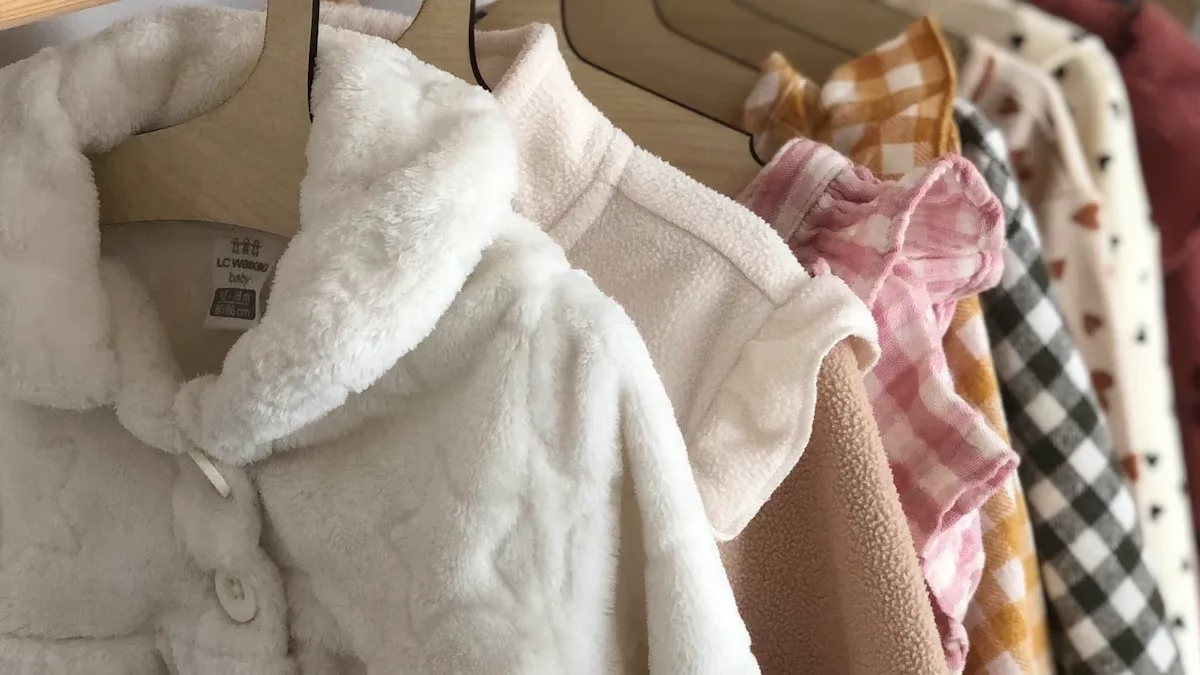
You can absolutely make money selling kids’ clothes. Many parents wonder if it’s worth the effort. The truth is, your success depends on your approach.
Selling kids’ clothes can turn unused items into cash. If you stay organised and know what buyers want, you might see a nice return.
Βασικά συμπεράσματα
Περιεχόμενα
You can make money selling kids’ clothes if you keep things tidy and know what buyers like.
Pick the best place to sell, like online shops or local stores, so more people see your clothes and you earn more.
Find good prices by looking at other clothes for sale and think about selling clothes together to get more buyers.
Can you really make money?
You might wonder if you can actually make money selling kids’ clothes. The answer is yes, but your results will depend on a few important things. Some people only sell a few items for pocket money. Others turn it into a steady side income. In fact, some sellers have shared their success stories online.
One seller reported earning over $2,300 from selling kids’ clothes through a Facebook Buy Sell Trade group. This shows you can make a significant income if you put in the effort and know what buyers want.
What affects your profit
Your profit does not just depend on what you sell. Many factors can change how much you earn. Ακολουθεί ένας πίνακας to help you see what matters most:
Παράγοντας | Περιγραφή |
|---|---|
Experience and expertise | If you have more experience, you can often charge higher prices. You know what sells and how to present it. |
Complexity of the service | If you offer extra services, like sewing or customising, you can charge more. |
Material costs | The cost of clothes or materials will affect your profit. Try to source items cheaply. |
Location and demand | If you live in a busy area or sell during peak seasons, you may get higher prices. |
Rush orders | If buyers need items quickly, you can sometimes charge extra for fast service. |
You can see that your skills, where you live, and even the time of year can change how much you make. If you learn what sells best and keep your costs low, you can boost your profit.
Is it worth the effort
You might ask yourself if all this work is worth it. Selling kids’ clothes can take time. You need to sort, clean, and list each item. You also have to answer questions from buyers and post the clothes. If you enjoy finding bargains or have lots of clothes to sell, you may find it rewarding.
Many people start small and grow their sales over time. You do not need to be an expert at first. You can learn as you go. If you want to make money and do not mind putting in some effort, this can be a good way to earn extra cash. Some sellers even turn it into a small business.
If you want to make money, remember that your results will match the time and care you put in. You might not get rich overnight, but you can see real rewards if you stay organised and keep learning.
Where to sell kids’ clothes
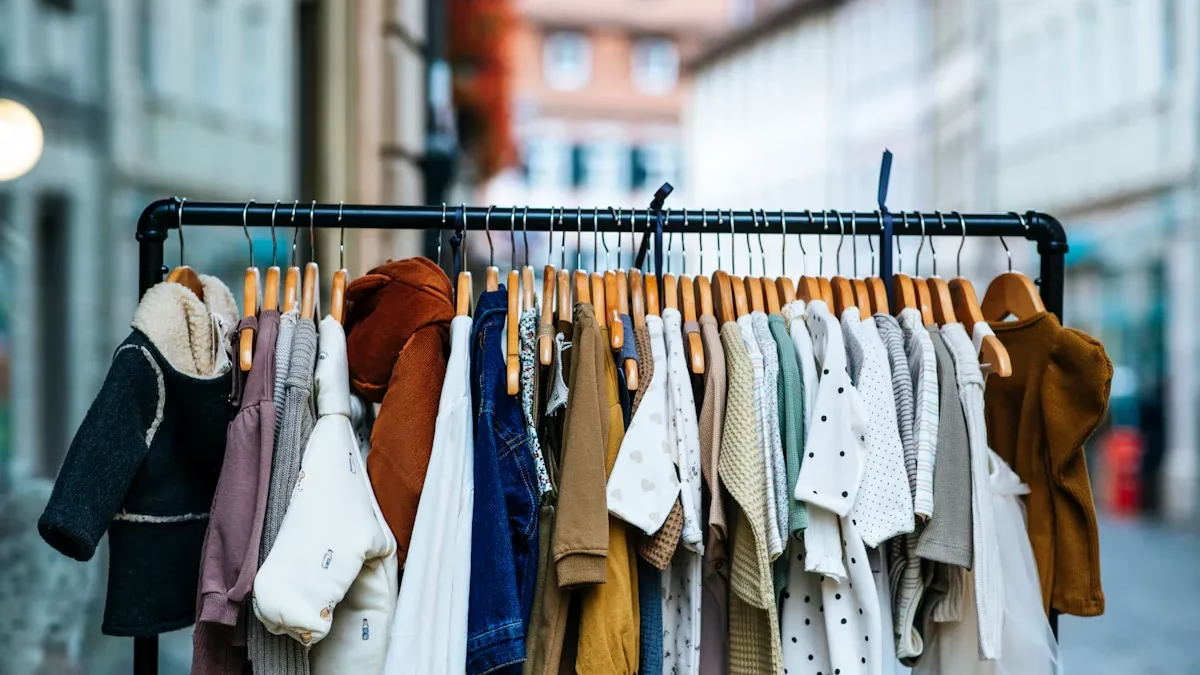
You have plenty of options when you want to sell kids’ clothes. Picking the right place can help you reach more buyers and make money.
Online marketplaces
You can try popular platforms like eBay, Facebook Marketplace, and Vinted. These sites let you list items quickly and reach buyers across the country. Each platform has its own fees, so you need to check before you start. Here’s a simple table to show the main costs:
Πλατφόρμα | Αμοιβή καταχώρησης | Τέλος συναλλαγής |
|---|---|---|
eBay | Ποικίλλει | Percentage of sale price |
Facebook Marketplace | Κανένα | 5% service fee for shipping items |
Vinted | Κανένα | No fees for buying/selling |
Vinted stands out because you don’t pay any fees. Facebook Marketplace is easy to use and has a low service fee. eBay gives you a huge audience, but you pay a percentage of your sale. You need to manage your own listings and handle questions from buyers.
Local sales and consignment shops
Local shops like Kid to Kid or Jumping Jack offer a different experience. You drop off your clothes, and the shop sells them for you. Consignment stores often get higher prices for designer or boutique items. You don’t have to worry about listing or negotiating. The shop does the hard work, but you might wait longer for your payout.
Online marketplaces give you more buyers but require more effort.
Resale services and clean-out bags
Some services let you send in a bag of clothes. They sort, price, and sell your items. This method saves time, but you may earn less per item. It’s a good choice if you want to clear out space quickly and don’t mind lower returns.
You can choose the method that fits your style and goals. Each option has its own benefits and drawbacks.
How to price and sell for profit

Simple pricing strategies
You want to set prices that attract buyers and help you make money. Start by checking what similar items sell for online. Most sellers price second-hand kids’ clothes between 10% and 30% of the original price, depending on condition and brand. If your item looks nearly new or is from a popular brand, you can aim for the higher end. Review your expenses and look at what competitors charge. Decide if you want to compete on price or quality. It’s tough to do both, so pick what suits your style. Use simple tools like spreadsheets to track your costs and profits.
Tip: Set clear price points and adjust them as you see what sells best. If an item doesn’t move, drop the price a little.
Bundle deals
Bundling works well when you have lots of items. You can group clothes by size, season, or brand. Buyers love bundles because they get more for their money. This strategy helps you sell slow-moving stock and boosts your average sale price. You also make the buying process easier for parents who need several items at once. If you add toys or accessories to bundles, you increase the value and appeal.
Timing your sales
Timing matters when you want to sell quickly. Try listing items before school starts or just ahead of holidays. Demand rises during these periods, so you can charge higher prices. Offer discounts as the sale goes on to clear out remaining stock. Watch for local events or online trends to spot the best moments to list your items.
Steps to get started
Sourcing quality clothes
You want to start with clothes that parents actually want to buy. You can find reliable sources by checking platforms like Kidizen, where parents set up shops to sell maternity and children’s clothing. Charity shops and local sales often have hidden gems. If you want to invest in premium items, Baby Blanks offers high-quality kids’ clothing. Their products cost more, but parents appreciate the quality. When you choose better clothes, you increase your chances to make money.
Kidizen
Charity shops
Local sales
Baby Blanks
Preparing items for sale
You need to get your clothes ready before you list them. Follow these steps to help your items sell quickly:
Organise clothes by type and size.
Clean each item so it looks fresh and tidy.
Take clear photos in good lighting with a plain background.
Write detailed descriptions, including brand, size, and condition.
Set prices that match the market, and adjust if items do not sell.
Tip: Buyers love clothes that look new and smell clean. Good photos and honest descriptions help you stand out.
Setting up your listings
You can create listings on platforms like eBay, Vinted, or Facebook Marketplace. Choose the best photos and write descriptions that highlight the quality and features. Add keywords that parents might search for. Make sure your prices are easy to understand. If you bundle items, mention it in your listing. Respond quickly to questions so buyers feel confident.
Tips to maximise your earnings
Finding your niche
You can stand out in the kids’ clothes market by finding your niche. When you focus on a specific style, age group, or quality, you attract buyers who want something special. Many sellers compete with cheap, low-quality items. If you offer unique or high-quality clothes, you reduce competition and build a loyal customer base. Dionne Keen spotted a gap for quality kids’ clothing and started Little Kinfolk. She focused on variety and quality, which helped her generate over $30,000 in revenue in just one weekend. You can see that targeting a niche helps you make money and gives you an edge.
Choose a style or theme that parents love.
Offer quality or rare items that are hard to find.
Build your brand around what makes you different.
Using cashback and sales offers
Μπορείτε να boost your profit by using cashback sites and retailer sales. When you buy kids’ clothes to resell, look for deals and cashback offers. Sites like TopCashback or Quidco give you money back on purchases. Retailers often run sales, so you can stock up when prices drop. This strategy helps you lower your costs and increase your earnings. Keep an eye out for seasonal discounts and special promotions.
Tip: Always check for cashback before you buy. It adds up over time and makes your business more profitable.
Creating standout listings
Your listings need to grab attention. Use clear photos and write honest descriptions. Highlight the best features of each item. Parents want to know about the brand, size, and condition. Add keywords that buyers search for. Respond quickly to questions and keep your listings updated. If your listings look professional, buyers trust you and are more likely to purchase.
Common challenges
Competition and pricing
You’ll notice that competition can get fierce when you sell kids’ clothes. Many sellers list similar items, so you need to think about your pricing strategy. You might use competitive pricing, where you check what others charge and match or beat their prices. Sometimes, you set prices based on what buyers are willing to pay. This is called backward pricing. Psychological pricing works well too. If you price an item at £4.99 instead of £5, buyers feel they’re getting a better deal. Some sellers use keystone pricing, doubling the cost, but this doesn’t always fit the market. Dynamic markups let you start high and drop prices later to attract buyers.
If you want to stand out, keep an eye on what others do and adjust your prices as needed.
Returns and tricky buyers
You might run into buyers who change their minds or ask for returns. Some buyers can be picky about the condition or size. You need to describe your items honestly and take clear photos. If you handle returns politely, you build trust. Sometimes, buyers ask lots of questions or want extra photos. Stay patient and answer quickly.
Good communication helps you avoid misunderstandings and keeps buyers happy.
Avoiding pitfalls
New sellers often make mistakes. Here are some common pitfalls:
You buy separates without thinking about how they fit together.
You buy the same items again and again.
You buy clothes without checking the fit.
You also need to consider time and space. Selling takes time for cleaning, photos, and listings. You need enough storage space for your stock. Always check if the profit justifies your effort.
If you plan ahead and stay organised, you avoid most problems and make selling easier.
You can earn money by selling kids’ clothes, but it depends on how much work you do and the way you sell. There are lots of chances because many people buy second-hand clothes. You should think about a few things first.
If the money you get is worth the cost
What shape the clothes are in
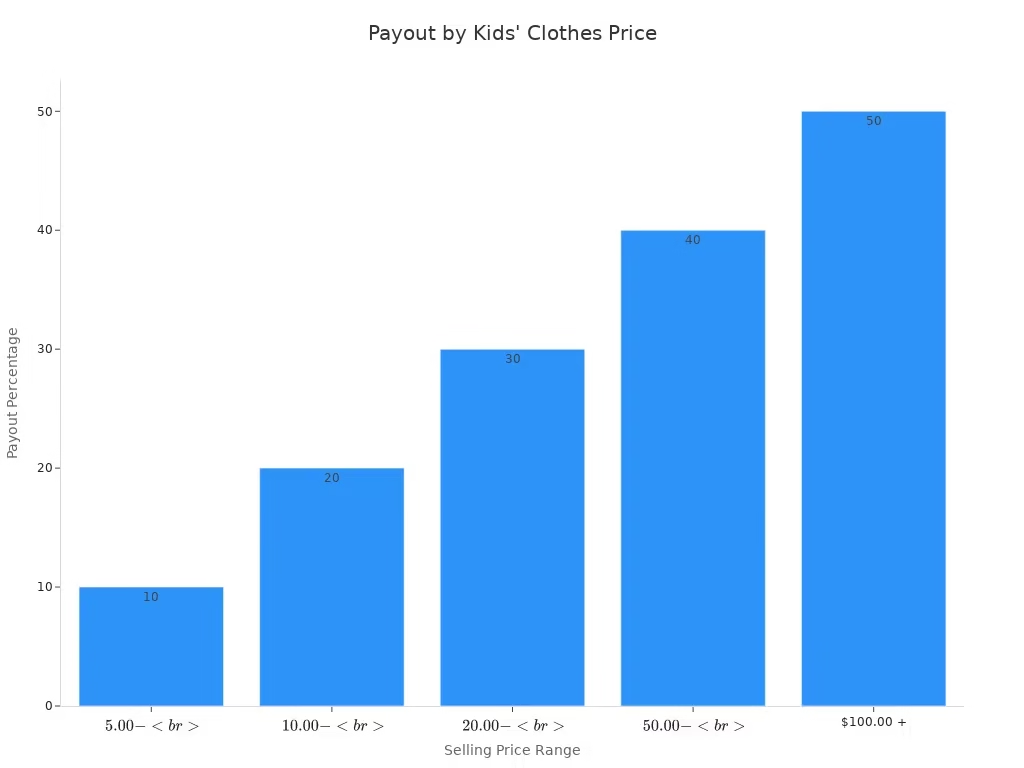
If you want to begin, look at shops near you or try online sites.
ΣΥΧΝΈΣ ΕΡΩΤΉΣΕΙΣ
How much can you earn selling kids’ clothes?
You can earn anywhere from £50 to £1,000 a month. It depends on how many items you sell and your selling method.
Do you need a business licence to sell kids’ clothes?
You don’t need a licence if you sell occasionally. If you sell regularly or run a shop, check local rules for business requirements.
What brands sell best?
Next
Boden
Zara
Mini Boden
Parents often look for these brands because they trust the quality.