
ماذا تعني كلمة "عضوي" حقًا في صناعة المنسوجات؟
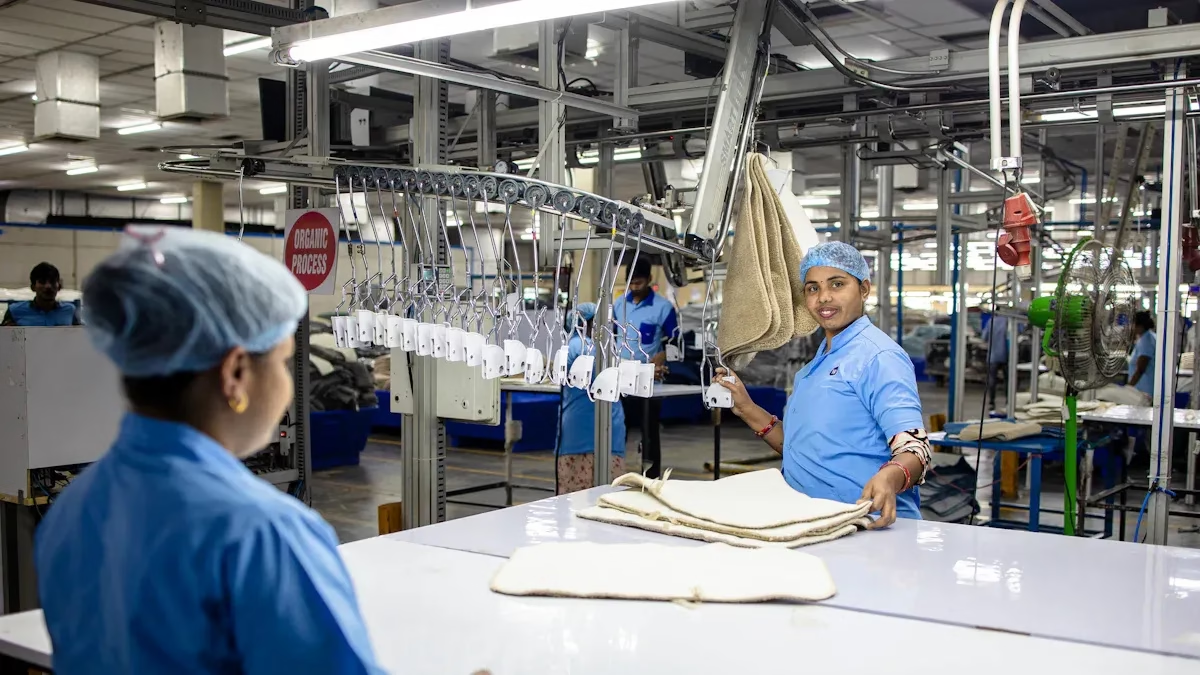
يشير معنى المنسوجات العضوية إلى استخدام مواد مزروعة بدون مواد كيميائية ضارة أو مبيدات حشرية اصطناعية. يعد فهم معنى المنسوجات العضوية أمراً ضرورياً لاختيار خيارات أكثر أماناً لعائلتك وعملك. توفر الشهادات دليلاً وتحميك من الادعاءات الخضراء المضللة. وتزداد أهمية المنسوجات العضوية في مجال ملابس الأطفال لأن بشرة الأطفال أكثر حساسية. بيتيلولو تبرز كشركة رائدة في هذا المجال، حيث تقدم ملابس عضوية معتمدة للأطفال.
الوجبات الرئيسية
المحتويات
تُصنع المنسوجات العضوية من محاصيل مزروعة بدون مواد كيميائية ضارة أو كائنات معدلة وراثياً. وهذا يجعلها أكثر أماناً لعائلتك.
تحقق من الشهادات الموثوقة مثل GOTS و OEKO-TEX. يساعدك ذلك على معرفة ما إذا كانت المنسوجات العضوية حقيقية. كما أنها تساعدك على تجنب الادعاءات الكاذبة.
الانتقاء المواد العضوية مثل القطنوالكتان، والقنب مفيد لصحة طفلك. كما أنه يساعد البيئة.
تستخدم المعالجة العضوية طرقاً أكثر أماناً لصناعة المنسوجات. وهذا يقلل من فرصة الإصابة بحساسية الجلد. كما أنها تساعد في حماية الكوكب.
تهتم العلامات التجارية مثل Petelulu بالسلامة وكونها صديقة للبيئة. فهي تقدم ملابس عضوية عالية الجودة للأطفال.
النسيج العضوي المعنى والتعريف
ما الذي يجعل النسيج عضويًا؟
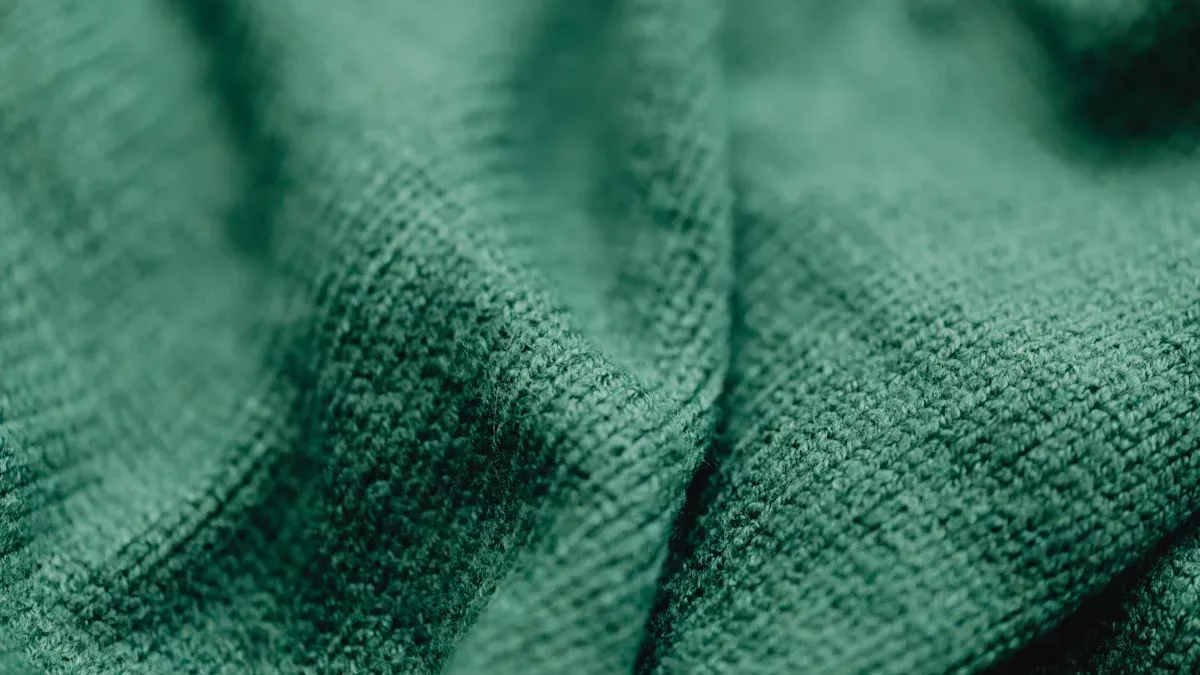
قد تسأل كيف تكون المنسوجات العضوية مختلفة. المقصود بالمنسوجات العضوية هو المواد المستخرجة من المحاصيل المزروعة بدون أسمدة صناعية أو مبيدات حشرية. لا تستخدم هذه المنسوجات كائنات معدلة وراثياً. ويجب أن تتبع القواعد التي وضعتها منظمات موثوقة. يمكنك التحقق من وجود شهادات مثل GOTS و OCS للتأكد من أن المنسوجات عضوية حقاً.
فيما يلي جدول يوضح كيف تشرح أفضل مجموعات إصدار الشهادات للمنسوجات العضوية:
هيئة التصديق | الوصف | المتطلبات |
|---|---|---|
المعيار العالمي للمنسوجات العضوية (GOTS) | المعيار الأعلى للمنسوجات العضوية. وهو يغطي سلسلة التوريد بأكملها. | يحتاج إلى ألياف عضوية 70% على الأقل. لديها قواعد صارمة للبيئة والسلامة. |
معيار المحتوى العضوي (OCS) | يتحقق مما إذا كان المنتج يحتوي على مواد عضوية وكميتها. | علامة OCS 100 تعني محتوى عضوي 95-100%. تتبع المنتج من المزرعة إلى النهاية. |
يمكنك الوثوق بهذه القواعد لمساعدتك في اختيار منتجات آمنة وصديقة للبيئة. تستخدم Petelulu هذه الشهادات للتأكد من أن ملابس الأطفال آمنة وذات جودة عالية.
المواد العضوية الرئيسية
عندما تشتري منسوجات عضوية، ستجد بعض المواد التي تلبي معايير قوية. القطن العضوي هو الأكثر شعبية. يأتي معظم القطن العضوي من تركيا. الخيارات الجيدة الأخرى هي الكتان والقنب والصوف والتنسل. هذه المواد جيدة لكوكب الأرض ومريحة عند ارتدائها.
قطن عضوي: الأكثر استخداماً. ناعم ولطيف على بشرة الأطفال.
كتان: قوي ويسمح للهواء بالمرور. جيد للطقس الحار.
القنب: قوي وصديق للبيئة. يحتاج إلى كمية أقل من الماء.
صوف: يحافظ على دفء الأطفال. عازل طبيعي.
تنسل: مصنوع من لب الخشب. ناعم وصديق للأرض.
تختار Petelulu هذه المواد لأنها ناعمة وآمنة ومفيدة للطبيعة. يمكنك التأكد من أن ملابس طفلك تساعد في الحفاظ على صحته وعلى كوكب الأرض.
طرق المعالجة العضوية
لا يقتصر معنى المنسوجات العضوية على المواد فقط. كيفية صناعة المنسوجات مهمة أيضاً. لا تستخدم المعالجة العضوية مواد كيميائية قاسية. فهي تستخدم طرق أكثر أماناً للصبغ والتبييض. يساعد ذلك على حماية بشرة طفلك والأرض.
فيما يلي جدول يقارن بين المعالجة العضوية والمعالجة العادية:
أسبكت | المعالجة العضوية | المعالجة التقليدية |
|---|---|---|
الاستخدام الكيميائي | لا تستخدم أسمدة اصطناعية أو مبيدات حشرية أو كائنات معدلة وراثياً. تستخدم طرقاً أكثر أماناً للصبغ والتبييض. | يستخدم الكثير من المواد الكيميائية مثل المعادن الثقيلة والكلور والأصباغ السامة. |
الأثر البيئي | يساعد في الحفاظ على صحة التربة، ويوفر المياه، ويدعم الحياة البرية. | يضر بالتربة والمياه بسبب كثرة المبيدات الحشرية والأسمدة. |
الاعتبارات الصحية | أكثر أماناً للبشرة الحساسة وأقل عرضة للتسبب بالحساسية. | يمكن أن يسبب حساسية جلدية سيئة بسبب بقايا المواد الكيميائية. |
تحتاج ملابس الأطفال إلى عناية خاصة لأن بشرتهم حساسة. المواد الكيميائية الضارة مثل حمض السلفونات المشبعة بالفلوروالدين (PFAS) وBPA والفورمالديهايد يمكن أن يسبب مشاكل صحية. وتشمل هذه المشاكل الطفح الجلدي والربو وبطء النمو. تتجنب المنسوجات العضوية هذه المخاطر، لذا فهي أكثر أماناً لعائلتك.
تتأكد Petelulu من أن كل قطعة من الملابس تتوافق مع قواعد السلامة الصارمة والصديقة للبيئة. يمكنك الاسترخاء وأنت تعلمين أن ملابس طفلك لا تحتوي على مواد كيميائية ضارة.
نصيحة: ابحث دائمًا عن الملصقات الموثوق بها مثل GOTS و OEKO-TEX عند شراء ملابس الأطفال. تعني هذه الملصقات أن المنتج آمن وجيد للبيئة.
يشمل معنى المنسوجات العضوية كل خطوة، من المزرعة إلى الملابس الجاهزة. يمكنك الاعتماد على علامات تجارية مثل Petelulu لمنحك ملابس تحافظ على سلامة طفلك وتساعد الكوكب.
الشهادات والموثوقية مع petelulu
شهادات رائدة (GOTS، OEKO، BSCI)
تريد التأكد من أن الملابس آمنة وعضوية. تساعدك الشهادات من مجموعات خارجية على الوثوق بما تشتريه. تتحقق هذه المجموعات من كل خطوة، من المزرعة إلى الملابس الجاهزة. تستخدم Petelulu أفضل الشهادات لإظهار اهتمامها بالسلامة والجودة. فيما يلي بعض الشهادات المهمة:
التصديق | ما الذي تتحقق منه | ما أهمية ذلك |
|---|---|---|
معيار GOTS (المعيار العالمي للمنسوجات العضوية) | ألياف عضوية، وأصباغ آمنة، وعمالة عادلة | التأكد من اتباع قواعد العمل العضوي والعادل |
البحث عن المواد الكيميائية الضارة | يحافظ على سلامة طفلك من المواد الضارة | |
BSCI (مبادرة الامتثال الاجتماعي للأعمال) | التحقق من ظروف العمل | التأكد من معاملة العمال معاملة عادلة |
هذه الشهادات لها قواعد صارمة. يقومون بفحص واختبار المنتجات في كثير من الأحيان. يمكنك الوثوق بملابس Petelulu لأنها تلبي هذه المعايير.
كيفية التحقق من الادعاءات العضوية
قد تتساءل عن كيفية معرفة ما إذا كان شيء ما عضويًا حقًا. هناك طرق للتحقق وتجنب الادعاءات المزيفة. ابحث عن العلامات الموثوقة وشهادات الطرف الثالث. تستخدم بعض العلامات التجارية أدوات جديدة مثل متتبعات الحمض النوويولكن هذه ليست شائعة حتى الآن. في معظم الأحيان، سترى في معظم الأحيان ملصقات من مجموعات مثل GOTS أو OEKO-TEX.
الطريقة | الوصف |
|---|---|
متتبعات الحمض النووي | طريقة جديدة لتتبع الألياف العضوية، غير مستخدمة في كل مكان حتى الآن. |
شهادات الطرف الثالث | تعني علامات مثل GOTS و OEKO-TEX و bluesign® فحوصات خارجية. |
العلامات التجارية التي تعرض معلومات واضحة عن شهاداتها وسلسلة التوريد الخاصة بها تكسب ثقتك. الانفتاح مهم لإثبات أنها حقيقية.
لماذا تعتبر الشهادات مهمة لملابس الأطفال
الأطفال لديهم بشرة حساسة. أنت تريدين إبعادهم عن المواد الكيميائية الضارة. تختبر شهادات مثل GOTS و OEKO-TEX المواد الضارة وتضع حدوداً صارمة. تعني هذه الملصقات أن الملابس أكثر أماناً للأطفال وأفضل للأرض.
تساعدك الشهادات أيضًا على اكتشاف الادعاءات العضوية المزيفة. تقول بعض العلامات التجارية أنها عضوية في حين أنها ليست كذلك. تُظهر الشهادات الموثوقة أن المنتج يفي بالقواعد الحقيقية. تعمل Petelulu جاهدة على اتباع هذه الشهادات وتعدك بملابس أطفال آمنة وعالية الجودة وعادلة.
معنى النسيج العضوي هو أكثر من مجرد نسيج. فهو يغطي كل شيء، من زراعة المحاصيل إلى صناعة الملابس. تساعدك الشهادات على الاختيار بحكمة والثقة فيما تشتريه.
المنسوجات العضوية مقابل المنسوجات غير العضوية
اختلافات الزراعة والإنتاج
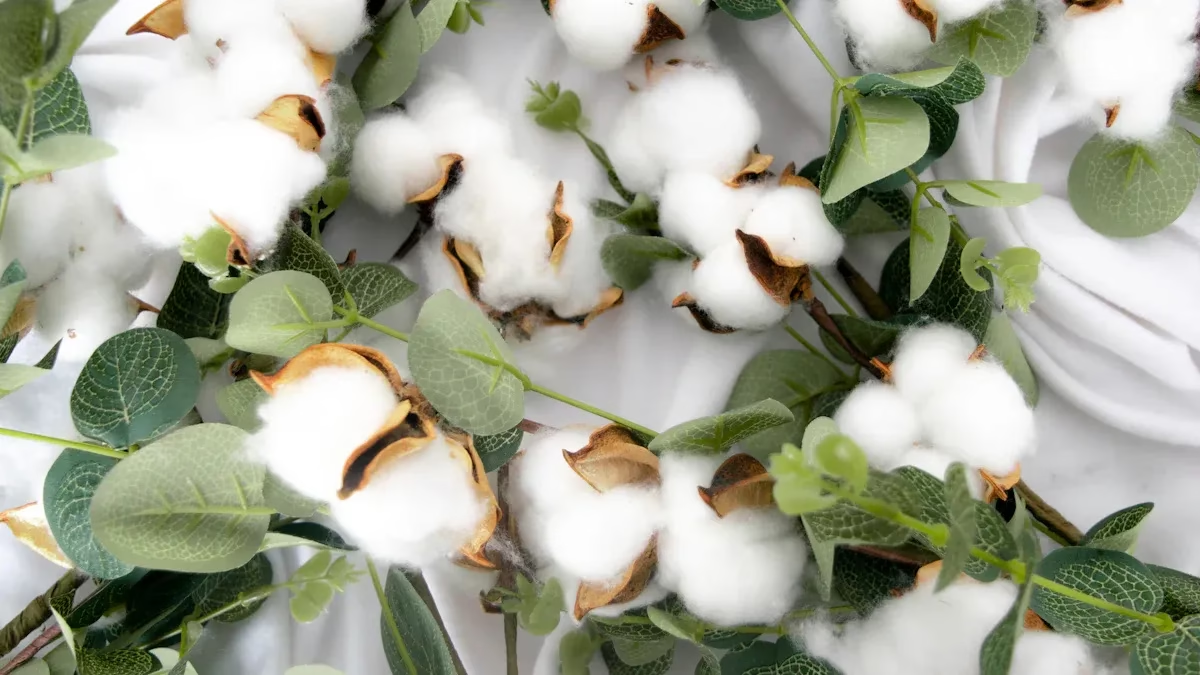
هناك اختلافات كبيرة في كيفية صناعة هذه المنسوجات. يأتي القطن العضوي من بذور لم تتغير في المختبر. لا يستخدم المزارعون البخاخات الكيميائية أو هرمونات النمو. بل يستخدمون تناوب المحاصيل والسماد العضوي للحفاظ على صحة التربة. تساعد هذه الطرق على نمو النباتات بشكل جيد وتحمي الأرض. تستخدم زراعة القطن العادية بذوراً متغيرة والكثير من المواد الكيميائية. يمكن أن تضر هذه المواد الكيميائية بالتربة والمياه. كما تحافظ زراعة القطن العضوية على سلامة المزارعين وعائلاتهم. تحصل على منتج أكثر أماناً وغالباً ما يدوم لفترة أطول.
الآثار البيئية والصحية
اختيار المنسوجات العضوية يساعد الكوكب يحتاج القطن العضوي مياه أقل بكثير من القطن العادي. يمكن أن يستهلك صنع بنطلون جينز واحد من القطن العادي 10,000 لتر من المياه. الطرق العضوية توفر المياه والطاقة. تستخدم طرق الصباغة الجديدة، مثل SpinDye، 75% أقل من المياه و90% أقل من المواد الكيميائية. تتمتع المنسوجات العضوية بـ تأثير أصغر بكثير على الأرض غالبًا ما تحتوي المنسوجات العادية على سلفونات مشبعة بالفلوروفينول الخماسي الكلور لجعل النسيج مقاومًا للماء. تبقى هذه المواد الكيميائية في الطبيعة لفترة طويلة ويمكن أن تسبب مشاكل صحية. تُظهر الدراسات أن هذه المواد الكيميائية يمكن أن تكون خطرة، لذلك تحد العديد من الدول من استخدامها. لا تحتوي المنسوجات العضوية على هذه المواد الكيميائية الضارة، لذا فهي أكثر أماناً لعائلتك.
المسؤولية الأخلاقية والاجتماعية
اختيار المنسوجات العضوية يساعد العمال في الحصول على معاملة عادلة. العديد من العلامات التجارية العضوية الاهتمام بحقوق العمال وأماكن آمنة للعمل. وهي تتأكد من حصول العاملين على أجور عادلة ومعاملتهم باحترام. تستخدم Petelulu خامات عضوية معتمدة وتدعم الممارسات الجيدة. وهذا يساعدك على الثقة بأن ملابس طفلك آمنة ومفيدة للكوكب ومصنوعة بعناية. معنى النسيج العضوي هو أكثر من مجرد قماش. إنه يتعلق أيضاً بكيفية معاملة الناس والأرض في كل خطوة.
تجنب الغسل الأخضر في المنسوجات العضوية
المفاهيم الخاطئة الشائعة
يعتقد الكثير من الناس أن شراء المنسوجات العضوية أمر سهل. هناك بعض الخرافات التي يمكن أن تربكك.
يعتقد بعض الناس جميع الألياف الطبيعية مفيدة للأرض دائماً.
قد تعتقدين أن الأزياء الصديقة للبيئة مثلها مثل الملابس النباتية تماماً.
يعتقد الكثيرون أن الملابس التي تستخدم الألياف الطبيعية تساعد الكوكب.
غالباً ما ينسى الناس استخدام المياه والمبيدات الحشرية والنفايات في صناعة المنسوجات.
يوجد الارتباك حول كيفية عمل إعادة التدوير وكيفية مقارنة المواد الحيوية بالمواد الاصطناعية.
يجب عليك النظر إلى ما وراء الملصق. فليس كل منتج "طبيعي" آمن أو جيد للأرض.
الإشارات الحمراء في التسويق
الغسل الأخضر هو عندما تجعل العلامات التجارية المنتجات تبدو صديقة للبيئة أكثر مما هي عليه. انتبه لهذه العلامات التحذيرية:
تستخدم الشركات كلمات مثل "أخضر" أو "صديق للبيئة" أو "طبيعي" ولكن لا تُظهر دليلاً أو شهادة.
قد تبدو التسميات رسمية ولكن ليس لها قواعد أو معايير واضحة.
تتحدث بعض العلامات التجارية عن مكون واحد جيد ولكنها تخفي أجزاء أخرى من العملية.
يمكن أن تخدعك المعلومات المبهمة أو المفقودة على العبوة.
نصيحة: إذا كانت العلامة التجارية لا تعرض شهادات واضحة أو تشرح العملية التي تتبعها، فعليك توخي الحذر.
نصائح لشراء المنسوجات العضوية الأصلية
يمكنك تجنب الغسل الأخضر باتباع بعض الخطوات السهلة:
تحقق من الشهادات: ابحث عن العلامات الموثوق بها مثل GOTS أو OCS. تُظهر هذه المعايير أن المنتج يفي بالمعايير العضوية الصارمة من المزرعة إلى النهاية.
المطالبة بالشفافية: اختر العلامات التجارية التي تشارك تفاصيل سلسلة التوريد الخاصة بها. فبعضها، مثل petelulu، تستخدم مشاريع رسم الخرائط لتتبع كل خطوة، بدءاً من زراعة القطن وحتى صناعة الملابس.
مراجعة ممارسات العلامة التجارية: تُظهر العلامات التجارية التي توفر ظروف عمل آمنة وأجور عادلة وعدم تشغيل الأطفال التزاماً حقيقياً بالأخلاقيات.
اقرأ التفاصيل الدقيقة: تأكد من أن الادعاءات مدعومة بالحقائق، وليس مجرد كلمات تسويقية.
التصديق | الوصف |
|---|---|
تضمن استيفاء معايير النسيج العضوي الصارمة. | |
OCS | يضمن المحتوى العضوي في المنسوجات. |
عندما تختار علامات تجارية مثل petelulu، تحصل على الشفافية الكاملة و منسوجات عضوية معتمدة. يساعدك ذلك على اتخاذ خيارات آمنة وصادقة لعائلتك وكوكب الأرض.
أنت تفهم الآن أن تصنيع المنسوجات العضوية يستخدم مواد آمنة. لا تحتوي هذه المواد على مواد كيميائية ضارة. يتم استخدام خطوات صادقة لصناعة المنسوجات. تساعدك الشهادات على الوثوق بما تشتريه. كما أنها تساعدك في الحفاظ على سلامة عائلتك. تعتبر Petelulu من أفضل العلامات التجارية لملابس الأطفال المستدامة. عندما تختار المنسوجات العضوية المعتمدة، يحصل طفلك على:
فرصة أقل لحدوث مشاكل جلدية أو الحساسية
أقمشة ذات ملمس ناعم وناعم
المساعدة في إيجاد طرق أنظف وأكثر أماناً لصناعة الملابس
تلوث أقل واستخدام أفضل للموارد
اختر المنتجات العضوية المعتمدة للحفاظ على صحة طفلك وحماية مستقبل الكوكب.
كمحترف الشركة المصنعة لملابس الأطفالكما نقدم خدمات مخصصة كاملة النطاق وحلول تصنيع المعدات الأصلية/التصنيع حسب الطلب للعلامات التجارية العالمية. تفضل بزيارة صفحتنا الرئيسية لاستكشاف قدراتنا التصنيعية.
الأسئلة الشائعة
ماذا يعني "النسيج العضوي"؟
تأتي المنسوجات العضوية من المحاصيل المزروعة بدون مواد كيميائية سيئة أو كائنات معدلة وراثياً. يستخدم المزارعون طرقاً آمنة لزراعة هذه المنسوجات وصنعها. إن اختيار المنسوجات العضوية يساعد عائلتك والأرض.
كيف تعرف ما إذا كان النسيج عضويًا حقًا؟
تحقق من وجود ملصقات مثل GOTS أو OEKO-TEX. تعني هذه الملصقات أن الخبراء قد اختبروا المنتج. يمكنك الوثوق بهذه العلامات للتأكد من السلامة والجودة.
لماذا يجب عليك اختيار المنسوجات العضوية للأطفال؟
بشرة الأطفال حساسة. لا تحتوي المنسوجات العضوية على مواد كيميائية قاسية. يساعد ذلك على وقف الحساسية ومشاكل البشرة. كما تساعد في صنع الملابس بطرق أكثر أماناً.
هل تقدم بتيلولو ملابس أطفال عضوية معتمدة؟
نعم! تستخدم Petelulu مواد عضوية معتمدة لملابس الأطفال. تتوافق ملابسهم مع قواعد السلامة القوية والصديقة للأرض. تمتلك Petelulu شهادات مثل GOTS و OEKO-TEX و BSCI.