
How much it costs to open a small baby clothing store
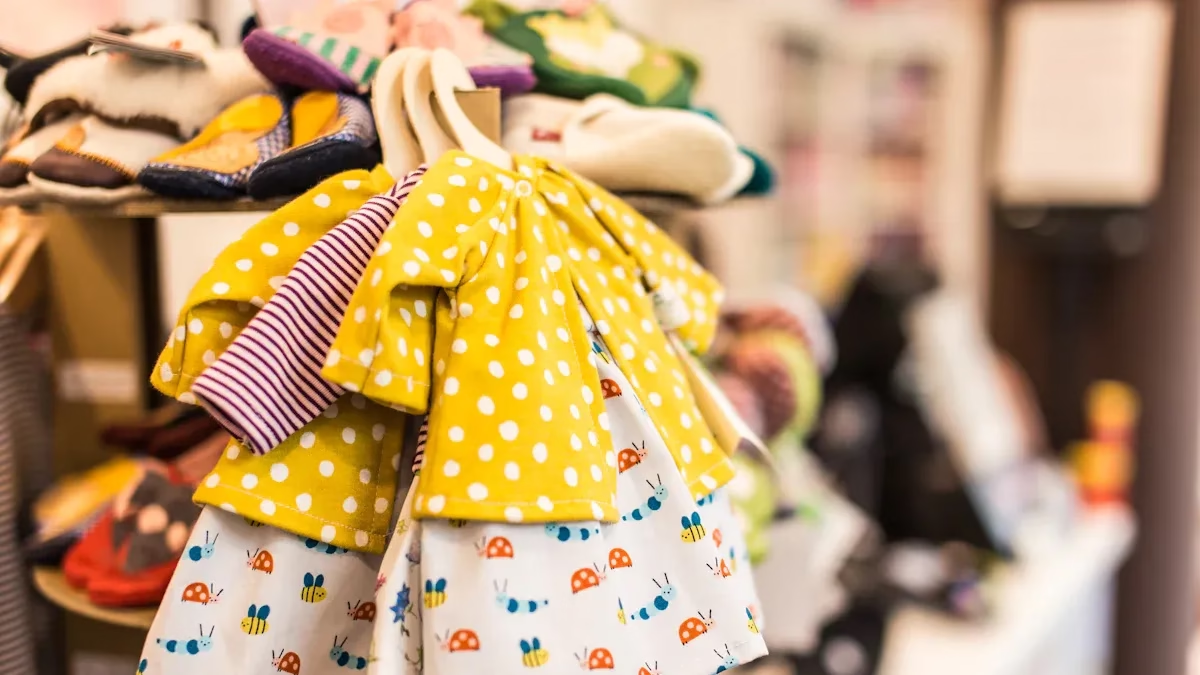
Starting a small clothing store for baby clothes in the UK requires a significant amount of capital. You may need to invest around £398,000 to get started, according to recent reports. The expenses can vary depending on the location of your store, its size, and your business strategy. Careful planning is essential to manage both initial costs and ongoing expenses. Understanding when you will break even is crucial for the long-term success of your shop.
الوجبات الرئيسية
المحتويات
You will need about £398,000 to open your baby clothing store. Make sure you plan your budget well for all costs at the start and later on.
Pick a place where many people walk by, but the rent is not too high. This helps you get more customers and keep costs low.
Fill your shop with important things like baby rompers and pyjamas. Buy only a few at first to see what sells and not spend too much.
Watch your regular costs like rent, bills, and staff pay. Check these costs often to save money and keep making a profit.
Look at different ways to get money, like loans, crowdfunding, or business credit cards. Pick the best way to help your shop grow.
Startup Costs for a Small Clothing Store

Leasehold and Fit-Out
You need to secure a location for your small clothing store. Leasehold costs can vary a lot. In a busy city centre, you might pay between £15,000 and £40,000 per year for a small retail unit. In a quieter town, the cost could drop to £8,000 to £18,000 per year. You should also budget for a deposit, which usually equals three months’ rent.
Fit-out expenses cover everything you need to make your shop ready for customers. This includes painting, flooring, lighting, and signage. For a small clothing store, you might spend between £5,000 and £20,000 on fit-out. The final amount depends on the size of your space and the quality of finishes you choose.
Tip: Choose a location with good foot traffic but manageable rent. This helps you balance visibility and cost.
Initial Inventory
You must stock your small clothing store with enough products to attract customers. A recommended starting point is to order two main products: baby rompers and children’s pyjamas. You should buy 100 pieces of each. The total investment for this initial inventory is about $2,000, including shipping. This approach helps you test demand without overcommitting your budget.
Baby rompers: 100 pieces
Children’s pyjamas: 100 pieces
Total estimated cost: $2,000 (including shipping)
You can expand your range as your shop grows and you learn what your customers want.
Fixtures & Equipment
You need fixtures and equipment to display your products and run your small clothing store. Essential items include clothing rails, shelving, hangers, mirrors, and a till system. You may also need a computer, a card reader, and security cameras. For a small shop, expect to spend between £2,000 and £7,000 on these items.
A simple table can help you plan your budget:
البند | Estimated Cost (£) |
|---|---|
Clothing rails | 500 |
Shelving | 800 |
Hangers & mirrors | 300 |
Till system | 1,000 |
Card reader | 200 |
Security cameras | 500 |
Computer | 1,000 |
Total | 4,300 |
You can find second-hand fixtures to save money, but make sure they are safe and sturdy.
Licences & Legal Fees
You must follow the law when opening a small clothing store. You need a business licence, which usually costs between £100 and £500. You may also need to register for VAT if your turnover will exceed £85,000 per year. Legal fees for setting up your business structure and reviewing your lease can range from £500 to £2,000.
Note: Always consult a solicitor before signing a lease. This protects you from unexpected costs.
You should also budget for insurance, such as public liability and contents cover. These policies usually cost £300 to £1,000 per year.
You can see that opening a small clothing store involves several key expenses. Your total startup costs will depend on your choices and your location. Careful planning helps you avoid surprises and gives your business the best chance to succeed.
المصروفات الجارية

Rent & Utilities
You must pay rent and utilities each month. The amount depends on where your shop is and how big it is. Most small clothing shops in the UK spend £700 to £1,500 monthly for rent and utilities. This covers electricity, water, and heating. You also need to pay for internet and phone bills.
الفئة | Cost Range |
|---|---|
Rent and Utilities (electricity, water, heating, etc.) | £700 – £1,500 |
Tip: Check if your lease covers any utility bills. Some landlords pay for water or heating. This can help you save money.
Staff Wages
If you hire staff, you must pay them at least the National Minimum Wage. Many owners start with one or two part-time workers. You might spend £1,000 to £2,000 each month on staff wages. The amount depends on hours and experience. Remember to add National Insurance and pension costs to your budget.
Inventory Restocking
تحتاج إلى restock your shop often to keep customers happy. Good relationships with suppliers help you manage these costs. Working well with suppliers lets you plan better and avoid buying too much. This helps you waste less and save money. When you work closely with suppliers, you can:
Keep your shelves full and manage stock better.
Save money by ordering only what you need.
React quickly to new baby clothing trends.
Marketing & Miscellaneous
You should save money for marketing. Simple things like social media ads, flyers, or local events can bring in new customers. Many owners spend £100 to £500 a month on marketing. Do not forget about other costs, like cleaning, repairs, and insurance renewals. These small costs add up, so keep track of them.
Note: Check your ongoing expenses every few months. This helps you find ways to save money and keep your shop making a profit.
Budgeting & Saving
Essential vs Optional Costs
You need to know which costs are essential and which are optional. Essential costs keep your shop running. These include rent, utilities, staff wages, and inventory. You must also pay for licences, insurance, and basic fixtures. Optional costs include premium shop fittings, advanced technology, or extra marketing. You can delay these until your business grows.
Tip: Make a list of all expenses. Mark each as “must-have” or “nice-to-have”. This helps you focus your budget on what matters most.
Cost-Saving Tips
You can save money by planning carefully. Bulk purchasing from suppliers often gives you better prices and lower shipping costs. When you order larger quantities, you can save up to 30% on shipping and 15–30% on each item. Bulk orders also help you keep your stock consistent and ready for busy periods.
المزايا | الوصف |
|---|---|
Cost Savings | Save up to 30% on shipping with bulk orders. |
Per-Unit Price Reduction | Get 15–30% off per item when ordering 100+ units. |
Consistency in Quality | Bulk buying keeps your branding and quality the same. |
Readiness for Sales | More stock means you can respond quickly to new trends or promotions. |
Admin Efficiency | Fewer orders mean less paperwork and more time for customers. |
Negotiation Leverage | Larger orders give you more power to ask for discounts or custom options. |
You can also look for second-hand fixtures and compare utility providers to cut costs.
Funding Options
You have many ways to fund your baby clothing store. Here are some common options:
Loans from friends or family. You need a clear plan to repay them.
Crowdfunding on platforms like Kickstarter. This lets you test your idea without taking on debt.
Invoice factoring. You get cash based on unpaid invoices, but fees can be high.
Revenue-based financing. You repay a percentage of your sales, which helps with cash flow.
Business credit cards. These are easy to use but can lead to debt if not managed well.
Special lenders like Brex or Amazon Lending. They offer flexible loans for small businesses.
PayPal Working Capital and Moula. These services provide quick access to funds.
Most baby clothing shops take two to three years to break even. Many new businesses do not survive past three years, so choosing the right funding helps you stay open during tough times.
You can expect to invest around £398,000 to open your small baby clothing store, with monthly costs from £2,000 to £4,000. Careful budgeting helps you control spending and avoid surprises. Use this cost breakdown to create a realistic business plan:
Understand your running costs for at least six months.
Add up all expenses to see your total needs.
Seek financial advice and focus on essentials. This approach gives you confidence to launch your store successfully.
الأسئلة الشائعة
How can you choose the best location for your baby clothing store?
You should look for areas with high foot traffic, such as near schools or shopping centres. Visit different neighbourhoods and compare rent prices. Speak with other shop owners to learn about local customer habits.
What licences do you need to open a baby clothing shop?
You must register your business with Companies House. You need a business licence from your local council. If you plan to sell online, check if you need extra permissions.
How do you keep your inventory fresh and appealing?
Order small batches of new styles every month. Ask customers what they want. Follow baby fashion trends on social media. Rotate stock often to avoid old items piling up.
What is the best way to market your shop on a budget?
Use free social media platforms like Instagram and Facebook. Create simple flyers for local events. Ask happy customers to leave reviews online. You can join local parenting groups to spread the word.
How long does it take to break even after opening?
Most small baby clothing shops reach break-even in two to three years. Track your sales and expenses every month. Adjust your stock and marketing if you see slow growth.