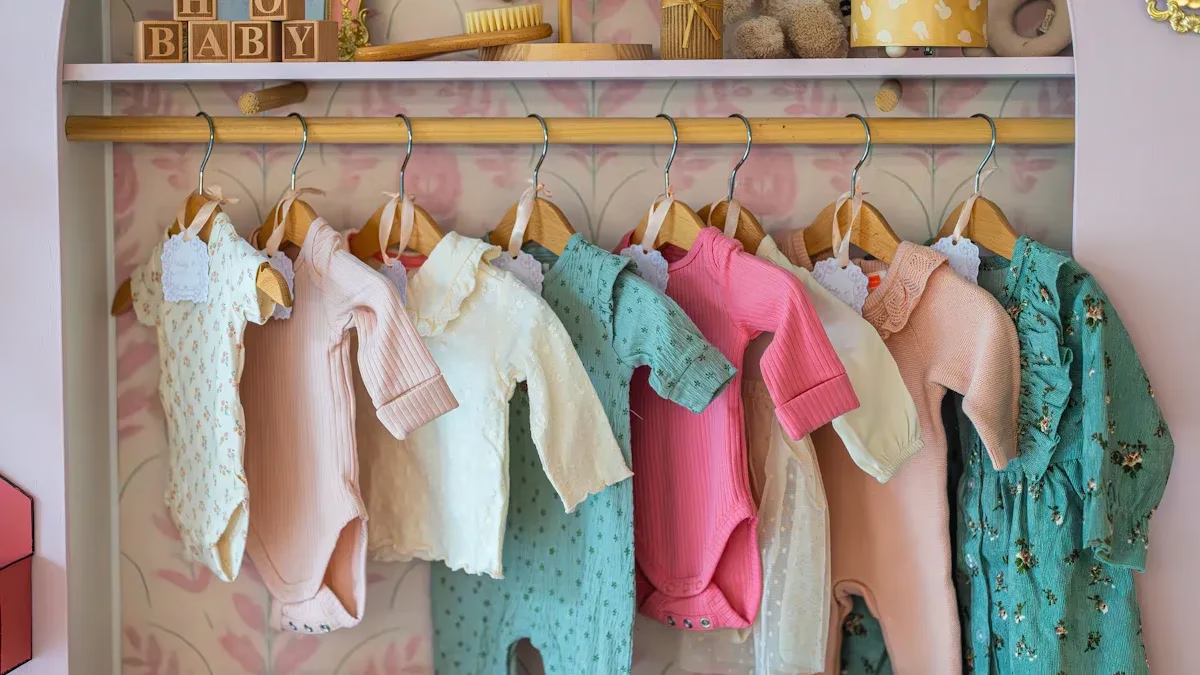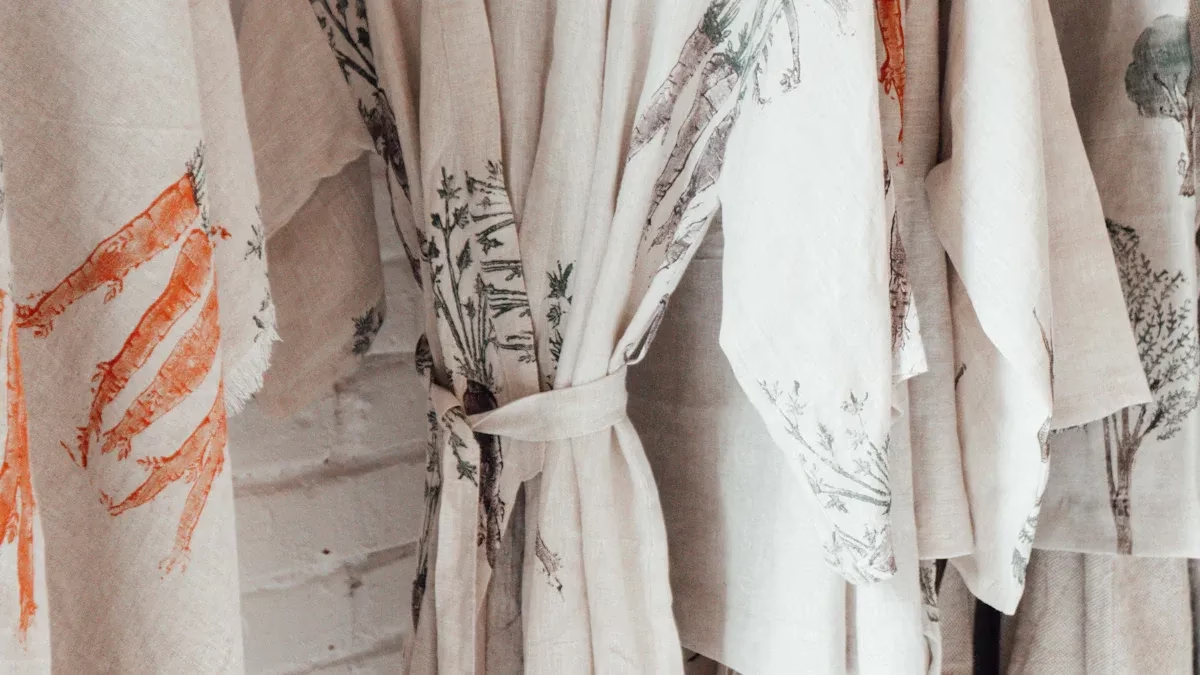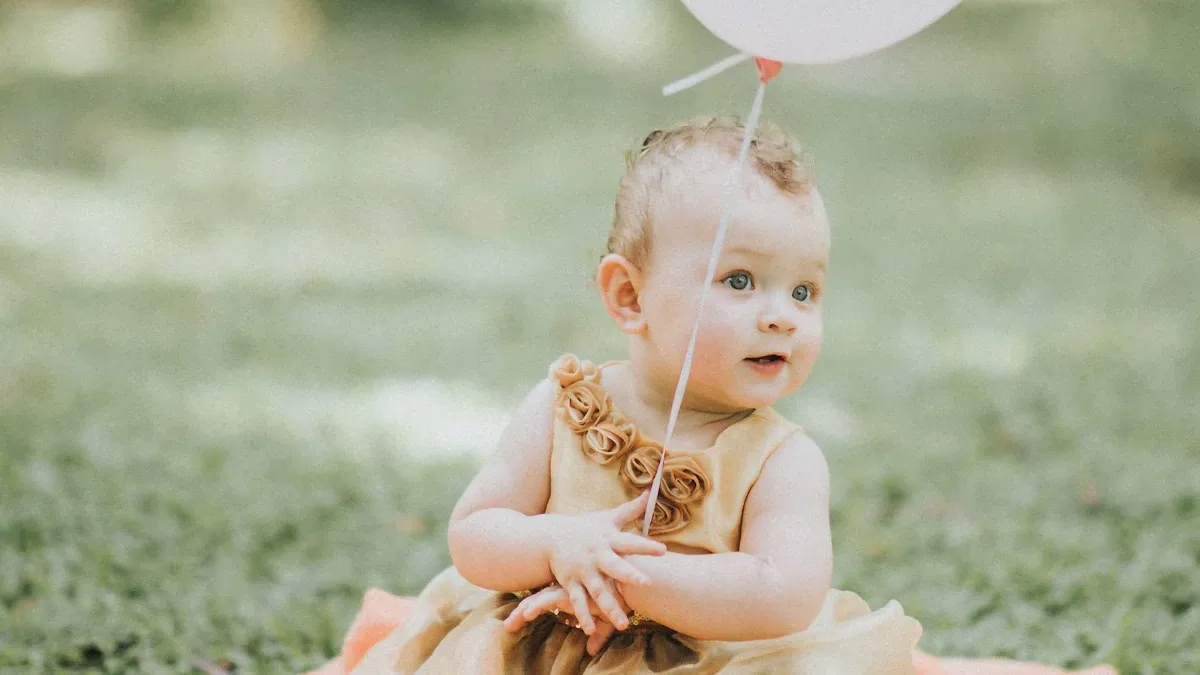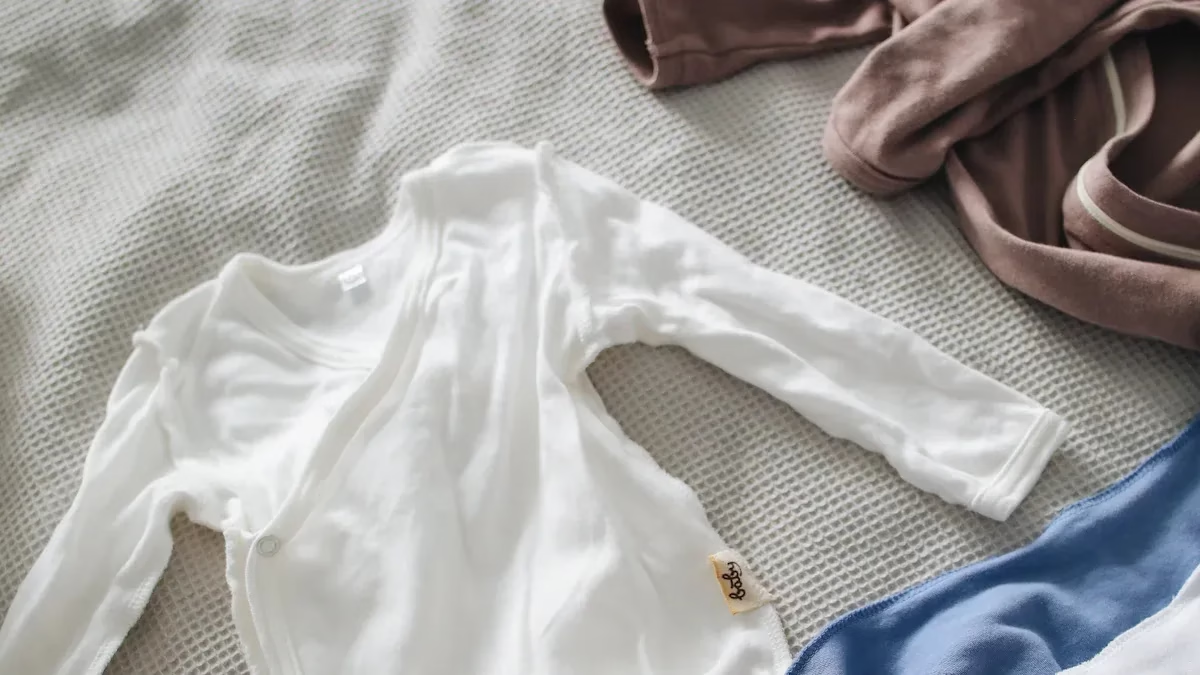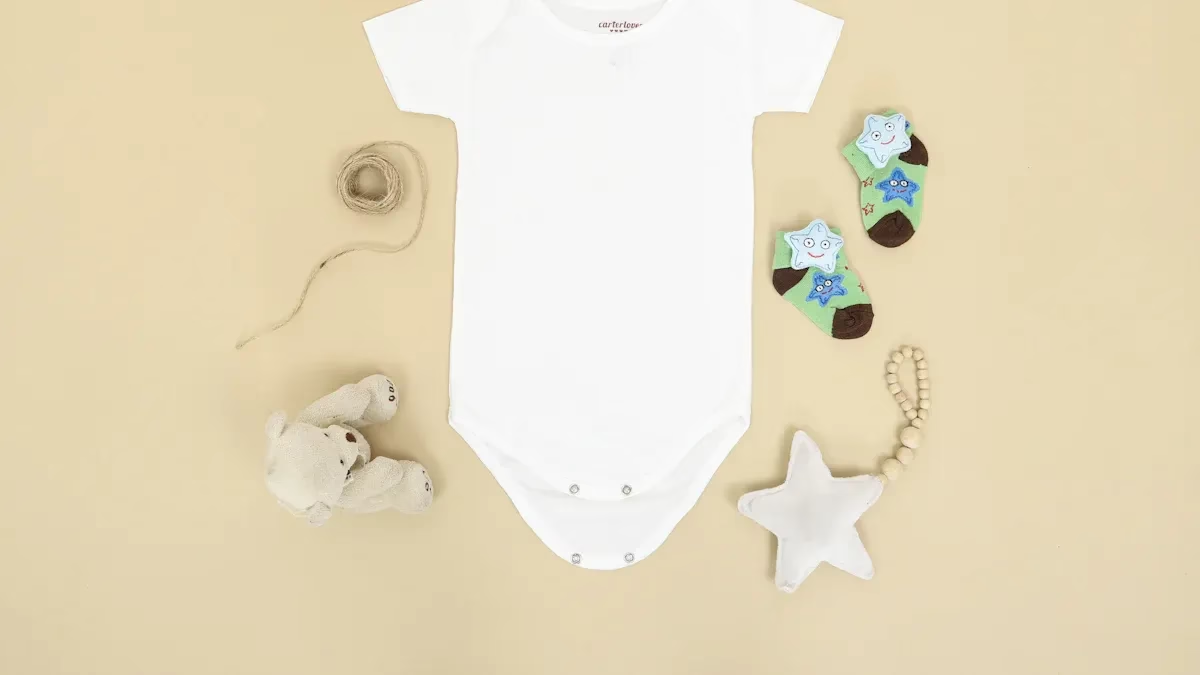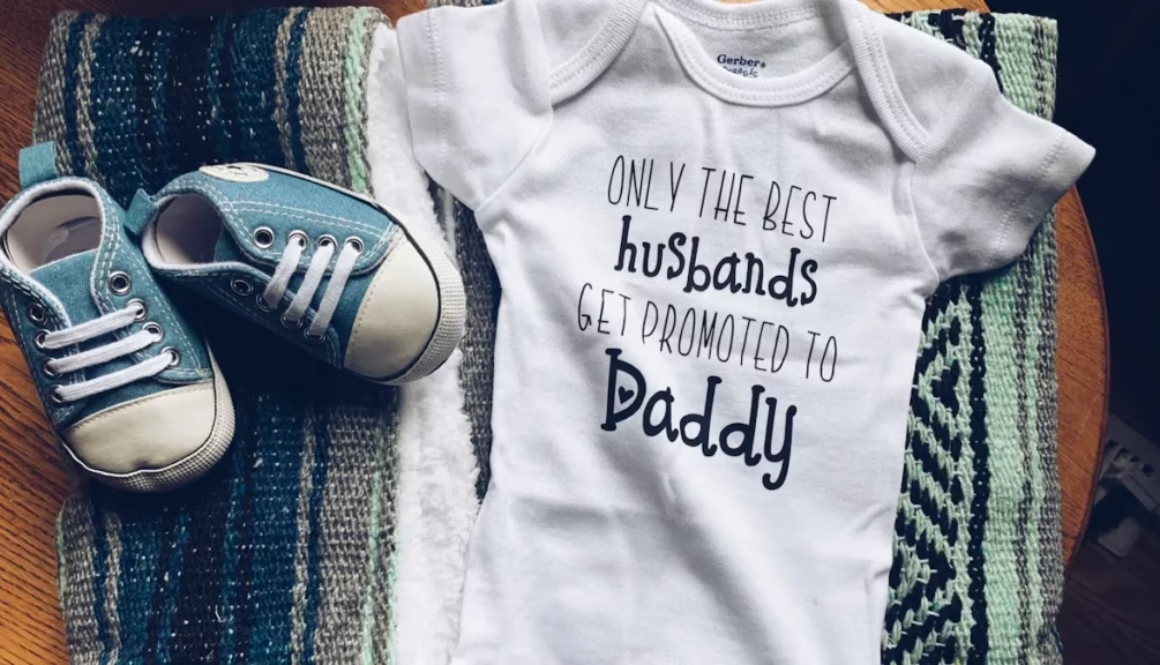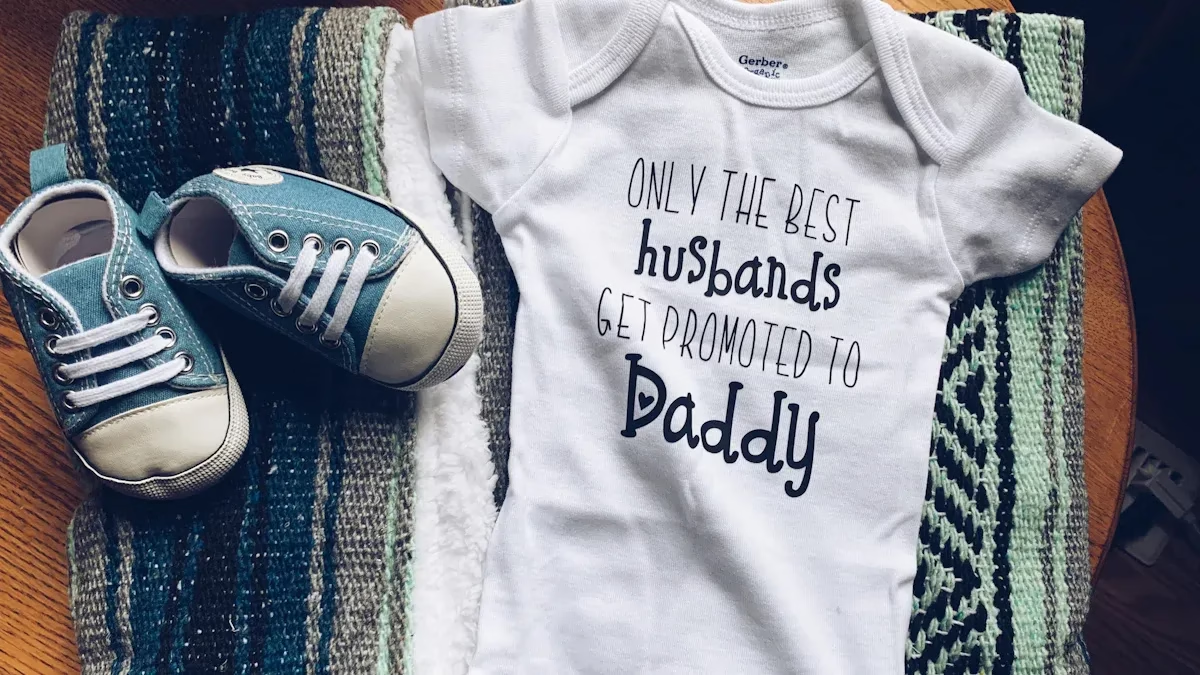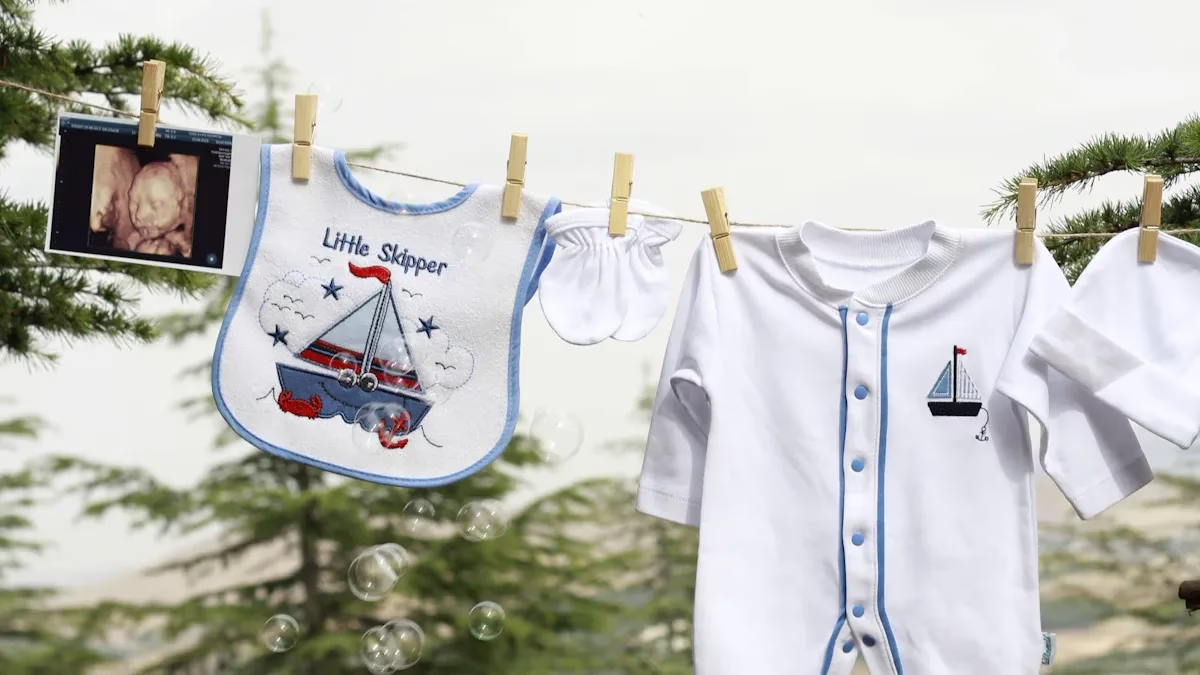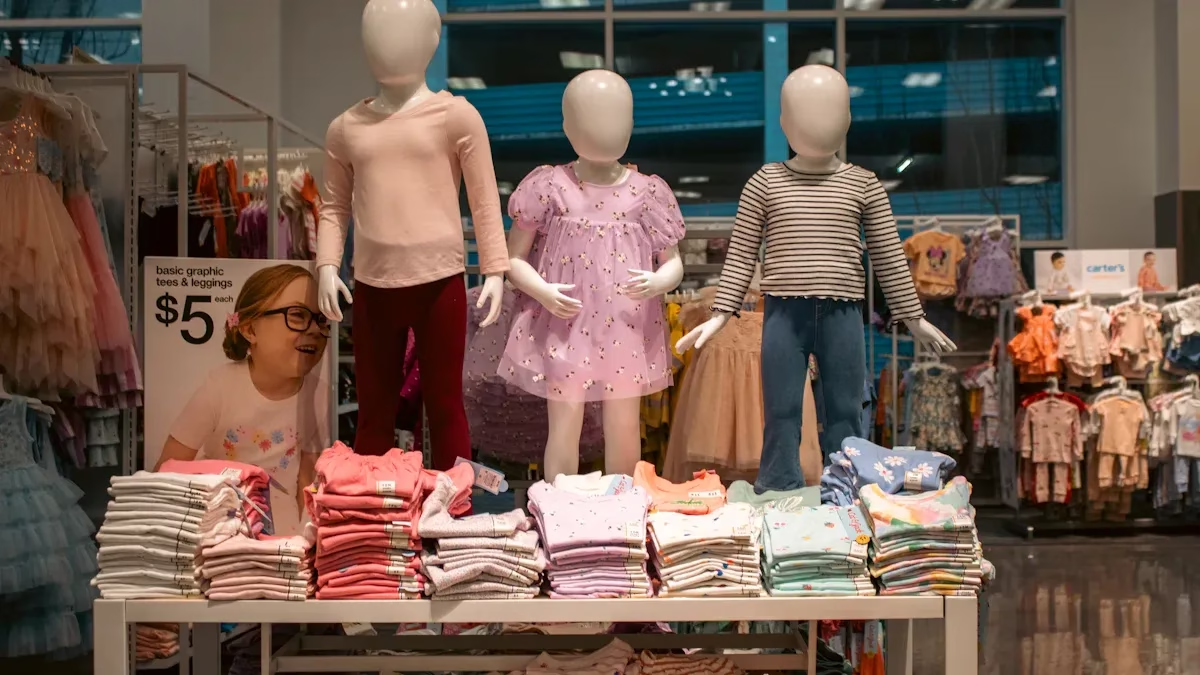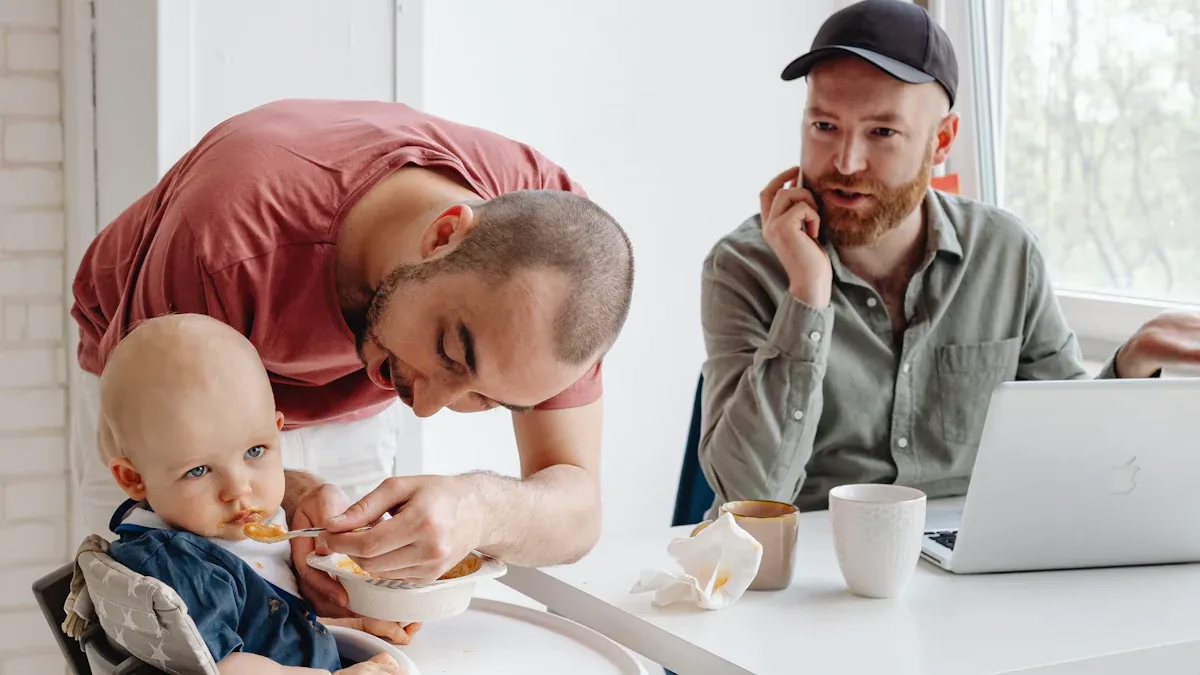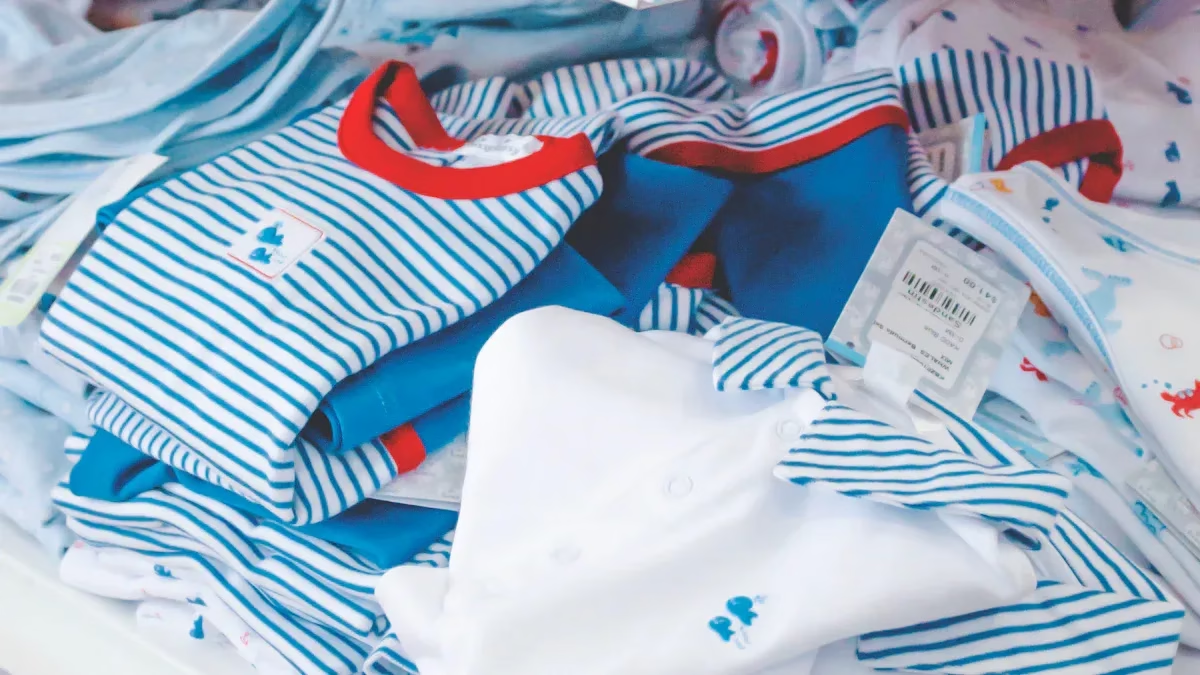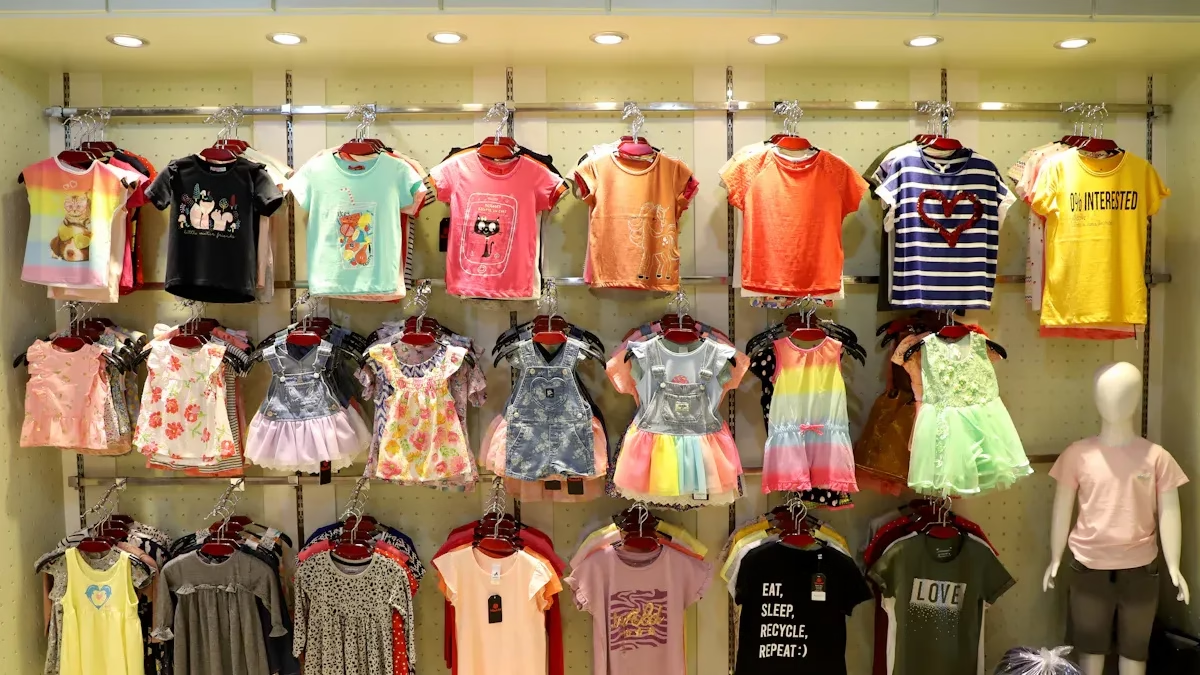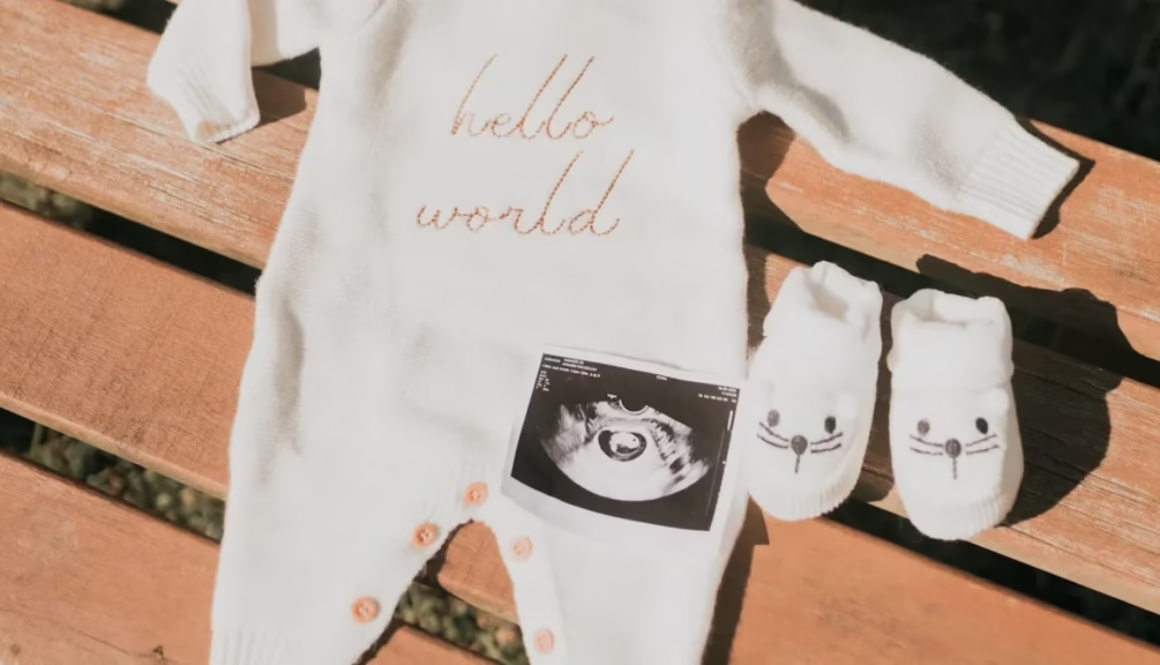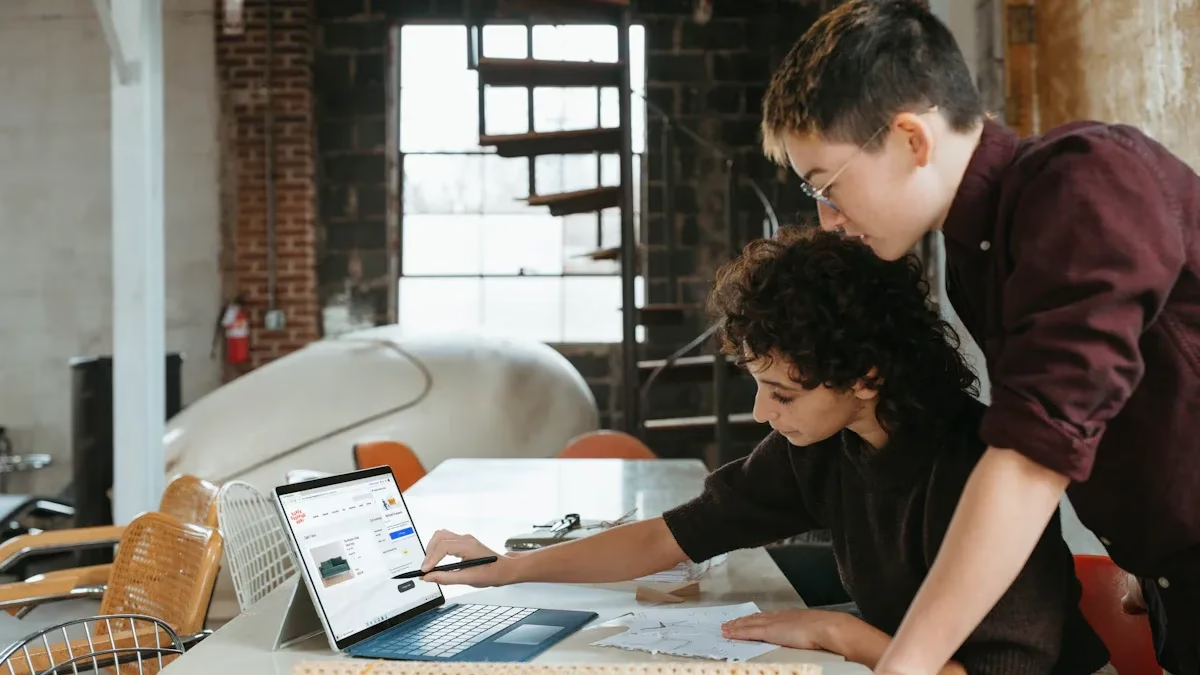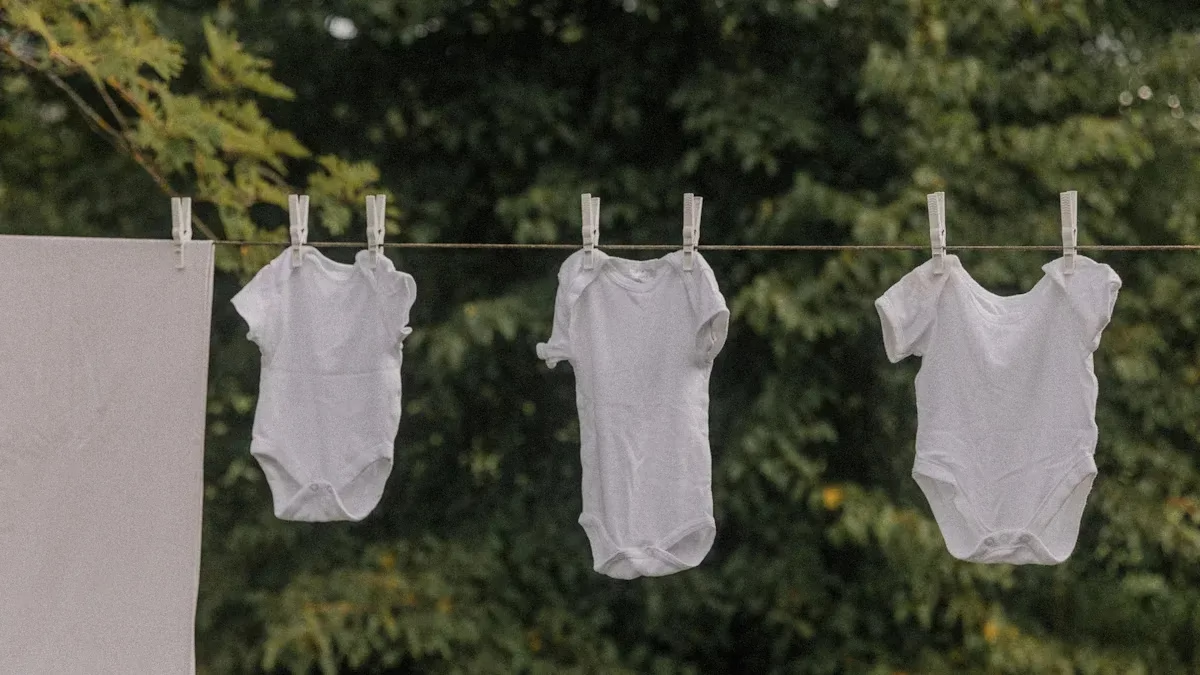
You want your baby to have the best. So, you look for newborn clothes manufacturers who make cute trends. These brands decide what you find in stores. They use soft and skin-friendly fabrics. They also pick eco-friendly materials. You see more options now. Smaller brands sell to you online. Comfort is very important. Safety is also important.
Основные выводы
Pick brands that care about safety and comfort. Search for soft materials like органический хлопок and bamboo.
Look for trusted certifications like GOTS and OekoTex. These labels show clothes are safe and do not have bad chemicals.
Read what other parents say in reviews. Their advice helps you find clothes that fit well and stay nice for a long time.
There are many choices for baby clothes. Some brands are better because they care about style, comfort, and safety. Here are some top newborn clothes manufacturers you might know:
Taian Lianchuang Textile Co., Ltd. uses new textile technology. They make clothes that are safe and comfy.
Bambini Layette makes classic baby clothes. Their items are soft, simple, and easy to use.
Seam Apparel offers custom designs. They help brands make special clothes.
Argus Apparel checks every item for quality. They make sure their clothes are always good.
What sets them apart
Each newborn clothes manufacturer has something special. You may wonder how they are different. Here are some things that make them unique:
Совет: Pick brands that share your values, like eco-friendly or local products.
Brand Name
Unique Strengths
Notable Recognition or Awards
Taian Lianchuang Textile
New textile tech, focus on safety
Australian Business Awards
Petelulu Apparel
Organic, eco-friendly, stylish basics
GOOD DESIGN® Awards
Bambini Layette
Classic styles, soft fabrics
Seam Apparel
Custom designs, special solutions
Argus Apparel
Strong quality checks, high standards
Some brands win awards for their good designs and business. The Australian Brand Awards and GOOD DESIGN® Awards go to companies with great baby products. These awards show the brand cares about style and safety.
When you choose a brand, look for what is important to you. Some use organic cotton or bamboo. Others make custom clothes or help local workers. You get to pick what matters most for your baby.
How newborn clothes manufacturers set trends
Design inspiration and process
You might wonder how newborn clothes manufacturers come up with new styles. They look at global fashion trends. They listen to parents like you. Safety rules guide their choices. Some designers travel to see what babies wear in other countries. Others read feedback from families. You help shape what’s popular just by sharing your thoughts. Many brands ask for your opinion before they launch new collections. They want to know what colors, prints, and features you like. You see your ideas in the next season’s baby clothes.
Note: Your feedback matters. When you share what works for your baby, you help brands create better clothes.
Fabrics, colors, and patterns
Soft fabrics make a big difference for your baby. Many newborn clothes manufacturers use organic cotton, bamboo, or recycled materials. These fabrics feel gentle and keep your baby comfortable. You see bright colors and playful patterns in stores. Some brands pick pastel shades for a calm look. Others use bold prints to make outfits stand out. You find animals, stars, and simple shapes on many pieces. Brands test new patterns to see what you like best. They want you to feel excited when you dress your baby.
Тип ткани
Popular Colors
Common Patterns
Органический хлопок
Pastel pink
Animals
Bamboo
Soft blue
Stars
Recycled blends
Bright yellow
Simple shapes
You get more choices every year. You help set the trends by picking what you love.
You want baby clothes to be safe and soft. Many newborn clothes manufacturers use certifications to show their clothes are safe. These certifications help protect your baby’s skin. Here are some trusted certifications:
Название сертификации
Описание
OekoTex Certified Standard 100 – Class 1
Makes sure clothes have no harmful stuff. Safe for babies.
Сертифицировано по стандарту Bluesign
Focuses on safety and helps the environment.
RWS, RAS
Checks animal care and wool from farm to store.
IVN Best
Sets high rules for natural fabrics and fair work.
Tip: Pick clothes with strong seams and soft cotton. Your baby will feel good all day.
Innovations in baby clothing
New ideas come out for baby clothes every year. Bamboo fabric is a new trend. It feels soft and helps control temperature. It protects your baby’s skin from the sun. Bamboo lasts through many washes and works in all seasons. Some brands use CELYS™, a fabric that breaks down and is gentle on skin. It is better for the planet.
Smaller carbon footprint helps keep the world clean.
You help these changes when you pick brands that care about safety, comfort, and the earth.
Choosing the right newborn clothes manufacturer
Key factors for parents
When you buy baby clothes, you want to feel sure. Picking the right newborn clothes manufacturer helps your baby stay safe and comfy. You may wonder what is most important. Here are some things to think about:
Soft fabrics like cotton and wool protect your baby’s skin.
Comfort features like cooling and moisture absorption keep your baby happy.
Tip: When you pick good newborn clothes manufacturers, your baby stays comfy and healthy. You also help brands that care about the earth.
You have lots of choices. Take your time, check labels, and listen to other parents. Your baby deserves the best. You can find cute and safe clothes with a little extra care.
You can see how newborn clothes manufacturers change baby fashion. Designers like Peter Morrissey make prints that are trendy and cute. You find many styles when you shop. Here are some tips to remember:
Why the Manufacturing Process is Different for Baby Clothing
For a baby clothing startup, the manufacturing process is about far more than just cost. You are creating products for the most vulnerable consumer group, meaning safety, quality, and compliance are the absolute highest priorities in design and production. A loose snap, an improper label, or a non-compliant fabric can lead to product recalls and legal issues.
[The Goal]
This roadmap is designed to help you launch a high-quality, safe product line efficiently and with minimal risk, avoiding costly production mistakes and laying a solid foundation for confident scaling.
[Key Startup Challenge]
The biggest hurdles for new brands are balancing Minimum Order Quantities (MOQs) and high upfront development costs. This guide offers strategies to navigate these challenges without sacrificing quality.
Не знаете, как сшить детскую одежду? Это окончательный вариант, универсальное руководство индустрия детской одежды не чтобы у вас был.
Pre-Production & Planning (The Blueprint)
Step 1: Design & Technical Flats
Your creative vision must be translated into engineering-level instructions the factory can understand.
Concept Sketches: Initial idea visualization and brand aesthetic.
Technical Sketches (Flats): Detailed black-and-white line drawings, often created using software like Adobe Illustrator. These show the garment’s front, back, side, and all specific details (pockets, seams, closures). This is the visual guide for pattern-making.
Pro Tip: If you lack design software skills, use existing garment templates or outsource this task to a professional Freelancer Pattern Maker/Technical Designer.
The Tech Pack is your product’s instruction manual and the single most important document between you and your factory.
What it is: A comprehensive “how-to” guide containing every piece of information required to manufacture your garment.
Сводная ведомость материалов (BOM): Lists every component. Be highly specific, e.g., “GOTS-certified 100% Organic Cotton Jersey, 180 GSM,” “Nickel-free snaps, color Pantone 19-4008 TCX.”
Specification Sheet (Spec Sheet): Contains all critical measurements for each size. It defines the garment’s fit and illustrates градация—how measurements increase proportionally across the size range.
Имея 17-летний опыт работы, petelulu предоставляет полный спектр производственные услуги от проектирования до поставки. Начните с нуля, создайте свой собственный бренд.
Fabric choices directly impact a child’s safety and skin health.
Baby-Safe Fabrics: Prioritize natural, breathable, and hypoallergenic materials such as Organic Cotton, Bamboo Viscose, and Merino Wool.
Certifications are Crucial: Understand the difference between key certifications:
GOTS (Global Organic Textile Standard): Ensures the entire supply chain, from raw material to finished product, is organic and environmentally sound.
OEKO-TEX Standard 100: Guarantees the fabric has been tested for and is free from harmful substances. This is the minimum safety requirement.
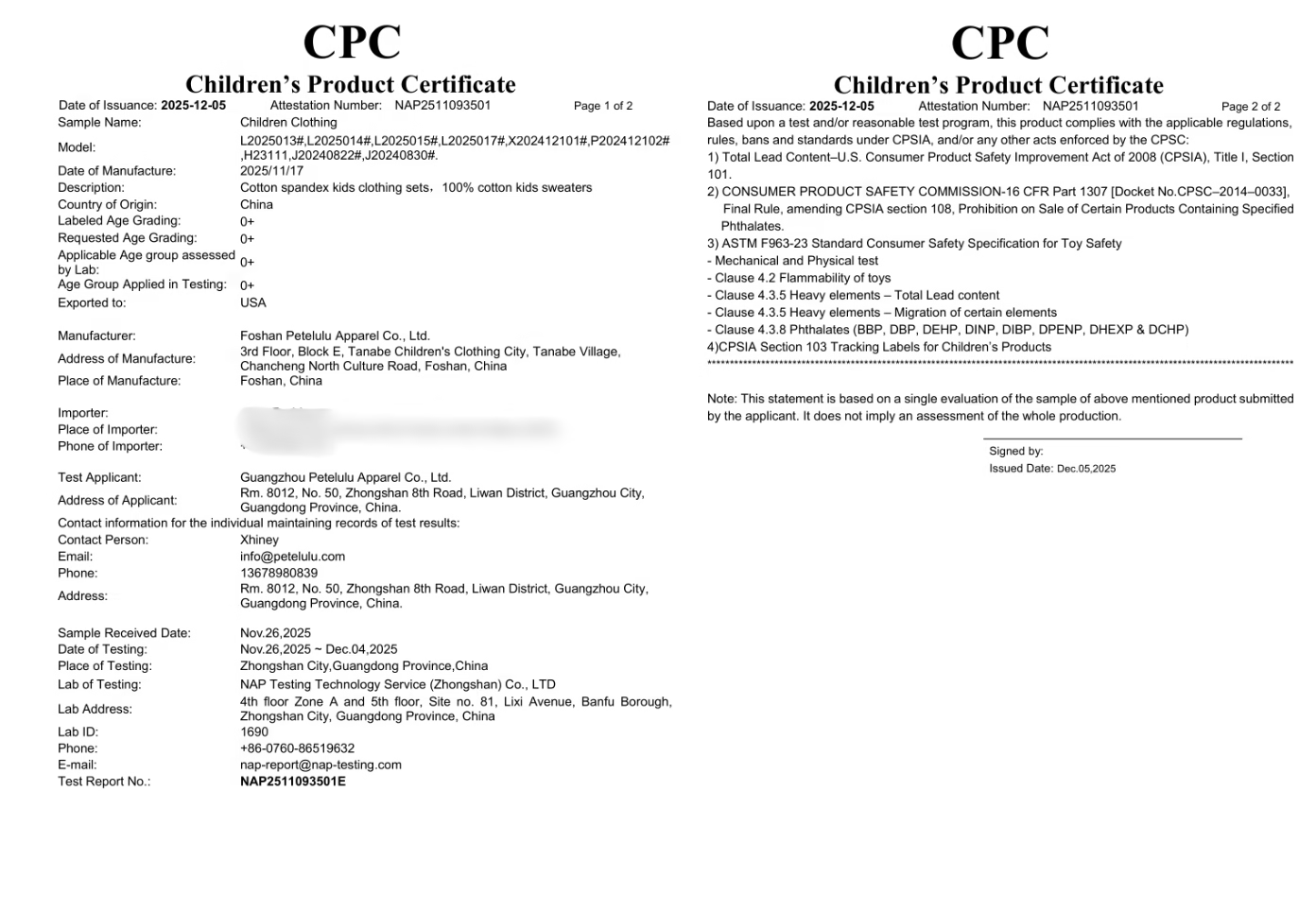
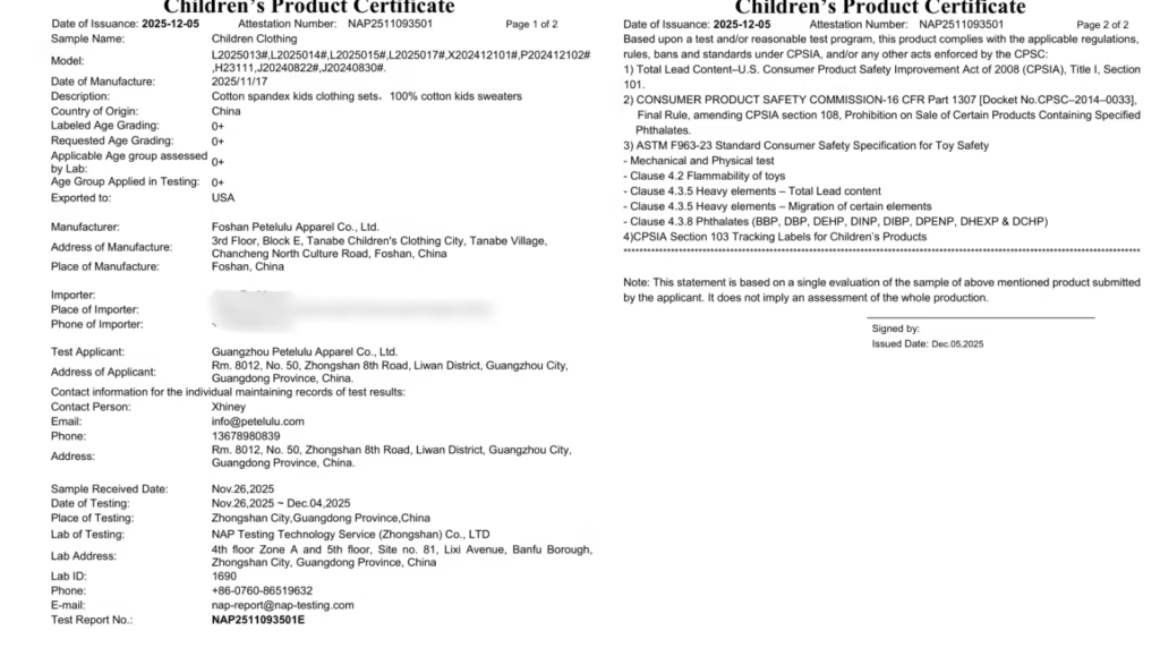
Vetting Manufacturers: You must ask for their experience with children’s wear, their ability to meet CPSIA standards (Consumer Product Safety Improvement Act), and proof of ethical labor practices.
Step 4: Sample Creation & Safety Testing
Sampling is the critical stage for verifying design and compliance.
Prototype/Fit Sample: The first physical sample created by the factory based on your Tech Pack. Focus here on fit, construction, and functionality (e.g., is the neck opening wide enough, does the zipper work smoothly?).
PPS (Pre-Production Sample): The final, approved sample that must be identical to the final bulk order. This is your sole benchmark for quality control.
Mandatory Testing: Lab testing for baby items is an unavoidable compliance cost:
Lead and Phthalates Content Testing.
Small Parts Testing (choking hazards).
Drawstring Testing (strangulation hazards).
Flammability Testing (especially for sleepwear).
Startup Note: These testing costs are significant and must be budgeted.
Production & Logistics (Scale)
Step 5: Bulk Production & Quality Control (QC)
This is where your design becomes a sellable product.
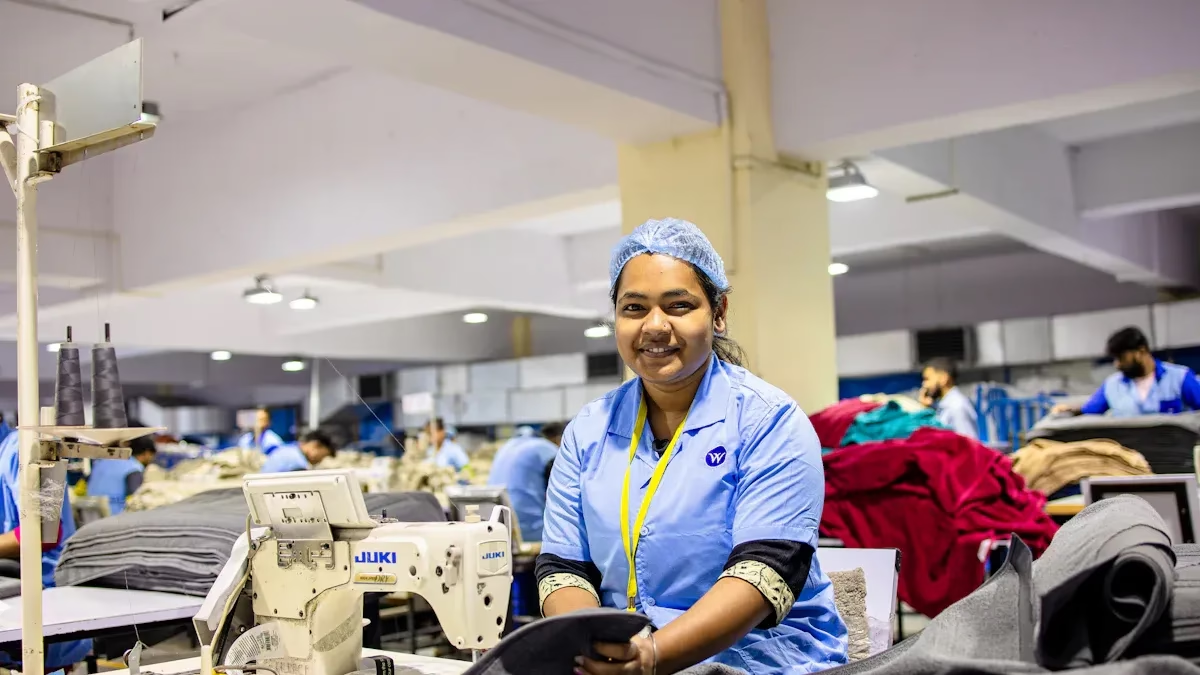
Cutting & Sewing: Explain how fabric is layered, cut precisely using patterns or computerized cutters, and then assembled by skilled sewers.
Low MOQ Strategy: For startups, attempt to negotiate low MOQs of 50–200 units per style/color. The trade-off you must accept is that lower MOQs mean higher per-unit costs.
Inline QC: Excellent manufacturers conduct quality checks во время the production process—not just at the end—to catch and fix errors early.
Step 6: Finishing, Branding, & Packaging
Details define the final brand experience.
Final Touches: Hemming, steaming, attachment of snaps/buttons, and thread trimming.
Custom Branding: Sewing in your custom woven/printed labels, attaching hangtags, and adding size stickers. Ensure all tracking labels comply with CPSIA requirements.
Final Inspection: Conduct a factory audit or hire a third-party inspector before the goods leave the factory to ensure the bulk order matches the approved PPS exactly and meets all safety/count requirements.
Step 7: Shipping, Logistics, & Fulfillment
Getting products to the customer requires an understanding of complex international trade terms.
Incoterms Primer:
FOB (Freight On Board): Cost and risk transfer to the buyer once the goods are loaded onto the vessel/plane.
Ex-Works (EXW): All costs and risks transfer to the buyer when the goods are ready at the factory door (highest risk for you).
Shipping Methods:Air freight (fast, expensive) vs. Ocean freight (slow, much cheaper for bulk). Startups often choose air freight initially for faster time-to-market.
Post-Production Costs: Be sure to factor in the hidden costs of duties, taxes, customs brokerage, and final warehousing/fulfillment fees.
V. Conclusion: Ready to Launch
A clear, detailed manufacturing roadmap is the best way for a new baby brand to manage risk and guarantee product quality. You now have the checklist covering everything from design to compliance.
Имея 17-летний опыт работы, petelulu предоставляет полный спектр производственные услуги от проектирования до поставки. Начните с нуля, создайте свой собственный бренд.
A: Hiring a professional garment technical designer for a complete Tech Pack averages between $150 and $500 per style. This is a crucial investment worth making.
Q2: How can I negotiate a lower MOQ without raising costs significantly?
A: Focus on a core collection (fewer styles and colors), use the factory’s existing color swatches (avoid custom dyeing), or choose low-MOQ manufacturers specializing in startups.
Q3: What should I budget for CPSIA lab testing?
A: Compliance testing costs vary by product complexity but typically range from $500 to $1,500 per style/batch. This is a mandatory, non-negotiable expense.
Об авторе
Ксини, основательница Petelulu, имеет более чем 20-летний опыт работы в области дизайна, производства и международной торговли детской одеждой. Является автором журнала Детская одежда и Младший В течение 17 лет Xhiney работала с элитными брендами детской одежды в Европе и США, предлагая экспертную оценку и поддержку.
Why the Baby Apparel Market is a High-Margin Niche
The baby apparel market is a consistently growing and highly resilient vertical. It thrives not just on natural population growth, but on three core drivers:
High Repeat Purchases: Babies grow rapidly, requiring constant wardrobe updates. From Newborn to Toddler, purchasing is a continuous, predictable cycle.
The Gift-Giving Economy: Baby clothes are a perennial favorite for gifts, lending the product category a high perceived value and emotional premium.
The Rise of Conscious Parenting: Modern parents are willing to pay a premium for safer, eco-friendly, and well-designed garments, prioritizing sustainable fabrics like organic cotton and bamboo.
Не знаете, как сшить детскую одежду? Это окончательный вариант, универсальное руководство индустрия детской одежды не чтобы у вас был.
Differentiating Private Label vs. White Label vs. Custom Manufacturing
White Label: Buying unbranded, pre-produced items from a factory and simply attaching your own label. Pros: Fast and low cost. Cons: Lacks uniqueness and faces intense competition.
Private Label: Partnering with a manufacturer to produce goods based on your specific design and specifications. You maintain full control over the design and brand. This is the focus of this guide.
Custom Manufacturing: Designing and producing unique fabrics, patterns, and trims from scratch. This typically requires the highest Minimum Order Quantity (MOQ) and capital investment.
This ultimate guide translates your startup idea into a compliant, sustainable, and profitable launch plan. Consider this your roadmap for successfully launching a Private Label Baby Clothing brand in 2026.
Имея 17-летний опыт работы, petelulu предоставляет полный спектр производственные услуги от проектирования до поставки. Начните с нуля, создайте свой собственный бренд.
Your UVP is your “why”—what makes your brand distinct from the competition.
The Niche: Which age group are you serving (e.g., 6-12M sleep sacks), which specific need are you addressing (e.g., adaptive wear, clothing for babies with eczema), or which product category are you mastering (e.g., footed pajamas, ethical dresses)?
The Problem You Solve: Is it ultimate Комфорт (e.g., tagless designs), strict Sustainability (e.g., zero-carbon footprint), absolute Безопасность (e.g., hypoallergenic fabrics), or unique Стиль (e.g., Scandi-minimalism)?
The Fabric: Fabric is the soul of baby apparel and the key to commanding a premium price:
Bamboo: Known for softness, breathability, and moisture-wicking properties.
GOTS Organic Cotton: The industry’s gold standard for environmental and safety compliance.
Merino Wool: Naturally temperature-regulating, often used for high-end sleepwear.
2. Market Research & Competitor Analysis
Deep Dive: Analyze the top 5 successful baby brands. Examine their pricing strategy, brand voice, и distribution channels.
Identify Market Gaps: What is the existing market missing? Is it high-quality gender-neutral basics, высокофункциональный outerwear, or specialized sizing for specific needs?
Target Customer Persona: Is your customer the “eco-conscious working mom,” the “value-driven grandparent,” or the “minimalist urban family”? This informs your design, pricing, and marketing messaging.
Product Design & Compliance (The Non-Negotiables)
3. Design and Technical Specifications
Product specifications are the only language your manufacturer understands and executes.
The Flat Sketch: A basic line drawing illustrating the front and back of the garment.
Технологический пакет (Crucial Step): This is the blueprint for your factory and the basis for quotes and production. It must include:
Сводная ведомость материалов (BOM): Fabric type, weight, and all trim components (snaps, zippers, labels).
Detailed Measurements: Clear, specific data for length, chest width, sleeve length, etc.
Color Codes: Use globally recognized Pantone Swatch Codes.
Детали конструкции: Stitching type (e.g., flatlock seam), specific processes (e.g., heat sealing, print placement).
Sizing & Grading: Ensuring your garments fit consistently and proportionally across all sizes. Reference international or target market standard sizing charts.
4. Safety & Legal Compliance (CPSIA Focus)
In the infant product space, compliance is the biggest barrier to entry. Safety regulations must be factored into the design phase.
CPSIA (Consumer Product Safety Improvement Act): Mandatory for all children’s products sold in the US. Key mandatory tests include:
Свинец и фталаты: Must be below mandated limits in all components.
Small Parts Testing: Any detachable components must not pose a choking hazard.
Flammability Testing: Especially for children’s sleepwear.
Ярлыки для отслеживания: Legally required to be permanently affixed to the garment, showing:
Name of the private label or manufacturer.
Batch or run number.
Location and date of manufacture.
Record Keeping:Stress the absolute necessity of maintaining all safety test reports (from CPSC-accepted labs) for a minimum of 5 years. This is critical for customs and regulatory audits.
Sourcing & Production
5. Finding the Right Manufacturer
The right partner determines your product quality and supply chain stability.
Low MOQ vs. Bulk: Startups should prioritize low-MOQ manufacturers to minimize initial inventory risk and manage cash flow.
Overseas (e.g., Vietnam, Turkey, India):Pros: Cost and volume advantage. Cons: Longer lead times and more complex QC management.
Vetting Checklist:
Ask about their social and environmental certifications (e.g., GOTS, Oeko-Tex).
Confirm their Минимальное количество заказа (MOQ) и Turnaround Time (Lead Time).
Understand their sampling costs and their internal Quality Control (QC) process.
6. Sampling, QC, and Finalizing Costs
Production is an iterative process, not a single step.
Initial Samples: Checking the feasibility of the design.
Second and Final Revision Samples (PP Sample): Checking that the fabric, color, and all technical details match the Tech Pack exactly.
Quality Control (QC): Conducted either by you or a third-party inspection company:
Stitching Audit: Check all seams for strength and flatness.
Trims Check: Ensure snaps and zippers are secure and fully functional.
Label Placement: Verify the accuracy and location of tracking and care labels.
Final Costing (COGS): Locking in the Cost of Goods Sold (COGS) is necessary to accurately calculate your retail price and a healthy profit margin. Aim for a margin of at least 50-65% on the retail price.
Launch & Scaling
7. Branding & Packaging
In a crowded market, your brand story is key to establishing an emotional connection.
Фирменный стиль: A simple, warm logo, a consistent color palette (e.g., soft neutrals), and a brand story that resonates with parents.
Sustainable Packaging: Today’s parents prioritize materials. Using biodegradable mailers, recycled paper inserts, и custom tissue paper elevates the brand experience.
Lifestyle Photography: Invest in high-quality, aspirational product photos. This must include professional flat lays и lifestyle shots capturing babies wearing the clothes in real-life settings.
8. Go-to-Market Strategy
Sales Channels:
Shopify Store: Offers maximum control and the highest profit margins.
Etsy or Amazon: Leverage existing platform traffic for quick market testing.
Wholesale: Target high-end baby boutiques to quickly build brand awareness.
Marketing:
Influencer Marketing: Partner with Mom/Parenting Influencers on Instagram and TikTok.
Paid Ads: Utilize targeted ads to precisely reach your customer persona.
Pre-Launch Email List: Build a robust email list before launch with engaging content and exclusive discounts to ensure a successful first wave of orders.
Имея 17-летний опыт работы, petelulu предоставляет полный спектр производственные услуги от проектирования до поставки. Начните с нуля, создайте свой собственный бренд.
Q1: How much capital is needed to start a private label?
A: Startup costs vary widely, from $5,000 to $25,000+. This depends heavily on your initial MOQ, выбор ткани, sampling costs, и first-round marketing budget. Start small with a high-margin core product line.
Q2: What are the safest fabrics for baby clothes?
A:Органический хлопок, сертифицированный GOTS и Oeko-Tex Standard 100-certified bamboo are considered the safest. These certifications ensure the material is free from harmful chemicals throughout the supply chain.
Q3: How long does the sampling process take?
A: Typically, it takes 6-12 weeks from submitting your final Tech Pack to receiving your final approved sample (PP Sample). Always budget time for necessary revisions and re-samples.
Об авторе
Ксини, основательница Petelulu, имеет более чем 20-летний опыт работы в области дизайна, производства и международной торговли детской одеждой. Является автором журнала Детская одежда и Младший В течение 17 лет Xhiney работала с элитными брендами детской одежды в Европе и США, предлагая экспертную оценку и поддержку.
You see childrens clothing manufacturers making outfits for daily use. These outfits are fun and useful. Parents want clothes that last long. They also want clothes that are easy to wear. Parents like clothes that look exciting.
Almost half want the best materials.
Many parents want clothes that fit well.
One in four pick styles that help kids learn in a fun way. Comfort, style, and playfulness are important every day.
Основные выводы
Pick bright colors and fun patterns for your child’s clothes. These choices make kids feel happy. They also let kids show their personalities.
Найти soft and strong fabrics like cotton and spandex. These materials keep kids comfortable. They last a long time. Playtime is more fun with these fabrics.
Choose clothes with useful designs. Tagless labels and elastic waistbands help kids dress themselves. These features make dressing easy and comfy.
When you choose clothes for your child, you see how bright colors and fun patterns matter. Experts say these colors and prints do more than look nice. They help your child feel happy and show who they are.
Bright colors show happiness and hope. They make outfits lively.
Fun prints bring smiles and energy. They help kids feel good.
You want clothes that feel soft and last a long time. Top childrens clothing manufacturers use fabrics that are both soft and strong. Here are some common choices:
Материал
Benefits
Cotton
Soft, lets air in, feels nice
Spandex
Stretches, easy to move in
Denim
Tough, does not wear out fast
Флис
Warm, soft, good for cold days
Microfiber
Soft, light, dries fast
Нейлон
Strong, does not wear out easily
Polyester
Lasts long, keeps shape, dries quickly
Manufacturers check if clothes are strong by testing buttons, snaps, and seams. They make sure everything stays on tight. They also avoid sharp parts, so you can trust the clothes to last.
Practical Designs
It is important for clothes to be easy to put on and take off. Good designs help kids dress themselves and move around easily.
Have you ever thought about how your favorite clothes are made? Many childrens clothing manufacturers work with designers and experts. They want to make clothes that are more than just nice to look at. These teams help kids show who they are and try new things with fashion.
You can feel good picking brands that use these materials. They help the planet and keep your child comfy every day.
Top Childrens Clothing Manufacturers
Leading Brands Overview
When you shop for your kids, you see many childrens clothing manufacturers. Each brand has something special to offer. Here are some top brands you might like:
Steve Apparel: This brand is known for careful work and good quality. They make sure every step, from design to finish, goes well.
Lefty Production Co.: They know what families need. Their team keeps styles new and helps with everything, from ideas to selling.
Компания "Пима: If you want soft, fancy clothes, this brand uses 100% Peruvian knit cotton. Their clothes feel nice and look stylish.
Appareify: This company makes modern and fun designs. They care about comfort and style for daily wear.
Fábula: Colorful, easy-to-move-in clothes for kids with big personalities.
Dondolo: Handmade clothes with soft colors and pretty embroidery.
Hanna Andersson: Bright prints and organic fabrics that last through lots of play.
Parents like you want brands that are safe, good quality, and fun. You want clothes that last, feel nice, and help your child show who they are. Many top brands also care about the earth and use eco-friendly materials. Some brands even share stories from around the world, so your child can learn while they dress.
Note: When you pick these childrens clothing manufacturers, you give your child more than clothes. You give them comfort, confidence, and a chance to shine every day.
Parent Tips for Choosing
Selecting the Right Manufacturer
You want your child to feel good in their clothes every day. Picking the right childrens clothing manufacturers can make a big difference. Start by looking at what matters most for your family. Here are some things you should check:
Buy fewer pieces, but choose quality. Durable clothes last longer and save money over time.
Pick sustainable brands. Eco-friendly clothes may cost more at first, but they hold up better and can be passed down.
Mix and match basics with a few special items. Your child gets variety without breaking the bank.
Tip for Saving Money
How It Helps Your Family
Shop sales
Get trendy clothes for less
Invest in quality
Fewer replacements needed
Choose eco-friendly
Clothes last and help the planet
You can make smart choices and still let your child enjoy playful, everyday outfits.
When you choose childrens clothing manufacturers who make fun outfits, your child feels happy and free. Try these brands and notice the change. Pediatricians share why playful and comfy clothes matter:
You might ask if bamboo rayon and bamboo viscose are the same. Brands often use the terms “rayon vs viscose bamboo” interchangeably, which can make shopping for bamboo products confusing. Choosing the right one affects how soft, strong, and eco-friendly the fabric is. Advertisements about bamboo, such as claims that it keeps you dry, can entice you to make a purchase.
When you compare rayon vs viscose bamboo, understanding what the labels mean will help you select the best bamboo fabric for your needs.
Основные выводы
Bamboo rayon and bamboo viscose are both made from bamboo. The names can be confusing for shoppers. Both words mean the same material, but how they are made can be different. The chemicals used can also be different.
When you pick bamboo products, look at how they are made. Do not just look at the name. Try to find brands that use safer chemicals. Good brands will tell you how they make their products.
Bamboo viscose is usually softer than bamboo rayon. It is also stronger. If you want sheets that last a long time, pick bamboo viscose. These sheets feel smooth and do not get fuzzy easily.
You may notice that brands use the terms rayon vs viscose bamboo in different ways. This can make shopping for bamboo products confusing. Both rayon and viscose describe fabrics made from bamboo, but the names come from different places.
The word viscose is more common in other countries.
Both words describe similar ways to turn bamboo into soft fabric.
When you see rayon vs viscose bamboo on a label, you are looking at two names for almost the same thing. Companies choose which word to use based on where they sell their products. This can make you wonder if there is a real difference. You should know that both terms mean the fabric comes from bamboo, but the process and chemicals may change how the fabric feels and how eco-friendly it is.
Production Process Comparison
You want to know how rayon vs viscose bamboo is made. The process starts with bamboo plants. Factories break down the bamboo and turn it into a pulp. Then, they use chemicals to make the pulp into threads for fabric.
If you see bamboo rayon on a label, you may get a fabric made with fewer harsh chemicals. Bamboo viscose often uses sodium hydroxide and carbon disulfide. These chemicals can affect the environment and the safety of workers. You should check product details if you care about how your bamboo fabric is made.
Why Brands Use Different Terms and How This Affects You
Brands use rayon vs viscose bamboo to make their products sound special. Some companies want you to think their bamboo fabric is softer or greener. The words on the label can make you believe there is a big difference. In reality, most bamboo fabrics made with rayon or viscose feel very similar.
You may see claims about moisture-wicking, softness, or eco-friendliness. These claims often depend more on the production process than the name on the label. If you want the best bamboo fabric, look for details about how the bamboo was processed. Ask questions about the chemicals used and how the company treats the environment.
Practical Implications for Product Selection
When you shop for bamboo products, you should focus on how the fabric is made, not just the name. Rayon vs viscose bamboo can mean almost the same thing, but the chemicals and methods matter. You want a fabric that feels soft, lasts long, and does not harm the planet.
Here are some tips for choosing bamboo fabric:
Совет: Look for brands that share details about their bamboo production process. Ask if they use safer chemicals like those in Tencel. Check for certifications that show the bamboo fabric is eco-friendly.
You can make better choices when you understand the difference between rayon vs viscose bamboo. Pay attention to the label, but also ask about the process. This helps you find bamboo products that match your values and needs.
When you buy bamboo sheets, you want them soft and long-lasting. Many people pick bamboo viscose sheets because they stay smooth after washing. In tests, bamboo viscose lasted longer than bamboo rayon. After a few washes, bamboo rayon fabric got rough and started to pill. Bamboo viscose stayed soft and smooth. If you want comfy sheets, bamboo viscose is a good choice. Bamboo blend sheets are also strong, especially with cotton or microfiber.
Воздействие на окружающую среду
You might care about how bamboo sheets affect the earth. Making bamboo rayon and viscose uses chemicals that can hurt nature. Factories use sodium hydroxide and carbon disulfide. These can pollute air and water. Waste from factories sometimes harms local plants and animals. Here are some facts about the impact:
Bamboo rayon uses chemicals that can hurt workers and nature.
The chemicals can cause pollution.
Factory waste can harm plants and animals nearby.
If you want eco-friendly bamboo blend or bamboo viscose sheets, look for brands with safer methods. Some companies use closed-loop systems to cut down on pollution.
Product Labels and Misconceptions
Labels on bamboo sheets can be hard to understand. You might see words like viscose, bamboo viscose sheets, or bamboo blend sheets. In the U.S., products must say “rayon from bamboo” or “viscose from bamboo” to follow the rules. The FTC checks labels so you know what you are buying. Here is a table that shows what agencies do about wrong labels:
Action Taken
Описание
FTC Settlements
The FTC made stores follow rules for labeling rayon as bamboo.
Deceptive Claims
Some stores called products “100% organic bamboo” when they were rayon.
Warning Letters
The FTC sent letters to companies about wrong bamboo sheet labels.
Good Faith Guarantees
Stores can get promises from suppliers to avoid problems.
In the EU, every textile must have a label that shows the fiber content. Labels must be clear and easy to read. If you want to buy bamboo viscose or bamboo blend sheets, check the label for fabric details. Look for words like viscose or rayon from bamboo. This helps you choose the right bamboo sheets for your needs.
You see that bamboo rayon and bamboo viscose mean almost the same thing. Textile experts say both are semi-synthetic fibers made from bamboo. When you shop, check labels for clear terms like “rayon made from bamboo.” Choose bamboo products from brands that share their process. Look for certifications and Fair Trade suppliers for better bamboo choices.
ЧАСТО ЗАДАВАЕМЫЕ ВОПРОСЫ
What makes bamboo fabric different from cotton?
Bamboo fabric feels softer than cotton. You notice that bamboo sheets stay cool and smooth. Bamboo also resists odors better than cotton. Many people prefer bamboo for comfort.
Is bamboo viscose safe for sensitive skin?
You find that bamboo viscose feels gentle on your skin. Bamboo sheets rarely cause irritation. Many people with allergies choose bamboo bedding. Bamboo fabric works well for sensitive skin.
How do you care for bamboo sheets?
You wash bamboo sheets in cold water. Use mild detergent for bamboo fabric. Avoid bleach. Dry bamboo sheets on low heat. Bamboo lasts longer with gentle care.
Tip: Always check the label for bamboo care instructions. Bamboo sheets stay soft when you follow the right steps.
Если у вашего малыша чувствительная кожа, органическая одежда для новорожденных будет наиболее безопасной. Производители органической одежды для новорожденных делают такую одежду. Вы хотите, чтобы ваш малыш чувствовал себя комфортно и безопасно. Выбор тканей без химикатов очень важен для вашего новорожденного. В органических изделиях используются натуральные волокна, например органический хлопок. Эти волокна снижают вероятность раздражения кожи. Они также помогают сохранить здоровье малыша. Многие родители заботятся об окружающей среде. Им нравится органическая одежда для новорожденных, потому что она нежная и полезная для планеты. Органическая детская одежда стоит дороже. Но их экологичность и гипоаллергенность делают их хорошим выбором.
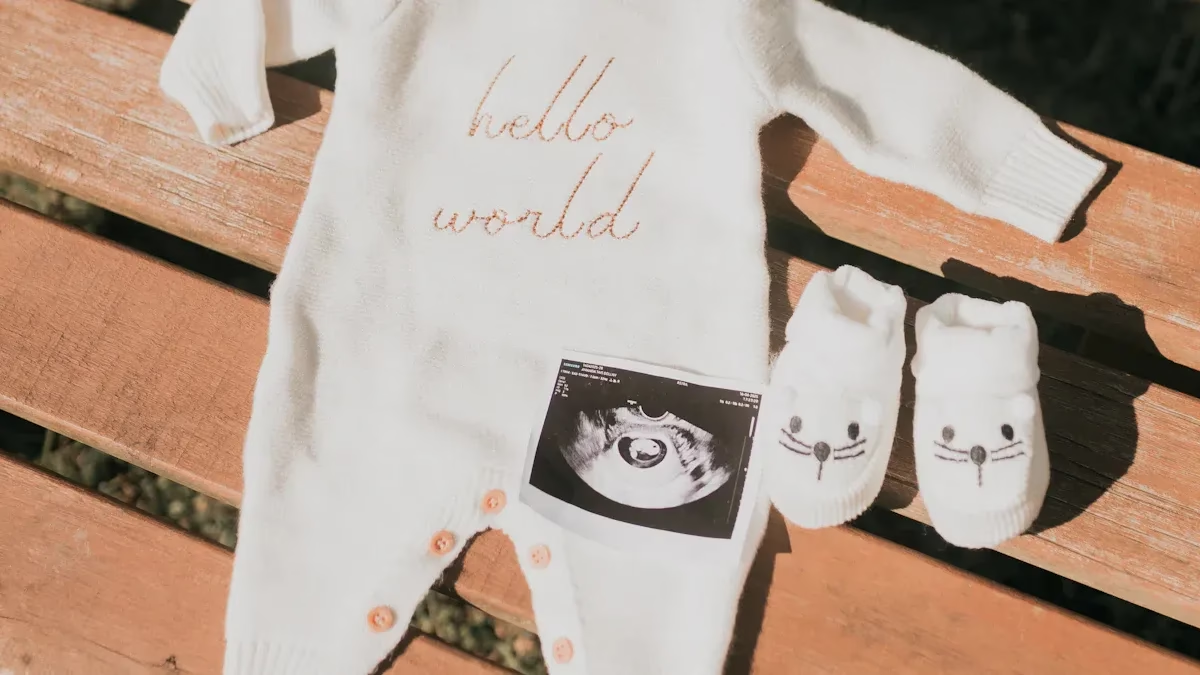
О сайте 20.5% У всех детей возникает экзема или другие подобные проблемы с кожей.
Более чем 8 000 химикатов используются в обычной одежде для новорожденных. Эти химические вещества могут вызывать аллергические реакции.
Родители часто выбирают экологически чистые органические продукты. Они хотят избежать агрессивных химических веществ и сохранить кожу новорожденного в безопасности.
Основные выводы
Выберите органическая детская одежда чтобы сохранить кожу вашего ребенка в безопасности. В этой одежде используются натуральные волокна и отсутствуют вредные химические вещества.
Проверьте наличие сертификатов GOTS и OEKO-TEX® на бирках. Они свидетельствуют о том, что одежда безопасна и не содержит токсичных веществ.
Органический хлопок мягче и лучше пропускает воздух, чем обычный хлопок. Он обеспечивает комфорт вашему малышу и помогает предотвратить проблемы с кожей.
Поначалу покупка органической детской одежды может обойтись дороже, но она служит дольше. Вы можете использовать их для других детей, что позволит вам сэкономить деньги в дальнейшем.
Помогите Земле, выбирая органические продукты. Органическое земледелие использует меньше воды и меньше загрязняет окружающую среду. Это полезно и для вашего ребенка, и для планеты.
Производители одежды для новорожденных: Что безопаснее?
Потребности чувствительной кожи
Малышам с чувствительной кожей нужна мягкая одежда. Вы хотите, чтобы каждая рубашка и пеленка были нежными на ощупь. Производители одежды для новорожденных знают об этом и делают специальную одежду. Ищите органическую одежду для новорожденных, изготовленную из натуральных волокон. Такая одежда помогает предотвратить раздражение кожи. Кроме того, в ней вашему малышу будет комфортно. Врачи советуют использовать Мягкое моющее средство без отдушек для стирки. Выбирайте для ребенка хлопок или бамбук 100%. Эти ткани мягкие и позволяют коже дышать.
Вот несколько советов по уходу за чувствительной кожей:
Купайте ребенка два-три раза в неделю.
Используйте теплую воду и мягкое мыло без отдушек.
Вытрите кожу ребенка насухо, не трите.
Наносите увлажняющий крем сразу после купания.
Поддерживайте в комнате температуру от 68 до 72°F (20-22°C). Увлажнитель с прохладным туманом поддерживает влажность воздуха. Одевайте ребенка в дышащие слои. Это поможет избежать перегрева. Когда вы выходите на улицу, держите ребенка подальше от прямого солнца. Используйте легкую одежду, закрывающую руки и ноги. Для детей старше шести месяцев используйте минеральный солнцезащитный крем с SPF 30 или выше.
Если сравнить производителей детской одежды, то можно увидеть большие различия. В органической детской одежде используются натуральные волокна такие как хлопок и бамбук. Эти волокна растут без применения сильных химикатов и пестицидов. В обычном хлопке используется много пестицидов. Эти химикаты могут оставаться в одежде и раздражать кожу малыша.
Пестициды могут вызывать проблемы с кожей и аллергию.
Формальдегид может вызвать зуд или воспаление кожи.
Клеи и клейкие вещества могут беспокоить кожу вашего ребенка.
Красители и красители могут вызывать аллергию или раздражение.
Противомикробные препараты могут сушить кожу или вызывать сыпь.
В органической детской одежде не используются эти вредные химикаты. Производители органической одежды хотят обезопасить вашего ребенка. Исследования показывают, что обычный хлопок содержит больше вредных химикатов, чем органический хлопок. Эти химические вещества могут вызывать зуд кожи у младенцев или другие проблемы со здоровьем.
Вот таблица для сравнения органических и обычных детских пижам:
Характеристика
Органические ткани
Обычные ткани
Материал
Натуральные волокна, такие как хлопок и бамбук
Часто использует синтетические материалы
Химическая обработка
Без сильных пестицидов
Использует химические вещества, такие как формальдегид
Чувствительность кожи
С меньшей вероятностью может беспокоить чувствительную кожу
Может вызвать покраснение или аллергию
Дышащие свойства
Очень хорошо пропускает воздух и сохраняет кожу сухой
Не так воздухопроницаемо
Влияние на здоровье
Меньше вредных химических веществ остается в ткани
Повышенный риск воздействия химических веществ
Выбирая органические детские пижамы, вы снижаете риск аллергии. У младенцев тонкая кожа и слабая иммунная система. Это означает, что химические вещества, содержащиеся в обычном хлопке, могут нанести им больший вред. Органическая одежда для новорожденных помогает защитить здоровье и безопасность вашего ребенка.
Если сравнивать производителей детской одежды, то лучше всего органические однотонные вещи. Они мягче и безопаснее для вашего ребенка. Вы можете быть спокойны, зная, что одежда вашего ребенка не содержит вредных химикатов. Обычная детская одежда может стоить дешевле, но она может быть рискованной. Органическая детская одежда обеспечивает здоровье, безопасность и комфорт вашего новорожденного.
Вы хотите, чтобы ваш ребенок чувствовал себя в безопасности каждый день. Органическая детская одежда помогает малышам с чувствительной кожей. Многие родители выбирают органический хлопок, потому что он мягкий. Дерматологи утверждают, что органический хлопок не вызывает аллергии. Это делает органическую детскую одежду разумным выбором для вашего малыша.
100% органический хлопок лучше всего подходит для детей с экземой.
В органической детской одежде используются материалы, которые помогают предотвратить раздражение кожи. Врачи утверждают, что натуральные волокна полезны для чувствительных малышей. Органический хлопок гипоаллергенен и позволяет коже дышать. Вы можете доверять органической детской одежде, чтобы сохранить здоровье вашего ребенка. Многие родители считают, что органическая одежда для новорожденных мягче, чем обычный хлопок. Бренды, использующие сертифицированные органические материалы, производят нежную одежду. Это важно для малышей с нежной кожей.
Ткани, не содержащие химикатов
Вы хотите, чтобы химикаты были подальше от вашего ребенка. В органической детской одежде используются ткани без химикатов. Органический хлопок растет без пестицидов и искусственных красителей. В таких тканях нет того, что беспокоит чувствительную кожу. Врачи утверждают, что органический хлопок полезен для малышей, страдающих экземой или аллергией. Органическая детская одежда - это безопасный выбор вместо обычного хлопка.
Вот основные причины, по которым родители выбирают органическую детскую одежду:
Органическая детская одежда помогает защитить окружающую среду.
Органические материалы делают малышей более комфортными.
Органическая детская одежда помогает людям покупать вещи более выгодным способом.
В органической детской одежде используются безопасные материалы, чтобы защитить вашего ребенка. Органический хлопок и другие органические материалы полезны для малышей. Органическая детская одежда сохраняет здоровье и комфорт вашего ребенка. Вы помогаете Земле, когда выбираете органическую детскую одежду вместо обычного хлопка.
Комфорт и воздухопроницаемость для новорожденных
Мягкость органического хлопка
Вы хотите, чтобы одежда вашего ребенка была мягкой на ощупь. Органический хлопок очень бережно относится к коже. На ощупь он более гладкий, чем обычный хлопок. Это происходит потому, что люди собирают органический хлопок вручную. Волокна остаются длинными и не ломаются. Длинные волокна делают пряжу более тонкой и мягкой. Обычный хлопок собирают машины. Машины могут сломать волокна и сделать ткань грубой.
В органическом хлопке не используются агрессивные химикаты. Химикаты могут сделать ткань жесткой и привести к образованию неровностей. Органическая детская одежда долго остается мягкой. Детям с чувствительной кожей нужна мягкая одежда. Вы хотите, чтобы ваш малыш чувствовал себя уютно весь день. Органический хлопок способствует комфорту. Многие родители говорят, что их дети счастливее в одежде из органического хлопка. Вы можете доверить органическому хлопку безопасность кожи.
Совет: Всегда ищите на этикетке органический хлопок 100%, чтобы получить самую мягкую одежду.
Регулирование температуры
Очень важно поддерживать правильную температуру. Младенцы не могут контролировать тепло тела, как взрослые. Им быстрее становится жарко или холодно. Младенцы потеют меньше, чем взрослые. Поэтому они чаще перегреваются или мерзнут. Органический хлопок помогает справиться с этой проблемой.
Вот причины, по которым органическая детская одежда является хорошо для комфорта:
Органический хлопок согреет вашего ребенка в прохладную погоду.
Он не задерживает слишком много тепла.
Вы снизите вероятность появления тепловой сыпи и дискомфорта.
Натуральные ткани, такие как органический хлопок, лучше синтетики.
Выбирая органическую детскую одежду, вы помогаете своему малышу чувствовать себя комфортно. Ваш ребенок остается сухим и в безопасности в любое время года.
Риски химического воздействия
Вредные вещества в обычных тканях
Покупая одежду для новорожденных, вы хотите, чтобы ваш малыш был в безопасности. Многие родители не знают, что обычная детская одежда может содержать вредные химические вещества. Эти химикаты могут вызывать проблемы с кожей и аллергию. Некоторые из них могут даже нанести вред здоровью малыша на долгое время. Мягкие пеленки и милые наряды могут выглядеть безопасными. Но ткань может скрывать нехорошие вещества.
Вот некоторые химические вещества, содержащиеся в обычном хлопке и детской одежде:
Формальдегид: Сохраняет одежду яркой и без морщин. Может вызывать зуд кожи и аллергию или дерматит.
Фталаты: Благодаря им ткани легко сгибаются. Они могут вызвать серьезные проблемы со здоровьем.
Антипирены: Они используются в одежде для сна для младенцев. Они могут быть опасны для растущего организма вашего ребенка.
Перфторированные химикаты (ПФХ): Они помогают одежде противостоять воде. Они связаны с раком и другими проблемами со здоровьем.
Старайтесь держать эти химикаты подальше от вашего ребенка. У младенцев очень чувствительная кожа. Обычный хлопок может усугубить проблемы с кожей. Органическая детская одежда не используют эти вредные химикаты. Выбирая органическую одежду, вы помогаете малышу оставаться здоровым и чувствовать себя комфортно.
Совет: Всегда читайте этикетку перед покупкой. Выбирайте органическую детскую одежду, изготовленную из сертифицированного органического хлопка.
Сертификаты безопасности
Одевая новорожденного, вы хотите быть уверены в его безопасности. Сертификаты безопасности помогут вам узнать, какая одежда безопасна. Эти сертификаты показывают, что ткань не имеет вредные химикаты. Они также отвечают строгим правилам безопасности.
Вот несколько важных сертификатов безопасности для детской одежды:
Название сертификации
Гарантии
OEKO-TEX® Standard 100
Убедитесь, что текстиль не содержит вредных веществ и безопасен для человека.
Проверяет, что в текстиле используются органические материалы и он изготовлен безопасным способом.
Закон о повышении безопасности потребительских товаров (CPSIA)
Устанавливает правила безопасности для детских товаров и ограничивает использование вредных химических веществ.
BSCI (Инициатива социального соответствия бизнеса)
Поддерживает справедливый труд и лучшие условия в цепочках поставок.
Если вы видите эти сертификаты на органической детской одежде, вы знаете, что она безопасна. OEKO-TEX® Standard 100 проверяет на наличие вредных химических веществ. GOTS гарантирует, что ткань действительно органическая и произведена безопасно. CPSIA устанавливает правила безопасности для детской одежды. BSCI помогает рабочим получить лучшую работу.
Органическая детская одежда с такими сертификатами вызывает больше доверия. Кожа вашего ребенка не будет соприкасаться с опасными химикатами, содержащимися в обычном хлопке. Выбирая сертифицированную органическую детскую одежду, вы показываете, что заботитесь о безопасности и комфорте.
Долговечность и уход
Долговечность органической детской одежды
Вам нужна детская одежда, которая прослужит долго. Органическая одежда для детей отличается прочностью и прочный. Фермеры собирают органический хлопок вручную. Благодаря этому волокна становятся длиннее и прочнее. Детские пижамы остаются мягкими после многих стирок. Органические ткани сохраняют свою форму лучше, чем обычный хлопок. Они не мнутся и не рвутся. Их можно дарить младшим братьям и сестрам или друзьям.
Вот таблица, показывающая различия:
Характеристика
Органическая детская одежда
Обычная детская одежда
Прочность волокна
Прочные, длинные волокна
Короткие, слабые волокна
Устойчивость к пиллингу
Высокий
Средний
Сохранение цвета
Хорошо
Ярмарка
Продолжительность жизни
Длиннее
Короче
Вы экономите деньги, потому что покупаете меньше одежды. Вы также помогаете планете, покупая меньше.
Советы по уходу
Ухаживать за органической детской одеждой очень просто. Для этого достаточно выполнить несколько шагов.
Первые несколько раз стирайте новую одежду отдельно. Это предотвращает смешивание цветов.
Не используйте хлорный отбеливатель. Попробуйте использовать лимонный сок или кислородные отбеливатели для пятен.
Сушите одежду на солнце. Солнечный свет убивает микробы и сохраняет прочность ткани.
Совет: Встряхните одежду перед тем, как повесить ее сушиться. Это сохранит их мягкость.
Вам не нужны специальные средства или жесткие процедуры. Эти шаги помогут одежде оставаться мягкие и служат дольше. Вы делаете правильный выбор для своего ребенка и для Земли. 🌱
Стоимость и ценность органического хлопка
Первоначальные затраты
Когда вы покупаете одежду для новорожденных, вы можете заметить, что органический хлопок стоит дороже обычного. Вы платите больше за безопасность и комфорт, которые обеспечивает органический хлопок. Многие родители задаются вопросом, стоит ли Более высокая цена того стоит. Давайте посмотрим на цифры:
Вы видите, что детские трусики из органического хлопка могут стоить в два раза дороже, чем обычные. Такая разница в цене обусловлена способом выращивания органического хлопка. Фермеры используют более безопасные методы и избегают применения агрессивных химикатов. Эти меры защищают кожу малыша и поддерживают экологическую безопасность. Сначала вы платите больше, но зато получаете душевное спокойствие.
Совет: Чтобы сэкономить на детской одежде из органического хлопка, ищите распродажи или покупайте комплектами.
Долгосрочная стоимость
Вы можете спросить, действительно ли органический хлопок стоит того, чтобы за него платить. Ответ - да, особенно если подумать о долгосрочной стоимости. Детская одежда из органического хлопка служить дольше. Их можно стирать много раз, и они остаются мягкими и прочными. Ткань не выцветает и не истончается быстро.
Детская одежда из органического хлопка хорошо держит форму после многочисленных стирок.
Их можно передавать младшим братьям и сестрам или друзьям.
Многие родители перепродают одежду из органического хлопка, потому что она все еще выглядит новой.
Обычная детская одежда может быстрее изнашиваться, поэтому со временем вы покупаете больше.
Выбирая органический хлопок, вы помогаете планете. Органический хлопок поддерживает экологическую безопасность, поскольку использует меньше воды и химикатов. Вы также создаете меньше отходов, потому что вам не нужно так часто менять одежду. Такой выбор сэкономит ваши деньги в долгосрочной перспективе и поможет сохранить Землю для будущего вашего ребенка.
Выбор в пользу органического хлопка - это не только сегодняшний день. Это инвестиция в комфорт вашего ребенка, ваш кошелек и весь мир.
Влияние производителей одежды для новорожденных на окружающую среду
Когда вы выбираете органический хлопок для вашего ребенка, вы помогаете Земле. В органическом земледелии используются безопасные способы ухода за почвой и водой. Фермеры не используют синтетические пестициды и инсектициды. Это означает, что в природе и на коже вашего ребенка меньше вредных химических веществ. Органический хлопок выращивается с помощью естественной борьбы с вредителями и компостирования. Эти меры сохраняют здоровье ферм и помогают органическому сельскому хозяйству жить долго.
Вы можете спросить, экономит ли органический хлопок воду. Да, экономит, и экономия значительная. При выращивании органического хлопка может использоваться на 91% меньше воды. В большинстве случаев органический хлопок выращивается с использованием дождевой воды, а не ирригации. Это делает органический хлопок лучше для планеты. На органических фермах также больше полезных жучков и растений.
Покупая одежду из органического хлопка, вы помогаете Земле и будущему вашего ребенка.
Обычные фабрики по производству детской одежды наносят вред окружающей среде. Они используют синтетические красители, пестицидыи антипирены. Эти химикаты попадают в воду и почву. Индустрия моды использует много ресурсов. Это приводит к еще большему загрязнению окружающей среды и отходам. Покупка обычной детской одежды усугубляет эти проблемы.
Вы можете не заметить вреда сразу, но он растет со временем. Вредные химикаты из обычного хлопка могут навредить детям и природе. При производстве такой одежды расходуется больше воды и энергии. Это увеличивает углеродный след.
При выращивании хлопка требуется много воды.
Фабрики выбрасывают токсичные вещества в реки и воздух.
Синтетические ткани не разлагаются, поэтому из них получается больше мусора.
Если вы хотите помочь, выбирайте органическую детскую одежду. Вы защищаете Землю и своего ребенка. Каждая детская одежда из органического хлопка помогает сделать мир чище.
Как выбрать безопасную одежду для чувствительной кожи
Чтение этикеток
Вы хотите, чтобы одежда вашего ребенка была безопасный и мягкий. Этикетки помогут вам выбрать правильные продукты. Ищите логотипы, свидетельствующие об органической сертификации. Сайт Логотип GOTS означает, что ткань в основном органическая. Она соответствует строгим правилам безопасности. Сертификат OEKO-TEX® означает, что одежда была проверена на наличие многих вредных веществ. Эти ярлыки помогут вам быть уверенным в безопасности.
Вот простой справочник по распространенным сертификатам:
Сертификация
Описание
GOTS
Зеленый и белый логотип. Надпись "organic" (95%+ органическое волокно) или "made with organic" (70%+ органическое содержание).
OEKO-TEX®
Указывает на то, что изделие не содержит многих вредных химических веществ и безопасно для малышей.
Когда вы смотрите на этикетку, проверьте номер лицензии. Также обратите внимание на группу сертификации. Вы можете проверить продукт в общедоступной базе данных GOTS. Эти шаги помогут вам быть уверенным в том, что одежда безопасна.
Совет: Всегда проверяйте этикетку перед покупкой. Сертифицированная органическая детская одежда обеспечивает дополнительную безопасность для чувствительной кожи.
Советы по шопингу
Покупать одежду для новорожденных бывает непросто. Вы хотите, чтобы вашему малышу было удобно и безопасно. Выбирайте мягкие и эластичные ткани. Они помогают предотвратить раздражение кожи. Простая одежда облегчает одевание и смену подгузников. Стирайте новую одежду до того, как ребенок ее наденет. Используйте мягкие моющие средства без отдушек, чтобы обезопасить кожу.
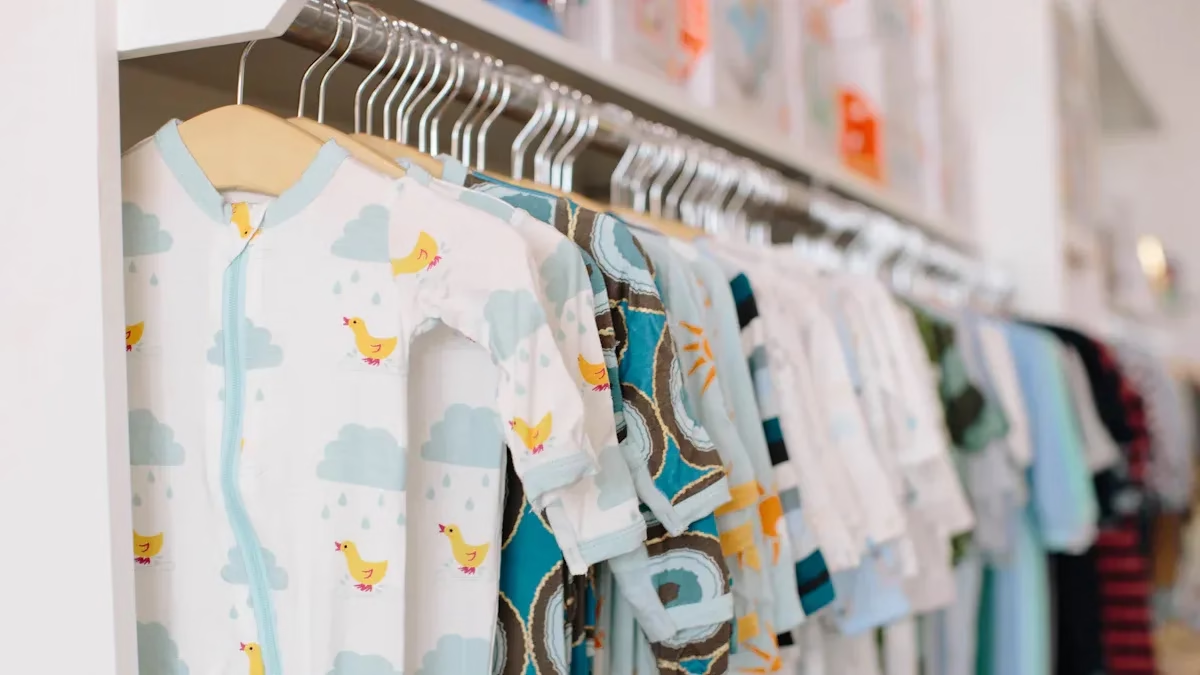
Вот несколько простых советов:
Храните детскую одежду отдельно от взрослого белья, чтобы избежать применения агрессивных химикатов.
Попробуйте разные фасоны. Некоторым малышам нравятся разные фасоны.
Часто меняйте подгузники и аккуратно очищайте кожу.
Используйте крем под подгузник без отдушек с оксидом цинка для защиты кожи.
Вам не нужны модные изделия. Сосредоточьтесь на комфорте и безопасности. Если вы будете следовать этим рекомендациям, ваш малыш избежит раздражения и останется довольным.
Примечание: Купайте ребенка губкой, пока не отпадет пуповина. Это сохранит кожу чистой и безопасной.
Вы хотите, чтобы кожа вашего ребенка была в безопасности. Органическая одежда для новорожденных помогают обеспечить комфорт и безопасность. В них меньше химикатов, чем в обычной одежде. Давайте посмотрим, как они сочетаются между собой:
Мягкие и воздушные ткани обеспечивают комфорт вашему малышу. Они помогают предотвратить раздражение кожи. Вы защищаете кожу ребенка от пыли и непогоды. Выбирая органическую одежду, вы показываете, что заботитесь о своем ребенке и о Земле. 😊
ЧАСТО ЗАДАВАЕМЫЕ ВОПРОСЫ
Действительно ли органическая детская одежда лучше для чувствительной кожи?
Да! В органической детской одежде используются натуральные волокна и отсутствуют агрессивные химические вещества. Вы снижаете риск появления сыпи и раздражения. Многие родители замечают, что в одежде из органического хлопка кожа их ребенка остается спокойной и счастливой.
Как определить, что детская одежда действительно органическая?
Ищите на этикетке такие сертификаты, как GOTS или OEKO-TEX®. Эти логотипы означают, что одежда соответствует строгим стандартам безопасности. Вы также можете проверить номер лицензии в Интернете, чтобы быть спокойным.
Быстрее ли уменьшается или выцветает органическая детская одежда?
Нет, органический хлопок хорошо держит форму. Вы получаете прочную, мягкую ткань, которая сохраняет свой цвет после многих стирок. Просто следуйте инструкциям по уходу, указанным на бирке, для достижения наилучших результатов.
Стоит ли органическая детская одежда более высокой цены?
Вы платите больше, но получаете более безопасную и долговечную одежду. Многие родители передают ее по наследству братьям и сестрам или друзьям. Вы также помогаете планете, выбирая экологически чистые варианты.
You see the best growth chances in the Children’s Clothing Market in Asia Pacific. Families there spend more on quality clothing. E-commerce provides new ways to buy clothes, enhancing the Children’s Clothing Market. North America has a market that is already developed, bringing new ideas but also facing high costs to produce clothing. Europe cares about sustainability in the Children’s Clothing Market and deals with short times for products to gain popularity. Understanding these differences helps you make smarter business choices in the Children’s Clothing Market. Increased spending, fast fashion, and a growing urban population contribute to the expansion of the Children’s Clothing Market in these regions.
Основные выводы
Asia Pacific is growing fast in children’s clothing. Families want stylish and good quality clothes. Brands should focus on these to attract buyers.
Europe cares a lot about sustainability. Brands need to use eco-friendly materials. They should also be open about how they make clothes. This helps parents trust them.
E-commerce is changing how people buy children’s clothes. Brands need to improve their online stores. This helps them reach busy families better.
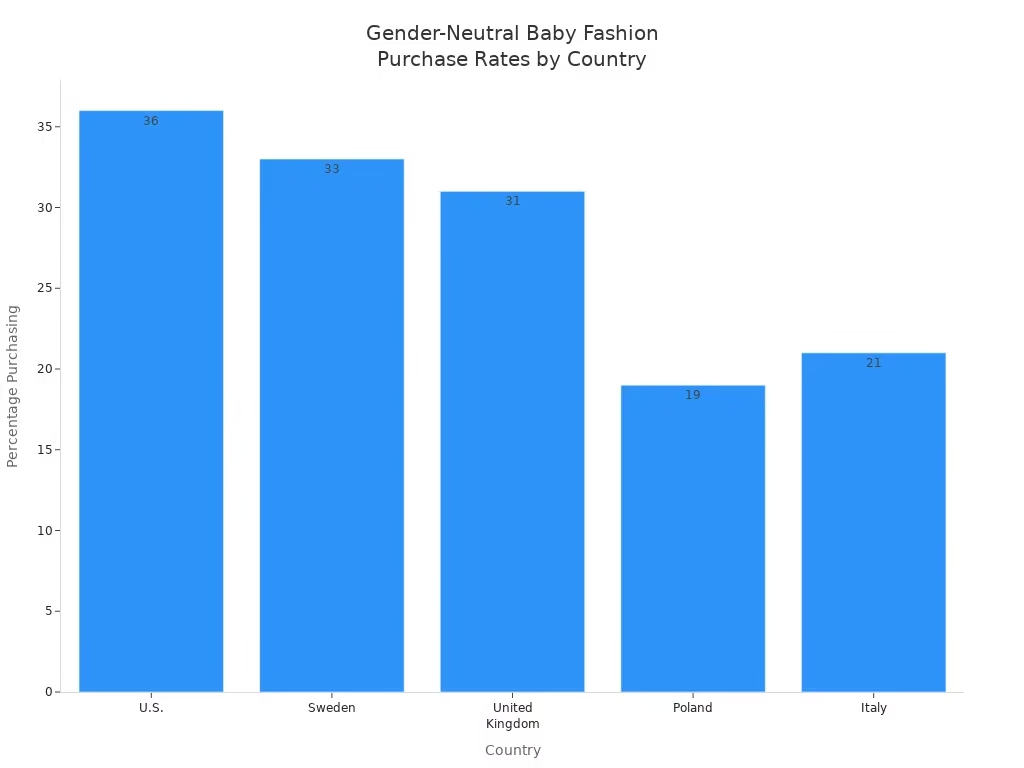
North America likes comfort and new ideas. Brands should sell organic clothes. They should also offer gender-neutral styles. This meets what shoppers want.
New markets give brands more chances to grow. Brands must learn what local people like. Using online plans can help them succeed.
Global Children’s Clothing Market Overview
Market Size and Forecast
The children’s clothing market was worth USD 256.5 billion in 2023. Experts think it will reach USD 362.8 billion by 2032. The CAGR is expected to be 4.0% for five years. This means the market will grow steadily. More families want nice and stylish clothes for their kids.
Key Growth Drivers
Many things help the children’s clothing market grow. The table below shows these important drivers and what they do:
Фактор
Описание
Expansion of E-commerce
Online shopping is growing fast. Parents use phones and like quick delivery.
Demand for Sustainable Clothing
Parents want organic and ethical clothes. This helps brands get loyal customers and make more money.
Rising Disposable Incomes
Families spend more on better clothes. They want comfort and to show their status.
Influence of Social Media
Social media affects what parents buy. Parents want trendy clothes for their kids.
Expanding Middle-Class
More middle-class families in developing countries buy nicer clothes for their children.
Parents now want brands that are ethical and sustainable.
Fast fashion gets blamed for hurting the environment.
Prices for materials change often, so costs go up and down.
There are lots of brands in developed areas, so competition is strong.
Brands need to manage supply chains well to keep products ready and control costs.
Digitalization and COVID-19 Impact
Digitalization is changing how parents buy children’s clothes. The online children’s clothing market was USD 85.7 billion in 2023. Experts think it will grow to USD 196.4 billion by 2033. The CAGR will be 8.6% from 2025 to 2033. COVID-19 made more parents shop online for ease and choices.
More internet and higher incomes help online sales grow.
Parents want sustainable and organic clothes more now.
During lockdowns, families shopped online for what they needed. This habit still continues.
Digital tools change what parents want and how they buy clothes for their kids.
The children’s clothing market grows fastest in Asia Pacific. Families here spend more on stylish and good-quality clothes. The table below shows how Asia Pacific compares to other places for growth:
Asia Pacific does not have a listed CAGR, but experts say it grows quickly. Many things help this region expand fast:
Parents want more trendy and fashionable clothes for kids.
Cities are growing, so families shop differently and want comfy, strong clothes.
Social media and celebrities make kids’ fashion trends popular.
Parents have more money, so they buy better clothes for children.
More families care about the planet, so they pick eco-friendly choices.
Asia Pacific gives brands many chances to grow in the children clothing market. If you focus on style, comfort, and being green, you can get more customers here.
North America Market Trends
North America has a mature but creative children’s clothing market. Growth is steady, with the USA at 3.2% and Mexico at 3.0%. Some trends shape this market:
Brands use smart textiles and machines to make clothes better.
Eco-friendly dyeing helps protect the environment.
There is a move toward comfort, usefulness, and gender-neutral styles.
Clothes for active kids are very popular.
Using technology and caring about the planet helps brands stand out in North America. Parents want good quality and fair production, so brands that do this can do well.
Europe Sustainability Focus
Europe’s children’s clothing market grows slower, with a 2.9% CAGR. Germany has the biggest share in this region. Europe cares a lot about being green:
Parents want eco-friendly materials like organic cotton, bamboo, and recycled polyester.
Many families want brands to use fair methods and be open about how they make clothes.
The circular economy is popular. Brands try to make clothes last and encourage recycling.
If you want to sell in Europe, focus on being green and fair. European parents want brands that help the planet and treat workers well.
Emerging Markets Overview
There are new chances in Latin America, the Middle East, and Africa. These places are smaller than Asia Pacific or North America, but they are growing. For example, the baby apparel market in the Middle East & Africa made over USD 11 billion in 2023. This market should grow at a 2.8% CAGR from 2024 to 2030. Outerwear is the top product and grows fastest.
As incomes go up and cities get bigger, more families want better and nicer clothes for kids. If you sell affordable and strong clothes, you can find new customers in these markets.
Совет: To do well in the global children’s clothing market, learn about each region’s trends and change your products for local needs. Focus on being green, comfy, and stylish to attract families everywhere.
Product and Material Trends
Popular Product Segments
Casual wear is the most popular in the children’s clothing market. Parents pick casual clothes for comfort and style every day. Top wear is a favorite for daily use. Boys’ clothing sells the most right now. Girls’ clothing is getting more popular quickly. Many parents want stylish outfits for their daughters. Fashion trends help this grow. Sportswear, sleepwear, and formal wear are also in demand. Sportswear is needed for kids who play a lot. Sleepwear and formal wear are important for bedtime and special events.
Cotton is the top pick because it is soft and comfy. Polyester is good for parents who want clothes that are easy to wash. Wool is best for cold places. Denim is great for casual styles. Some parents try new synthetic blends. But many worry about the environment.
Comfort, safety, hypoallergenic fabrics, easy dressing, practical features
Toddlers (2-5)
Н/Д
Н/Д
Kids (5-12)
Н/Д
Branded clothing, trendy garments, matching outfits for parents and children
Infants need soft, safe, and easy-to-put-on clothes. Parents want fabrics that do not cause allergies for babies. Kids aged 5 to 12 like branded and trendy clothes. Matching outfits for parents and kids are popular too. These trends help the market grow and decide what stores sell.
Tip: When picking products for your store or brand, think about the age group and what local families like. This helps you give families what they need.
Distribution Channels in Children’s Clothing Market
Families now buy kids’ clothes in new ways. E-commerce platforms change how people shop. Parents use online stores from home. There are many choices and prices to compare. Online stores deliver fast and let you return items easily. Brands reach more people with e-commerce platforms. You can shop anytime, which helps busy families. More parents use online stores, so the market grows. Brands show new styles quickly on e-commerce platforms. Online stores have special deals and discounts. Many parents trust online stores for safe payments and good service. E-commerce platforms keep growing as more families use smartphones and the internet.
Specialty and Mass Market Stores
There are two main store types for kids’ clothes. Specialty stores sell quality and unique designs. In the US, 34% of parents want branded products. Specialty stores give parents what they want. These stores make up 21% of kids wear demand. You find special styles and better materials there. Mass market stores offer low prices and convenience. You see them in malls and supermarkets. Mass market stores help families buy clothes fast. You pick these stores to save money. Specialty stores attract parents who want quality. Mass market stores help those who want affordable choices. Both store types help the market grow.
Omnichannel Strategies
Brands use smart ways to reach shoppers. Omnichannel strategies mix online stores and physical shops. You get a smooth shopping experience. Brands connect with you on e-commerce platforms and in stores. You can look online and pick up items at a shop. Leading brands use tools to manage inventory and product content.
Strategy
Описание
Multichannel Growth
Brands use e-commerce platforms to connect with many retailers and marketplaces.
Inventory Management
Brands sync inventory across online stores and shops to save time and avoid mistakes.
Enhanced Content
Brands tailor product details for each online store to attract more buyers.
You can shop where you want. Brands make it easy to find products online or in stores. Omnichannel strategies help brands grow and keep shoppers happy.
Competitive Landscape
Major Players
There are many big brands in the children’s clothing market. Some companies sell clothes all over the world. Others focus on certain places. Here are some important brands you should know:
Nike
Adidas
Carter’s
Children’s Place
H&M
The Gap
Fast Retailing
Gerber
Mattel
Li Ning These brands decide what clothes you see in stores and online. They start new trends and bring fresh ideas to children’s fashion.
Brand Differentiation
Brands work hard to be different from each other. Many companies show what makes them special. Some use eco-friendly fabrics like organic cotton or bamboo. This brings in parents who care about the planet. Other brands make gender-neutral designs for modern families. You also see brands that focus on comfort and usefulness, like leggings and sweatpants for active kids. Brands use green marketing to earn your trust. They talk about using recycled fibers and other sustainable materials. When brands share how they help the earth, you feel more loyal to them. These actions can help companies save money and make more profit.
Recent Developments
There are new ideas and partnerships in the children’s clothing market. These changes help brands connect with families and grow the market. Here are some recent examples:
Collaboration/Launch
Описание
Date
Hanna Andersson & Hidden Pigeon Company
Made clothes with famous children’s book characters. This helps buyers feel more connected.
January 2025
Bonpoint & Vanessa Seward
Started a fashion line for women and children together.
August 2024
These launches show how brands use creativity and teamwork to find new customers. You will see more cool products and partnerships as the market keeps changing.
Opportunities and Challenges by Region
Asia Pacific Drivers and Risks
There are many chances in the Asia Pacific baby and children’s clothing market. More babies are born, and middle-class families are growing. This means more people want clothes for kids. Parents look for clothes that are stylish, comfy, and good quality. Online shopping and social media help brands reach more buyers. Local governments help the textile industry. Better delivery systems make sending products easier. But there is tough competition. What people like can change quickly. New rules may affect your business. To do well, you should create new ideas. Offer sustainable and organic clothes. Work with online stores to sell more. Learn about local laws and trends. This helps you earn trust and grow your brand.
In North America, a few big companies lead the baby and children’s clothing market. This makes it hard for small brands to join. Big brands spend money on new designs and eco-friendly clothes. Prices are high because materials cost more. Fast fashion also makes prices go up. Some families think clothes cost too much. You can find chances by selling green clothes and using online stores. Try selling special items like monogrammed baby clothes. Matching family outfits are popular too. Use technology like AI to help shoppers pick clothes. This can bring in more customers.
Europe Sustainability and Fashion
Europe has chances if you sell eco-friendly and fair products. Parents want clothes made from organic materials. They care about fair work for people who make clothes. Many brands let families rent or resell kids’ clothes. In the UK, private-label and special collections are liked. French brands focus on strong clothes and organic cotton. Make your supply chain open so people know how you make clothes. Use digital tools to talk to shoppers. Mix online and store shopping to reach more families. Fashion changes fast, so keep up and be ready to change.
Emerging Markets Potential
Places like Latin America, the Middle East, and Africa are growing fast in the baby and children’s clothing market. More families want better clothes for babies. Stores and online shops are opening quickly. Big brands, like Christian Dior, now have online stores in places like the UAE. You can do well by learning what local families want. Use online shopping to reach more buyers. Try new things like virtual try-ons or subscription boxes. These ideas help with size and fit problems. These markets give you many chances to grow your business.
Asia Pacific is growing fast in the children’s clothing market. North America and Europe have steady sales. But they have high costs and lots of competition. You need to follow local trends. Focus on what families like. Here are some smart tips:
Рекомендация
Пояснение
Focus on Sustainability
Use eco-friendly materials and show how you make your clothes.
Adapt to Trends
Change your styles quickly to match new fashions.
Grow E-commerce
Sell online to reach more families and use new marketing ideas.
Innovate
Create new products to stand out from other brands.
Target Premium Market
Offer designer clothes for families who want luxury.
Keep checking the market. Try new ideas to stay ahead.
ЧАСТО ЗАДАВАЕМЫЕ ВОПРОСЫ
What drives growth in the children’s clothing market?
Growth happens because families earn more money. Cities get bigger, so more people shop. Online shopping makes buying clothes easier. Parents want clothes that look good and feel nice. They also want clothes that are good for the planet. Social media helps set new fashion trends.
How do you choose the best material for children’s clothes?
Pick fabrics that are soft and let air through. Make sure they last a long time. Cotton is comfy and feels nice to wear. Organic materials are gentle on skin. Polyester is easy to wash and take care of.
Tip: Always read labels for safety and allergy warnings.
Why is sustainability important in children’s clothing?
Buying eco-friendly clothes helps the earth. Brands use organic cotton and recycled fibers. They make sure workers are treated fairly. Choosing green clothes means less trash and less pollution.
Выгода
Описание
Healthier Kids
Fewer chemicals in clothes
Cleaner Planet
Less trash and pollution
What are the top trends in children’s clothing?
Casual clothes and sportswear are very popular now. Gender-neutral styles are also liked by many families. Parents enjoy matching outfits with their kids. Online stores show new styles fast.
How can you find the right size for your child?
Measure your child’s height and weight first. Look at the size chart for each brand. Many online shops have tools to help you pick the right size.
You want your boutique to be special with cool toddler girl boutique clothes that parents like. Wholesale manufacturers such as Petelulu help you do this. They give you safe, stylish, and dependable wholesale baby clothes for your store. Many parents now care about how clothes are made. They also care about what materials are used. See how these new needs change your business:
You want your boutique to stand out with the latest toddler girl boutique clothes. Wholesale manufacturers like Petelulu keep up with new styles every season. They watch what’s popular on social media and in big stores. You get access to fresh prints, cute colors, and playful patterns that parents love. When you work with a manufacturer who follows trends, your boutique always feels new and exciting.
Petelulu’s team studies what’s trending for toddler girl boutique clothes. They design outfits that match what families want right now. You don’t have to guess what’s in style. You can trust that your store will have the right look for every season. This helps you attract more shoppers who want something special for their little ones.
Custom Styles and Exclusive Designs
You want your boutique to offer something unique. Petelulu and other top manufacturers make it easy for you to create custom toddler girl boutique clothes. Their OEM and ODM services let you choose fabrics, colors, and details that fit your brand. You can design outfits that no other store has.
Here’s how these custom services help your boutique grow:
You get end-to-end support, from your first idea to the finished product.
You can build your brand identity with special designs and labels.
You choose eco-friendly materials and high-quality production.
You stand out in a busy market with flexible options for customization.
You can fine-tune your brand strategy with help from expert manufacturers.
You meet the demand for organic and sustainable toddler girl boutique clothes.
You build a strong position in eco-friendly fashion for kids.
Petelulu’s process is fast and simple. If you want to see a sample of your design, you don’t have to wait long. Check out how quick the turnaround can be:
You can test new styles and get feedback from your customers quickly. This helps you keep your boutique fresh and full of new toddler girl boutique clothes. When you work with a wholesale partner like Petelulu, you get the freedom to create, the speed to launch, and the support to grow.
Tip: If you want your boutique to be known for exclusive toddler girl boutique clothes, ask your manufacturer about custom options. You can create a collection that fits your vision and makes your store memorable.
You want every item in your boutique to be safe and high quality. Parents count on you to give their kids the best clothes. Working with a trusted wholesaler like Petelulu helps a lot. Let’s see how top manufacturers keep your clothes safe and steady.
Strict Quality Control
You need to make sure every dress, romper, or pajama meets high standards. Petelulu and other top suppliers use strong steps to check quality. Here’s what they do:
Workers look at all fabrics and trims before making clothes. They check for problems and make sure everything is correct.
Approval of pre-production samples
You get to see samples before the whole order is made. This lets you know how the final clothes will look and feel.
Regular quality inspection of the production process
Inspectors check clothes at different times while making them. If they find a problem, they fix it fast. This keeps quality high and work smooth.
These steps help find problems early. You get clothes that look nice and last longer. Petelulu checks fabric and patterns before making clothes. They test finished items for problems and watch every step closely. You can trust what you sell.
Tip: Always ask your supplier about how they check quality. A good partner will share details and show you reports.
Certified Safety Standards
Safety matters a lot to parents. You want clothes that are soft and safe for skin. Petelulu is known for caring about safety and the planet. Here are some important certifications to look for:
Makes sure clothes do not have harmful chemicals. Safe for babies and toddlers.
GOTS (Глобальный стандарт органического текстиля)
Shows that organic fibers and eco-friendly ways are used.
CPSIA
Meets U.S. safety rules for kids’ products.
Petelulu has all these certifications. You can tell customers your boutique sells safe, organic, and green toddler girl clothes. Other suppliers have different strengths. Appareify has ISO 9001 for quality. PKW Group has BSCI for social responsibility. Kiddies World focuses on CPSIA rules.
More brands now pick eco-friendly materials. This is not just a fad. It helps your boutique stand out and brings in parents who care about the earth. When you work with a supplier with GOTS or OEKO-TEX, you know you get real organic clothes. These certifications also show your supplier cares about workers and nature.
Picking eco-friendly materials helps you meet the need for green fashion.
Certifications like OEKO-TEX and GOTS help your customers feel safe.
Working with a certified supplier helps you make smart choices.
If you want your boutique to grow, focus on quality and safety. Choose a wholesale partner who shares your values and meets top standards. Your customers will see the difference, and your brand will earn their trust.
Flexible Wholesale Solutions For Boutiques
Low Minimum Orders
You want your boutique to stay fresh and flexible. Low minimum orders make that possible. You don’t have to buy huge amounts of clothes at once. Some suppliers, like KISKISSING, even let you order with no minimum quantity. That means you can test new styles without worrying about leftover stock.
You avoid the risk of having too many unsold items.
You keep your boutique looking new and exciting for customers.
You spend less money upfront, so you can try more styles.
Most boutique owners love this freedom. You get to offer what your customers want right now. You don’t have to wait or worry about big investments. The average cost per item at KISKISSING is between $5.00 and $8.00, so you can manage your budget easily.
Совет: Ask your supplier about their minimum order policy. Flexible options help you grow your boutique with less risk.
Fast Production And Restocking
You need to keep your shelves full and your customers happy. Fast production and restocking help you do that. Petelulu’s efficient process means you get samples quickly, often in just a week. You can see new designs and decide what works best for your boutique.
You usually place orders 3 to 6 months before you want the clothes in your store. For spring collections, you start planning in early fall. This schedule helps you stay ahead of the seasons and trends.
With fast turnaround, you can respond to what your customers want. You don’t have to wait months for new stock. You keep your boutique competitive and ready for anything.
Note: Quick restocking means you never miss out on popular styles. Your boutique stays fresh, and your customers keep coming back.
Cost-Effective Wholesale For Boutique Success
Competitive Pricing
You want your boutique to have nice styles at good prices. Families like to shop where they can save money. Buying from manufacturers like Petelulu helps you get better prices. This lets you stay ahead of other stores. Look at how Petelulu’s prices compare to other suppliers:
Supplier
Unit Price (USD)
MOQ
Notes
Hangzhou Dongcheng Trading Co., Ltd.
$4.80
300 pcs
Premium piqué cotton; embroidery
Foshan Petelulu Apparel Co., Ltd.
$4.20
500 pcs
Standard cotton blend; printing
Nanchang Chenxu Industry Co., Ltd.
$3.90
1,000 pcs
Bulk discount; organic cotton +$0.70
Henan Boders Industrial Limited Company
$3.75
800 pcs
Basic construction; budget lines
Petelulu’s prices help you spend less and still get good clothes. You can pay your bills and give customers fair deals. If you buy smart, you can set prices that bring in shoppers. This helps your boutique make money and stay open.
Tip: Always check prices and order amounts before picking a supplier. This helps you get the best deal for your store.
Profitable Retail Strategies
You want your boutique to earn money and grow. Most children’s clothing stores make between 5% and 10% profit. Some stores can make up to 47% if they use smart plans. Here are some ways to help your store make more money:
You can look at your sales to find your best items. Change your prices for different places if needed. When you work with a good wholesale partner, you can try new ideas. This helps your boutique grow and do well.
Building Strong Partnerships With Wholesale Manufacturers
Dedicated Support
You want a partner who listens and helps you grow. Petelulu gives support from your first idea to the final product. Their team answers questions quickly. You get help with design, fabric, and packaging. If you need changes, they work with you to fix things. You never feel alone during the process.
A wholesale supplier for kids’ clothing knows what matters for your boutique. They guide you through each step. You can ask for advice about trends or tips for new styles. Petelulu’s support helps you save time and avoid mistakes. You build trust with your supplier. Your boutique runs smoother.
Tip: Talk to your supplier often. Good communication helps you solve problems fast. It keeps your boutique ahead.
Collaboration On Branding
You want your boutique to stand out. Working with your manufacturer on branding helps you reach more customers. Petelulu lets you add custom labels, tags, and packaging. You can create a look that matches your brand and feels special.
Brand collaboration brings big benefits:
You share skills and learn new ways to market your boutique.
You reach new groups of people and grow your audience.
By working together, brands share their audiences. This doubles your reach. Co-branding lets you reach new groups or places that are hard to get alone.
Most brands now use affiliate programs and partnerships. Over 81% of brands have some kind of affiliate program. Many stores making over $5M get some money from affiliate sales. When you work closely with your supplier, you can join these programs and help your boutique grow.
You build a strong brand by working together. Your boutique becomes known for quality, style, and great service. Customers remember you and come back again.
You can help your boutique stand out by selling stylish, safe, and eco-friendly toddler girl clothes. Work with wholesale manufacturers like Petelulu to do this. Look at how some top suppliers compare:
Supplier
Commitment to Quality
Eco-Friendly Practices
Unique Designs
Clover Cottage
Да
Нет
Да
Catpapa
Да
Нет
Да
If you choose flexible partners, you save money and get more styles. You can buy in bulk without trouble. Your customers will be happier, and your profits can grow.
Want to make your boutique better? Try wholesale options and add new fashion to your store! 🌟
ЧАСТО ЗАДАВАЕМЫЕ ВОПРОСЫ
How do wholesale manufacturers help you offer safe clothes for children?
You get clothes made with strict safety checks. Manufacturers use certified materials that protect children’s skin. You can trust that every item meets high standards. Parents feel confident when they shop for children in your boutique.
Can you customize designs for children’s clothing with Petelulu?
Yes! You can work with Petelulu to create special styles for children. Pick colors, fabrics, and patterns that match your brand. Your boutique stands out with unique children’s clothes that families love.
What is the minimum order for children’s clothes from wholesale suppliers?
Most suppliers let you order small amounts. You can test new styles for children without buying too much. This helps you keep your boutique fresh and avoid extra stock. Ask your supplier about their minimums for children’s clothing.
How fast can you get new children’s clothing for your boutique?
You get samples in about a week. Bulk orders for children’s clothes arrive in a few weeks. Fast restocking means you always have the latest styles for children. Your boutique stays trendy and ready for every season.
Can you use dropshipping clothing suppliers for children’s fashion?
Yes, you can! Dropshipping clothing suppliers let you sell children’s clothes without keeping inventory. You choose styles for children, and the supplier ships them directly to your customers. This saves you time and money.
When you pick wholesale baby clothes suppliers, trust is important. Good quality is also very important. Many top suppliers care about the earth. They have certifications like GOTS or OEKO. Brands like Finn + Emma, Pact, Honest Baby, and Petelulu have eco-friendly choices. Some suppliers let you customize services. You can also find special designs.
Основные выводы
Know what your store needs. Decide who your customers are and what styles they like. This helps you pick suppliers that match what your shoppers want.
Ask for samples before you buy a lot. This lets you check if the baby clothes are safe and хорошее качество.
Make sure suppliers are real by looking at their certificates and reviews. This helps you доверять им and work with good partners.
Define Store Needs
Target Market & Style
You should know your customers before you look for suppliers. Are your buyers parents who want organic fabrics? Maybe they like bright colors or cool patterns. Think about what ages you want to sell to. Some stores sell only newborn clothes. Others have clothes for toddlers and bigger kids.
Pick the style you want for your store. Do you want classic, fun, or modern clothes? Suppliers like Petelulu have many styles and sizes. If you want your store to be special, find suppliers who let you customize. You can pick fabric, patterns, logos, labels, and packaging. Here is a table that shows what you can change:
Knowing how much you will order helps you plan your money. Most suppliers have different prices for different amounts. If you buy just a few, you pay regular prices. If you buy more, you get wholesale prices. Here is a table to show how it works:
Tier
Quantity Range
Pricing Type
1st Tier
1-5 pieces
Standard Pricing
2nd Tier
6 or more (same color and size)
Wholesale Pricing
Think about what services you want from suppliers. Some stores want blank clothes. Others want printing or embroidery. Many suppliers have lots of colors and styles. This helps if you want to offer more choices or run sales.
Tip: Make a list of what you need before talking to suppliers. This helps you compare and stick to your budget.
You want to get the best baby clothes for your store. Start by looking online and going to trade shows. Many websites help you compare suppliers and see their products. Here are some good places to begin your search:
Платформа
Основные характеристики
Dhgate
Has over 33 million products. Ships fast. Offers cheap baby clothes.
Dollar Days
Gives big discounts. No minimum order. Offers drop shipping. Ships quickly from 300 warehouses.
SugarBabies
Free shipping if you spend over $99. Fast customer support. No minimum order.
KidsWholesale
Sells only children’s clothes. Has low minimum order. Ships fast in the UK.
Angel Wholesale
No minimum order. Ships in 48 hours in the UK. Low shipping costs. Sells unique brands.
ShirtSpace
Has over 6,000 products. No minimum order. Good prices. U.S.-based support.
Üçler Store
Offers customization. Ships fast. Has many products.
Some suppliers are known for being reliable and having good quality. Petelulu has 17 years of experience. They use organic and recycled materials. Finn + Emma is famous for eco-friendly, organic baby clothes. They were featured in Vogue Magazine. Mud Pie sells many stylish baby clothes and accessories. Remember these names when you look for wholesale baby clothes.
Tip: Trade shows let you meet suppliers in person. You can see samples, ask questions, and build trust before you buy.
Shows materials are safe. Parents and stores feel better.
Сертификация GOTS
Proves organic and responsible making. Eco-friendly shoppers like this.
Сертификация BSCI
Means ethical production. Brands and stores trust these suppliers more.
Petelulu has BSCI, OEKO, and GOTS certifications. This means their baby clothes are safe, eco-friendly, and made fairly. Finn + Emma also uses organic fabrics and cares about the planet. When you see these certifications, you know the supplier cares about safety and quality.
Always check reviews and ask for references. Good suppliers have happy customers and clear records. If you can, order samples before you buy a lot. This helps you avoid mistakes like picking the wrong products or ignoring your customers.
Note: Good suppliers make it easy to check their credentials. If a supplier won’t answer your questions, look for another one.
You should know what you buy before ordering a lot. Ask your supplier to send you samples. When you get them, check the stitching. Feel the fabric and look at how the clothes are finished. Good samples show if the clothes are strong and soft. You can find problems early. This step helps you make sure the clothes are safe and good for babies. If you skip this, you might get clothes that do not fit your store.
Tip: Always look at samples from different suppliers. This helps you choose the best one for your customers.
Safety Standards & Certifications
Safety is very important when selling baby clothes. Babies have sensitive skin. You need clothes without bad chemicals or choking risks. The best suppliers follow strict safety rules. They use labs to test their products. They use safe dyes and materials. They check quality at every step.
Makes sure fibers are organic and workers are treated fairly.
OEKO-TEX®
Tests for harmful substances
Makes sure products are safe and clear for buyers.
BSCI
Business Social Compliance Initiative
Makes sure workers have good conditions.
CPSC
Consumer Product Safety Commission
Makes sure products follow safety rules in the US.
If you see these certifications, you know the baby clothes are safe and you can trust them.
Product Range & Trends
You want your store to be special. Look for suppliers with many styles, sizes, and colors. Some, like Petelulu, use экологически чистые ткани like organic cotton and bamboo. These are soft and help protect from fire. Many parents now want clothes that are good for the earth. This trend helps your store get loyal customers who care about health and nature.
Here are some things you might find:
Eco-friendly and organic fabrics
Seasonal and trendy designs
Custom options for your brand
Fast shipping and flexible order sizes
Picking a supplier with lots of choices keeps your store fun and new.
Compare Pricing & Terms
Wholesale Pricing Structures
Когда вы ищете wholesale baby clothes suppliers, prices can be very different. Some suppliers give discounts if you buy a lot. Others let you buy just a few, but each item costs more. Some suppliers do not have a minimum order. Others have strict rules about how much you must buy. Here is a table to help you compare:
Supplier Name
Minimum Order
Material Type
Special Features
Guangzhou Elina Garment Co., Ltd.
Н/Д
Various fabrics
Stylish designs for special occasions
Keenago Holdings Limited
500 pieces
Organic bamboo
Sustainable options, customization available
Fuzhou Lida Industrial Development
100 sets
Н/Д
Customization options available
If you want more choices, pick suppliers with low minimums. If you buy a lot, you can save money.
Minimum Orders & Payment
Each supplier has rules about how much you must buy. This is called the minimum order quantity, or MOQ. Some let you buy just a few items. Others want you to buy hundreds at once. Here is a quick guide:
Minimum Order Requirement
Описание
MOQ
The smallest number of items you must buy. Some suppliers have strict MOQs. Others let you buy less, but you pay more for each item.
Payment rules are important too. Some suppliers want you to pay before they ship your order. Others let you pay after you get your items. You can use credit cards, Paypal, or bank deposits. Here is a table to show your choices:
Условия оплаты
Описание
Prepayment
You pay before you get your order.
Net-30, Net-60, Net-90
You pay 30, 60, or 90 days after you get your order.
Payment Methods
You can pay by credit card, cheque, Paypal, or bank deposit.
Tip: Always ask about payment rules before you order. This helps you plan your money and avoid problems.
Shipping & Delivery
Shipping can change how much you pay and how fast you get your order. Some suppliers ship quickly. Others take longer. Ask about shipping costs, delivery times, and tracking. If you need your baby clothes fast, pick suppliers who ship quickly. You can also ask if they have express shipping or free delivery for big orders.
Note: Good suppliers tell you about shipping and keep you updated. This helps you serve your customers well.
Evaluate Customer Service
Communication
Вам нужен supplier who listens to you. They should answer your questions fast. Good communication helps you do your job better. If you ask about products or orders, you should get clear answers. Some suppliers give you an account manager. This person helps with your orders and fixes problems. You feel safe when someone is there to help.
Tip: Try calling or messaging before you buy. See if the supplier answers quickly and helps you.
Return Policies
Return policies are important for wholesale baby clothes. You need to know what happens if something is wrong. Most suppliers have easy-to-understand rules. You may have to send items back with tags still on. You usually pay for shipping when you return things. Getting shipping refunds is rare. You can often swap sizes. Store credit is common and does not expire.
Аспект
Подробности
Exchange Policy
You can swap for a different size.
Store Credit
You get store credit for returns, and it never expires.
If you get damaged items, tell the supplier in 7 days. You can get a refund, store credit, or swap. Always read the supplier’s rules before you order.
After-Sales Support
After you get your order, good suppliers keep helping you. You might need help with products or shipping. Some companies, like Clover Cottage, give personal help and support. They help you pick products and answer your questions. They fix delivery problems too. This support makes your store better and helps you grow.
Note: Good after-sales support builds trust. It makes you want to order again.
Build Supplier Relationships
Negotiating Deals
You want good prices for your store. Pick suppliers who can fill your orders. Make sure they ship on time. Check that they use safe and strong materials. If you work well with them, you can ask for discounts. Suppliers like stores that order often and pay fast. You can save money by combining shipping costs. Look for deals during holidays or school time. Some suppliers give special offers at these times. Ask about these deals when you order.
Here are smart ways to make deals:
Choose suppliers who ship and make products on time.
Order often to show you are loyal.
Ask for discounts on big orders.
Combine shipping to pay less.
Look for deals during busy seasons.
Tip: Good deals help you save money and stay ahead.
Open Communication
Talking with your supplier helps a lot. Stay in touch and share your thoughts about products. If you have a problem, tell them quickly. Suppliers like polite and clear messages. This helps you fix problems and keep working together.
Good relationships help you keep the right amount of stock. Suppliers can help you avoid running out of popular items. Working together helps you meet customer needs and grow your store.
You want your store to be different from others. Make a checklist before you choose suppliers. Check if they test for quality. See if they talk to you and help you. Look at how fast they make products and how many you can order. Check their prices and how you pay them. Certifications and green materials help people trust your store. Good customer service makes parents want to shop again. Picking smart suppliers helps your store get bigger.
ЧАСТО ЗАДАВАЕМЫЕ ВОПРОСЫ
How do you know if a supplier is eco-friendly?
Check for certifications like GOTS or OEKO-TEX. Ask what fabrics they use. Find out how they make their clothes. Some suppliers, like Petelulu, use organic and recycled materials.
Can you order custom baby clothes for your store?
Yes, you can order детская одежда на заказ. Many suppliers let you pick fabrics and patterns. You can add your own logo too. Petelulu offers OEM and ODM services for easy changes.
What should you check before placing a big order?
Ask for samples before you buy a lot. Look at the quality and safety certifications. Check how long delivery will take. Read reviews from other stores. Good suppliers answer questions and have clear rules.
You might feel stressed when looking for children’s clothing manufacturers for startups. Many new brands have trouble finding partners with the same values. If you want to start a children’s line, you need children’s clothing manufacturers who care about safety and quality. Think about your brand’s promise to be sustainable and ethical. Petelulu and other trusted companies provide real help to turn ideas into products.
Основные выводы
Decide what your brand stands for before you talk to manufacturers. This helps you find partners who share your goals.
Make a smart budget for your startup. Begin with small orders to see how things go and lower money risks.
Talk clearly with your manufacturer and set rules early. This helps you build a strong partnership that lasts a long time.
Identifying Startup Needs for Clothing Manufacturers
Defining Product and Brand Vision
You should know what you want before talking to clothing manufacturers for startups. First, look at your market and see where you fit in. Think about what makes your brand special. Make a brand identity that your customers will like. Pay attention to the materials and how your clothes look. If you want to make clothes for kids, work with children’s clothing manufacturers who care about safety and style. Petelulu is a company that makes baby and children’s clothing. They help you turn your ideas into real products.
Tip: Write your brand values and product goals down. This helps you talk clearly with any clothing manufacturer.
Look at your market and find your niche
Make your brand stand out
Build a brand identity for your customers
Pick good materials and make your clothes look nice
Budgeting and Order Quantities
You need to plan your money before you start making clothes. Most new brands spend between $5,800 and $17,000 to start an online clothing line. Big retail brands often spend $64,500 to $131,300. The number of items you order changes your costs. Here is a simple table that shows common first order sizes and costs:
Заказ Количество
Estimated Cost Per Unit
Total Cost
100 Units
$15.00
$1,500
300 Units
$12.00
$3,600
1000 Units
$9.00
$9,000
Note: Start with a small order to test your market and lower your risk.
Service Requirements: OEM, ODM, and Customization
You should know what services you want from clothing manufacturers. Many new brands want to customize, get products fast, and have good quality. Some manufacturers offer OEM and ODM services. Petelulu gives both and lets you customize baby and children’s clothing. Make sure your clothing manufacturer fits your needs and can do what you want.
Picking the right clothing manufacturers for startups helps you build a strong brand.
Types of Clothing Manufacturers for Startups
Children’s Clothing Manufacturers: Special Considerations
When picking children’s clothing manufacturers, safety and quality matter. You should look for companies with good certifications. Petelulu is special because it has OEKO-TEX, GOTS, and BSCI certifications. These show they use safe and eco-friendly materials. Check for things like strong buttons, no drawstrings, and flame-resistant sleepwear. These features help keep kids safe. Top manufacturers test their fabrics and seams to make sure they are strong.
Certification/Feature
Описание
OEKO-TEX Standard 100
Fabrics free from harmful substances
GOTS
Organic and sustainable materials
ASTM International
Safety standards for flammability and durability
Secure Buttons
Prevents choking risks
No Drawstrings
Eliminates strangulation hazards
Flame-resistant Sleepwear
Required for babies 9 months and older
Non-toxic Dyes
Safe, lead-free colors
Контроль качества
Fabric, seam, and wash testing
Tip: Always ask your clothing manufacturer about safety features and certifications.
Cut & Sew, Full Package, and CMT Explained
There are different ways to make clothes for startups. Each way has its own benefits. CMT means you have more control over your design. It costs less because you pay for labor only. You can change designs easily with CMT. FPP covers all services, but costs more. It is harder to change designs in the middle. CMT is good for small orders and growing brands. FPP works well if you want everything handled by the factory. Lead times are shorter with CMT because you control the process. FPP takes longer since the factory manages everything.
Характеристика
CMT (Cut, Make, Trim)
FPP (Full Package Production)
Control
High control over design
Less control over design
Стоимость
Lower, pay for labor only
Higher, covers all services
Гибкость
Easy to change designs
Harder to change mid-process
Масштабируемость
Good for small runs and scaling
Flexible for growing brands
Lead Times
Shorter, direct control
Longer, factory-managed
You can also pick OEM, ODM, private label, or white label models. These let you choose how much control you want over your brand and design.
Domestic vs. Overseas Production
You need to choose where to make your clothes. Domestic manufacturers work faster but cost more. Overseas manufacturers are cheaper but take longer.
Production Type
Lead Times
Costs
Domestic Manufacturers
Faster turnaround times
Higher production costs
Overseas Manufacturers
Longer lead times
Lower production costs
Many startups use Maker’s Row, Alibaba, and Kompass to find partners. You should always research each clothing manufacturer to make sure they fit your brand.
Finding Clothing Manufacturers for Startups
Online Directories and Platforms
You can look for clothing manufacturers online. These websites help you compare different companies. You can find ones that fit your needs. Maker’s Row, ThomasNet, Kompass, Alibaba, and Global Sources are popular choices. Each website lets you sort by location, specialty, and certifications. Check shipping times, prices, quality, and experience before you reach out.
Tip: Read industry magazines and visit trade association sites. These can help you find more contacts and learn about new trends.
Common online resources for startups:
Ряды мастеров
ThomasNet
Kompass
Alibaba
Global Sources
Trade Shows and Networking
Going to trade shows lets you meet manufacturers in person. You can look at samples and ask questions. You can compare what each company offers. Trade shows have many suppliers in one place. This makes it easier to find the best match. Networking at these events helps you make friends and learn from others.
How to make the most of trade shows:
Write down questions about order sizes and timelines.
Collect business cards and brochures from companies.
Join workshops or panels to hear expert advice.
Contact people you met after the event.
Note: Trade shows and networking events help you find good manufacturers and build strong partnerships.
Referrals and Industry Connections
Getting referrals from other designers or brand owners is helpful. Recommendations from people you trust make you feel sure about a manufacturer. They help you avoid mistakes. You can join fashion forums, Facebook groups, and online communities. These places let you talk to people with experience.
Ways to build industry connections:
Ask designers or brand owners for referrals.
Join fashion groups and forums online.
Search for local manufacturers on Google or social media.
Go to industry events and join online communities.
Networking helps you find clothing manufacturers for startups that share your brand’s vision and values.
Vetting Clothing Manufacturers: Key Steps
Picking the right partner is very important for any startup. You want clothing manufacturers who care about your values and make good products. Here are ways to check clothing manufacturers and avoid mistakes.
Questions to Ask Potential Partners
You should ask good questions when you check clothing manufacturers. These questions help you see if a manufacturer fits your needs and can help your business.
What kinds of clothes do you make?
What services do you give, like CMT, FPP, or samples?
How long does it take to make samples and big orders?
How do you fix problems or check quality?
Can I place a small test order?
How do you set your prices?
Can you show references or reviews from other clients?
Tip: Always ask for a sample before a big order. This lets you check the quality and see if the manufacturer meets your needs.
Evaluating Experience and Certifications
Experience and certifications show if a clothing manufacturer is trustworthy and fair. Look for companies with a good history and the right certificates. Petelulu, for example, has BSCI, OEKO, and GOTS certifications. These mean the manufacturer uses safe materials, treats workers fairly, and cares about the environment.
Сертификация GOTS: This means products use at least 95% organic fibers. It checks the whole supply chain and supports people and the planet.
Сертификация OEKO-TEX: This means products do not have harmful substances. The rules change every year to keep things safe.
Сертификация BSCI: This is about better working conditions and social responsibility. Factories must follow rules and get checked often.
You can also ask for stories or reviews from other startups. These stories show how the manufacturer helped other brands. They give you real examples of what to expect during production.
Red Flags and Common Pitfalls
You need to watch for warning signs when checking clothing manufacturers. Some red flags can help you avoid big problems.
Common Red Flags to Watch For: They do not answer your questions clearly. They will not give a sample before a big order. They do not have a real website or business address.
You may get bad quality if you skip asking for samples.
High-Pressure Sales Tactics
Pushy salespeople may not care about your needs.
Vague Responses to Questions
Unclear answers can mean they are not professional.
Unprofessional Website or Address
A weak online presence can mean an unreliable manufacturer.
Do not pick a clothing manufacturer just because they are cheap. Low prices can mean low quality, which can hurt your brand. Always look for clear answers, a real address, and a good website. Ask for samples and check their quality control steps. The best clothing manufacturers will be honest and ready to help you grow.
If you follow these steps, you can find clothing manufacturers for startups who want you to do well. Take your time to check clothing manufacturers and build a strong start for your brand.
Production and Development Transition for Startups
The production and development transition is very important for new brands. You go from planning and designing to making real clothes. This step helps you turn your ideas into finished products. You must work closely with your clothing manufacturer. This helps you avoid mistakes and delays.
Creating Tech Packs and Specifications
Tech packs are important tools for clothing manufacturers for startups. You use tech packs to show all the details of your design. A good tech pack helps your clothing manufacturer understand your ideas. It helps them follow your instructions. You should add clear drawings, measurements, and a list of materials. You also need to include notes about colors, trims, and packaging.
Label every seam, stitch, closure, and design element.
Simplicity
Keep sketches simple and easy to read.
Bill of Materials (BOM)
List every material needed for your garment.
Garment Measurement Specifications
Give all measurements and include tolerance levels.
Cost Sheets
Break down costs for materials and labor.
Additional Elements
Add colorways, fabric placement, and packaging details.
Tip: A clear tech pack helps you avoid confusion. It saves time when you make your clothes.
Sampling and Prototyping
Sampling and prototyping help you test your designs before making many clothes. You start with prototype samples to check your ideas. You use fit samples to see how the clothes look and feel. Pre-production samples let you review the final design. Top of production samples come from the first batch and show the finished product.
Fit Samples: You check the fit and design based on your instructions.
Pre-Production Samples: You approve the final sample before making many clothes.
Top of Production Samples: You check the first samples from production for quality.
You need to give clear feedback to your clothing manufacturer at each step. This helps you fix problems quickly. It also reduces the number of sample rounds. You should plan your timeline. Sampling and prototyping can take several weeks, so set realistic deadlines.
Note: Sampling helps you find mistakes early. It improves quality control.
Approving Samples and Moving to Bulk Production
You must approve samples before making many clothes. You review and test the final sample. You share feedback with your supplier and confirm pricing. You talk about terms and conditions. You choose your supplier based on the sample and the agreement.
At the end of the sample approval process, make sure the final sample matches what you want. This sample becomes the reference for your production process. Both you and your supplier use it to check the finished clothes.
Here are the steps to move from sample approval to making many clothes:
Share feedback with your supplier after testing samples.
Confirm pricing and make sure costs fit your budget.
Talk about final terms and conditions.
Choose your supplier and start making many clothes.
You need to check quality during bulk production. You should look at samples from the production line to make sure they match your approved sample. You also need to track progress and talk with your clothing manufacturers. Using fashion PLM software helps you follow each step and avoid confusion.
Callout: Always keep records of your approved samples and agreements. This protects your brand and helps you fix problems if they happen.
The production and development transition is a big step for startups. You need to make your process better, use clear tech packs, and give feedback often. You also need to get your design and production teams working together early. These tips help you move smoothly from development to production and build a strong brand.
You must plan every step in making clothes. Startups talk with their clothing manufacturer to pick fabrics. They make samples and test products together. Before making lots of clothes, you finish planning and confirm your production slot. You also set a clear timeline for each step. Most factories take 2 to 8 weeks to finish orders. The time depends on how many clothes you want and the style. Here is a simple chart that shows the steps in making clothes:
Шаг
Описание
Materials Approval
Check and approve all fabrics and trims
Cutting
Cut fabrics using approved patterns
Шитье
Skilled workers or machines sew garments
Finishing
Add labels, tags, and final touches
Tip: Always check your timeline with your manufacturer. This helps you avoid delays.
Quality Assurance and Inspections
Quality control helps you build a good brand. You need a process to check every part of making clothes. Teach your team to find mistakes early. Use AQL sampling to check some items in each batch. Store finished clothes in safe places to stop defects. Write down inspection results to find problems and get better. You can hire experts to do extra checks. Inspections at the factory help find issues before shipping. Good quality clothes make customers trust your brand.
Check products during and after making them
Teach staff to follow quality rules
Use sampling to check quickly
Store clothes the right way to keep them nice
Write down inspection results to improve
Communication and Expectation Management
Talking clearly helps you stop problems when making clothes. Visit your manufacturer’s factory if you can. This helps you trust them and see how they work. Share your product details and quality rules to set clear goals. Meet often to talk about progress and fix problems fast. Respect your manufacturer’s skills and be fair when you talk. Open talks help you work together and reach your goals.
Callout: Give updates and honest feedback often. This keeps your production on track and helps you succeed for a long time.
Building Long-Term Partnerships with Clothing Manufacturers
Agreements and Clear Terms
You build trust by making clear agreements with your manufacturer. Write down what you expect for time, quality, and delivery. Use easy words in your contract so everyone understands. Talking clearly helps stop mistakes and confusion. If a problem happens, work together to fix it. Petelulu gives flexible ways to pay and fast service, which helps startups. When you set clear rules, you show you want to work together for a long time.
Make sure each step has a clear timeline.
Agree on how to check quality and inspect products.
Write down how and when you will pay and get your order.
Work together to fix problems when they come up.
Tip: Always look over your agreement before you start making clothes. This keeps your brand safe and helps you build a strong team.
Consistent Communication
You need to talk often with your manufacturer. Share news about your business and any changes to your products. Ask questions and give feedback at every step. Treat your manufacturer like a teammate, not just someone who sells to you. Being respectful and clear builds trust. Start with a small order to see how you work together. Talking often helps you do well with your manufacturer for a long time.
You plan to grow with your manufacturer by setting goals and using smart steps. First, look at where your business is now. Use a SWOT analysis to find what you do well and what needs work. Make your production faster and waste less by using machines and tools. Try to find new customers and markets. Use technology to help design and manage your work. Set clear goals and make a plan for each step. Fix problems that slow you down and use your resources wisely. These steps help you grow and do well with your manufacturer for a long time.
Find what you do well, what needs work, and new chances.
Use Machines and Tools
Make things faster and waste less.
Find New Customers
Look for new people who might buy your clothes.
Use Technology
Use computers and software for design and management.
Set Clear Goals
Make goals that are easy to measure and understand.
Make a Step-by-Step Plan
Break big goals into small steps.
Fix Problems in Production
Solve issues that slow you down.
Use Resources Wisely
Balance your money and supplies to help you grow.
Note: Pick a clothing manufacturer who helps you grow and cares about being green and making customers happy.
You can make a strong clothing brand if you follow simple steps. First, do research to learn about the market. Pick a manufacturer who shares your values. Tell them what you need at each step. Always care about quality and doing things the right way. Work with trusted partners like Petelulu to help you do well.
Совет: Start now. Contact a manufacturer, explain your ideas, and begin your path in the clothing business.
ЧАСТО ЗАДАВАЕМЫЕ ВОПРОСЫ
What is the minimum order quantity for most clothing manufacturers?
Most manufacturers want you to order 100 to 300 pieces. Some let you try smaller test orders first. Always ask about the minimum order before you start.
How do you check if a manufacturer uses safe and eco-friendly materials?
Look for certificates like OEKO-TEX, GOTS, or BSCI. Ask the manufacturer to show proof of these certificates. You can also ask for samples to check the fabric.
Tip: Always read the labels and ask about the materials.
How long does it take to produce a clothing order?
The time to make clothes depends on your order and design. Most manufacturers finish orders in 2 to 8 weeks. Always check the timeline before you order.
Order Size
Estimated Production Time
Small (100 pcs)
2-4 недели
Large (1000+)
6-8 weeks
Can you customize designs with manufacturers like Petelulu?
Yes, you can change designs, fabrics, and sizes. Petelulu gives OEM and ODM services. You share your ideas, and their team helps you make special products.
What should you include in a tech pack for your clothing line?
You need to add drawings, sizes, fabric choices, colors, and trim details. A clear tech pack helps your manufacturer know what you want.
Note: Simple and clear tech packs help you avoid mistakes and save time.