
How much money will I need to start a baby clothing brand
You might wonder how much money you need to start a baby clothing brand. The answer can surprise you. Some people begin with just £200, while others invest over £80,000. Your starting budget depends on your goals and how you want to launch. > You can find ways to save or spend more, depending on your vision. This guide gives you real examples and tips for every budget.
الوجبات الرئيسية
المحتويات
You can start a baby clothing brand with a budget as low as £200. Focus on a few quality products to test your idea.
A mid-range budget of around £5,000 allows for more products and better branding. This can help you reach more customers.
Consider your priorities when budgeting. Product development and manufacturing should come first, followed by branding and your website.
Small changes in supplier choices or order sizes can significantly impact your budget. Always look for cost-saving strategies.
A clear business plan is essential. It helps you track expenses and make informed decisions as you grow your brand.
Startup Cost Range for a Baby Clothing Brand
When you plan your baby clothing brand, you need to decide how much you want to spend. Your budget shapes your choices. You can start small or aim for a bigger launch. Here are some real examples to help you understand what different budgets look like.
Minimal Investment Example
You can start a baby clothing brand with as little as £200. This approach works best if you want to test your idea before spending more. You might choose to sell only one or two products, such as a simple baby bodysuit or a pair of leggings. You can use print-on-demand services or buy blank items and add your own designs at home.
Tip: Start with a small range. Focus on quality and unique designs. This helps you stand out without spending much.
Here is how you might spend your £200:
البند | التكلفة التقديرية |
|---|---|
Sample products | £60 |
Basic logo design | £30 |
Simple website setup | £50 |
Packaging materials | £30 |
Marketing (social ads) | £30 |
You can use free tools for your website and design. You can pack orders yourself. You do not need to rent a shop or buy lots of stock. This keeps your risk low and lets you learn about your customers.
Mid-Range and Larger Budgets
If you want to offer more products or create a strong brand, you might need a bigger budget. Many people start a baby clothing brand with around £5,000. This allows you to order more stock, work with a manufacturer, and invest in better branding.
A typical £5,000 budget might look like this:
Product samples and first inventory: £2,000
Professional logo and branding: £500
Custom packaging: £400
Website with e-commerce features: £800
Marketing and photoshoots: £800
Legal and admin fees: £500
You can launch with five to ten products. You can use professional photos and run ads to reach more parents. You can also register your business and protect your designs.
Some founders choose to invest much more. For example, a larger launch with £83,500 can cover:
Custom product development and bulk manufacturing
Full branding package and custom packaging
High-quality website with advanced features
Large marketing campaigns and influencer partnerships
Renting a small office or studio
Hiring staff for packing and customer service
This approach suits you if you want to scale quickly or compete with established brands. You can offer a wide range of products and build a strong presence from day one.
Note: The right budget depends on your goals. Start small if you want to learn and grow slowly. Invest more if you have a clear plan and want to make a big impact.
No matter your budget, you can find a way to launch your baby clothing brand. Start with what you have and build from there.
Key Cost Components
Product Development
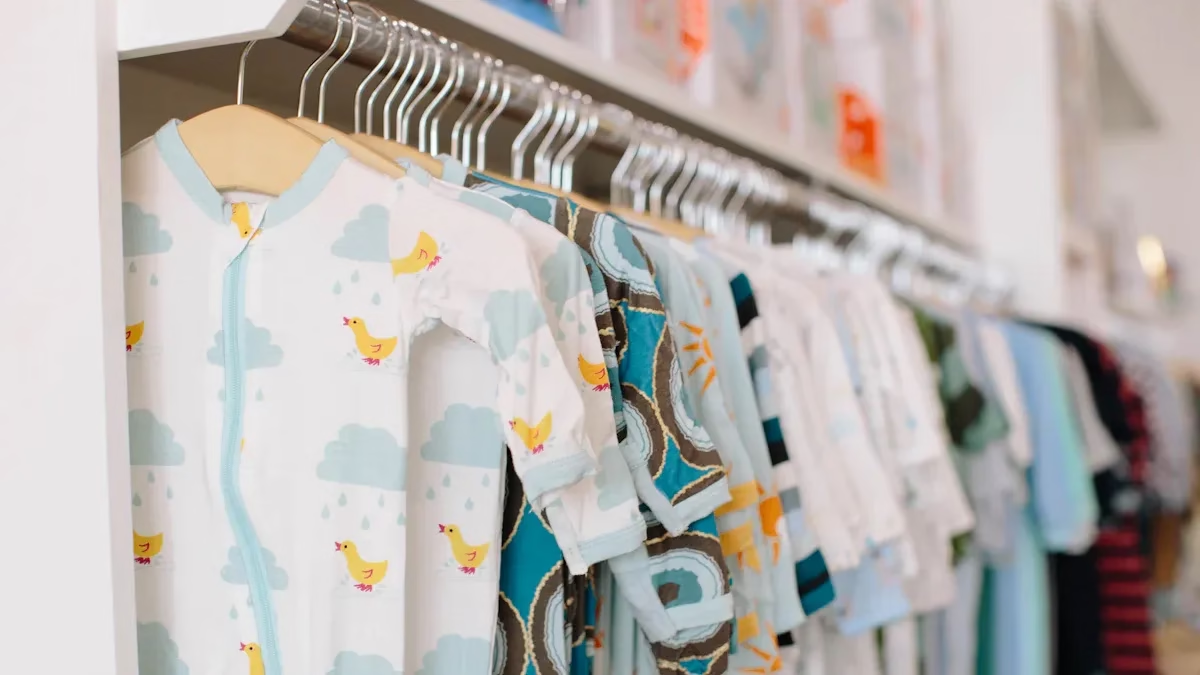
You need to make designs that parents will like. You can draw your ideas or use design software. Making samples can cost £60 for simple ones. Custom pieces can cost a few hundred pounds. A good business plan helps you pick how many styles to start with. It also helps you know where to spend your money.
Manufacturing & Inventory
Manufacturing costs change based on where you make things. The number of items you order also matters. If you order more, each item costs less. This is because manufacturers give better prices for big orders. Here is a table that shows usual minimum order amounts for baby clothing:
موقع الشركة المصنعة | موك (الحد الأدنى لكمية الطلب) | نوع المنتج |
|---|---|---|
China (Visionise) | 100 units per style/colour | Baby clothing, Kidswear |
China (Nantong) | 100 units per style/colour | Kids sleepwear, Baby sleeping bag |
India (Andheri) | 80 units per style/colour | Clothing, Underwear |
بولندا | 200 units per style/colour | Lingerie, Activewear |
Bigger orders make each item cheaper.
You save money when you order more at once.
Branding & Packaging
Branding and packaging help your products get noticed. Nice packaging can help you sell more. Many people pick products because of the packaging look and feel. You can buy custom labels, boxes, and bags. Simple packaging starts at £30. Fancy packaging costs a lot more.
67% care about what the packaging is made from.
Website & Online Shop
You need a website to sell your clothes. The price depends on what you want your site to do. A simple website can cost £50. A fancy online shop can cost up to £8,000. You also need to pay for hosting, updates, and legal pages. Here is a table with common website costs:
Item Description | التكلفة |
|---|---|
Starter e-Commerce Website Package | $9777 |
1 year website hosting | $222 |
SEO copywriting | $2000 |
Brand strategy document | $1700+ |
Legal page content | $181 |
1 month maintenance | $198 |
Marketing & Promotion
Marketing helps you find parents who want to buy. You can use social media ads and work with influencers. You can also run remarketing campaigns. Many brands spend £800 or more to launch. Remarketing helps you get more clicks and sales.
Cart abandonment retargeting can boost sales by up to 26%.
Legal & Admin Fees
You must register your business and keep your designs safe. Legal fees start at £100 for basic registration. You might need money for trademarks and insurance too. A business plan helps you keep track of these costs.
Tip: Make a clear business plan before you spend any money. This helps you know what is most important and stops you from spending too much.
Budgeting & Saving Tips for Your Baby Clothing Brand
Prioritising Expenses
Think about which costs are most important for your brand. Write down all the things you need to pay for. Put product development and manufacturing first. These help you make clothes parents want. Next, look at branding and your website. Good branding helps people notice your brand. A simple website lets you sell online for less money. Leave things like fancy packaging or paid adverts until you have more money.
Tip: Make a table to track your spending. This shows where your money goes and helps you find ways to save.
Expense Area | Priority Level | الملاحظات |
|---|---|---|
Product Samples | عالية | Test quality |
عالية | Secure stock | |
العلامة التجارية | متوسط | Build recognition |
الموقع الإلكتروني | متوسط | Enable sales |
التعبئة والتغليف | منخفضة | Upgrade later |
التسويق | منخفضة | Start with free tools |
Cost-Saving Strategies
You can spend less by making smart choices. Try these ideas:
العمل مع good suppliers for fabrics and materials. Check their prices, quality, and delivery times.
Compare suppliers nearby and far away. Local ones may deliver faster. Overseas ones often cost less.
Use just-in-time inventory. Order stock only when you need it. This saves on storage and helps you follow trends.
Choose if you want to make products yourself or use manufacturers. Outsourcing can save time and money.
Note: Small changes, like picking new suppliers or changing order sizes, can help your budget a lot.
Small-Scale vs. Larger Launch
You need to pick between starting small or going big. A small launch helps you test what customers like. You can see if parents want eco-friendly or regular products. Eco-friendly choices cost more, but some people pay extra for them. This can help build trust and loyalty. If you know what your customers want, you can make better choices about your launch and sustainability.
Being sustainable can save money over time. Cutting waste and saving energy lowers costs in the future.
A bigger launch needs more money. It helps you reach more people fast, but it is riskier.
Tip: Start small if you want to learn and grow. Make your brand bigger when you know what works.
You can start a baby clothing brand with a small or large budget. Main costs include product development, manufacturing, branding, your website, marketing, and legal fees. A clear business plan gives you focus and helps you make smart choices. It acts as your roadmap and keeps your goals in sight. You can use tools like cost outlines, market research, and expert advice to plan your spending. Start with what you have, track your costs, and adjust as you grow. Careful planning helps you build a brand that lasts.
الأسئلة الشائعة
How do you choose the right supplier for baby clothes?
You should compare prices, quality, and delivery times. Ask for samples before you order. Check reviews from other brands. Reliable suppliers help you avoid delays and poor products.
Can you start a baby clothing brand from home?
Yes, you can begin at home. You can design, pack, and ship products yourself. Many new brands use spare rooms or garages. This saves money and keeps your risk low.
What legal steps must you take before selling?
You must register your business. You should check safety rules for baby clothes. You may need insurance and trademarks. These steps protect your brand and help you trade safely.
How can you market your baby clothing brand on a small budget?
You can use free social media tools. You can post photos and stories about your products. You can ask friends to share your posts. You can join parenting groups online to reach more people.