
الدليل الشامل لأقمشة ملابس الأطفال: الإنترلوك مقابل الجيرسيه
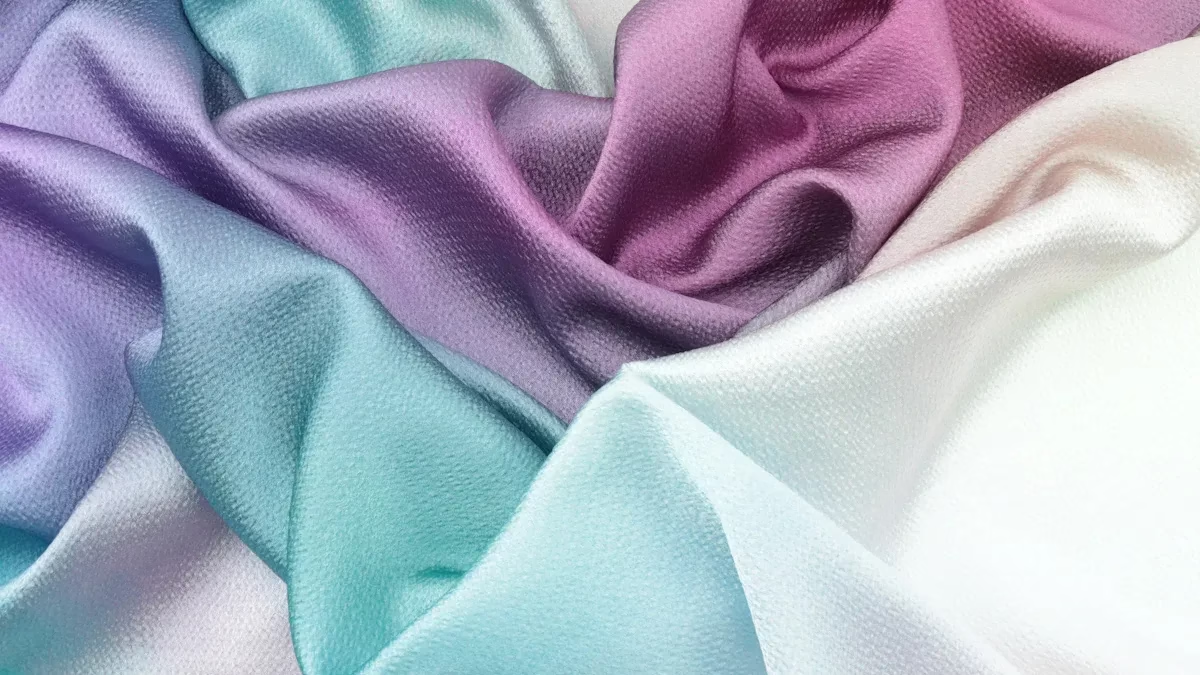
When you buy baby clothes, you may think about interlock vs jersey fabric. Both are soft, but your choice can change how comfy your baby feels. It can also affect your baby’s skin health. Babies can have problems with strong dyes, scratchy seams, or fake fabrics like polyester and nylon. You should pick gentle fabrics like organic cotton or bamboo. بيتيلولو uses natural, certified fabrics for baby clothes. You can trust that they care about safety and the planet.
الوجبات الرئيسية
المحتويات
Interlock fabric is thick and soft. It is great for cold weather and comfy pajamas. Jersey fabric is thin and stretches more. It works well for busy babies and hot summer days. Always pick natural fabrics like organic cotton or bamboo. These help keep your baby’s skin safe. Check for safety labels like OEKO-TEX® and GOTS. These show the fabric does not have bad chemicals. Think about what your baby needs and the weather. This helps you choose between interlock and jersey fabrics.
Interlock vs Jersey Fabric: Quick Overview
Key Differences
When you shop for baby clothes, you often see two main types of fabric: interlock and jersey. You might wonder what makes them different. Let’s break it down so you can make the best choice for your little one.
Here’s a quick table to show you how interlock and jersey fabrics compare:
نوع القماش | Structure Description | المتانة | النعومة |
|---|---|---|---|
التعشيق | Thicker, softer, same look on both sides | عالية | Very soft |
Single Jersey | More elastic, comfortable, not as thick | معتدل | مريحة |
You can also think about these differences:
Interlock fabric feels thicker and softer. You see the same smooth surface on both sides. It lasts a long time, even after many washes.
Jersey fabric feels lighter and stretchier. It is not as thick as interlock, but it still feels nice and comfy.
When you compare interlock vs jersey fabric, you notice that interlock gives more structure and warmth. Jersey feels lighter and stretches more, which can be great for active babies.
Let’s look at breathability and moisture control, which matter a lot for baby comfort:
نوع القماش | قابلية التنفس | Moisture-Wicking Properties |
|---|---|---|
التعشيق | عالية | ممتاز |
Jersey | معتدل | جيد |
Interlock lets air flow well and pulls moisture away from your baby’s skin. Jersey also does a good job, but not as much as interlock.
Which Is Best for Babies?
You want your baby to feel cozy and safe. So, which fabric should you pick? Here’s a quick guide:
نصيحة: Choose interlock for cooler days or when you want a soft, warm feel. Pick jersey for warmer weather or when you want something light and stretchy.
Interlock works well for baby rompers, pajamas, and sleeping bags. It keeps your baby warm and feels gentle on sensitive skin.
Jersey is great for t-shirts, onesies, and play clothes. It moves with your baby and feels cool in summer.
When you think about interlock vs jersey fabric, remember that both are good choices. The best one depends on your baby’s needs and the season. If you want extra softness and durability, interlock is a winner. If you want something light and flexible, jersey is a great pick.
You can always find both options in petelulu’s baby clothing range. They use high-quality, certified fabrics to keep your baby happy and safe.
Why Fabric Choice Matters
Comfort and Sensitivity
Babies have soft and sensitive skin. Their skin can react fast to rough things or chemicals. You want clothes that feel gentle and safe. Babies wear their clothes all day. Scratchy fabric or strong chemicals can cause rashes or make babies feel bad.
Many parents worry about chemicals in baby clothes. Some fabrics have PFAS, BPA, or formaldehyde. These chemicals can hurt your baby’s skin and health. Look at this table to see what these chemicals can do:
Chemical | Health Risks |
|---|---|
PFAS | Problems with thyroid, higher chance of asthma, allergies, slow growth, weaker immune system |
BPA | Early puberty, behavior problems, weight gain, trouble with brain growth |
Formaldehyde | Skin problems, breathing issues, allergic reactions |
A study in 2022 found PFAS in most kids’ outdoor jackets. Another group found fluorine, which shows PFAS, in every baby fabric they checked. This is why you should pick brands that use organic and certified materials. Petelulu uses natural fabrics like organic cotton and bamboo. You can trust these are safe for your baby’s skin.
Safety Standards
You want your baby’s clothes to follow strict safety rules. These rules help keep your child safe from bad chemicals. When you shop, look for labels like OEKO-TEX® STANDARD 100 and OEKO-TEX® MADE IN GREEN. Here is what these labels mean:
معيار السلامة | الوصف |
|---|---|
OEKO-TEX® STANDARD 100 | Clothes tested for over 1,000 bad chemicals, making sure baby clothes are safe. |
OEKO-TEX® MADE IN GREEN | Clothes made in good places, helping workers and the planet. |
Petelulu’s baby clothes have these labels. You can feel sure your baby’s clothes are safe and soft. Picking the right fabric helps keep your baby healthy and comfy every day.
Interlock Fabric for Baby Clothing
Composition and Feel
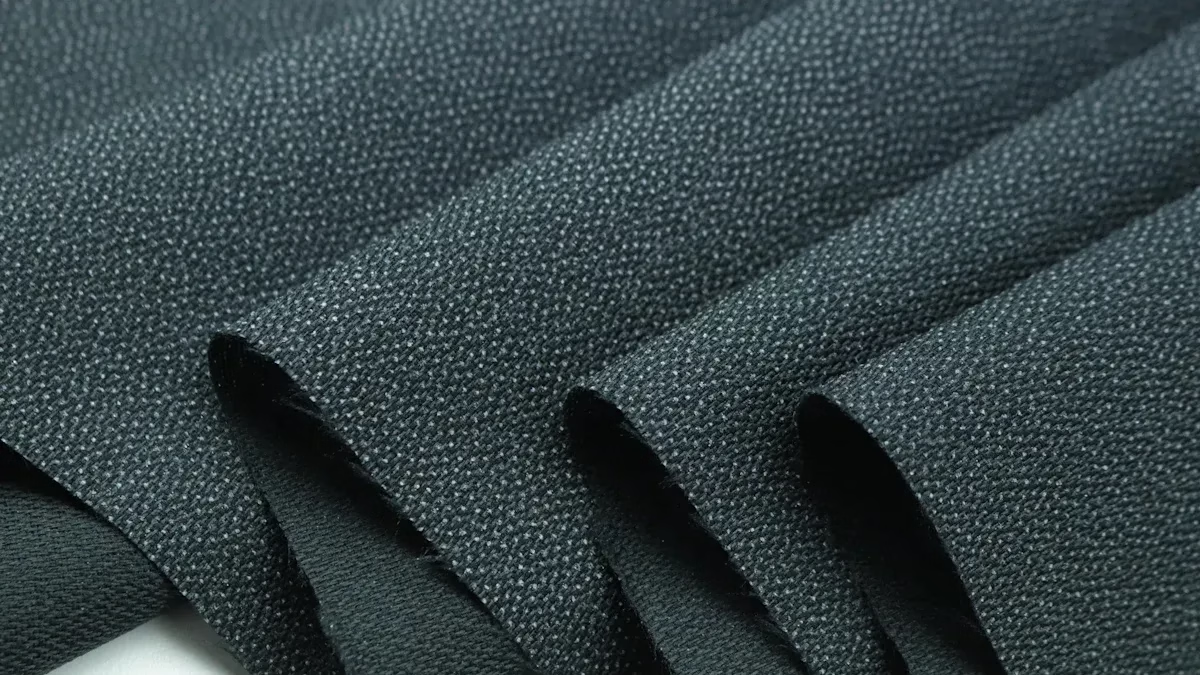
When you touch interlock fabric, you notice how soft and smooth it feels. This fabric uses two layers of knit that lock together. Both sides look and feel the same. You get a gentle, cushiony texture that feels great against your baby’s skin. Many parents love this fabric because it does not scratch or irritate. You can trust it for newborns and babies with sensitive skin.
Durability and Stretch
You want baby clothes that last through many washes and lots of play. Interlock fabric stands out for its strength. The double-knit structure makes it thicker and more durable than many other knits. You can stretch it, and it bounces back to shape. This means your baby’s clothes stay looking good, even after crawling, rolling, and tugging. Interlock fabric is stretchy, but not as elastic as single jersey. It gives enough flexibility for comfort, but it does not lose its shape easily. When you compare interlock vs jersey fabric, you see that interlock offers more structure and holds up better over time.
التهوية والراحة
Babies need clothes that let their skin breathe. Interlock fabric does a great job here. Air moves through the fabric, so your baby stays cool and dry. The softness adds to the comfort, making it perfect for all-day wear. You can use interlock for pajamas, rompers, and sleeping bags. Your baby will feel cozy without getting too hot.
نصيحة: If your baby has sensitive skin or you want extra comfort, choose interlock fabric for everyday basics.
Suitability for Babies
You want the best for your baby. Interlock fabric checks all the boxes. It feels soft, stretches just enough, and lasts a long time. You can wash it again and again without worrying about pilling or losing shape. Many parents pick interlock for baby essentials because it works well in every season. When you think about interlock vs jersey fabric, remember that interlock gives you durability, comfort, and peace of mind.
Jersey Fabric for Baby Clothing
Composition and Feel
Jersey fabric feels soft and smooth when you touch it. It has a gentle stretch, so it works well for baby clothes. Most baby jersey fabrics are made with TENCEL™ Modal and elastane. This mix makes the fabric silky and lets it move with your baby. Here is what is in the fabric:
Fiber Type | Percentage |
|---|---|
TENCEL™ Modal | 95% |
الإيلاستين | 5% |
TENCEL™ Modal comes from natural things, so it is gentle on your baby’s skin. Elastane gives the fabric a little stretch to help it keep its shape.
Flexibility and Softness
Babies need to move easily. Jersey fabric stretches in all directions. Your baby can wiggle, crawl, and play without feeling squeezed. Jersey is softer and lighter than interlock. It is also more flexible. That is why many people like it for onesies and t-shirts. You can dress your baby fast because the fabric slides on and off easily.
التهوية والراحة
Jersey fabric lets air pass through, so your baby stays cool and dry. This is important in hot weather or during naps. Experts say jersey made from organic cotton is best for newborns and infants. It is soft, lets skin breathe, and helps stop overheating. Certified jersey fabric does not have harmful stuff, so it is safe for sensitive skin.
Jersey fabric made from organic cotton is soft and lets skin breathe.
It is checked to be free of harmful things, so it is safe for babies.
The fabric helps stop overheating, which is good for summer sleeping bags.
Suitability for Babies
Jersey fabric is good for everyday baby clothes. You can use it for bodysuits, pajamas, and play outfits. The fabric stretches, so it fits close but does not feel tight. Jersey stays soft even after many washes. When you think about interlock vs jersey fabric, remember jersey is great for active babies who need comfort and room to move.
Interlock vs Jersey Fabric: Comparison Table
Feature-by-Feature Comparison
You want to see how these two fabrics stack up side by side. Here’s a simple table to help you compare the main features of interlock vs jersey fabric:
الميزة | Interlock Fabric | Jersey Fabric |
|---|---|---|
Thickness | Thicker, double-knit | Thinner, single-knit |
النعومة | Very soft, plush feel | Soft, smooth feel |
Stretch | Moderate stretch | High stretch |
المتانة | Very durable, holds shape | Good durability, may stretch out |
قابلية التنفس | Excellent, keeps baby comfy | Good, keeps baby cool |
Warmth | Warmer, great for cooler days | Lighter, better for warm weather |
Appearance | Same on both sides | One smooth side, one textured |
الأفضل لـ | Pajamas, rompers, sleeping bags | Onesies, t-shirts, play clothes |
نصيحة: Use this table when you shop for ملابس الأطفال. It helps you pick the right fabric for each season or activity.
Pros and Cons
Let’s break down the pros and cons so you can decide what works best for your baby.
Interlock Fabric
Pros:
Feels extra soft and gentle on skin
Stays strong after many washes
Keeps your baby warm and cozy
Looks the same on both sides
Cons:
Not as stretchy as jersey
May feel too warm in hot weather
Jersey Fabric
Pros:
Stretches easily for active babies
Feels light and cool
Great for layering or summer outfits
Easy to dress and undress your baby
Cons:
Can lose shape over time
Not as thick or warm as interlock
When you think about interlock vs jersey fabric, remember that both have their strengths. You might choose interlock for bedtime and jersey for playtime. Try both and see what your baby likes best!
Sustainable Baby Clothing with Petelulu
Eco-Friendly Fabric Sourcing
تريد safe clothes for your baby and the earth. Petelulu helps you do this. They use organic cotton, bamboo viscose, and recycled stuff. These fabrics feel soft and gentle on skin. You do not need to worry about bad chemicals or rough fabric.
Petelulu cares about where their fabrics come from. They pick trusted suppliers who follow strict safety rules. You can relax because every piece starts with safe, natural materials. Petelulu also thinks about the planet. They choose fabrics that use less water and energy. This helps keep the earth healthy for your child’s future.
You can find lots of choices in their product line. From warm pajamas to fun rompers, each item helps the planet. Petelulu’s team checks every step, from picking fabric to sewing clothes. You get clothes that are safe, comfy, and good for nature.
Certifications and Quality Control
You may wonder how you know your baby’s clothes are safe and green. Petelulu has top certifications in the clothing world. These labels show their fabrics meet high safety and eco standards.
Here’s a quick look at the most recognized certifications Petelulu holds:
اسم الشهادة | الوصف |
|---|---|
Tests textiles for harmful chemicals, ensuring safety for sensitive skin. | |
معيار GOTS (المعيار العالمي للمنسوجات العضوية) | Covers chemical safety and ensures environmentally friendly production practices. |
Petelulu follows strict quality checks at every step. Their team checks materials, watches production, and inspects finished clothes. You get products free from harmful stuff and safe for your baby. Petelulu’s promise to quality means you can trust every item you buy. You support a brand that cares about your baby and the planet.
Practical Tips for Parents
Choosing the Right Fabric
Picking the right fabric for your baby’s clothes can feel tricky. You want your little one to stay comfy, safe, and happy. Here are the top things you should look for:
Go for natural fabrics. Organic cotton feels soft, lets skin breathe, and rarely causes allergies. Bamboo is another great choice. It wicks away moisture and fights bacteria. Linen works well in hot weather because it is light and airy.
Skip rough or synthetic materials. Polyester can trap heat and make your baby sweat. Wool sometimes scratches unless it’s organic merino wool. Synthetic blends often have chemical dyes and softeners that may bother sensitive skin.
نصيحة: Always check the label. Look for words like “organic,” “GOTS certified,” or “OEKO-TEX.” These mean the fabric is safe for your baby.
You can find all these safe options in petelulu’s baby clothing line. They use only trusted, certified fabrics. If your baby has extra sensitive skin, try their organic cotton or bamboo pieces.
Shopping for Baby Clothes
Shopping for baby clothes gets easier when you know what to look for. Here are some simple steps:
Choose the right size. Babies grow fast. Pick clothes with a little room to move.
Think about the season. Interlock fabric keeps your baby warm in cool weather. Jersey works best for summer or layering.
Look for easy features. Snaps, zippers, and stretchy necklines make dressing simple.
Try custom options. Petelulu offers custom services. You can get special designs, colors, or even matching family sets.
You want clothes that last. Petelulu checks every piece for quality and safety. Their team helps you pick the best fabric and style for your baby’s needs.
When you shop smart, you keep your baby comfortable and safe. You also help the planet by choosing eco-friendly brands like petelulu.
You want your baby to be safe and comfortable. Interlock fabric is warm and strong. Jersey fabric is light and stretches easily. Look at this table to help you choose:
Recommended Fabrics | الوصف |
|---|---|
قطن عضوي | Soft, lets air in, gentle for sensitive skin. |
خيزران | Good for allergies, pulls sweat away. |
Merino wool | Keeps your baby warm but not too hot. |
Cashmere | Very soft and keeps your baby cozy. |
Picking eco-friendly clothes from petelulu can stop skin problems. It also helps keep the earth safe for your child’s future.
الأسئلة الشائعة
What’s the main difference between interlock and jersey fabric?
Interlock feels thicker and softer. Jersey feels lighter and stretches more. You get more warmth from interlock. Jersey works better for hot days or active play.
Is organic cotton better for my baby’s skin?
Yes! قطن عضوي is gentle and safe. It does not have harsh chemicals. Your baby’s skin stays happy and healthy.
How do I know if a fabric is safe for babies?
Look for labels like OEKO-TEX® or GOTS. These show the fabric passed strict safety checks. You can trust these labels.
Can I wash interlock and jersey baby clothes in the machine?
You can! Use cold water and a gentle cycle. Avoid strong detergents. Both fabrics stay soft after many washes.
Which fabric should I pick for summer?
☀️ Choose jersey for summer. It feels light and lets air flow. Your baby stays cool and comfy.